Odysseus Doesn’t Want to Be Mistaken for A Pirate

In the Odyssey, new arrivals are frequently asked whether or not they are pirates.

Od. 9.252-255

“Strangers, who are you? From where do you sail the watery paths?
Do you have some purpose, or do you wander pointlessly,
The way that pirates do over the sea, the men who wander
Putting their lives at risk and bringing evil to foreign peoples.”

‘ὦ ξεῖνοι, τίνες ἐστέ; πόθεν πλεῖθ’ ὑγρὰ κέλευθα;
ἤ τι κατὰ πρῆξιν ἦ μαψιδίως ἀλάλησθε
οἷά τε ληϊστῆρες ὑπεὶρ ἅλα, τοί τ’ ἀλόωνται
ψυχὰς παρθέμενοι, κακὸν ἀλλοδαποῖσι φέροντες;’

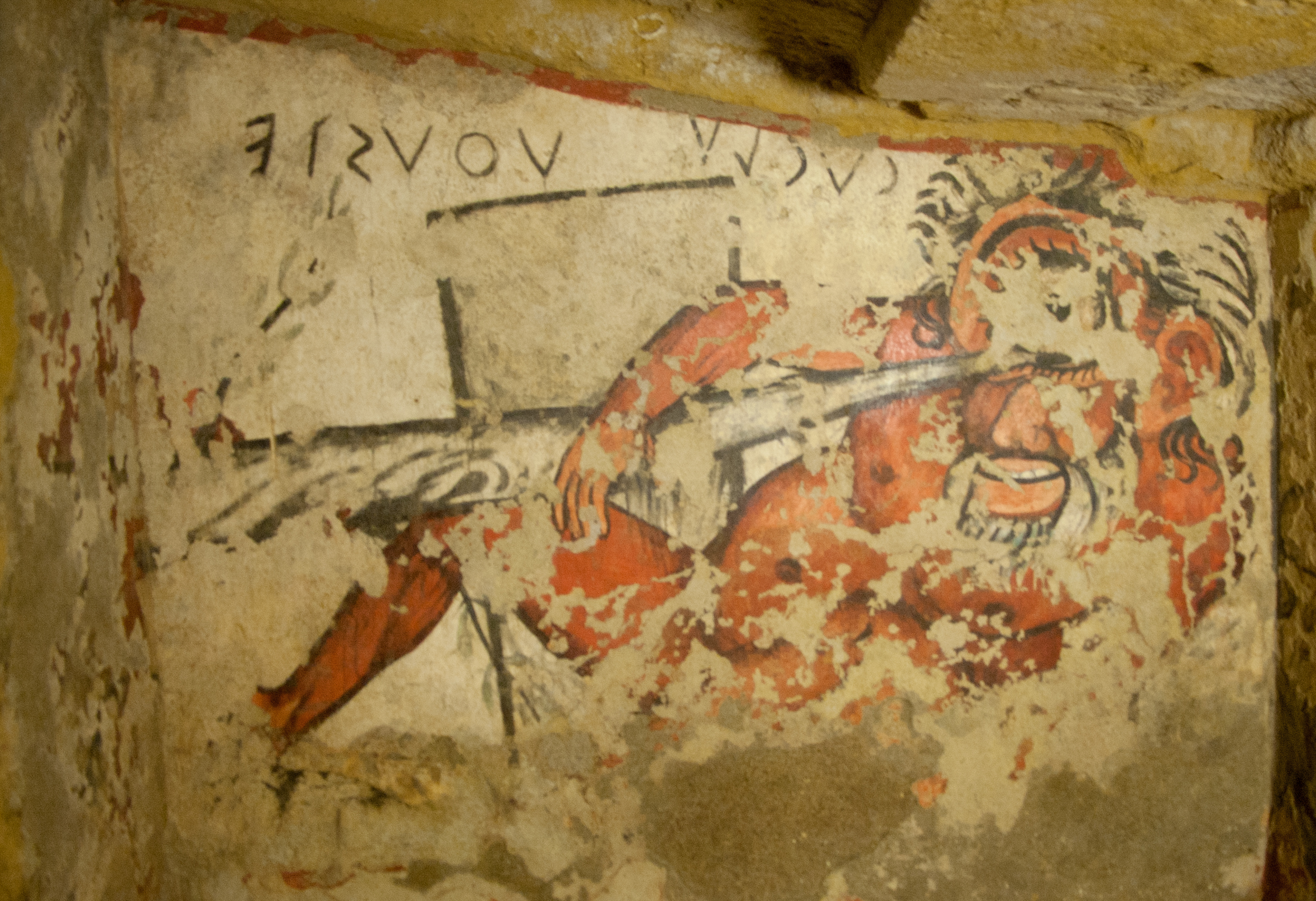
According to a scholion to the Odyssey, Odysseus attempts to avoid this suspicion when he selects his men to go see Polyphemos.

Schol ad Od. 9.195 

“But I chose some of my companions: [Odysseus] separated and selected the best men. Why [did he select] twelve? This is because they are few enough that they won’t seem like they are coming to act as pirates. On the other hand, he could not take fewer or else he would not to have thought the whole thing through. But they do not carry their weapons so that they might not appear to be hostile. In addition, he is there himself and does not send scouts ahead so that he won’t seem like to be a coward to the Phaeacians. Biut he does take the useful skein of wine as a safeguard against rural and savage men. Why then does the poet portray Odysseus as not obeying his companions’ council to flee? This is because he came in the cave and had now suspicion of a beastly life.”

αὐτὰρ ἐγὼ κρίνας ἑτάρων] χωρίσας καὶ ἐπιλεξάμενος τοὺς ἀρίστους. διὰ τί δώδεκα; καὶ γὰρ ὀλίγοι, ἵνα μὴ δοκῇ ὡς ἐπὶ λῃστείαν ἥκειν· ἐλάττους δὲ πάλιν οὐκ ἦγεν, ἵνα μὴ εὐκαταφρόνητος εἶναι δόξῃ· ἀλλ’ οὐδὲ ὅπλα ἐπιφέρεται, ἵνα μὴ ὡς πολέμιος εἶναι δοκῇ. αὐτὸς δὲ παρέστη καὶ οὐ προπέμπει, ἵνα μὴ φαίνηται δειλὸς τοῖς Φαίαξι. τὸν δὲ ἀσκὸν οἰκεῖον ἐφόδιον λαμβάνει, τὸν οἶνον, πρὸς ποιμενικοὺς καὶ ἀγρίους ἄνδρας. διὰ τί οὖν κινεῖ τὸν ᾿Οδυσσέα πρὸς τὸ μὴ πεισθῆναι τοῖς ἑταίροις συμβουλεύουσι φυγεῖν; ὅτι γενόμενος ἐν τῷ σπηλαίῳ οὐδεμίαν βίου θηριώδους ὑπόνοιαν ἔλαβε. T.

Image result for odysseus and cyclops

Defending the Truth by Deceit and Falsehood

Edward Gibbon, The Decline and Fall of the Roman Empire Vol. II:

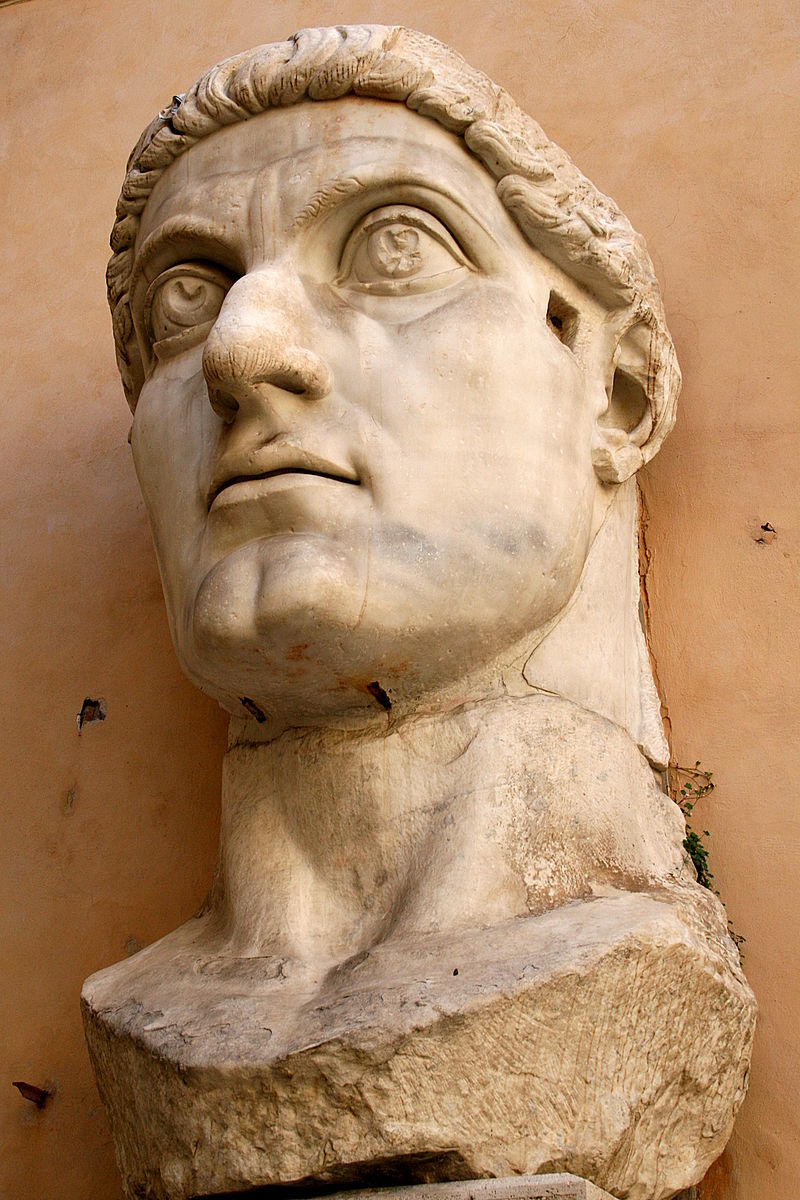
“The Protestant and philosophic readers of the present age will incline to believe, that in the account of his own conversion, Constantine attested a wilful falsehood by a solemn and deliberate perjury. They may not hesitate to pronounce, that in the choice of a religion, his mind was determined only by a sense of interest; and that (according to the expression of a profane poet ) he used the altars of the church as a convenient footstool to the throne of the empire. A conclusion so harsh and so absolute is not, however, warranted by our knowledge of human nature, of Constantine, or of Christianity. In an age of religious fervor, the most artful statesmen are observed to feel some part of the enthusiasm which they inspire, and the most orthodox saints assume the dangerous privilege of defending the cause of truth by the arms of deceit and falsehood. Personal interest is often the standard of our belief, as well as of our practice; and the same motives of temporal advantage which might influence the public conduct and professions of Constantine, would insensibly dispose his mind to embrace a religion so propitious to his fame and fortunes. His vanity was gratified by the flattering assurance, that he had been chosen by Heaven to reign over the earth; success had justified his divine title to the throne, and that title was founded on the truth of the Christian revelation. As real virtue is sometimes excited by undeserved applause, the specious piety of Constantine, if at first it was only specious, might gradually, by the influence of praise, of habit, and of example, be matured into serious faith and fervent devotion. The bishops and teachers of the new sect, whose dress and manners had not qualified them for the residence of a court, were admitted to the Imperial table; they accompanied the monarch in his expeditions; and the ascendant which one of them, an Egyptian or a Spaniard, acquired over his mind, was imputed by the Pagans to the effect of magic. Lactantius, who has adorned the precepts of the gospel with the eloquence of Cicero, and Eusebius, who has consecrated the learning and philosophy of the Greeks to the service of religion, were both received into the friendship and familiarity of their sovereign; and those able masters of controversy could patiently watch the soft and yielding moments of persuasion, and dexterously apply the arguments which were the best adapted to his character and understanding. Whatever advantages might be derived from the acquisition of an Imperial proselyte, he was distinguished by the splendor of his purple, rather than by the superiority of wisdom, or virtue, from the many thousands of his subjects who had embraced the doctrines of Christianity. Nor can it be deemed incredible, that the mind of an unlettered soldier should have yielded to the weight of evidence, which, in a more enlightened age, has satisfied or subdued the reason of a Grotius, a Pascal, or a Locke.”

Addiction and Self-Restraint: Are The Scholia Wrong About Drugs?

In Odysseus’ tale of his wanderings he recounts how he saved his men from the temptations of the land of the Lotus-Eaters

Odyssey 9.82-97

“From there for nine days I was carried by ruinous winds
over the fish-bearing sea. On the tenth we came to the land
of the Lotus-Eaters where they eat the florid food.
There we disembarked to the shore and we drew water;
soon my companions made dinner around the swift ships.
But after we had shared the food and drink
I sent out companions to go and discover
whatever men there were who ate the fruit of the earth.
I chose two men and sent a herald as a third.
They went and met the Lotus-eating men.
The Lotus-Eaters didn’t bring any harm to my companions,
but they gave them their lotus to share.
Whoever ate the honey-sweet fruit of the lotus
no longer wished to report back or return home,
but just longed to stay there among the Lotus-eating men
to wait and pluck the lotus, forgetting his homecoming.”

ἔνθεν δ’ ἐννῆμαρ φερόμην ὀλοοῖσ’ ἀνέμοισι
πόντον ἐπ’ ἰχθυόεντα• ἀτὰρ δεκάτῃ ἐπέβημεν
γαίης Λωτοφάγων, οἵ τ’ ἄνθινον εἶδαρ ἔδουσιν.
ἔνθα δ’ ἐπ’ ἠπείρου βῆμεν καὶ ἀφυσσάμεθ’ ὕδωρ,
αἶψα δὲ δεῖπνον ἕλοντο θοῇς παρὰ νηυσὶν ἑταῖροι.
αὐτὰρ ἐπεὶ σίτοιό τ’ ἐπασσάμεθ’ ἠδὲ ποτῆτος,
δὴ τότ’ ἐγὼν ἑτάρους προΐην πεύθεσθαι ἰόντας,
οἵ τινες ἀνέρες εἶεν ἐπὶ χθονὶ σῖτον ἔδοντες,
ἄνδρε δύω κρίνας, τρίτατον κήρυχ’ ἅμ’ ὀπάσσας.
οἱ δ’ αἶψ’ οἰχόμενοι μίγεν ἀνδράσι Λωτοφάγοισιν•
οὐδ’ ἄρα Λωτοφάγοι μήδονθ’ ἑτάροισιν ὄλεθρον
ἡμετέροισ’, ἀλλά σφι δόσαν λωτοῖο πάσασθαι.
τῶν δ’ ὅς τις λωτοῖο φάγοι μελιηδέα καρπόν,
οὐκέτ’ ἀπαγγεῖλαι πάλιν ἤθελεν οὐδὲ νέεσθαι,
ἀλλ’ αὐτοῦ βούλοντο μετ’ ἀνδράσι Λωτοφάγοισι
λωτὸν ἐρεπτόμενοι μενέμεν νόστου τε λαθέσθαι.

The scholia present reactions to this passage that are not altogether alien from some arguments in the debate about drug enforcement and addiction.

One scholiast quotes Heraclitus the Paradoxographer with approval, noting that this scene is about how the wise man can resist pleasure.

Schol ad. Od. 9 89

“From Herakleitos. If someone wishes to examine Odysseus’ wanderings precisely, he will find an allegorical tale. For he has set up Odysseus as something of a vehicle of every kind of virtue through which has philosophized: and then he resists the vices that corrupt human life: the land of the Lotus-eaters represents pleasure, a land of foreign corruption which Odysseus masterfully passes by, and then he settles the wild heart of each man with either chastisement or persuasion.”

ἐκ τοῦ ῾Ηρακλείτου. καθόλου δὲ τὴν ᾿Οδυσσέως πλάνην εἴ τις ἀκριβῶς ἐθέλει σκοπεῖν, ἠλληγορημένην εὑρήσει. πάσης γὰρ ἀρετῆς καθάπερ ὄργανόν τι τὸν ᾿Οδυσσέα παραστησάμενος ἑαυτῷ διὰ τοῦτο πεφιλοσόφηκεν, ἐπειδήπερ τὰς ἐκνεμομένας τὸν ἀνθρώπινον βίον ἤχθηρε κακίας, ἡδονὴν μέν γε τὸ Λωτοφάγων χωρίον, ξένης γεωργὸν ἀπολαύσεως, ἣν ᾿Οδυσσεὺς ἐγκρατῶς παρέπλευσε, τὸν δ’ ἄγριον ἑκάστου θυμὸν ὡσπερεὶ καυτηρίῳ τῇ παραινέσει τῶν λόγων ἐπήρωσε.

Another commentator actually speaks of the Lotus-eaters as just men. This author implies that Odysseus’ men choose to take the drugs. Therefore, the blame is on them.

Schol. ad Od. 9.92

“Because they are righteous men, the [Lotus-eaters] do not restrain anyone by force, but by persuasion. For in the word “they were devising” it is clear that the ruin which attends these men does not happen without their consent. For, because the Lotus-eaters are righteous men, they were detaining no one by force but they were bewitching them with words alone.”

οὐδ’ ἄρα Λωτοφάγοι] δίκαιοι ὄντες ἄνδρες βίᾳ τινι οὐ κατεῖχον, ἀλλὰ πειθοῖ. τὸ δὲ “μήδοντο” δηλοῖ ὅτι οὐχ ἑκούσιος ἦν ἐκείνων ὁ γενόμενος ὄλεθρος. καὶ γὰρ οἱ Λωτοφάγοι δίκαιοι ὄντες βίᾳ οὐδένα κατεῖχον, ἀλλὰ τῷ λόγῳ μόνῳ ἔθελγον. Q.

And another comment explains that the men who partake of the lotus don’t actually forget their homecoming, but they merely stop worrying about it. Because, you know, it is their fault.

Schol. ad Od. 9.97

“They forgot their homecoming” This follows from their nature, as it happens with the irrational animals, that the Lotus brings them forgetfulness and because of pleasure they spurn their homecoming. The sentiment is similar to the Iliad’s “they forgot their rushing valor”—they did not really forget it, but they stopped fostering it.”

νόστου τε λαθέσθαι] ἀκολούθως τῇ φύσει, ὡς ἐπὶ ἀλόγων ζῴων, οὐχ ὡς μέντοι τοῦ λωτοῦ λήθην ἐμποιοῦντος, ἀλλὰ διὰ τὴν ἡδονὴν καταφρονούντων τοῦ νόστου. ὅμοιον δέ ἐστι τῷ “λάθοντο δὲ θούριδος ἀλκῆς” (Il. ο, 322.). οὐ γὰρ ἐπελάθοντο, ἀλλὰ κατημέλησαν. H.Q.

Image result for odysseus and the lotus eaters
This is from tripline.com

In these three cases, drug addiction is treated as an individual responsibility and not as either a biological challenge [e.g. addiction as a disease] or a social problem [an act of oblivion in a society with no collective meaning or sense of belonging].

(Maybe they were all on drugs anyway)

Ancient Greek may not have had a word for the concept of addiction.

Gender, Smell and Lemnos: More Misogyny from Greek Myth

A proverb from the Suda

“By a Lemnian Hand: [meaning] cruelly and lawlessly. This is from a story: for they say that the women in Lemnos allegedly killed their husbands because they weren’t having sex with them”

Λημνίᾳ χειρί: ὠμῇ καὶ παρανόμῳ. ἀπὸ τῆς ἱστορίας· φασὶ γὰρ τὰς ἐν Λήμνῳ γυναῖκας τοὺς ἄνδρας αὐτῶν ἀνελεῖν αἰτιωμένας, ὅτι αὐταῖς οὐκ ἐμίγνυντο.

A few weeks ago I was looking up some odd word or another in the work of the lexicographer Hesychius (ok, to be honest, I was looking up words for feces and was looking at κοκκιλόνδις· παιδὸς ἀφόδευμα; kokkilondis: a child’s excrement”). I found the following words which are pretty much absent from all modern lexica.

Kikkasos: the sweat flowing from between the thighs

κίκκασος· ὁ ἐκ τῶν παραμηρίων ἱδρὼς ῥέων.

Kikkê: Sex. Or the bad smell [that comes] from genitals

κίκκη· συνουσία. ἡ ἀπὸ τῶν αἰδοίων δυσοσμία

Obviously, the specificity of these two lexical items is amusing. But their very existence perplexed me a bit. Where did they come from? How were they used? (They don’t actually appear anywhere but in Hesychius.) After some contemplation and a little restraint, I can only conclude that the words emerge from a generally misogynistic context which also considered sex in some way unclean.

The story that I kept thinking of was that of the Lemnian women—it is one of the few connections I could make between sex and bad smells. It is also one of my least favorite myths because it echoes modern misogynistic taboos which marginalize and alienate female bodies. So, I almost didn’t write this post. But I do think that it is worth making these connections, however uncomfortable they are.

Here are two versions of the Lemnian women tale.

Apollodorus, 1.114

“Jason was the captain of the ship as they disembarked and neared Lemnos. The island then happened to be bereft of men and was ruled by Hypsipyle, Thoas’ daughter, for the following reason. The Lemnian women used not to honor Aphrodite. She cast a terrible smell upon them and, for this reason, their husbands acquired spear-won women from Thrace and slept with them. Because they were dishonored, the Lemnian women slaughtered their fathers and husbands. Hypsipyle alone spared her father Thoas by hiding him. After they landed on the women-controlled island, they slept with the women. Hypsipyle gave birth to sons after sleeping with Jason: Eunêos and Nebrophonos.”

οὗτοι ναυαρχοῦντος ᾿Ιάσονος ἀναχθέντες προσίσχουσι Λήμνῳ. ἔτυχε δὲ ἡ Λῆμνος ἀνδρῶν τότε οὖσα ἔρημος, βασιλευομένη δὲ ὑπὸ ῾Υψιπύλης τῆς Θόαντος
δι’ αἰτίαν τήνδε. αἱ Λήμνιαι τὴν ᾿Αφροδίτην οὐκ ἐτίμων· ἡ δὲ αὐταῖς ἐμβάλλει δυσοσμίαν, καὶ διὰ τοῦτο οἱ γήμαντες αὐτὰς ἐκ τῆς πλησίον Θρᾴκης λαβόντες
αἰχμαλωτίδας συνευνάζοντο αὐταῖς. ἀτιμαζόμεναι δὲ αἱ Λήμνιαι τούς τε πατέρας καὶ τοὺς ἄνδρας φονεύουσι· μόνη δὲ ἔσωσεν ῾Υψιπύλη τὸν ἑαυτῆς πατέρα κρύψασα
Θόαντα. προσσχόντες οὖν τότε γυναικοκρατουμένῃ τῇ Λήμνῳ μίσγονται ταῖς γυναιξίν. ῾Υψιπύλη δὲ ᾿Ιάσονι συνευνάζεται, καὶ γεννᾷ παῖδας Εὔνηον καὶ Νεβρο-φόνον.

Image result for Jason argonauts greek vase

Schol ad. Pind. P4 88b

“The story goes like this: Because the Lemnian women had carried out the honors for Aphrodite improperly, the goddess inflicted a bad smell upon them: for this reason, men turned them away. They all worked together and killed their husbands in a plot. Then the Argonauts, as they were travelling to Skythia, arrived in in Lemnos; when they found that the island was bereft of men, they slept with the women and then left. The sons who were born from them went to Sparta in search of their fathers and, once they were accepted among the Lakonians, they became citizens there and settled in Sparta.

ἱστορία τοιαύτη· ταῖς Λημνίαις γυναιξὶν ἀσεβῶς διακειμέναις περὶ τὰς τῆς ᾿Αφροδίτης τιμὰς ἡ θεὸς δυσοσμίαν προσέπεμψε, καὶ οὕτως αὐτὰς οἱ ἄνδρες ἀπεστράφησαν· αἱ δὲ συνθέμεναι πρὸς ἑαυτὰς ἐξ ἐπιβουλῆς τοὺς ἄνδρας ἀνεῖλον. τηνικαῦτα δὲ οἱ ᾿Αργοναῦται τὸν εἰς Σκυθίαν στελλόμενοι πλοῦν προσωρμίσθησαν τῇ Λήμνῳ, καὶ εὑρόντες ἔρημον ἀρσένων τὴν νῆσον συνελθόντες ταῖς γυναιξὶν ἀπηλλάγησαν. οἱ δὲ φύντες ἐξ αὐτῶν ἦλθον εἰς Λακεδαίμονα κατὰ ζήτησιν τῶν πατέρων, καὶ προσδεχθέντες παρὰ Λάκωσι καὶ πολιτευσάμενοι συνέθεντο ἐπιθέσθαι τῇ Σπάρτῃ…

This tale seems to combine with a larger treatment of Lemnos as clear from the proverb above and this one:

A proverb from Zenobius (4.91)

“A Lemnian evil”: A proverb which they say comes from the lawless acts committed against husbands by the women of Lemnos. Or it derives from the story of the women who were abducted from Attica by the Pelasgians and settled in Lemnos. Once they gave birth, they taught their sons the ways and the language of the Athenians. They honored each other and ruled over those who descended from Thracians. Then the Pelasgians, because they were angry over this, killed them and their mothers. Or the proverb derives from the bad smell of the Lemnian women.”

Λήμνιον κακόν: παροιμία, ἣν διαδοθῆναι φασὶν ἀπὸ τῶν παρανομηθέντων εἰς τοὺς ἄνδρας ἐν Λήμνῳ ὑπὸ τῶν γυναικῶν. ῍Η διὰ τὸ τὰς ἁρπαγείσας ὑπὸ Πελασγῶν ἐκ τῆς ᾿Αττικῆς γυναῖκας εἰς Λῆμνον ἀπαχθῆναι· ἃς ἀποτεκούσας τρόπους τε τῶν ᾿Αθηναίων διδάξαι τοὺς παῖδας καὶ γλῶτταν· τούτους δὲ τιμωρεῖν ἀλλήλοις καὶ τῶν ἐκ τῶν Θρᾳσσῶν γεγενημένων ἐπικρατεῖν· τοὺς δὲ Πελασγοὺς ἐπὶ τούτῳ ἀχθομένους κτεῖναι αὐτοὺς καὶ τὰς μητέρας αὐτῶν. ῍Η διὰ τὴν δυσωδίαν τῶν Λημνιάδων γυναικῶν τὴν παροιμίαν διαδοθῆναι.

The story of the Lemnian crimes (Lêmnia Erga) is told by Herodotus (6.137-138): the Pelasgians were driven out of Attic and took Lemnos; then they got their revenge by abducting Athenian women during a festival. When the sons of these women grew up, they frightened the native Pelasgians and they were all killed.

In the major tales, it is clear that the women are not completely at fault, but they are the ones who seem to suffer the most. Within the broader narrative of the Argonaut tale, especially, we can see how women are defined by their bodies as loci of sexual interest or disinterest, the ability to produce children, and anxiety that they might not remain subordinate to male desire. The casual detail of the Pelasgian tale is especially harrowing.

The Cheap Attainment of So Much Learning

Edward Gibbon, Memoirs of My Life and Writings

“From the references in that unequal collection, and from an useful treatise, the Ductor Historicus of Hearne, I obtained some knowledge of the Greek and Latin Historians. As many as were accessible to an English student I endeavoured to procure, and all were devoured in their turns — from Littlebury’s lame Herodotus, and Spelman’s valuable Xenophon, to the pompous folios of Gordon’s Tacitus, and a ragged Procopius of the beginning of the last Century. The cheap attainment of so much learning confirmed my dislike to the study of language, and I represented to my aunt that, were I master of Latin and Greek, I must interpret to myself in English thethoughts of the original, and that such hasty extemporary versions would be probably inferior to the elaborate translations of professed scholars : a feeble sophism, but which could not be easily refuted by a person ignorant of any language but her own. My literary wants began to multiply ; the circulating libraries of London and Bath were exhausted l)y my importunate demands, and my expenses in books surpassed the measure of my scanty allowance. “

“They Write the Books Which People Read While Shitting”

From Robert Burton’s Anatomy of Melancholy:

‘Tis most true, tenet insanabile multos scribendi cacoethes, and there is no end of writing of books, as the wiseman found of old, in this scribbling age, especially wherein the number of books is without number, (as a worthy man saith,) presses be oppressed, and out of an itching humour that every man hath to show himself, desirous of fame and honour (scribimus indocti doctique——) he will write no matter what, and scrape together it boots not whence. Bewitched with this desire of fame, etiam mediis in morbis, to the disparagement of their health, and scarce able to hold a pen, they must say something, and get themselves a name, saith Scaliger, though it be to the downfall and ruin of many others. To be counted writers, scriptores ut salutentur, to be thought and held polymaths and polyhistors, apud imperitum vulgus ob ventosae nomen artis, to get a paper-kingdom: nulla spe quaestus sed ampla famae, in this precipitate, ambitious age, nunc ut est saeculum, inter immaturam eruditionem, ambitiosum et praeceps (’tis Scaliger’s censure); and they that are scarce auditors, vix auditores, must be masters and teachers, before they be capable and fit hearers. They will rush into all learning, togatam armatam, divine, human authors, rake over all indexes and pamphlets for notes, as our merchants do strange havens for traffic, write great tomes, Cum non sint re vera doctiores, sed loquaciores, whereas they are not thereby better scholars, but greater praters. They commonly pretend public good, but as Gesner observes, ’tis pride and vanity that eggs them on; no news or aught worthy of note, but the same in other terms. Ne feriarentur fortasse typographi vel ideo scribendum est aliquid ut se vixisse testentur. As apothecaries we make new mixtures everyday, pour out of one vessel into another; and as those old Romans robbed all the cities of the world, to set out their bad-sited Rome, we skim off the cream of other men’s wits, pick the choice flowers of their tilled gardens to set out our own sterile plots. Castrant alios ut libros suos per se graciles alieno adipe suffarciant(so Jovius inveighs.) They lard their lean books with the fat of others’ works. Ineruditi fures, &c. A fault that every writer finds, as I do now, and yet faulty themselves, Trium literarum homines, all thieves; they pilfer out of old writers to stuff up their new comments, scrape Ennius’ dunghills, and out of Democritus’ pit, as I have done. By which means it comes to pass, that not only libraries and shops are full of our putrid papers, but every close-stool and jakes, Scribunt carmina quae legunt cacantes; they serve to put under pies, to lap spice in, and keep roast meat from burning. With us in France, saith Scaliger, every man hath liberty to write, but few ability. Heretofore learning was graced by judicious scholars, but now noble sciences are vilified by base and illiterate scribblers,that either write for vainglory, need, to get money, or as Parasites to flatter and collogue with some great men, they put out burras, quisquiliasque ineptiasque. Amongst so many thousand authors you shall scarce find one, by reading of whom you shall be any whit better, but rather much worse, quibus inficitur potius, quam perficitur, by which he is rather infected than any way perfected.

Who Rolls Up the NPCs? Homeric Poetry As an RPG

One of my intrepid students sent me a link to this tumblr page which imagines the Iliad and the Odyssey as the product of one long role-playing game. Why did she send it to meBecause I constantly joke about the ‘campaigns’ of myth in terms only those who have wielded a 20-sided die might enjoy.

Image result for ancient roman 20 sided die

Now, I am doubly happy because I have met the Commander of Trash in person at the University of Tennessee. I am now triply happy because I hitherto believed  that there was not a Homeric Heroes RPG . But there is! A Trojan War RPG has debuted in the world! And there was an Odysseus game published almost 40 years ago (enough time to go to Troy and come back twice.)

I have used role-playing techniques before in modeling historical battles, but I have never tried a D&D campaign. I imagine that it could be exciting, engrossing, and a little intense. You know, like the Trojan War.

Image result for ancient roman 20 sided dieThey are not playing a board game, they are distributing points to NPCs.

I would love to hear from anyone who has played these games to know what they’re like. But more importantly, what traditional D&D class would Odysseus be? (I think thief or bard, probably). What kind of a + defense would Achilles’ armor have? What happens if you roll a 1 when wielding Philoktetes’ bow?

I have more questions–but for now I will just be contemplating Achilles’ charisma score.

Empty Talk: A Fly and a Mule

Phaedrus 3.6: Fly and Mule

A fly sat on a wagon buzzing at the mule:
“You’re going so slow: why don’t you want to go faster”
Be careful or I will sink my sting in your neck!”
The mule answered, “Your words are not my master;
I fear this fool who sits at the front of my cart:
He holds me back with flicking whip
And pulls at my face with dripping reins as I start!
So screw off with your arrogant show!
I know where I need to dawdle and when I need to run.”
With this story it is therefore right to mock,
Whoever without action offers empty talk.”

Musca in temone sedit et mulam increpans
“Quam tarde es” inquit “non vis citius progredi?
Vide ne dolone collum conpungam tibi.”
Respondit illa: “Verbis non moveor tuis;
sed istum timeo sella qui prima sedens
cursum flagello temperat lento meum,
et ora frenis continet spumantibus.
quapropter aufer frivolam insolentiam;
nam et ubi tricandum et ubi sit currendum scio.”
Hac derideri fabula merito potest
qui sine virtute vanas exercet minas.


Image result for medieval manuscript mule

Read or Barbarize

William Dean Howells, The Rise of Silas Lapham (Chp. 9):

“All civilisation comes through literature now, especially in our country. A Greek got his civilisation by talking and looking, and in some measure a Parisian may still do it. But we, who live remote from history and monuments, we must read or we must barbarise. Once we were softened, if not polished, by religion; but I suspect that the pulpit counts for much less now in civilising.”

Pierre-Auguste Renoir, ‘The Reader’

Arrogant, Lawless and Abnormal: Judging Homer’s Kyklôpes

Earlier we posted about the ancient debate of whether or not the Kyklôpes only had a single eye. Here is a longer post about Homer’s depiction of their character and customs.

Homer, Odyssey 105–115

“From there we went on sailing, even though our hearts were pained,
To the land of the overbearing, lawless Kyklôpes
Who especially rely on the immortal gods
And do not grow plants or plow the land
But everything grows for them, unplanted and unplowed:
The grain, barley and vines which bear
Thick wine, and Zeus’ rain makes them grow.
They don’t have council-bringing assemblies nor laws,
But they inhabit the peaks of high mountains
In their hollow caves, and each governs his
Children and wives—they do not care for one another.”

ἔνθεν δὲ προτέρω πλέομεν ἀκαχήμενοι ἦτορ.
Κυκλώπων δ’ ἐς γαῖαν ὑπερφιάλων ἀθεμίστων
ἱκόμεθ’, οἵ ῥα θεοῖσι πεποιθότες ἀθανάτοισιν
οὔτε φυτεύουσιν χερσὶν φυτὸν οὔτ’ ἀρόωσιν,
ἀλλὰ τά γ’ ἄσπαρτα καὶ ἀνήροτα πάντα φύονται,
πυροὶ καὶ κριθαὶ ἠδ’ ἄμπελοι, αἵ τε φέρουσιν
οἶνον ἐριστάφυλον, καί σφιν Διὸς ὄμβρος ἀέξει.
τοῖσιν δ’ οὔτ’ ἀγοραὶ βουληφόροι οὔτε θέμιστες,
ἀλλ’ οἵ γ’ ὑψηλῶν ὀρέων ναίουσι κάρηνα
ἐν σπέεσι γλαφυροῖσι, θεμιστεύει δὲ ἕκαστος
παίδων ἠδ’ ἀλόχων, οὐδ’ ἀλλήλων ἀλέγουσι.

Image result for Ancient Greek sculpture Cyclops

Schol. ad Od. 9.106 31-58 (Some of which is attributed to Porphyry)

Overbearing, lawless: The phrase has double significance: the great size of their bodies and the lawlessness of not following customs. For they say that “Each one governs his own children and wives”. For if they were lawless instead of unjust, how would he add “they rely on the gods”? But, then, someone might add how Polyphemos says “the Kyklôpes don’t care about aegis-bearing Zeus”. We should, of course, consider the proposal that it comes from Polyphemos, the flesh-eating, beast.  Hesiod also says “[Zeus] made it right for fish, beast and birds to eat one another because they do not have justice. Justice he gave to men” [see below]. Thus he depicts only Polyphemos as arrogant and unjust, while the rest of the other Kyklôpes are righteous, just people who obey the gods. This is why the earth gives them crops of its own accord.”

ὑπερφιάλων ἀθεμίστων] ἢ τῶν μεγαλοφυῶν τῷ σώματι, τῶν δισήμων γὰρ ἡ λέξις, ἀθεμίστων δὲ τῶν νόμοις μὴ χρωμένων· φησὶ γὰρ “θεμιστεύει δὲ ἕκαστος παίδων ἠδ’ ἀλόχων.” εἰ γὰρ ἦν ἀθεμίστων ἀντὶ τοῦ ἀδίκων, πῶς λέγει “οἵ ῥα θεοῖσι πεποιθότες;” εἰ δ’ εἴπῃ τις, καὶ πῶς ὁ Πολύφημός φησιν “οὐ Κύκλωπες Διὸς αἰγιόχου ἀλέγουσι,” (275.) σκοπείτω τὸ πρόσωπον, ὅτι Πολυφήμου ἐστὶ  τοῦ ὠμοφάγου καὶ θηριώδους. καὶ ῾Ησίοδος “ἰχθύσι μὲν καὶ θηρσὶ καὶ οἰωνοῖσι πετεινοῖς ἔσθειν ἀλλήλους, ἐπεὶ οὐ δίκη ἐστὶν ἐν αὐτοῖς, ἀνθρώποισι δ’ ἔδωκε δίκην.” ὥστε Πολύφημον μόνον λέγει ὑπερήφανον καὶ ἄδικον, τοὺς δὲ λοιποὺς πάντας Κύκλωπας εὐσεβεῖς καὶ δικαίους καὶ πεποιθότας τοῖς θεοῖς, ὅθεν καὶ ἀνῆκεν αὐτοῖς αὐτομάτως ἡ γῆ τοὺς καρπούς. H.

“When he claims that the Kyklôpes are arrogant, lawless and abnormal, how can [the poet] claim that they have good things from the gods freely? We must concede that they are “overbearing” because of the excessive size of their bodies, that they are “lawless”, because that do now use an established law but govern through their individual private interest: “each governs his own children and wife”, which is a sign of lawlessness. And Antisthenes says that only Polyphemos is unjust. For this one is even dismissive of Zeus. Therefore, the rest are just. For this reason, the earth provides to them everything of its own accord. And it is their just task not to work it. But they face violence violently, for “they attacked them” just as the giants.” “and who ruled as king of the arrogant giants” and, the fact that Phaeacians were forced to move because they were harmed by them.”

πῶς ὑπερφιάλους καὶ ἀθεμίστους καὶ παρανόμους εἰπὼν τοὺς Κύκλωπας ἄφθονα παρὰ θεῶν αὐτοῖς ὑπάρχειν λέγει τὰ ἀγαθά; ῥητέον οὖν ὅτι ὑπερφιάλους μὲν διὰ τὴν ὑπεροχὴν τοῦ σώματος, ἀθεμίστους δὲ τοὺς μὴ νόμῳ χρωμένους ἐγγράφῳ διὰ τὸ ἕκαστον ἴδιον ἄρχεσθαι· “θεμιστεύει δὲ ἕκαστος παίδων ἠδ’ ἀλόχου” (115), ὅπερ ἀνομίας σημεῖον. ᾿Αντισθένης δέ φησιν ὅτι μόνον τὸν Πολύφημον εἶναι ἄδικον· καὶ γὰρ οὗτος τοῦ Διὸς ὑπερόπτης ἐστίν.  οὐκοῦν οἱ λοιποὶ δίκαιοι· διὰ τοῦτο γὰρ καὶ τὴν γῆν αὐτοῖς τὰ πάντα ἀναδιδόναι αὐτόματον, καὶ τὸ μὴ ἐργάζεσθαι αὐτὴν δίκαιον ἔργον ἐστίν. ἀλλ’ ἔμπροσθεν βιαίως βιαίους, “οἵ σφεας σινέσκοντο” (Od. ζ, 6), ὥσπερ καὶ τοὺς Γίγαντας· “ὅσπερ ὑπερθύμοισι Γιγάντεσσιν βασίλευεν” (Od. η, 59), ὥσπερ καὶ τοὺς Φαίακας βλαπτομένους ὑπ’ αὐτῶν μεταναστῆναι. T.

“The Kyklôpes are just except for Polyphemos. The mention of their “overbearing” character is about their size; their “lawlessness” is due to the fact that they each privately govern their wives and children. How then did they also bring grief to the Phaeacians? It is because of the lawlessness of their state.”

δίκαιοι οὗτοι πλὴν Πολυφήμου. ὅθεν τὸ μὲν ὑπερφιάλων, νῦν μεγάλων, τὸ δὲ θεμίστων, μὴ ἐχόντων χρείαν νόμων διὰ τὸ θεμιστεύειν ἕκαστον παίδων ἠδ’ ἀλόχων. πῶς οὖν ἠδίκουν τοὺς Φαίακας καὶ ἐλύπουν (ζ, 5. 6.); διὰ τὸ ἀνόμοιον τῆς πολιτείας. V.

Hesiod, Works and Days 274-281

“Perses, put these thoughts in your mind
And heed justice, banish force altogether.
Kronos’ son assigned this right to human beings—
It is permitted for the fish, beasts and winged birds
To eat one another, since they don’t have justice.
But Kronos’ son gave humans, which is the best thing by far.
For if someone who understands argues cases publicly,
Wide-browed Zeus will grant him good fortune…”

῏Ω Πέρση, σὺ δὲ ταῦτα μετὰ φρεσὶ βάλλεο σῇσι
καί νυ δίκης ἐπάκουε, βίης δ’ ἐπιλήθεο πάμπαν.
τόνδε γὰρ ἀνθρώποισι νόμον διέταξε Κρονίων,
ἰχθύσι μὲν καὶ θηρσὶ καὶ οἰωνοῖς πετεηνοῖς
ἔσθειν ἀλλήλους, ἐπεὶ οὐ δίκη ἐστὶ μετ’ αὐτοῖς·
ἀνθρώποισι δ’ ἔδωκε δίκην, ἣ πολλὸν ἀρίστη
γίνεται· εἰ γάρ τίς κ’ ἐθέλῃ τὰ δίκαι’ ἀγορεῦσαι
γινώσκων, τῷ μέν τ’ ὄλβον διδοῖ εὐρύοπα Ζεύς·