Classics Beyond the Caprice of Time

John Buchan, Memory Hold-the-Door:

“I acquired a bitter detestation of war, less for its horrors than for its boredom and futility, and a contempt for its panache. To speak of glory seemed a horrid impiety. That was perhaps why I could not open Homer. I found that I could read very little, and that many things which used to charm me seemed meaningless, since they belonged to a dead world. My reading was chiefly in the Latin and Greek classics, which were beyond the caprice of time. I read and re-read Thucydides, for he also had lived among crumbling institutions; Virgil, for he had known both the cruelty and the mercy of life; Plato, above all, for he was seraphically free from the pettinesses which were at the root of our sorrows.”

A Madman’s Kind of Ignorance

Hippocrates of Cos, The Art 8

 “There are some who find fault with medicine because of doctors who are not willing to attempt cases completely overpowered by diseases, saying that while doctors will try to heal patients whose diseases would heal themselves, they do not touch cases for which there is a great need of help—and, if [medicine] were truly an art, it would be necessary to treat all diseases equally.

The people who say these things, if they are really criticizing doctors because they do not care about the people who say these kinds of things as if they were delirious, perhaps they might make a more pointed critique than the one they offer. For, if someone believes that a skill can do something it cannot do or a exhibit a character which it does not have by nature, he is ignorant with the kind of ignorance that is closer to madness than a lack of education. For it is possible for us to master some fields by a natural disposition and with the tools of the art and then to become practitioners of these fields, but it is not possible for others.”

VIII. Εἰσὶ δέ τινες οἳ καὶ διὰ τοὺς μὴ θέλοντας ἐγχειρεῖν τοῖσι κεκρατημένοις ὑπὸ τῶν νοσημάτων μέμφονται τὴν ἰητρικήν, λέγοντες ὡς ταῦτα μὲν καὶ αὐτὰ ὑφ᾿ ἑωυτῶν ἂν ἐξυγιάζοιτο ἃ ἐγχειρέουσιν ἰῆσθαι, ἃ δ᾿ ἐπικουρίης δεῖται μεγάλης οὐχ ἅπτονται, δεῖν δέ, εἴπερ ἦν ἡ τέχνη, πάνθ᾿ ὁμοίως ἰῆσθαι. οἱ μὲν οὖν ταῦτα λέγοντες, εἰ ἐμέμφοντο τοῖς ἰητροῖς, ὅτι αὐτῶν τοιαῦτα λεγόντων οὐκ ἐπιμέλονται ὡς παραφρονεύντων, εἰκότως ἂν ἐμεμφοντο μᾶλλον ἢ ἐκεῖνα μεμφόμενοι. εἰ γάρ τις ἢ τέχνην ἐς ἃ μὴ τέχνη, ἢ φύσιν ἐς ἃ μὴ φύσις πέφυκεν, ἀξιώσειε δύνασθαι, ἀγνοεῖ ἄγνοιαν ἁρμόζουσαν μανίῃ μᾶλλον ἢ ἀμαθίῃ. ὧν γὰρ ἔστιν ἡμῖν τοῖσί τε τῶν φυσίων τοῖσι τε τῶν τεχνέων ὀργάνοις ἐπικρατεῖν, τούτων ἔστιν ἡμῖν δημιουργοῖς εἶναι, ἄλλων δὲ οὐκ ἔστιν.

This has no relation to the last statement but I needed to share it to remember it. Also, anything like this sticks with me because (1) I grind my teeth and (2) my spouse is a dentist.

Hippocrates, Prognostica 3

“To grind the teeth during a fever—if it is not a lifelong habit—is sign of insanity and mortal danger. And if this is done while delirious, it is especially deadly.”

ὀδόντας δὲ πρίειν ἐν πυρετῷ, ὁκόσοισι μὴ σύνηθές ἐστιν ἀπὸ παίδων, μανικὸν καὶ θανατῶδες·6 ἢν δὲ καὶ παραφρονέων τοῦτο ποιῇ, ὀλέθριον κάρτα ἤδη γίνεται.

File:Medieval dentistry.jpg
Wikimedia commons

“I hear You’re a Lover of Learning”: An Unlikely Letter to a Leader

Isocrates, Letter to Alexander, 5

“I hear everyone saying how you are a man of goodwill to humanity and lover of learning, not foolishly so, but in practical fashion. For they add that you welcome some of our citizens who have not neglected themselves by pursuing base interests but those in whose presence you would not feel any grief by staying and whose alliance and shared goals would bring you neither harm nor injustice. Indeed, these are the sorts of men wise people should choose to be near.

When it comes to schools of philosophy, people report that you do not despise the practice of eristic argumentation, which you think is right to value in individual conversations, you do think that it is not proper for those in charge of many people or those who rule in monarchies. For, it is not advantageous or proper for those who think that they are greater than others to strive with politicians on their own or to allow others to disagree with them.

I hear that you do not take pleasure in this training, but instead have selected for yourself education about arguments which you might use in response to events which transpire on any given day and which help us us make plans about common affairs. Through this, it is possible to form an appropriate opinion about what will happen in the future and to give commands competently to the people you rule as to what is best for each person to do, you will learn how to make good judgments about what is right and just and opposite to both. In addition, you will learn when to honor and criticize as is fitting for each group.

You are wise, then, in showing concern for these things. For you provide hope to your father and the rest that, as you get older if you persist in these studies, you will outpace others as far in prudence as your father has surpassed all people [in war].”


Ἀκούω δέ σε πάντων λεγόντων ὡς φιλάνθρωπος εἶ καὶ φιλαθήναιος καὶ φιλόσοφος, οὐκ ἀφρόνως ἀλλὰ νοῦν ἐχόντως. τῶν τε γὰρ πολιτῶν ἀποδέχεσθαί σε τῶν ἡμετέρων οὐ τοὺς ἠμεληκότας αὑτῶν καὶ πονηρῶν πραγμάτων ἐπιθυμοῦντας, ἀλλ᾿ οἷς συνδιατρίβων τ᾿ οὐκ ἂν λυπηθείης, συμβάλλων τε καὶ κοινωνῶν πραγμάτων οὐδὲν ἂν βλαβείης οὐδ᾿ ἀδικηθείης, οἵοις περ χρὴ πλησιάζειν τοὺς εὖ φρονοῦντας· τῶν τε φιλοσοφιῶν οὐκ ἀποδοκιμάζειν μὲν οὐδὲ τὴν περὶ τὰς ἔριδας, ἀλλὰ νομίζειν εἶναι πλεονεκτικὴν ἐν ταῖς ἰδίαις διατριβαῖς, οὐ μὴν ἁρμόττειν οὔτε τοῖς τοῦ πλήθους προεστῶσιν οὔτε τοῖς τὰς μοναρχίας ἔχουσιν· οὐδὲ γὰρ συμφέρον οὐδὲ πρέπον ἐστὶ τοῖς μεῖζον τῶν ἄλλων φρονοῦσιν οὔτ᾿ αὐτοῖς ἐρίζειν πρὸς τοὺς συμπολιτευομένους οὔτε τοῖς ἄλλοις ἐπιτρέπειν πρὸς αὑτοὺς ἀντιλέγειν.

Ταύτην μὲν οὖν οὐκ ἀγαπᾶν σε τὴν διατριβήν, προαιρεῖσθαι δὲ τὴν παιδείαν τὴν περὶ τοὺς λόγους, οἷς χρώμεθα περὶ τὰς πράξεις τὰς προσπιπτούσας καθ᾿ ἑκάστην τὴν ἡμέραν καὶ μεθ᾿ ὧν βουλευόμεθα περὶ τῶν κοινῶν· δι᾿ ἣν νῦν τε δοξάζειν περὶ τῶν μελλόντων ἐπιεικῶς, τοῖς τ᾿ ἀρχομένοις προστάττειν οὐκ ἀνοήτως ἃ δεῖ πράττειν ἑκάστους, ἐπιστήσει, περὶ δὲ τῶν καλῶν καὶ δικαίων καὶ τῶν τούτοις ἐναντίων ὀρθῶς κρίνειν, πρὸς δὲ τούτοις τιμᾶν τε καὶ κολάζειν ὡς προσῆκόν ἐστιν ἑκατέρους. σωφρονεῖς οὖν νῦν ταῦτα μελετῶν· ἐλπίδας γὰρ τῷ τε πατρὶ καὶ τοῖς ἄλλοις παρέχεις, ὡς, ἂν πρεσβύτερος γενόμενος ἐμμείνῃς τούτοις, τοσοῦτον προέξεις τῇ φρονήσει τῶν ἄλλων, ὅσον περ ὁ πατήρ σου διενήνοχεν ἁπάντων

Image result for alexander the great


Fear of Flute-girls and Heights: Some Physician’s Notes

Hippocrates, Epidemics 5

“Whenever he went to a drinking party, Nikanor was afflicted with fear of the flute girl. Whenever she began playing the flute and he would hear it in the Symposium, he would be filled with anxiety. He said he could scarcely endure it whenever it was night. But during the day time, he was not scared off by hearing it. These kinds of reactions lasted a very long time.”

“Democles, who was his companion, used to seem blind and weak in his body. He was not able to walk along a cliff or on a bridge to cross over even a smallest depth of a ditch. But he was capable of crossing the ditch itself. This impacted him for a great amount of time.”

  1. Τὸ Νικάνορος πάθος, ὁπότε ἐς ποτὸν ὁρμῷτο, φόβος τῆς αὐλητρίδος· ὁκότε φωνῆς αὐλοῦ ἀρχομένης ἀκούσειεν αὐλεῖν ἐν ξυμποσίῳ, ὑπὸ δειμάτων ὄχλοι· μόγις ὑπομένειν ἔφη, ὅτε εἴη νύξ· ἡμέρης δὲ ἀκούων οὐδὲν διετρέπετο· τοιαῦτα παρείπετο συχνὸν χρόνον.
  2. Δημοκλῆς ὁ μετ᾿ ἐκείνου ἀμβλυώσσειν καὶ λυσισωματεῖν ἐδόκει, καὶ οὐκ ἂν παρῆλθε παρὰ κρημνὸν οὐδὲ ἐπὶ γεφύρης οὐδὲ τοὐλάχιστον βάθος τάφρου διαπορεύεσθαι, ἀλλὰ δι᾿ αὐτῆς τῆς τάφρου οἷος ἦν· τοῦτο χρόνον τινὰ ξυνέβη αὐτῷ.


Image result for medieval manuscript fear of heights
There is a lot to be afraid of….

Classics to the Rescue!

Compton Mackenzie, Sinister Street:

“If some louts in the Modern Fourth dared to push them from side to side, as they went by, Michael and Alan would begin to fight and would shout, ‘You stinking Modern beasts! Classics to the rescue!’ To their rescue would pour the heroes of the Upper Fourth A. Down went the Modern textbooks of Chemistry and Physics, and ignominiously were they hacked along the corridor. Doubled up by a swinging blow from a bag stood the leader of the Moderns, grunting and gasping in his windless agony. Back to the serenity of Virgilian airs went the Upper Fourth A, with Michael and Alan arm in arm amid their escort, and most dejectedly did the Modern cads gather up their scientific textbooks; but during the ‘quarter’ great was the battle waged on the ‘gravel’–that haunt of thumb-biting, acrimonious and uneasy factions. Michael and Alan were not yet troubled with the fevers of adolescence. They were cool and clear and joyous as the mountain torrent: for them life was a crystal of laughter, many-faceted to adventure.”

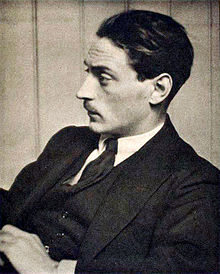
Image result for compton mackenzie

Milking the He-Goat: The Only Proverb You Need for a Thursday

Polybius, Book 33 16a fragmenta incertae sedis

“20. As soon as the masses are compelled to love or hate people excessively, every excuse is sufficient for them to complete their plans.

21 But I worry that I might overlook the fact that the oft-cited saying applies to me: “who is the greater fool, the one who milks a male-goat or the one who holds the bucket* to catch it?”

For, I also seem, in reporting what is agreed upon as a lie and in dragging out the process to do something very similar. For this reason, it is pointless to talk about these things, unless someone also wants to write down dreams and examine the fantasies of someone who is awake.”

*koskinos here actually means “sieve”, which makes the whole process even more futile. I simplified to “bucket” to make it easier to understand…

20. Ὅτι ὅταν ἅπαξ οἱ πολλοὶ σχῶσιν ὁρμὴν πρὸς τὸ φιλεῖν ἢ μισεῖν τινας ὑπερβαλλόντως, πᾶσα πρόφασις ἱκανὴ γίνεται πρὸς τὸ συντελεῖν τὰς αὑτῶν προθέσεις.

21. Ἀλλὰ γὰρ ὀκνῶ μή ποτ᾿ εἰς τὸ περιφερόμενον ἐμπεσὼν λάθω, πότερον ὁ τὸν τράγον ἀμέλγων ἀφρονέστερος ἢ ὁ τὸ κόσκινον ὑπέχων· δοκῶ γὰρ δὴ κἀγὼ πρὸς ὁμολογουμένην ψευδολογίαν ἀκριβολογούμενος καὶ τὸν ἐπιμετροῦντα λόγον εἰσφέρων παραπλήσιόν τι ποιεῖν. διὸ καὶ μάτην τελέως περὶ τούτων λέγειν, εἰ μή τις καὶ γράφειν ἐνύπνια βούλεται καὶ θεωρεῖν ἐγρηγορότος ἐνύπνια.

Diogenianus writes on this proverb (Centuria 95.3; Cf. Mantissa Proverb., 2.68)

“Who is the greater fool, the one who milks a male-goat or the one who holds the bucket to catch it? You should say the [one who milks] the male-goat”

Πότερον ὁ τὸν τράγον ἀμέλγων ἀφρονέστερος, ἢ ὁ τὸ κόσκινον ὑποτιθείς; εἴποις, ὁ τὸν τράγον:

Arsenius, Centuria 17 41a7

“To milk a he-goat”: this is applied to those who do something incongruous and ignorant. From this we also get the saying from Diogenianus: “Who is the greater fool, the one who milks a male-goat or the one who holds the bucket to catch it?”

“Τράγον ἀμέλγειν: ἐπὶ τῶν ἀνάρμοστόν τι ποιούντων καὶ ἀνόητον. ὅθεν καὶ Διογενιανός· πότερον ὁ τὸν τράγον ἀμέλγων ἢ ὁ τὸ κόσκινον ὑποτιθεὶς ἀφρονέστερος;

From Medieval Bestiary: Bibliothèque Nationale de France, lat. 6838B, Folio 15r

Hey Kids, Drinking is For the Middle-Aged

Athenaeus, Deipnosophists 10, 440c

“This is the reason why the most divine Plato rightly legislated in his second book of Laws that boys should not taste wine at all until they are 18 years old. For it is not right to heat fire with fire! It is permissible to taste a limited amount of wine up to thirty, but a young man should completely refrain from being drunk or drinking a lot.

When a man is forty years old he can pray to the rest of gods in the common mess and then may appeal to Dionysus and the rites of the elders and the games they have. Wine is the drug which Dionysus granted to humans as a companion for harsher old age, so we might recover ourselves and forget our despair.”

Διόπερ ὁ θειότατος Πλάτων καλῶς νομοθετεῖ ἐν τῷ δευτέρῳ τοὺς παῖδας μέχρι ἐτῶν ὀκτωκαίδεκα τὸ παράπαν οἴνου μὴ γεύεσθαι· οὐ γὰρ χρὴ πῦρ ἐπὶ πῦρ cὀχετεύειν. οἴνου δὲ μετρίου γεύεσθαι. μέχρι τριάκοντα ἐτῶν, μέθης δὲ καὶ πολυοινίας τὸ παράπαν τὸν νέον ἀπέχεσθαι. τετταράκοντα δὲ ἐπιβαίνοντα ἐτῶν ἐν τοῖς συσσιτίοις εὐωχηθέντα καλεῖν τούς τε ἄλλους θεοὺς καὶ δὴ <καὶ> Διόνυσον παρακαλεῖν εἰς τὴν τῶν πρεσβυτῶν τελετὴν ἅμα καὶ παιδιάν, ἣν τοῖς ἀνθρώποις ἐπίκουρον τῆς τοῦ γήρως αὐστηρότητος ἐδωρήσατο τὸν οἶνον φάρμακον, ὥστε ἀνηβᾶν ἡμᾶς καὶ δυσθυμίας λήθην γίγνεσθαι.

Related image
Luttrell Psalter


And, if we believe the news, it just might help us live a little longer…

Aristotle’s Lack of Insight

Karl Popper, The Open Society and Its Enemies:

“An inclination to compromise, strangely mixed with an inclination to find fault with his predecessors and contemporaries (and with Plato in particular), is one of the outstanding characteristics of Aristotle’s encyclopaedic writings. They show no trace of the tragic and stirring conflict that is the motive of Plato’s work. Instead of Plato’s flashes of penetrating insight, we find dry systematization and the love, shared by so many mediocre writers of later times, for settling any question whatever by issuing a ‘sound and balanced judgement’ that does justice to everybody; which means, at times, by elaborately and solemnly missing the point. This exasperating tendency which is systematized in Aristotle’s famous ‘doctrine of the mean’ is one of the sources of his so often forced and even fatuous criticism of Plato. An example of Aristotle’s lack of insight, in this case of historical insight (he also was a historian), is the fact that he acquiesced in the apparent democratic consolidation just when it had been superseded by the imperial monarchy of Macedon; a historical event which happened to escape his notice. Aristotle, who was, as his father had been, a courtier at the Macedonian court, chosen by Philip to be the teacher of Alexander the Great, seems to have underrated these men and their plans; perhaps he thought he knew them too well. ‘Aristotle sat down to dinner with Monarchy without becoming aware of it’, is Gomperz’s appropriate comment.

“Aristotle’s thought is entirely dominated by Plato’s. Somewhat grudgingly, he followed his great teacher as closely as his temperament permitted, not only in his general political outlook but practically everywhere. So he endorsed, and systematized, Plato’s naturalistic theory of slavery: ‘Some men are by nature free, and others slaves; and for the latter, slavery is fitting as well as just … A man who is by nature not his own, but another’s, is by nature a slave … Hellenes do not like to call themselves slaves, but confine this term to barbarians … The slave is totally devoid of any faculty of reasoning’, while free women have just a very little of it. (We owe to Aristotle’s criticisms and denunciations most of our knowledge of the Athenian movement against slavery. By arguing against the fighters for freedom, he preserved some of their utterances.) In some minor points Aristotle slightly mitigates Plato’s theory of slavery, and duly censures his teacher for being too harsh. He could neither resist an opportunity for criticizing Plato, nor one for a compromise, not even if it was a compromise with the liberal tendencies of his time.”

Image result for karl popper

Some Casual Misogyny in The Scholia to the Iliad

It is probably not surprising to hear that the Homeric poems express misogynistic ideology; even the ancient poet Palladas recognized that Homer was something of a misogynist. But, get this, the ancient scholia are pretty awful too!

In a recent article, Sarah Scullin collects misandrist myths and topics from Greece and Rome. Reading some ancient scholarship can make us see why someone might find such ideas attractive. The following lines and commentary from the Homeric Scholia come from the scene at the end of book 1 of the Iliad where Hera talks to Zeus about his recent conversation with Thetis.

Il. 1.539

αὐτίκα κερτομίοισι Δία Κρονίωνα προσηύδα·

“Immediately, she addressed Kronos’ son Zeus with heart-rending words.”

Schol. bT ad Il. 1.539

“heart-rending”: words which hit the heart. For, both of these things are womanly: to be suspicious and to not restrain speech.”

κερτομίοισι: τοῖς τὸ κέαρ βάλλουσι. γυναικεῖα δὲ ἄμφω, τό τε ὑπονοῆσαι καὶ τὸ μὴ ἐπισχεῖν τοῦ λόγου.

Il. 1.542-3

…οὐδέ τί πώ μοι
πρόφρων τέτληκας εἰπεῖν ἔπος ὅττι νοήσῃς.

“…never at all do you dare to willingly say to me whatever plan you are thinking up.”

Schol. A ad Il. 1.542-3

“not ever at all”: women get annoyed unless their husbands share everything in common with them.”

οὐδέ τί πώ μοι: δυσχεραίνουσιν αἱ γυναῖκες, εἰ μὴ πάντα αὐταῖς ἀνακοινοῖντο οἱ ἄνδρες.

Il. 1.553

καὶ λίην σε πάρος γ’ οὔτ’ εἴρομαι οὔτε μεταλλῶ,

“I never previously have been asking you or questioning you excessively”

Schol. bT ad Il. 1.553

“excessively you before”: women customarily deny it whenever they have been really annoying to their husbands.”

καὶ λίην σε πάρος: ἔθος γυναιξὶν ἀρνεῖσθαι, ὅτι ποτὲ παρηνώχλησαν τοῖς ἀνδράσιν.

Hera and Prometheus, tondo of a 5th-century BCE cup from Vulci, Etruria

Twinkling Smile or Innumerable Laughter?

Frederic W. Farrar – Eric, or Little by Little

“One day Mr Gordon had accidentally come in, and found no one there but Upton and Eric; they were standing very harmlessly by the window, with Upton’s arm resting kindly on Eric’s shoulder, as they watched with admiration the network of rippled sunbeams that flashed over the sea. Upton had just been telling Eric the splendid phrase, ‘anerhithmon gelasma pontou’, which he had stumbled upon in an Aeschylus lesson that morning, and they were trying which would hit on the best rendering of it. Eric stuck up for the literal sublimity of ‘the innumerable laughter of the sea,’ while Upton was trying to win him over to ‘the many-twinkling smile of ocean.’ They were enjoying the discussion, and each stoutly maintaining his own rendering, when Mr Gordon entered.”

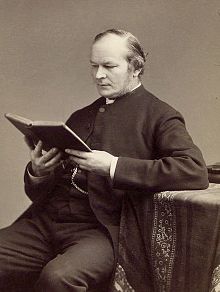
Image result for frederic w farrar