A Person’s God

From the Suda:

“A person is a person’s god.” This proverb is for when people are unexpectedly saved by human being and become famous because of this. There are also the proverbs “A person [like] Euripos”; “Chance [like] Euripos”, “An opinion [like the] Euripos”—these proverbs are for people who change easily and are not stable.”

Ἄνθρωπος ἀνθρώπου δαιμόνιον: παροιμία ἐπὶ τῶν ἀπροσδοκήτως ὑπὸ ἀνθρώπου σῳζομένων καὶ δι’ αὐτῶν εὐδοκιμούντων. καὶ Ἄνθρωπος Εὔριπος, Τύχη Εὔριπος, Διάνοια Εὔριπος. ἐπὶ τῶν ῥᾷστα μεταβαλλομένων καὶ ἀσταθμήτων ἀνθρώπων.

Explained elsewhere:

“Euripos: A sea strait, or a water body between two [bodies] of land. This one is between Boiôtia and Attica. The water there changes direction seven times a day.”

Εὔριπος: πέλαγος στενόν, ἢ τόπος ὑδατώδης μεταξὺ δύο γαιῶν. τουτέστι Βοιωτίας καὶ ᾿Αττικῆς. ἑπτάκις δὲ τῆς ἡμέρας τὸ ἐκεῖσε ὕδωρ τρέπεται.

Related image
A krater from the MET

“Bring Back Some Books!”

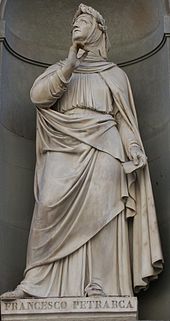
Francesco Petrarch, Epistulae Seniles 16.1:

“But already I have rubbed against my wounds and injuries enough – now I return to Cicero. Known by some little reputation for my talent (though false) and by far the greatest favor of such masters, I had contracted various friendships through diverse circumstances, since I was in a place to which people came from every region. When my friends were leaving, they would ask (as is usual) whether I would like them to bring me anything from their homeland. I would respond: ‘nothing but books, and Cicero above all others.’ I used to give them notes to help them, and would press them hard in my letters and conversation. How often do you think that I sent my prayers and money, not just through Italy where I happened to be well-known, but even through France and Germany, even to Spain and Britain? I will tell you something incredible: I even sent to Greece, and where I expected Cicero, I found Homer. Homer came to me in Greek, but through strenuous effort and labor I rendered him into Latin, and now he happily lives with me among my Latin books.”

Image result for petrarch cicero

Sed iam satis vulnera mea doloresque refricui. Nunc ad Ciceronem redeo. Itaque iam aliquali fama ingenii, falsa licet, sed multo maximo favore cognitus talium dominorum, varias amicitias per diversa contraxeram, quod essem in loco, ad quem fieret ex omni regione concursus. Abeuntibus demum amicis, et ut fit petentibus, numquid e patria sua vellem, respondebam: nichil preter libros. Ciceronis ante alios. dabam memorialia, scriptoque et verbis instabam. Et quotiens putas preces, quotiens pecuniam misi, non per Italiam modo, ubi eram notior, sed per Gallias atque Germaniam, et usque ad Hispanias atque Britanniam? Dicam quod mireris, et in Greciam misi, et unde Ciceronem exspectabam, habui Homerum, quique Grecus ad me venit, mea ope et impensa factus est Latinus, et nunc inter Latinos volens mecum habitat. Et quid tibi vis,

“My Mother Is Like This…”

The scene: Telemachus is asking Euryklea how she treated the beggar (who is Odysseus) over night. He does not know that she knows that it is Odysseus. It is not clear whether or not she knows that he knows that this is Odysseus. So, Telemachus takes the opportunity to complain about his mom.

Odyssey 20.128-145

“She stood once she went to the threshold and he addressed addressed Eurykleia
“Dear auntie, how did you honor the guest in our home
With sleep and food—or does he lie there uncared for?
For this is the way my mother is even though she is really intelligent.
She madly honors one man of the mortal human race
Who is worse and then she dishonors another by sending him away.”

Then wise Eurykleia addressed him in turn.

“You shouldn’t blame the blameless now child.
For he sat and was drinking her as long as he wanted
And he said that he was no longer hungry—for she asked him.
But when they were thinking about going to be and sleep
She ordered the slave women to law out blankets for him
But he, just like someone who is completely wretched and poor,
Would not sleep on a bed and on blankets,
But on unworked oxhide and fleeces of sheep
He slept in the front hall. We put a cloak on him.”
So she spoke and Telemachus went out of the bedroom
With a spear in his hand. The swiftfooted dogs were following him.

στῆ δ’ ἄρ’ ἐπ’ οὐδὸν ἰών, πρὸς δ’ Εὐρύκλειαν ἔειπε·
“μαῖα φίλη, πῶς ξεῖνον ἐτιμήσασθ’ ἐνὶ οἴκῳ
εὐνῇ καὶ σίτῳ, ἦ αὔτως κεῖται ἀκηδής;
τοιαύτη γὰρ ἐμὴ μήτηρ, πινυτή περ ἐοῦσα·
ἐμπλήγδην ἕτερόν γε τίει μερόπων ἀνθρώπων
χείρονα, τὸν δέ τ’ ἀρείον’ ἀτιμήσασ’ ἀποπέμπει.”
τὸν δ’ αὖτε προσέειπε περίφρων Εὐρύκλεια·
“οὐκ ἄν μιν νῦν, τέκνον, ἀναίτιον αἰτιόῳο.
οἶνον μὲν γὰρ πῖνε καθήμενος, ὄφρ’ ἔθελ’ αὐτός,
σίτου δ’ οὐκέτ’ ἔφη πεινήμεναι· εἴρετο γάρ μιν.
ἀλλ’ ὅτε δὴ κοίτοιο καὶ ὕπνου μιμνῄσκοντο,
ἡ μὲν δέμνι’ ἄνωγεν ὑποστορέσαι δμῳῇσιν,
αὐτὰρ ὅ γ’, ὥς τις πάμπαν ὀϊζυρὸς καὶ ἄποτμος,
οὐκ ἔθελ’ ἐν λέκτροισι καὶ ἐν ῥήγεσσι καθεύδειν,
ἀλλ’ ἐν ἀδεψήτῳ βοέῃ καὶ κώεσιν οἰῶν
ἔδραθ’ ἐνὶ προδόμῳ· χλαῖναν δ’ ἐπιέσσαμεν ἡμεῖς.”
ὣς φάτο, Τηλέμαχος δὲ διὲκ μεγάροιο βεβήκει
ἔγχος ἔχων· ἅμα τῷ γε κύνες πόδας ἀργοὶ ἕποντο.

Schol. Q ad Od. 20.131 ex.

“This is what my mother is like…” He is not slandering his mother but he means that she honors those beggars who bring good tidings about Odysseus even though they are lying but then does not honor those good ones because they don’t lie.”

τοιαύτη γὰρ ἐμοὶ μήτηρ] οὐ διαβάλλει τὴν μητέρα, ἀλλὰ λέγει ὅτι τοὺς μὲν πτωχοὺς εὐαγγελιζομένους περὶ ᾿Οδυσσέως τιμᾷ καίπερ ψευδομένους, τοὺς δὲ ἀγαθοὺς διὰ τὸ μὴ ψεύδεσθαι ἀτιμάζει. Q.


An ancient Greek vase showing Medea in the act of murdering one of her children.
Maybe his mother should have been like this…. (Ixion Painter, Medea killing a son, c. 330 BC (Louvre, Paris).)

Advice to Students: Give Terence a Good Thumbing

Mark Pattison, Isaac Casaubon

“Of his children in general the diary says, in 1607, ‘They are almost all great troubles to me, some of them because they are always ill, some because they make no progress either in virtue or in letters.’ He is in fear that more of them will follow John’s example. This grievous disappointment was not to extend to Meric. Meric, at the date when this wail was wrung from the desponding father, was only seven. In the following year, aet. 8, he was sent to school at Sedan, under Samuel Neran. Here he remained till 1611, when he rejoined his father in England. Isaac lived to see Meric confirmed, but not to see developed in him those learned tastes and accomplishments which might have consoled the father for the degeneracy of the rest of the children. The only letter which Meric preserved of those written to him in his school-days, is so characteristic of the writer that it is thought right to give it. It is dated Paris, September 18, 1609.

‘Meric, I am glad that you write to me tolerably often, and shall be more so if you do so oftener. I shall, however, expect each letter to show some progress since the one which preceded it. I see that you are beginning to compose latin themes, but not without bad mistakes. Learn something every day. Exercise your memory diligently. If Terence is one of the books you read at school, I desire that you will commit it to memory from beginning to end. No one will ever speak latin well who has not thumbed Terence. Write me word if you read Terence, and what it is you read at school. Above all, be good, fear God, pray for father, mother, brothers, and sisters. Honour your teachers, and be obedient to them. Be careful not to waste time. If you do this, God will bless your studies. I have written to the master, and to the person with whom you board, not to let you want for anything. Your mother sends her remembrances, and desires you will, from her; kiss Mrs. Capell’s hands, as I do also. Your father, Is. Casaubon. Remember me to the Hotomans.'”

Image result for isaac casaubon

Mirabile Lectu! The Book That Was Born a Blog

 “As soon as the opportunity arrives, give yourself over to your studies or to leisure”

ut primum fuerit occasio, relinque teque studiis vel otio trade

Pliny Letters, 1.9

Way back in 2014, Erik and I sat down to read the Commentary to the Iliad by Eustathius, the Archbishop of Thessaloniki, and before reading more than a few words, we ended up starting on the Homeric Batrakhomuomakhia.

[here is the publisher’s homepage]

Anyone who knows either of us or who spends time in our classes would not find this all that surprising–we (and especially I) tend to leap from topic to topic with fury and swoon under the emotional influence of texts and languages both living and dead. At the time, Erik was thinking about teaching high school and I was moving into my post-tenure malaise.

We got to know each other a few years before. I used to have students read Greek with me in the summer. Erik–who was not my student and had graduated before I was a faculty member at UTSA–joined and quickly demonstrated that (1) he knew Latin a lot better than me and (2) he cared a lot more about scholarly minutiae than I typically did.

I cannot say with strong enough force that the time we spent together over the next few years changed the way I taught, read, and thought about the ancient world. By the time we sat down to read Eustathius, Erik was in my mind an intellectual model and a true friend.

During the early years of this blog, I struggled a bit to find a partner who had the time, energy, and interest to make it into something more than it was. Erik showed pretty quickly that he had these qualities, but also a different vision–as is clear from his essays on varied subjects.

As I begin from the first page, I pray that the chorus
comes from Helikon for the sake of the song
I have just set down on the tablets at my knees;
a song of limitless strife–the war-rousing work of Ares–
because I hope to send to the ears of all mortal men
how the mice went forth to best the frogs
in imitation of the deeds of the earth born men, the giants.
Or so the tale went among men. It has this kind of beginning.

When I asked Erik if he wanted to read the “Homeric Battle of Frogs and Mice” instead, it was an easy sell. We used to spend time in my office once of twice a week, using multiple monitors and just spreading all the texts we could around the place, Sometimes we would get through two lines in two hours. Sometimes we would do ten times as much. At first, we just thought we were posting translations, as we did. But, over time, as we realized we needed a commentary in English to finish our work and that we might as well write the commentary we needed, the posts changed. And, as a result, the blog changed too.

1 ᾿Αρχόμενος πρώτης σελίδος χορὸν ἐξ ῾Ελικῶνος
2 ἐλθεῖν εἰς ἐμὸν ἦτορ ἐπεύχομαι εἵνεκ’ ἀοιδῆς
3 ἣν νέον ἐν δέλτοισιν ἐμοῖς ἐπὶ γούνασι θῆκα,
4 δῆριν ἀπειρεσίην, πολεμόκλονον ἔργον ῎Αρηος,
5 εὐχόμενος μερόπεσσιν ἐς οὔατα πᾶσι βαλέσθαι
6 πῶς μύες ἐν βατράχοισιν ἀριστεύσαντες ἔβησαν,
7 γηγενέων ἀνδρῶν μιμούμενοι ἔργα Γιγάντων,
8 ὡς λόγος ἐν θνητοῖσιν ἔην• τοίην δ’ ἔχεν ἀρχήν.

So, in a way, the story of the book that came out today (“The Homeric Battle of the Frogs and Mice”, Bloomsbury 2018) is the story both of how a book came from a blog and how a blog became a book. At our wildest fancy, we thought we would pitch it to some open source repository or present it more completely on the website.

But we were afforded the otium to pursue and complete this project. We built up several documents in Dropbox and spent hours apart adding and subtracting to the comments and what we thought should be in the introduction…While kids and pets were sleeping or eating, we typed away at additional bits or did extra word searches. We had help from excellent libraries at the University of Texas at San Antonio, the Center for the Anthropology of the Ancient World at the University of Siena, and Brandeis University. We tested the commentary online and with graduate students at UT Austin and Brandeis.

“Clearly, something must be published – ah, it would be best if I could just publish what I have already finished!

Est enim plane aliquid edendum — atque utinam hoc potissimum quod paratum est!

Pliny the Younger

And]along the way, I think we had a pretty good time. After we had completed the book’s parts, we had a few conversations with the classics acquisitions editor at Bloomsbury. She was interested in the project, and, believe it or not, the blog and twitter feed’s following. That meeting was in the spring of 2016.

During the summer I left Texas for Boston (to return to teach at my undergraduate alma mater, Brandeis University) and Erik continued his teaching at a local high school with a serendipitously similar name. Ah, we no longer have those long Monday afternoons staring at ancient Greek! But we have the memory and this book. Imperfect as it may be, I feel incredibly lucky to have been a part of it.

Seneca, De Tranquilitate Animi

“Still nothing lightens the spirit as much as sweet and faithful friendship. What a good it is when hearts have been made ready in which every secret may be safely deposited, whose understanding of yourself you worry about less than your own, whose conversation relieves your fear, whose opinion hastens your plans, whose happiness dispels your sadness, and whose very sight delights you!”

Nihil tamen aeque oblectaverit animum, quam amicitia fidelis et dulcis. Quantum bonum est, ubi praeparata sunt pectora, in quae tuto secretum omne descendat, quorum conscientiam minus quam tuam timeas, quorum sermo sollicitudinem leniat, sententia consilium expediat, hilaritas tristitiam dissipet, conspectus ipse delectet!

BM

Sarcasm! Flesh-Tearing With a Counterfeit Grin

Suda (10th Century CE)

Sarcasm: a species of irony

Σαρκασμός: εἶδος εἰρωνείας.

Aristophanes, Frogs 996 (5th Century BCE)

Σαρκασμοπιτυοκάμπται: “Saracastic-pine-benders”

Suda

“Aristophanes uses this instead of “great men” (megaloi) because he is describing those who take and use falsely the means of war, not because they are truly interested in it, but because they care about strength. For this reason he also called Megainetus “Manes”, not because he is barbaric but because he is stupid. [In the Frogs] he appropriately uses a compound word because this is Aeschylus’ habit.”

Σαρκασμοπιτυοκάμπται: Ἀριστοφάνης φησί, ἀντὶ τοῦ μεγάλοι. ὡς ἁρπάζοντας καὶ προσποιουμένους τὰ πολεμικά, οὐκ ἀληθῶς δὲ τοιούτους, ἰσχύος δὲ ἐπιμελομένους. διὸ καὶ τὸν Μεγαίνετον Μάνην εἶπεν, οὐ πάντως βάρβαρον, ἀλλ’ ἀναίσθητον. ἐπιτηδὲς δὲ ἐχρήσατο τοῖς συνθέτοις, διὰ τὸ Αἰσχύλου ἦθος.

Plutarch On Homer 718 (2nd Century CE)

“There is a certain type of irony as well called sarcasm, which is when someone makes a criticism of someone else using opposites and with a fake smile…”

῎Εστι δέ τι εἶδος εἰρωνείας καὶ ὁ σαρκασμός, ἐπειδάν τις διὰ τῶν ἐναντίων ὀνειδίζῃ τινι μετὰ προσποιήτου μειδιάματος…

Homer, Iliad 1.560-562

“Then cloud-gathering Zeus responded to Hera in answer,
‘Friend [daimoniê] you always know my thoughts, and I can never trick you—
Buy you can’t do anything about it….

Τὴν δ’ ἀπαμειβόμενος προσέφη νεφεληγερέτα Ζεύς·
δαιμονίη αἰεὶ μὲν ὀΐεαι οὐδέ σε λήθω·
πρῆξαι δ’ ἔμπης οὔ τι δυνήσεαι…

Schol. bT ad Il. 1.561a

“Divine one”: “blessed”, used sarcastically.

ex. δαιμονίη: μακαρία, ἐν σαρκασμῷ. b(BCE3)T

Phrynichus Atticus, 16.5 (2nd Century CE)

“To steal is best”: the repetitive structure (symploke) is witty. For you also have “to commit adultery is best, and similar things”. It is a kind of sarcasm to praise an evil to excess.”

ἄριστος κλέπτειν (fr. com. ad. 850): ἀστεία ἡ συμπλοκή. καὶ ἄριστος μοιχεύειν, καὶ τὰ ὅμοια. σαρκασμοῦ τρόπῳ ἐπῄνηται εἰς ὑπερβολὴν τοῦ κακοῦ.

Sarcasm

Oxford English Dictionary

sarcasmn.

Etymology: < late Latin sarcasmus, < late Greek σαρκασμός, < σαρκάζειν to tear flesh, gnash the teeth, speak bitterly, < σαρκ-σάρξ flesh.(Show Less)

  A sharp, bitter, or cutting expression or remark; a bitter gibe or taunt. Now usually in generalized sense: Sarcastic language; sarcastic meaning or purpose.

1579   E. K. in Spenser Shepheardes Cal. Oct. Gloss.   Tom piper, an ironicall Sarcasmus, spoken in derision of these rude wits, whych [etc.].
1581   J. Bell tr. W. Haddon & J. Foxe Against Jerome Osorius 324   With this skoffe doth he note them..by a certayne figure called Sarcasmus.
1605   J. Dove Confut. Atheisme 38   He called the other Gods so, by a figure called Ironia, or Sarcasmus.
1621   R. Burton Anat. Melancholy i. ii. iv. iv. 197   Many are of so petulant a spleene, and haue that figure Sarcasmus so often in their mouths,..that they must bite.
1661   O. Felltham Resolves (rev. ed.) 284   Either a Sarcasmus against the voluptuous; or else, ’tis a milder counsel.
Greek comedy was a popular form of theatre performed in ancient Greece from the 6th cent. BCE

Groaning Under the Load of Scholarship

Mark Pattison, Isaac Casaubon:

“The renaissance, the spring-tide of modern life, with its genial freshness, is far behind us. The creative period is past, the accumulative is set in. Genius can now do nothing, the day is to dull industry. The prophet is departed, and in his place we have the priest of the book. Casaubon knows so much of ancient lore, that not only his faculties, but his spirits are oppressed by the knowledge. He can neither create nor enjoy; he groans under his load. The scholar of 1500 gambols in the free air of classical poetry, as in an atmosphere of joy. The scholar of 1600 has a century of compilation behind him, and ‘drags at each remove a lengthening chain.’ If anyone thinks that to write and read books is a life of idleness, let him look at Casaubon’s diary. Pope, during his engagement on Homer, used to be haunted by it in his dreams, and ‘wished to be hanged a hundred times.’ Vergil, having undertaken the Aeneid, said of himself that ‘he thought he must have been out of his senses when he did so.’ But of the blood and sweat, the groans and sighs, which enter into the composition of a folio volume of learned research, no more faithful record has ever been written than Casaubon’s ‘Ephemerides.’ Throughout its entire progress, the ‘ Animadversiones’ on Athenaeus was an ungrateful and irksome task, ‘catenati in ergastulo labores [the chained-up labors in the little workshop].‘ He can hardly open Athenaeus without disgust, and he prays God, day by day, that he may get away from such trifles to better reading.”

Image result for medieval scholar

A Festival Day Ruse

Odyssey 20.149-157

“And she, Eurykleia, the daughter of Ops the son of Peisânor
Shining woman, was calling to the other serving women in turn.

“Wake up! Some of you take your fill of sweeping the home
And sprinkle it and then throw onto the well made furniture
The purple covers. Others, wipe all the tables clear
With sponges and clean out all the kraters
And the two-handed welded drinking cups. Others go
To the stream to get water and bring it here quickly.
The suitors will not be away from the house for long today,
But they will come near dawn for it is a festival for everyone.”

ἡ δ’ αὖτε δμῳῇσιν ἐκέκλετο δῖα γυναικῶν,
Εὐρύκλει’, ῏Ωπος θυγάτηρ Πεισηνορίδαο·
“ἄγρειθ’, αἱ μὲν δῶμα κορήσατε ποιπνύσασαι
ῥάσσατέ τ’ ἔν τε θρόνοισ’ εὐποιήτοισι τάπητας
βάλλετε πορφυρέους· αἱ δὲ σπόγγοισι τραπέζας
πάσας ἀμφιμάσασθε, καθήρατε δὲ κρητῆρας
καὶ δέπα ἀμφικύπελλα τετυγμένα· ταὶ δὲ μεθ’ ὕδωρ
ἔρχεσθε κρήνηνδε καὶ οἴσετε θᾶσσον ἰοῦσαι.
οὐ γὰρ δὴν μνηστῆρες ἀπέσσονται μεγάροιο,
ἀλλὰ μάλ’ ἦρι νέονται, ἐπεὶ καὶ πᾶσιν ἑορτή.”
ὣς ἔφαθ’, αἱ δ’ ἄρα τῆς μάλα μὲν κλύον ἠδ’ ἐπίθοντο.

Schol V ad Od. 20.155 ex

“They believed that the day of the new month was from all the gods. For earlier people dedicated that day, because it was the first of the month, to the dogs and they entrusted all beginning to them, a thing they did rightly. It is necessary for those who begin all things to honor them with similar [rites]. Thus we too offer the first cuts of food to all the gods. It is likely that that day was Apollo’s since the first light is for the one most responsible for the fire—and so they also called him New-Month. This is the story according to Philokhoros.”

τὴν νεομηνίαν πάντων τῶν θεῶν νομίζουσιν εἶναι. ταύτην γὰρ οἱ πρόγονοι τοῖς θεοῖς ἀνέθεσαν διὰ τὸ πρώτην αὐτὴν εἶναι τοῦ μηνὸς, πάσας τε τὰς ἀρχὰς προσῆψαν αὐτοῖς, ὀρθῶς ποιοῦντες. τοὺς γὰρ ἁπάντων ἄρχοντας τοῖς ὁμοίοις χρὴ γεραίρειν. καὶ τῶν σίτων τὰς ἀπαρχὰς πᾶσι τοῖς θεοῖς ἀπονέμομεν. τοῦ δ’ ᾿Απόλλωνος ταύτην εἶναι νομίζειν τὴν ἡμέραν εἰκότως τὸ πρῶτον φῶς τῷ αἰτιωτάτῳ τοῦ πυρὸς, ἐκάλουν τε αὐτὸν καὶ Νεομήνιον. ἡ ἱστορία παρὰ Φιλοχόρῳ. V.

“They dedicated that day as festival and new month sacred to Apollo, so that it might be easier to attack the suitors when the men were all gathered together for the festival.”

ταύτην τὴν ἡμέραν ἑορτὴν καὶ νουμηνίαν παρατίθεται ᾿Απόλλωνος ἱερὰν, ἵνα τῶν ἀνδρῶν περὶ τὴν ἑορτὴν καταγινομένων εὔκαιρον ἔχῃ τὸ ἐπιτίθεσθαι μνηστῆρσι. V.

Image result for ancient greek festival vase
Bacchantes Dancing to a Tympanon, Detail of a red figure on a black background. About 450 B.C.E. (Paris, Louvre)

Rain and Four-Horse Chariots: Some Metaphors for Language

Varro, On The Latin Language 5.11-12

“Pythagoras of Samos claims that the basic elements of all things are paired—finite and infinite; good and bad; alive and dead, day and night. For this reason, then, two basic elements are motion and set-position; and both split into four parts: what is still or is moved is a body; where it is moved is a place; while it is moved, is a time; what is the character of the movement, an action. The four-part split will be more obvious like this: the body is something like a runner; the stadium is where he runs; the hour is his time; and the running is the action.

For this reason, then, all things can be divided into four parts and these are eternal—since there is never time unless there is motion—even an interruption of motion needs time; nor is there motion without place and body, since the former is the thing that moves and the latter is where it moves; nor is there a lack of action where the body moves. Therefore, location, body, time and action are the four-horse chariot of etymological foundations.”

Pythagoras Samius ait omnium rerum initia esse bina ut finitum et infinitum, bonum et malum, vitam et mortem, diem et noctem. Quare item duo status et motus, utrumque quadripertitum: quod stat aut agitatur, corpus, ubi agitatur, locus, dum agitatur, tempus, quod est in agitatu, actio. Quadripertitio magis sic apparebit: corpus est ut cursor, locus stadium qua currit, tempus hora qua currit, actio cursio.

Quare fit, ut ideo fere omnia sint quadripertita et ea aeterna, quod neque unquam tempus, quin fuerit motus: eius enim intervallum tempus; neque motus, ubi non locus et corpus, quod alterum est quod movetur, alterum ubi; neque ubi is agitatus, non actio ibi. Igitur initiorum quadrigae locus et corpus, tempus et action.

Lucretius, De Rerum Natura 1.192-198

“One must consider too that without a fixed annual amount of rain
the land cannot produce its gladdening fruit
nor is it the nature of animals bereft of their customary food
to be able to increase their race and safeguard life;
In this way you ought to understand more readily that many bodies
are shared among many things, just as we see letters shared among words,
than that anything could ever exist without elemental beginnings.”

Huc accedit uti sine certis imbribus anni
laetificos nequeat fetus submittere tellus
nec porro secreta cibo natura animantum
propagare genus possit vitamque tueri; 195
ut potius multis communia corpora rebus
multa putes esse, ut verbis elementa videmus,
quam sine principiis ullam rem existere posse.


Image result for Medieval Manuscript abecedario

Aiakos Built A Wall…And the Gods Paid for It

According to some authors Aiakos, who ends up as a judge of the dead in the underworld, was the son of Zeus and Europa. According to others (Pindar, Corinna) he was son of Zeus and Aegina (Or Poseidon and Aegina). When Poseidon and Apollo went to build the walls of Troy, they took Aiakos along to help them. A scholiast reports that it had to happen this way: since a mortal helped build the walls, they were not wholly invincible.

Pindar’s account of this emphasizes an omen that appeared at the completion of the walls. In his telling, Apollo interprets the omen as indicating that the descendants of Aiakos will be instrumental in the destruction of the city. Who are his descendants? Ajax, Achilles. Oh, Neoptolemos and Epeius the builder of the Trojan horse too!
(go here for the full Ode and a good commentary).

Pindar, Ol. 8.24-54

“For whatever weighs a great deal is hard
To judge with a fair mind at the right time.
But some law of the gods established this sea-protected land [Aegina]
As a sacred pillar
For every kind of stranger.
May rising time never tire
Of making this true
for this land tended by the Dorian people since Aiakos’ time.
It was Aiakos that Leto’s son and wide-ruling Apollo took
When they were going to build a wall around Troy. They summoned him
As a coworker for the wall. For it was fated that
When wars arose in the city-sacking battles,
That the wall would breathe out twisting smoke.
When the wall was just built, three dark serpents
Leapt up at it: two fell against it
and, stunned, lost their lives.
One rose up with cries of mourning.
Apollo interpreted this sign immediately and said:
“Pergamos will be sacked, hero, by your hands’ deeds:
So this sacred vision says to me
Sent by loud-thundering Zeus.
And it won’t be done without your sons: the city will be slaughtered by the first
And the third generations.*” So the god spoke clearly
And he rode Xanthus to the well-horsed Amazons and to the Danube.
The trident-bearer directed his swift-chariot.
To the sea by the Isthmus
Bearing Aiakos here
With golden horses,
Gazing upon the ridge of Corinth, famous for its feasts.
But nothing is equally pleasing among men.”

… ὅ τι γὰρ πολὺ καὶ πολλᾷ ῥέπῃ,
ὀρθᾷ διακρίνειν φρενὶ μὴ παρὰ καιρόν,
δυσπαλές: τεθμὸς δέ τις ἀθανάτων καὶ τάνδ᾽ ἁλιερκέα χώραν
παντοδαποῖσιν ὑπέστασε ξένοις
κίονα δαιμονίαν
ὁ δ᾽ ἐπαντέλλων χρόνος
τοῦτο πράσσων μὴ κάμοι
Δωριεῖ λαῷ ταμιευομέναν ἐξ Αἰακοῦ:
τὸν παῖς ὁ Λατοῦς εὐρυμέδων τε Ποσειδᾶν,
Ἰλίῳ μέλλοντες ἐπὶ στέφανον τεῦξαι, καλέσαντο συνεργὸν
τείχεος, ἦν ὅτι νιν πεπρωμένον
ὀρνυμένων πολέμων
πτολιπόρθοις ἐν μάχαις
λάβρον ἀμπνεῦσαι καπνόν.
γλαυκοὶ δὲ δράκοντες, ἐπεὶ κτίσθη νέον,
πύργον ἐσαλλόμενοι τρεῖς, οἱ δύο μὲν κάπετον,
αὖθι δ᾽ ἀτυζομένω ψυχὰς βάλον:
εἷς δ᾽ ἀνόρουσε βοάσαις.
ἔννεπε δ᾽ ἀντίον ὁρμαίνων τέρας εὐθὺς, Ἀπόλλων:
‘ Πέργαμος ἀμφὶ τεαῖς, ἥρως, χερὸς ἐργασίαι ἁλίσκεται:
ὣς ἐμοὶ φάσμα λέγει Κρονίδα
πεμφθὲν βαρυγδούπου Διός:
οὐκ ἄτερ παίδων σέθεν, ἀλλ᾽ ἅμα πρώτοις ῥάζεται
καὶ τερτάτοις.’ ὣς ἆρα θεὸς σάφα εἴπαις
Ξάνθον ἤπειγεν καὶ Ἀμαζόνας εὐίππους καὶ ἐς Ἴστρον ἐλαύνων.
Ὀρσοτρίαινα δ᾽ ἐπ᾽ Ἰσθμῷ ποντίᾳ
ἅρμα θοὸν τανύεν,
ἀποπέμπων Αἰακὸν
δεῦρ᾽ ἀν᾽ ἵπποις χρυσέαις,
καὶ Κορίνθου δειράδ᾽ ἐποψόμενος δαιτικλυτάν.
τερπνὸν δ᾽ ἐν ἀνθρώποις ἴσον ἔσσεται οὐδέν.

*First and Third generation: Aiakos had two sons (Telemon and Peleus) with Endeis and one with another woman (Phocus). Telemon and Peleus killed their half-brother; but the three sons fathered Ajax, Achilles and Panopeus (Phocus). The latter two grandsons fathered Neoptolemus and Epeios. Achilles’ son Neoptolemus helped take Troy; Epeios built the wooden horse.

Zeus – Aegina
|
Endeis – Aiakos – Psamathe
|                 |
Telamon Peleus                  Phocus
|                |                               |
Ajax       Achilles                  Panopeus
|                                  |
Neoptolemus                 Epeios

Image result for Medieval Manuscript walls of troy