Introspection and Perception: Ptolemais of Cyrene

Ptolemais of Cyrene [Porph. in Ptol. harm. p. 25 Düring ] consulted french translation

“Ptolemais of Cyrene wrote about these things briefly in her investigation and Didymos the musician addressed it as well among many other this in his work On the Difference Between Aristoksenians and Pythagoreians… Ptolemais wrote this:

What is the difference in those who are exceptional at music? Some put reason forward as the matter, but others offer sensation, while there are those who posit both. The Pythagoreans offer reason as the issue, those of them who challenge musiciians to abandon perception and instead to accept reason itself as a sufficient criterion. Musicians are refuted when they start by taking up perception in the beginning only to forget it. Instrumentalists tend to emphasize perception because the contemplation of theory is useless to them or in some way weak.

What is the difference of those who believe that both reason and perception are important criteria? Some propose that both perception and reason have similar power, while others position one in front of the other. Aristoxenos of Tarantum thinks that they matter equally. He believes that perception cannot sustain itself apart from reason and that reason is not powerful enough alone to persist without the basic foundations of perception and that it eventually returns the product of introspection back to perception.”

Why does he want to set perception before reasons? It is because of order not power. For, he says, whenever what is sensed in any way takes root then we need to privilege reason in any theory about it. Who else values both principles similarly? Pythagoras and his followers. For they want perception, as a kind of guide, to start by taking the inspirations which they pass on to reason and for reason then to move on from receiving these sensations and to adapt them on its own in moving away from perception. For this reason, if a system of thought founded upon reason seems no longer perfectly fit to perception, they do not undermine it, but instead reproach the sensation for departing from its meaning since reason discovers what is correct through itself and refutes perception.

Who is in opposition to them? Some of the musicians from the school of Aristoxenos, especially those who have assumed a theoretical mindset but have also adding to it from instrumental practice. These people believe that perception is the greater power and that reason is second only because it is useful.”

Περὶ τούτων συντόμως μὲν καὶ ἡ Κυρηναία Πτολεμαῒς ἔγραψεν ἐν τῇ εἰσαγωγῇ, ἐπῆλθε δὲ καὶ Δίδυμος ὁ μουσικὸς διὰ πλειόνων ἐν τῷ Περὶ τῆς διαφορᾶς τῶν ᾿Αριστοξενείων τε καὶ Πυθαγορείων. … γράφει δὴ ἡ μὲν Πτολεμαῒς τάδε· «Τῶν ἐν τῇ μουσικῇ διαπρεψάντων τίς ἡ διαφορά; οἱ μὲν γὰρ τὸν λόγον προέκριναν αὐτόν, οἱ δὲ τὴν αἴσθησιν, οἱ δὲ τὸ συναμφότερον. τὸν μὲν λόγον προέκρινον αὐτὸν τῶν Πυθαγορείων ὅσοι μᾶλλον ἐφιλονείκησαν πρὸς τοὺς μουσικοὺς τελέως τὴν αἴσθησιν ἐκβάλλειν, τὸν δὲ λόγον ὡς αὔταρκες κριτήριον καθ’ ἑαυτὸν εἰσφέρειν. ἐλέγχονται δ’ οὗτοι πάντως τι αἰσθητὸν παραλαμβάνοντες ἐν ἀρχῇ καὶ ἐπιλανθανόμενοι. τὴν δ’ αἴσθησιν προέκριναν οἱ ὀργανικοί, οἷς ἢ οὐδαμῶς ἔννοια θεωρίας ἐγένετο ἢ ἀσθενής. τῶν δὲ τὸ συναμφότερον προκρινάντων τίς ἡ διαφορά; οἱ μὲν ὁμοίως ἀμφότερα ἰσοδυναμοῦντα παρέλαβον τήν τ’ αἴσθησιν καὶ τὸν λόγον, οἱ δὲ τὸ ἕτερον προηγούμενον, τὸ δ’ ἕτερον ἑπόμενον. ὁμοίως μὲν ἀμφότερα ᾿Αριστόξενος ὁ Ταραντῖνος. οὔτε γὰρ αἰσθητὸν δύναται συστῆναι καθ’ αὑτὸ δίχα λόγου, οὔτε λόγος ἰσχυρότερός ἐστι παραστῆσαί τι μὴ τὰς ἀρχὰς λαβὼν παρὰ τῆς αἰσθήσεως, καὶ τὸ τέλος τοῦ θεωρήματος ὁμολογούμενον πάλιν τῇ αἰσθήσει ἀποδιδούς.

τί δὲ μᾶλλον βούλεται προηγεῖσθαι τὴν αἴσθησιν τοῦ λόγου; τῇ τάξει, οὐ τῇ δυνάμει. ὅταν γάρ, φησι, ταύτῃ τὸ αἰσθητὸν συναφθῇ ὁποῖόν ποτέ ἐστι, τότε δεῖν ἡμᾶς καὶ τὸν λόγον προάγειν εἰς τὴν τούτου θεωρίαν. τίνες τὸ συναμφότερον ὁμοίως; Πυθαγόρας καὶ οἱ διαδεξάμενοι. βούλονται γὰρ αὐτοὶ τὴν μὲν αἴσθησιν ὡς ὁδηγὸν τοῦ λόγου ἐν ἀρχῇ παραλαμβάνειν πρὸς τὸ οἱονεὶ ζώπυρά τινα παραδιδόναι αὐτῷ, τὸν δὲ λόγον ἐκ τούτων ὁρμηθέντα καθ’ ἑαυτὸν πραγματεύεσθαι ἀποστάντα τῆς αἰσθήσεως, ὅθεν κἂν τὸ σύστημα τὸ ὑπὸ τοῦ λόγου εὑρηθὲν τῆς πραγματείας μηκέτι συνᾴδῃ τῇ αἰσθήσει, οὐκ ἐπιστρέφονται, ἀλλ’ ἐπεγκαλοῦσι λέγοντες τὴν μὲν αἴσθησιν πλανᾶσθαι, τὸν δὲ λόγον εὑρηκέναι τὸ ὀρθὸν καθ’ ἑαυτὸν καὶ ἀπελέγχειν τὴν αἴσθησιν. τίνες ἐναντίως τούτοις; ἔνιοι τῶν ἀπ’ ᾿Αριστοξένου μουσικῶν, ὅσοι κατὰ μὲν τὴν ἔννοιαν θεωρίαν ἔλαβον, ἀπὸ δ’ ὀργανικῆς ἕξεως προκόψαντες. οὗτοι γὰρ τὴν μὲν αἴσθησιν ὡς κυρίαν ἔθεσαν, τὸν δὲ λόγον ὡς παρεπόμενον πρὸς μόνον τὸ χρειῶδες.

Allegory of Visual Perception

Beyond Sappho: Learning and Teaching About Women Authors

I went through thirteen years of Classical education and only read ancient work by one woman in one of my classes. And that was in high school when we were preparing for the Catullus AP exam: we read a little bit of Sappho to help contextualize Catullus’ Carm. 51 (Ille mi par…). It is not that Sappho was not on the official courses when I was an undergrad or graduate student—I either missed the subject in rotation or skipped it.

My scholarly world was not wholly barren of Sappho, however. When I was in graduate school I worked my way through a fairly extensive reading list of Roman and Greek authors. I had some of it completed before I arrived, but spent the better part of every break and summer for three years working on a pared down canon of Classical texts. Of all those authors, there Sappho was the only woman on the list.

(And, to make matters worse, I am sure I encountered articles equivocating on whether or not Sappho’s poems can even be taken seriously as compositions by women).

PhD comprehensive exams are not just about reading Latin and Greek: you also need to pass topic exams and literature exams. I read the Conte, the Pfeiffer; with my peers I made bibliographies and Oxford Classical Dictionary-like summaries for all the authors on the reading lists. I passed my exams and the worst error I made was confusing Plato’s Gorgias and Protagoras.

These exams are both about providing students with sufficient exposure to the CANON! Of ancient literature as it has been passed down for us to do a credible job at imitating our betters. They also prepare us with the raw knowledge to speak and teach in the field. So, I made it through a PhD and into a tenure track teaching job knowing the names of only two women authors from the ancient world: Sappho and Sulpicia (and the latter only because I was a research assistant and got tasked with finding citations of an article about her). The Latin poet has also had her existence questioned.

And, I suspect like my own teachers, I perpetuated what I had learned. The first few years after the PhD are hectic, especially if you end up in a teaching heavy program where you are also expected to publish. When I taught a “Classical Literature Survey” course in my first year, it was pretty much the authors from my PhD reading lists (excepting those I really didn’t like.)

So I taught and wrote—I professionally professed!—with such an impoverished knowledge of the ancient world that I shudder to admit it know. I somehow didn’t know of the fragmentary work of Korinna—who allegedly made Pindar a better poet—or Praxilla. I did not learn of Nossis or Erinna until I started reading through the Greek Anthology to find more material for this website. I did not learn of dozens of other names until I received an email from a professor from my undergraduate English department. Certainly, some of this is my fault since I did not go looking for these authors. (And the list of the books below makes it clear that it was possible to learn more.) But the way we build and prioritize the received canon of works that a Classicist needs to read exacerbates it.

One gets the impression from reading overviews of ancient literature that women were not engaged in its production with the exception of a very few. Given the pervasive nature of song culture in early Greece, however, it seems incredible that there were not many more women’s songs. (And Andromache Karanika does a fabulous job of thinking about this in her book Voices at Work, 2014.) We see depiction of women playing instruments and singing in art and we hear them depicted singing while weaving. And this is just the beginning.

Well into the imperial age, we have evidence that elite women were engaged in activities similar to those of men. But we have limited examples of their work because ancients did not keep them. While we have the work of Julia Balbilla (see Patricia Rosenmeyer’s book for more), it survives in inscriptions and not because it was preserved intentionally. The marginalization of women authors started when contemporary male audiences and subsequent editors did not record and circulate their poetry and songs. As Classicists we need to admit and publicize more broadly that the canon we have is not purely accidental. Women authors have been systematically left out for millennia.

And it is not just poetry and literary evidence which is either lost or ignored. We have, I think, sufficient evidence that women were actively engaged in philosophy as well. The philosophical fragments of Perictione—pseudonymous and attributed to Plato’s mother—the Pythagorian Aesara (5th Century BCE), and the Spartan Phintys (3rd Century BCE) are not included in any of the new philosophical collections in the Loeb Classical Library. Even though the editors find the time to track down nearly every testimony for most minor philosophers. A small part of Perictione’s fragmentary text preserved by Stobaeus is printed on LCL 527 (437-8) in support of other Pythagoreans.

Last year I spent some time reading through and translating poets like Nossis; this year I pushed myself through the fragments of the philosophers above. While the provenance and authority of the texts are beyond problematic, their content is important. Perictione and Phintys present what is purportedly treatises on how to be a good woman from a philosophical perspective. And they read more like male fantasy screeds. But I think we could also see them as engaged in some cultural and intellectual realpolitik. Perictione’s emphasis on what “likemindedness” really means to a wife (basically accepted everything her husband says, likes, and does) should make us re-think how audiences received Odysseus’ wish for Nausikaa in the Odyssey and reconsider James Redfield’s arguments for homonoia/homophrosune as signaling consent. Aesara’s work is fascinating to me because it breaks down the soul/body dichotomy which Plato really solidifies in Greek philosophical traditions and sees a more complex engagement between thought, anger, and desire.

I have made a little noise talking about the problem with canons in classical curricula and how we overlook that what we have been taught is beautiful shapes what we look for in the world. We have to be critical in examining the way previous generations’ curation of the canon has shaped what we consider marginal and what we pass down to our students. We need women philosophers in the Loeb Classical Library. We need handbooks of the history of Classical literature and scholarship that do a more accurate job of telling us what women were doing in the ancient world and why we have such little extant evidence. And I don’t mean to imply that there are not scores of people doing this work already; but I think we need to make this kind of work more central to what we do as a discipline.

Yes, the ancients did not preserve much of the work created by women. This does not mean that it did not exist. Our discipline’s history until very recently is shaped by not having the evidence and by not teaching it. (And thanks much to the work of the Women’s Classical Caucus.) But part of figuring out whether or not Classical Studies as a discipline can survive is a critical re-evaluation of how we teach and learn about the ancient world at every level.

Image result for pfeiffer history of classical scholarship
Don’t look for Women in this index

There are many good texts about women in the ancient world. Below are some about women authors. Please email or comment to add some more. For great resources, please visit Diotima.

Balmer, Josephine. 1996. Classical Women Poets.

Greene, Ellen. 2005. Women Poets in Ancient Greece and Rome. Oklahoma.

Plant, I.M. 2004. Women Writers of Ancient Greece and Rome: An Anthology. Oklahoma.

Raynor, Diane J. 1991. Sappho’s Lyre: Archaic Lyric and Women Poets of Ancient Greece. Berkeley and Los Angeles

Snyder, J. M. 1989. The Woman and the Lyre: Women Writers in Classical Greece and Rome. Southern Illinois.

The blog It’s All Greek to Me posted this entry with good sources for women writing

The title of this post is in part inspired by Sarah Bond’s repeated reminders that the women in the ancient world are more than Sappho.

It’s Definitely Not All Greek to Me

Cicero, Brutus 284-285:

Then Brutus said, “Our dear Calvus wished to be called an Attic orator. From that came that sparseness of style which he followed from industry.”

I responded, “Sure, he used to say that. But he himself went astray and compelled others to go astray as well. For if anyone thinks that speaking Attic is to avoid saying anything inept, obnoxious, or rotten, then they may rightly disapprove of everyone who is not Attic. For he hates witlessness and strangeness as a kind of malady in oratory, but approves of its health and integrity as the religion and observation of the orator. This should be the opinion of all orators.

But if he places in the Attic style a leanness, dryness, or emptiness, provided that it is polished, urbane, and elegant, he does rightly so far. But since there are among the Attic expressions some better than others, he should take care not to ignore the grades, the differences, the force, and the variety of Attic speakers. He can say, ‘I want to imitate speakers of Attic.’ Which ones? For they are not one class. What is so different as Demosthenes and Lysias, or Demosthenes and Hyperides, or all of these and Aeschines? Whom will you imitate then? If you choose one, do you say that the others were not speaking Attic? If you choose them all, how can you get away with it, since they are themselves most different from each other? I would ask in this case whether Demetrius Phalereus spoke Attic? To me, at least, the very smell of Athens itself wafts out from his speeches. But he is more florid, so to speak, than Hyperides or Lysias: such was either the nature or his conscious mode of speaking.”

Tum Brutus: Atticum se, inquit, Calvus noster dici oratorem volebat: inde erat ista exilitas quam ille de industria consequebatur.

Dicebat, inquam, ita; sed et ipse errabat et alios etiam errare cogebat. nam si quis eos, qui nec inepte dicunt nec odiose nec putide, Attice putat dicere, is recte nisi Atticum probat neminem. insulsitatem enim et insolentiam tamquam insaniam quandam orationis odit, sanitatem autem et integritatem quasi religionem et verecundiam oratoris probat. haec omnium debet oratorum eadem esse sententia.

Sin autem ieiunitatem et siccitatem et inopiam, dummodo sit polita, dum urbana, dum elegans, in Attico genere ponit, hoc recte dumtaxat; sed quia sunt in Atticis <aliis> alia meliora, videat ne ignoret et gradus et dissimilitudines et vim et varietatem Atticorum. ‘Atticos’, inquit, ‘volo imitari.’ quos? nec enim est unum genus. nam quid est tam dissimile quam Demosthenes et Lysias, quam idem et Hyperides, quam horum omnium Aeschines? quem igitur imitaris? si aliquem: ceteri ergo Attice non dicebant? si omnis: qui potes, cum sint ipsi dissimillumi inter se? in quo illud etiam quaero, Phalereus ille Demetrius Atticene dixerit. mihi quidem ex illius orationibus redolere ipsae Athenae videntur. at est floridior, ut ita dicam, quam Hyperides, quam Lysias: natura quaedam aut voluntas ita dicendi fuit.


A List of Women Authors from Ancient Greece and Rome for International Women’s Day

In our now annual tradition, we are re-posting this list with more names and updated links. Most of the evidence for these authors has been collected only in Wikipedia. I have added new translations over the past year and a new group of philosophers to the list this year. Always happy to have new names and links suggested.

I originally received a link to the core list in an email from my undergraduate poetry teacher, the amazing poet and translator Olga Broumas. The post is on tumblr on a page by DiasporaChic, bit the original author is Terpsikeraunos.

*denotes comments I have added with this re-post

** denotes names I have added

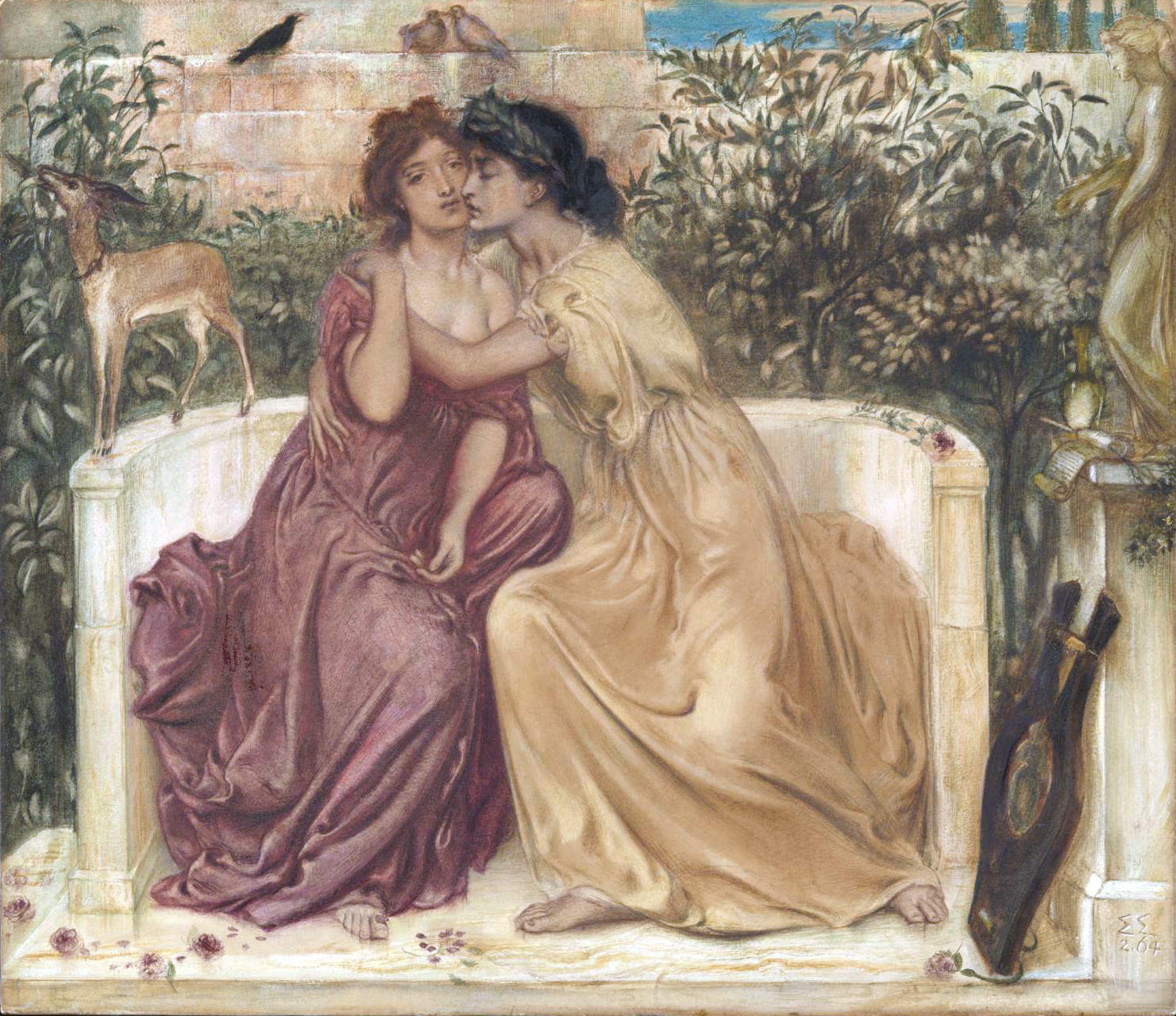
Sappho and Erinna in a Garden at Mytilene by Simeon Solomon
Women in ancient Greece and Rome with surviving works or fragments


PHILOSOPHY

Here is a list of Women philosophers with testimonia and fragments (with French translations and commentary).

Aesara of Lucania: “Only a fragment survives of Aesara of Lucania’s Book on Human Nature, but it provides a key to understanding the philosophies of Phintys, Perictione, and Theano II as well. Aesara presents a familiar and intuitive natural law theory. She says that through the activity of introspection into our own nature – specifically the nature of a human soul – we can discover not only the natural philosophic foundation for all of human law, but we can also discern the technical structure of morality, positive law, and, it may be inferred, the laws of moral psychology and of physical medicine. Aesara’s natural law theory concerns laws governing three applications of moral law: individual or private morality, laws governing the moral basis of the institution of the family, and, laws governing the moral foundations of social institutions. By analyzing the nature of the soul, Aesara says, we will understand the nature of law and of justice at the individual, familial, and social levels.” – A History of Women Philosophers: Volume I: Ancient Women Philosophers, 600 B.C.-500 A.D., by M.E. Waith

*Wikipedia on Aesara

A translation of her work

**Aspasia of Miletus: wikipedia entry

**Axiothea of Phlius: wikipedia entry

**Bistala

**Damo: daughter of Pythagoras and Theano. wikipedia entry

**Deino of Croton: A student of Pythagoras.

A translation of Diogenes Laertius’ account.

**Diotima: wikipedia entry

**Eurydice: cf. Plutarch Conj. praec. 145a and e

**Hipparchia of Maronea: wikipedia entry

A translation of Diogenes Laertius’ account

**Klea: Cf.  Plut. Mul. virt. 242 ef

**Lasthenia of Mantinea: wikipedia entry

**Leontion: an Epicurean philosopher

Melissa: “Melissa (3rd century BC)[1][2] was a Pythagorean philosopher…Nothing is known about her life. She is known only from a letter written to another woman named Cleareta (or Clearete). The letter is written in a Doric Greek dialect dated to around the 3rd century BC.[2] The letter discusses the need for a wife to be modest and virtuous, and stresses that she should obey her husband.[2] The content has led to the suggestion that it was written pseudonymously by a man.[2] On the other hand, the author of the letter does not suggest that a woman is naturally inferior or weak, or that she needs a man’s rule to be virtuous.[1]” –Wikipedia

**Myia of Samos: wikipedia article

Perictione (I and II): “Two works attributed to Perictione have survived in fragments: On the Harmony of Women and On Wisdom. Differences in language suggest that they were written by two different people. Allen and Waithe identify them as Perictione I and Perictione II. Plato’s mother was named Perictione, and Waithe argues that she should be identified as the earlier Perictione, suggesting that similarities between Plato’s Republic and On the Harmony of Women may not be the result of Perictione reading Plato, but the opposite–the son learning philosophy from his mother. On the Harmony of Women, however, is written in Ionic prose with occasional Doric forms. This mixed dialect dates the work to the late fourth or third centuries BC. The reference in On the Harmony of Women to women ruling suggests the Hellenistic monarchies of the third century BC or later. On Wisdom is written in Doric and is partly identical with a work by Archytas of the same name. This work should be dated later, to the third or second centuries BC. Both the dates of the works and their dialects mean Perictione as the mother of Plato could not have written them. We then have two Pythagorean texts, attributed to otherwise unknown women named Perictione who should be dated perhaps one hundred years apart.” –Women Writers of Ancient Greece and Rome: An Anthology, by I.M. Plant

*N.B. This account leaves out the the basic narrative from Diogenes Laertius, that Plato’s father Ariston raped his mother Perictione.

A translation of a fragment attributed to Perictione here.

Phintys: “Phintys (or Phyntis, Greek: Φίντυς; 4th or 3rd century BC) was a Pythagorean philosopher. Nothing is known about her life, nor where she came from. She wrote a work on the correct behavior of women, two extracts of which are preserved by Stobaeus.” –Wikipedia

*Note, Stobaeus (4.32.61a) calls her the daughter of Kallikrates the Pythagorean (Φιντύος τᾶς Καλλικράτεος θυγατρὸς Πυθαγορείας). Here are some of her fragments on the prudence befitting women: part 1 and part 2.

Ptolemais of Cyrene: “Ptolemais is known to us through reference to her work by Porphyry in his Commentary on the Harmonics of Ptolemy. He tells us that she came from Cyrene and gives the title of her work, The Pythagorean Principles of Music, which he quotes. She is the only known female musical theorist from antiquity. Her dates cannot be known for sure. She clearly preceded Porphyry, who was born about AD 232; Didymus, who is also quoted by Porphyry, knew Ptolemais’ work and may even have been Porphyry’s source for it. This Didymus is probably the one who lived in the time of Nero, giving us a date for Ptolemais of the first century AD or earlier…One of the problems in dealing with this text is that it is in quotation. Porphyry does not clearly distinguish between the text he quotes from Ptolemais and his own discussion of the issues raised…A second issue is the problem of the accuracy of the quotation. Porphyry says in the introduction to fragment 4 that he has altered a few things in the quotation for the sake of brevity. We should not assume that this is the only quotation to have suffered from editing. On the other hand, where he quotes the same passage twice (fragment 3 is repeated almost verbatim in fragment 4) his consistency is encouraging. Ptolemais’ extant work is a catechism, written as a series of questions and answers. She discusses different schools of thought on harmonic theory, distinguishing between the degree to which they gave importance to theory and perception. Her text prefers the approach of Aristoxenus to that of the Pythagoreans, thus she should not be thought a Pythagorean, despite the title of her work.” –Women Writers of Ancient Greece and Rome: An Anthology, by I.M. Plant

A new translation of her fragment

**Theano the Pythagorean (I have collected her words here)

“When Theano the Pythagorean philosopher was asked what eros is, she said ‘the passion of a soul with spare time.’ ”

Θεανὼ ἡ πυθαγορικὴ φιλόσοφος ἐρωτηθεῖσα τί ἐστιν ἔρως ἔφη· ” πάθος ψυχῆς σχολαζούσης.”

“While Theano was walking she showed her forearm and some youth when he saw it said “Nice skin”. She responded, “it’s not communal”.

Θεανὼ πορευομένη ἔξω εἶχε τὸν βραχίονα· νεανίσκος δέ τις ἰδὼν εἶπε· ” καλὸν τὸ δέμας·” ἡ δὲ ἀπεκρίνατο· ” ἀλλ’ οὐ κοινόν.”

**Timycha of Sparta: wikipedia entry

Continue reading “A List of Women Authors from Ancient Greece and Rome for International Women’s Day”

Writing Advice: Choose a Great Subject

Dionysius of Halicarnassus, Roman Antiquities 1.1:

I am persuaded that it is necessary for those who have undertaken to leave behind memorials of their mind for posterity, which will not disappear along with their bodies under the influence of time, and most of all for those who write down histories, in which we understand that truth, the beginning of prudence and wisdom, is enshrined, to first take up subjects which are beautiful, lofty, and confer much benefit to those who read them, and then to prepare all of the necessary resources for writing the subject with much care and loving labor. For those who have set down infamous or ignoble works, or ones deserving of no earnest historical study, whether it be because they strive to reach some fame or chance upon some name for themselves, or whether they plan to display their abundance of rhetorical power, are neither courted eagerly by later generations for their fame, nor are they praised for their power, since they have left an impression in those who take up their works that they themselves wished for lives of the sort which they wrote in their histories. Rightly so do all people think that words are the icons of a person’s mind.

ἐπείσθην γὰρ ὅτι δεῖ τοὺς προαιρουμένους μνημεῖα τῆς ἑαυτῶν ψυχῆς τοῖς ἐπιγιγνομένοις καταλιπεῖν, ἃ μὴ συναφανισθήσεται τοῖς σώμασιν αὐτῶν ὑπὸ τοῦ χρόνου, καὶ πάντων μάλιστα τοὺς ἀναγράφοντας ἱστορίας, ἐν αἷς καθιδρῦσθαι τὴν ἀλήθειαν [πάντες] ὑπολαμβάνομεν ἀρχὴν φρονήσεώς τε καὶ σοφίας οὖσαν, πρῶτον μὲν ὑποθέσεις προαιρεῖσθαι καλὰς καὶ μεγαλοπρεπεῖς καὶ πολλὴν ὠφέλειαν τοῖς ἀναγνωσομένοις φερούσας, ἔπειτα παρασκευάζεσθαι τὰς ἐπιτηδείους εἰς τὴν ἀναγραφὴν τῆς ὑποθέσεως ἀφορμὰς μετὰ πολλῆς ἐπιμελείας τε καὶ φιλοπονίας. οἱ μὲν γὰρ ὑπὲρ ἀδόξων πραγμάτων ἢ πονηρῶν ἢ μηδεμιᾶς σπουδῆς ἀξίων ἱστορικὰς καταβαλόμενοι πραγματείας, εἴτε τοῦ προελθεῖν εἰς γνῶσιν ὀρεγόμενοι καὶ τυχεῖν ὁποιουδήποτε ὀνόματος, εἴτε περιουσίαν ἀποδείξασθαι τῆς περὶ λόγους δυνάμεως βουλόμενοι, οὔτε τῆς γνώσεως ζηλοῦνται παρὰ τοῖς ἐπιγιγνομένοις οὔτε τῆς δυνάμεως ἐπαινοῦνται, δόξαν ἐγκαταλιπόντες τοῖς ἀναλαμβάνουσιν αὐτῶν τὰς ἱστορίας, ὅτι τοιούτους ἐζήλωσαν αὐτοὶ βίους, οἵας ἐξέδωκαν τὰς γραφάς· ἐπιεικῶς γὰρ ἅπαντες νομίζουσιν εἰκόνας εἶναι τῆς ἑκάστου ψυχῆς τοὺς λόγους.

Fear of the Revengeful Pen

Thomas Browne, Religio Medici (2.3):

I cannot fall out or contemne a man for an errour, or conceive why a difference in opinion should divide an affection: for controversies, disputes, and argumentations, both in Philosophy, and in Divinity, if they meete with discreet and peaceable natures, doe not infringe the Lawes of Charity in all disputes; so much as there is of passion, so much there is of nothing to the purpose, for then reason like a bad hound spends upon a false sent, and forsakes the question first started. And this is one reason why controversies are never determined, for though they be amply proposed, they are scarce at all handled, they doe so swell with unnecessary Digressions, and the Parenthesis on the party, is often as large as the maine discourse upon the Subject. The Foundations of Religion are already established, and the principles of Salvation subscribed unto by all, there remaines not many controversies worth a passion, and yet never any disputed without, not onely in Divinity, but in inferiour Arts: What a βατροχομυομαχία, and hot skirmish is betwixt S. and T. in Lucian? How doth Grammarians hack and slash for the Genitive case in Jupiter. How doe they breake their owne pates to salve that of Priscian? Si foret in terris, rideret Democritus.

Yea, even amongst wiser militants, how many wounds have beene given, and credits slaine for the poore victory of an opinion or beggerly conquest of a distinction? Schollers are men of peace, they beare no armes, but their tongues are sharper than Actius his razor, their pens carry farther, and give a lowder report than thunder; I had rather stand in the shock of a Basilisco than in the fury of a mercilesse Pen. It is not meere zeale to Learning, or devotion to the Muses, that wiser Princes Patron the Arts, and carry an indulgent aspect unto Schollers, but a desire to have their names eternized by the memory of their writings, and a feare of the revengefull pen of succeeding ages: for these are the men, that when they have played their parts, and had their exits, must step out and give the morall of their Scenes, and deliver unto posterity an Inventory of their vertues and vices. And surely there goes a great deale of conscience to the compiling of an History, there is no reproach to the scandall of a Story; It is such an Authenticke kinde of falsehood that with authority belies our good names to all Nations and Posteritie.

Image result for thomas browne

Tracking Inside the Self: Aesara the Pythagorean

Aesara [consulted this spanish translation by J. P. Bermúdez]

The work of Aisara of Sparta the Pythagorean about the nature of human kind

“Human nature seems to me to be a model for law and justice for home and the city alike. For one who searches the tracks inside themselves might discover and interpret this within: for law and justice, which is the guiding principle of the soul, are inside us. Because our nature is threefold, it supports three types of operations: our intelligence [noos] guides judgment and wisdom; our passion [thumôsis] directs bravery and impulse; and our desire shapes our attractions and affection. These forces are situated in relation to each other in such a way that the most powerful controls them, and the weakest is controlled. The intermediate power has a middle position, to exercise control and to be controlled in turn.

God shaped these traits in such a way and distributed them too along the model of the human body because he believes that the human alone—and none of the other mortal animals—is amenable to law and justice. For the state of any community could not even develop from one thing only, much less many, and those similar to each other—since it is necessary, when materials are different, for the parts of our souls to be different too, just as in the parts of the body when it comes to the instruments of touch, sight, taste, smell, they do not have the same harmony in respect to all things—nor could a common state come from multiple things which are unrelated but just happen to come into contact, but instead [it comes] from parts which have obtained some completeness in their whole arrangement, their composition, and their harmony together. Not only do multiple unrelated things happen to find a whole and complete form but these elements also may brought together in a random way however they happened to come together, and yet are still governed by some law and a kind of wisdom.

If each of the elements takes the same part of power and honor, even though they are unlike and one is worse and one is better and one is in the middle, they are not able of bringing the parts of the soul into harmony. If they are unequal, and the best does not control the greater portion of the soul, but the worse does, then there is great imprudence and disorder in the mind. If the better takes the greater portion and the worse takes the less, but they are not each distributed according to a logical balance, then harmony and love and justice are not able to exist in the mind, since when each one of them is distributed according to a proportional order, that’s the structure I think is most just.

A certain kind of unanimity and similarity of outlook accompanies this kind of composition. This would be rightly said to be a good government of the soul which brings the strength of virtue from the better ruling and the worse being ruled. Friendship and attraction and affection for one’s own kind and family also grow from these parts. For the mind persuades, since it can see consequences; desire longs for things; and passion, when full of energy, seethes with hate and becomes dear to desire. The mind, because it can harmonize pleasure and pain, also balances out the tense and eager portion of the soul with the light and dissolute part.

Each part is apportioned according to the family and state of each trait. The mind sees consequences and keeps track of affairs while the passion provides impulse and courage for what has been anticipated and desire, which is related to tender affection, harmonizes with the mind, taking what is pleasurable and providing a reflection on it to the reflective portion of the mind. Human life seems to me to be best with a mixture of these things, when the pleasurable is mixed with the serious and pleasure is mixed with virtue. The mind is able to harmonize these things, once it has come to love learning and virtue.”

Αἰσάρας Πυθαγορείου Λευκανᾶς ἐκ τοῦ Περὶ ἀνθρώπω φύσιος (Fr. phil. Gr. II p. 51 Mull.) :

Φύσις ἀνθρώπω κανών μοι δοκέει νόμω τε καὶ δίκας ἦμεν καὶ οἴκω τε καὶ πόλιος. Ἴχνια γὰρ ἐν αὑτῷ στιβαζόμενος εὕροιτό κά τις καὶ μαστευόμενος· νόμος γὰρ ἐν αὐτῷ καὶ δίκα ἁ τᾶς ψυχᾶς ἐστι διακόσμασις. Τριχθαδία γὰρ ὑπάρχοισα ἐπὶ τριχθαδίοις ἔργοις συνέστακε· γνώμαν καὶ φρόνασιν ἐργαζόμενος <ὁ νόος> καὶ ἀλκὰν καὶ <ὁρμὰν ἁ> θύμωσις καὶ ἔρωτα καὶ φιλοφροσύναν ἁ ἐπιθυμία. Καὶ οὕτω συντέτακται ταῦτα ποτ’ ἄλλαλα πάντα, ὥστε αὐτᾶς τὸ μὲν κράτιστον ἀγέεσθαι, τὸ δὲ χέρειον ἄρχεσθαι, τὸ δὲ μέσον μέσαν ἐπέχεν τάξιν, καὶ ἄρχεν καὶ ἄρχεσθαι.

Ταῦτα δ’ οὕτως ἐμάσατο κατὰ λόγον ὁ θεὸς ἔν τε ἐκτυπώσι καὶ ἐξεργασίᾳ τῶ ἀνθρωπίνω σκάνεος, ὅτι μόνον ἄνθρωπον ἐνοάσατο νόμω τε καὶ δίκας ἐπιδέκτορα γενέσθαι καὶ οὐδὲν ἄλλο τῶν θνατῶν ζῴων. Οὔτε <γὰρ> ἐξ ἑνὸς σύσταμα κοινανίας γένοιτό κα, οὔτε μὰν ἐκ πλειόνων, ὁμοίων δὲ τούτων (ἀνάγκα γάρ, ἐπεὶ τὰ πράγματα διαφέροντά ἐντι, καὶ τὰς ἐν ἁμῖν μοίρας τᾶς ψυχᾶς διαφόρως ἦμεν, ὥσπερ καὶ ἐπὶ τῶ σώματος <ἅψιος ὄργανα καὶ> ὁράσιος καὶ ἀκοᾶς καὶ γεύσιος καὶ ὀσφράσιος, οὐ γὰρ πάντα ποτὶ πάντα τὰν αὐτὰν ἔχει συναρμογάν), οὔτε μὰν ἐκ πλειόνων μὲν καὶ ἀνομοίων, τῶν τυχόντων μέντοι γε, ἀλλὰ τῶν ποττὰν τῶ ὅλω συστάματος ἐκπλάρωσιν καὶ σύνταξιν καὶ συναρμογὰν τευχθέντων· οὐ μόνον δὲ ἐκ πλειόνων καὶ ἀνομοίων καὶ τῶν ἐς τὸ ὅλον καὶ τέλεον τευχθέντων, ἀλλὰ καὶ αὐτῶν τούτων οὐκ εἰκαίως καὶ ὡς ἔτυχε συνταχθέντων, ἀλλὰ μετά τινος νόμω καὶ ἔμφρονος ἐπιστασίας.

Αἴ τε γὰρ τὰν ἴσαν ἐφέρετο μοῖραν καὶ δυνάμιος καὶ τιμᾶς, ἀνόμοια ἐόντα καὶ τὰ μὲν χερείονα τὰ δὲ κάρρονα τὰ δὲ μέσα, οὔ κα ἐδύνατο ἁ κατὰ ψυχὰν τῶν μερέων κοινανία συναρμοσθῆμεν· αἴ τε ἀνίσας, μὴ τὰ κάρρονα δὲ τὰν μείζονα μοῖραν ἐφέρετο, ἀλλὰ τὰ χερείονα, πολλά <κα> ἀφροσύνα καὶ ἀταξία περὶ τὰν ψυχὰν ὑπᾶρχεν· αἴ τε τὰ κάρρονα μὲν τὰν μείζονα, τὰ χερείονα δὲ τὰν μείονα, μὴ ποτὶ λόγον δὲ ἕκαστον τούτων, οὔ κα ἐδύνατο ὁμόνοια καὶ φιλία καὶ δικαιότας ἦμεν περὶ τὰν ψυχάν, ἐπεὶ ὧ ἕκαστον ἓν ποτὶ λόγον συντέτακται τὸν ἁρμόσδοντα, τὸ τοιοῦτον φαμὶ ἐγὼ δικαιότατα ἦμεν.

Καὶ μὰν ὁμόνοιά τις καὶ ὁμοφροσύνα ὀπαδέει τᾷ τοιαύτᾳ διατάξι. Τὸ δὲ τοιοῦτον δικαίως κα λέγοιτο εὐνομία ἦμεν τᾶς ψυχᾶς, ἅτις ἐκ τῶ ἄρχεν μὲν τὸ κάρρον, ἄρχεσθαι δὲ τὸ χέρειον κράτος ἐπιφέροιτο τᾶς ἀρετᾶς. Καὶ φιλία δὲ καὶ ἔρως καὶ φιλοφροσύνα σύμφυλος καὶ συγγενὴς ἐκ τούτων ἐξεβλάστασε τῶν μερέων. Συμπείθει μὲν γὰρ ὁ νόος ὁραυγούμενος, ἔραται δὲ ἁ ἐπιθυμία, ἁ δὲ θύμωσις ἐμπιπλαμένα μένεος, ἔχθρᾳ ζέοισα φίλα γίνεται τᾷ ἐπιθυμίᾳ. Ἁρμόξας γὰρ ὁ νόος τὸ ἁδὺ τῷ λυπηρῷ συγκατακρεόμενος καὶ τὸ σύντονον καὶ σφοδρὸν τῷ κούφῳ μέρει τᾶς ψυχᾶς καὶ διαχυτικῷ· ἕκαστόν τε ἑκάστω πράγματος τὰν σύμφυλον καὶ συγγενέα προμάθειαν διαμεμέρισται, ὁ μὲν νόος ὁραυγούμενος καὶ στιβαζόμενος τὰ πράγματα, ἁ δὲ θύμωσις ὁρμὰν καὶ ἀλκὰν ποτιφερομένα τοῖς ὁραυγαθεῖσιν· ἁ δὲ ἐπιθυμία φιλοστοργίᾳ συγγενὴς ἐᾶσα ἐφαρμόσδει τῷ νόῳ ἴδιον περιποιουμένα τὸ ἁδὺ καὶ τὸ σύννοον ἀποδιδοῖσα τῷ συννόῳ μέρει τᾶς ψυχᾶς. Ὧνπερ ἕκατι δοκέει μοι καὶ ὁ βίος ὁ κατ’ ἀνθρώπως ἄριστος ἦμεν, ὅκκα τὸ ἁδὺ τῷ σπουδαίῳ συγκατακραθῇ καὶ <ἁ> ἁδονὰ τᾷ ἀρετᾷ. Ποθαρμόξασθαι δ’ αὐτὰ ὁ νόος δύναται, παιδεύσιος καὶ ἀρετᾶς ἐπήρατος γενόμενος.

Ambrogio Lorenzetti - Allegory of the Good Government (detail) - cropped.jpg
From the Allegory of Good Government in Siena by Ambrogio Lorenzetti

Plato’s Sister and the Women Among His Students

Diogenes Laertius IV.1

“These facts are as accurate details about Plato as we are able to gather in our laborious research of the things said about him. Speusippus, an an Athenian son of Eurymedon, took over for him. He was from the deme of Myrrhinos and was the son of Plato’s sister, Pôtônê.

Speusippos was the leader of the school for eight years, and he began after the 108th Olympiad. He had statues of the Graces dedicated in the Museion which Plato built in the Academy. Although he remained an adherent to Plato’s theories, he was not like him at all in his character.  For he was quick to anger and easily induced by pleasures. People say that he threw a little dog into a well in a rage and he went to Macedonia to the marriage of Kassander thanks to pleasure.

Two women, Lastheneia of Mantinea and Aksiothea of Phlios, were students of Plato who are said to have heard Speusippus speak. Writing at the time, Dionysus says mockingly: “It is possible to evaluate your wisdom from your Arcadian girl of a student.” And, while Plato made everyone who came to him exempt from tuition, you “send everyone a bill and take money from the willing and unwilling alike!”

Τὰ μὲν περὶ Πλάτωνος τοσαῦτα ἦν ἐς τὸ δυνατὸν ἡμῖν συναγαγεῖν, φιλοπόνως διειλήσασι τὰ λεγόμενα περὶ τἀνδρός. διεδέξατο δ᾿ αὐτὸν Σπεύσιππος Εὐρυμέδοντος Ἀθηναῖος, τῶν μὲν δήμων Μυρρινούσιος, υἱὸς δὲ τῆς ἀδελφῆς αὐτοῦ Πωτώνης. καὶ ἐσχολάρχησεν ἔτη ὀκτώ, ἀρξάμενος ἀπὸ τῆς ὀγδόης καὶ ἑκατοστῆς Ὀλυμπιάδος· Χαρίτων τ᾿ ἀγάλματ᾿ ἀνέθηκεν ἐν τῷ μουσείῳ τῷ ὑπὸ Πλάτωνος ἐν Ἀκαδημείᾳ ἱδρυθέντι. καὶ ἔμεινε μὲν ἐπὶ τῶν αὐτῶν Πλάτωνι δογμάτων· οὐ μὴν τό γ᾿ ἦθος διέμεινε τοιοῦτος. καὶ γὰρ ὀργίλος καὶ ἡδονῶν ἥττων ἦν. φασὶ γοῦν αὐτὸν ὑπὸ θυμοῦ τὸ κυνίδιον εἰς τὸ φρέαρ ῥῖψαι καὶ ὑφ᾿ ἡδονῆς ἐλθεῖν εἰς Μακεδονίαν ἐπὶ τὸν Κασάνδρου γάμον.

Ἐλέγοντο δὲ αὐτοῦ καὶ αἱ Πλάτωνος ἀκούειν μαθήτριαι, Λασθένειά τε ἡ Μαντινικὴ καὶ Ἀξιοθέα ἡ Φλιασία. ὅτε καὶ Διονύσιος πρὸς αὐτὸν γράφων τωθαστικῶς φησι· “καὶ ἐκ τῆς Ἀρκαδικῆς σου μαθητρίας ἔστι καταμαθεῖν τὴν σοφίαν. καὶ Πλάτων μὲν ἀτελεῖς φόρων τοὺς παρ᾿ αὐτὸν φοιτῶντας ἐποίει· σὺ δὲ δασμολογεῖς καὶ παρ᾿ ἑκόντων καὶ ἀκόντων λαμβάνεις.”

Image result for plato women school


A Woman’s Prudence? Letting her Body Serve the Needs of the State

The more things change…

Phintys, fr. 1, On a Woman’s Prudence by the Spartan Phintys, the daughter of Kallikrates the Pythagorean (=Stob. 4.23.61)

“It is necessary that a woman be completely good and well-ordered. Someone could never be like this without virtue. For the virtue which is proper to each thing causes the object which welcomes it to be more serious. The excellence of the eyes improves the eyes; that of hearing improves the ears; the horse’s virtue betters the horse and a man’s virtue improves the man. In the same way, a woman’s virtue ennobles a woman.

The virtue most appropriate to a woman is prudence. For through prudence a woman will be able to honor and take delight in her own husband. Many may in fact think that it is not fitting for a woman to practice philosophy, just as she should not ride a horse or speak in public. But I believe that while some things are particular to a man and others to a woman, there are some that are shared by both man and woman, even though some are more appropriate to a man than a woman and those better for a woman than a man.

For example, serving in an army or working in politics and speaking in public are proper for a man. For a woman, it is running the household, staying at home, and welcoming and serving her husband. In common I place bravery, an understanding of justice, and wisdom. For It is right that virtues of the body are proper for both a man and woman along with the virtues of the soul. And, just as having a healthy body is useful for both, so too is the health of the soul.

The virtues of the body are health, strength, good perception, and beauty. Some of these are better for a man to nourish and keep; and others are more appropriate for a woman. Courage and wisdom are certainly more proper for a man both die to the nature of his body and the power of his mind. But prudence is proper for a woman.

For this reason it is important to recognize what a woman trained in prudence is like, in particular from what number and kinds of traits this possession graces a woman. I propose that this comes from five things. The first is from respecting the sanctity and reverence of her marriage bed; the second is a sense of propriety for her body; the third is concerning the actions of those from her own household; the fourth is from not practicing the occult rites and the celebrations of the Great Mother; the fifth is in proper and moderate sacrifices to the divine.

Of these traits, the most important and vital for prudence in terms of her marriage bed is staying uncontaminated and fully separate from some other man. For, to start with, a woman who breaks this law does wrong against her ancestral gods, because she provides for her home and her family not true born allies but bastards.

The one who does this transgresses against the natural gods whose oath she took, following the practice of her forebears and relatives, “to participate in the common life and to produce offspring according to the law.” She also commits injustice against her country, because she does not stay with those who were assigned to her. Then she acts even beyond those for whom the greatest of penalties is assigned because of the excess of this injustice: this is because to commit an error or an outrage for the sake of pleasure is unlawful and the most unforgivable. Ruin is the outcome of all outrage.”

Φιντύος τᾶς Καλλικράτεος θυγατρὸς Πυθαγορείας

ἐκ τοῦ Περὶ γυναικὸς σωφροσύνας.

Τὸ μὲν ὅλον ἀγαθὰν δεῖ ἦμεν καὶ κοσμίαν· ἄνευ δ’ ἀρετᾶς οὐδέποκα γένοιτό τις τοιαύτα. ἑκάστα γὰρ ἀρετὰ περὶ ἕκαστον γινομένα τὸ αὐτᾶς δεκτικὸν ἀποδίδωτι σπουδαῖον· ἁ μὲν τῶν ὀπτίλων τὼς ὀπτίλως, ἁ δὲ τᾶς ἀκοᾶς τὰν ἀκοάν, καὶ ἁ μὲν ἵππω τὸν ἵππον, ἁ δ’ ἀνδρὸς τὸν  ἄνδρα· οὕτω δὲ καὶ <ἁ> γυναικὸς τὰν γυναῖκα. γυναικὸς δὲ μάλιστα ἀρετὰ σωφροσύνα· διὰ γὰρ ταύτας τὸν ἴδιον ἄνδρα καὶ τιμῆν καὶ ἀγαπῆν δυνασεῖται. πολλοὶ μὲν ἴσως δοξάζοντι, ὅτι οὐκ εὐάρμοστον γυναικὶ φιλοσοφέν, ὥσπερ οὐδ’ ἱππεύεν οὐδὲ δαμαγορέν· ἐγὼ δὲ τὰ μέν τινα νομίζω ἀνδρὸς ἦμεν ἴδια, τὰ δὲ γυναικός, τὰ δὲ κοινὰ ἀνδρὸς καὶ γυναικός, τὰ δὲ μᾶλλον ἀνδρὸς ἢ γυναικός, τὰ δὲ μᾶλλον γυναικὸς ἢ ἀνδρός. ἴδια μὲν ἀνδρὸς τὸ στραταγὲν καὶ πολιτεύεσθαι καὶ δαμαγορέν, ἴδια δὲ γυναικὸς τὸ οἰκουρὲν καὶ ἔνδον μένεν καὶ ἐκδέχεσθαι καὶ θεραπεύεν τὸν ἄνδρα. κοινὰ δὲ φαμὶ ἀνδρείαν καὶ δικαιοσύναν καὶ φρόνασιν· καὶ γὰρ τὰς τῶ σώματος ἀρετὰς ἔχεν πρέπον καὶ ἀνδρὶ καὶ γυναικὶ καὶ τᾶς ψυχᾶς ὁμοίως· καὶ ὡς ὑγιαίνεν τῷ σώματι ἀμφοτέροις ὠφέλιμον, οὕτως ὑγιαίνεν τᾷ ψυχᾷ· σώματος δὲ ἦμεν ἀρετὰς ὑγείαν ἰσχὺν εὐαισθησίαν κάλλος. τὰ δὲ μᾶλλον ἀνδρὶ καὶ ἀσκὲν καὶ ἔχεν οἰκῇόν ἐντι, τὰ δὲ μᾶλλον γυναικί.

ἀνδρότατα μὲν γὰρ καὶ φρόνασιν μᾶλλον ἀνδρὶ καὶ διὰ τὰν ἕξιν τῶ σώματος καὶ διὰ τὰν δύναμιν τᾶς ψυχᾶς,  σωφροσύναν δὲ γυναικί. διὸ δεῖ περὶ σωφροσύνας παιδευομέναν γνωρίζεν, ἐκ πόσων τινῶν καὶ ποίων τοῦτο τἀγαθὸν τᾷ γυναικὶ περιγίνεται. φαμὶ δὴ ἐκ πέντε τούτων· πρᾶτον μὲν ἐκ τᾶς περὶ τὰν εὐνὰν ὁσιότατός τε καὶ εὐσε-βείας· δεύτερον δὲ ἐκ τῶ κόσμω τῶ περὶ τὸ σῶμα· τρίτον <δ’> ἐκ τᾶν ἐξόδων τᾶν ἐκ τᾶς ἰδίας οἰκίας· τέταρ-τον δ’ ἐκ τῶ μὴ χρέεσθαι τοῖς ὀργιασμοῖς καὶ ματρῳασμοῖς· πέμπτον δ’ ἐν τᾷ θυσίᾳ τᾷ πρὸς τὸ θεῖον εὐλαβέα ἦμεν καὶ μετρίαν.

τούτων δὲ μέγιστον αἴτιον καὶ συνεκτικώτατον τᾶς σωφροσύνας τὸ περὶ τὰν εὐνὰν ἦμεν ἀδιάφθορον καὶ ἄμικτον θυραίω ἀνδρός. πρᾶτον μὲν γὰρ εἰς τοῦτο παρανομοῦσα ἀδικεῖ γενεθλίως θεώς, οἴκῳ καὶ συγγενείᾳ οὐ γνασίως ἐπικούρως ἀλλὰ νόθως παρεχομένα· ἀδικεῖ δὲ τὼς φύσει θεώς, ὥσπερ ἐπομόσασα μετὰ τῶν αὑτᾶς πατέρων τε καὶ συγγενῶν … συνελεύσεσθαι ἐπὶ κοινωνίᾳ βίω καὶ τέκνων γενέσει τᾷ κατὰ νόμον· ἀδικεῖ δὲ καὶ τὰν αὑτᾶς πατρίδα, μὴ ἐμμένουσα τοῖς ἐνδιατεταγμένοις. ἔπειτα ἐπὶ τούτοις ἀμβλακίσκεν, ἐφ’ οἷς τὸ μέγιστον τῶν προστίμων ὥρισται θάνατος διὰ τὰν ὑπερβολὰν τῶ ἀδικήματος, ἔκθεσμον καὶ ἀσυγγνωμονέστατον ἦμεν ἁδονᾶς ἕνεκεν ἁμαρτάνεν καὶ ὑβρίζεν· ὕβριος δὲ πάσας πέρας ὄλεθρος.

File:Ancient Sparta ruins (3).jpg
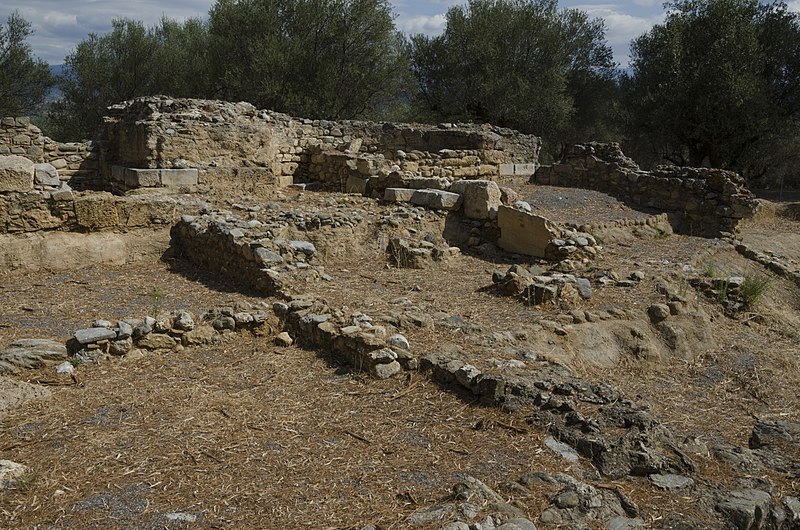
Ruins of Sparta

Skip Sleep & Blast Through Homer

E.V. Blomfeld, Biographical Memoir of Joseph Justus Scaliger:

Josephus Justus, who was the tenth of fifteen children, was sent at the age of eleven with two of his brothers to school at Bourdeaux, where he remained three years, and then returned home to avoid the plague which broke out in that city. He had hitherto learned only Latin, which language he continued to study for four years under the tuition of his father, who had himself but a slight acquaintance with Greek. At the age of eighteen,  having lost his paternal instructor, he was led to Paris by his desire of studying Greek, and attended the lectures of Adrien Turnébe, the most distinguished critic and grammarian of the age. At the end of two months, however, he shut himself up closely in his study, resolved to learn that which no masters could teach him; and beginning with Homer, whom he read through in one and twenty days, he was enabled, by an accurate observation of the language, to draw up for himself a Greek grammar, the only one he ever made use of. He was accustomed frequently to mention with great complacency that he had never consulted a grammar or a lexicon. It is not easy to say why this should be matter of boasting, or what other credit could accrue to him from it, than that of having given himself much unnecessary trouble. The fact is probably not true, as it rests only on his own assertion, and the singular vanity and egotism of this eminent man leads us to receive with caution the commendations which he bestows upon himself. It appears, however, that at the age of seventeen he composed a Latin tragedy which possessed considerable merit.

After having made himself master of Homer, he proceeded to the next of the Greek poets in chronological order, and pursuing the same plan, read through all of them in the  incredibly short space of four months. For this again we have only his own word; and whoever has turned over the leaves of Stephen’s Corpus Poetarum, will be struck with a mixture of horror and incredulity at the very thought of such an undertaking. True it is, that we are told on the same authority, that Scaliger never allotted more than three  hours of each night to sleep ; an assertion which is probably deserving of as much credit as the preceding.