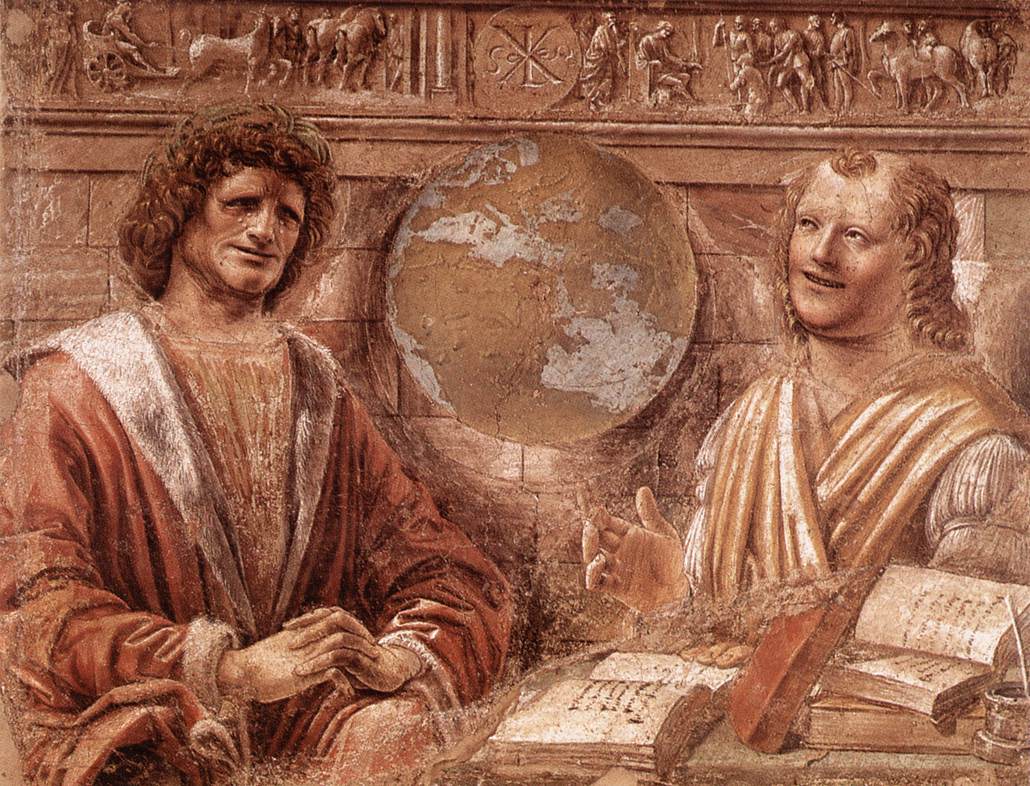
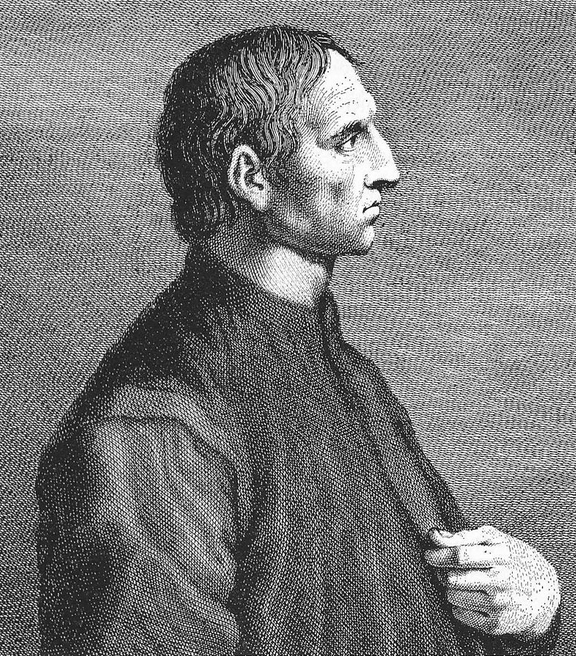
The Worst Things and the Best Speeches

Some Fragments from Democritus

Fr. 38

“It is fine to hinder the one who commits injustice; if not, it is noble not to do wrong with him.”

καλὸν μὲν τὸν ἀδικέοντα κωλύειν· εἰ δὲ μή, μὴ ξυναδικέειν.

Fr. 39

“It is good either to be noble or to imitate it.”

ἀγαθὸν ἢ εἶναι χρεὼν ἢ μιμεῖσθαι

Fr. 40

“Human beings live in good fortune neither by body nor by money but by rectitude and great-intelligence.”

οὔτε σώμασιν οὔτε χρήμασιν εὐδαιμονοῦσιν ἄνθρωποι, ἀλλ’ ὀρθοσύνηι καὶ πολυφροσύνηι.

Fr. 41

“Restrain yourself from mistakes because of what is right not because of fear.”

μὴ διὰ φόβον, ἀλλὰ διὰ τὸ δέον ἀπέχεσθαι ἁμαρτημάτων


Fr. 43

“A change of mind is a saving grace among shameful deeds.”

μεταμέλεια ἐπ’ αἰσχροῖσιν ἔργμασι βίου σωτηρίη.

Fr. 44

“It is right to be a speaker of truth not of many words.”

ἀληθόμυθον χρὴ εἶναι, οὐ πολύλογον

Fr. 45

“The one who does wrong is more evil than the one who is wronged.”

ὁ ἀδικῶν τοῦ ἀδικουμένου κακοδαιμονέστερος.

Fr. 48

“The good person makes no reckoning of rebuking fools.”

μωμεομένων φλαύρων ὁ ἀγαθὸς οὐ ποιεῖται λόγον

Fr. 49

“It is hard to be ruled by the worse person.”

χαλεπὸν ἄρχεσθαι ὑπὸ χερείονος

Fr. 50

“The one completely bested by money could never be just.”

ὁ χρημάτων παντελῶς ἥσσων οὐκ ἄν ποτε εἴη δίκαιος.

Fr. 51

“An argument inclined toward persuasion is often stronger than gold.”

ἰσχυρότερος ἐς πειθὼ λόγος πολλαχῆι γίνεται χρυσοῦ


Fr. 53

“Many live according to reason even if they have not learned it.”

πολλοὶ λόγον μὴ μαθόντες ζῶσι κατὰ λόγον.

Fr. 54

“Many who do the worst things prepare the best speeches.”

πολλοὶ δρῶντες τὰ αἴσχιστα λόγους ἀρίστους ἀσκέουσιν

1477 Italian fresco, Pinacoteca di Brera, Milan.

Dying Just As Life Gets Good

Bartolomeo Scala, Praefatio in Collectiones Cosmianas, (5)

Passing over the rest, what do you think is the fruit of memory in old age, or what utility in the recollection of the things you have done in life? Once all of these things are compared to the things that happen in daily life, they understand that one thing is to be chosen and another to be escaped much more readily than do those who, uncultured and inexperienced, make their own judgments of the matter. For we were not born to grasp wisdom with all of its light immediately – it is furnished by our zeal, our diligence, and not in the least by the length of our life.

They say that Democritus was an exceptionally wise man, since after he had reached the age of one hundred and seven (for he lived that many years) understood that he would die, and lamented that he was leaving life just at the moment when he had begun to be wise. Critias, in Plato’s Timaeus says that Solon of Athens was once chastised and mocked by an Egyptian priest because the Greeks were always children, and never had an old man among them. That is to say, their memory was always of the most recent stuff, and there was never any old gray-haired wisdom among them. Is it not right then for people to complain and lay fault at their nature, when they are deprived of such great advantages and profits of life at the very time when they are able and indeed ought to enjoy them the most? What else could be the reason, except that nature feels spite for the human race, and offers herself up as the most unjust author of all of its misfortunes?

Bartolomeo Scala - Wikidata

Ut enim cetera omittam, quis, putas, est senilis memoriae fructus, quaeve rerum in vita gestarum recordationis utilitas, quibus cum his quae in dies accidunt collatis, hoc quidem deligendum, illud vero fugiendum esse multo hercle noverunt facilius quam qui rudes adhuc rerum atque inexperti iudicant? Neque enim ita nati sumus ut statim cum luce ipsa sapientiam nanciscamur; sed ea studio ac diligentia nostra nee minus vitae diuturnitate comparatur. Democritum virum egregie sapientem ferunt, cum expletis septem supra centum (tot enim vixit) annis, mori se intelligeret, dolere dixisse quod tunc egrederetur e vita quando sapere incepisset.” Et Critias in Timeo Platonis refert Atheniensem Solonem aliquando et reprehensum et irrisum ab Aegyptio sacerdote extitisse, quod pueri semper essent Graeci, neque quisquam esset apud illos senex. Novella enim semper esset memoria, neque ulla apud eos unquam cana sapientia. Cur igitur non iure querantur homines naturamque accusent suam, qui tot tantisque utilitatibus vitaeque commodis tunc maxime morte priventur quando his uti commo- dissime potuerunt et iure debuerunt? Quid enim aliud videtur causae’^ fuisse nisi invidisse naturam generi hominum fortunarumque ipsius inquis- simam se auctorem praebuisse?

May You Count Yourself Lucky, Today

Sophocles, Trachinae 1-3

“People have an ancient famous proverb:
That you should not judge any mortal lives
You can’t see them as good or bad before someone dies

Λόγος μὲν ἔστ᾿ ἀρχαῖος ἀνθρώπων φανεὶς
ὡς οὐκ ἂν αἰῶν᾿ ἐκμάθοις βροτῶν, πρὶν ἂν
θάνῃ τις, οὔτ᾿ εἰ χρηστὸς οὔτ᾿ εἴ τῳ κακός·

Soph. Trach. 132-135

“For neither starry night
Nor the death spirits
Nor wealth remain for mortals,
But delight and loss disappear
And then each returns again.”

μένει γὰρ οὔτ᾿ αἰόλα
νὺξ βροτοῖσιν οὔτε κῆ-
ρες οὔτε πλοῦτος, ἀλλ᾿ ἄφαρ
βέβακε, τῷ δ᾿ ἐπέρχεται
χαίρειν τε καὶ στέρεσθαι.

Trachiniae 943-947

“whoever counts more than
Two days ahead in their life,
Is foolish. When it comes to living well
There’s no tomorrow before the present day is done.”

…ὥστ᾿ εἴ τις δύο
ἢ κἀπὶ πλείους ἡμέρας λογίζεται,
μάταιός ἐστιν· οὐ γὰρ ἔσθ᾿ ἥ γ᾿ αὔριον
πρὶν εὖ πάθῃ τις τὴν παροῦσαν ἡμέραν.

1270-1274

“No one can see what the future will be,
And our present is our pity
But their shame,
And hardest of all people
On the one who endures this ruin.”

τὰ μὲν οὖν μέλλοντ᾿ οὐδεὶς ἐφορᾷ,
τὰ δὲ νῦν ἑστῶτ᾿ οἰκτρὰ μὲν ἡμῖν,
αἰσχρὰ δ᾿ ἐκείνοις,
χαλεπώτατα δ᾿ οὖν ἀνδρῶν πάντων
τῷ τήνδ᾿ ἄτην ὑπέχοντι.


Herodotus, Histories 1.32

“I cannot answer what you ask me until I hear that you have ended your life well. Someone who is really rich is no more blessed than someone who has enough for just a day unless chance finds them keeping all the fine things and dying well. For many super wealthy people turnout unlucky and many of modest means fare well. The person who is really wealthy but unlucky is ahead of the merely lucky person in two ways but the lucky person has many advantages over the unlucky.

A wealthy person has the resources to do what they want and to hold out when disaster strikes. But a lucky person does not get disabled, sick, avoids suffering, has good children, and keeps looking good. If that person dies well in addition to these other things, well that’s the kind of person you’re looking for. Then someone is worthy of being called blessed.

But don’t call anyone blessed before they’re dead. Just lucky.”

ἐκεῖνο δὲ τὸ εἴρεό με, οὔκω σε ἐγὼ λέγω, πρὶν τελευτήσαντα καλῶς τὸν αἰῶνα πύθωμαι. οὐ γάρ τι ὁ μέγα πλούσιος μᾶλλον τοῦ ἐπ᾿ ἡμέρην ἔχοντος ὀλβιώτερος ἐστί, εἰ μή οἱ τύχη ἐπίσποιτο πάντα καλὰ ἔχοντα εὖ τελευτῆσαι τὸν βίον. πολλοὶ μὲν γὰρ ζάπλουτοι ἀνθρώπων ἀνόλβιοι εἰσί, πολλοὶ δὲ μετρίως ἔχοντες βίου εὐτυχέες. ὁ μὲν δὴ μέγα πλούσιος ἀνόλβιος δὲ δυοῖσι προέχει τοῦ εὐτυχέος μοῦνον, οὗτος δὲ τοῦ πλουσίου καὶ ἀνόλβου πολλοῖσι· ὃ μὲν ἐπιθυμίην ἐκτελέσαι καὶ ἄτην μεγάλην προσπεσοῦσαν ἐνεῖκαι δυνατώτερος, ὃ δὲ τοῖσιδε προέχει ἐκείνου· ἄτην μὲν καὶ ἐπιθυμίην οὐκ ὁμοίως δυνατὸς ἐκείνῳ ἐνεῖκαι, ταῦτα δὲ ἡ εὐτυχίη οἱ ἀπερύκει, ἄπηρος δὲ ἐστί, ἄνουσος, ἀπαθὴς κακῶν, εὔπαις, εὐειδής. εἰ δὲ πρὸς τούτοισι ἔτι τελευτήσει τὸν βίον εὖ, οὗτος ἐκεῖνος τὸν σὺ ζητέεις, ὁ ὄλβιος κεκλῆσθαι ἄξιος ἐστί· πρὶν δ᾿ ἂν τελευτήσῃ, ἐπισχεῖν, μηδὲ καλέειν κω ὄλβιον ἀλλ᾿ εὐτυχέα.

File:Solon before Croesus by Nicolaes Knüpfer, Getty Center.JPG
Solon before Croesus by Nicolaes Knüpfer

Tolerate People, Endure Their False Quotations

An old friend of mine reached out about the quote posted below and asked if it is really old Marky A.

Tolerant with yourself

This is a translation of Marcus Aurelius by Gregory Hays

Hays Tolerant

And here’s the Loeb translation by C. R. Haines

Loeb tolerance

Here’s my take:

Marcus Aurelius, Meditations 5.33

“What then? You will wait either for being snuffed out or transformed pleasantly. But until that right moment comes [the end of life] what is there for us? What else but honoring the gods and singing their praise, to do well for people, and to “endure” them and “be restrained and for however much else is within the bounds of flesh and breath, we must remember that they are not really yours or under your power.”

τί οὖν; περιμενεῖς ἵλεως τὴν εἴτε σβέσιν εἴτε μετάστασιν.  ἕως δὲ ἐκείνης ὁ καιρὸς ἐφίσταται, τί ἀρκεῖ; τί δ᾿ ἄλλο ἢ θεοὺς μὲν σέβειν καὶ εὐφημεῖν, ἀνθρώπους δὲ εὖ ποιεῖν, καὶ “ἀνέχεσθαι” αὐτῶν καὶ “ἀπέχεσθαι·” ὅσα δὲ ἐντὸς ὅρων τοῦ κρεᾳδίου καὶ τοῦ πνευματίου, ταῦτα μεμνῆσθαι μήτε σὰ ὄντα μήτε ἐπὶ σοί.

Let’s concede that the Daily Stoic choice takes it out of context and that the translation gives no sense that the Aurelius passage is quoting (and perhaps even misusing) famous dicta of stoic philosophy. Let’s also put aside the fact that the Stoic is bandying about a translation without crediting the translator or acknowledging that this thought has been thrice mediated from one language to another. (And this mediation is shaped in turn by cultural presuppositions.)

Let’s just look at the Greek “ἀνέχεσθαι” αὐτῶν καὶ “ἀπέχεσθαι can mean to “hold back from” but more typically means endure. So, here, “tolerate” is just fine but in Hays’ English maxim it comes off as a bit more benevolent, when in Epictetus (Arrian 3.10) it is more to “submit” or “withstand”, to not react to someone else’s provocation. The verb ἀπέχεσθαι means to be strict only insofar as it means to refrain and in the works of Epictetus generally means restraining from pleasure or desire.

Let me make something clear: this is not a knock against the translator who made choices based on a context to render something in a certain way. My main quibble is presenting this specific translation as authoritatively Aurelius.

So, on my list of ratings for fake quotations, I rate this as “Cylon-Helen Fake“: “Just as Herodotus and Stesichorus report that ‘real’ Helen was replaced with a near-exact copy for the ten years of the Trojan War, so too some quotations are transformed through translation (Latin into Greek, Greek into Latin; or into Modern languages). The intervention of an outside force changes the cultural status of the words.”

Here’s where I will get a bit meaner. This choice of translation is likely popular online because it adheres to a particularly “muscular” or masculine view of stoicism that bubbles up in certain quarters. Being strict and refraining from something are not the same and neither is, to put this stoically, an unmixed virtue. This is not a Stoic value, per se, but the value of an internet meme for stoic cos-play.

One of the things that is really hard to handle about certain forms of modern stoicism is that it overlooks (1) that the biggest stoics  (Seneca and Aurelius) were fabulous rich people with a lot of power and many thousands of people making it possible for them to have easy lives “to be strict” in. It is no accident that Stoicism is popular among the technorich of the Modern age: its Senecan and Aurelian form allows you to focus on yourself and rewards self-restraint and ‘negative’ virtues over notions of responsibility egalitarianism.

(And Eric has written pretty clearly about the vapidity of modern pseudo-Stoicism.)

One of the reasons we started this site almost 10 years ago was that the internet was full of unsourced, low quality translations. We have, of course, ended up contributing to the mess, but we should still strive to (1) provide the original languages of the things we quote and (2) provide the context or access to the context if it is possible.

Let me be clear, this is not a screed against Stoicism, but a reminder that ancient philosophical schools only exist in dialogue with one another. Modern meme-Philosophy also gets to pick and choose, ignoring the fact that someone like Seneca spent years–even decades–studying many forms of philosophy and can be found in his letters and treatises espousing values from many different traditions. Roman philosophers–especially those we call stoics–were eclectics who learned and practiced multiple disciplines.

But that would be too hard today. Unless, of course, you rotate in some Epicurus and Diogenes quotes with your Stoic memes.

Children, Afraid of Masks

Arrian’s Discourses of Epictetus 3.22

“Look at the children who are scared of masks….”

ζήτει τὰ παιδία· ἐκείνοις τὰ προσωπεῖα φοβερά ἐστιν…

Plutarch, Moralia (On Exile) 300 D

“If we truly encounter some pain and grief, we need to force cheer and ease from the good things we have left to us, smoothing away everything from the outside with our inner strength.

But for those things whose nature bears no evil, but whose pain is completely and simply fashioned from empty opinion, we need to behave as with children who fear masks, putting them into their hands and turning them over, training them not to think too much of them. In this way, by touching things and submitting them to reason, we can uncover their weakness, their emptiness, and their histrionic facade.”

Διὸ κἂν ἀληθῶς κακῷ τινι καὶ λυπηρῷ περιπέσωμεν, ἐπάγεσθαι δεῖ τὸ ἱλαρὸν καὶ τὸ εὔθυμον ἐκ τῶν ὑπαρχόντων καὶ ὑπολειπομένων ἀγαθῶν, τῷ οἰκείῳ τὸ ἀλλότριον ἐκλεαίνοντας· ὧν δὲ ἡ φύσις οὐδὲν ἔχει κακόν, ἀλλὰ ὅλον καὶ πᾶν τὸ λυποῦν ἐκ κενῆς δόξης ἀναπέπλασται, ταῦτα δεῖ, καθάπερ τοῖς δεδοικόσι τὰ προσωπεῖα παιδίοις ἐγγὺς καὶ ὑπὸ χεῖρα ποιοῦντες καὶ ἀναστρέφοντες ἐθίζομεν καταφρονεῖν, οὕτως ἐγγὺς ἁπτομένους καὶ συνερείδοντας τὸν λογισμόν, τὸ σαθρὸν καὶ τὸ κενὸν καὶ τετραγῳδημένον ἀποκαλύπτειν.

File:Ancient Greek theatrical mask of Zeus, replica (8380375983).jpg
replica of Theatrical Mask of Zeus

The Devil Who Took a Wife

Jacques de Vitry, Exempla (XX)

DE DIABOLO QUI DUXIT UXOREM CUIUS LITIGIA NON POTERAT SUSTINERE

“I heard that a certain demon, who had taken the form of a human and was serving a rich man, had pleased the man so much by his industry in servitude that the man gave him his daughter in marriage in addition to great riches. The wife, however, was constantly arguing with her husband day and night and would not allow him to sleep. At the end of the year, the demon said to his wife’s father, ‘I would like to withdraw and return to my homeland.’ The wife’s father said, ‘Have I not given you so much that you want for nothing?’ The demon responded, ‘I will tell you, and won’t hide the truth: my homeland is in Hell, where I never had to deal with as much strife and harassment as I have suffered in this one year from my argumentative wife. I would rather be in Hell than to linger any longer here with her.’ After this speech was finished, he vanished from their sight.”

Audivi quod quidam daemon in specie hominis cuidam diviti homini serviebat et, cum servitium eius et industria multum placerent homini, dedit ei filiam suam in uxorem et divitias multas. Illa autem omni die ac nocte litigabat cum marito suo nec eum quiescere permittebat. In fine autem anni dixit patri uxoris suae: “Volo recedere et in patriam meam redire.” Cui pater uxoris ait: “Nonne multa tibi dedi ita quod nihil desit tibi? Quare vis recedere?” Dixit ille: “Modis omnibus volo repatriare.” Cui socer ait: “Ubi est patria tua?” Ait ille: “Dicam tibi et veritatem non celabo; patria mea est infernus, ubi numquam tantam discordiam vel molestiam sustinui quantam hoc anno passus sum a litigiosa uxore mea. Malo esse in inferno quam amplius cum ipsa commorari.” Et hoc dicto ab oculis eorum evanuit.

Plato’s Father Was (Probably) A Rapist

Diogenes Laertius, Lives of the Philosophers 3.1

“Plato was the son of Aristôn, an Athenian, and Periktionê, or Pôtônê, who alleged her heritage went back to Solon. For he had a brother named Drôpides who was the father of Kritias, the father of Kallaiskhros, the father of Kritias, who was one of the Thirty. He was also the father of Glaukôn, the father of Kharmides and Perictionê. Plato, then, as the son of Aristôn and that Perictionê, was the sixth generation after Solon. And Solon claimed his family descended from Neleus and Poseidon. They also claim that his father descends from Kodros the son of Melanthos and, they are said to descend from Poseidon, according to Thrasylos.

In his work named “The Feast for Plato” Speusippus writes, as Klearkhos claims in his Praise to Plato and Anaxlaides records in his second book of On Philosophers, that there was a story in Athens that Aristôn raped Perictionê when she was an adolescent girl and failed to get her [as a wife?]. When he stopped assaulting her, Apollo came to him in a dream. For this reason, he left her untouched of marriage until she gave birth.”

Πλάτων, Ἀρίστωνος καὶ Περικτιόνης—ἢ Πωτώνης,—Ἀθηναῖος, ἥτις τὸ γένος ἀνέφερεν εἰς Σόλωνα. τούτου γὰρ ἦν ἀδελφὸς Δρωπίδης, οὗ Κριτίας, οὗ Κάλλαισχρος, οὗ Κριτίας ὁ τῶν τριάκοντα καὶ Γλαύκων, οὗ Χαρμίδης καὶ Περικτιόνη, ἧς καὶ Ἀρίστωνος Πλάτων, ἕκτος ἀπὸ Σόλωνος. ὁ δὲ Σόλων εἰς Νηλέα καὶ Ποσειδῶνα ἀνέφερε τὸ γένος. φασὶ δὲ καὶ τὸν πατέρα αὐτοῦ ἀνάγειν εἰς Κόδρον τὸν Μελάνθου, οἵτινες ἀπὸ Ποσειδῶνος ἱστοροῦνται κατὰ Θρασύλον.

Σπεύσιππος δ᾿ ἐν τῷ ἐπιγραφομένῳ Πλάτωνος περιδείπνῳ καὶ Κλέαρχος ἐν τῷ Πλάτωνος ἐγκωμίῳ καὶ Ἀναξιλαΐδης ἐν τῷ δευτέρῳ Περὶ φιλοσόφων φασίν, ὡς Ἀθήνησιν ἦν λόγος, ὡραίαν οὖσαν τὴν Περικτιόνην βιάζεσθαι τὸν Ἀρίστωνα καὶ μὴ τυγχάνειν· παυόμενόν τε τῆς βίας ἰδεῖν τὴν τοῦ Ἀπόλλωνος ὄψιν· ὅθεν καθαρὰν γάμου φυλάξαι ἕως τῆς ἀποκυήσεως.

Image result for Plato
From this blog

No Burden Too Terrible for A Person: Reading Euripides’ Orestes Online

Euripides, Orestes 1-3

“There is nothing so terrible, as the saying goes,
No suffering or affliction sent by the gods
No burden that a human cannot naturally endure.”

Οὐκ ἔστιν οὐδὲν δεινόν, ὧδ᾿ εἰπεῖν ἔπος,
οὐδὲ πάθος οὐδὲ ξυμφορὰ θεήλατος,
ἧς οὐκ ἂν ἄραιτ᾿ ἄχθος ἀνθρώπου φύσις.

Orestes Poster

Representatives from the Center for Hellenic Studies , the Kosmos Society and Out of Chaos Theatre have been presenting scenes from Greek tragedy in our shared time of isolation to explore how the context of the ‘small screen’ changes the way we understand the genre and its performance, how the themes and concerns of ancient tragedy communicate to us today, especially in a time of crisis, and, most importantly, to stay occupied and engaged with one another.  Each week we select scenes from a play, actors and experts from around the world, and put them all together for 90 minutes or so to see what will happen.

This week, we turn to Euripides’ Orestes, a play that revisits Orestes’ fate after he kills his mother Klytemnestra and her lover Aegisthus to avenge the murder of his father, Agamemnon. If the story sounds familiar, well, it is: the Homeric Odyssey presents Orestes as a model for Telemachus repeatedly. Aeschylus makes his story the topic of our only surviving Greek trilogy, ending in Athens with an aetiology for the trial by jury

But, in typical Eurpidean style, this Orestes is surprising and unsettling. If Aeschylus’ Oresteia is optimistic, projecting a belief in the redemptive or at least balancing powers of human institutions, Euripides’ Orestes is the opposite, showing that human institutions fail to distribute justice when needed most and that individuals give in to the worst excesses of human nature.

Scenes (from this translation by Ian Johnston)

1-71 – Electra’s speech
153-315 – Chorus, Electra, Orestes
730-806 – Orestes, Pylades
1018-1203 – Electra, Orestes, Pylades, Chorus
1554-1691 – Menelaus, Orestes, Chorus, Apollo

Euripides, Orestes 288-293

“I think that my father, if I had gazed in is eyes
And asked him if I should kill my mother,
Would have touched my chin over and over
Not to plunge my sword into my mother’s neck,
Because he was not about return to life
And I would be miserable suffering tortures like these.”

οἶμαι δὲ πατέρα τὸν ἐμόν, εἰ κατ᾿ ὄμματα
ἐξιστόρουν νιν μητέρ᾿ εἰ κτεῖναί με χρή,
πολλὰς γενείου τοῦδ᾿ ἂν ἐκτεῖναι λιτὰς
μήποτε τεκούσης ἐς σφαγὰς ὦσαι ξίφος,
εἰ μήτ᾿ ἐκεῖνος ἀναλαβεῖν ἔμελλε φῶς
ἐγώ θ᾿ ὁ τλήμων τοιάδ᾿ ἐκπλήσειν κακά.

Cast

Orestes – Richard Neale
Electra – Tabatha Gayle
Chorus – Tim Delap and Evelyn Miller
Pylades – Martin K Lewis
Menelaus – Robert Matney
Apollo – Paul O’Mahony

Scene Selection and dramaturgy: Emma Pauly

Special Guest: Claire Catenaccio

Upcoming Readings(Wednesdays at 3PM EDT, Unless otherwise noted)

Aeschylus, The Persians May 13th

Euripides, Trojan Women, May 20th

Sophocles, Ajax, May 29th

Euripides, Andromache, June 3rd

Sophocles, Oedipus Tyrannos, June 10th

Euripides, Ion, June 17th[10 AM EDT/3PM GMT]

Euripides, Hecuba, June 24th

Aeschylus, Prometheus Bound, July 1st

Euripides, Orestes 200-207

“We are ruined, like corpses, we are dead.
This one goes among the dead and the greater share
Of my life goes there too
In weeping and mourning
And tears in the night
Unmarried without children I drag out
An unlivable life for the rest of my time.”

ὀλόμεθ᾿ ἰσονέκυες ὀλόμεθα.
ὅδε γὰρ ἐν νεκροῖς τό τ᾿ ἐμὸν οἴχεται
βίου τὸ πλέον μέρος· ἐν
στοναχαῖσι δὲ καὶ γόοισι
δάκρυσί τ᾿ ἐννυχίοις
ἄγαμος ἄτεκνος ἔτι <βίον ἀ>βίοτον ἁ
μέλεος ἐς τὸν αἰὲν ἕλκω χρόνον.

Orestes Punished by the Furies by William Apolphe Bougeureau

977-981

“Peoples of much suffering: look how fate
Tramples on your hopes.
Different pains visit different people
Over the span of time:
The whole expanse of mortal lives cannot be measured”

ἔθνη πολύπονα, λεύσσεθ᾿ ὡς παρ᾿ ἐλπίδας
μοῖρα βαίνει.
ἕτερα δ᾿ ἕτερον ἀμείβεται
πήματ᾿ ἐν χρόνῳ μακρῷ,
βροτῶν δ᾿ ὁ πᾶς ἀστάθμητος αἰών.

Videos of Earlier Sessions
Euripides’ Helen, March 25th
Sophocles’ Philoktetes, April 1st
Euripides’ Herakles, April 8th 
Euripides’ Bacchae, April 15th
Euripides’ Iphigenia , April 22nd
Sophocles, Trachinian Women, April 29th

Tawdry Tuesday, Sacred Object Edition

Pliny the Elder, Natural History 36.4 (21)

“Later, Nicomedes the king wanted to buy the statue from the Knidians, promising to unburden the state of its public debt, which was immense. They preferred to live with this and not without good reason—for Praxiteles ennobled Knidos with this sculpture. Its temple is open all around so that it is possible to see the goddess’ image from every direction. The goddess favors this herself, as the story goes. There is no less sense of wonder from any direction. They report that a certain man was taken with love for it and, once he had hidden himself for the night, he let himself loose upon the image, and there is a stain to show his desire.”

voluit eam a Cnidiis postea mercari rex Nicomedes, totum aes alienum, quod erat ingens, civitatis dissoluturum se promittens. omnia perpeti maluere, nec inmerito; illo enim signo Praxiteles nobilitavit Cnidum. aedicula eius tot aperitur, ut conspici possit undique effigies deae, favente ipsa, ut creditur, facta. nec minor ex quacumque parte admiratio est. ferunt amore captum quendam, cum delituisset noctu, simulacro cohaesisse, eiusque cupiditatis esse indicem maculam.

Valerius Maximus, Memorable Deeds and Sayings 8.2 ext 3

“Praxiteles centered the wife of Vulcan in marble in the Knidians’ temple as if she were breathing—and she was barely safe from a lustful embrace because of the beauty of the work. In this, a mistake is rather excusable for a horse who, when he sees the picture of a mare is compelled to utter a neigh; or when a dog is excited by the sight of a painted dog to bark; or the bull in Syracuse who was compelled to lust after and mount a bronze cow that was just too close to real. Why, then, should we be amazed that animals who lack reason are deceived by art, when we see a man’s sacrilegious desire elicited by the shape of silent stone?”

Cuius coniugem Praxiteles in marmore quasi spirantem in templo Cnidiorum collocavit, propter pulchritudinem operis a libidinoso cuiusdam complexu parum tutam. quo excusabilior est error equi, qui visa pictura equae hinnitum edere coactus est, et canum latratus aspectu picti canis incitatus, taurusque ad amorem et concubitum aeneae vaccae Syracusis nimiae similitudinis irritamento compulsus: quid enim vacua rationis animalia arte decepta miremur, cum hominis sacrilegam cupiditatem muti lapidis liniamentis excitatam videamus?

Image result for knidian venus

What is ValMax’s tone here–is he completely sanguine about this anecdote? How might our current, pornographically advanced society strike him? How would he feel about the ethics of sex with robots and its threat against the future of humanity?  Feel like hearing more about masturbation in Ancient Greek? Yeah, we’ve got that. More than once.

yes, there is a Greek Epigram on this (Plato, Epigram XXV Page):

“Paphian Aphrodite once came across the sea to Knidos, hoping to see a statue of herself. After gazing at it in a spot seen from all sides , she said, ‘When did Praxiteles see me naked?’ Praxiteles never saw what it was not right to see – his tool carved out an Aphrodite that Ares would like.”

῾Η Παφίη Κυθέρεια δι’ οἴδματος ἐς Κνίδον ἦλθε
βουλομένη κατιδεῖν εἰκόνα τὴν ἰδίην.
πάντῃ δ’ ἀθρήσασα περισκέπτῳ ἐνὶ χώρῳ
φθέγξατο· „Ποῦ γυμνὴν εἶδέ με Πραξιτέλης;”
Πραξιτέλης οὐκ εἶδεν, ἃ μὴ θέμις, ἀλλ’ ὁ σίδηρος
ἔξεσεν, οἷά γ’ ῎Αρης ἤθελε, τὴν Παφίην.

Classical Literature and the System Fetish

John Ruskin, Stones of Venice (8.50):

Plato, indeed, studied alone, would have done no one any harm. He is profoundly spiritual and capacious in all his views, and embraces the small systems of Aristotle and Cicero, as the solar system does the Earth. He seems to me especially remarkable for the sense of the great Christian virtue of Holiness, or sanctification; and for the sense of the presence of the Deity in all things, great or small, which always runs in a solemn undercurrent beneath his exquisite playfulness and irony; while all the merely moral virtues may be found in his writings defined in the most noble manner, as a great painter defines his figures, without outlines. But the imperfect scholarship of later ages seems to have gone to Plato, only to find in him the system of Cicero; which indeed was very definitely expressed by him. For it having been quickly felt by all men who strove, unhelped by Christian faith, to enter at the strait gate into the paths of virtue, that there were four characters of mind which were protective or preservative of all that was best in man, namely, Prudence, Justice, Courage, and Temperance, these were afterwards, with most illogical inaccuracy, called cardinal virtues, Prudence being evidently no virtue, but an intellectual gift: but this inaccuracy arose partly from the ambiguous sense of the Latin word “virtutes,” which sometimes, in mediæval language, signifies virtues, sometimes powers (being occasionally used in the Vulgate for the word “hosts,” as in Psalm ciii. 21, cxlviii. 2, &c., while “fortitudines” and “exercitus” are used for the same word in other places), so that Prudence might properly be styled a power, though not properly a virtue; and partly from the confusion of Prudence with Heavenly Wisdom.

The real rank of these four virtues, if so they are to be called, is however properly expressed by the term “cardinal.” They are virtues of the compass, those by which all others are directed and strengthened; they are not the greatest virtues, but the restraining or modifying virtues, thus Prudence restrains zeal, Justice restrains mercy, Fortitude and Temperance guide the entire system of the passions; and, thus understood, these virtues properly assumed their peculiar leading or guiding position in the system of Christian ethics. But in Pagan ethics, they were not only guiding, but comprehensive. They meant a great deal more on the lips of the ancients, than they now express to the Christian mind. Cicero’s Justice includes charity, beneficence, and benignity, truth, and faith in the sense of trustworthiness. His Fortitude includes courage, self-command, the scorn of fortune and of all temporary felicities. His Temperance includes courtesy and modesty. So also, in Plato, these four virtues constitute the sum of education. I do not remember any more simple or perfect expression of the idea, than in the account given by Socrates, in the “Alcibiades I.,” of the education of the Persian kings, for whom, in their youth, there are chosen, he says, four tutors from among the Persian nobles; namely, the Wisest, the most Just, the most Temperate, and the most Brave of them. Then each has a distinct duty: “The Wisest teaches the young king the worship of the gods, and the duties of a king (something more here, observe, than our ‘Prudence!’); the most Just teaches him to speak all truth, and to act out all truth, through the whole course of his life; the most Temperate teaches him to allow no pleasure to have the mastery of him, so that he may be truly free, and indeed a king; and the most Brave makes him fearless of all things, showing him that the moment he fears anything, he becomes a slave.”

All this is exceedingly beautiful, so far as it reaches; but the Christian divines were grievously led astray by their endeavors to reconcile this system with the nobler law of love. At first, as in the passage I am just going to quote from St. Ambrose, they tried to graft the Christian system on the four branches of the Pagan one; but finding that the tree would not grow, they planted the Pagan and Christian branches side by side; adding, to the four cardinal virtues, the three called by the schoolmen theological, namely, Faith, Hope, and Charity: the one series considered as attainable by the Heathen, but the other by the Christian only. Thus Virgil to Sordello:

“Loco e laggiù, non tristo da martiri

Ma di tenebre solo, ove i lamenti

Non suonan come guai, ma son sospiri:

…..

Quivi sto io, con quei che le tre sante

Virtù non si vestiro, e senza vizio

Conobbei l’ altre, e seguir, tutte quante.”

 . . . . . “There I with those abide

Who the Three Holy Virtues put not on,

But understood the rest, and without blame

Followed them all.”

Cary.

This arrangement of the virtues was, however, productive of infinite confusion and error: in the first place, because Faith is classed with its own fruits,—the gift of God, which is the root of the virtues, classed simply as one of them; in the second, because the words used by the ancients to express the several virtues had always a different meaning from the same expressions in the Bible, sometimes a more extended, sometimes a more limited one. Imagine, for instance, the confusion which must have been introduced into the ideas of a student who read St. Paul and Aristotle alternately; considering that the word which the Greek writer uses for Justice, means, with St. Paul, Righteousness. And lastly, it is impossible to overrate the mischief produced in former days, as well as in our own, by the mere habit of reading Aristotle, whose system is so false, so forced, and so confused, that the study of it at our universities is quite enough to occasion the utter want of accurate habits of thought which so often disgraces men otherwise well-educated. In a word, Aristotle mistakes the Prudence or Temperance which must regulate the operation of the virtues, for the essence of the virtues themselves; and, striving to show that all virtues are means between two opposite vices, torments his wit to discover and distinguish as many pairs of vices as are necessary to the completion of his system, not disdaining to employ sophistry where invention fails him.

And, indeed, the study of classical literature, in general, not only fostered in the Christian writers the unfortunate love of systematizing, which gradually degenerated into every species of contemptible formulism, but it accustomed them to work out their systems by the help of any logical quibble, or verbal subtlety, which could be made available for their purpose, and this not with any dishonest intention, but in a sincere desire to arrange their ideas in systematical groups, while yet their powers of thought were not accurate enough, nor their common sense stern enough, to detect the fallacy, or disdain the finesse, by which these arrangements were frequently accomplished.

Ruskin_Self_Portrait_1875