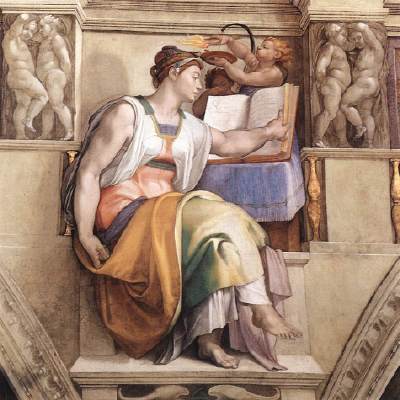
Fortunate Is the One Who Is Happy Today

Euripides Bacchae, Fourth Chorus (862-912)

“Will I ever lift my white foot
As I dance along
In the all night chorus—
Shaking my head at the dewy sky
Like the fawn who plays
In a meadow’s pale pleasures
When she has fled the frightful hunt
Beyond the well-woven nets of the guard—
With a holler, the hunter
Recalls the rush of his hounds
And she leaps
With the swift-raced lust of the winds
Across the riverbounded plain,
Taking pleasure in the places free
Of mortals and in the tender shoots
Of the shadow grove?

What’s cleverness for? Is there any nobler prize
Mortals can receive from the gods
Than to hold your hand over the heads
Of your enemies?
Whatever is noble is always dear.

Scarcely, but still surely,
The divine moves its strength
It brings mortals low
When they honor foolishness
And do not worship the gods
Because of some insane belief
They skillfully hide
The long step of time
As they hunt down the irreverent.
For it is never right
To think or practice stronger
Than the laws.
For it is a light price
To believe that these have strength—
Whatever the divine force truly is
And whatever has been customary for so long,
This will always be, by nature.

What’s cleverness for? Is there any nobler prize
Mortals can receive from the gods
Than to hold your hand over the heads
Of your enemies?
Whatever is noble is always dear.

Fortunate is the one who flees
The swell of the sea and returns to harbor.
Fortunate is the one who survives through troubles
One is greater than another in different things,
He surpasses in fortune and power—
But in numberless hearts still
Are numberless hopes: some result
In good fortune, but other mortal dreams
Just disappear.

Whoever has a happy life to-day,
I consider fortunate.

Χο. ἆρ’ ἐν παννυχίοις χοροῖς
θήσω ποτὲ λευκὸν
πόδ’ ἀναβακχεύουσα, δέραν
αἰθέρ’ ἐς δροσερὸν ῥίπτουσ’,
ὡς νεβρὸς χλοεραῖς ἐμπαί-
ζουσα λείμακος ἡδοναῖς,
ἁνίκ’ ἂν φοβερὰν φύγηι
θήραν ἔξω φυλακᾶς
εὐπλέκτων ὑπὲρ ἀρκύων,
θωύσσων δὲ κυναγέτας
συντείνηι δράμημα κυνῶν,
μόχθοις δ’ ὠκυδρόμοις ἀελ-
λὰς θρώισκηι πεδίον
παραποτάμιον, ἡδομένα
βροτῶν ἐρημίαις σκιαρο-
κόμοιό τ’ ἔρνεσιν ὕλας;
†τί τὸ σοφόν, ἢ τί τὸ κάλλιον†
παρὰ θεῶν γέρας ἐν βροτοῖς
ἢ χεῖρ’ ὑπὲρ κορυφᾶς
τῶν ἐχθρῶν κρείσσω κατέχειν;
ὅτι καλὸν φίλον αἰεί.
ὁρμᾶται μόλις, ἀλλ’ ὅμως
πιστόν <τι> τὸ θεῖον
σθένος· ἀπευθύνει δὲ βροτῶν
τούς τ’ ἀγνωμοσύναν τιμῶν-
τας καὶ μὴ τὰ θεῶν αὔξον-
τας σὺν μαινομέναι δόξαι.
κρυπτεύουσι δὲ ποικίλως
δαρὸν χρόνου πόδα καὶ
θηρῶσιν τὸν ἄσεπτον· οὐ
γὰρ κρεῖσσόν ποτε τῶν νόμων
γιγνώσκειν χρὴ καὶ μελετᾶν.
κούφα γὰρ δαπάνα νομί-
ζειν ἰσχὺν τόδ’ ἔχειν,
ὅτι ποτ’ ἄρα τὸ δαιμόνιον,
τό τ’ ἐν χρόνωι μακρῶι νόμιμον
ἀεὶ φύσει τε πεφυκός.
†τί τὸ σοφόν, ἢ τί τὸ κάλλιον†
παρὰ θεῶν γέρας ἐν βροτοῖς
ἢ χεῖρ’ ὑπὲρ κορυφᾶς
τῶν ἐχθρῶν κρείσσω κατέχειν;
ὅτι καλὸν φίλον αἰεί.
εὐδαίμων μὲν ὃς ἐκ θαλάσσας
ἔφυγε χεῖμα, λιμένα δ’ ἔκιχεν·
εὐδαίμων δ’ ὃς ὕπερθε μόχθων
ἐγένεθ’· ἕτερα δ’ ἕτερος ἕτερον
ὄλβωι καὶ δυνάμει παρῆλθεν.
μυρίαι δ’ ἔτι μυρίοις
εἰσὶν ἐλπίδες· αἱ μὲν
τελευτῶσιν ἐν ὄλβωι
βροτοῖς, αἱ δ’ ἀπέβασαν·
τὸ δὲ κατ’ ἦμαρ ὅτωι βίοτος
εὐδαίμων, μακαρίζω.

Image result for ancient greek good fortune
Cornucopia

Make Your “Away Message” Simple….

Pliny Letters 13, to Julius Ferox

“The same letter implies that you are not working and are working. Am I uttering riddles? So it goes, until I clarify what I am thinking. For the letter denies that you are working but it is so polished that it could not be written unless by someone in deep study. Or, you are blessed beyond all others  if you can complete such works at rest and in leisure.

Farewell.

C. Plinius Feroci Suo S.

Eadem epistula et non studere te et studere significat. Aenigmata loquor? Ita plane, donec distinctius quod sentio enuntiem. Negat enim te studere, sed est tam polita quam nisi a studente non potest scribi; aut es tu super omnes beatus, si talia per desidiam et otium perficis. Vale.

Pliny the Younger
I don’t believe that you’re not working.

Religion vs. Sedition

Montesquieu, Dissertation on Roman Politics in Religion (Part 3):

They took this caution further: one could not read the Sibylline books without the permission of the senate, which did not give it except on great occasions, and when it was driven to console the people. All interpretations were forbidden; these books themselves were always withdrawn from public view; and, by an eminently wise precaution, they removed the weapons from the hands of the fanatics and the seditious.

The soothsayers were not allowed to pronounce upon public affairs without the permission of the magistrates; their art was totally subordinated to the will of the senate; and this too was ordained by the books of the pontiffs, of which Cicero has preserved for us some fragments.

Polybius sets superstition in the rank of the advantages which the Roman people over and above other people: that which might seem ridiculous to the wise is necessary for the fools; and this people, which set itself so readily in anger, had need of being checked by an unconquerable power.

On portait la prudence plus loin : on ne pouvait lire les livres sibyllins sans la permission du sénat, qui ne la donnait même que dans les grandes occasions, et lorsqu’il s’agissait de consoler les peuples. Toutes les interprétations étaient défendues ; ces livres mêmes étaient toujours renfermés ; et, par une précaution si sage, on ôtait les armes des mains des fanatiques et des séditieux.

Les devins ne pouvaient rien prononcer sur les affaires publiques sans la permission des magistrats ; leur art était absolument subordonné à la volonté du sénat ; et cela avait été ainsi ordonné par les livres des pontifes, dont Cicéron nous a conservé quelques fragments.

Polybe met la superstition au rang des avantages que le peuple romain avait par-dessus les autres peuples : ce qui paraît ridicule aux sages est nécessaire pour les sots ; et ce peuple, qui se met si facilement en colère, a besoin d’être arrêté par une puissance invincible.

Meeting You in Song Space

We say God and the imagination are one.
How high that highest candle lights the dark.

-Wallace Stevens, “Final Soliloquy of the Interior Paramour”

Sappho Fr. 2

Come from Crete to me, to the holy temple
where there’s an elegant apple orchard
and altars
smoking with frankincense.

There, cool water babbles through apple-branches;
the place is entirely shadowed with roses;
and from bright stirring leaves
deep sleep pours down.

There, a meadow where horses graze
blooms with spring flowers,
and the honied breezes blow . . .
[ ]

In this place, Kypris, as you take up [ ],
into golden cups gently pour
nectar
mixed with our rejoicing.

Sappho Fr. 2 is addressed to Aphrodite (Kypris), summoning the god to her temple precinct.

The precinct may have existed in Lesbos, but this being song, I’m going to suggest it exists in the mind. In other words, the “me” and the “holy temple” (the first verse) are one and the same.

The sensuous landscape seems very much a mindscape: obscured by smoke, shaded throughout (fancifully, by roses), and the light filtering through dancing leaves brings enchanted sleep.

It is here, in the space created by and for song, that the communion with the god occurs.

Something similar is at work in Rilke’s Sonnet to Orpheus I.I.

The poem’s central conceit is that of a song-space: a place where the father of song and the creatures attentive to his music gather. This place of communion (“a temple”) is situated not in the physical world, but inside of them (“in the ear”).

It’s in this interior space that Sappho and her god, and Rilke and his demi-god, meet in song.

Rilke: Sonnets to Orpheus I.I

A tree sprung up there. O pure transcendence!
O Orpheus singing! O tall tree in the ear!
And all was quiet. Yet in the silence itself
a new beginning, an intimation, a change came on.

Creatures of stillness thronged out of the clear
untroubled forest, from their lairs and nests.
And it was not from cunning,
nor from fear, were they so quiet in themselves,

but from listening. Bellow, cry, roar
seemed small in their hearts. And where there was scarcely
even a hut to host this,

a shelter made of their darkest longing,
its entryway held up by wobbly posts–
there you built for them a temple in the ear.

Sappho Fr. 2:

δεῦρυ μ’ ἐκ Κρητας .π[ ]ναῦον
ἄγνον, ὄππ[ ] χάριεν μὲν ἄλσος
μαλί[αν], βῶμοι δὲ τεθυμιάμε-
νοι [λι]βανώτῳ·

ἐν δ’ ὔδωρ ψῦχρον κελάδει δι’ ὔσδων
μαλίνων, βρόδοισι δὲ παῖς ὀ χῶρος
ἐσκίαστ’, αἰθυσσομένων δὲ φύλλων
κῶμα κατέρρει·

ἐν δὲ λείμων ἰππόβοτος τέθαλεν
ἠρινίοισιν ἄνθεσιν, αἰ δ’ ἄνητοι
μέλλιχα πνέοισιν [
[ ]

ἔλθα δὴ σὺ [ ] ἔλοισα Κύπρι,
χρυσίαισιν ἐν κυλίκεσσιν ἄβρως
ὀμ[με]μείχμενον θαλίαισι νέκταρ
Οἰνοχόαισον

Rilke Die Sonette An Orpheus I.I

Da stieg ein Baum. O reine Übersteigung!
O Orpheus singt! O hoher Baum im Ohr!
Und alles schwieg. Doch selbst in der Verschweigung
ging neuer Anfang, Wink und Wandlung vor.

Tiere aus Stille drangen aus dem klaren
gelösten Wald von Lager und Genist;
und da ergab sich, daß sie nicht aus List
und nicht aus Angst in sich so leise waren,

sondern aus Hören. Brüllen, Schrei, Geröhr
schien klein in ihren Herzen. Und wo eben
kaum eine Hütte war, dies zu empfangen,

ein Unterschlupf aus dunkelstem Verlangen
mit einem Zugang, dessen Pfosten beben, –
da schufst du ihnen Tempel im Gehör.

A pottery shard, circa 250-100 B.C., inscribed with Sappho 2.
It is held in the Biblioteca Laurenziana in Florence.

Larry Benn has a B.A. in English Literature from Harvard College, an M.Phil in English Literature from Oxford University, and a J.D. from Yale Law School. Making amends for a working life misspent in finance, he’s now a hobbyist in ancient languages and blogs at featsofgreek.blogspot.com.

Toxic Masculinity – Historian Edition

Justin, Philippic Histories 1.3:

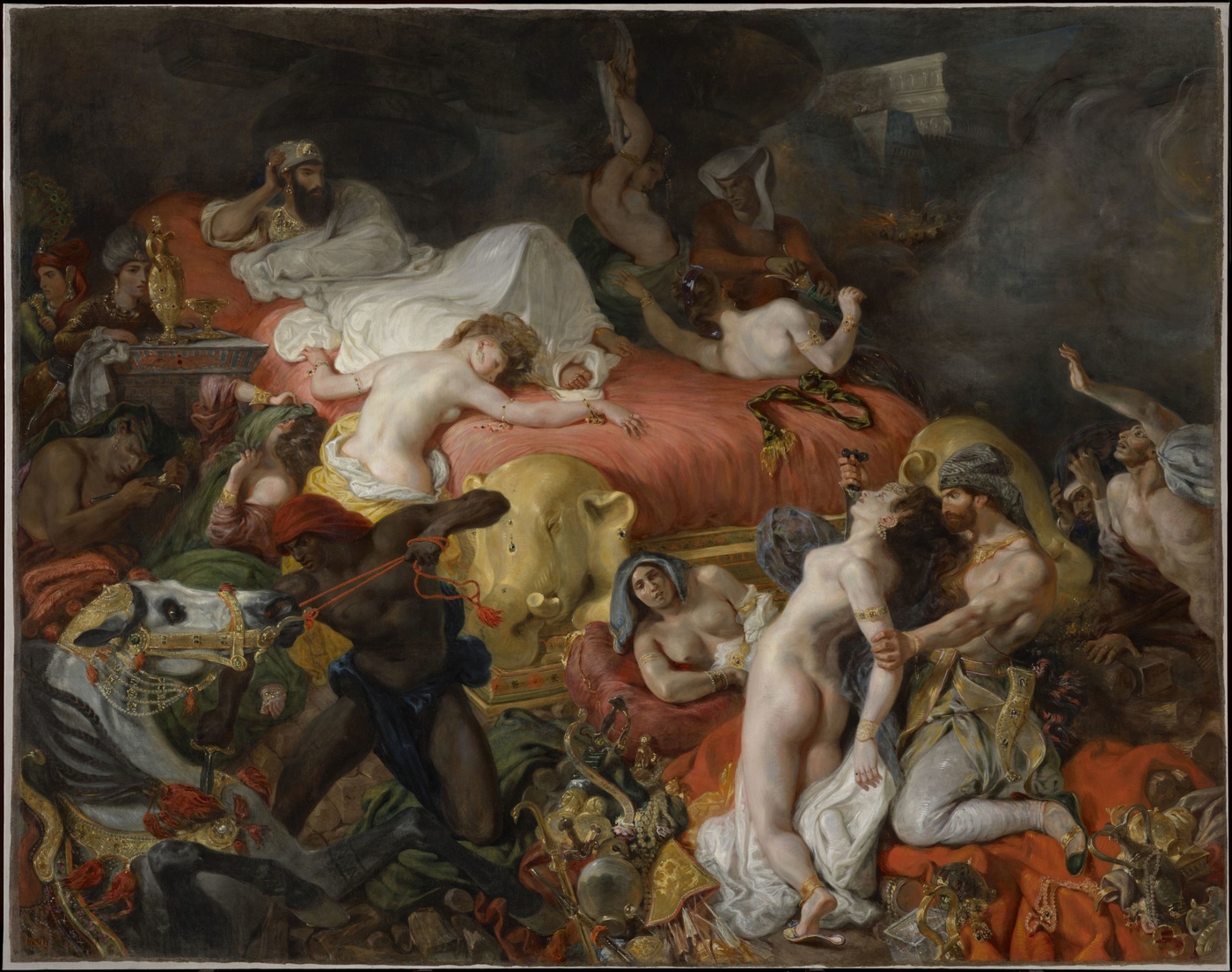
Finally, following them, reigned Sardanapalus, a man more dissolute than a woman. His own prefect in charge of the Medes, a man named Arbactus, came to see him (a thing which had not been permitted to anyone before), and when he had scarcely obtained admittance through extensive canvassing, found him among a whole group of prostitutes weaving purple garments at the distaff and wearing a womanly outfit. He excelled all of the women in his softness of body and lasciviousness of eye, weighing out the tasks among the maidens. Having seen this, and indignant that so many men were subject to such a woman and that men who held iron and arms should obey someone who handled wool, Arbactus proceeded to his companions and related what he saw. He denied that he could obey someone who preferred to be a woman rather than a man. And so a conspiracy was hatched; war was brought against Sardanapalus. When he heard about it, he first looked around for a hiding place – not as a man about to defend his reign, but as women are wont to do from fear of death. Yet finally he proceeded to war with a few unprepared men. Once conquered, he retreated to the palace, where a pyre was built and set on fire. He threw himself and his riches into the fire, this being his only act in which he played the part of a man. After Sardanapalus, his slayer Arbactus, who had been the prefect of the Medes, was set up as king. He transferred the empire from the Assyrians to the Medes.

Eugène Delacroix, The Death of Sardanapalus

Postremus apud eos regnavit Sardanapallus, vir muliere corruptior. Ad hunc videndum (quod nemini ante eum permissum fuerat) praefectus ipsius Medis praepositus, nomine Arbactus, cum admitti magna ambitione aegre obtinuisset, invenit eum inter scortorum greges purpuras colo nentem et muliebri habitu, cum mollitia corporis et oculorum lascivia omnes feminas anteiret, pensa inter virgines partientem. Quibus visis indignatus tali feminae tantum virorum subiectum tractantique lanam ferrum et arma habentes parere, progressus ad socios quid viderit refert; negat se ei parere posse, qui se feminam malit esse quam virum. Fit igitur coniuratio; bellum Sardanapallo infertur. Quo ille audito non ut vir regnum defensurus, sed, ut metu mortis mulieres solent, primo latebras circumspicit, mox deinde cum paucis et inconpositis in bellum progreditur. Victus in regiam se recepit, ubi exstructa incensaque pyra et se et divitias suas in incendium mittit, hoc solo imitatus virum. Post hunc rex constituitur interfector eius Arbactus, qui praefectus Medorum fuerat. Is imperium ab Assyriis ad Medos transfert.

From Numa to Nu Morals

Montesquieu, Dissertation on Roman Politics in Religion (Part 2):

The successors of Numa didn’t dare to do things which that prince himself hadn’t done. The people, who had lost much of its ferocity and its rudeness, became capable of a greater discipline. It was easy to add to the ceremonies of the religion the principles and moral rules which it was lacking. But the legislators of the Romans were too clearsighted not to see how dangerous such a reformation was: it was to concede that the religion was defective; it was to give ages to it, and to weaken its authority in wishing to establish it. The wisdom of those Romans was to take a better part in establishing new laws. Human institutions could well change, but the divine ought to remain immutable like the gods themselves.

And so, the senate of Rome, having charged the praetor Petilius to examine the writings of king Numa, which they had found in a stone chest four hundred years after his death, resolved to burn them upon hearing the report which the praetor made showing that the ceremonies which were ordained in Numa’s writings differed substantially from those which they practiced at that time. That fact could put scruples into the spirit of the simple, and could cause them to see that prescribed cult practice was not the same as that which was instituted by the first legislators and inspired by the nymph Egeria.

Claude Lorrain, Egeria Mourns Numa

Les successeurs de Numa n’osèrent point faire ce que ce prince n’avait point fait : le peuple, qui avait beaucoup perdu de sa férocité et de sa rudesse, était devenu capable d’une plus grande discipline. Il eût été facile d’ajouter aux cérémonies de la religion des principes et des règles de morale dont elle manquait ; mais les législateurs des Romains étaient trop clairvoyants pour ne point connaître combien une pareille réformation eût été dangereuse: c’eût été convenir que la religion était défectueuse ; c’était lui donner des âges, et affaiblir son autorité en voulant l’établir. La sagesse des Romains leur fit prendre un meilleur parti en établissant de nouvelles lois. Les institutions humaines peuvent bien changer, mais les divines doivent être immuables comme les dieux mêmes.

Ainsi le sénat de Rome, ayant chargé le préteur Pétilius d’examiner les écrits du roi Numa, qui avaient été trouvés dans un coffre de pierre, quatre cents ans après la mort de ce roi, résolut de les faire brûler, sur le rapport que lui fit ce préteur que les cérémonies qui étaient ordonnées dans ces écrits différaient beaucoup de celles qui se pratiquaient alors ; ce qui pouvait jeter des scrupules dans l’esprit des simples, et leur faire voir que le culte prescrit n’était pas le même que celui qui avait été institué par les premiers législateurs, et inspiré par la nymphe Égérie.


The Ways of Madmen And Wicked Fools

Euripides’ Bacchae, Second chorus 370-433

Sacred queen of the gods
Sacred one who flies
Over the earth on golden wing—
Did you hear these things about Pentheus?
Did you hear
Of his unholy outrage against Bromios
Semele’s son, the first of the gods
Called upon in the finely-wreathed
Feasts? He holds sway here,
To entwine us in the dances
To make us laugh with the flute
To dissolve our worries
Whenever the grape’s shine
Arrives at the feast of the gods
And in the ivy-wound banquets of men
Where the winebowl lets down its sleep.

The fate for unbridled mouths
And lawless foolishness
Is misfortune.
The life of peace
And prudence
Is unshaken and cements together
Human homes. For even though
They live far off in the sky
The gods gaze at human affairs.
Wisdom is not wit;
Nor is thinking thoughts which belong not to mortals.

Life is brief. And because of this
Whoever seeks out great accomplishments
May not grasp the things at hand.
These are the ways of madmen
And wicked fools, I think.

I wish I could travel to Cyprus
The island of Aphrodite
Where the enchanters of mortal minds live,
The Erotes, at Paphos
Where the hundred mouths
Of the barbarian river
Water fertile earth despite no rain;
I wish to go where Pieria
Looms so fair, that seat of the Muses,
The sacred slope of Mount Olympos—
Take me there, Bromios, my Bromios,
Divine master of ecstasy.
There are the Graces, there is Longing, there it is right
For the Bacchants to hold their sacred rites.

The god, the son of Zeus,
He delights in the feast,
He loves wealth-granting peace
The child-rearing goddess.
He has granted equally to the rich
And those below to have
The grief-relieving pleasure of wine.
He hates the person who has no care for these affairs.
During the day and during lovely nights
To live a good life,
To protect wisdom and thoughts and heart
From men who go too far.
Whatever the rather simple-minded mob believes
This is welcome enough belief for me.

῾Οσία πότνα θεῶν,
῾Οσία δ’ ἃ κατὰ γᾶν
χρυσέαι πτέρυγι φέρηι,
τάδε Πενθέως ἀίεις;
ἀίεις οὐχ ὁσίαν
ὕβριν ἐς τὸν Βρόμιον, τὸν
Σεμέλας, τὸν παρὰ καλλι-
στεφάνοις εὐφροσύναις δαί-
μονα πρῶτον μακάρων; ὃς τάδ’ ἔχει,
θιασεύειν τε χοροῖς
μετά τ’ αὐλοῦ γελάσαι
ἀποπαῦσαί τε μερίμνας,
ὁπόταν βότρυος ἔλθηι
γάνος ἐν δαιτὶ θεῶν, κισ-
σοφόροις δ’ ἐν θαλίαις ἀν-
δράσι κρατὴρ ὕπνον ἀμφιβάλληι.
ἀχαλίνων στομάτων
ἀνόμου τ’ ἀφροσύνας
τὸ τέλος δυστυχία·
ὁ δὲ τᾶς ἡσυχίας
βίοτος καὶ τὸ φρονεῖν
ἀσάλευτόν τε μένει καὶ
ξυνέχει δώματα· πόρσω
γὰρ ὅμως αἰθέρα ναίον-
τες ὁρῶσιν τὰ βροτῶν οὐρανίδαι.
τὸ σοφὸν δ’ οὐ σοφία,
τό τε μὴ θνατὰ φρονεῖν
βραχὺς αἰών· ἐπὶ τούτωι
δὲ τίς ἂν μεγάλα διώκων
τὰ παρόντ’ οὐχὶ φέροι; μαι-
νομένων οἵδε τρόποι καὶ
κακοβούλων παρ’ ἔμοιγε φωτῶν.
ἱκοίμαν ποτὶ Κύπρον,
νᾶσον τᾶς ᾿Αφροδίτας,
ἵν’ οἱ θελξίφρονες νέμον-
ται θνατοῖσιν ῎Ερωτες
Πάφον, τὰν ἑκατόστομοι
βαρβάρου ποταμοῦ ῥοαὶ
καρπίζουσιν ἄνομβροι,
οὗ θ’ ἁ καλλιστευομένα
Πιερία, μούσειος ἕδρα,
σεμνὰ κλειτὺς ᾿Ολύμπου·
ἐκεῖσ’ ἄγε με, Βρόμιε Βρόμιε,
πρόβακχ’ εὔιε δαῖμον.
ἐκεῖ Χάριτες, ἐκεῖ δὲ Πόθος, ἐκεῖ δὲ βάκ-
χαις θέμις ὀργιάζειν.
ὁ δαίμων ὁ Διὸς παῖς
χαίρει μὲν θαλίαισιν,
φιλεῖ δ’ ὀλβοδότειραν Εἰ-
ρήναν, κουροτρόφον θεάν.
ἴσαν δ’ ἔς τε τὸν ὄλβιον
τόν τε χείρονα δῶκ’ ἔχειν
οἴνου τέρψιν ἄλυπον·
μισεῖ δ’ ὧι μὴ ταῦτα μέλει,
κατὰ φάος νύκτας τε φίλας
εὐαίωνα διαζῆν,
†σοφὰν δ’ ἀπέχειν πραπίδα φρένα τε
περισσῶν παρὰ φωτῶν†.
τὸ πλῆθος ὅτι τὸ φαυλότερον ἐνόμισε χρῆ-
ταί τε, τόδ’ ἂν δεχοίμαν.

Image result for ancient greek dionysus

Out of the Smoke, Into the Fire: Some More Greek Proverbs

Diogenianus, 8.45

“When I fled the smoke, I fell into the fire”:  [this proverb is applied] to those who flee rather minor troubles only to fall upon greater ones.

Τὸν καπνὸν φεύγων, εἰς τὸ πῦρ ἐνέπεσον: ἐπὶ τῶν τὰ μικρὰ τῶν δεινῶν φευγόντων, καὶ εἰς μείζονα δεινὰ ἐμπιπτόντων.


Arsenius 4.23f

“It is strange that one who pursues honors avoids the hard work honors come from”

῎Ατοπόν ἐστι διώκοντα τὰς τιμὰς φεύγειν τοὺς πόνους, δι’ ὧν αἱ τιμαί.


Michael Apostolios, 11.15

“You ate some lotus”: [this proverb is applied to those] who are forgetful of things in the household and are slow in matters of hospitality. It is based on the lotus which imbues one who eats it with forgetfulness.”

Λωτοῦ ἔφαγες: ἐπὶ τῶν σχόντων λήθην τῶν οἴκοι, καὶ βραδυνόντων ἐπὶ ξένης. ἔστι δὲ πόα τὸ λωτὸν, λήθην ἐμποιοῦν τῷ φαγόντι.


Arsenius 3.19a

“The man who flees will also fight again”: [this proverb is applied] to those who face a doubtful victory.

᾿Ανὴρ ὁ φεύγων καὶ πάλιν μαχήσεται: ἐπὶ τῶν ἑτεραλκεῖ νίκῃ χρωμένων ταχθείη.


Michael Apostolios 1.26

“Agamemnon’s sacrifice”: [a proverb] applied to the difficult to persuade and the stubborn. For when Agamemnon was making a sacrifice, the bull was scarcely caught after it fled.” Or, it is because Agamemnon wanted to sacrifice his daughter. And she fled.”

᾿Αγαμέμνονος θυσία: ἐπὶ τῶν δυσπειθῶν καὶ σκληρῶν. θύοντος γὰρ ᾿Αγαμέμνονος ὁ βοῦς φυγὼν μόλις ἐλήφθη. ῍Η ὅτι τὴν ἑαυτοῦ ἐβούλετο ᾿Αγαμέμνων θυσιάσαι θυγατέρα· ἣ δ’ ἔφυγε.

Image result for medieval manuscript frying pan
Illuminated Manuscript – The Hague, KB, 76 F 13, f. 12v, XIV cent., France

Husbands and Tyrants in the Storm

Euripides, Medea 235-240

“The greatest contest in our life is this: getting a good husband
Or a bad one. For divorces do not bring women
A good reputation and it is impossible to refuse a husband.
When she enters the new ways and laws of his house
She needs to be a prophet, since she has not learned at home
How best to live with this partner. ”

κἀν τῷδ᾿ ἀγὼν μέγιστος, ἢ κακὸν λαβεῖν
ἢ χρηστόν· οὐ γὰρ εὐκλεεῖς ἀπαλλαγαὶ
γυναιξὶν οὐδ᾿ οἷόν τ᾿ ἀνήνασθαι πόσιν.
ἐς καινὰ δ᾿ ἤθη καὶ νόμους ἀφιγμένην
δεῖ μάντιν εἶναι, μὴ μαθοῦσαν οἴκοθεν,
ὅπως ἄριστα χρήσεται ξυνευνέτῃ.

Euripides, Medea 252-258

“But the same story does not apply to both me and you.
You have your city and your father’s home,
A life’s benefit and the presence of friends.
I am alone, stateless, taken violently by this
Husband, kidnapped as spoil from a foreign land,
I have no mother, no brother, no cousin
To provide me safe harbor from this storm.”

ἀλλ᾿ οὐ γὰρ αὑτὸς πρὸς σὲ κἄμ᾿ ἥκει λόγος·
σοὶ μὲν πόλις θ᾿ ἥδ᾿ ἐστὶ καὶ πατρὸς δόμοι
βίου τ᾿ ὄνησις καὶ φίλων συνουσία,
ἐγὼ δ᾿ ἔρημος ἄπολις οὖσ᾿ ὑβρίζομαι
πρὸς ἀνδρός, ἐκ γῆς βαρβάρου λελῃσμένη,
οὐ μητέρ᾿, οὐκ ἀδελφόν, οὐχὶ συγγενῆ
μεθορμίσασθαι τῆσδ᾿ ἔχουσα συμφορᾶς.

Euripides, Medea 357-356

“I am not like a tyrant in the least:
I have suffered much because of my sense of shame.
Now, even though I see you making a mistake, woman,
You will still get what you ask. But I am warning you:
If the sun rises tomorrow to see you here
And your children within the borders of this land,
You die. This speech is not uttered as a lie.
But, now, if you need to stay, remain for a day.
You won’t do any evil I fear in this time.”

ἥκιστα τοὐμὸν λῆμ᾿ ἔφυ τυραννικόν,
αἰδούμενος δὲ πολλὰ δὴ διέφθορα·
καὶ νῦν ὁρῶ μὲν ἐξαμαρτάνων, γύναι,
ὅμως δὲ τεύξῃ τοῦδε. προυννέπω δέ σοι,
εἴ σ᾿ ἡ ᾿πιοῦσα λαμπὰς ὄψεται θεοῦ
καὶ παῖδας ἐντὸς τῆσδε τερμόνων χθονός,
θανῇ· λέλεκται μῦθος ἀψευδὴς ὅδε.
νῦν δ᾿, εἰ μένειν δεῖ, μίμν᾿ ἐφ᾿ ἡμέραν μίαν·
οὐ γάρ τι δράσεις δεινὸν ὧν φόβος μ᾿ ἔχει.

Roman sarcophagus showing the story of Medea and Creusa. Ca 150 AD. Altes Museum, Berlin.

Rich People Need the Poor

Lucian, Saturnalia 33 (for more Lucian go to the Scaife viewer)

“See that they don’t blame you any longer but honor you and have affection for you because they take part in these things. While the cost is of little account to you, the gift in their time of need will always be remembered. Furthermore, you would not be able to live in cities if the poor did not live there with you and make your happiness possible in countless ways. You would have no one to amaze with your wealth if you were rich alone, in private, and without anyone knowing.

So, let the masses gaze upon and wonder at your silver, your fine tables, and then, when you are toasting them, have them weigh their cups while they drink, consider the weight of the gold applied with skill, and contemplate the truth of the story it tells. In addition to hearing them call you noble and philanthropic, you will fall outside their envy. For who begrudges someone who shares and gives a little portion? And who wouldn’t pray for him to live as long as possible, benefiting from his goods? Right now, your blessings go unwitnessed, your wealth is an object of envy, and your life is not pleasant.”

Ὁρᾶτε οὖν ὅπως μηκέτι ὑμᾶς αἰτιάσωνται, ἀλλὰ τιμήσωσι καὶ φιλήσωσι τῶν ὀλίγων τούτων μεταλαμβάνοντες· ὧν ὑμῖν μὲν ἡ δαπάνη ἀνεπαίσθητος, ἐκείνοις δὲ ἐν καιρῷ τῆς χρείας ἡ δόσις ἀείμνηστος. ἄλλως τε οὐδ᾿ ἂν οἰκεῖν δύναισθε τὰς πόλεις μὴ οὐχὶ καὶ πενήτων συμπολιτευομένων καὶ μυρία πρὸς τὴν εὐδαιμονίαν ὑμῖν συντελούντων, οὐδ᾿ ἂν ἔχοιτε τοὺς θαυμάζοντας ὑμῶν τὸν πλοῦτον, ἢν μόνοι καὶ ἰδίᾳ καὶ ὑπὸ σκότῳ πλουτῆτε. ἰδέτωσαν οὖν πολλοὶ καὶ θαυμασάτωσαν ὑμῶν τὸν ἄργυρον καὶ τὰς τραπέζας καὶ προπινόντων φιλοτησίας, μεταξὺ πίνοντες περισκοπείτωσαν τὸ ἔκπωμα καὶ τὸ βάρος ἴστωσαν αὐτοὶ διαβαστάσαντες καὶ τῆς ἱστορίας τὸ ἀκριβὲς καὶ τὸν χρυσὸν ὅσος, ὃς ἐπανθεῖ τῇ τέχνῃ. πρὸς γὰρ τῷ χρηστοὺς καὶ φιλανθρώπους ἀκούειν καὶ τοῦ φθονεῖσθαι ὑπ᾿ αὐτῶν ἔξω γενήσεσθε. τίς γὰρ ἂν φθονήσειε τῷ κοινωνοῦντι καὶ διδόντι τῶν μετρίων; τίς δ᾿ οὐκ ἂν εὔξαιτο εἰς τὸ μήκιστον διαβιῶναι αὐτὸν ἀπολαύοντα τῶν ἀγαθῶν; ὡς δὲ νῦν ἔχετε, ἀμάρτυρος μὲν ἡ εὐδαιμονία, ἐπίφθονος δὲ ὁ πλοῦτος, ἀηδὴς δὲ ὁ βίος.

Midas, transmitting all gold into paper, print by James Gillray