Aesop Fable II – The Eagle, the Jackdaw, and the Shepherd


“An Eagle once flew down from a lofty rock and snatched a lamb. A Jackdaw saw this and jealously wished to imitate him. Sending himself down with a great whistle he landed upon a ram. He locked his talons into the ram’s wool, and unable to lift the ram, he beat his wings until a shepherd, seeing what was happening, ran up, grabbed the Jackdaw, and cut off his wings. When evening came, the shepherd carried them to his children. When they asked what sort of bird it was, he responded, ‘As I know clearly, he was a Jackdaw; but as he conceived it, he was an Eagle.’

Thus goes the struggle against those who exceed us: in addition to accomplishing nothing, one adds ridicule to misfortune.”

aesopfable2


     ἀετὸς καταπτὰς ἀπό τινος ὑψηλῆς πέτρας ἄρνα ἥρπασε· κολοιὸς δὲ τοῦτον θεασάμενος διὰ ζῆλον [τοῦτον] μιμήσασθαι ἤθελε. καὶ δὴ καθεὶς ἑαυτὸν μετὰ πολλοῦ ῥοίζου ἐπὶ κριὸν ἠνέχθη. ἐμπαρέντων δὲ αὐτοῦ τῶν ὀνύχων τοῖς

μαλλοῖς ἐξαρθῆναι μὴ δυνάμενος ἐπτερύσσετο, ἕως ὁ ποιμὴν τὸ γεγονὸς αἰσθόμενος προσδραμὼν συνέλαβεν αὐτὸν καὶ περικόψας αὐτοῦ τὰ ὀξύπτερα, ὡς ἑσπέρα κατέλαβε, τοῖς αὐτοῦ παισὶν ἐκόμισε. τῶν δὲ πυνθανομένων, τί εἴη τὸ ὄρνεον, ἔφη· „ὡς μὲν ἐγὼ σαφῶς οἶδα, κολοιός, ὡς δὲ αὐτὸς βούλεται, ἀετός.”

     οὕτως ἡ πρὸς τοὺς ὑπερέχοντας ἅμιλλα πρὸς τῷ μηδὲν ἀνύειν καὶ ἐπὶ συμφοραῖς προσκτᾶται γέλωτα.

Gibbon on Enlightenment, Superstition, and Paganism

“The policy of the emperors and the senate, as far as it concerned religion, was happily seconded by the reflections of the enlightened, and by the habits of the superstitious, part of their subjects. The various modes of worship, which prevailed in the Roman world, were all considered by the people, as equally true; by the philosopher, as equally false; and by the magistrate, as equally useful. And thus toleration produced not only mutual indulgence, but even religious concord.

gibbonpaganism

The superstition of the people was not imbittered by any mixture of theological rancor; nor was it confined by the chains of any speculative system. The devout polytheist, though fondly attached to his national rites, admitted with implicit faith the different religions of the earth. Fear, gratitude, and curiosity, a dream or an omen, a singular disorder, or a distant journey, perpetually disposed him to multiply the articles of his belief, and to enlarge the list of his protectors. The thin texture of the Pagan mythology was interwoven with various but not discordant materials. As soon as it was allowed that sages and heroes, who had lived or who had died for the benefit of their country, were exalted to a state of power and immortality, it was universally confessed, that they deserved, if not the adoration, at least the reverence, of all mankind. The deities of a thousand groves and a thousand streams possessed, in peace, their local and respective influence; nor could the Romans who deprecated the wrath of the Tiber, deride the Egyptian who presented his offering to the beneficent genius of the Nile. The visible powers of nature, the planets, and the elements were the same throughout the universe. The invisible governors of the moral world were inevitably cast in a similar mould of fiction and allegory. Every virtue, and even vice, acquired its divine representative; every art and profession its patron, whose attributes, in the most distant ages and countries, were uniformly derived from the character of their peculiar votaries. A republic of gods of such opposite tempers and interests required, in every system, the moderating hand of a supreme magistrate, who, by the progress of knowledge and flattery, was gradually invested with the sublime perfections of an Eternal Parent, and an Omnipotent Monarch. Such was the mild spirit of antiquity, that the nations were less attentive to the difference, than to the resemblance, of their religious worship. The Greek, the Roman, and the Barbarian, as they met before their respective altars, easily persuaded themselves, that under various names, and with various ceremonies, they adored the same deities. The elegant mythology of Homer gave a beautiful, and almost a regular form, to the polytheism of the ancient world.

The philosophers of Greece deduced their morals from the nature of man, rather than from that of God. They meditated, however, on the Divine Nature, as a very curious and important speculation; and in the profound inquiry, they displayed the strength and weakness of the human understanding. Of the four most celebrated schools, the Stoics and the Platonists endeavored to reconcile the jaring interests of reason and piety. They have left us the most sublime proofs of the existence and perfections of the first cause; but, as it was impossible for them to conceive the creation of matter, the workman in the Stoic philosophy was not sufficiently distinguished from the work; whilst, on the contrary, the spiritual God of Plato and his disciples resembled an idea, rather than a substance. The opinions of the Academics and Epicureans were of a less religious cast; but whilst the modest science of the former induced them to doubt, the positive ignorance of the latter urged them to deny, the providence of a Supreme Ruler. The spirit of inquiry, prompted by emulation, and supported by freedom, had divided the public teachers of philosophy into a variety of contending sects; but the ingenious youth, who, from every part, resorted to Athens, and the other seats of learning in the Roman empire, were alike instructed in every school to reject and to despise the religion of the multitude. How, indeed, was it possible that a philosopher should accept, as divine truths, the idle tales of the poets, and the incoherent traditions of antiquity; or that he should adore, as gods, those imperfect beings whom he must have despised, as men? Against such unworthy adversaries, Cicero condescended to employ the arms of reason and eloquence; but the satire of Lucian was a much more adequate, as well as more efficacious, weapon. We may be well assured, that a writer, conversant with the world, would never have ventured to expose the gods of his country to public ridicule, had they not already been the objects of secret contempt among the polished and enlightened orders of society.”

-Decline and Fall of the Roman Empire, Vol. I Chp. 2 Part I

You are What (and How) you Eat: Greek -phage Compounds

Telegony, fr. 1

“He consumed the unspeakable meat and sweet wine greedily”

ἤσθιεν ἁρπαλέως κρέα τ’ ἄσπετα καὶ μέθυ ἡδύ.

fish vase

Some phage compounds and their explanations.

Adêphagia: “Endless-eating”: This means insatiable. We also find the adjective adêphagos (“eating constantly”), polyphagos (“eating everything”) and gastrimargos (gourmand).
᾿Αδηφαγία: ἡ ἀπληστία. καὶ ᾿Αδηφάγος, ἀθρόως ἐσθίων, πολυφάγος, γαστρίμαργος. ᾿

Αἰγοφάγος· aigophagos, “goat-eater”. An epithet of Hera in Sparta

αὐτοφάγος: autophagos, “self-feeder” (not someone who eats himself)

βουφάγος: bouphagos, “cow-eater”

κοπροφάγος: koprophagos, “dung-eater”
Σκατοφάγος: skatophagos, “dung-eater”. For this, Hesychius comments “but skatophagos is especially mean” (᾿Αλλὰ σκατοφάγος ἐστι καὶ λίαν πικρός). Why? Skatos is the genitive of skôr (σκῶρ), which has a closer resonance with human excrement.

ὀψοφάγος: opsophagos, “delicacy eater”, i.e. foodie

λαθροφάγος: lathrophagos “secret-eater” (eating in secret)

θυμβροφάγος: thumbrofagos, “eating the herb savory”, a metaphor for having a bitter expression. Compare to δριμυφάγος “bitter-eating”, cf. the expression, “leaves a bad taste in the mouth”

ἰχθυοφάγος, ikhthuophagos, “fish-eater”. This is an insult, the Suda explains that Theôros was maligned as a “seducer, fish-eater, and rogue” (ὡς μοιχὸς καὶ ἰχθυοφάγος καὶ πονηρός). Fish-eating seems to be an indication of a dedication to luxury and excess.

Καπροφάγος: kaprophagos, “boar-eater”, an epithet of Artemis in Samos

καταφαγᾶς: kataphagas, “one who eats bent over”, i.e. birds and gourmands

κραδοφάγος: kradophagos, “twig-eater”, a derogatory epithet for a country-dweller
συκοφάγος: sukophagos, “fig eater,” a derogatory epithet for a country-dweller
ἰσχαδοφάγος: iskhadophagos, “fig-eater”, a derogatory epithet for a country-dweller

κριοφάγος: kriophagos, “fat-eater”, an epithet for a god receiving a sacrifice

Λωτοφάγος: lôtophagos, “lotus-eater”

μικροφάγος: mikrophagos, “small-eater”, someone who doesn’t eat much

παμφάγος: pamphagos, “all-eater”, someone who eats everything

ταυροφάγος: tauorophagos, “bull-eater”, an epithet of Dionysus

Trees Talking? Chill, It’s Just Make-Believe

Prologue to Phaedrus’ Collection of Aesopic fables

“Aesop is the author who brought to life the material,
And I have polished it with senarian verse.
The book’s gift is double: for it makes you laugh
And it advises your life with wise advice.
If anyone should desire to criticize it,
Because the trees talk in addition to the beasts,
Don’t forget: we are playing with the make-believe.”

Aesopus auctor quam materiam repperit,
hanc ego polivi versibus senariis.
Duplex libelli dos est: quod risum movet
et quod prudenti vitam consilio monet.
Calumniari si quis autem voluerit,
quod arbores loquantur, non tantum ferae,
fictis iocari nos meminerit fabulis.


Yes, this is from Phaedrus the Fabulist.

You can find the full text of Phaedrus here.

There is also a pretty great site with resources about Aesopic fables.

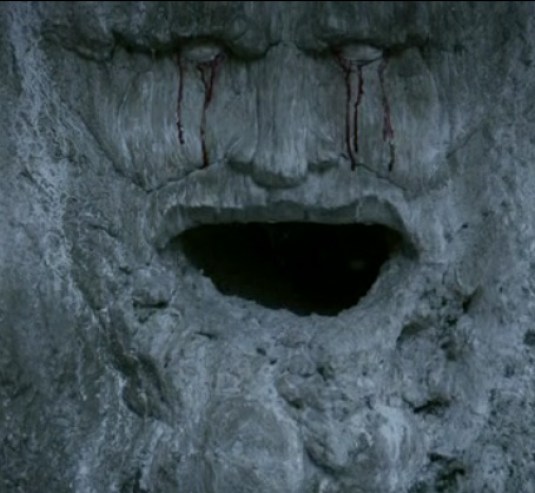
talking trees
Ok, Animate Trees can be scary….


Aesop Fable I – The Eagle and the Fox

“The Eagle and the Fox once became friends and decided to live near each other, and they made this close acquaintance the confirmation of their friendship. The Eagle, mounting upon a huge tree, gave birth to its young. The Fox, arriving at the underlying brush, gave birth. One day, when the Fox was away in search of food, the Eagle was in need of nourishment, so it flew down to the brush, took the Fox’s offspring, and shared them as a meal among its own children. The Fox returned and, as she recognized what had been done, was not pained more by the loss of her children than by eagerness for vengeance. For, being a land animal, she was unable to pursue a winged one. On which account she stood far away and cursed her enemy, which is the only thing left to those who are lacking strength and power. But it so happened that the Eagle was not able to long ward off the punishment for its crime against friendship. For, while some people were sacrificing a goat in the field, it flew down and snatched the burning liver from the altar. Upon arriving at the nest, a great wind arose from the old fair breeze, and set a bright fire to the nest. On that account, the Eagle’s young were burned (their wings were not yet fully-grown) and fell to the ground. The Fox then ran up and devoured them in sight of the Eagle.

This tale makes it clear that those who break the bonds of friendship, even though they may seem to escape chastisement due to the impotence of their victims, will not then elude divine punishment.”

aesopfable1

ἀετὸς καὶ ἀλώπηξ φιλίαν πρὸς ἀλλήλους ποιησάμενοι πλησίον ἑαυτῶν οἰκεῖν διέγνωσαν, βεβαίωσιν φιλίας τὴν συνήθειαν καὶ ἐν ταὐτῷ ἅμα εἶναι ἡγούμενοι. καὶ δὴ ὁ μὲν ἀναβὰς ἐπὶ μήκιστον δένδρον ἐνεοττοποίησεν, ἡ δὲ εἰσελθοῦσα κάτωθεν εἰς τὸν ὑποκείμενον θάμνον ἔτεκεν. μιᾷ οὖν τῶν ἡμερῶν ἐξελθούσης τῆς ἀλώπεκος ἐπὶ νομὴν ὁ ἀετὸς ἀπορῶν τροφῆς καταπτὰς εἰς τὸν θάμνον καὶ τὰ γεννήματα ἁρπάσας μετὰ τῶν ἑαυτοῦ νεοττῶν ἐθοινήσατο. ἡ δὲ ἀλώπηξ ἐπανελθοῦσα ὡς ἔγνω τὸ πραχθέν, οὐ τοσοῦτον ἐπὶ τῷ θανάτῳ τῶν νεοττῶν ἐλυπήθη, ὅσον ἐπὶ τῆς

ἀμύνης· χερσαία γὰρ οὖσα πετεινὸν διώκειν οὐκ ἠδύνατο. διόπερ πόρρωθεν στᾶσα, ὃ τοῖς ἀδυνάτοις καὶ ἀσθενέσι ὑπάρχει ἔργον, τὸν ἐχθρὸν κατηρᾶτο. συνέβη οὖν ἀντὶ τῆς πολλῆς ἀγάπης μεγίστην ἔχθραν μεταξὺ ἐσχηκέναι. θυόντων δέ τινων αἶγα ἐπ’ ἀγρῷ ὁ ἀετὸς καταπτὰς μέρος τι τῆς αἰγὸς μετὰ καὶ ἐμπύρων ἀνθράκων ἐπὶ τὴν καλιὰν ἀνήγαγεν. σφοδρὸς οὖν ἄνεμος ἐμπνεύσας, ἐκ λεπτοῦ καὶ παλαιοῦ

χόρτου οὖσα ἡ καλιά, λαμπρὰν φλόγα ἀνήγαγεν. καταφλεχθέντες δὲ οἱ νεοττοί—καὶ γὰρ ἦσαν ἔτι πτηνοὶ ἀτελεῖς—ἐπὶ τὴν γῆν κατέπεσον. ἡ δὲ ἀλώπηξ προσδραμοῦσα ἐν ὄψει τοῦ ἀετοῦ πάντας αὐτοὺς κατέφαγεν.

     ὁ λόγος δηλοῖ, ὅτι οἱ φιλίαν παρασπονδοῦντες, κἂν τὴν ἐκ τῶν ἠδικημένων ἐκφύγωσι κόλασιν δι’ ἀσθένειαν, ἀλλ’ οὖν γε τὴν ἐκ θεοῦ τιμωρίαν οὐ διακρούσονται.

Boeotian Hesiod: Born in Ascra, Buried in Orkhomenos

Bacchylides, 5.187-194

“For truth’s sake it is right to praise
Only after pushing envy away with both hands
if some mortal man acts well.
The Boiotian man says these things,
Hesiod, guardian of the sweet Muses.
Whichever man the gods honor,
Mortal fame will follow.”

[Χρὴ] δ’ ἀληθείας χάριν
αἰνεῖν, φθόνον ἀμφ[οτέραι-]
[σιν] χερσὶν ἀπωσάμενον,
εἴ τις εὖ πράσσοι βροτῶ[ν.]
Βοιωτὸς ἀνὴρ τᾶδε φών[ησεν, γλυκειᾶν]
῾Ησίοδος πρόπολος
Μουσᾶν, ὃν <ἂν> ἀθάνατοι τι[μῶσι, τούτῳ]
καὶ βροτῶν φήμαν ἕπ[εσθαι.]

hesiod-sm

According to Pausanias (9.38.3) Hesiod’s grave is in Orkhomenos. Hesiod’s Epitaph (Paus. 9.38.4)

“Grain-rich Askrê was his country, but when he died
The land of the horse-driving Minyans came to hold
Hesiod’s bones—his fame will rise to be the greatest in Greece
When men are judged by a touchstone of skill”

῎Ασκρη μὲν πατρὶς πολυλήιος, ἀλλὰ θανόντος
ὀστέα πληξίππων γῆ Μινυῶν κατέχει
῾Ησιόδου, τοῦ πλεῖστον ἐν ῾Ελλάδι κῦδος ὀρεῖται
ἀνδρῶν κρινομένων ἐν βασάνῳ σοφίης.

The Advice of Augustus, The Corruption of Power

“Happily for the repose of mankind, the moderate system recommended by the wisdom of Augustus, was adopted by the fears and vices of his immediate successors. Engaged in the pursuit of pleasure, or in the exercise of tyranny, the first Caesars seldom showed themselves to the armies, or to the provinces; nor were they disposed to suffer, that those triumphs which their indolence neglected, should be usurped by the conduct and valor of their lieutenants. The military fame of a subject was considered as an insolent invasion of the Imperial prerogative; and it became the duty, as well as interest, of every Roman general, to guard the frontiers intrusted to his care, without aspiring to conquests which might have proved no less fatal to himself than to the vanquished barbarians.”

-Edward Gibbon, The Decline and Fall of the Roman Empire, Vol. 1, Chp. 1

Day-Drinking and Night Words

Recently I tried to play neologist to make up for the absence of an attested Greek word for “day-drinking”

The results were close–but they shouldn’t have been, the second option really should have been ἡμερομεθύσος or ἡμερομεθύων. I had some nice suggestions. One correspondent suggested using helios compounds instead:

This is a great suggestion, but I was inspired by some extant Greek compounds using “Day”  instead of “sun”. (Although I was inspired by the exchange and another to create  ἡλιομεθύων, heliomethuôn “Sun-drunkard”).

Some day words:

ἡμερόβιος: hêmerobios, “living for a day”

ἡμερογράφος: hêmerographos, “diary-keeper” (lit. “day-writer”)

ἡμεροδρόμος: hêmerodromos: “day-runner”

ἡμερόκοιτος: hêmerokoitos, “day-sleeping”

ἡμεροσκόπος: hêmeroskopos, “day-watcher”

ἡμερόφυλαξ: hêmerophulaks, “day-guard”

ἡμερόφοιτος: hêmerophoitos, “day-wanderer”

ἡμερόφωνος: hêmerophônos, “welcoming the day”


But, we always need some night words too.

νυκτάκλωψ: nuktaklôps, “night-blindness”

νυκτεργασία: nuktergasia, “night-work”

νυκτιδρόμος: nuktidromos, “night-running”

νυκτιλάλος: nuktilalos, “night-chattering”

νυκτίβιος: nuktibios, “night-living”

νυκτινόμος: nuktinomos, “night-grazing”

νυκτιπλάγκτος: nuktiplangktos,  “night wandering”

νυκτιπλοία: nuktiploia “night-sailing”

νυκτογραφία: nuktigraphia “night-writing

νυκτoνηχόμενος: nuktonêkhomenos, “night-swimming”

Minding the Minyans

There are two basic strands left to us in the record of the Orkhomenian hero Erginos—one has him conquer Thebes only to be defeated in turn by Herakles (see Apd. 2.68-71; Paus. 9.37; D.S. 4.10; cf. Ades. Pap. 973.14-15) whereas another places him among the Argonauts (A.R. 1.186–189; Orphic Arg. 152-4), achieving a surprising victory during games on Lemnos (Pind. O4; Call. Fr. 699; cf. Mich. Apol. Prov. 7.95 for his proverbial status). According Ap. Rhodes and  a fragment of the Historian Herodorus (43), this Erginos was from Miletus. This creates a bit of a quandary: where there two Erginoi? If not—which seems more likely—how did the hero become associated with both places?

The answer in part comes from the shadowy history of the people called the Minyans. Erginos does not seem to be a direct descendent of Minyas, but he was a king of Orkhomenos, a city called “Minyan” in Homer and elsewhere, in part to distinguish it from the Orchomenos in Arcadia.  Fowler calls the Minyans the “magni nominis umbra of Greek Myth…[who] left enough traces to suggest that they were at one timea major presence both in mythologyand history. By the classicalperiod, however, they werea minor tribe, evicted from Orchomenos after the battle of Leuktra by their ancient enmies the Thebans (Paus. 4.27.10)” (2013, 191).

Their ethnonym is associated with the Argonauts (Schol. ad Pind. I1 79c) through settlement in Iolcus (Strabo 9.2.40; Schol ad. Ap. Rhodes 763-764), genealogical association with Athamas (a founder, according to Paus. 9.34.7) and Aiolos and shared geographical association with Thessaly and Thrace (Schol. in Pind. O14 5a3 and Schol ad Pind. P4 122). The civic-hero Erginos is listed as member of the Argonauts (Ap. Rhodes 1.113). In addition, they also show relationships with Ionian city-states which are likely influenced by colonization in the early archaic period: Pausanias records that one of the Ionian city-states (Phokaia) was settled by Phocians (7.3.10). As Pausanias also records, the ethnonym Phocaean extended in an early period all the way to Orhomenos (2.29.3.6). Although he writes that the Minyans settled Teôs (north of Miletus but south of Phokaia) Pausanias writes that the Minyans joined the Athenian expedition because they were related to Codrus; Codrus’ son Neileus took his contingent to Miletus. In conjunction with the colonization narratives, rulers of Orchomenos had associations with Argonautic myths: The eponymous Orchomenos died without a male heir and Klumenos, son of Presbon, son of Phrixus became king.

Panhellenic narratives like those of the Hesiodic Catalogue of Women integrate and subsume the Minyans by having the daughters of Minyas marry descendents of Aiolos (strengthening ties with Boeotia as well, Fowler 2013,192; cf. Paus. 9.36-37 and Schol.in Ap. Rhodes 1.230-3b). Here is the family tree of Erginos and Orkhomenos according to Pausanias:


Aiolos – Enarete                     [Aiolos – Ino (Thebes)]

|                                              |

Athamas – (Nephele)                         Almos

|

|

Phrixus –                                             Chrysogeneia – Poseidon

|                                                          |

Presbon                                               Chryses

|                                                          |

Klymenos                                           Minyas

|                                                          |

Erginos                                               Orkhomenos

So, as far as I can see, the likely reason that there are traditions for a Milesian and a Orkhomenian Erginos, both of whom could fairly be called Minyan, is that local narratives were carried by Minyans in their settlements to Ionia and connected as part of several layers of collective, Panhellenizing narratives into larger Greek traditions including the Argonauts, the Herakles cycle, and the Trojan War narratives. As the Minyans were subsumed into other regions and the importance of Orkhomenos declined, their heroic narratives were similarly subsumed and fragmented. One version of Erginos became associated with the Argonaut myth as part of a conceptual Minyan Diaspora; he was dissociated from the Boeotian Erginos as the Theban-centered Herakles tales rose into prominence.

Here are some of the more obscure sources.

Schol. in Pind. O14 5a3

“Of the Ancient-born Minyans”: the ancient race of the Minyans was from Minyas the Thessalian, a son of Poseidon, and the race(s) of the Argonauts came from him.”

BCDEQ παλαιγόνων Μινυᾶν: τὸ τῶν Μινυῶν γένος ἀρχαῖον ἀπὸ Μινυοῦ τοῦ Θεσσαλοῦ, Ποσειδῶνος υἱοῦ καὶ  τοῦ γένους τῶν ᾿Αργοναυτῶν.

Schol. in Pind. O14 5d4

“From Minyas”: Minyas was the son of Kalliroê and Poseidon….And Minyas was the first to rule Orkhomenos.

EFQ ἀπὸ Μινύου. Μινύας δὲ ἐκ Καλλιρρόης τῆς ᾿Ωκεανοῦ καὶ Ποσειδῶνος.

BCEQ ὁ δὲ Μινύας πρῶτος ἦρξεν ᾿Ορχομενοῦ.

Schol ad Pind. P4 122

“After the Minyans sailed:” He speaks here of the Argonauts, since many of them trace their ancestry back to Minyas the son of Poseidon and Tritogeneia the daughter of Aiolos. So too Apollonios says : “Since most and the best of them claim to be from the blood of the daughters of Minyas.”

BDEGQ πλευσάντων Μινυᾶν: τῶν Μινυῶν· φησὶ δὲ τῶν ᾿Αργοναυτῶν, ὅτι οἱ πλείους αὐτῶν εἰς Μινύαν τὸν Ποσειδῶνος καὶ Τριτογενείας τῆς Αἰόλου τὸ γένος ἀνῆγον. καὶ ᾿Απολλώνιός φησιν (I 230)·

ἐπεὶ Μινύαο θυγατρῶν

οἱ πλεῖστοι καὶ ἄριστοι ἀφ’ αἵματος εὐχετόωντο.

Schol. ad Pind. I1 79c

“The Minyan retreat, he means Orkhomenos.” For he also calls Orkhomenos Minyan, since Minyas founded that city. They trace the lineage of that Minyas to Orkhomenos, as Pherecydes does, but some say that Orkhomenos is the son of Minyas and some say that both are the children of Eteokles, while Dionysios says Minyas is a child of Ares, Aristodemos makes him a son of Aleos and then he writes that the Argonauts are called Minyans for this reason.”

Μινύα δὲ μυχὸν τὸν ᾿Ορχομενὸν εἶπεν· οὗτος γὰρ λέγεται καὶ ᾿Ορχομενὸς Μινύειος· ταύτην γὰρ ἐνῴκησεν ὁ Μινύας. τοῦτον δὲ τὸν Μινύαν οἱ μὲν ᾿Ορχομενοῦ γενεαλογοῦσιν, ὡς Φερεκύδης (FHG I 92 M., I 102 J.), ἔνιοι δὲ ἔμπαλιν τὸν ᾿Ορχομενὸν Μινύου, ἔνιοι δὲ ἀμφοτέρους ᾿Ετεοκλέους γενεαλογοῦσι, Διονύσιος δὲ τὸν Μινύαν ῎Αρεος ἀναγράφει, ᾿Αριστόδημος δὲ  ᾿Αλεοῦ τὸν Μινύαν, καὶ τοὺς ᾿Αργοναύτας δὲ Μινύας ἐντεῦθεν γράφει προσηγορεῦσθαι.


Schol.in Ap. Rhodes 1.230-3b

“Minyas had many daughters. For Jason, the son of Alkimedê, was the daughter of Klumenê, Minyas’ daughter. Stesichorus makes her Eteoklumenê whereas Pherecydes says Alkimedê, the daughter of Phulakos. Orkhomenos was the child of Isonoê the child of Danae and Zeus, which is where the city gets its name. Minyas was born from Orkhomenos and Hermippê, the daughter of Boiôtis, at least by name, he was actually the son of Poseidon. Minyas settled in Orkhomenos which is where the people get the name Minyans.

From Minyas and Klutodôrê came Presbôn and Periklumenê and Eteo and Athamas.klumenê, from Phanosura the daughter of Paion Minyas fathered Orkhomenos, Diokhthôndês

b ἐπεὶ Μινύαο θυγα<τρῶν>: ὁ γὰρ Μινύας πολλὰς εἶχεν θυγατέρας. καὶ γὰρ ὁ ᾿Ιάσων ᾿Αλκιμέδης ἐστὶ τῆς Κλυμένης τῆς Μινύου θυγατρός. Στησίχορος (fg 54 B. III 225) δὲ ᾿Ετεοκλυμένης φησίν, Φερεκύδης (3 fg 104 b J.) δὲ ᾿Αλκιμέδης τῆς Φυλάκου. ᾿Ισονόης δὲ τῆς Δαναοῦ καὶ Διὸς γίνεται ᾿Ορχομενός, ἀφ’ οὗ καὶ ἡ πόλις ᾿Ορχομενὸς καλεῖται· ᾿Ορχομενοῦ δὲ καὶ ῾Ερμίππης τῆς Βοιωτοῦ γίνεται Μινύας—ἐπίκλησιν, φύσει δὲ Ποσειδῶνος—, ὃς ᾤκει ἐν ᾿Ορχομενῷ, ἀφ’ οὗ ὁ  λαὸς Μινύαι ἐκλήθησαν· ἐκ δὲ Μινύου καὶ Κλυτοδώρας γίνεται Πρέσβων καὶ Περικλυμένη καὶ ᾿Ετεοκλυμένη, ἐκ δὲ Φανοσύρας τῆς Παιῶνος καὶ Μινύου ᾿Ορχομενὸς καὶ Διοχθώνδης καὶ ᾿Αθάμας

Schol ad. Ap.Rhodes 763-764

“For the Minyans settled Iolkos, as Simonides says in his Summikta. This name takes precedents over Orchomenians. For many say that Athamas settled In Orchomenos.

᾿Ιώλκιος· τὴν γὰρ ᾿Ιωλκὸν Μινύαι ᾤκουν, ὥς φησι Σιμωνίδης ἐν Συμμίκτοις (8 fg 3 J.). δύναται δὲ καὶ ἀντὶ τοῦ ᾿Ορχομένιος· πολλοὶ γάρ φασιν ἐν ᾿Ορχομενῷ οἰκῆσαι τὸν ᾿Αθάμαντα.

Four Sources for the Trials of Erginos and Herakles

Earlier I mentioned the problem of two heroes with the name Erginos, suggesting that it really wasn’t a problem. There, I presented mainly the narrative of his accomplishments among the Argonauts.  Here are the major sources for his defeat by Herakles.

Strabo 9.2.40

“Next the poet recites the catalog of the Orkhomenians, whom he distinguishes from the Boiotian tribe. He calls Orkhomenos “Minyan” from the tribe of the descendants of Minyas. People say that some of the Minyans left there for Iolcus and that this is why the Argonauts are called Minyans. The city appears to be ancient and to have been wealthy and very powerful. A testament to this is Homer, too. For when he numbers the places that were very wealthy he says “not as much as arrives in Orkhomenos or Egyptian Thebes. Indicative of its power is the fact that the Thebans paid a tribute to the Orkhomenians and their ruler Erginos who they say was killed by Herakles. Eteokles, one of those who ruled in Orkhomenos, was first to show both wealth and power in building the shrine of the Graces, either because he took graces, bestowed them, or for both reasons he honored the goddesses there.”

῾Εξῆς δ’ ὁ ποιητὴς μέμνηται τοῦ τῶν ᾿Ορχομενίων καταλόγου, χωρίζων αὐτοὺς ἀπὸ τοῦ Βοιωτιακοῦ ἔθνους. καλεῖ δὲ Μινύειον τὸν ᾿Ορχομενὸν ἀπὸ ἔθνους τοῦ Μινυῶν· ἐντεῦθεν δὲ ἀποικῆσαί τινας τῶν Μινυῶν εἰς ᾿Ιωλκόν φασιν, ὅθεν τοὺς ᾿Αργοναύτας Μινύας λεχθῆναι. φαίνεται δὲ τὸ παλαιὸν καὶ πλουσία τις γεγονυῖα πόλις καὶ δυναμένη μέγα· τοῦ μὲν οὖν πλούτου μάρτυς καὶ ῞Ομηρος· διαριθμούμενος γὰρ τοὺς τόπους τοὺς πολυχρηματήσαντάς φησιν „οὐδ’ ὅσ’ ἐς ᾿Ορχομενὸν ποτινίσσεται, „οὐδ’ ὅσα Θήβας Αἰγυπτίας.” τῆς δυνάμεως δέ, ὅτι Θηβαῖοι δασμὸν ἐτέλουν τοῖς ᾿Ορχομενίοις καὶ ᾿Εργίνῳ τῷ τυραννοῦντι αὐτῶν, ὃν ὑφ’ ῾Ηρακλέους καταλυθῆναί φασιν. ᾿Ετεοκλῆς δέ, τῶν βασιλευσάντων ἐν ᾿Ορχομενῷ τις, Χαρίτων ἱερὸν ἱδρυσάμενος πρῶτος ἀμφότερα ἐμφαίνει, καὶ πλοῦτον καὶ δύναμιν, ὃς εἴτ’ ἐν τῷ λαμβάνειν χάριτας εἴτ’ ἐν τῷ διδόναι κατορθῶν εἴτε καὶ ἀμφότερα, τὰς θεὰς ἐτίμησε ταύτας.

Diodorus Siculus 4.10

[Amphitryon] moved from Tiryns to Thebes. Herakles was raised and educated and after he worked especially hard in physical education, he stood apart from all of the others for strength of body and fame of spirt. While he was still young, he first liberated Thebes, giving back to the city thanks as if it were his birthplace. For at that time, the Thebans were dominated by Erginos the king of the Minyans and were forced each year to pay tribute. Herakles was not impressed by the power of these masters and he dared to perform a great deed. He expelled those of the Minyans who appeared to collect the tribute and were acting haughtily from the city. And when Erginos asked for the guilty party, Kreon, then king of the Thebans, frightened by the size of his power, was ready to handover the guilty party. But Herakles convinced his agemates to free their fatherland and removed from the temples the armor that had been dedicated there to honor the gods by their forefathers. For there was not any privately owned weaponry to be found in the city since the Minyans had disarmed the city so that no one might have the idea of rebelling. Once Herakles learned that Erginos, the Minyan king, was bringing his troops against the city, he faced them in a narrow space—thus making the greater size of the force useless—killed Erginos by himself and nearly all the men who marched with him. He fell upon the city in a surprise attack and, once he was inside the city, he burned the palace of the Minyans and razed the city.”

Τίρυνθος μετῴκησεν εἰς Θήβας· ὁ δ’ ῾Ηρακλῆς τραφεὶς καὶ παιδευθεὶς καὶ μάλιστ’ ἐν τοῖς γυμνασίοις  διαπονηθεὶς ἐγένετο ῥώμῃ τε σώματος πολὺ προέχων τῶν ἄλλων ἁπάντων καὶ ψυχῆς λαμπρότητι περιβόητος, ὅς γε τὴν ἡλικίαν ἔφηβος ὢν πρῶτον μὲν ἠλευθέρωσε τὰς Θήβας, ἀποδιδοὺς ὡς πατρίδι τὰς προσηκούσας χάριτας. ὑποτεταγμένων γὰρ τῶν Θηβαίων ᾿Εργίνῳ τῷ βασιλεῖ τῶν Μινυῶν, καὶ κατ’ ἐνιαυτὸν ὡρισμένους φόρους τελούντων, οὐ καταπλαγεὶς τὴν τῶν δεδουλωμένων ὑπεροχὴν ἐτόλμησε πρᾶξιν ἐπιτελέσαι περιβόητον· τοὺς γὰρ παραγενομένους τῶν Μινυῶν ἐπὶ τὴν ἀπαίτησιν τῶν δασμῶν καὶ μεθ’ ὕβρεως εἰσπραττομένους ἀκρωτηριάσας ἐξέβαλεν ἐκ τῆς πόλεως. ᾿Εργίνου δ’ ἐξαιτοῦντος τὸν αἴτιον, Κρέων βασιλεύων τῶν Θηβαίων, καταπλαγεὶς τὸ βάρος τῆς ἐξουσίας, ἕτοιμος ἦν ἐκδιδόναι τὸν αἴτιον τῶν ἐγκλημάτων. ὁ δ’ ῾Ηρακλῆς πείσας τοὺς ἡλικιώτας ἐλευθεροῦν τὴν πατρίδα, κατέσπασεν ἐκ τῶν ναῶν τὰς προσηλωμένας πανοπλίας, ἃς οἱ πρόγονοι σκῦλα τοῖς θεοῖς ἦσαν ἀνατεθεικότες· οὐ γὰρ ἦν εὑρεῖν κατὰ τὴν πόλιν ἰδιωτικὸν ὅπλον διὰ τὸ τοὺς Μινύας παρωπλικέναι τὴν πόλιν, ἵνα μηδεμίαν λαμβάνωσιν οἱ κατὰ τὰς Θήβας ἀποστάσεως ἔννοιαν. ὁ δ’ ῾Ηρακλῆς πυθόμενος ᾿Εργῖνον τὸν βασιλέα τῶν Μινυῶν προσάγειν τῇ πόλει μετὰ στρατιωτῶν, ἀπαντήσας αὐτῷ κατά τινα στενοχωρίαν, καὶ τὸ μέγεθος τῆς τῶν πολεμίων δυνάμεως ἄχρηστον ποιήσας, αὐτόν τε τὸν ᾿Εργῖνον ἀνεῖλε καὶ τοὺς μετ’ αὐτοῦ σχεδὸν ἅπαντας ἀπέ-κτεινεν. ἄφνω δὲ προσπεσὼν τῇ πόλει τῶν ᾿Ορχομενίων καὶ παρεισπεσὼν ἐντὸς τῶν πυλῶν τά τε βασίλεια τῶν Μινυῶν ἐνέπρησε καὶ τὴν πόλιν κατέσκαψε.

Apollodorus, Bibl. 2.68-71

“When Herakles arrived from the hunt, heralds arrived sent by Erginos so that they might seek reparations from the Thebans. The Thebans sent tribute for this reason: Menoikeos’ charioteer, named Periêrês, struck Klumenos the king of the Minyans with a stone and wounded him in the precinct of Poseidon at Ongkhêstos. When he was brought back to Orkhomenos half-dead he ordered his son Erginos to avenge his death as he died. Erginos attacked Thebes and forced them to make a treaty after killing many of them: they would send tribute to him for twenty years, a hundred bulls a year. Herakles tortured those heralds when he came upon them as they traveled to Thebes for the tribute. He cut off their ears and noses and hands and bound them by cords around their necks.

He told them to take this back as tribute for Erginos and the Minyans. Enraged over these things, Erginos led another army against Thebes. But Herakles took weapons from the Athenians, led the battle, killed Erginos, routed the Minyans and forced them to pay double the tribute to Thebes. During the battle, Amphitryon died while fighting nobly. For his excellence, Herakles received Kreon’s oldest daughter Megara and she gave him three children: Thêrimakhos, Kreontiadês, and Dêikoôn.”

ἀνακάμπτοντι δὲ αὐτῷ ἀπὸ τῆς θήρας συνήντησαν κήρυκες παρὰ ᾿Εργίνου πεμφθέντες, ἵνα παρὰ Θηβαίων τὸν δασμὸν λάβωσιν. ἐτέλουν δὲ Θηβαῖοι τὸν δασμὸν ᾿Εργίνῳ δι’ αἰτίαν τήνδε. Κλύμενον τὸν Μινυῶν βασιλέα λίθῳ βαλὼν Μενοικέως ἡνίοχος, ὄνομα Περιήρης, ἐν ᾿Ογχηστῷ Ποσειδῶνος τεμένει τιτρώσκει· ὁ δὲ κομισθεὶς εἰς ᾿Ορχομενὸν ἡμιθνὴς ἐπισκήπτει τελευτῶν ᾿Εργίνῳ τῷ παιδὶ ἐκδικῆσαι τὸν θάνατον αὐτοῦ. στρατευσάμενος δὲ ᾿Εργῖνος ἐπὶ Θήβας, κτείνας οὐκ ὀλίγους ἐσπείσατο μεθ’ ὅρκων, ὅπως πέμπωσιν αὐτῷ Θηβαῖοι δασμὸν ἐπὶ εἴκοσιν ἔτη, κατὰ ἔτος ἑκατὸν βόας. ἐπὶ τοῦτον τὸν δασμὸν εἰς Θήβας τοὺς κήρυκας ἀπιόντας συντυχὼν ῾Ηρακλῆς ἐλωβήσατο· ἀποτεμὼν γὰρ αὐτῶν τὰ ὦτα καὶ τὰς ῥῖνας, καὶ διὰ σχοινίων τὰς χεῖρας δήσας ἐκ τῶν τραχήλων, ἔφη τοῦτον ᾿Εργίνῳ καὶ Μινύαις δασμὸν κομίζειν. ἐφ’ οἷς ἀγανακτῶν ἐστράτευσεν ἐπὶ Θήβας. ῾Ηρακλῆς δὲ λαβὼν ὅπλα παρ’ ᾿Αθηνᾶς καὶ πολεμαρχῶν ᾿Εργῖνον μὲν ἔκτεινε, τοὺς δὲ Μινύας ἐτρέψατο καὶ τὸν δασμὸν διπλοῦν ἠνάγκασε Θηβαίοις φέρειν. συνέβη δὲ κατὰ τὴν μάχην ᾿Αμφιτρύωνα γενναίως μαχόμενον τελευτῆσαι. λαμβάνει δὲ ῾Ηρακλῆς παρὰ Κρέοντος ἀριστεῖον τὴν πρεσβυτάτην θυγατέρα Μεγάραν, ἐξ ἧς αὐτῷ παῖδες ἐγένοντο τρεῖς, Θηρίμαχος Κρεοντιάδης Δηικόων.


Pausanias, 9.37

“It was fate for the line of Almos to end—Orkhomenos left no son and the kingship went to Klumenos, the son of Presbon the son of Phrixos. Of Klumenos’ children, the oldest was Erginos and after him came Stratios, Arrôn, Puleos and the youngest Azeus. Theban men murdered Klumenos at the festival of Poseidon at Onkhestos after they fell into a rage over a small pretense. The oldest of the children of Klumenos, Erginos, took the kingship. Immediately he and his brothers gathered a force and attacked Thebes. They defeated them in battle and agreed that the Thebans should pay tribute each year for Klumenos’ murder. But when Herakles matured in Thebes, the Thebans freed themselves from the tribute and the Minyans suffered greatly in war.

Erginos, once his people suffered the worst, made peace with Herakles, sought to restore his previous wealth and prosperity and ignored everything else—as a result he arrived at old age childless and unmarried. But once he gathered wealth, he desired to have children. When he went to Delphi and asked about children, the oracle responded to him:

Erginos, child of Klumenos, the son of Presbon

You come seeking progeny too late, but even now

Add a new tip to the old plow.

For this reason he married a young wife and had Trôphonios and Agamêdês. It is alleged that Trophônios is Apollo’s son and not Erginos’, which I believe along with anyone who has gone to the Trophônion in search of an oracle. They say that these men once they grew up, became expert at building temples for gods and palaces for men. They built the temple for Apollo at Delphi and the treasury of Hurieus. There, they fashioned one of the stones so they could remove it externally and they kept stealing things from the storehouse. Hurieus was speechless as he looked upon unmoved keys and seals as the amount of the treasure declined. So, he set nets or some other device over the vessels which stored the gold and silver to ensnare anyone who came in and touched the stores. A trap held Agamemedes as he entered, but Trophônios beheaded him so that when the day came when his brother was tortured he would not be indicated as taking part in the crime.

The earth opened up and took Trophônios at the place in the Lebadeian grove which is called the pit of Agamêdês with a monument beside it. Askalaphos and Ialmenos, sons of Ares allegedly, and of Astuokhê the daughter of Actor son of Azeus, Kluomenos’ son. The Minyans were led by them in the expedition against Troy.

ἔδει δὲ ἄρα παυσθῆναι καὶ τὸ ῎Αλμου γένος· οὐχ ὑπολείπεται γὰρ παῖδα ᾿Ορχομενός, καὶ οὕτως ἐς Κλύμενον τὸν Πρέσβωνος τοῦ Φρίξου περιῆλθεν ἡ ἀρχή.

Κλυμένου δὲ γίνονται παῖδες, πρεσβύτατος μὲν ᾿Εργῖνος, ἐπὶ δὲ αὐτῷ Στράτιος καὶ ῎Αρρων καὶ Πύλεος, νεώτατος δὲ ᾿Αζεύς. Κλύμενον μὲν ἐν τῇ ἑορτῇ τοῦ ᾿Ογχηστίου Ποσειδῶνος Θηβαίων φονεύουσιν ἄνδρες ἐξ ἀφορμῆς μικρᾶς ἐς ἅπαν θυμοῦ προαχθέντες· ᾿Εργῖνος δὲ ὁ πρεσβύτατος τῶν Κλυμένου παίδων τὴν βασιλείαν παραλαμβάνει. δύναμιν δὲ αὐτίκα αὐτός τε καὶ οἱ ἀδελφοὶ συλλέξαντες ἦλθον ἐπὶ τὰς Θήβας· καὶ μάχῃ μὲν ἐκράτησαν, τὸ δὲ ἀπὸ τούτου χωροῦσιν ἐς ὁμολογίαν Θηβαίους κατὰ ἔτος ἕκαστον τελεῖν δασμὸν τοῦ Κλυμένου φόνου. ῾Ηρακλέους δὲ ἐπιτραφέντος ἐν Θήβαις, οὕτω τοῦ δασμοῦ τε ἠλευθερώθησαν οἱ Θηβαῖοι καὶ οἱ Μινύαι μεγάλως τῷ πολέμῳ προσέπταισαν· ᾿Εργῖνος δὲ ἅτε κεκακωμένων ἐς τὸ ἔσχατον τῶν πολιτῶν πρὸς μὲν τὸν ῾Ηρακλέα ἐποιήσατο εἰρήνην, πλοῦτον δὲ τὸν πρότερον καὶ εὐδαιμονίαν ἐκείνην ἀνασώσασθαι ζητῶν ἠμέλησεν ἁπάντων ὁμοίως τῶν ἄλλων, ὥστε καὶ ἔλαθεν ἄγαμος καὶ ἄπαις ἀφικόμενος ἐς γῆρας. ὡς δὲ αὐτῷ χρήματα συνείλεκτο, ἐνταῦθα ἐπεθύμησέν οἱ γενέσθαι παῖδας· ἐλθόντι δὲ ἐς Δελφοὺς καὶ ἐρομένῳ περὶ παίδων χρᾷ τάδε ἡ Πυθία·

᾿Εργῖνε Κλυμένοιο πάι Πρεσβωνιάδαο,

ὄψ’ ἦλθες γενεὴν διζήμενος, ἀλλ’ ἔτι καὶ νῦν

ἱστοβοῆι γέροντι νέην ποτίβαλλε κορώνην.

λαβόντι δὲ αὐτῷ νέαν γυναῖκα κατὰ τὸ μάντευμα  Τροφώνιος γίνεται καὶ ᾿Αγαμήδης. λέγεται δὲ ὁ Τροφώνιος ᾿Απόλλωνος εἶναι καὶ οὐκ ᾿Εργίνου· καὶ ἐγώ τε πείθομαι καὶ ὅστις παρὰ Τροφώνιον ἦλθε δὴ μαντευσόμενος. τούτους φασίν, ὡς ηὐξήθησαν, γενέσθαι δεινοὺς θεοῖς τε ἱερὰ κατασκευάσασθαι καὶ βασίλεια ἀνθρώποις· καὶ γὰρ τῷ ᾿Απόλλωνι τὸν ναὸν ᾠκοδόμησαν τὸν ἐν Δελφοῖς καὶ ῾Υριεῖ τὸν θησαυρόν. ἐποίησαν δὲ ἐνταῦθα τῶν λίθων ἕνα εἶναί σφισιν ἀφαιρεῖν κατὰ τὸ ἐκτός· καὶ οἱ μὲν ἀεί τι ἀπὸ τῶν τιθεμένων ἐλάμβανον· ῾Υριεὺς δὲ εἴχετο ἀφασίᾳ, κλεῖς μὲν καὶ σημεῖα τὰ ἄλλα ὁρῶν ἀκίνητα, τὸν δὲ ἀριθμὸν ἀεὶ τῶν χρημάτων ἐλάττονα. ἵστησιν οὖν ὑπὲρ τῶν ἀγγείων, ἐν οἷς ὅ τε ἄργυρος ἐνῆν καὶ ὁ χρυσός οἱ,πάγας ἤ τι καὶ ἄλλο ὃ τὸν ἐσελθόντα καὶ ἁπτόμενον τῶν χρημάτων καθέξειν ἔμελλεν. ἐσελθόντος δὲ τοῦ ᾿Αγαμήδους τὸν μὲν ὁ δεσμὸς κατεῖχε, Τροφώνιος δὲἀπέτεμεν αὐτοῦ τὴν κεφαλήν, ὅπως μὴ ἡμέρας ἐπισχούσης ἐκεῖνος γένοιτο ἐν αἰκίαις καὶ αὐτὸς μηνυθείη μετέχων τοῦ τολμήματος. καὶ Τροφώνιον μὲν ἐνταῦθαἐδέξατο ἡ γῆ διαστᾶσα, ἔνθα ἐστὶν ἐν τῷ ἄλσει τῷ ἐν Λεβαδείᾳ βόθρος τε ᾿Αγαμήδους καλούμενος καὶ πρὸς αὐτῷ στήλη· τὴν δὲ ἀρχὴν τῶν ᾿Ορχομενίων ἔσχεν ᾿Ασκά-λαφος καὶ ᾿Ιάλμενος ῎Αρεως εἶναι λεγόμενοι, μητρὸς δὲ ᾿Αστυόχης ἦσαν τῆς ῎Ακτορος τοῦ ᾿Αζέως τοῦ Κλυμένου· καὶ ὑπὸ τούτοις ἡγεμόσι Μινύαι στρατεύουσιν ἐς Τροίαν