The Terrible Origin of Oedipus’ Family Curse

Scholion to Euripides’ Phoenician Women 1760 = FGrHist 16 F10


“Peisander records that the sphinx was sent to Thebes in accordance with Hera’s rage from the farthest parts of Aethiopia, because Laios had committed sacrilege in his abnormal lust for Khrusippos* whom he abducted from Pisa but they did not avenge. It was the sphinx, who, as it is written, had the tail of a dragon. She seized and gobbled up great and small men, among whom was Haimon, Kreon’s son and Hippion, the son of Eurunomos who had fought against the Kentaurs. (Eurunomos and Êioneus were sons of Magnêtês the son of Aolos and Phylodikê.) Then Hippios, who was a foreigner, was seized by the Sphinx; but Êioneus, the son by Oinomaus, was killed in the same way along with many suitors [i.e. men who came to solve the riddle].

Laios first conceived of this lawless lust. But Khrusyppos, out of shame, used his sword on himself. Then, Teiresias, because he was a prophet, knew that Laios was hated by the gods, and he send him on the road to Apollo where it was proper to make sacrifices to the goddess Hera as the maker-of-marriages. He dishonored this. Then, when he was coming home, he was murdered in the narrowest part of the road along with his charioteer after he struck Oedipus with a goad. After killing them, Oedipus buried them with their clothing but stripped Laios’ belt and sword and took it with him. He collected up the chariot and gave it to Polybos. Then he married his mother after solving the riddle.

After that, once he had completed the sacrifices at Kithaira, he was coming home with Iokastê in his carriage. He remembered the place where the events had happened in the narrowest part of the road and he showed it to Iocasta and explained the event and showed her the belt. She handled it poorly but was silent. For she did not know he was her son. After that, an old horse-hand came from Sikyon and told Oedipus everyone: how he found him, took him, and gave him to Meropê. He also showed him the swaddling clothes and goad and asked for a reward for saving him. In this way, the whole truth was understood. They say that after Iokastê’s death and his blinding, he married Euruganeia, a virgin, and that the four children were born from her. Peisander records these things.”


*Khrusippos=Chrysippus, Pelop’s first child before Atreus and Thyestes

laiuschrysippuspelops

ὃς μόνος Σφιγγὸς κατέσχον: ἱστορεῖ Πείσανδρος ὅτι κατὰ χόλον τῆς ῞Ηρας ἐπέμφθη ἡ Σφὶγξ τοῖς Θηβαίοις ἀπὸ τῶν ἐσχάτων μερῶν τῆς Αἰθιοπίας, ὅτι τὸν Λάιον ἀσεβήσαντα εἰς τὸν παράνομον ἔρωτα τοῦ Χρυσίππου, ὃν ἥρπασεν ἀπὸ τῆς Πίσης, οὐκ ἐτιμωρήσαντο. ἦν δὲ ἡ Σφὶγξ, ὥσπερ γράφεται, τὴν οὐρὰν ἔχουσα δρακαίνης· ἀναρπάζουσα δὲ μικροὺς καὶ μεγάλους κατήσθιεν, ἐν οἷς καὶ Αἵμονα τὸν Κρέοντος παῖδα καὶ ῞Ιππιον τὸν Εὐρυνόμου τοῦ τοῖς Κενταύροις μαχεσαμένου. ἦσαν δὲ Εὐρύνομος καὶ ᾿Ηιονεὺς υἱοὶ Μάγνητος τοῦ Αἰολίδου καὶ Φυλοδίκης. ὁ μὲν οὖν ῞Ιππιος καὶ ξένος ὢν ὑπὸ τῆς Σφιγγὸς ἀνῃρέθη, ὁ δὲ ᾿Ηιονεὺς ὑπὸ τοῦ Οἰνομάου, ὃν τρόπον καὶ οἱ ἄλλοι μνηστῆρες. πρῶτος δὲ ὁ Λάιος τὸν ἀθέμιτον ἔρωτα τοῦτον ἔσχεν. ὁ δὲ Χρύσιππος ὑπὸ αἰσχύνης ἑαυτὸν διεχρήσατο τῷ ξίφει. τότε μὲν οὖν ὁ Τειρεσίας ὡς μάντις εἰδὼς ὅτι θεοστυγὴς ἦν ὁ Λάιος, ἀπέτρεπεν αὐτὸν τῆς ἐπὶ τὸν ᾿Απόλλωνα ὁδοῦ, τῇ δὲ ῞Ηρᾳ μᾶλλον τῇ γαμοστόλῳ θεᾷθύειν ἱερά. ὁ δὲ αὐτὸν ἐξεφαύλιζεν. ἀπελθὼν τοίνυν ἐφονεύθη ἐν τῇ σχιστῇ ὁδῷ αὐτὸς καὶ ὁ ἡνίοχος αὐτοῦ, ἐπειδὴ ἔτυψε τῇ μάστιγι τὸν Οἰδίποδα. κτείνας δὲ αὐτοὺς ἔθαψε παραυτίκα σὺν τοῖς ἱματίοις ἀποσπάσας τὸν ζωστῆρα καὶ τὸ ξίφος τοῦ Λαΐου καὶ φορῶν· τὸ δὲ ἅρμα ὑποστρέψας ἔδωκε τῷ Πολύβῳ, εἶτα ἔγημε τὴν μητέρα λύσας τὸ αἴνιγμα. μετὰ ταῦτα δὲ θυσίας τινὰς ἐπιτελέσας ἐν τῷ Κιθαιρῶνι κατήρχετο ἔχων καὶ τὴν ᾿Ιοκάστην ἐν τοῖς ὀχήμασι. καὶ γινομένων αὐτῶν περὶ τὸν τόπον ἐκεῖνον τῆς σχιστῆς ὁδοῦ ὑπομνησθεὶς ἐδείκνυε τῇ ᾿Ιοκάστῃ τὸν τόπον καὶ τὸ πρᾶγμα διηγήσατο καὶ τὸν ζωστῆρα ἔδειξεν. ἡ δὲ δεινῶς φέρουσα ὅμως ἐσιώπα· ἠγνόει γὰρ υἱὸν ὄντα. καὶ μετὰ ταῦτα ἦλθέ τις γέρων ἱπποβουκόλος ἀπὸ Σικυῶνος, ὃς εἶπεν αὐτῷ τὸ πᾶν ὅπως τε αὐτὸν εὗρε καὶ ἀνείλετο καὶ τῇ Μερόπῃ δέδωκε, καὶ ἅμα τὰ σπάργανα αὐτῷ ἐδείκνυε καὶ τὰ κέντρα ἀπῄτει τε αὐτὸν τὰ ζωάγρια· καὶ οὕτως ἐγνώσθη τὸ ὅλον. φασὶ δὲ ὅτι μετὰ τὸν θάνατον τῆς ᾿Ιοκάστης καὶ τὴν αὐτοῦ τύφλωσιν ἔγημεν Εὐρυγάνην παρθένον, ἐξ ἧς αὐτῷ γεγόνασιν οἱ τέσσαρες παῖδες. ταῦτά φησι Πείσανδρος:

There is a tradition that quotes the Sphinx’s riddle, but few accept it as ‘genuine’.


For a fine discussion of this, see Malcolm Davies’ piece on the Oidipodea.

“No Knife for A Child”: A Proverb

Michael Apostolios, Centuria 11.51

“No knife for a child: don’t delegate serious matters to the inexperienced, lest they somehow use them for their own advantage.”

Μὴ παιδὶ μάχαιραν: μὴ τοῖς ἀπείροις ἐγχειρίζειν πράγματα μεγάλα, μή πως καθ’ ἑαυτῶν χρήσωνται.


Suda
“No knife for a child: for those who entrust to the incompetent. Eupolis also writes in the Demes “public affairs are not for a child.”
Μὴ παιδὶ μάχαιραν: ἐπὶ τῶν εἰκῆ ἐγχειριζόντων. καὶ Εὔπολις Δήμοις· μὴ παιδὶ τὰ κοινά.


children

Different takes on the two proverbs:

“Don’t give children a knife”

“Public affairs aren’t child’s play”

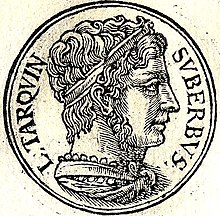
Zonaras 7.12 Part VI: The Death of Tarquinius Superbus

After his family is destroyed in rebellion, Superbus dies an unremarkable death:

Publicola, serving for a third time as consul, continually called Tarquinius to justice, censuring him as the basest man who had rightly fallen from power; Lars Porsenna served as the judge. When Tarquinius responded that he would not accept Porsenna as a judge if he were to be cast off as an ally, Porsenna pronounced his verdict and stopped the war. Even after all of this, the Tarquins tried repeatedly to retake the throne, fighting quite often with the assistance of Rome’s neighbors; all of the Tarquins died in these battles, with the exception of the eldest, Tarquinius Superbus. A Greek man would call him, ‘ὑπερήφανος’ (‘the Arrogant’). He later went to Cumae, in Opicia[i], where he died.

[i] For Opicia, see Arist.Pol.1329b19: The ‘Opicoi’ were later the ‘Ausonians’ of southern Italy.

῾Ο δὲ Ποπλικόλας τὸ τρίτον ὑπατεύων τότε προυκαλεῖτο συνεχῶς τὸν Ταρκύνιον ἐπὶ δίκῃ, ὡς ἐξελέγξων κάκιστον καὶ ἐκπεπτωκότα τῆς ἀρχῆς ἐνδικώτατα, τοῦ Πορσίνου δικάζοντος. ἀποκριναμένου δὲ Ταρκυνίου μὴ αἱρεῖσθαι Πορσίναν διαιτητήν, εἰ σύμμαχος ὢν μεταβάλλεται, καταγνοὺς ὁ Πορσίνας τὸν πόλεμον κατελύσατο. καὶ μετὰ ταῦτα δὲ πολλάκις μὲν ἐπεχείρησαν οἱ Ταρκύνιοι τὴν βασιλείαν ἀναλαβεῖν, τοῖς ὁμοροῦσι ῾Ρωμαίοις ἔθνεσι συμμαχούμενοι, πάντες δὲ ἐν ταῖς μάχαις ἐφθάρησαν, πλὴν τοῦ γέροντος, ὃς καὶ Σούπερβος ἐκαλεῖτο· εἴποι ἄν τις ῞Ελλην ἀνήρ, ὑπερήφανος. κἀκεῖνος δὲ μετέπειτα εἰς Κύμην τὴν ἐν ᾿Οπικίᾳ γενόμενος ἐτελεύτησεν.

Always Read Actively – Excerpt, Comment, (Maybe) Publish!

Battista Guarino, de ordine docendi et studendi XXX:

“Students should not be content simply to hear lectures from a teacher; they should also read the approved commentaries written upon these authors. They should read these works for themselves thoroughly, and note their thoughts and the strength of their words all the way to the roots, as they say. They should look for new expressions which are suited to particular occasions. It is also extremely useful to write explanations in the margins of the books, all the more so if they think that they will bring them forth ‘into the light’ someday. We are, indeed, more attentive to those things from which we hope to earn some praise. This type of exercise does wondrous work of sharpening the intellect and polishing the tongue; it produces a promptitude in writing, brings forth a more perfect knowledge of the world, it confirms the memory, and offers students something like a ready storehouse of explanation and an aid to memory.”

Mark Pattison says that reading commentaries for himself went a long way in his days as a student

Johan Michael Bretschneider, Scholars in a Study,

Nec sint solum a praeceptore audire contenti, sed qui in auctores commentaria scripserunt et probati sunt, eos ipsimet perlegant et radicitus, ut aiunt, sententias et vocabulorum vim annotent. Novas ipsi sententias et ad rem accomodatas exquirant. Explanationes quoque in libros scribere vehementer conducet, sed tamen magis si sperabunt eas in lucem aliquando prodituras. Attentiores enim ad ea sumus, ex quibus laudem venari studemus. Hoc exercitationis genus mirifice acuit ingenium, linguam expolit, scribendi promptitudinem gignit, perfectam rerum noticiam inducit, memoriam confirmat, postremo studiosis quasi quandam expositionum cellam promptuariam et memoriae subsidium praestat.

Water, Air, Fire and Earth: First Principles on a Sunday Morning

WATER

Thales, fr. 20
“Water is the beginning and the end of everything.”

[οὕτος ἔφη] ἀρχὴν τοῦ παντὸς εἶναι καὶ τέλος τὸ ὕδωρ


AIR

Diogenes of Apollonia (D. L. 9.57)

“Diogenes believed these things: that the first principle is air, there are endless universes and empty space.”

᾿Εδόκει δὲ αὐτῷ τάδε· στοιχεῖον εἶναι τὸν ἀέρα, κόσμους ἀπείρους καὶ κενὸν ἄπειρον·


Anaximenes, Diog. 2.3

“He said that the first principle was the air and the boundless. And that the stars did not move under the earth, but around it.”

οὗτος ἀρχὴν ἀέρα εἶπεν καὶ τὸ ἄπειρον. κινεῖσθαι δὲ τὰ ἄστρα οὐχ ὑπὸ γῆν, ἀλλὰ περὶ γῆν.


Anaximander, Test. 10.3

“the boundless contains the origin of all creation and destruction.”

… τὸ ἄπειρον φάναι τὴν πᾶσαν αἰτίαν ἔχειν τῆς τοῦ παντὸς γενέσεώς τε καὶ φθορᾶς


FIRE

Heraclitus, fr. 30

“This world, which no god or man ever made, the same world to all, it always was, is and will be an ever-living fire with some measures kindled and others going out.”

κόσμον τόνδε, τὸν αὐτὸν ἁπάντων, οὔτε τις θεῶν οὐτε ἀνθρώπων ἐποίησεν, ἀλλ’ ἦν ἀεὶ καὶ ἔστιν καὶ ἔσται πῦρ ἀείζωον, ἁπτόμενον μέτρα καὶ ἀποσβεννύμενον μέτρα

Heraclitus, fr. 76

“Fire creates the death of earth; air creates the death of fire; water creates the death of air; earth the death of water.”

ζῆι πῦρ τὸν γῆς θάνατον καὶ ἀὴρ ζῆι τὸν πυρὸς θάνατον, ὕδωρ ζῆι τὸν ἀέρος
θάνατον, γῆ τὸν ὕδατος.


EARTH

Parmenides (Diogenes 9.21-23)

“He declared first that the world was spherical and in the center [of everything]. And he said there were two principle elements, fire and earth, and that the first acted like a craftsman and the second like material.”

πρῶτος δὲ οὗτος τὴν γῆν ἀπέφαινε σφαιροειδῆ καὶ ἐν μέσωι κεῖσθαι. δύο τε εἶναι στοιχεῖα, πῦρ καὶ γῆν, καὶ τὸ μὲν δημιουργοῦ τάξιν ἔχειν, τὴν δὲ ὕλης. (22)


Four-From-Into-One

Empedocles, fr. 17.25-27

I will speak a two-fold tale. Once, first, the one alone grew
Out of many and then in turn it grew apart into many from one.
Fire, and Water, and Earth and the invincible peak of Air,

δίπλ’ ἐρέω· τοτὲ μὲν γὰρ ἓν ηὐξήθη μόνον εἶναι
ἐκ πλεόνων, τοτὲ δ’ αὖ διέφυ πλέον’ ἐξ ἑνὸς εἶναι,
πῦρ καὶ ὕδωρ καὶ γαῖα καὶ ἠέρος ἄπλετον ὕψος,


Bonus Round

Heraclitus, fr. 53
“War is father and king of everything”

Πόλεμος πάντων μὲν πατήρ ἐστι, πάντων δὲ βασιλεύς


Sing it, Mr.Byrne

Their Words are Born in Their Mouths

Aeneas Silvius Piccolomini, de Educatione Liberorum XXXV

(See also Aulus Gellius 1.15, from which most of this is shamelessly ripped; and also this):

“What then should we say, considering that there is great utility in both silence and in speaking? We would have you hold to the middle course, and find yourself neither always speaking nor always quit. I do not demand a five-years silence in the Pythagorean fashion, nor would I recommend the loquacity of a Thersites. The ancients used to say that the tongue should not always be free and wandering, but moved and perhaps even governed by chains rooted deep in the heart and soul. The words of those who speak freely, lightly, aimlessly, and with no sense of timing ought to be considered as springing not from the heart, but from the mouth itself. Homer, however, says that Ulysses – a man endowed with wisdom and eloquence – would speak not from his mouth, but from his heart. Certainly, the ‘bulwark of the teeth’ is placed as a restraint on inconsiderate speech, so that temerity in speaking would not be checked only by the heart’s guardianship, but also be hedged in by guards placed in the mouth. One should take care not to deserve that charge of Epicharmus, of being a man ‘who, although he was unable to speak, yet could not be silent,’ or even that of Sallust, who speaks of one who ‘when he spoke was talkative rather than eloquent.’”

Quid ergo dicemus, cum et silentii et orationis magna utilitas sit? Tenere te medium volumus, neque tacere semper neque loqui semper. Non exigimus Pythagoreum illud quinquennale silentium neque Thersitis loquacitatem. Linguam dicebant veteres debere non esse liberam nec vagam sed vinculis de pectore imo ac de corde aptis moveri et quasi gubernari. Nam qui sunt faciles, leves, futiles et importuni locutores, horum orationem bene aestimatum in ore nasci, non in pectore. Ulixem contra Homerus sapienti facundia praeditum vocem mittere ait non ex ore, sed ex pectore. Nempe verborum coercendae petulantiae vallum positum est dentium, ut loquendi temeritas non cordis tantum custodia cohibeatur, sed et quibusdam quasi excubiis in ore positis saepiatur. Cavendum est, ne obiici possit illud Epicharmi, ‘<qui> cum loqui non posset, tacere non potuit,’ aut Sallustianum: ‘loquax inquit magis quam facundus.’

Three Latin Passages About Treason, For No Particular Reason

Lucan 4.218-226
“Must we beg Caesar to handle us no worse than
His other slaves? Have your generals lives been begged?
Our safety will never be the price and bribe for foul treason.
This is not a civil war they fight for us to live.
We are dragged this way under the claims of peace.
People would not search for iron in a deep mine,
They would not strengthen any city with walls,
No fierce steed would rush to war,
No sea would bear towered ships of the fleet,
If it were ever just to trade freedom for peace.”

Utque habeat famulos nullo discrimine Caesar,
Exorandus erit? ducibus quoque vita petita est?
Numquam nostra salus pretium mercesque nefandae
Proditionis erit; non hoc civilia bella,
Ut vivamus, agunt. Trahimur sub nomine pacis.
Non chalybem gentes penitus fugiente metallo
Eruerent, nulli vallarent oppida muri,
Non sonipes in bella ferox, non iret in aequor
Turrigeras classis pelago sparsura carinas
Si bene libertas umquam pro pace daretur


From the Twelve Tables
“The Law of the Twelve Tables commands that anyone who has conspired with an enemy against the state or handed a citizen to a public enemy, should suffer capital punishment.”

Marcianus, ap. Dig., XLVIII, 4, 3: Lex XII Tabularum iubet eum qui hostem concitaverit quive civem hosti tradiderit capite puniri.


Tacitus Histories 3. 57
“How much power the audacity of single individuals can have during civil discord! Claudius Flaventinus, a centurion dismissed by Galba in shame, made the fleet at Misenum revolt with forged letters from Vespasian promising a reward for treason. Claudius Apollinaris, a man neither exceptional for his loyalty nor dedicated in his betrayal, was in charge of the fleet; and Apinius Tiro, an ex-praetor who was by chance at Minturnae then, put himself forth as the leader of the defectors.”


Sed classem Misenensem (tantum civilibus discordiis etiam singulorum audacia valet) Claudius Faventinus centurio per ignominiam a Galba dimissus ad defectionem traxit, fictis Vespasiani epistulis pretium proditionis ostentans. Praeerat classi Claudius Apollinaris, neque fidei constans neque strenuus in perfidia; et Apinius Tiro praetura functus ac tum forte Minturnis agens ducem se defectoribus obtulit.

treason

Boethius: Philosopher Beats Tyrant

Boethius, Consolation of Philosophy, 2.15-35

(In this passage, Boethius probably alludes to a popular story about the death of Zeno of Elea)

“What in reality is this desired and famous power of yours? Won’t you, earth-born creatures, contemplate who it is you think you command and how? If you saw one mouse among the rest declaring that he had right and power over them, you would laugh so much! Indeed, if you consider only our body, can you find anything weaker than man, whom a fly often kills with a bite or by burrowing into some internal place? How, truly, is there any control over anyone except over his body or, over what is less important than his body, his fortune? Is there any way to rule a free mind? Is there any way to disturb a mind strengthened by true reason from a state of fundamental peace?

When a tyrant thought he was going to force a free man to betray the men conspiring against him with torture, that man bit his own tongue, severed it, and spat it at the face of the rabid tyrant. Thus, the torture, which the tyrant believed to be a tool of cruelty, the wise man made his weapon of virtue. What, then, is there which anyone could do against a man which he could not have done to himself by another?”

boethius

Quae vero est ista vestra expetibilis ac praeclara potentia? Nonne, o terrena animalia, consideratis quibus qui praesidere videamini? Nunc si inter mures videres unum aliquem ius sibi ac potestatem prae ceteris vindicantem, quanto movereris cachinno! Quid vero, si corpus spectes, inbecillius homine reperire queas quos saepe muscularum quoque vel morsus vel in secreta quaeque reptantium necat introitus? Quo vero quisquam ius aliquod in quempiam nisi in solum corpus et quod infra corpus est, fortunam loquor, possit exserere? Num quidquam libero imperabis animo? Num mentem firma sibi ratione cohaerentem de statu propriae quietis amovebis? Cum liberum quendam virum suppliciis se tyrannus adacturum putaret, ut adversum se factae coniurationis conscios proderet, linguam ille momordit atque abscidit et in os tyranni saevientis abiecit; ita cruciatus, quos putabat tyrannus materiam crudelitatis, vir sapiens fecit esse virtutis. Quid autem est quod in alium facere quisquam possit, quod sustinere ab alio ipse non possit?

Spending Cuts Lead a Professor to Sell Books

Palladas of Alexandria, 9.175

“I am selling Kallimakhos and Pindar and all these
Cases of grammar, since I have a case of poverty.
Dôrotheus has cut my living wage,
Signing off an unholy message against me.
But you, dear Theô, guard me, don’t allow me
To waste my life conjugating with poverty.”

Καλλίμαχον πωλῶ καὶ Πίνδαρον ἠδὲ καὶ αὐτὰς
πτώσεις γραμματικῆς πτῶσιν ἔχων πενίης.
Δωρόθεος γὰρ ἐμὴν τροφίμην σύνταξιν ἔλυσε
πρεσβείην κατ’ ἐμοῦ τὴν ἀσεβῆ τελέσας.
ἀλλὰ σύ μου πρόστηθι, Θέων φίλε, μηδέ μ’ ἐάσῃς
συνδέσμῳ πενίης τὸν βίον ἐξανύσαι.


This story may sound depressingly familiar to modern contingent faculty. It resonates with classicists and humanists in particular…

teacher

Zonaras 7.12 Part V: How Mucius Scaevola Got His Name

Mucius Scaevola drives Porsenna from the siege of Rome:

Tarquinius, following the great battle in which he had lost his son who fought against Brutus, fled to Clusium where he supplicated Klars Porsinna [*Lars Porsenna] the man with the greatest power among all of the Italic kings; Porsenna then offered to assist him. First, he sent to Rome ordering the Romans to receive Tarquinius, and when they did not obey, he set out with a large force. Valerius Publicola, chosen as consul for a second time and committing himself to the battle, was wounded and drawn from the battle in a litter. As Porsenna was besieging the city, a plague fell upon the Romans. Either from some event, or – as is more likely – from a consideration of the likely outcome, Porsenna broke off the war against the Romans. For a man known as Mucius Cordus, a good man in every way and the noblest warrior, who possessed the cognomen Scaevola (which means either ‘one-handed’ or ‘left-handed’) conceived a plan of assassinating Porsenna. He went into the field wearing Etruscan clothing and feigning an Etruscan accent. Because he did not know Porsenna’s appearance and was afraid to ask, he drew his sword and killed the secretary sitting beside Porsenna and wearing the same type of garment. He was captured and interrogated. A brazier was prepared nearby because Porsenna had been about to make a sacrifice; Scaevola held his hand over the fire, and as his flesh melted away he looked at Porsenna with an unflinching countenance (from this burnt hand his cognomen was derived) until Porsenna, in his astonishment, freed him. Scaevola, however, tried in another way to trick Porsenna and said, “Having conquered your fear, Porsenna, I am your inferior in virtue, and I will therefore disclose freely what I would not have disclosed under compulsion. Three hundred other Romans with the same intention as mine await in the field; I am but the first, having drawn the first lot. I do not feel grieved by fortune, having missed the mark of a good man and one more properly friendly to the Romans than hostile.” Thereupon, Porsenna became even more favorably disposed to making a treaty.

῾Ο δὲ Ταρκύνιος μετὰ τὴν μεγάλην μάχην, ἐν ᾗ καὶ τὸν υἱὸν ἀπέβαλε μαχεσάμενον Βρούτῳ, καταφυγὼν εἰς τὸ Κλούσιον ἱκέτευε Κλάραν Πορσίναν, ἄνδρα μεγίστην ἔχοντα δύναμιν τῶν ᾿Ιταλικῶν βασιλέων· καὶ ὃς αὐτῷ βοηθήσειν ὑπέσχετο. καὶ πρῶτον μὲν ἔπεμψεν εἰς ῾Ρώμην κελεύων δέχεσθαι τὸν Ταρκύνιον, ὡς δὲ οὐχ ὑπήκουσαν, ἀφίκετο μετὰ βαρείας δυνάμεως. Ποπλικόλας δὲ Οὐαλέριος εἰς ἀρχὴν τὸ δεύτερον αἱρεθεὶς καὶ μάχην συνάψας καὶ τραυματισθεὶς φοράδην τῆς μάχης ἐξεκομίσθη. ἐπικειμένου δὲ τοῦ Πορσίνα τῇ πόλει λιμὸς ἥπτετο τῶν ῾Ρωμαίων. ἔκ τινος δὲ συμβεβηκότος ἢ μᾶλλον ἐκ προνοίας γενομένου ὁ Πορσίνας τὸν πρὸς ῾Ρωμαίους κατέλυσε πόλεμον. ἀνὴρ γάρ τις Μούκιος Κόρδος, εἰς πᾶσαν ἀρετὴν ἀγαθός, ἐν δὲ τοῖς πολεμικοῖς ἄριστος, Σκαιόλας τὴν ἐπίκλησιν, ὃ δηλοῖ τὸν μονόχειρα ἢ μὴ ἀρτιόχειρα, τὸν Πορσίναν ἀνελεῖν βουλευσάμενος παρῆλθεν εἰς τὸ ἐκείνου στρατόπεδον, Τυρσηνίδα φορῶν ἐσθῆτα καὶ ὁμοίᾳ κεχρημένος φωνῇ. καὶ σαφῶς μὲν τὸν Πορσίναν οὐκ εἰδώς, ἐρέσθαι δὲ δεδιώς, τὸν γραμματέα αὐτοῦ συγκαθήμενον αὐτῷ καὶ ὁμοίως ἔχοντα τῆς στολῆς σπασάμενος τὸ ξίφος ἀπέκτεινε, καὶ συλληφθεὶς ἀνεκρίνετο· ἐσχαρίδος δέ τινος τῷ Πορσίνᾳ μέλλοντι θύειν τότε κεκοσμημένης, ὑπερσχὼν τὴν χεῖρα καιομένης τῆς σαρκὸς εἱστήκει πρὸς τὸν Πορσίναν ἀποβλέπων ἀτρέπτῳ προσώπῳ, ὅθεν αὐτῷ τῆς χειρὸς φθαρείσης ἐγένετο ἡ ἐπίκλησις, μέχρι θαυμάσας ἐκεῖνος ἀφῆκεν αὐτόν. ὁ δὲ Σκαιόλας ἕτερον τρόπον ἐσοφίσατο τὸν ἐχθρόν, καὶ εἶπε “τὸν φόβον σου, Πορσίνα, νενικηκὼς ἥττημαί σου τῆς ἀρετῆς, καὶ χάριτι μηνύω ἃ πρὸς ἀνάγκην οὐκ ἂν ἐξηγόρευσα. τριακόσιοι ῾Ρωμαίων τὴν αὐτὴν ἐμοὶ γνώμην ἔχοντες ἐν τῷ στρατοπέδῳ σου διατρίβουσιν, ὧν ἐγὼ προεπιχειρήσας κλήρῳ λαχὼν οὐκ ἄχθομαι τῇ τύχῃ, διαμαρτὼν ἀνδρὸς ἀγαθοῦ καὶ φίλου μᾶλλον ἢ πολεμίου ῾Ρωμαίοις εἶναι προσήκοντος.” ἐντεῦθεν ὁ Πορσίνας πρὸς τὰς συμβάσεις ἐγένετο προθυμότερος.