No One Who Is Serious Writes Their Best Ideas Down

Plato, Epistle 7 344c-e

“For this reason it is necessary that every serious person does not write about serious subjects so that they might not end up an object of envy or confusion among regular people. Simply, when you look at someone’s written work, whether it is a law by a legislator or anything by anyone else, you need to understand that this is not the person’s most serious work even if the author is very serious. Instead, his best works remain in the most noble part of his own realm. But if it turns out that the most serious works are those they have been written down, it is surely not the gods, but mortals themselves “who have totally ruined their senses.”

Anyone who has been following this story and my digression will clearly know that whether Dionysus has written anything about the ultimate and primary truths of nature or some lesser or greater mind has done the same, according to my argument nothing of what he has written is sound thanks to what he has learned or what he has heard. For, he would have the same respect for these things as I do and would not dare to make them available for inappropriate or unacceptable reception.

Dionysius did not write those things for the sake of reminding himself. For there is no danger of anyone forgetting a thing once he has obtained it with his soul, where it is settled among the smallest of all places. But it was for shameful pride, if truly he did write, either as a way of establishing the ideas as his own or to demonstrate that he was an initiate in great learning for which he proved himself unworthy by delighting in the reputation he might gain from it. If this happened to Dionysius because of our single interaction, it could be the case. But how, Only Zeus knows, as the Theban says. For, as I said before, I went through my ideas with him only once and never again afterwards.”

Διὸ δὴ πᾶς ἀνὴρ σπουδαῖος τῶν ὄντως σπουδαίων πέρι πολλοῦ δεῖ μὴ γράψας ποτὲ ἐν ἀνθρώποις εἰς φθόνον καὶ ἀπορίαν καταβάλῃ· ἑνὶ δὴ ἐκ τούτων δεῖ γιγνώσκειν λόγῳ, ὅταν ἴδῃ τίς του συγγράμματα γεγραμμένα εἴτε ἐν νόμοις νομοθέτου εἴτε ἐν ἄλλοις τισὶν ἅττ᾿ οὖν, ὡς οὐκ ἦν τούτῳ ταῦτα σπουδαιότατα, εἴπερ ἔστ᾿ αὐτὸς σπουδαῖος, κεῖται δέ που ἐν χώρᾳ τῇ καλλίστῃ τῶν τούτου· εἰ δὲ ὄντως αὐτῷ ταῦτ᾿ ἐσπουδασμένα ἐν γράμμασιν ἐτέθη, Ἐξ ἄρα δή οἱ ἔπειτα, θεοὶ μὲν οὔ, βροτοὶ δὲ φρένας ὤλεσαν αὐτοί.

Τούτῳ δὴ τῷ μύθῳ τε καὶ πλάνῳ ὁ ξυνεπισπόμενος εὖ εἴσεται, εἴτ᾿ οὖν Διονύσιος ἔγραψέ τι τῶν περὶ φύσεως ἄκρων καὶ πρώτων εἴτε τις ἐλάττων εἴτε μείζων, ὡς οὐδὲν ἀκηκοὼς οὐδὲ μεμαθηκὼς ἦν ὑγιὲς ὧν ἔγραψε κατὰ τὸν ἐμὸν λόγον· ὁμοίως γὰρ ἂν αὐτὰ ἐσέβετο ἐμοί, καὶ οὐκ ἂν αὐτὰ ἐτόλμησεν εἰς ἀναρμοστίαν καὶ ἀπρέπειαν ἐκβάλλειν. οὔτε γὰρ ὑπομνημάτων χάριν αὐτὰ ἔγραψεν· οὐδὲν γὰρ δεινὸν μή τις αὐτὸ ἐπιλάθηται, ἐὰν ἅπαξ τῇ ψυχῇ περιλάβῃ, πάντων γὰρ ἐν βραχυτάτοις κεῖται· φιλοτιμίας δὲ αἰσχρᾶς, εἴπερ, ἕνεκα, εἴθ᾿ ὡς αὑτοῦ τιθέμενος εἴθ᾿ ὡς παιδείας δὴ μέτοχος ὤν, ἧς οὐκ ἄξιος ἦν ἀγαπῶν δόξαν τὴν τῆς μετοχῆς γενομένην. εἰ μὲν οὖν ἐκ τῆς μιᾶς συνουσίας Διονυσίῳ τοῦτο γέγονε, τάχ᾿ ἂν εἴη· γέγονε δ᾿ οὖν ὅπως, ἴττω Ζεύς, φησὶν ὁ Θηβαῖος· διεξῆλθον μὲν γὰρ ὡς εἶπόν τότε ἐγὼ καὶ ἅπαξ μόνον, ὕστερον δὲ οὐ πώποτε ἔτι.


enough about plato

Endure Shame for the Sake of Friends

Aulus Gellius, Attic Nights 1.3.21-23

“Theophrastus, in the book I already discussed, addresses the same matter which Cicero does, but more extensively and more pointedly. But he too does not make his opinion clear concerning distinguishing about a solitary and separate action—he does not use clearly established examples, but discusses classes of action in summary in close to the following:

“A small and rather thin shame or bad reputation ought to be endured if it is possible through it to be of great advantage to a friend. Certainly, the loss from a compromised sense of honor is repaid and repaired by some greater or weightier service to a friend and that momentary slip, or in a way, your damaged reputation is made whole again with the fine material of usefulness to a friend.”

21 Theophrastus autem in eo, quo dixi, libro inquisitius quidem super hac ipsa re et exactius pressiusque quam Cicero disserit. 22 Set is quoque in docendo non de unoquoque facto singillatim existimat neque certis exemplorum documentis, set generibus rerum summatim universimque utitur ad hunc ferme modum: 23 “Parva” inquit “et tenuis vel turpitudo vel infamia subeunda est, si ea re magna utilitas amico quaeri potest. Rependitur quippe et compensatur leve damnum delibatae honestatis maiore alia gravioreque in adiuvando amico honestate, minimaque illa labes et quasi lacuna famae munimentis partarum amico utilitatium solidatur.

Aeneas Didn’t Escape, The Greeks Let Him Go

Aelian, 3.22

“After they captured Troy, the Greeks pitied the fate of the captured people and they announced this altogether Greek thing: that each of the free men could select and take one of his possessions. Aeneas selected and was carrying his ancestral gods, after dismissing everything else. Impressed by the righteousness of this man, the Greeks conceded that he may take a second possession away.

Then, Aeneas placed his father—who was extremely old—on his shoulders and walked off. Because they were so amazed, they granted him all of his own possessions, attesting to the fact that men who are enemies by nature become mild when faced with righteous men who revere the gods and their parents.”

῞Οτε ἑάλω τὸ ῎Ιλιον, οἰκτείραντες οἱ ᾿Αχαιοὶ τὰς τῶν ἁλισκομένων τύχας καὶ πάνυ ῾Ελληνικῶς τοῦτο ἐκήρυξαν, ἕκαστον τῶν ἐλευθέρων ἓν ὅ τι καὶ βούλεται τῶν οἰκείων ἀποφέρειν ἀράμενον. ὁ οὖν Αἰνείας τοὺς πατρῴους θεοὺς βαστάσας ἔφερεν, ὑπεριδὼν τῶν ἄλλων. ἡσθέντες οὖν ἐπὶ τῇ τοῦ ἀνδρὸς εὐσεβείᾳ οἱ ῞Ελληνες καὶ δεύτερον αὐτῷ κτῆμα συνεχώρησαν λαβεῖν• ὃ δὲ τὸν πατέρα πάνυ σφόδρα γεγηρακότα ἀναθέμενος τοῖς ὤμοις ἔφερεν. ὑπερεκλαγέντες οὖν καὶ ἐπὶ τούτῳ οὐχ ἥκιστα, πάντων αὐτῷ τῶν οἰκείων κτημάτων ἀπέστησαν, ὁμολογοῦντες ὅτι πρὸς τοὺς εὐσεβεῖς τῶν ἀνθρώπων καὶ τοὺς θεοὺς καὶ τοὺς γειναμένους δι’ αἰδοῦς ἄγοντας καὶ οἱ φύσει πολέμιοι ἥμεροι γίνονται.

Aeneas’ Flight From Troy, Federico Barocci 1598

A Tale of Two Sophokleis

These are the Suda entries of Sophokles, the famous tragedian, and his grandson.

Σοφοκλῆς, sigma 815

Sophocles, son of Sophilos, from Kolonos, an Athenian and Tragic poet who was born in the 73rd olympian and was 17 years older than Socrates. This poet was the first to use three actors on stage, the one called the tritagonist, and the first to introduce a chorus of fifty young men. Previously they put twelve on the stage. He was nicknamed “Honey-bee” because of his sweetness.

He began by entering the competition with a play against another, but he did not raise the funds for the play. He also wrote elegy and Paeans and a record of the chorus, in which he was competing with Thespis and Choirilos. These were the children he had: Iophôn, Leôsthenes, Aristôn, Stephanos, and Menekleidês. He died after Euripides at 90 years old. He staged 123 plays, although some claim more, and he was a victor 23 times.

Σοφοκλῆς, Σωφίλου, Κολωνῆθεν, Ἀθηναῖος, τραγικός, τεχθεὶς κατὰ τὴν ογ# Ὀλυμπιάδα, ὡς πρεσβύτερος εἶναι Σωκράτους ἔτη ιζ#. οὗτος πρῶτος τρισὶν ἐχρήσατο ὑποκριταῖς καὶ τῷ καλουμένῳ τριταγωνιστῇ, καὶ πρῶτος τὸν χορὸν ἐκ πεντεκαίδεκα εἰσήγαγε νέων, πρότερον δυοκαίδεκα εἰσιόντων. προσηγορεύθη δὲ Μέλιττα διὰ τὸ γλυκύ. καὶ αὐτὸς ἦρξε τοῦ δρᾶμα πρὸς δρᾶμα ἀγωνίζεσθαι, ἀλλὰ μὴ στρατολογεῖσθαι. καὶ ἔγραψεν ἐλεγείαν τε καὶ Παιᾶνας καὶ λόγον καταλογάδην περὶ τοῦ χοροῦ, πρὸς Θέσπιν καὶ Χοιρίλον ἀγωνιζόμενος. παῖδας δὲ οὓς ἔσχεν οὗτοι, Ἰοφῶν, Λεωσθένης, Ἀρίστων, Στέφανος, Μενεκλείδης. τελευτᾷ δὲ μετὰ Εὐριπίδην, ἐτῶν. ἐδίδαξε δὲ δράματα ρκγ, ὡς δέ τινες καὶ πολλῷ πλείω, νίκας δὲ ἔλαβε κδ#.

You Looked up Sophocles son of Aristôn? How about Apollonios of Tyana?

Suda, s.v Sophocles, Sigma 816

“Sophocles, son of Aristôn, the son of the earlier, older Sophokles; an Athenian and Tragedian. He put on 40 plays, but some people claim 11. He won 7 times. He also wrote elegy. It is understood that Apollonios was not surpassed by Sophocles regarding prudence, for Sophocles himself claims that when he arrived at old age he was escaping a rabid and savage master.

But Apollonios of Tyana was not dominated by these passions even when he was a young because of his virtue and prudence, instead, even as a young man who was especially lively, he was in control of his body and master of the madness. Still, some people spread rumors about his sexual affairs, and because of some kind of a sexual mistake he spend a year living among the Skythians. Not even Euphrates, then, ever slandered the man for sexual behavior, even though he wrote lies about him. He was at odds with Apollonious, since Apollonous was criticizing him for doing everything for money, and he was dragging him for his money-grubbing and selling his wisdom.”

Σοφοκλῆς, Ἀρίστωνος, υἱωνὸς δὲ τοῦ προτέρου Σοφοκλέους πρεσβυτέρου, Ἀθηναῖος, τραγικός. ἐδίδαξε δὲ δράματα μ#, οἱ δέ φασιν ια#: νίκας δὲ εἷλεν ζ#. ἔγραψε καὶ ἐλεγείας. ὅτι Ἀπολλώνιος ἐς σωφροσύνην ὑπερεβάλλετο τοῦ Σοφοκλέους: ὁ μὲν γὰρ λυττῶντα ἔφη καὶ ἄγριον δεσπότην ἀποφυγεῖν, ἐλθόντα ἐς γῆρας: ὁ δὲ Ἀπολλώνιος ὁ Τυανεὺς ὑπ’ ἀρετῆς τε καὶ σωφροσύνης οὐδ’ ἐν μειρακίῳ ἡττήθη τούτων, ἀλλὰ καὶ νέος ὢν καὶ τὸ σῶμα ἐρρωμένος ἐκράτει τε καὶ λυττῶντος ἐδέσποζεν. ἀλλ’ ὅμως συκοφαντοῦσί τινες ἐπ’ ἀφροδισίοις αὐτόν, ὡς διαμαρτίᾳ ἐρωτικῇ χρησάμενον καὶ διὰ τοῦτο ἀπενιαυτίσαντα ἐς τὸ Σκυθῶν ἔθνος: οὔκουν οὐδὲ Εὐφράτης ποτὲ ἐσυκοφάντησεν ἐπ’ ἀφροδισίοις τὸν ἄνδρα, καίτοι ψευδῆ γράμματα κατ’ αὐτοῦ ξυνθείς: διεφέρετο γὰρ πρὸς τὸν Ἀπολλώνιον, ἐπειδὴ πάνθ’ ὑπὲρ χρημάτων αὐτὸν πράττοντα ἔσκωπτεν οὗτος καὶ ἀπῆγε τοῦ χρηματίζεσθαι καὶ τὴν σοφίαν καπηλεύειν.

File:Bust of a unknown sitter (know as Sophocles).jpg
Am I Sophocles?

Lawlessness and The City

Solon, Fragment 4. 21-33.

Thanks to its enemies a prized city
Fast succumbs to wrongdoers’ cherished mobs.
This evil circulates in the land.
Many of the poor leave for foreign lands,
Bound and sold in shameful chains.

And so the people’s evil comes to each house
And the doors are disinclined to bar it.
It bounds the tall wall and always finds its man,
Even when he’s slipped into some recess
of an inner room.

My heart commands I teach Athenians this:
Lawlessness brings the city complete evil,
But respect for the law renders the whole
Orderly and sound, and it puts wrongdoers
In handcuffs, sometimes.

ἐκ γὰρ δυσμενέων ταχέως πολυήρατον ἄστυ
τρύχεται ἐν συνόδοις τοῖς ἀδικοῦσι φίλαις.
ταῦτα μὲν ἐν δήμῳ στρέφεται κακά: τῶν δὲ πενιχρῶν
ἱκνεῦνται πολλοὶ γαῖαν ἐς ἀλλοδαπὴν
πραθέντες δεσμοῖσί τ᾽ ἀεικελίοισι δεθέντες
…………………………………………
οὕτω δημόσιον κακὸν ἔρχεται οἴκαδ᾽ ἑκάστῳ,
αὔλειοι δ᾽ ἔτ᾽ ἔχειν οὐκ ἐθέλουσι θύραι,
ὑψηλὸν δ᾽ ὑπὲρ ἕρκος ὑπέρθορεν, εὗρε δὲ πάντως,
εἰ καί τις φεύγων ἐν μυχῷ ᾖ θαλάμου.
ταῦτα διδάξαι θυμὸς Ἀθηναίους με κελεύει,
ὡς κακὰ πλεῖστα πόλει δυσνομίη παρέχει,
εὐνομίη δ᾽ εὔκοσμα καὶ ἄρτια πάντ᾽ ἀποφαίνει,
καὶ θαμὰ τοῖς ἀδίκοις ἀμφιτίθησι πέδας.

Larry Benn has a B.A. in English Literature from Harvard College, an M.Phil in English Literature from Oxford University, and a J.D. from Yale Law School. Making amends for a working life misspent in finance, he’s now a hobbyist in ancient languages and blogs at featsofgreek.blogspot.com.

Presocratic Healthcare Plan: Everyone a Doctor, Everyone a Sage

A Letter to Hippocrates: Ps.-Hipp. Epist. 23 (9.392–93 Littré)

“Democritus writes to Hippocrates on the nature of human beings:

“Hippocrates, all people should know the art of medicine, since it it is noble and also advantageous for life and it is a special possession of those people who have deep experience in education and argumentation. I think that the pursuit of wisdom is the sibling and roommate of medicine since wisdom frees the soul of suffering, and medicine rids the body of illnesses.”

Δημόκριτος Ἱπποκράτει περὶ φύσιος ἀνθρώπου.

χρὴ πάντας ἀνθρώπους ἰητρικὴν τέχνην ἐπίστασθαι, ὦ Ἱππόκρατες, καλὸν γὰρ ἅμα καὶ ξυμφέρον ἐς τὸν βίον, τουτέων δὲ μάλιστα τοὺς παιδείας καὶ λόγων ἴδριας γεγενημένους. ἱστορίην σοφίης γὰρ δοκέω ἰητρικῆς ἀδελφὴν καὶ ξύνοικον· σοφίη μὲν γὰρ ψυχὴν ἀναρύεται παθέων, ἰητρικὴ δὲ νούσους σωμάτων ἀφαιρέεται [. . .].

Image from Wikipedia

Judging the Days of the Week

Hesiod, Works and Days 822-828

“Some days bring great advantage to mortals on the earth,
But others are unpredictable, aimless, providing nothing.
One person praises one, another praises a different one,
But few know at all. One day’s a mother, another a stepmother.

Lucky and blessed is someone who knows all these things
And does all their work without angering the gods,
Judging all the bird signs and avoiding excesses.”

αἵδε μὲν ἡμέραι εἰσὶν ἐπιχθονίοις μέγ᾽ ὄνειαρ·
αἱ δ᾽ ἄλλαι μετάδουποι, ἀκήριοι, οὔ τι φέρουσαι,
ἄλλος δ᾽ ἀλλοίην αἰνεῖ, παῦροι δέ τ᾽ ἴσασιν·
ἄλλοτε μητρυιὴ πέλει ἡμέρη, ἄλλοτε μήτηρ
τάων. εὐδαίμων τε καὶ ὄλβιος, ὃς τάδε πάντα
εἰδὼς ἐργάζηται ἀναίτιος ἀθανάτοισιν,
ὄρνιθας κρίνων καὶ ὑπερβασίας ἀλεείνων.

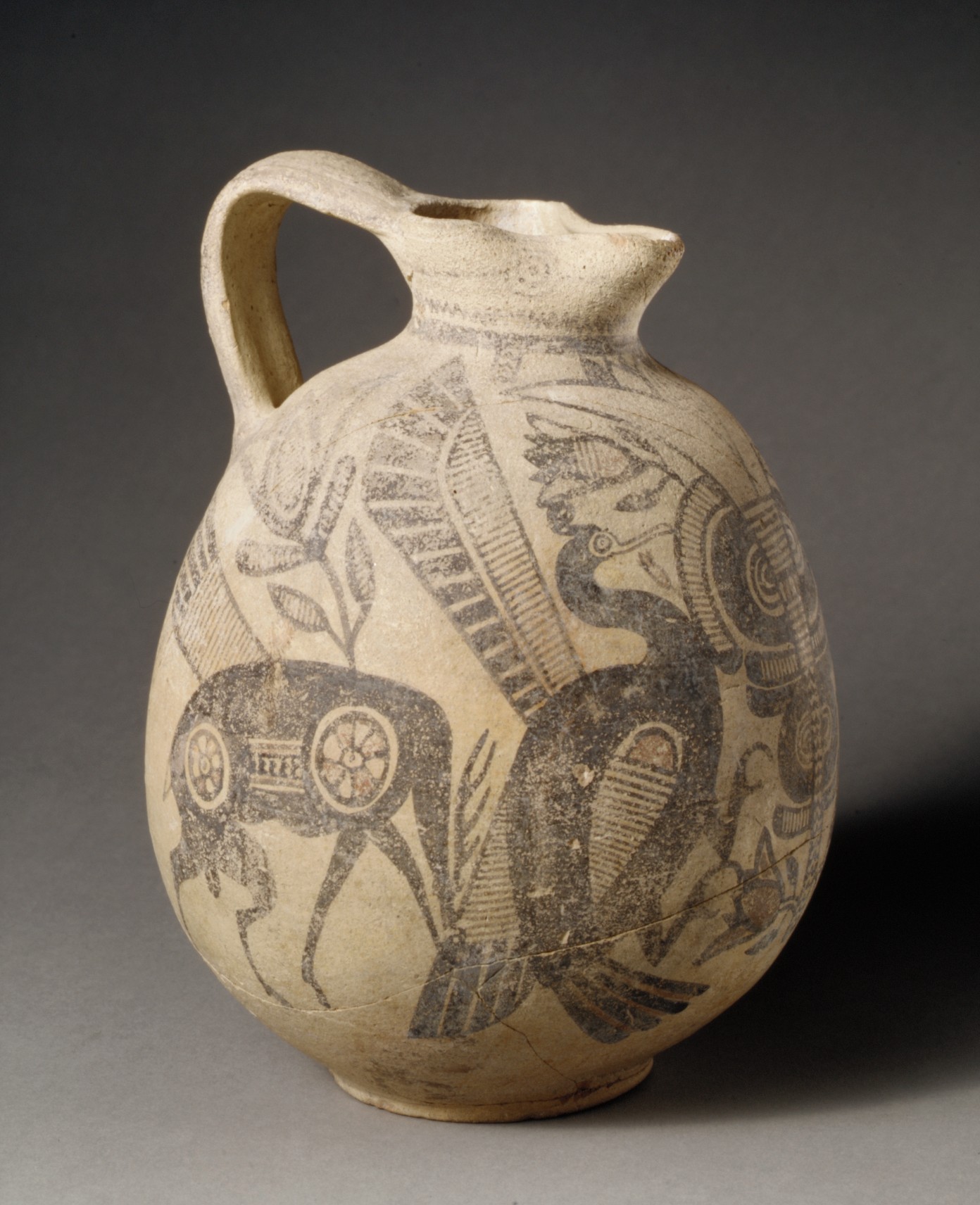
Terracotta jug Period: Cypro-Archaic I Date: ca. 750–600 B.C. ...
Cypriot Vase, c. 750-600 BCE, MET


Diary of a Towson CCA Worker – The Roar

A Blessed Man

“Is the governor positioning himself for a White House run in 2024?”–Politico, June 23, 2022

Theognis, 933-938

Excellence and beauty attend few men.
Blessed is the one to whom fate grants both.
Everybody honors him: Gen Y, his peers,
And old boomers all make way for him.
With age he becomes more distinguished
Among his countrymen, and none of them
Wants to disrespect or cost him his due.

παύροις ἀνθρώπων ἀρετὴ καὶ κάλλος ὀπηδεῖ:
ὄλβιος, ὃς τούτων ἀμφοτέρων ἔλαχεν.
πάντες μιν τιμῶσιν: ὁμῶς νέοι οἵ τε κατ᾽ αὐτὸν
χώρης εἴκουσιν τοί τε παλαιότεροι:
γηράσκων δ᾽ ἀστοῖσι μεταπρέπει, οὐδέ τις αὐτὸν
βλάπτειν οὔτ᾽ αἰδοῦς οὔτε δίκης ἐθέλει.

Gavin Newsom, Governor of California
and potential 2024 presidential candidate,
before fitted shirts.

Larry Benn has a B.A. in English Literature from Harvard College, an M.Phil in English Literature from Oxford University, and a J.D. from Yale Law School. Making amends for a working life misspent in finance, he’s now a hobbyist in ancient languages and blogs at featsofgreek.blogspot.com.

Talking Too Much and the Work of Existing

Apollonius of Tyana, Letters [excerpts]

89 “Most people argue in defense of their own weaknesses but are prosecutors of others’ ”

Ἀπολλώνιος Σατύρῳ. Οἱ πολλοὶ τῶν ἀνθρώπων τῶν μὲν ἰδίων ἁμαρτημάτων συνήγοροι γίνονται, τῶν δὲ ἀλλοτρίων κατήγοροι.


90 “To not exist is nothing, but existing is work.”

Ἀπολλώνιος Δίωνι. Τὸ μὴ γενέσθαι οὐδέν, τὸ δὲ γενέσθαι πόνος.


93 “Talking too much leads to many mistakes; being silent is safe.”

Ἀπολλώνιος τοῖς γνωρίμοις. Πολυλογία πολλὰ σφάλματα ἔχει, τὸ δὲ σιγᾶν ἀσφαλές.


99 “We must not mourn the kinds of friends we have lost, but we should remember how great were the lives we lived with them”

Οὐ θρηνητέον οἵων φίλων ἐστερήθημεν, ἀλλὰ μνημονευτέον, ὅτι μετὰ τῶν φίλων τὴν καλλίστην βιοτὴν ἐβιοτεύσαμεν.

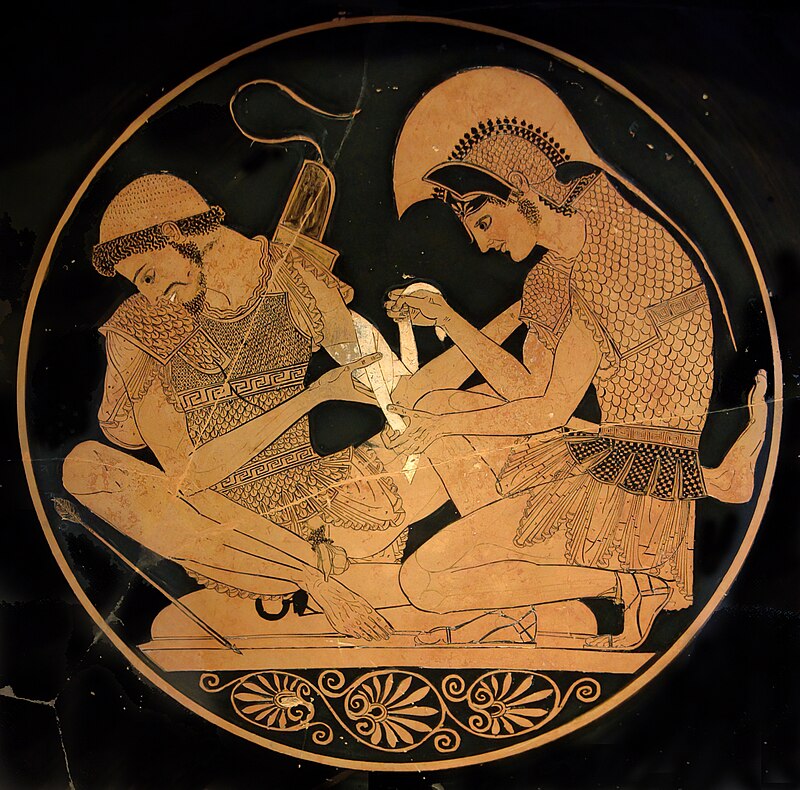
Achilles tending Patroclus wounded by an arrow, identified by inscriptions on the upper part of the vase. Tondo of an Attic red-figure kylix, ca. 500 BC. From Vulci.

What It Takes to Understand Vergil

Macrobius, Saturnalia 5.14-15

“Has it been proved to you that Vergil cannot be understood by someone who is ignorant of the sound of Latin and is equally distant to one who has not drunk Greek learning deep with the fullest thirst?

If I did not fear making you antsy, I could fill huge volumes with the material he translated from the most obscure Greek teachings. But these assertions are enough to support the thesis I have proposed.”

probatumne vobis est Vergilium, ut ab eo intellegi non potest qui sonum Latinae vocis ignorat, ita nec ab eo posse qui Graecam non hauserit extrema satietate doctrinam?

nam si fastidium facere non timerem, ingentia poteram volumina de his quae a penitissima Graecorum doctrina transtulisset implere: sed ad fidem rei propositae relata sufficient.’


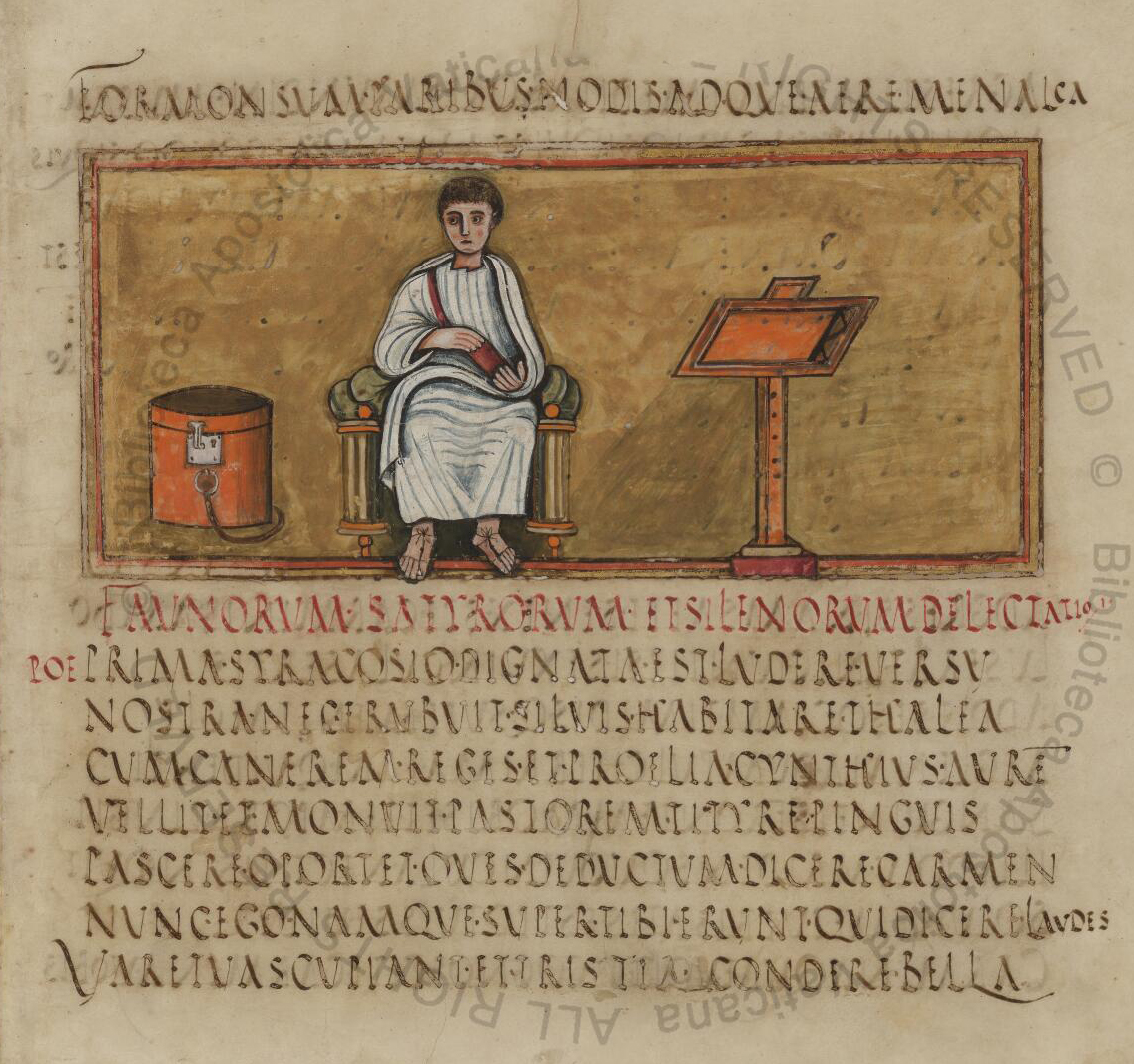
Image result for Medieval manuscript Vergil