Odysseus’s Sister and Names for In-Laws

We have posted before about Odysseus’ sister Ktimene. She is mentioned by the swineherd Eumaios but never by Odysseus. The scholia connect her to one of Odysseus’ companions. The evidence for this seems to be the fact that Ktimene was sent to Same for marriage (where Eurylochus is from) and a kinship term used for him by Odysseus. Also of interest, according to the scholion, Odysseus may have had more sisters.

Homer, Odyssey 15.364-41

Strong Ktimenê, the youngest of the children she bore.
I was raised with her, and she honored me little less.
But when we both made it to much-praised youth,
They gave her to Samê and received much in return
But she gave me a cloak, tunic and clothing
Dressing me finely and give me sandals for my feet
And sent me to the field. But she loved me more in her heart.

οὕνεκά μ’ αὐτὴ θρέψεν ἅμα Κτιμένῃ τανυπέπλῳ
θυγατέρ’ ἰφθίμῃ, τὴν ὁπλοτάτην τέκε παίδων·
τῇ ὁμοῦ ἐτρεφόμην, ὀλίγον δέ τί μ’ ἧσσον ἐτίμα.
αὐτὰρ ἐπεί ῥ’ ἥβην πολυήρατον ἱκόμεθ’ ἄμφω,
τὴν μὲν ἔπειτα Σάμηνδ’ ἔδοσαν καὶ μυρί’ ἕλοντο,
αὐτὰρ ἐμὲ χλαῖνάν τε χιτῶνά τε εἵματ’ ἐκείνη
καλὰ μάλ’ ἀμφιέσασα ποσίν θ’ ὑποδήματα δοῦσα
ἀγρόνδε προΐαλλε· φίλει δέ με κηρόθι μᾶλλον.

Schol. BW ad Od. 15.364 ex

“Ktimenê is the proper name of Odysseus’ sister, whom Eurylochus is supposed to have married.”

Κτιμένη] Κτιμένη κυρίως ἐκαλεῖτο ἡ ᾿Οδυσσέως ἀδελφὴ, ἧς
ὁ Εὐρύλοχος ὑπονοεῖται ἀνήρ. λέγει γὰρ “καὶ πηῷ περ ἐόντι μάλα
σχεδόν” (κ, 441.). B.Q.

“She bore the youngest of the children”: [this means] of the female children. For his father only had Odysseus [for a son]. There were more sisters of Odysseus.”

ὁπλοτάτην τέκε παίδων] θηλειῶν γοῦν. μόνον δ’ αὖτ’ ᾿Οδυσσέα πατὴρ τέκε (π, 119.). καὶ πλείους οὖν αἱ ᾿Οδυσσέως ἀδελφαί. Q.

Homer, Odyssey 10.438-442

“So he spoke, and I was turning over in my thoughts
As I began to draw the sharp-edged sword next to my thick thigh,
Whether I should cut off his head and drive him to the ground
Even though he really was my relative. But our companions
Were restraining me with gentle words from all sides.”

ὣς ἔφατ’, αὐτὰρ ἐγώ γε μετὰ φρεσὶ μερμήριξα,
σπασσάμενος τανύηκες ἄορ παχέος παρὰ μηροῦ,
τῷ οἱ ἀποτμήξας κεφαλὴν οὖδάσδε πελάσσαι,
καὶ πηῷ περ ἐόντι μάλα σχεδόν· ἀλλά μ’ ἑταῖροι
μειλιχίοισ’ ἐπέεσσιν ἐρήτυον ἄλλοθεν ἄλλος·

Schol. QVB ad Od 10.441 ex

Q “Instead of the genitive here, “even though he was an in-law”.

V. “Relative”

QV For he married Odysseus’ sister Ktimene.
B “even though he was my brother-in-law by my sister Ktimenê.”

καὶ πηῷ] ἀντὶ τοῦ, καὶ πηοῦ περ ἐόντος. Q. συγγενεῖ. V.
Κτιμένην γὰρ γεγαμήκει τὴν ᾿Οδυσσέως ἀδελφήν. Q.V. γαμβρῷ
μοι ὄντι ἐπὶ τῇ ἀδελφῇ Κτιμένῃ. B.

Suda

“Pêos: A relative by marriage. In-law. Also, “in-lawness” [Pêosunê], relation-by-marriage. There is also Pêôn [genitive plural], for “of relatives-by-marriage. Homer has: “relatives and friends” [Il. 3.163]

Πηός: ὁ κατ’ ἐπιγαμίαν συγγενής. καὶ Πηοσύνη, ἡ συγγαμβρία.
καὶ Πηῶν, τῶν συγγενῶν. ῞Ομηρος· πηούς τε φίλους τε.

Etymologicum Gudianum

“…There is a difference between in-law and friend. People who have no connection to you by birth are friends. In-laws are related to you through marriage.”

διαφέρει δὲ πηὸς φίλου· φίλοι μὲν λέγονται οἱ μηδὲν τῷ γένει προσήκοντες·  πηοὶ δὲ οἱ κατ’ ἐπιγαμίαν συγγενεῖς.

peos

For a beautiful narrative re-imagining of the life of Ktimene, see Mary Ebbot’s “Seeking Odysseus’ Sister”
A Woman’s Prudence? Letting her Body Serve the Needs of the State

The more things change…

Phintys, fr. 1, On a Woman’s Prudence by the Spartan Phintys, the daughter of Kallikrates the Pythagorean (=Stob. 4.23.61)

“It is necessary that a woman be completely good and well-ordered. Someone could never be like this without virtue. For the virtue which is proper to each thing causes the object which welcomes it to be more serious. The excellence of the eyes improves the eyes; that of hearing improves the ears; the horse’s virtue betters the horse and a man’s virtue improves the man. In the same way, a woman’s virtue ennobles a woman.

The virtue most appropriate to a woman is prudence. For through prudence a woman will be able to honor and take delight in her own husband. Many may in fact think that it is not fitting for a woman to practice philosophy, just as she should not ride a horse or speak in public. But I believe that while some things are particular to a man and others to a woman, there are some that are shared by both man and woman, even though some are more appropriate to a man than a woman and those better for a woman than a man.

For example, serving in an army or working in politics and speaking in public are proper for a man. For a woman, it is running the household, staying at home, and welcoming and serving her husband. In common I place bravery, an understanding of justice, and wisdom. For It is right that virtues of the body are proper for both a man and woman along with the virtues of the soul. And, just as having a healthy body is useful for both, so too is the health of the soul.

The virtues of the body are health, strength, good perception, and beauty. Some of these are better for a man to nourish and keep; and others are more appropriate for a woman. Courage and wisdom are certainly more proper for a man both die to the nature of his body and the power of his mind. But prudence is proper for a woman.

For this reason it is important to recognize what a woman trained in prudence is like, in particular from what number and kinds of traits this possession graces a woman. I propose that this comes from five things. The first is from respecting the sanctity and reverence of her marriage bed; the second is a sense of propriety for her body; the third is concerning the actions of those from her own household; the fourth is from not practicing the occult rites and the celebrations of the Great Mother; the fifth is in proper and moderate sacrifices to the divine.

Of these traits, the most important and vital for prudence in terms of her marriage bed is staying uncontaminated and fully separate from some other man. For, to start with, a woman who breaks this law does wrong against her ancestral gods, because she provides for her home and her family not true born allies but bastards.

The one who does this transgresses against the natural gods whose oath she took, following the practice of her forebears and relatives, “to participate in the common life and to produce offspring according to the law.” She also commits injustice against her country, because she does not stay with those who were assigned to her. Then she acts even beyond those for whom the greatest of penalties is assigned because of the excess of this injustice: this is because to commit an error or an outrage for the sake of pleasure is unlawful and the most unforgivable. Ruin is the outcome of all outrage.”

Φιντύος τᾶς Καλλικράτεος θυγατρὸς Πυθαγορείας

ἐκ τοῦ Περὶ γυναικὸς σωφροσύνας.

Τὸ μὲν ὅλον ἀγαθὰν δεῖ ἦμεν καὶ κοσμίαν· ἄνευ δ’ ἀρετᾶς οὐδέποκα γένοιτό τις τοιαύτα. ἑκάστα γὰρ ἀρετὰ περὶ ἕκαστον γινομένα τὸ αὐτᾶς δεκτικὸν ἀποδίδωτι σπουδαῖον· ἁ μὲν τῶν ὀπτίλων τὼς ὀπτίλως, ἁ δὲ τᾶς ἀκοᾶς τὰν ἀκοάν, καὶ ἁ μὲν ἵππω τὸν ἵππον, ἁ δ’ ἀνδρὸς τὸν  ἄνδρα· οὕτω δὲ καὶ <ἁ> γυναικὸς τὰν γυναῖκα. γυναικὸς δὲ μάλιστα ἀρετὰ σωφροσύνα· διὰ γὰρ ταύτας τὸν ἴδιον ἄνδρα καὶ τιμῆν καὶ ἀγαπῆν δυνασεῖται. πολλοὶ μὲν ἴσως δοξάζοντι, ὅτι οὐκ εὐάρμοστον γυναικὶ φιλοσοφέν, ὥσπερ οὐδ’ ἱππεύεν οὐδὲ δαμαγορέν· ἐγὼ δὲ τὰ μέν τινα νομίζω ἀνδρὸς ἦμεν ἴδια, τὰ δὲ γυναικός, τὰ δὲ κοινὰ ἀνδρὸς καὶ γυναικός, τὰ δὲ μᾶλλον ἀνδρὸς ἢ γυναικός, τὰ δὲ μᾶλλον γυναικὸς ἢ ἀνδρός. ἴδια μὲν ἀνδρὸς τὸ στραταγὲν καὶ πολιτεύεσθαι καὶ δαμαγορέν, ἴδια δὲ γυναικὸς τὸ οἰκουρὲν καὶ ἔνδον μένεν καὶ ἐκδέχεσθαι καὶ θεραπεύεν τὸν ἄνδρα. κοινὰ δὲ φαμὶ ἀνδρείαν καὶ δικαιοσύναν καὶ φρόνασιν· καὶ γὰρ τὰς τῶ σώματος ἀρετὰς ἔχεν πρέπον καὶ ἀνδρὶ καὶ γυναικὶ καὶ τᾶς ψυχᾶς ὁμοίως· καὶ ὡς ὑγιαίνεν τῷ σώματι ἀμφοτέροις ὠφέλιμον, οὕτως ὑγιαίνεν τᾷ ψυχᾷ· σώματος δὲ ἦμεν ἀρετὰς ὑγείαν ἰσχὺν εὐαισθησίαν κάλλος. τὰ δὲ μᾶλλον ἀνδρὶ καὶ ἀσκὲν καὶ ἔχεν οἰκῇόν ἐντι, τὰ δὲ μᾶλλον γυναικί.

ἀνδρότατα μὲν γὰρ καὶ φρόνασιν μᾶλλον ἀνδρὶ καὶ διὰ τὰν ἕξιν τῶ σώματος καὶ διὰ τὰν δύναμιν τᾶς ψυχᾶς,  σωφροσύναν δὲ γυναικί. διὸ δεῖ περὶ σωφροσύνας παιδευομέναν γνωρίζεν, ἐκ πόσων τινῶν καὶ ποίων τοῦτο τἀγαθὸν τᾷ γυναικὶ περιγίνεται. φαμὶ δὴ ἐκ πέντε τούτων· πρᾶτον μὲν ἐκ τᾶς περὶ τὰν εὐνὰν ὁσιότατός τε καὶ εὐσε-βείας· δεύτερον δὲ ἐκ τῶ κόσμω τῶ περὶ τὸ σῶμα· τρίτον <δ’> ἐκ τᾶν ἐξόδων τᾶν ἐκ τᾶς ἰδίας οἰκίας· τέταρ-τον δ’ ἐκ τῶ μὴ χρέεσθαι τοῖς ὀργιασμοῖς καὶ ματρῳασμοῖς· πέμπτον δ’ ἐν τᾷ θυσίᾳ τᾷ πρὸς τὸ θεῖον εὐλαβέα ἦμεν καὶ μετρίαν.

τούτων δὲ μέγιστον αἴτιον καὶ συνεκτικώτατον τᾶς σωφροσύνας τὸ περὶ τὰν εὐνὰν ἦμεν ἀδιάφθορον καὶ ἄμικτον θυραίω ἀνδρός. πρᾶτον μὲν γὰρ εἰς τοῦτο παρανομοῦσα ἀδικεῖ γενεθλίως θεώς, οἴκῳ καὶ συγγενείᾳ οὐ γνασίως ἐπικούρως ἀλλὰ νόθως παρεχομένα· ἀδικεῖ δὲ τὼς φύσει θεώς, ὥσπερ ἐπομόσασα μετὰ τῶν αὑτᾶς πατέρων τε καὶ συγγενῶν … συνελεύσεσθαι ἐπὶ κοινωνίᾳ βίω καὶ τέκνων γενέσει τᾷ κατὰ νόμον· ἀδικεῖ δὲ καὶ τὰν αὑτᾶς πατρίδα, μὴ ἐμμένουσα τοῖς ἐνδιατεταγμένοις. ἔπειτα ἐπὶ τούτοις ἀμβλακίσκεν, ἐφ’ οἷς τὸ μέγιστον τῶν προστίμων ὥρισται θάνατος διὰ τὰν ὑπερβολὰν τῶ ἀδικήματος, ἔκθεσμον καὶ ἀσυγγνωμονέστατον ἦμεν ἁδονᾶς ἕνεκεν ἁμαρτάνεν καὶ ὑβρίζεν· ὕβριος δὲ πάσας πέρας ὄλεθρος.

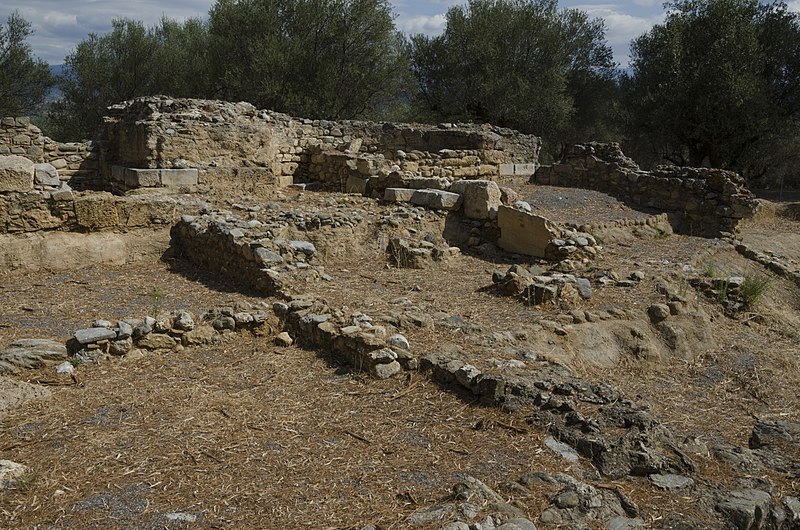
File:Ancient Sparta ruins (3).jpg
Ruins of Sparta

Donkeys and Mares: Tinder for Misogynists

Plutarch, Parallel Stories, 29

“Aristonomos the son of Demostratos hated women and used to have sex with a donkey. After some time, the donkey gave birth to an extremely beautiful girl named Onoskelis. Aristokles reports this in the second book of his Unbelievable Things.

Fulvius Stellus used to have sex with a horse because he hated women. Eventually the horse gave birth to a fine-looking girl and they named her Epona. She is a deity who focuses on horses. This is according to Agesilaus in the third book of his Italian Matters.”

  1. ΑΡΙΣΤΩΝΥΜΟΣ Ἐφέσιος υἱὸς Δημοστράτου ἐμίσει γυναῖκας, ὄνῳ δ᾿ ἐμίσγετο· ἡ δὲ κατὰ χρόνον ἔτεκε κόρην εὐειδεστάτην Ὀνόσκελιν τοὔνομα· ὡς Ἀριστοκλῆς ἐν δευτέρᾳ Παραδόξων.

EΦΟΥΛΟΥΙΟΣ Στέλλος μισῶν γυναῖκας ἵππῳ συνεμίσγετο· ἡ δὲ κατὰ χρόνον ἔτεκε κόρην εὔμορφον καὶ ὠνόμασαν Ἔποναν· ἔστι δὲ θεὸς πρόνοιαν ποιουμένη ἵππων· ὡς Ἀγησίλαος ἐν τρίτῳ Ἰταλικῶν.

Morgan Library, MS M.81, Folio 44r

Apollo’s Esteem for Human Beings

Schol. BT ad. Il. 21.465

“Whenever the poet turns his gaze to divine nature, then he holds human affairs in contempt.”

ὅταν δὲ ἀποβλέψῃ εἰς τὴν θείαν φύσιν ὁ ποιητής, τότε τὰ ἀνθρώπινα πράγματα ἐξευτελίζει. b(BCE3)T

Iliad 5.440-442

“Think, son of Tydeus, step off, don’t wish to think
Equal to the gods, since not at all similar are the races
Of immortal gods and humans who walk on the ground.”

φράζεο Τυδεΐδη καὶ χάζεο, μηδὲ θεοῖσιν
ἶσ’ ἔθελε φρονέειν, ἐπεὶ οὔ ποτε φῦλον ὁμοῖον
ἀθανάτων τε θεῶν χαμαὶ ἐρχομένων τ’ ἀνθρώπων.

Iliad 21.461-465

“Then lord Apollo the far-shooter answered,
“Earthshaker, you would not think that I would be prudent
If indeed I fought with you over mortals,
Wretched men who are like the leaves now flourish
Until they grow full, eat the fruit of fields,
And then they diminish until they die…”

Τὸν δ’ αὖτε προσέειπεν ἄναξ ἑκάεργος ᾿Απόλλων·
ἐννοσίγαι’ οὐκ ἄν με σαόφρονα μυθήσαιο
ἔμμεναι, εἰ δὴ σοί γε βροτῶν ἕνεκα πτολεμίξω
δειλῶν, οἳ φύλλοισιν ἐοικότες ἄλλοτε μέν τε
ζαφλεγέες τελέθουσιν ἀρούρης καρπὸν ἔδοντες,
ἄλλοτε δὲ φθινύθουσιν ἀκήριοι…


Image result for Ancient greek vase apollo

An Idyllic University Life

Mark Pattison, Suggestions on Academical Organisation:

“As teaching institutions, their universities have great merits and equally great defects. But as establishments for the cultivation and encouragement of the highest learning, the German universities have left everything of the kind at this moment existing in Europe behind them. Though known to us as the German system, there is, however, nothing peculiarly Germanic in the arrangements of their universities, so far as their commanding reputation is due to those arrangements. The only peculiarity which they derive from country is one which may possibly be lost to them before long. The rivalry between a number of petty states, ambitious to compensate for their political insignificance by distinction in science, has been at least one cause of the eminence which the German university system has now attained. However this may be, it is not as schools, but as centres of mental activity in science, that these institutions command the attention of Europe, and have become the referees to whose verdict every product of mind must be unconditionally submitted. The German university, Dr. Dollinger goes so far as to say, has nothing but the name in common with the university of France, or the universities of England. It is an association of men of learning and science, under the title of professors. The position created for them is such as to place them under the most powerful inducements to devote their whole mind and energies to the cultivation of some practical branch of knowledge. In a large university, such as Berlin, every science, and almost every subdivision of science, is represented. Of teachers of various grades, Berlin numbers now about 170. These are not endowed out of Church property, or out of rent of land in any shape, but are paid out of the annual taxation. This is not certainly an advantage either to themselves or to the country, but is mentioned to show what sacrifices other countries, not so rich as ourselves, are willing to make for an object which we have not yet come in sight of as a desideratum. The reputation of Berlin rests not upon any education given to its 2000 students, but upon the scientific industry of its professors. ‘The life of a professor’ (Professor Ritschl is reported to have said) ‘would be a very pleasant one if it was not for the lecturing.'”

On the Difference Between Power and Strength

Plato, Protagoras 350e-351b

“I do not here or anywhere else claim that the powerful are strong, but instead that the strong are powerful. For I believe that power and strength are not the same thing. One of them—power—comes from knowledge, or from madness, or anger; strength, however, comes from nature and the nourishing of the body.

So, for the first quality, daring and bravery are not the same thing. It can be the case that the brave are in fact daring, but the daring are not all brave. For boldness also comes to men from some type of skill or rage or madness, just like power, whereas bravery comes from nature and the nurturing of the mind.”

ἐγὼ δὲ οὐδαμοῦ οὐδ᾿ ἐνταῦθα ὁμολογῶ τοὺς δυνατοὺς ἰσχυροὺς εἶναι, τοὺς μέντοι ἰσχυροὺς δυνατούς· οὐ γὰρ ταὐτὸν εἶναι δύναμίν τε καὶ ἰσχύν, ἀλλὰ τὸ μὲν καὶ ἀπὸ ἐπιστήμης γίγνεσθαι, τὴν δύναμιν, καὶ ἀπὸ μανίας γε καὶ θυμοῦ, ἰσχὺν δὲ ἀπὸ φύσεως καὶ εὐτροφίας τῶν σωμάτων. οὕτω δὲ κἀκεῖ οὐ ταὐτὸν εἶναι θάρσος τε καὶ ἀνδρείαν· ὥστε συμβαίνει τοὺς μὲν ἀνδρείους θαρραλέους εἶναι, μὴ μέντοι τούς γε θαρραλέους ἀνδρείους πάντας· θάρσος μὲν γὰρ καὶ ἀπὸ τέχνης γίγνεται ἀνθρώποις καὶ ἀπὸ θυμοῦ γε καὶ ἀπὸ μανίας, ὥσπερ ἡ δύναμις, ἀνδρεία δὲ ἀπὸ φύσεως καὶ εὐτροφίας τῶν ψυχῶν γίγνεται.

Image result for medieval manuscript muscles
Image from Here

Gallienus: Emperor of Pranks

Historia Augusta, Duo Gallieni (XII):

“Gallienus was, moreover, exceedingly clever, and I would do well to add a few examples of his sharp wit here. Once, when he had a huge bull sent into the amphitheater and the gladiator who was sent to kill him proved unable to kill the bull even after being brought out ten times, Gallienus sent the man a crown. When everyone began to murmur and wonder what the world was coming to for a totally incompetent person to be crowned, Gallienus ordered a herald to announce, ‘It is a difficult thing not to wound a bull so many times.’

Similarly, when a certain merchant had sold glass gems as real to his wife, and she (after discovering the trick) wanted him to be punished, Gallienus ordered that the merchant be seized and thrown to the lions. Then, a chicken was sent up from the amphitheater’s holding cage. When everyone was marveling at such an absurd sight, Gallienus ordered the herald to declare, ‘He has committed an imposture, and suffered one in turn.'”

Image result for gallienus

Fuit praeterea idem ingeniosissimus, cuius ostendendi acuminis scilicet pauca libet ponere: nam cum taurum ingentem in harenam misisset exissetque ad eum feriendum venator neque productum decies potuisset occidere, coronam venatori misit,  mussantibusque cunctis, quid rei esset, quod homo ineptissimus coronaretur, ille per curionem dici iussit: “Taurum totiens non ferire difficile est.” Idem, cum quidam gemmas vitreas pro veris vendidisset eius uxori atque illa re prodita vindicari vellet, subripi quasi ad leonem venditorem iuissit, deinde e cavea caponem emitti, mirantibusque cunctis rem tam ridiculam per curionem dici iussit: “Inposturam fecit et passus est.”

Nothing But a Shadow: Some Words on Censure and Envy

Dio Chrysostom, 76.3

“One will say goodbye to honors and slights or to censure and praise from simple-minded persons, even if they happen to be many or few, and even if they are the strong and the wealthy. Instead, one will consider what is called “opinion” to be nothing different from a shadow, by observing that opinion often makes little of important matters and much of minor ones. And, often, it makes a big deal at sometimes and then less at another of the same affairs!”

Χαίρειν οὖν ἐάσει τιμὰς καὶ ἀτιμίας καὶ ψόγον τε καὶ ἔπαινον τὸν παρὰ τῶν ἠλιθίων ἀνθρώπων, ἐάν τε πολλοὶ τύχωσιν ὄντες ἐάν τε ὀλίγοι μὲν ἰσχυροὶ δὲ καὶ πλούσιοι. τὴν δέ γε καλουμένην δόξαν ἡγήσεται μηδὲν διαφέρειν σκιᾶς, ὁρῶν ὅτι γίγνεται τῶν μεγάλων μικρὰ καὶ τῶν μικρῶν μεγάλη· πολλάκις δὲ καὶ τῶν αὐτῶν ὁτὲ μὲν πλείων, ὁτὲ δὲ ἐλάττων.

Plutarch, On Envy and Hate 537 c-d

“Envy certainly never develops towards anyone justly—for no one commits injustice in being happy and it is for happiness that people are envied. Many are hated justly—like those we consider “worthy of hate” with the result that we find fault with others when they don’t avoid people like this or fail to find them despicable and annoying.”

Ἔτι τοίνυν τὸ μὲν φθονεῖν πρὸς οὐδένα γίνεται δικαίως (οὐδεὶς γὰρ ἀδικεῖ τῷ εὐτυχεῖν, ἐπὶ τούτῳ δὲ φθονοῦνται)· μισοῦνται δὲ πολλοὶ δικαίως, ὡς οὓς ἀξιομισήτους καλοῦμεν, ὥστε καὶ τοῖς ἄλλοις ἐγκαλοῦμεν ἂν μὴ φεύγωσι τοὺς τοιούτους μηδὲ βδελύττωνται καὶ δυσχεραίνωσι.

Propertius, Elegies 1.8b

‘Here she will be! Here she has sworn to stay! Fuck the haters!
we have won…”

Hic erit! hic iurata manet! rumpantur iniqui!
vicimus

Scrovegni, Invidia

Apollo Makes A Toy Aeneas

Iliad, 5.449-453

αὐτὰρ ὃ εἴδωλον τεῦξ’ ἀργυρότοξος ᾿Απόλλων
αὐτῷ τ’ Αἰνείᾳ ἴκελον καὶ τεύχεσι τοῖον,
ἀμφὶ δ’ ἄρ’ εἰδώλῳ Τρῶες καὶ δῖοι ᾿Αχαιοὶ
δῄουν ἀλλήλων ἀμφὶ στήθεσσι βοείας
ἀσπίδας εὐκύκλους λαισήϊά τε πτερόεντα.

“Then silver-bowed Apollo made an eidolon
Which was similar to Aeneas and armed in that way,
And the Trojans and shining Achaeans were struggling
Over the eidolon, striking around their chests
Their oxhide well-rounded shields and their winged light ones*.”

Schol. Ad Il. 5.449-50b

[“but he made an eidolon] On the one hand, the eidolon represents the entire framework of the cosmos which is the model of everything as it truly is when crafted by the generative gods, but beforehand by Helios, who is the lord of all that is born and seen.

The eidolon is nothing less than Aeneas, the son of Aphrodite and Trôos, which was the first native beauty. For all beauty comes from Aphrodite, around which the fundamental material of the soul does not depart when it is pressed.”

[but he made an eidolon]: [he did this] in order that the Trojans might fight more bravely because they want to save the body.”

Here is Edward Butler’s translation from his comment, taking pains to bring sense to it from Platonic traditions:

“The eidôlon on the one hand is taken to be the fabrication of the cosmos, which is the impression of Real Being arranged by all the encosmic Gods, while on the other hand, that which is previously [arranged] by Helios, who is the ruler of all that is generated and visible. Nor is the eidôlon any less Aeneas, being the son of Aphrodite and of Trôs, who is the indigenous beauty; for all beauty is from Aphrodite, about whom the more material of the souls do not cease to clash with one another.”

ex. αὐτὰρ ὁ εἴδωλον<—τοῖον>: εἴδωλον μὲν ἄκουε πᾶν τὸ δημιούργημα τοῦ κόσμου, ὅπερ τύπος ὂν τοῦ ὄντως ὄντος ὑπὸ πάντων μὲν τῶν ἐγκοσμίων θεῶν κοσμεῖται, προηγουμένως δὲ ὑπὸ τοῦ ῾Ηλίου, ὅς ἐστιν ἡγεμὼν παντὸς γεννητοῦ τε καὶ ὁρατοῦ. οὐδὲν δὲ ἧττον Αἰνείου ἐστὶ τὸ εἴδωλον, υἱοῦ ᾿Αφροδίτης καὶ Τρωός, ὅ ἐστι τὸ ἐγχώριον κάλλος· πᾶν γὰρ ἐξ ᾿Αφροδίτης κάλλος ἐστι, περὶ ὃ αἱ ὑλικώτεραι τῶν ψυχῶν οὐκ ἀπαλλάσσονται συντριβόμεναι. b(BCE3E4)T

ex. αὐτὰρ ὁ εἴδωλον τεῦξε<—τοῖον>: ἵνα φιλοτιμοτέρως μάχωνται Τρῶες τὸ πτῶμα σῶσαι θέλοντες. b(BCE3E4)T

Strangeness here:  (1) What in the world is going on in the first scholion? I think it is an allegorical reading of the passage, but still.
(2) Is the scholion providing a different father for Aeneas?


There was also an eidolon for Helen.

Storage Jar with Aeneas and Anchises  Greek, Athens, about 510 B.C.   Terracotta

Writing Advice from Demetrius: Leave Some Details Out!

Demetrius, On Style  222

“Believability resides in these things, then, as in what Theophrastus says, that you should not go through everything in precise detail, but instead leave some things out for your audience to imagine and to figure out for themselves. This is because when someone imagines what you have left out, they turn out to be not only your audience but your witness too and becomes more favorably disposed for this reason.

For, thanks to you, he seems to be intelligent through your action, since you have provided him the chance to show his intelligence. Telling an audience everything as if they are stupid makes it seem like you think they are.”

(222) ἐν τούτοις τε οὖν τὸ πιθανόν, καὶ ἐν ᾧ Θεόφραστός φησιν, ὅτι οὐ πάντα ἐπ᾿ ἀκριβείας δεῖ μακρηγορεῖν, ἀλλ᾿ ἔνια καταλιπεῖν καὶ τῷ ἀκροατῇ συνιέναι καὶ λογίζεσθαι ἐξ αὑτοῦ· συνεὶς γὰρ τὸ ἐλλειφθὲν ὑπὸ σοῦ οὐκ ἀκροατὴς μόνον ἀλλὰ καὶ μάρτυς σου γίνεται, καὶ ἅμα εὐμενέστερος. συνετὸς γὰρ ἑαυτῷ δοκεῖ διὰ σὲ τὸν ἀφορμὴν παρεσχηκότα αὐτῷ τοῦ συνιέναι, τὸ δὲ πάντα ὡς ἀνοήτῳ λέγειν καταγινώσκοντι ἔοικεν τοῦ ἀκροατοῦ.

Image result for medieval manuscript reading aloud
Image from Here