Advice to Students: Give Terence a Good Thumbing

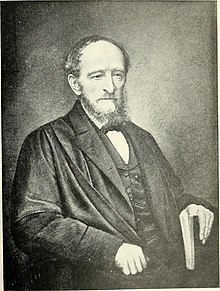
Mark Pattison, Isaac Casaubon

“Of his children in general the diary says, in 1607, ‘They are almost all great troubles to me, some of them because they are always ill, some because they make no progress either in virtue or in letters.’ He is in fear that more of them will follow John’s example. This grievous disappointment was not to extend to Meric. Meric, at the date when this wail was wrung from the desponding father, was only seven. In the following year, aet. 8, he was sent to school at Sedan, under Samuel Neran. Here he remained till 1611, when he rejoined his father in England. Isaac lived to see Meric confirmed, but not to see developed in him those learned tastes and accomplishments which might have consoled the father for the degeneracy of the rest of the children. The only letter which Meric preserved of those written to him in his school-days, is so characteristic of the writer that it is thought right to give it. It is dated Paris, September 18, 1609.

‘Meric, I am glad that you write to me tolerably often, and shall be more so if you do so oftener. I shall, however, expect each letter to show some progress since the one which preceded it. I see that you are beginning to compose latin themes, but not without bad mistakes. Learn something every day. Exercise your memory diligently. If Terence is one of the books you read at school, I desire that you will commit it to memory from beginning to end. No one will ever speak latin well who has not thumbed Terence. Write me word if you read Terence, and what it is you read at school. Above all, be good, fear God, pray for father, mother, brothers, and sisters. Honour your teachers, and be obedient to them. Be careful not to waste time. If you do this, God will bless your studies. I have written to the master, and to the person with whom you board, not to let you want for anything. Your mother sends her remembrances, and desires you will, from her; kiss Mrs. Capell’s hands, as I do also. Your father, Is. Casaubon. Remember me to the Hotomans.'”

Image result for isaac casaubon

Cleobulina’s Poetic Riddles

The following is not really a single poem but rather a collection of lines cited in Athenaeus, Plutarch and others and attributed to Cleobulina

Cleobulina fr. 3.1

“I have seen a man fashioning bronze on another man with fire
Fitting it so well that he joined them in the blood.
I saw a man stealing and deceiving violently—
To accomplish this with violence is the most just thing.
A donkey corpse struck me on the ear with its horny shin.”

ἄνδρ’ εἶδον πυρὶ χαλκὸν ἐπ’ ἀνέρι κολλήσαντα
οὕτω συγκόλλως ὥστε σύναιμα ποιεῖν.
ἄνδρ’ εἶδον κλέπτοντα καὶ ἐξαπατῶντα βιαίως,
καὶ τὸ βίαι ῥέξαι τοῦτο δικαιότατον.
κνήμηι νεκρὸς ὄνος με κερασφόρωι οὖας ἔκρουσεν·

These lines are poetic riddles: the first one, according to Athenaeus, is about using a cupping glass to draw blood to the surface of the skin) the last one is about a Phrygian flute (which was made from a donkey bone)

Cleobulina 4bpblogspotcomk3VU9hBtRk0T5b6PfaiZzIAAAAAAA

Keep the Silver – Give Me the Books!

Galen, Commentary on Hippocrates’ Epidemics (3.2):

“Here is a small example of what Ptolemy Euergetes did to the Athenians, showing how eager he was for the acquisition of ancient books. He gave them a security of fifteen talents of silver in exchange for borrowing the official copies of Sophocles, Euripides, and Aeschylus for the sake of making copies of them and returning them intact to the Athenians. He had copies worked up in exceedingly fine fashion on the most beautiful papyrus, and then kept the copies which the Athenians had sent him, while sending to them the finely-wrought copies and saying that they could keep the fifteen talents and take the new copies in exchange for the old ones. Even if Ptolemy had not sent them the new books, the Athenians could do nothing since they had taken the silver on the understanding that they could keep it if Ptolemy did not return the books. And so, they took the new copies and held on to the silver.”


Image result for ptolemy iii euergetes
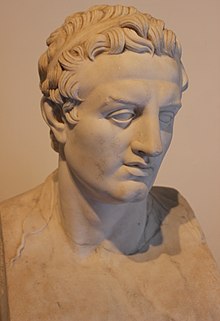
Bust of Ptolemy III Euergetes from Museo Archeologico Nazionale, Naples

ὅτι δ’ οὕτωϲ ἐϲπούδαζε περὶ τὴν <ἁπάντων> τῶν παλαιῶν βιβλίων κτῆϲιν ὁ Πτολεμαῖοϲ ἐκεῖνοϲ, οὐ μικρὸν εἶναι μαρτύριόν φαϲιν ὃ πρὸϲ ᾿Αθηναίουϲ ἔπραξεν. δοὺϲ γὰρ αὐτοῖϲ ἐνέχυρα πεντεκαίδεκα τάλαντ’ ἀργυρίου καὶ λαβὼν τὰ Σοφοκλέουϲ καὶ Εὐριπίδου καὶ Αἰϲχύλου βιβλία χάριν τοῦ γράψαι μόνον ἐξ αὐτῶν, εἶτ’ εὐθέωϲ ἀποδοῦναι ϲῶα, καταϲκευάϲαϲ πολυτελῶϲ ἐν χάρταιϲ καλλίϲτοιϲ, ἃ μὲν ἔλαβε παρ’ ᾿Αθηναίων κατέϲχεν, ἃ δ’ αὐτὸϲ κατεϲκεύαϲεν ἔπεμψεν  αὐτοῖϲ παρακαλῶν <κατα>ϲχεῖν τε τὰ πεντεκαίδεκα τάλαντα καὶ λαβεῖν ἀνθ’ ὧν ἔδοϲαν βιβλίων παλαιῶν τὰ καινά. τοῖϲ μὲν οὖν ᾿Αθηναίοιϲ, εἰ καὶ μὴ καινὰϲ ἐπεπόμφει βίβλουϲ, ἀλλὰ κατεϲχήκει τὰϲ παλαιάϲ, οὐδὲν ἐνῆν ἄλλο ποιεῖν, εἰληφόϲι γε τὸ ἀργύριον ἐπὶ ϲυνθήκαιϲ τοιαύταιϲ, ὡϲ αὐτοὺϲ <αὐτὸ> καταϲχεῖν, εἰ κἀκεῖνοϲ κατάϲχοι τὰ βιβλία, καὶ διὰ τοῦτ’ ἔλαβόν τε τὰ καινὰ καὶ κατέϲχον καὶ τὸ | ἀργύριον.

Rising and Evolving: Classical Studies in the News

The the Notes & Comments Article from the March 2019 Issue of New Criterion (“Decline and Fall: Classics Edition.”) presents not a moment of original thought or convincing argumentation. Instead, it is an intellectually lazy but rhetorically effective collection of fear-mongering and base-rallying. I say “rhetorically” effective because it plies the right phrases and plays the right notes to get the right people riled up about an attack on their culture they just can’t wait to complain about abide.

The essay’s first rhetorical aim is to incense and by incensing reaffirm a sense of community and belonging which is so ephemeral and hard for this embattled audience to maintain. Its second (or perhaps coterminous) aim is to inspire response and rage from its targets and those aligned from them in hopes of a juvenile opportunity to say “Look, these are savage maniacs. Hypocrites. Not (really serious) people.” Those who are targeted and attacked can do nothing about the first aim. The rhetoric is to belittle, dehumanize, and marginalize the ideas (and people) found threatening.

The thing that is important about this piece, the Quillette piece (and its ongoing tweetstorm), the Breitbart coverage, and the ongoing plunge of the participants of Novae Famae into that whitest of darknesses, is that they are all over-reactions to cultural change–they are examples of white fragility. But in doubling down on certain values and ideas, in rhetorically crafting this whitest of universes, these voices have the potential to do more than simply join a Trumpian paroxysm of sub-literate protest. They cause emotional harm to those already marginalized; they prey upon those who feel isolated and feed on their worst inclinations; they further polarize and by polarizing obscure pathways to truth; and through their deceptions and misconceptions they lay the groundwork for violence (emotional and otherwise).

My friends, these reactions are not a sign of the progressive vision of the future of Classics losing. I know it feels like it and this noise hurts. But this whitegasm of fury is a sign of fear. International coverage of the SCS is a sign of a shifting battleground, of a desperate search for a win, of an attempt to grab some territory before all is lost. They are attacking Eidolon, and Sarah Bond, Rebecca Futo Kennedy and Dan-el Padilla Peralta on the message boards and these articles because they represent the future and because they represent what they fear.

This is what intellectualized racism and misogyny looks and sounds like. Who gets attacked matters because we are not dealing with strategic masterminds: they tip their hand every time they make up a juvenile nickname. They fear women. They fear people who aren’t white. They fear the changing field. They fear challenges to a ‘traditional field’ because it is a metonym for a changing world. We can ignore them to take their power away. (And I am not doing a good job of that). We can show how foolish and frightened they are. But we must keep doing the work that we do in aligning our values and beliefs with the way we work in the world. We must support our colleagues. We must speak out where we can. But above all, we must just keep doing what we do.

They are attacking because they are losing.

Continue reading “Rising and Evolving: Classical Studies in the News”

How A Woman Should Dress (And Sacrifice)

Phintys, fr. 2, On a Woman’s Prudence by the Spartan Phintys, the daughter of Kallikrates the Pythagorean (=Stob. 4.23.61)

“It is also necessary for a woman to take to heart that she will find no kind of purifying remedy for this mistake [adultery], something that would allow her to approach the temples and altars of the gods as a chaste and god-loved woman. This is because in this crime especially the divine spirit is most unforgiving. The most beautiful achievement of a free woman and the foremost glory is to provide as testimony to her prudence toward her husband her children, if they do in fact bear the imprint of similarity to the father who sowed them. That seems to me to be enough regarding marriage.

The following seems to be right to me when it comes to the management of the body. A woman should wear white, but be dressed simply and without decoration. This style of dressing is achieved without transparent or decorated robes or robes which are made from silk; instead a woman should wear modest and white clothing. She preferably also avoids luxury and ostentation and will not cause vile jealousy in other women. She should also not put on gold or emeralds at all—this behavior would make her seem wealthy and haughty to common women.

It is necessary that the well-governed city which is ordered completely with a view to its whole should be one of common experiences and likemindedness. And it should keep out the craftspeople who create these sorts of baubles from its territory. A prudent woman should not embellish her appearance with foreign decoration and makeup but should use the native beauty of the body—she should decorate her body by washing it in water rather than bringing it shame. For this brings honor to herself and the man she lives with.

Women need to make processions from their homes to make sacrifices to the leading-god of the city for themselves, their husbands, and their households. They must make their expedition to the theater or to the market for household goods, however, not when the evening star is rising nor when it is dark but whenever it is still light, accompanied by a single servant or, at most, two as is proper.

In addition, a prudent woman must also perform sacrificial rites for the gods as is permitted to her, but must abstain from the occult rites and rituals of the Great Mother at home. For the common law prohibits women from performing these rituals, since, in addition to other things, these practices make them drunk and insane. The woman of the home needs to be temperate and uncontaminated by everything, even when she is governing the home.”


     Κἀκεῖνο δὲ χρὴ διαλογίζεσθαι, ὡς οὐδὲν καθάρσιον εὑρήσει τᾶς ἀμπλακίας ταύτας ἄκος, ὥστε ὡς ἱερὰ θεῶν καὶ βωμὼς ποτερχομέναν ἦμεν ἁγνὰν καὶ θεοφιλάταν· ἐπὶ γὰρ ταύτᾳ τᾷ ἀδικίᾳ μάλιστα καὶ τὸ δαιμόνιον ἀσυγγνωμόνητον γίνεται. κάλλιστος δὲ κόσμος γυναικὸς ἐλευθέρας πρᾶτόν τε κῦδος τὸ διὰ τῶν αὑτᾶς τέκνων ἐπιμαρτύρασθαι τὰν σωφροσύναν τὰν ποτὶ τὸν ἄνδρα, αἴκα τὸν τύπον τᾶς ὁμοιότατος ἐπιφέρωντι τῶ κατασπείραντος αὐτὼς πατρός. καὶ περὶ μὲν εὐνᾶς οὕτως ἔχει· περὶ δὲ τῶ κόσμω τῶ περὶ τὸ σῶμα δοκεῖ μοι οὕτως.

δεῖ λευχείμονα ἦμεν καὶ ἁπλοϊκὰν καὶ ἀπερίσσευτον. ἐσσεῖται  δὲ τοῦτο, αἴκα μὴ διαφανέεσσι μηδὲ διαποικίλοις μηδὲ ἀπὸ βόμβυκος ὑφασμένοις χρᾶται τοῖς περὶ τὸ σῶμα, ἀλλὰ μετρίοις καὶ λευκοχρωμάτοις· οὕτω γὰρ τὸ μᾶλλον κοσμεῖσθαι καὶ τρυφὰν καὶ καλλωπισμὸν φεύξεται, καὶ ζᾶλον οὐκ ἐμποιήσει μοχθηρὸν ταῖς ἄλλαις. χρυσὸν δὲ καὶ σμάραγδον ἁπλῶς μὴ περιτίθεσθαι· καὶ γὰρ πολυχρήματον καὶ ὑπεραφανίαν ἐμφαῖνον ποττὰς δαμοτικάς.

δεῖ δὲ τὰν εὐνομουμέναν πόλιν, ὅλαν αὐτὰν δι’ ὅλας τεταγμέναν, συμπαθέα τε καὶ ὁμοιόνομον ἦμεν, ἀπερύκεν δὲ καὶ δαμιοεργὼς ἐκ τᾶς πόλιος τὼς ἐργαζομένως τὰ τοιαῦτα. χρώματι δὲ φαιδρύνεσθαι τὰν ποτῶπα μὴ ἐπακτῷ καὶ ἀλλοτρίῳ, τῷ δ’ οἰκῄῳ τῶ σώματος δι’ αὐτῶ τῶ ὕδατος ἀπολουομέναν, κοσμὲν δὲ μᾶλλον αὑτὰν αἰσχύνᾳ·

καὶ γὰρ τὸν συμβιῶντα καὶ αὑτὰν ἔντιμον παρέξεται. τὰς δὲ ἐξόδως ἐκ τᾶς οἰκίας ποιεῖσθαι † τὰς γυναῖκας τὰς δαμοτελέας θυηπολούσας τῷ ἀρχαγέτᾳ θεῷ τᾶς πόλιος ὑπὲρ αὑτᾶς καὶ τῶ ἀνδρὸς καὶ τῶ παντὸς οἴκω· ἔπειτα  μήτε ὄρφνας ἐνισταμένας μήτε ἑσπέρας ἀλλὰ πλαθυούσας ἀγορᾶς καταφανέα γινομέναν τὰν ἔξοδον ποιεῖσθαι θεωρίας ἕνεκά τινος ἢ ἀγορασμῶ οἰκῄω μετὰ θεραπαίνας μιᾶς ἢ καττὸ πλεῖστον δύο εὐκόσμως χειραγωγουμέναν.

τὰς δὲ θυσίας λιτὰς παριστάμεν τοῖς θεοῖς καὶ καττὰν δύναμιν, ὀργιασμῶν δὲ καὶ ματρῳασμῶν τῶν κατ’ οἶκον  ἀπέχεσθαι. καὶ γὰρ ὁ κοινὸς νόμος τᾶς πόλιος ἀπερύκει ταῦ<τα> τὰς γυναῖκας ἐπιτελέν, καὶ ἄλλως καὶ ὅτι μέθας καὶ ἐκστάσιας ψυχᾶς ἐπάγοντι ταὶ θρησκεύσιες αὗται· τὰν δ’ οἰκοδέσποιναν καὶ προκαθεζομέναν οἴκω δεῖ σώφρονα καὶ ἀνέπαφον ποτὶ πάντα ἦμεν.


Image result for ancient greek women's clothing
Image from Heilbrunn Timeline of Art History 4th Century BCE Marble Statue

Struggling With the Fetters of an Impossible System

Mark Pattison, Memoirs

“I may take this opportunity of explaining what my position in college as tutor was at this time. At that time there was no subdivision of labour such as is now established in the form of combined lectures. The tutors of each college taught everything that was taught in the college to all its students. Under this monstrous abuse, of which I have written the history several times in other places, a zealous tutor was entirely baffled as to what course to take; if he wanted to make a good lecture on any one classical book, say Herodotus, he must devote an amount of time to his preparation for it which was quite inconsistent with his also doing well the other lectures he had to give — looking over Latin writing, teaching English composition, seeing that men know their divinity, and the vague but heavy duties of personal inspection and advice. I never could let routine be routine, or do anything with any comfort to myself, unless I tried to do it as well as I could. It so happened that among other lectures Herodotus fell to me. I took vast pains with this;  read up everything I could, and after some terms’ apprenticeship and much bungling, became able to give what was for those times a really good lecture. But then to do this it was impossible to keep up equally well with Livy and Sophocles and the Greek Testament, and perhaps another book or two. I had the mortification of sitting there and hearing men translate Sophocles to me unprofitably, as knowing I could not teach them the niceties of Greek erratic idiom. Here I was but struggling with the fetters of an impossible system, though it was not till years after that I came to conceive where it was that the fault lay. I was honestly labouring to make the best I could of my Sparta. But I had other college difficulties to contend with in my colleagues.”

Image result for mark pattison memoirs

Gifts of Chicks and Shells: The Fragment of the Poet Hedyle

Antiquity has left us only one fragment of the iambic poet Hedyle. It is not iambic!

Athenaeus 7.297b

“Hêdulos, the Samian or Athenian, says that Glaukos threw himself in the sea after he fell in love with Melicertes. Hêdulê, his mother and the daughter of the Athenian Moskhinê, was a composer of iambic lines. In her poem called “Skylla”, she records that Glaukos went into his own cave after he fell in love with Skylla

“Either carrying shells as gifts
From the Erythaian cliff
Or halcyon chicks still unwinged
Presents for the girl from an anxious man.
His Siren girl neighbor felt pity
For he was swimming toward that beach
And the regions close to Aitna.”

Ἡδύλος δ᾿ ὁ Σάμιος ἢ Ἀθηναῖος Μελικέρτου φησὶν ἐρασθέντα τὸν Γλαῦκον ἑαυτὸν ῥῖψαι εἰς τὴν | θάλατταν. Ἡδύλη δ᾿ ἡ τοῦ ποιητοῦ τούτου μήτηρ, Μοσχίνης δὲ θυγάτηρ τῆς Ἀττικῆς ἰάμβων ποιητρίας, ἐν τῇ ἐπιγραφομένῃ Σκύλλῃ ἱστορεῖ τὸν Γλαῦκον ἐρασθέντα Σκύλλης ἐλθεῖν αὐτῆς εἰς τὸ ἄντρον

Σκύλλα
ἢ κόγχους δωρήματ’ ᾿Ερυθραίης ἀπὸ πέτρης
ἢ τοὺς ἀλκυόνων παῖδας ἔτ’ ἀπτερύγους
τῇ νύμφῃ δύσπιστος ἀθύρματα. δάκρυ δ’ ἐκείνου
καὶ Σειρὴν γείτων παρθένος ᾠκτίσατο·
ἀκτὴν γὰρ κείνην ἀπενήχετο καὶ τὰ σύνεγγυς
Αἴτνης.

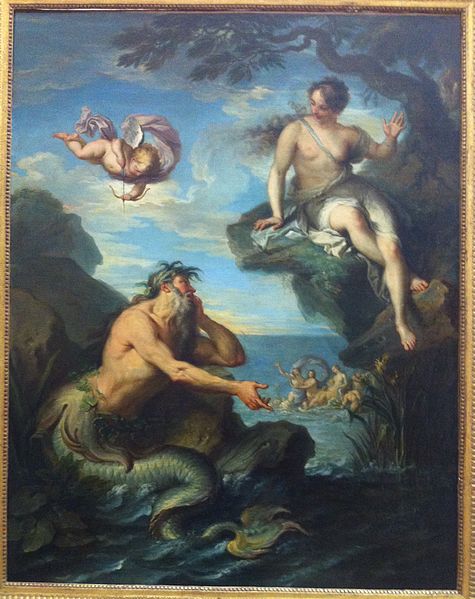
File:Glaucus et Scylla.jpg
Scylla and Glaucus

Only Fools Invited!

Origen, Contra Celsum (3.44)

“Thereupon Celsus, inveighs against some things said against the teaching of Jesus by a few who are considered as Christians – not sensible, but requiring more learning. He says that they demand, ‘Let no one educated, no one wise, no one with good judgment come forth. Those qualities are accounted as evils among us. But if someone is stupid, lacking reason, uneducated, like a child, then let them boldly come forth.’ They agree that such people are worthy of their god on that account, and it is clear that they both wish and are able to convince only the idle, the low born, the senseless, the slaves, little girls, and little boys.”

Image result for celsus

Εἶθ’ ἑξῆς τούτοις ὁ Κέλσος τὰ ὑπὸ ὀλίγων πάνυ παρὰ τὴν διδασκαλίαν ᾿Ιησοῦ λεγόμενα νομιζομένων Χριστιανῶν, οὐ φρονιμωτέρων, ὡς οἴεται, ἀλλ’ μαθεστάτων, φέρων φησὶ τοιαῦτα ὑπ’ αὐτῶν προστάσσεσθαι· μηδεὶς προσίτω πεπαιδευμένος, μηδεὶς σοφός, μηδεὶς φρόνιμος· κακὰ γὰρ ταῦτα νομίζεται παρ’ ἡμῖν· ἀλλ’ εἴ τις ἀμαθής, εἴ τις ἀνόητος, εἴ τις ἀπαίδευτος, εἴ τις νήπιος, θαρρῶν ἡκέτω. Τούτους γὰρ ἀξίους εἶναι τοῦ σφετέρου θεοῦ αὐτόθεν ὁμολογοῦντες, δῆλοί εἰσιν ὅτι μόνους τοὺς ἠλιθίους καὶ ἀγεννεῖς καὶ ἀναισθήτους καὶ ἀνδράποδα καὶ γύναια καὶ παιδάρια πείθειν ἐθέλουσί τε καὶ δύνανται.

A Physician’s Notes on the Lives and Deaths of Women

Hippocrates, Epidemics 5.101

 “A woman in Abdera developed cancer on her chest, and bloody plasma leaked out through her nipple. Once the flowing stopped, she died.”

Γυναικί, ἐν Ἀβδήροισι καρκίνωμα ἐγένετο περὶ στῆθος, διὰ τῆς θηλῆς ἔρρει ἰχὼρ ὕφαιμος· ἐπιληφθείσης δὲ τῆς ῥύσιος ἔθανεν.

There is an earlier account of breast cancer in Herodotus:

Herodotus, 3.133

“A little while later following these events, some other things happened. Cyrus’ daughter and Dareios’ wife, Atossa, developed a swelling in her breast. It burst out and expanded. As long as it was rather small, she hid it and told no one because she was ashamed. But when it became worse, she summoned Democedes and showed him. He told her that he could make her  healthy again but had her swear to him that she would reward him with whatever he asked from her, but that he would request nothing which would bring shame on her.”

ἐν χρόνῳ δὲ ὀλίγῳ μετὰ ταῦτα τάδε ἄλλα συνήνεικε γενέσθαι. Ἀτόσσῃ τῇ Κύρου μὲν θυγατρὶ Δαρείου δὲ γυναικὶ ἐπὶ τοῦ μαστοῦ ἔφυ φῦμα, μετὰ δὲ ἐκραγὲν ἐνέμετο πρόσω. ὅσον μὲν δὴ χρόνον ἦν ἔλασσον, ἣ δὲ κρύπτουσα καὶ αἰσχυνομένη ἔφραζε οὐδενί: ἐπείτε δὲ ἐν κακῷ ἦν, μετεπέμψατο τὸν Δημοκήδεα καί οἱ ἐπέδεξε. ὁ δὲ φὰς ὑγιέα ποιήσειν ἐξορκοῖ μιν ἦ μέν οἱ ἀντυπουργήσειν ἐκείνην τοῦτο τὸ ἂν αὐτῆς δεηθῇ: δεήσεσθαι δὲ οὐδενὸς τῶν ὅσα ἐς αἰσχύνην ἐστὶ φέροντα.

This has been called the “earliest account of inflammatory mastitis

Hippocrates of Cos Epidemics 5.25

“In Larissa, Dyseris’ servant, when she was still young, experienced severe pain whenever she had intercourse. But she was without pain otherwise. She was never pregnant. When she was sixty, she started feeling pan at midday as if she were in severe labor pains. Before midday, she had eaten many leeks and when the pain overcame her and was the strongest of all, she rose up and felt something rough-edged near the entrance to her womb. Then, because she had already fainted, another woman inserted her hand and withdrew a stone which was as big as a spindle top and very rough. After that she was immediately healthy.”

Ἐν Λαρίσῃ ἀμφίπολος Δυσήριδος, νέη ἐοῦσα ὁκότε λαγνεύοιτο περιωδύνει ἰσχυρῶς, ἄλλως δὲ ἀνώδυνος ἦν. ἐκύησε δὲ οὐδέποτε. ἑξηκονταέτης γενομένη ὠδυνᾶτο ἀπὸ μέσου ἡμέρης, ὡς ὠδίνουσα ἰσχυρῶς· πρὸ δὲ μέσου ἡμέρης αὕτη πράσα τρώγουσα πολλά, ἐπειδὴ ὀδύνη αὐτὴν ἔλαβεν ἰσχυροτάτη τῶν πρόσθεν, ἀναστᾶσα ἐπέψαυσέ τινος τρηχέος ἐν τῷ στόματι τῆς μήτρης. ἔπειτα, ἤδη λειποψυχούσης αὐτῆς, ἑτέρη γυνὴ καθεῖσα τὴν χεῖρα ἐξεπίεσε λίθον ὅσον σπόνδυλον ἀτράκτου, τρηχύν· καὶ ὑγιὴς τότε αὐτίκα καὶ ἔπειτα ἦν.

5.50

“Nerios’ beautiful virgin daughter was twenty years old when she was struck on the forehead by a flat hand when she was playing with a young woman friend. When it happened, she became blind and out of breath; when she went home, a fever came over her right away. Her head hurt; she was flushed all over her face. By the seventh day, a bad-smelling pus flowed out of her right ear—it was red colored and there was more than a fifth of a cup of it. She seemed to feel better and was relieved. But she was stretched out again later because of a fever. She was feeling badly and was speechless. The right part of her face was contracted and she breathed with difficulty. She also had spasms of trembling. Her tongue stopped working. Her eye was affected. She died on the ninth day.”

Ἡ παρθένος ἡ καλὴ ἡ τοῦ Νερίου ἦν μὲν εἰκοσαέτης, ὑπὸ δὲ γυναίου φίλης παιζούσης πλατέῃ τῇ χειρὶ ἐπλήγη κατὰ τὸ βρέγμα. καὶ τότε μὲν ἐσκοτώθη καὶ ἄπνοος ἐγένετο, καὶ ὅτε ἐς οἶκον ἦλθεν αὐτίκα τὸ πῦρ εἶχε, καὶ ἤλγει τὴν κεφαλήν, καὶ ἔρευθος ἀμφὶ τὸ πρόσωπον ἦν. ἑβδόμῃ ἐούσῃ, ἀμφὶ τὸ οὖς τὸ δεξιὸν πύον ἐχώρησε δυσῶδες, ὑπέρυθρον, πλεῖον κυάθου, καὶ ἔδοξεν ἄμεινον ἔχειν, καὶ ἐκουφίσθη. πάλιν ἐπετείνετο τῷ πυρετῷ, καὶ κατεφέρετο, καὶ ἄναυδος ἦν, καὶ τοῦ προσώπου τὸ δεξιὸν μέρος εἵλκετο, καὶ δύσπνοος ἦν, καὶ σπασμὸς τρομώδης ἦν. καὶ γλῶσσα εἴχετο, ὀφθαλμὸς καταπλήξ· ἐνάτῃ ἔθανεν.

Image result for medieval manuscript medicine women
Wellcome Library, London, MS 49, Apocalypse

Sad Reflections: A Scholar’s Life

Mark Pattison, Isaac Casaubon 1559 – 1614

“Casaubon anxiously compares the hours spent in his study with those bestowed on any other occupation. Unless the first greatly preponderate, he is unhappy. When the claims of business or society have taken up any considerable part of the day, his outcries are those of a man who is being robbed. When he has read continuously a whole day, from early morning till late at night, ‘noctem addens operi,’ he enters a satisfactory ‘to-day, I have truly lived,’ ‘hodie vixi.’ Taking some entries of the first period, we have such as the following:—

‘To-day I began my work very early in the morning, notwithstanding my having kept it up last night till very late.’

‘Nearly the whole morning, and quite all the afternoon perished, through writing letters. Oh! heavy loss, more lamentable than loss of money!’

‘To-day I got six hours for study. When shall I get my whole day? Whenever, O my Father, it shall be thy will!’

‘This morning not to my books till 7 o’clock or after; alas me! and after that the whole morning lost; nay, the whole day. O God of my salvation, aid my studies, without which life is to me not life.’

‘This morning, reading, but not without interruption. After dinner, however, as if they had conspired the destruction of my studies, friends came and broke them off.’

‘This morning a good spell of study. After dinner friends, and trifling talk, but very bothering; at last got back to my books.’

‘To-day, though far from well, got eight hours for my books.’

Such is the general character of the entries during the first period. The simple ‘studuimus et viximus’ [we have studied and lived] is the short expression of the feeling of this time.”

Image result for isaac casaubon 1559-1614