Latin vs. Philology, Part XVIII

Francesco Filelfo, Letter to Lorenzo Medici (Part 18)

“For there was at that time a huge mob of the citizens who were either new, or foreign arrivals – not native and original citizens. And they not able to speak without ineptitude or some element of the ridiculous.

Cicero jokes about the Oscans, who come from Beneventum, and are so named because they have an unclean and so to speak filthy mouth, and writes in a letter to Marcus Marius, ‘I don’t think that you desired to see Greek or Oscan games, especially since you could easily witness some Oscan games even here in our senate, but you love the Greeks so much that you won’t even go to your house along Greek Road.’ There were not many at all in the city of Rome who preserved that pure and sound Latin speech.

On that account, Quintilian rightly advises that parents should take care that the speech of the nurses whom they hire is not degraded, but that they speak correctly, since their child will try to form the first words which it hears from the nurses. Otherwise, there is a great labor ahead for the future orator, because he must unlearn the speech which he learned as an infant. Thus comes the tradition that Chrysippus made the wise choice. He laid it down that one should select nurses who were the best not only in respect to their characters, but also respecting the mode of their speech, since he claimed that children would retain those things in memory most tenaciously which they had learned in their formative years.”

Image result for francesco filelfo

Erat enim ingens civium turba qui vel novi essent, vel adventicii, non prisci et origine cives. Et illi quidem non poterant non inepte loqui et cum ridiculo.

Quod de Oscis, qui Beneventani sunt, ita nominati, quoniam immundo forent et tanquam coenoso ore, iocatur Cicero, in epistolam ad M. Marium, cum ait: “Non enim te puto graecos aut oscos ludos desiderasse, praesertim cum oscos ludos vel in senatu nostro spectare possis, graecos vero ita ames, ut ne ad villam quidem tuam via graeca ire soleas”. Non erant admodum multi in urbe Roma qui meram illam atque sinceram servarent latinam locutionem.

Quapropter non imprudenter Quintilianus monet curandum esse parentibus ne vitiosus sit sermo nutricibus, sed loquantur recte, cum earum verba conetur puer effingere, quas primum audierit. Nam si secus fiat, eo maior est labor futuro oratori, quod ei sit dediscendus quem depravatum sermonem infans didicerit. Sapienter igitur Chrysippum optare solitum tradunt. Is enim eas nutrices iubebat eligi oportere, quae essent optimae, idque non solum quo ad morum, sed etiam quo ad sermonis rationem, cum pueros diceret ea tenacissime servare memoria, quae rudibus perceperint annis.

The Cyclops Had Three Eyes and They Were His Brothers

John Malalas, Chronographia, V

“The wise Euripides put in his poetic drama about the Cyclops that he had three eyes, indicating by this that he had three brothers and that they cared for one another and kept a watchful eye on one another’s places in the island, fought together, and avenged one another.

And he also adds that he made the Cyclops drunk and unable to flee, because Odysseus made that very Cyclops “drunk” with a ton of money and gifts so he would not “eat those with him up”, which is not actually to consume them with slaughter.

He also says that Odysseus blinded his one eye with torch fire, really meaning that he stole away the only daughter of Polyphemos’ brother, a maiden named Elpê, with “fire”, which means he seized her on fire with burning lust. This is what it means that he burned Polyphemos in one of his eyes, he really deprived him of his daughter. The very wise Pheidias of Corinth provided this interpretation saying that Euripides explained this poetically because he did not agree with what the wisest Homer said about the wandering of Odysseus.”

ὁ γὰρ σοφὸς Εὐριπίδης <ποιητικῶς> δρᾶμα ἐξέθετο περὶ τοῦ Κύκλωπος, ὅτι τρεῖς ἔσχεν ὀφθαλμούς, σημαίνων τοὺς τρεῖς ἀδελφοὺς (50 F 2) ὡς συμπαθοῦντας ἀλλήλοις καὶ διαβλεπομένους τοὺς ἀλλήλων τόπους τῆς νήσου καὶ συμμαχοῦντας καὶ ἐκδικοῦντας ἀλλήλους. (2) καὶ ὅτι οἴνωι μεθύσας τὸν Κύκλωπα ἐκφυγεῖν ἠδυνήθη, διότι χρήμασι πολλοῖς καὶ δώροις ἐμέθυσε τὸν αὐτὸν Κύκλωπα ὁ ᾽Οδυσσεὺς πρὸς τὸ μὴ κατεσθίειν τοὺς μετ᾽ αὐτοῦ, <τουτέστι μὴ καταναλίσκειν σφαγαῖς>. (3) καὶ ὅτι λαβὼν ᾽Οδυσσεὺς λαμπάδα πυρὸς ἐτύφλωσε τὸν ὀφθαλμὸν αὐτοῦ τὸν ἕνα, διὁτι τὴν θυγατέρα τὴν μονογενῆ τοῦ ἀδελφοῦ αὐτοῦ Πολυφήμου ῎Ελπην, παρθένον οὖσαν, λαμπάδι, πυρὸς ἐρωτικοῦ καυθεῖσαν ἥρπασε, τουτέστιν ἕνα τῶν ὀφθαλμῶν τοῦ Κύκλωπος ἐφλόγισε τὸν Πολύφημον τὴν αὐτοῦ θυγατέρα ἀφελόμενος. (4) ἥντινα ἑρμηνείαν ὁ σοφώτατος Φειδίας(?) ὁ Κορίνθιος ἐξέθετο, εἰρηκὼς ὅτι ὁ σοφὸς Εὐριπίδης ποιητικῶς πάντα μετέφρασε, μὴ συμφωνήσας τῶι σοφωτάτωι ῾Ομήρωι ἐκθεμένωι τὴν ᾽Οδυσσέως πλάνην.

Ok, this story might be totally nuts, but there was a scholiastic debate about how many eyes Polyphemos had.

F**k This Job, and F**k Classics Too!

John Wilson,

Letter of Resignation from Friend’s Latin School of Philadelphia:

“Is it not surprizing? Is it not monstrous? That Christian Children intended to believe and relish the Truths of the Gospel should have their early and most retentive years imbued with the shocking Legends and abominable Romances of the worst of Heathens and should be obliged to the Pimps of the detestable Lusts of Jupiter & Mars, attend the thefts & Villainy of Mercury, or follow Aeneas on his Murdering Progress, while the Actions and Sufferings of the great and worthy Propagators of our Holy Religion that Succeeded the Apostles are totally hid from their Eyes. Is Bacchus preferable to Ignatius, Apollo to Origin [sic] or will Helena and Clytemnestra yield an affecting Instruction or warm our Hearts with the Love of Virtue like the Virgin Martyrs & Heroines of Christian Story?”

Oxford_Bodleian_Canon._Class. _Lat257

Ancient Peoples Liked Beer

Pliny the Elder, Natural History 14.29

“The people of the west have their own alcohol made from soaked grain in many different ways in Gaul and Spain with many different names but with the same idea. The people of Spain have already taught us that these kinds of beverages will last even a long amount of time.

Egypt, too, has worked out a similar drink made from grain and in no corner of the world does intoxication ever take a break. They even drink this type of beverage without diluting them as one does with wine. But, by Hercules, that land used to seem to offer grains alone. Alas, the miraculous inventiveness of vice! A way has also been found to make water intoxicating!”

. Est et occidentis populis sua ebrietas e fruge madida, pluribus modis per Gallias Hispaniasque, nominibus aliis sed ratione eadem. Hispaniae iam et vetustatem ferre ea genera docuerunt. Aegyptus quoque e fruge sibi potus similis excogitavit, nullaque in parte mundi cessat ebrietas; meros quippe hauriunt tales sucos nec diluendo ut vina mitigant; at, Hercules, illic tellus fruges parare videbatur. heu, mira vitiorum sollertia! inventum est quemadmodum aquae quoque inebriarent.


Julian the Apostate, Epigrams 1

“Who are you and where are you from Dionysus? By the Bakhos true
I know only the son of Zeus and I do not know you.
He smells like nektar, but you smell like goat.
Did the Celts make you from grain because of their lack of grapes?
Ah, we should call you not Dionysus, but Demetrios instead.
And Bromos*** not Bromios since you are born of wheat**.”

Τίς πόθεν εἶς Διόνυσε; μὰ γὰρ τὸν ἀληθέα Βάκχον,
οὔ σ᾿ ἐπιγιγνώσκω· τὸν Διὸς οἶδα μόνον.
κεῖνος νέκταρ ὄδωδε· σὺ δὲ τράγου. ἦ ῥά σε Κελτοὶ
τῇ πενίῃ βοτρύων τεῦξαν ἀπ᾿ ἀσταχύων.
τῷ σε χρὴ καλέειν Δημήτριον, οὐ Διόνυσον,
πυρογενῆ μᾶλλον καὶ Βρόμον, οὐ Βρόμιον.


Aeschylus fr. 124 from Lykourgos (from Athenaeus 10.447c)

“He used to drink beer from these [heads] once he dried them
And then boast proudly about it in his man-cave.”

κἀκ τῶνδ᾿ ἔπινε βρῦτον ἰσχναίνων χρόνῳ
κἀσεμνοκόμπει τοῦτ᾿ ἐν ἀνδρείᾳ στέγῃ

The note from the Loeb attributes an understanding of this fragment to Hermann who compares it to Nonnos, Dionysiaca, 20.149–153, 166–181

Nonnos, Dion. 20.149-153

“The was a certain murderous man living there, of Ares’s line
Who was a mimic of his father’s wretched customs.
The criminal would drag faultless strangers to their doom,
That dread maniac Lykourgos, and then when he cut off
Their mortal heads with steel he hung them in his doorway…”

ἔνθα τις, ῎Αρεος αἷμα, μιαιφόνος ᾤκεεν ἀνήρ,
ἤθεσι ῥιγεδανοῖσιν ἔχων μίμημα τοκῆος,
ὀθνείους ἀθέμιστος ἀμεμφέας εἰς μόρον ἕλκων,
αἰνομανὴς Λυκόοργος· ἀποκταμένων δὲ σιδήρῳ
ἔστεφεν ἀνδρομέοισιν ἑὸν πυλεῶνα καρήνοις

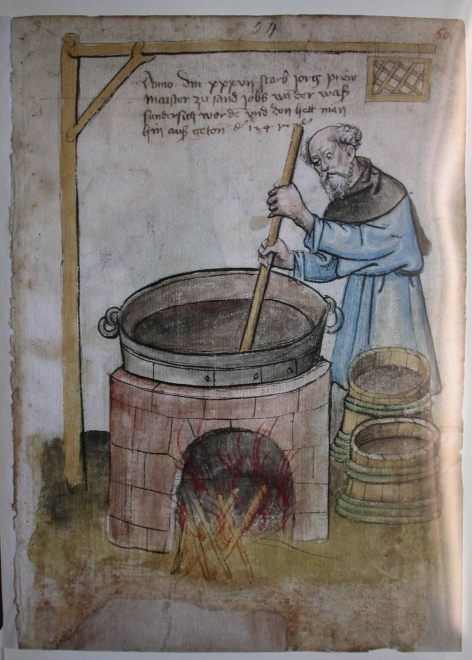
Abb. 8: Jorg Prewmaister, Mendel Band I (1437), Seite 60 

“Someone Has to Play Patroclus!”

Herodian, History 4.8:

“Caracalla came to Ilium, and as he visited all of the ruins of the city, he came to the tomb of Achilles. Decorating it lavishly with garlands and flowers, he imitated Achilles again. Seeking Patroclus, he did something like this. He had a particularly beloved freedman named Festus who was the chief imperial secretary. This man Festus died while Caracalla was in Ilium, and some say that he was taken off by poison so that he could have a funeral like Patroclus, but others say that he simply died of an illness.”

JL David Les funérailles de Patrocle.jpg
Jacques-Louis David, The Funeral Games of Patroclus

ἧκεν ἐς ῎Ιλιον. ἐπελθὼν δὲ πάντα τὰ τῆς πόλεως λείψανα, ἧκεν ἐπὶ τὸν ᾿Αχιλλέως τάφον, στεφάνοις τε κοσμήσας καὶ ἄνθεσι πολυτελῶς πάλιν ᾿Αχιλλέα ἐμιμεῖτο. ζητῶν δὲ καὶ Πάτροκλόν τινα ἐποίησέ τι τοιοῦτον. ἦν αὐτῷ τις τῶν ἀπελευθέρων φίλτατος, Φῆστος μὲν ὄνομα, τῆς δὲ βασιλείου μνήμης προεστώς. οὗτος ὄντος αὐτοῦ ἐν ᾿Ιλίῳ ἐτελεύτησεν, ὡς μέν τινες ἔλεγον, φαρμάκῳ ἀναιρεθεὶς ἵν’ ὡς Πάτροκλος ταφῇ, ὡς δ’ ἕτεροι ἔφασκον, νόσῳ διαφθαρείς.

Marcus Cato, Literary and Cultural Critic

Aulus Gellius, Attic Nights 11.8

“Marcus Cato is reported to have criticized Aulus Albinus rightly and efficiently. Albinus wrote a Roman history in the Greek language during the consulship of Lucius Lucullus [151 BCE].

In the introduction to his history he wrote something of the following sentiment: no one ought to seek to fault him if anything presented in the book was inaccurate or written inelegantly; “For”, he writes “I am a Roman man born in Latium and the Greek language is most foreign to me.”

For this, then, he sought a favor, freedom from a poor evaluation, if he made any mistake. When Marcus Cato read this, he said “Aulus, you are certainly no minor dilettante, since you prefer to apologize for a mistake rather than avoiding it. We ought to seek forgiveness when we have made a mistake accidentally or have wronged someone without choice. But tell me—who compelled you to do this thing you’re doing, the thing you ask to be forgiven before you do it?” This story is recorded in the thirteenth book of Cornelius Nepos’ On Illustrious Men.”

Iuste venusteque admodum reprehendisse dicitur Aulum Albinum M. Cato. 2 Albinus, qui cum L. Lucullo consul fuit, res Romanas oratione Graeca scriptitavit. 3 In eius historiae principio scriptum est ad hanc sententiam: neminem suscensere sibi convenire, si quid in his libris parum composite aut minus eleganter scriptum foret; “nam sum” inquit “homo Romanus natus in Latio, Graeca oratio a nobis alienissima est”, ideoque veniam gratiamque malae existimationis, si quid esset erratum, postulavit. 4 Ea cum legisset M. Cato: “Ne tu,” inquit “Aule, nimium nugator es, cum maluisti culpam deprecari, quam culpa vacare. Nam petere veniam solemus, aut cum inprudentes erravimus aut cum compulsi peccavimus. Tibi,” inquit “oro te, quis perpulit, ut id committeres, quod, Priusquam faceres, peteres, ut ignosceretur?” 5 Scriptum hoc est in libro Corneli Nepotis de inlustribus viris XIII.


Image result for Marcus Cato

The Colosseum and a Cluster of Charming Accidents

Henry James, A Roman Holiday:

“One of course never passes the Colosseum without paying it one’s respects–without going in under one of the hundred portals and crossing the long oval and sitting down a while, generally at the foot of the cross in the centre. I always feel, as I do so, as if I were seated in the depths of some Alpine valley. The upper portions of the side toward the Esquiline look as remote and lonely as an Alpine ridge, and you raise your eyes to their rugged sky-line, drinking in the sun and silvered by the blue air, with much the same feeling with which you would take in a grey cliff on which an eagle might lodge. This roughly mountainous quality of the great ruin is its chief interest; beauty of detail has pretty well vanished, especially since the high-growing wild-flowers have been plucked away by the new government, whose functionaries, surely, at certain points of their task, must have felt as if they shared the dreadful trade of those who gather samphire. Even if you are on your way to the Lateran you won’t grudge the twenty minutes it will take you, on leaving the Colosseum, to turn away under the Arch of Constantine, whose noble battered bas-reliefs, with the chain of tragic statues–fettered, drooping barbarians–round its summit, I assume you to have profoundly admired, toward the piazzetta of the church of San Giovanni e Paolo, on the slope of Caelian. No spot in Rome can show a cluster of more charming accidents.”

Veduta dellAnfiteatro Flavio detto il Colosseo, from: Vedute di Roma (Views of Rome)

Pliny on the Utility of Gossip

Pliny, Epistle 18 to Fadius Rufinus 12

“You now have all the city’s rumors: for all our gossip is Tullus. His estate sale is hotly anticipated. For he had so much that on that day when he purchased the largest gardens he also filled them with the most and most ancient statues. These were works of finest beauty in which he had forgotten!

If you have any news you think is worthy of sharing, don’t keep it from me. For human ears are always pleased by news, and we use these examples to learn the art of living. Farewell.”

Habes omnes fabulas urbis; nam sunt omnes fabulae Tullus. Exspectatur auctio: fuit enim tam copiosus, ut amplissimos hortos eodem quo emerat die instruxerit plurimis et antiquissimis statuis; tantum illi pulcherrimorum operum in horreis quae neglegebat. Invicem tu, si quid istic epistula dignum, ne gravare. Nam cum aures hominum novitate laetantur, tum ad rationem vitae exemplis erudimur. Vale.

Gossip
BL MS Royal 6 E VII


Love Libraries and Despise Fools

Robert Burton, The Anatomy of Melancholy 2.2.4:

“King James, 1605, when he came to see our University of Oxford, and amongst other edifices now went to view that famous library, renewed by Sir Thomas Bodley, in imitation of Alexander, at his departure brake out into that noble speech, If I were not a king, I would be a university man: and if it were so that I must be a prisoner, if I might have my wish, I would desire to have no other prison than that library, and to be chained together with so many good authors et mortuis magistris. So sweet is the delight of study, the more learning they have (as he that hath a dropsy, the more he drinks the thirstier he is) the more they covet to learn, and the last day is prioris discipulus [the student of the one before]; harsh at first learning is, radices amarae [bitter roots], but fructus dulces [sweet fruits], according to that of Isocrates, pleasant at last; the longer they live, the more they are enamoured with the Muses.

Heinsius, the keeper of the library at Leyden in Holland, was mewed up in it all the year long: and that which to thy thinking should have bred a loathing, caused in him a greater liking. I no sooner (saith he) come into the library, but I bolt the door to me, excluding lust, ambition, avarice, and all such vices, whose nurse is idleness, the mother of ignorance, and melancholy herself, and in the very lap of eternity, amongst so many divine souls, I take my seat, with so lofty a spirit and sweet content, that I pity all our great ones, and rich men that know not this happiness.

I am not ignorant in the meantime (notwithstanding this which I have said) how barbarously and basely, for the most part, our ruder gentry esteem of libraries and books, how they neglect and contemn so great a treasure, so inestimable a benefit, as Aesop’s cock did the jewel he found in the dunghill; and all through error, ignorance, and want of education. And ’tis a wonder, withal, to observe how much they will vainly cast away in unnecessary expenses, quot modis pereant (saith Erasmus) magnatibus pecuniae, quantum absumant alea, scorta, compotationes, profectiones non necessariae, pompae, bella quaesita, ambitio, colax, morio, ludio, &c., what in hawks, hounds, lawsuits, vain building, gormandising, drinking, sports, plays, pastimes, &c. If a well-minded man to the Muses, would sue to some of them for an exhibition, to the farther maintenance or enlargement of such a work, be it college, lecture, library, or whatsoever else may tend to the advancement of learning, they are so unwilling, so averse, that they had rather see these which are already, with such cost and care erected, utterly ruined, demolished or otherwise employed; for they repine many and grudge at such gifts and revenues so bestowed: and therefore it were in vain, as Erasmus well notes, vel ab his, vel a negotiatoribus qui se Mammonae dediderunt, improbum fortasse tale officium exigere, to solicit or ask anything of such men that are likely damned to riches; to this purpose. For my part I pity these men, stultos jubeo esse libenter, let them go as they are, in the catalogue of Ignoramus.”

Dialogus creaturarum moralisatus. [Geneva]: Jean Belot, 1500. Illustration at beginning of book (a1v). Sp Coll S. M. 1986.

Beginning with the End in Mind for 2500 Years

Isocrates, To the Children of Jason 7

“These are the reasons why I first said that the first principle to offer is one of the most frequently repeated. For I am in the habit of telling those who attend our school that the first thing they must consider is what must be accomplished by the whole speech and its parts. When we have figured this out and we judge it completely, then I say that we must think about the forms that will advance and complete the goal we have established.

Now, I offer this advice about argumentation but this also applies as a rule into all other matters and your affairs too. For nothing is able to be done in an intentional fashion if you do not first take an accounting and take council with great forethought of how you need to arrange the rest of your lives, what life work you should choose, what kind of reputation you should pursue, and what achievements you will delight in—whether they are those which come willingly from your fellow citizens or those they give up unwillingly.”

τούτου δ᾿ ἕνεκα ταῦτα προεῖπον, ὅτι τὸ πρῶτον ἐπιφερόμενον ἓν τῶν τεθρυλημένων ἐστίν. εἴθισμαι γὰρ λέγειν πρὸς τοὺς περὶ τὴν φιλοσοφίαν τὴν ἡμετέραν διατρίβοντας ὅτι τοῦτο πρῶτον δεῖ σκέψασθαι, τί τῷ λόγῳ καὶ τοῖς τοῦ λόγου μέρεσι διαπρακτέον ἐστίν· ἐπειδὰν δὲ τοῦθ᾿ εὕρωμεν καὶ διακριβωσώμεθα, ζητητέον εἶναί φημι τὰς ἰδέας δι᾿ ὧν ταῦτ᾿ ἐξεργασθήσεται καὶ λήψεται τέλος ὅπερ ὑπεθέμεθα. καὶ ταῦτα φράζω μὲν ἐπὶ τῶν λόγων, ἔστι δὲ τοῦτο στοιχεῖον καὶ κατὰ τῶν ἄλλων ἁπάντων καὶ κατὰ τῶν ὑμετέρων πραγμάτων. οὐδὲν γὰρ οἷόν τ᾿ ἐστὶ πραχθῆναι νοῦν ἐχόντως, ἂν μὴ τοῦτο πρῶτον μετὰ πολλῆς προνοίας λογίσησθε καὶ βουλεύσησθε, πῶς χρὴ τὸν ἐπίλοιπον χρόνον ὑμῶν αὐτῶν προστῆναι καὶ τίνα βίον προελέσθαι καὶ ποίας δόξης ὀριγνηθῆναι καὶ ποτέρας τῶν τιμῶν ἀγαπῆσαι, τὰς παρ᾿ ἑκόντων γιγνομένας ἢ τὰς παρ᾿ ἀκόντων τῶν πολιτῶν·

Libanius, Autobiography F90 17

“The education of the young had been taken up by people little different from the young themselves.”

τῆς ἀρχῆς τῶν νέων ὑπ᾿ ἀνδρῶν οὐ πολύ τι νέων διαφερόντων ἡρπασμένης

Image result for isocrates education