Quality over Quantity in Quotations: Do As We Say, Not As…

Aulus Gellius, Attic Nights Preface, 12-13

“But I did not have the same plan when I was making selections and notes as those many others. For all of them—and especially the Greeks—by reading many varied things in which they would underline certain matters “with a white line”—as the saying goes—they used to just mass everything together without concern for judgment, because they were only in pursuit of quantity.

The mind will tire quickly in reading these because before it finds one thing or another which might be a pleasure to read or nurturing to have heard or useful to remember. For this reason, because I have taken to heart that smartest word of the Ephesian that “knowing much doesn’t teaching you to think”, I wore myself out in rolling and returning many scrolls at every moment free from my regular business when I might be able to spare the time.

But I still selected very few portions from each which were ready and easy examples to provide quick and ready erudition or the study of the useful arts or to preserve people who are super busy with the obligations of life from a base and unsophisticated ignorance of words and things.”

Sed ne consilium quidem in excerpendis notandisque rebus idem mihi, quod plerisque illis, fuit. Namque illi omnes et eorum maxime Graeci, multa et varia lectitantes, in quas res cumque inciderant, “alba,” ut dicitur, “linea” sine cura discriminis solam copiam sectati converrebant, quibus in legendis ante animus senio ac taedio languebit quam unum alterumve reppererit quod sit aut voluptati legere aut cultui legisse aut usui meminisse. Ego vero, cum illud Ephesii viri summe nobilis verbum cordi haberem, quod profecto ita est πολυμαθίη νόον οὐ διδάσκει, ipse quidem volvendis transeundisque multis admodum voluminibus per omnia semper negotiorum intervalla in quibus furari otium potui exercitus defessusque sum, sed modica ex his eaque sola accepi quae aut ingenia prompta expeditaque ad honestae eruditionis cupidinem utiliumque artium contemplationem celeri facilique compendio ducerent aut homines aliis iam vitae negotiis occupatos a turpi certe agrestique rerum atque verborum imperitia vindicarent.
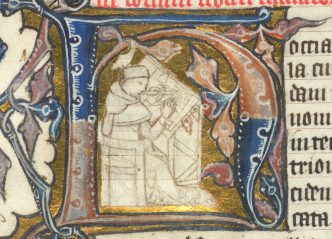
From Medievalists.net

Talking Too Much and the Work of Existing

Apollonius of Tyana, Letters [excerpts]

89 “Most people argue in defense of their own weaknesses but are prosecutors of others’ ”

Ἀπολλώνιος Σατύρῳ. Οἱ πολλοὶ τῶν ἀνθρώπων τῶν μὲν ἰδίων ἁμαρτημάτων συνήγοροι γίνονται, τῶν δὲ ἀλλοτρίων κατήγοροι.


90 “To not exist is nothing, but existing is work.”

Ἀπολλώνιος Δίωνι. Τὸ μὴ γενέσθαι οὐδέν, τὸ δὲ γενέσθαι πόνος.


93 “Talking too much leads to many mistakes; being silent is safe.”

Ἀπολλώνιος τοῖς γνωρίμοις. Πολυλογία πολλὰ σφάλματα ἔχει, τὸ δὲ σιγᾶν ἀσφαλές.


99 “We must not mourn the kinds of friends we have lost, but we should remember how great were the lives we lived with them”

Οὐ θρηνητέον οἵων φίλων ἐστερήθημεν, ἀλλὰ μνημονευτέον, ὅτι μετὰ τῶν φίλων τὴν καλλίστην βιοτὴν ἐβιοτεύσαμεν.

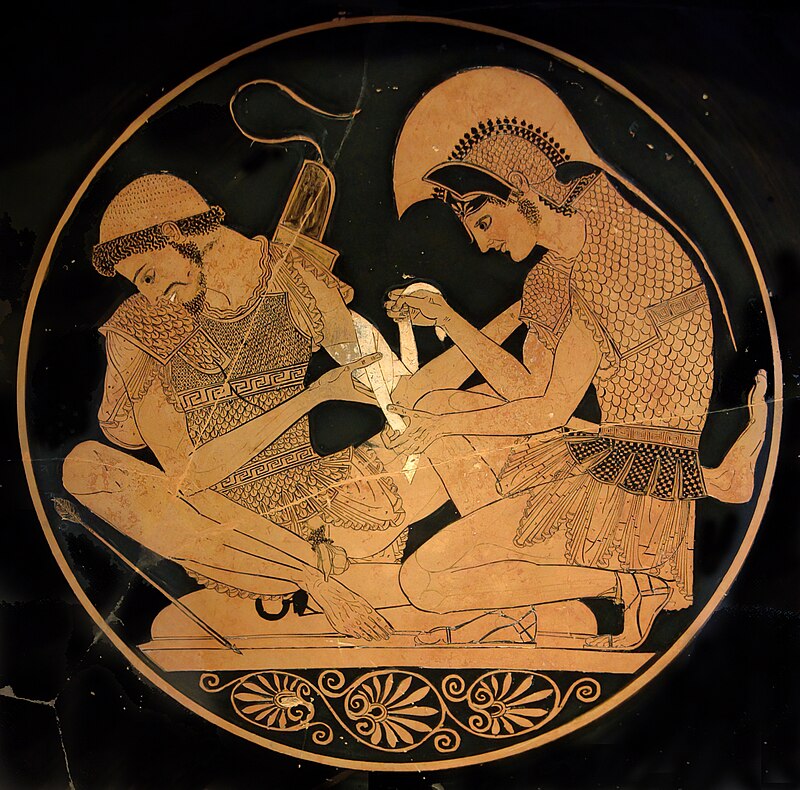
Achilles tending Patroclus wounded by an arrow, identified by inscriptions on the upper part of the vase. Tondo of an Attic red-figure kylix, ca. 500 BC. From Vulci.

Against Mosquitoes, A Love Poem

Greek Anthology 5.151: Meleager to Zenophila, his lover

“Sharp-buzzing mosquitoes, shameless suckers
Of human blood, wing-borne predators of the night,
I beg you to leave Zenophila alone for a while to sleep
In peace. Come here, fill yourselves on my limbs.
Ah, but why do I uselessly cry out loud: Unfeeling beasts
Also delight to find warmth in her delicate skin.
But I am warning you, evil things, do not be bold
Or you will learn the power of my envious hands.”

5.151 ΜΕΛΕΑΓΡΟΥ
εἰς Ζηνοφίλαν τὴν αὐτοῦ ἐρωμένην
Ὀξυβόαι κώνωπες, ἀναιδέες αἵματος ἀνδρῶν
σίφωνες, νυκτὸς κνώδαλα διπτέρυγα,
βαιὸν Ζηνοφίλαν, λίτομαι, πάρεθ᾽ ἥσυχον ὕπνῳ
εὕδειν, τἀμὰ δ᾽, ἰδού, σαρκοφαγεῖτε μέλη.
καίτοι πρὸς τί μάτην αὐδῶ; καὶ θῆρες ἄτεγκτοι
τέρπονται τρυφερῷ χρωτὶ χλιαινόμενοι.
ἀλλ᾽ ἔτι νῦν προλέγω, κακὰ θρέμματα, λήγετε τόλμης,
ἢ γνώσεσθε χερῶν ζηλοτύπων δύναμιν.

These are bees, but they are still terrifying. From bestiary.ca

Ancients vs. Moderns

R.C. Jebb, Richard Bentley (Chp. IV):

Sir William Temple, in his ‘Essay on Ancient and Modem Learning’ — published in 1692, and dedicated to his own University, Almae Matri Cantabrigiensi — was not less uncompromising in the opposite direction. His general view is that the Ancients surpassed the Moderns, not merely in art and literature, but also in every branch of science, though the records of their science have perished. ‘The Moderns,’ Temple adds, gather all their learning out of Books in the Universities.’ The Ancients, on the contrary, travelled with a view to original re- search, and advanced the limits of knowledge in their subjects by persistent interviews with reserved specialists in foreign parts. Thales and Pythagoras are Sir William’s models in this way.  Thales acquired his knowledge in Egypt, Phoenicia, Delphos, and Crete; Pythagoras spent twenty-two years in Egypt, and twelve years more in Chaldea; and then returned laden with all their stores.’ Temple’s performance was translated into French, and made quite a sensation in the Academy, — receiving, among other tributes, the disinterested homage of the Modern Horace.

Anger and Masks of Injury

Seneca, De Ira 5-8

“Some one will be said to have spoken badly of you: think whether you did this first; think of how many people you talk about. Let us think, I say, that some are not offending us, but repaying us; that some are doing good for us, that others are forced to act, and some are just ignorant. There are those who do what they do willingly and with full understanding who attach us not for the injury itself: one is either seduced by the sweetness of his wit; other does it not to move against us but because he cannot pursue his own aims unless he moves through us.

Often praise, although it flatters, offends. Whoever reminds himself of how many times he has encountered false suspicion or how many good services fortune has disguised with masks of injury, or how many people he learned to love after hating them, he will not anger quickly. As you are offended each time, say to yourself quietly: “I have done this myself.”

And where would you encounter a judge this just? The one who desires everyone’s wife and believes that it is just enough a reason to love her that someone else has her refuses to have his own wife seen. The traitor has the harshest demands on loyalty and the perjurer is obsessed with lies himself. The devious lawyer despises any charge made against him and the man who thinks nothing of his own shame will not abide the temptation of others. We keep everyone else’s vices in clear view, but own own behind our backs.”

Dicetur aliquis male de te locutus; cogita an prior feceris, cogita de quam multis loquaris. Cogitemus, inquam, alios non facere iniuriam sed reponere, alios pro nobis facere, alios coactos facere, alios ignorantes, etiam eos, qui volentes scientesque faciunt, ex iniuria nostra non ipsam iniuriam petere; aut dulcedine urbanitatis prolapsus est, aut fecit aliquid, non ut nobis obesset, sed quia consequi ipse non poterat, nisi nos repulisset; saepe adulatio, dum blanditur, offendit. Quisquis ad se rettulerit, quotiens ipse in suspicionem falsam inciderit, quam multis officiis suis fortuna speciem iniuriae induerit, quam multos post odium amare coeperit, poterit non statim irasci, utique si sibi tacitus ad singula quibus offenditur dixerit: “Hoc et ipse commisi.” Sed ubi tam aequum iudicem invenies? Is qui nullius non uxorem concupiscit et satis iustas causas putat amandi, quod aliena est, idem uxorem suam aspici non vult; et fidei acerrimus exactor est perfidus, et mendacia persequitur ipse periurus, et litem sibi inferri aegerrime calumniator patitur; pudicitiam servulorum suorum adtemptari non vult qui non pepercit suae. Aliena vitia in oculis habemus, a tergo nostra sunt.


File:Bronze Cavalry Sports Mask Roman 2nd century CE.jpg
Roman Calvary Sports Mask, MET

Turtle-eaters and Their Homes

Strabo 16

“The Khelônophagoi live underneath turtle shells that are big enough to sail in too. Some of them, because a lot of seaweed is cast onto the shore and makes piles as high as hills, dig into them and live inside. They dispose of corpses as food for fish by allowing them to be drawn away in the high tides.

Three islands are situated in a row: they are named Turtle Island, Seal Island, and Hawk Island. The whole shoreline has palm-trees, olive trees, and laurels and this is not just in the straits but on the outside too. There is a certain Philip’s island, facing which, above the coastline, is a hunting preserve for elephants which is called Pythangelos’ Hunting Ground.

Next to this is Arsinoê which has a city and harbor and beyond these, to Deirê above which is another hunting preserve for elephants. The land right above Deirê is rich in aromatics: the first part part produces myrrh—and it is the land of the Fish-Eaters and Meat-Eaters—and it also produces persea and the Egyptian sykamin. Beyond this land is Likha, another hunting ground for elephants. Frequently there are pools of rain water in the region and when these dry, the elephants dig with their tusks and teeth and uncover water.

On that coast, there are two enormous lakes extending up as far as the Pytholaian headland. One of them has salt water and they call it a sea; the other is fresh and contains both hippopotamuses and crocodiles. It also has papyrus on its shores. People also find the Ibis around this lake. Starting near the Pytholaus, the people who live there have unblemished bodies….”

  1. Οἱ δὲ Χελωνοφάγοι τοῖς ὀστράκοις αὐτῶν σκεπάζονται μεγάλοις οὖσιν, ὥστε καὶ πλεῖσθαι ἐν αὐτοῖς· ἔνιοι δὲ τοῦ φύκους ἀποβεβλημένου πολλοῦ καὶ θῖνας ὑψηλὰς καὶ λοφώδεις ποιοῦντος, ὑπορύττοντες ταύτας ὑποικοῦσι. τοὺς δὲ νεκροὺς ῥίπτουσι τροφὴν τοῖς ἰχθύσιν, ἀναλαμβανομένους ὑπὸ τῶν πλημμυρίδων. τῶν δὲ νήσων τινὲς τρεῖς ἐφεξῆς κεῖνται, ἡ μὲν Χελωνῶν, ἡ δὲ Φωκῶν, ἡ δ᾿ Ἱεράκων λεγομένη· πᾶσα δ᾿ ἡ παραλία φοίνικάς τε ἔχει καὶ ἐλαιῶνας καὶ δαφνῶνας, οὐχ ἡ ἐντὸς τῶν στενῶν μόνον, ἀλλὰ καὶ τῆς ἐκτὸς πολλή. ἔστι δέ τις καὶ Φιλίππου νῆσος, καθ᾿ ἣν ὑπέρκειται τὸ Πυθαγγέλου καλούμενον τῶν ἐλεφάντων κυνήγιον· εἶτ᾿ Ἀρσινόη πόλις καὶ λιμήν, καὶ μετὰ ταῦτα ἡ Δειρή· καὶ τούτων ὑπέρκειται θήρα τῶν ἐλεφάντων. ἀπὸ δὲ τῆς Δειρῆς ἡ ἐφεξῆς ἐστιν ἀρωματοφόρος, πρώτη μὲν ἡ τὴν σμύρναν φέρουσα (καὶ αὕτη μὲν Ἰχθυοφάγων καὶ Κρεοφάγων), φύει δὲ καὶ περσέαν καὶ συκάμινον Αἰγύπτιον· ὑπέρκειται δὲ ἡ Λίχα θήρα τῶν ἐλεφάντων· πολλαχοῦ δ᾿ εἰσὶ συστάδες τῶν ὀμβρίων ὑδάτων, ὧν ἀναξηρανθεισῶν οἱ ἐλέφαντες ταῖς προβοσκίσι καὶ τοῖς ὀδοῦσι φρεωρυχοῦσι καὶ ἀνευρίσκουσιν ὕδωρ. ἐν δὲ τῇ παραλίᾳ ταύτῃ μέχρι τοῦ Πυθολάου ἀκρωτηρίου δύο λίμναι εἰσὶν εὐμεγέθεις· ἡ μὲν ἁλμυροῦ ὕδατος, ἣν καλοῦσι θάλατταν, ἡ δὲ γλυκέος, ἣ τρέφει καὶ ἵππους ποταμίους καὶ κροκοδείλους, περὶ τὰ χείλη δὲ πάπυρον· ὁρῶνται δὲ καὶ ἴβεις περὶ τὸν τόπον. ἤδη δὲ καὶ οἱ πλησίον τῆς ἄκρας τῆς Πυθολάουτὰ σώματα ὁλόκληροί
Related image
Silver Turtle Stater from Aigina

Miraculous Things and Gullible People

Palaephatus, Peri Apistôn 1

“I have composed this work about unbelievable things because rather gullible people believe everything that is said because they are unfamiliar with wisdom or knowledge—but those who are naturally sharper and concerned with many things disbelieve that anything like these things happened at all.

It seems to be that everything which has been narrated happened—for names do not develop on their own when no story exists about them, instead the fact is there first and then a story develops later—but however many shapes and notions are described and existed in the past but do not exist now, these sorts of things never existed at all. For if anything existed at some point in the past, then it also exists now and will again in the future.

And I am always praising the authors Melissos and Lamiskos of Samos who say “What there was in the beginning exists now and will be. But the poets and the storytellers twisted what happened to more unbelievable and amazing things for the sake of surprising people. But I know that if these things couldn’t have happened at all they would not be stories.”

Τάδε περὶ τῶν ἀπίστων συγγέγραφα. ἀνθρώπων γὰρ οἱ μὲν εὐπειθέστεροι πείθονται πᾶσι τοῖς λεγομένοις, ὡς ἀνομίλητοι σοφίας καὶ ἐπιστήμης, οἱ δὲ πυκνότεροι τὴν φύσιν καὶ πολυπράγματοι ἀπιστοῦσι τὸ παράπαν μηδὲ γενέσθαι τι τούτων. ἐμοὶ δὲ δοκεῖ γενέσθαι πάντα τὰ λεγόμενα (οὐ γὰρ ὀνόματα μόνον ἐγένοντο, λόγος δὲ περὶ αὐτῶν οὐδεὶς ὑπῆρξεν· ἀλλὰ πρότερον ἐγένετο τὸ ἔργον, εἶθ’ οὕτως ὁ λόγος ὁ περὶ αὐτῶν)· ὅσα δὲ εἴδη καὶ μορφαί εἰσι λεγόμεναι καὶ γενόμεναι τότε, αἳ νῦν οὐκ εἰσί, τὰ τοιαῦτα οὐκ ἐγένοντο. εἰ γάρ <τί> ποτε καὶ ἄλλοτε ἐγένετο, καὶ νῦν  τε γίνεται καὶ αὖθις ἔσται. ἀεὶ δὲ ἔγωγε ἐπαινῶ τοὺς συγγραφέας Μέλισσον καὶ Λαμίσκον τὸν Σάμιον „ἐν ἀρχῇ” λέγοντας „ἔστιν ἃ ἐγένετο, καὶ νῦν ἔσται”. γενομένων δέ τινα οἱ ποιηταὶ καὶ λογογράφοι παρέτρεψαν εἰς τὸ ἀπιστότερον καὶ θαυμασιώτερον, τοῦ θαυμάζειν ἕνεκα τοὺς ἀνθρώπους. ἐγὼ δὲ γινώσκω ὅτι οὐ δύναται τὰ τοιαῦτα εἶναι οἷα καὶ λέγεται·

A bonnacon uses feces for weapons. 

I’m Not Avignour Shit!

Petrarch, Against a Man Who Slandered Italy (7):

O stony heart! O slippery and unrestrained tongue! What monstrosity of feral license is this? What temerity, not to say madness of speech (or perhaps I should say babbling) is this? To use a Homeric phrase, “what word has crossed the bulwark of your teeth?” Your voice should have stuck in the gullet, not burst forth into the open to offend the taste of every learned and pious person. I shall say what I think: if you had had any power of intellect, shame would have ripped the pen from you hands and prevented you from laying such a foundation for a shameful speech, on which nothing good could ever be built. What, I ask, is someone about to say other than the worst thing they can imagine when they begin in the opening of the speech by deprecating Rome – the seat of Peter – with inane words, while straining to raise Avignon, that shithole of the world and shameful den of barbarism, to the heavens?

O cor saxeum! o lubrica et effrenis lingua! Quenam hec feralis monstra licentie? Quenam ista temeritas, ne dicam rabies loquendi, dicam minus improprie, blaterandi? utque sermone utar homerico, “quod verbum sepem dentium transivit”? Debuit faucibus vox herere neque in apertum erumpere, doctis piisque omnibus stomacum concussura! Dicam certe quod sentio: siquid fuisset ingenii, pudor e manibus calamum extorsisset, ne fede prorsus orationis tale iaceret fundamentum, super quo boni nichil posset edificari. Quid enim, nisi pessimum, queso, dicturus sit qui, in ipso sermonis exordio, Petri sedem – Romam! – deprimens verbis inanibus, celotenus illam mundi fecem turpemque barbariem nitatur attollere?

Affirming Beliefs by Using Them

Plutarch, Progress in Virtue 79f

“People report these kinds of stories about Aeschylus too and of similar men. When Aeschylus was watching a boxing match at the Isthmian games, one of the boxers was hit and the crowd shouted out. Aeschylus elbowed Ion the Chian and said, “See how training works: the man says nothing when he is struck, but the spectators yell!”

When Brasidas caught some mouse in dried figs and it bit him, he let it got. Then, he said to himself, “By Herakles, there is nothing small or weak enough that it won’t try to live when it’s brave enough to defend itself.

Diogenes, once he witnessed a man drinking with his hands, threw his cup out of his bag. In this way, paying attention and observation make people ready to perceive anything which helps in the pursuit of virtue. This works better when people mix theories with actions, not merely, as Thucydides used to put it, “trying super hard when in peril” but also when facing pleasures and conflicts, when occupied with lawsuits and politics, in this way providing proof to themselves of their beliefs, or, perhaps, affirming their beliefs by using them.”

οἷα καὶ περὶ Αἰσχύλου λέγουσι καὶ περὶ ἄλλων ὁμοίων. Αἰσχύλος μὲν γὰρ Ἰσθμοῖ θεώμενος ἀγῶνα πυκτῶν, ἐπεὶ πληγέντος τοῦ ἑτέρου τὸ θέατρον ἐξέκραγε, νύξας Ἴωνα τὸν Χῖον “ὁρᾷς,” ἔφη, “οἷον ἡ ἄσκησίς ἐστιν1; ὁ πεπληγὼς σιωπᾷ, οἱ δὲ θεώμενοι βοῶσιν.” Βρασίδας δὲ μῦν τινα συλλαβὼν ἐν ἰσχάσι καὶ δηχθεὶς ἀφῆκεν· εἶτα πρὸς ἑαυτόν “ὦ Ἡράκλεις,” ἔφη, “ὡς οὐδέν ἐστι μικρὸν οὐδ᾿ ἀσθενές, ὃ μὴ ζήσεται τολμῶν ἀμύνεσθαι.” Διογένης δὲ τὸν πίνοντα ταῖς χερσὶ θεασάμενος τῆς πήρας ἐξέβαλε τὸ ποτήριον. οὕτω τὸ προσέχειν καὶ τετάσθαι τὴν ἄσκησιν αἰσθητικοὺς καὶ δεκτικοὺς ποιεῖ τῶν πρὸς ἀρετὴν φερόντων ἁπανταχόθεν. γίγνεται δὲ τοῦτο μᾶλλον ἂν τοὺς λόγους ταῖς πράξεσι μιγνύωσι, μὴ μόνον, ὡς Θουκυδίδης ἔλεγε, “μετὰ κινδύνων ποιούμενοι τὰς μελέτας,” ἀλλὰ καὶ πρὸς ἡδονὰς καὶ πρὸς ἔριδας καὶ περὶ κρίσεις καὶ συνηγορίας καὶ ἀρχάς, οἷον ἀπόδειξιν αὑτοῖς τῶν δογμάτων διδόντες, μᾶλλον δὲ τῷ χρῆσθαι ποιοῦντες τὰ δόγματα.

Black-figured ceramic depicting two boxers and a referee, Greek, 7th-5th centuries BCE

Arnold’s Not-So-Hot Takes on Classics

Lytton Strachey, Eminent Victorians:

The boys’ main study remained the dead languages of Greece and Rome. That the classics should form the basis of all teaching was an axiom with Dr. Arnold. ‘The study of language,’ he said, ‘seems to me as if it was given for the very purpose of forming the human mind in youth; and the Greek and Latin languages seem the very instruments by which this is to be effected.’ Certainly, there was something providential about it—from the point of view of the teacher as well as of the taught. If Greek and Latin had not been ‘given’ in that convenient manner, Dr. Arnold, who had spent his life in acquiring those languages, might have discovered that he had acquired them in vain. As it was, he could set the noses of his pupils to the grindstone of syntax and prosody with a clear conscience. Latin verses and Greek prepositions divided between them the labours of the week.

As time went on he became, he declared, ‘increasingly convinced that it is not knowledge, but the means of gaining knowledge which I have to teach’. The reading of the school was devoted almost entirely to selected passages from the prose writers of antiquity. ‘Boys,’ he remarked, ‘do not like poetry.’ Perhaps his own poetical taste was a little dubious; at any rate, it is certain that he considered the Greek Tragedians greatly overrated, and that he ranked Propertius as ‘an indifferent poet’. As for Aristophanes, owing to his strong moral disapprobation, he could not bring himself to read him until he was forty, when, it is true, he was much struck by the ‘Clouds’. But Juvenal, the Doctor could never bring himself to read at all.

Thomas Arnold by Thomas Phillips.jpg