Ignoring the Cause, Assailing the Symptoms

Euripides, Andromache 170-180 (Hermione speaking) (Full text on the Scaife Viewer)

“You are so far into ignorance, you pitiful woman,
That you dare to sleep with the man who killed
Your husband and to rear a child from a family that killed yours.
This is completely the barbarian way—
A father has sex with a daughter, a child with his mother,
A daughter with her brother and the dearest of relatives
Turn on each other in murder and no law restrains them!
Don’t bring those laws here. It is also not noble
For a man to have two women in his reins.
Everyone who desires to live apart from evil
Is happy to look to a single bed for sex.”

ἐς τοῦτο δ᾿ ἥκεις ἀμαθίας, δύστηνε σύ,
ἣ παιδὶ πατρὸς ὃς σὸν ὤλεσεν πόσιν
τολμᾷς ξυνεύδειν καὶ τέκν᾿ αὐθεντῶν πάρα
τίκτειν. τοιοῦτον πᾶν τὸ βάρβαρον γένος·
πατήρ τε θυγατρὶ παῖς τε μητρὶ μείγνυται
κόρη τ᾿ ἀδελφῷ, διὰ φόνου δ᾿ οἱ φίλτατοι
χωροῦσι, καὶ τῶνδ᾿ οὐδὲν ἐξείργει νόμος.
ἃ μὴ παρ᾿ ἡμᾶς ἔσφερ᾿· οὐδὲ γὰρ καλὸν
δυοῖν γυναικοῖν ἄνδρ᾿ ἕν᾿ ἡνίας ἔχειν,
ἀλλ᾿ ἐς μίαν βλέποντες εὐναίαν Κύπριν
στέργουσιν, ὅστις μὴ κακῶς οἰκεῖν θέλῃ.

387-393 (Andromache speaking)

“You do huge things for minor reasons—
Listen to me! Why are you hurting me? What’s the reason
What city did I betray? Which child of yours did I kill?
What home did I burn down? I was forced to bed
With my master. You’ll kill me and not him
When he is the cause of these things? You’ll ignore
The cause and just keep pounding on the symptom?”

ὦ μεγάλα πράσσων αἰτίας σμικρᾶς πέρι,
πιθοῦ· τί καίνεις μ᾿; ἀντὶ τοῦ; ποίαν πόλιν
προύδωκα; τίνα σῶν ἔκτανον παίδων ἐγώ;
ποῖον δ᾿ ἔπρησα δῶμ᾿; ἐκοιμήθην βίᾳ
σὺν δεσπόταισι· κᾆτ᾿ ἔμ᾿, οὐ κεῖνον κτενεῖς,
τὸν αἴτιον τῶνδ᾿, ἀλλὰ τὴν ἀρχὴν ἀφεὶς
πρὸς τὴν τελευτὴν ὑστέραν οὖσαν φέρῃ;

Go here for a reading of the play and a discussion of its themes (and here for the Reading Greek Tragedy Online Series):

“I Liked Book Six Before It Was Mainstream”

Edward Gibbon, Memoirs of My Life:

“My next publication was an accidental sally of love and resentment; of my reverence for modest genius, and my aversion for insolent pedantry. The sixth book of the Aeneid is the most pleasing and perfect composition of Latin poetry. The descent of Aeneas and the Sibyl to the infernal regions, to the world of spirits, expands an awful and boundless prospect, from the nocturnal gloom of the Cumaean grot,

          Ibant obscuri sola sub nocte per umbram,

to the meridian brightness of the Elysian fields;

          Largior hic campos aether et lumine vestit

          Purpureo

from the dreams of simple Nature, to the dreams, alas! of Egyptian theology, and the philosophy of the Greeks. But the final dismission of the hero through the ivory gate, whence

          Falsa ad coelum mittunt insomnia manes,

seems to dissolve the whole enchantment, and leaves the reader in a state of cold and anxious scepticism. This most lame and impotent conclusion has been variously imputed to the taste or irreligion of Virgil; but, according to the more elaborate interpretation of Bishop Warburton, the descent to hell is not a false, but a mimic scene; which represents the initiation of Aeneas, in the character of a law-giver, to the Eleusinian mysteries. This hypothesis, a singular chapter in the Divine Legation of Moses, had been admitted by many as true; it was praised by all as ingenious; nor had it been exposed, in a space of thirty years, to a fair and critical discussion. The learning and the abilities of the author had raised him to a just eminence; but he reigned the dictator and tyrant of the world of literature. The real merit of Warburton was degraded by the pride and presumption with which he pronounced his infallible decrees; in his polemic writings he lashed his antagonists without mercy or moderation; and his servile flatterers, (see the base and malignant Essay on the Delicacy of Friendship,) exalting the master critic far above Aristotle and Longinus, assaulted every modest dissenter who refused to consult the oracle, and to adore the idol. In a land of liberty, such despotism must provoke a general opposition, and the zeal of opposition is seldom candid or impartial.

A late professor of Oxford, (Dr. Lowth,) in a pointed and polished epistle, (Aug. 31, 1765,) defended himself, and attacked the Bishop; and, whatsoever might be the merits of an insignificant controversy, his victory was clearly established by the silent confusion of Warburton and his slaves. I too, without any private offence, was ambitious of breaking a lance against the giant’s shield; and in the beginning of the year 1770, my Critical Observations on the Sixth Book of the Aeneid were sent, without my name, to the press. In this short Essay, my first English publication, I aimed my strokes against the person and the hypothesis of Bishop Warburton. I proved, at least to my own satisfaction, that the ancient lawgivers did not invent the mysteries, and that Aeneas was never invested with the office of lawgiver: that there is not any argument, any circumstance, which can melt a fable into allegory, or remove the scene from the Lake Avernus to the Temple of Ceres: that such a wild supposition is equally injurious to the poet and the man: that if Virgil was not initiated he could not, if he were, he would not, reveal the secrets of the initiation: that the anathema of Horace (vetabo qui Cereris sacrum vulgarit, &c.) at once attests his own ignorance and the innocence of his friend.

As the Bishop of Gloucester and his party maintained a discreet silence, my critical disquisition was soon lost among the pamphlets of the day; but the public coldness was overbalanced to my feelings by the weighty approbation of the last and best editor of Virgil, Professor Heyne of Gottingen, who acquiesces in my confutation, and styles the unknown author, doctus – – – et elegantissimus Britannus. But I cannot resist the temptation of transcribing the favourable judgment of Mr. Hayley, himself a poet and a scholar ‘An intricate hypothesis, twisted into a long and laboured chain of quotation and argument, the Dissertation on the Sixth Book of Virgil, remained some time unrefuted. – – – At length, a superior, but anonymous, critic arose, who, in one of the most judicious and spirited essays that our nation has produced, on a point of classical literature, completely overturned this ill-founded edifice, and exposed the arrogance and futility of its assuming architect.’ He even condescends to justify an acrimony of style, which had been gently blamed by the more unbiassed German; ‘Paullo acrius quam velis – – – perstrinxit.’ But I cannot forgive myself the contemptuous treatment of a span who, with all his faults, was entitled to my esteem; and I can less forgive, in a personal attack, the cowardly concealment of my name and character.”

https://www.commonwealmagazine.org/sites/default/files/styles/article_full/public/mcnamara.jpg?itok=CUY92ocA

A Conversational Prompt for Awkward Silences at Holiday Meals

In his “Table-Talk”, Plutarch provides a series of conversations on specific topics. Here’s the first. Win over new friends and impress your family by bringing these topics to holiday meals!

Table Talk, Moralia 612-613: Question 1: 

(Full text on LacusCurtius)

“It is right to practice philosophy while drinking?”

The question of philosophizing while drinking has been put first of all—for you must remember that in Athens once there was a discussion after dinner whether it is right and what the limit is for having philosophical conversations while drinking. Ariston, one of those present, said “Dear Gods! Are there really people who don’t provide room for philosophers while drinking?”

I responded “Really, there are, my friend, and they say very seriously by way of explanation that philosophy has no more right to speak over wine than the lady of the house does. Indeed, they also claim that the Persians act rightly in drinking and dancing not with their wives but their mistresses instead.

They believe it is right that we introduce these things to our drinking party—acting, and music—and that we should not touch philosophy. For they also believe that it is not appropriate to play games with philosophy and that in these situations we are not in earnest moods. They claim, moreover, that Isocrates the sophist submitted to pleas to speak during wine only to say “I am skilled at matters not right for the present time; in matters right for the present time, I am not skilled.”

615

“And so philosophers, whenever they engage in subtle and dialogic problems while drinking, annoy most people who cannot follow them. These guests in turn commit to singing any kind of song, nonsense stories, and talk of business and the market. The aim of the shared space of the party goes out the window and Dioynsus himself is offended. In the same way, when Phrynichus and Aeschylus added myths to tragedy and suffering, people asked “What has this to do with Dionysus?”

Related image

Εἰ δεῖ φιλοσοφεῖν παρὰ πότον

Πρῶτον δὲ πάντων τέτακται τὸ περὶ τοῦ φιλοσοφεῖν παρὰ πότον. μέμνησαι γὰρ ὅτι, ζητήσεως Ἀθήνησι μετὰ δεῖπνον γενομένης εἰ χρηστέον ἐν οἴνῳ φιλοσόφοις λόγοις καὶ τί μέτρον ἔστι χρωμένοις, Ἀρίστων παρών, “εἰσὶν γάρ,” ἔφησε, “πρὸς τῶν θεῶν οἱ φιλοσόφοις χώραν ἐπ᾿ οἴνῳ μὴ διδόντες;”

Ἐγὼ δ᾿ εἶπον, “ἀλλὰ γὰρ εἰσίν, ὦ ἑταῖρε, καὶ πάνυ γε σεμνῶς κατειρωνευόμενοι λέγουσι μὴ δεῖν ὥσπερ οἰκοδέσποιναν ἐν οἴνῳ φθέγγεσθαι φιλοσοφίαν, καὶ τοὺς Πέρσας ὀρθῶς φασι μὴ ταῖς γαμεταῖς ἀλλὰ ταῖς παλλακίσι συμμεθύσκεσθαι καὶ συνορχεῖσθαι· ταὐτὸ δὴ καὶ ἡμᾶς ἀξιοῦσι ποιεῖν εἰς τὰ συμπόσια τὴν μουσικὴν καὶ τὴν ὑποκριτικὴν ἐπεισάγοντας φιλοσοφίαν δὲ μὴ κινοῦντας, ὡς οὔτε συμπαίζειν ἐκείνην ἐπιτήδειον οὖσαν οὔθ᾿ ἡμᾶς τηνικαῦτα σπουδαστικῶς ἔχοντας· οὐδὲ γὰρ Ἰσοκράτη τὸν σοφιστὴν ὑπομεῖναι δεομένων εἰπεῖν τι παρ᾿ οἶνον ἀλλ᾿ ἢ τοσοῦτον· ‘ἐν οἷς μὲν ἐγὼ δεινός, οὐχ ὁ νῦν καιρός· ἐν οἷς δ᾿ ὁ νῦν καιρός, οὐκ ἐγὼ δεινός.’”

615

οὕτω τοίνυν, ὅταν οἱ φιλόσοφοι παρὰ πότον εἰς λεπτὰ καὶ διαλεκτικὰ προβλήματα καταδύντες ἐνοχλῶσι τοῖς πολλοῖς ἕπεσθαι μὴ δυναμένοις, ἐκεῖνοι δὲ πάλιν ἐπ᾿ ᾠδάς τινας καὶ διηγήματα φλυαρώδη καὶ λόγους βαναύσους καὶ ἀγοραίους ἐμβάλωσιν ἑαυτούς, οἴχεται τῆς συμποτικῆς κοινωνίας τὸ τέλος καὶ καθύβρισται ὁ Διόνυσος. ὥσπερ οὖν, Φρυνίχου καὶ Αἰσχύλου τὴν τραγῳδίαν εἰς μύθους καὶ πάθη προαγόντων, ἐλέχθη τὸ ‘τί ταῦτα πρὸς τὸν Διόνυσον;’

No Politics and Religion at Dinner? Try Love Instead

In one topics for “Table-Talk”, Plutarch suggests the effects of love on a poet as a starting point…Of course, if you want debates about Love, the Symposia of Plato and Xenophon are good inspirations too…

Plutarch: “Table-Talk” Moralia 622 Why Do We Say that Eros Teaches a Poet? (Full text on LacusCurtius)

“The question “how it can be said truthful that “Love teaches the poet” even though he was songless before, was considered at Sossius’ house after some Sapphic verses were performed. Philoxenos claims that the Kyklops “cured love with well-voiced songs.”

Love is said to be clever at every kind of audacity and at furnishing ingenuity, just as Plato calls love “speedy” and “prepared for everything”. Indeed, love makes a quiet man talkative and the withdrawn man solicitous; it makes the carefree and easygoing person serious and sedulous. And what is especially wondrous, a cheap and miserly man, after he falls in love, becomes soft, compliant, and persuadable just as iron in fire.  Thus what seems like a joke is not completely absurd in the proverb “a lover’s purse is locked by an onion leaf”.

It has also been said that being in love is like being drunk. For it makes people hot, happy, and troubled–after they come into this state, they fall into speech that sounds like songs or verse. People claim Aeschylus wrote his tragedies while drinking, even completely drunk. My grandfather Lamprias was himself most innovative and insightful when he was drinking. He was in the habit of saying that just as with incense, he too was activated by warmth.

 In addition, people see the ones they want most sweetly—and are no less moved to praise them than to see them. In praise, love, voluble in everything, is the most effusive. When people are in love they want to persuade everyone how beautiful and good are the ones they love, because they believe it themselves.”

Image result for Ancient Greek Zephyrus and Hyacinthus vase

Πῶς εἴρηται τὸ “ποιητὴν δ᾿ ἄρα Ἔρως διδάσκει”

Πῶς εἴρηται τὸ ποιητὴν δ᾿ ἄραἜρως διδάσκει, κἂν ἄμουσος ᾖ τὸ πρίν ἐζητεῖτο παρὰ Σοσσίῳ Σαπφικῶν τινων ᾀσθέντων, ὅπου καὶ τὸν Κύκλωπα “μούσαις εὐφώνοις ἰᾶσθαι” φησὶ “τὸν ἔρωτα” Φιλόξενος. ἐλέχθη μὲν οὖν ὅτι πρὸς πάντα τόλμαν ὁ ἔρως καὶ καινοτομίαν συγχορηγῆσαι δεινός ἐστιν, ὥσπερ καὶ Πλάτων “ἴτην” αὐτὸν καὶ “παντὸς ἐπιχειρητὴν” ὠνόμασεν· καὶ γὰρ λάλον ποιεῖ τὸν σιωπηλὸν καὶ θεραπευτικὸν τὸν αἰσχυντηλόν, ἐπιμελῆ δὲ καὶ φιλόπονον τὸν ἀμελῆ καὶ ῥᾴθυμον· ὃ δ᾿ ἄν τις μάλιστα θαυμάσειεν, φειδωλὸς ἀνήρ τε καὶ μικρολόγος ἐμπεσὼν εἰς ἔρωτα καθάπερ εἰς πῦρ σίδηρος ἀνεθεὶς καὶ μαλαχθεὶς ἁπαλὸς καὶ ὑγρὸς καὶ ἡδίων, ὥστε τουτὶ τὸ παιζόμενον μὴ πάνυ φαίνεσθαι γελοῖον ὅτι “πράσου φύλλῳ τὸ τῶν ἐρώντων δέδεται βαλλάντιον.”

Ἐλέχθη δὲ καὶ ὅτι τῷ μεθύειν τὸ ἐρᾶν ὅμοιόν ἐστιν· ποιεῖ γὰρ θερμοὺς καὶ ἱλαροὺς καὶ διακεχυμένους, γενόμενοι δὲ τοιοῦτοι πρὸς τὰς ἐπῳδοὺς καὶ ἐμμέτρους μάλιστα φωνὰς ἐκφέρονται· καὶ τὸν Αἰσχύλον φασὶ τὰς τραγῳδίας πίνοντα ποιεῖν καὶ διαθερμαινόμενον. ἦν δὲ Λαμπρίας ὁ ἡμέτερος πάππος ἐν τῷ πίνειν εὑρετικώτατος αὐτὸς αὑτοῦ καὶ λογιώτατος· εἰώθει δὲ λέγειν ὅτι τῷ λιβανωτῷ παραπλησίως ὑπὸ θερμότητος ἀναθυμιᾶται. καὶ μὴν ἥδιστα τοὺς ἐρωμένους ὁρῶντες οὐχ ἧττον ἡδέως ἐγκωμιάζουσιν ἢ ὁρῶσιν, καὶ πρὸς πάντα λάλος ὢν ἔρως λαλίστατός ἐστιν ἐν τοῖς ἐπαίνοις. αὐτοί τε γὰρ οὕτως πεπεισμένοι τυγχάνουσιν καὶ βούλονται πεπεῖσθαι πάντας ὡς καλῶν καὶ ἀγαθῶν ἐρῶντες.

Dinners: Invitations and Guest-Lists for the Feasts

P. Oxy. 1485.

“The Exegete would love for you to dine today, the ninth day, at the temple of Demeter at the seventh hour”

Ἐρωτᾷ σαι διπν[ῆ-]σαι ὁ ἐξηγητὴ[ς] ἐν τῷ Δημητρίῳ σήμερον ἥτις ἐσ-τὶν θ ἀπὸ ὥρ(ας) ζ.

Here’ the beginning of Plutarch’s The Dinner of the Seven Wise Men to make you reconsider your guest-list for thanksgiving.

Moralia 146: Dinner of the Seven Wise Men (Full text on LacusCurtius)

“Nikarkhos, I guess that as time passes by it will impose a great darkness over events and total obscurity if even false accounts of what has just happened have belief. For, there was not a dinner of only seven men as you have heard, but there were more than twice as many—among whom I was present, since I was Periander’s friend thanks to my profession and a guest-friend of Thales who stayed at my home after Periander told him to.

Whoever it was who informed you of the events did not recall the speeches correctly—it is likely he was not one of the guests. But since I have a lot of free time and old age is too uncertain a thing to justify putting off the tale, I will tell you the entire story from the beginning which you are so eager to hear.”

Ἦ που προϊὼν ὁ χρόνος, ὦ Νίκαρχε, πολὺ σκότος ἐπάξει τοῖς πράγμασι καὶ πᾶσαν ἀσάφειαν, εἰ νῦν ἐπὶ προσφάτοις οὕτω καὶ νεαροῖς λόγοι ψευδεῖς συντεθέντες ἔχουσι πίστιν. οὔτε γὰρ μόνων, ὡς ὑμεῖς ἀκηκόατε, τῶν ἑπτὰ γέγονε τὸ συμπόσιον, ἀλλὰ πλειόνων ἢ δὶς τοσούτων (ἐν οἷς καὶ αὐτὸς ἤμην, συνήθης μὲν ὢν Περιάνδρῳ διὰ τὴν τέχνην, ξένος δὲ Θάλεω· παρ᾿ ἐμοὶ γὰρ κατέλυσεν ὁ ἀνὴρ Περιάνδρου κελεύσαντος), οὔτε τοὺς λόγους ὀρθῶς ἀπεμνημόνευσεν ὅστις ἦν ὑμῖν ὁ διηγούμενος· ἦν δ᾿ ὡς ἔοικεν οὐδεὶς τῶν παραγεγονότων. ἀλλ᾿ ἐπεὶ σχολή τε πάρεστι πολλὴ καὶ τὸ γῆρας οὐκ ἀξιόπιστον ἐγγυήσασθαι τὴν ἀναβολὴν τοῦ λόγου, προθυμουμένοις ὑμῖν ἀπ᾿ ἀρχῆς ἅπαντα διηγήσομαι.

Image result for Ancient Greek feasting

Nothing To Write about: Cicero Gives Up

Cicero to Atticus, 129 (VII.6) Formiae, ca. 18 December 50 (Full Latin text on the Scaife Viewer)

“There’s clearly nothing for me to write to you about. You know everything worth knowing and I have nothing to expect from you. Still, let me keep up our practice so that we don’t let anyone travel near you without a letter.

I am really afraid for our country. I have barely found anyone who doesn’t think we should give Caesar what he wants, rather than fighting with him.”

Plane deest quid ad te scribam. nota omnia tibi sunt, nec ipse habeo a te quod exspectem. tantum igitur nostrum illud sollemne servemus, ut ne quem istuc euntem sine litteris dimittamus.

De re publica valde timeo, nec adhuc fere inveni qui non concedendum putaret Caesari quod postularet potius quam depugnandum.

Heal Your Body and Soul This Holiday Season: Talk with Family and Friends

In the holiday season, take some time away from madness to refresh your soul with family and friends.

From the Suda (Full Greek text available on the Scaife Viewer)

“Pharmakon [medicine]: conversation, consoling, it comes from pherein [bringing] akos [relief/cure]. But it is also said to come from flowers.

Φάρμακον: παραμυθία, ὁμιλία, εἴρηται δὲ ἀπὸ τοῦ φέρειν τὴν ἄκεσιν: εἴρηται δὲ ἀπὸ τῶν ἀνθέων

Etym. Magn.

“Medicine: consolation, conversation. This is from pherein [to bear] and akos [relief], something close to pherakon

Φάρμακον: Παραμυθία, ὁμιλία· παρὰ τὸ φέρειν τὸ ἄκος, φέρακόν τι ὄν·

Chantraine s.v. pharmakon, after surveying various approaches to its etymology (mostly reflexes of pherô and PIE *bher-) concludes “la question de l’origine de pharmakon est insoluble en l’ état present de nos connaissances.”

But it seems that the medicinal/therapeutic power of conversation was a popular trope in several contexts.

Some Proverbs from Arsenius, Paroemiographer

“Only words [reason] is medicine for grief”

Λόγος μέν ἐστι φάρμακον λύπης μόνος.

“Conversation [ or ‘reason’] is the doctor for suffering in the soul”

Λόγος ἰατρὸς τοῦ κατὰ ψυχὴν πάθους.

The palliative and or curative effect of stories and speech appears with some frequency in Euripides (and then appears in other authors as well)

Euripides, fr. 1065

“Many words of the ancients still ring true:
Their fine stories are medicine for mortal fear.”

καὶ τῶν παλαιῶν πόλλ’ ἔπη καλῶς ἔχει·
λόγοι γὰρ ἐσθλοὶ φάρμακον φόβου βροτοῖς.

Euripides, fr. 1079

“Mortals have no other medicine for pain
Like the advice of a good man, a friend
Who has experience with this sickness.
A man who troubles then calms his thoughts with drinking,
Finds immediate pleasure, but laments twice as much later on.”

Οὐκ ἔστι λύπης ἄλλο φάρμακον βροτοῖς
ὡς ἀνδρὸς ἐσθλοῦ καὶ φίλου παραίνεσις.
ὅστις δὲ ταύτῃ τῇ νόσῳ ξυνὼν ἀνὴρ
μέθῃ ταράσσει καὶ γαληνίζει φρένα,
παραυτίχ’ ἡσθεὶς ὕστερον στένει διπλᾶ.

Eur. Fr. 962

“There are different medicines for different diseases.
A kind story [muthos] from friends for a man in grief;
Advice for someone playing the fool to excess”

. . . ἄλλ᾿ ἐπ᾿ ἄλλῃ φάρμακον κεῖται νόσῳ·
λυπουμένῳ μὲν μῦθος εὐμενὴς φίλων,
ἄγαν δὲ μωραίνοντι νουθετήματα.

Menander (fr. 591 K.).

“The man who is sick in the body needs a doctor;
someone who is sick in the mind needs a friend
For a well-meaning friend knows how to treat grief.”

Τῷ μὲν τὸ σῶμα † διατεθειμένῳ κακῶς
χρεία ‘στ’ ἰατροῦ, τῷ δὲ τὴν ψυχὴν φίλου·
λύπην γὰρ εὔνους οἶδε θεραπεύειν φίλος.

Attributed to Socrates (in Stobaeus)

“The sick need doctors; the unlucky need encouragement from friends.”

Τοῖς μὲν νοσοῦσιν ἰατρούς, τοῖς δ’ ἀτυχοῦσι φίλους δεῖ παραινεῖν.

Euripides, Alcestis, 962—966 (Full text on the Scaife Viewer)

I have leapt through the Muses
And soared high but
Even though I have tried most words
I have found nothing stronger than Necessity
Not any medicine at all.

᾿Εγὼ καὶ διὰ Μούσας
καὶ μετάρσιος ᾖξα καὶ
πλείστων ἁψάμενος λόγων
κρεῖσσον οὐδὲν ᾿Ανάγκας
εὗρον, οὐδέ τι φάρμακον.

Sotion, About Rage

“Consolation is the greatest medicine for anger,
It counters grief, anger, and brings forgetfulness from all evils.”

῞Οτι ἡ παραμυθία φάρμακον ἀνίας ἐστὶ μέγιστον,
νηπενθές τ’ ἄχολόν τε, κακῶν ἐπίληθον ἁπάντων.

Biôn (c. XIV Herm., XVIII Ahr.).

“Love should summon the Muses; the Muses should carry love.
The Muses—I hope—give song to me always when I need it,
Sweet song, no medicine is more pleasing!”

Μοίσας ῎Ερως καλέοι, Μοῖσαι τὸν ῎Ερωτα φέροιεν·
μολπὰν ταὶ Μοῖσαί μοι ἀεὶ ποθέοντι διδοῖεν,
τὰν γλυκερὰν μολπάν, τᾶς φάρμακον ἅδιον οὐδέν.

Image result for Ancient Greek friends

All of these quotes make me rethink the following from the Odyssey (14.399-400):

“Let us take pleasure from recalling one another’s grievous pains”

κήδεσιν ἀλλήλων τερπώμεθα λευγαλέοισι / μνωομένω

Kidnapping and Theft

Antiphanes, fr. 75 (=Athenaeus 490a)

“But I will tell you clearly:
If you know anything about the kidnapping of my child,
You need to tell me quickly before you’re hanged.”

ἀλλ᾿ ἐγὼ σαφῶς φράσω·
τῆς ἁρπαγῆς τοῦ παιδὸς εἰ ξύνοισθά τι,
ταχέως λέγειν χρὴ πρὶν κρέμασθαι.

Philo, On the Special Laws 339 (Full Greek text on the Scaife Viewer)

“The penalty for kidnapping and enslaving those from another country should be whatever the court will charge, but for those who kidnap and enslave their own people the penalty should be death without any appeal. For these people are your relatives, neighbors not far off from blood at a greater distance”

δίκη δ᾿ ἔστω κατὰ μὲν τῶν ἑτεροεθνεῖς ἀνδραποδισαμένων, ἣν ἂν τιμήσηται τὸ δικαστήριον, κατὰ δὲ τῶν τοὺς ὁμοφύλους πρὸς τῷ ἀνδραποδίσασθαι καὶ πεπρακότων θάνατος ἀπαραίτητος· ἤδη γὰρ οὗτοί γε συγγενεῖς εἰσιν οὐ πόρρω τῶν ἀφ᾿ αἵματος κατὰ μείζονα περιγραφὴν γειτνιῶντες.

Euripides, Children of Herakles 813–817 (Full text on the Scaife Viewer)

“This man who does not respect the people who listen to his words
Nor feel shame at his own cowardice when he’s a general,
Does not dare to come near a brave spear
But he’s the worst. Does a man like this
Come here to enslave the children of Herakles?”

ὁ δ᾿ οὔτε τοὺς κλύοντας αἰδεσθεὶς λόγων
οὔτ᾿ αὐτὸς αὑτοῦ δειλίαν στρατηγὸς ὢν
ἐλθεῖν ἐτόλμησ᾿ ἐγγὺς ἀλκίμου δορός,
ἀλλ᾿ ἦν κάκιστος· εἶτα τοιοῦτος γεγὼς
τοὺς Ἡρακλείους ἦλθε δουλώσων γόνους;

kidnap
From Woodhouse Greek-English Dictionary

Modern Tyrants Worse Than Caligula

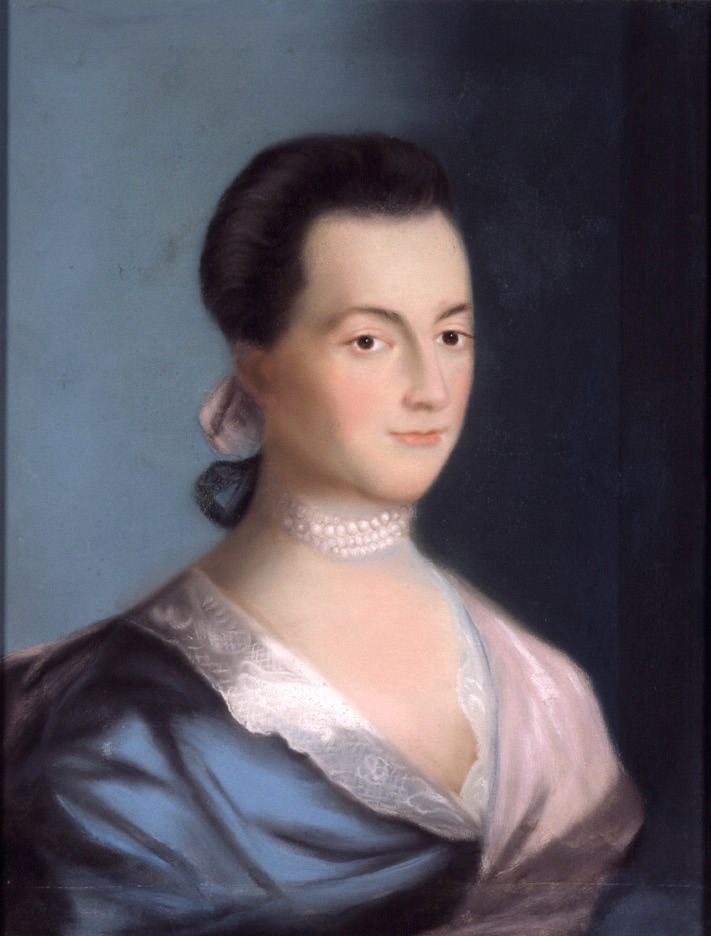
Abigail Adams, Letter to John Quincy Adams, June 10 1778:

You have enterd early in life upon the great Theater of the world which is full of temptations and vice of every kind. You are not wholy unacquainted with History, in which you have read of crimes which your unexperienced mind could scarcly believe credible. You have been taught to think of them with Horrour and to view vice as

a Monster of so frightfull Mein

That to be hated, needs but to be seen.

Yet you must keep a strict guard upon yourself, or the odious monster will soon loose its terror, by becomeing familiar to you. The Modern History of our own times furnishes as Black a list of crimes as can be paralleld in ancient time, even if we go back to Nero, Caligula or Ceasar Borgia. Young as you are, the cruel war into which we have been compelld by the Haughty Tyrant of Britain and the Bloody Emissarys of his vengance may stamp upon your mind this certain Truth, that the welfare and prosperity of all countries, communities and I may add individuals depend upon their Morals. That Nation to which we were once united as it has departed from justice, eluded and subverted the wise Laws which formerly governd it, sufferd the worst of crimes to go unpunished, has lost its valour, wisdom and Humanity, and from being the dread and terror of Europe, has sunk into derision and infamy.

Abigail Adams - Wikipedia

Publicly Exposed & Publicly Detested

Benjamin Franklin (as Silence Dogood), July 9 1722

To the Author of the New-England Courant.

Sir,

I prefer the following Abstract from the London Journal to any Thing of my own, and therefore shall present it to your Readers this week without any further Preface.

“Without Freedom of Thought, there can be no such Thing as Wisdom; and no such Thing as publick Liberty, without Freedom of Speech; which is the Right of every Man, as far as by it, he does not hurt or controul the Right of another: And this is the only Check it ought to suffer, and the only Bounds it ought to know.

“This sacred Privilege is so essential to free Governments, that the Security of Property, and the Freedom of Speech always go together; and in those wretched Countries where a Man cannot call his Tongue his own, he can scarce call any Thing else his own. Whoever would overthrow the Liberty of a Nation, must begin by subduing the Freeness of Speech; a Thing terrible to Publick Traytors.

“This Secret was so well known to the Court of King Charles the First, that his wicked Ministry procured a Proclamation, to forbid the People to talk of Parliaments, which those Traytors had laid aside. To assert the undoubted Right of the Subject, and defend his Majesty’s legal Prerogative, was called Disaffection, and punished as Sedition. Nay, People were forbid to talk of Religion in their Families: For the Priests had combined with the Ministers to cook up Tyranny, and suppress Truth and the Law, while the late King James, when Duke of York, went avowedly to Mass, Men were fined, imprisoned and undone, for saying he was a Papist: And that King Charles the Second might live more securely a Papist, there was an Act of Parliament made, declaring it Treason to say that he was one.

“That Men ought to speak well of their Governours is true, while their Governours deserve to be well spoken of; but to do publick Mischief, without hearing of it, is only the Prerogative and Felicity of Tyranny: A free People will be shewing that they are so, by their Freedom of Speech.

“The Administration of Government, is nothing else but the Attendance of the Trustees of the People upon the Interest and Affairs of the People: And as it is the Part and Business of the People, for whose Sake alone all publick Matters are, or ought to be transacted, to see whether they be well or ill transacted; so it is the Interest, and ought to be the Ambition, of all honest Magistrates, to have their Deeds openly examined, and publickly scann’d: Only the wicked Governours of Men dread what is said of them; Audivit Tiberius probra queis lacerabitur, atque perculsus est. The publick Censure was true, else he had not felt it bitter.

“Freedom of Speech is ever the Symptom, as well as the Effect of a good Government. In old Rome, all was left to the Judgment and Pleasure of the People, who examined the publick Proceedings with such Discretion, and censured those who administred them with such Equity and Mildness, that in the space of Three Hundred Years, not five publick Ministers suffered unjustly. Indeed whenever the Commons proceeded to Violence, the great Ones had been the Agressors.

Guilt only dreads Liberty of Speech, which drags it out of its lurking Holes, and exposes its Deformity and Horrour to Daylight. Horatius, Valerius, Cincinnatus, and other vertuous and undesigning Magistrates of the Roman Commonwealth, had nothing to fear from Liberty of Speech. Their virtuous Administration, the more it was examin’d, the more it brightned and gain’d by Enquiry. When Valerius in particular, was accused upon some slight grounds of affecting the Diadem; he, who was the first Minister of Rome, does not accuse the People for examining his Conduct, but approved his Innocence in a Speech to them; and gave such Satisfaction to them, and gained such Popularity to himself, that they gave him a new Name; inde cognomen factum Publicolae est; to denote that he was their Favourite and their Friend. Latae deinde leges—Ante omnes de provocatione Adversus Magistratus Ad Populum, Livii, lib. 2. Cap. 8.

“But Things afterwards took another Turn. Rome, with the Loss of its Liberty, lost also its Freedom of Speech; then Mens Words began to be feared and watched; and then first began the poysonous Race of Informers, banished indeed under the righteous Administration of Titus, Narva, Trajan, Aurelius, &c. but encouraged and enriched under the vile Ministry of Sejanus, Tigillinus, Pallas, and Cleander: Queri libet, quod in secreta nostra non inquirant principes, nisi quos Odimus, says Pliny to Trajan.

“The best Princes have ever encouraged and promoted Freedom of Speech; they know that upright Measures would defend themselves, and that all upright Men would defend them. Tacitus, speaking of the Reign of some of the Princes above mention’d, says with Extasy, Rara Temporum felicitate, ubi sentire quae velis, & quae sentias dicere licet: A blessed Time when you might think what you would, and speak what you thought.

“I doubt not but old Spencer and his Son, who were the Chief Ministers and Betrayers of Edward the Second, would have been very glad to have stopped the Mouths of all the honest Men in England. They dreaded to be called Traytors, because they were Traytors. And I dare say, Queen Elizabeth’s Walsingham, who deserved no Reproaches, feared none. Misrepresentation of publick Measures is easily overthrown, by representing publick Measures truly; when they are honest, they ought to be publickly known, that they may be publickly commended; but if they are knavish or pernicious, they ought to be publickly exposed, in order to be publickly detested.” Yours, &c.,

Silence Dogood

Benjamin Franklin - Wikipedia