Homeric Orchards and Trees: Metaphors for Origins and Reception

Simonides, fr. 6.3

“Simonides said that Hesiod is a gardener while Homer is a garland-weaver—the first planted the legends of the heroes and gods and then the second braided together them the garland of the Iliad and the Odyssey.”

Σιμωνίδης τὸν ῾Ησίοδον κηπουρὸν ἔλεγε, τὸν δὲ ῞Ομηρον στεφανηπλόκον, τὸν μὲν ὡς φυτεύσαντα τὰς περὶ θεῶν καὶ ἡρώων μυθολογίας, τὸν δὲ ὡς ἐξ αὐτῶν συμπλέξαντα τὸν᾿Ιλιάδος καὶ Οδυσσείας στέφανον.

MS M.644 fol. 252v
http://ica.themorgan.org/manuscript/page/98/110807

Take a minute and imagine a tree in a park or garden. Make it a really nice tree, one you’d notice and remember if you lingered on it a bit, one that has been well situated in its environment. Think about the tree’s imperfect symmetry, the way it occupies its space.

Now think about this: someone planted the tree; others tended to it and trimmed it; more people spent generations selecting this domesticated tree from its ancestral stock. Think about the uncountable hands that made this tree possible, the saplings transplanted, the varieties combined over time. What were their lives like? What stories did they tell? What were trees to them?

Then think about the tree’s beauty, its aesthetics. What makes us set this tree apart from others? What is essential about it? Our appreciation is based on other trees we might not remember as well as an entire ‘grammar’ of human beings and the environment. Like any other native language, you learned its basic syntax without trying. You have a sense of the way trees should be.

You probably judge a tree differently from a shrub for historical aesthetic reasons. You have expectations on what trees should do, how they should look, and what function they fulfill. You are mostly not cognizant of these assumptions. But you almost certainly have different notions about a shrub or a bush.

https://line.17qq.com/articles/wqsnnssky.html

Sure, the shrub comment may seem a bit of an aside, but it is really about genre. We have different sets of expectations for different categories of form based on explicit and implicit criteria.

Now, if someone asks you who is responsible for the tree, what do you say? Is it someone who designed the park? Is it a gardener? Is it the first person who imagined a tree in the garden?

Any single answer ignores those countless hands, minds, and environments that contributed to the treeness of this tree. It also ignores the salient fact that you are the one judging the tree and that your gaze is shaped by non-tree things.

For me, the Homeric epics are like that tree. They come out of a complex relationship between performance traditions, new technologies, and aesthetics that are both products and producers of the same song culture. The reception and transformation of this ancient song culture into something fixed and reanalyzed as a text with an author has shaped our own culture too.

How we respond to ‘arboreal’ questions is keyed into individual psychology and cultural discourse. We always simplify our interpretation of where the tree came from because our minds are too small to understand we are part of mind-networks and our lives are two abbreviated to trace time’s larger sweep. We impose simple origin stories on art and human products because it is hard to escape our own single experience of culture and see how it works in the aggregate.

(for more on Homer and psychology, see my recent book The Many-Minded Man)

These individual psychologies are shaped as well by a cultural system deeply interested in teleology and the import of design. Two aspects of this among many that interest me. First, our search for meaning in the empty universe encourages us to argue that design necessitates a designer. Second, our system of values and credit under capitalism emphasizes the metaphor of authorship as an opportunity for creating and maintaining value.

The two aspects are part of a shared problem: we assign meaning to the world we see based on patterns and human-mirroring things. We re-cast the pattern as a design and in that an intention we assign to authority and authors. So group activities that result in notable patterns are reanalyzed as communications of some type of an authorial intention.

And yet, we know that meaning is made from observation and reflection.

We impose a god/author model on complex things for cultural and psychological reasons. It is a fallacy to insist that design implies a designer when we recognize design as viewers conditioned to do so. The history of Homeric scholarship and its so-called ‘question’ (of which there are actually many) is dominated by the problem of design without an urgent exploration of what design may entail until the 20th century (in addition to work by Greg Nagy (recently Homer the Pre-Classic and Homer the Classic), see Casey Dué’s recent Achilles Unbound and Barbara Graziosi’s Inventing Homer).

There’s no smoking gun about Homeric authorship. There will never be a clear answer to the issue. That we care so much about it is a problem. it is, dare I say, the rot at the core of ‘western’ liberalism and capitalism, this desperate search for ancient authority combined with a pathological need to extract profit from everything.

In searching for “Homer”, most people find what they want to find. (Something Casey Due makes the case for in looking at the invention of Ossian). My experience of teaching, reading, and writing about the epics for over two decades is that people cleave almost painfully to what they believe about authorship and art before they really listen to the Homeric poems.. That’s also why I keep returning to the bench and thinking as much about who is thinking about Homer and why.

And when I turn back I think less in terms of “who wrote the Iliad” than what the people were like who domesticated the epics and set them aside and why we still look at them today.

Plato, Ion

“For poets certainly tell us that they bring us songs by drawing from the honey-flowing springs or certain gardens and glades of the Muses just like bees. And because they too are winged, they also speak the truth.”

Λέγουσι γὰρ δήπουθεν πρὸς ἡμᾶς οἱ ποιηταί, ὅτι ἀπὸ κρηνῶν μελιρρύτων ἢ ἐκ Μουσῶν κήπων τινῶν καὶ ναπῶν δρεπόμενοι τὰ μέλη ἡμῖν φέρουσιν ὥσπερ αἱ μέλιτται. καὶ αὐτοὶ οὕτω πετόμενοι, καὶ ἀληθῆ λέγουσι.

Trees in Homer: Paris’ Ship, Odysseus’ Raft, and Laertes’ Orchards

My metaphor of a tree for seeing Homer as something organic and exhibiting aesthetic beauty without a designing authority may seem a bit whimsical, if not outlandish. But I am in part inspired by what we find in Homer. In Homeric poetry trees are objects of wealth, inheritance and memory. They appear at a crucial moment in Odysseus’ return to Ithaca when he meets his father. Odysseus follows the patterns established earlier in the book and attempts to deceive his father before they both weep and he tries to prove who he is, first by pointing to his scar, and then by pointing to the trees.

Odyssey 24. 336–339

“But, come, if I may tell you about the trees through the well-founded orchard
The ones which you gave to me—when I was a child I asked you about each
As I followed you through the garden. We traced a path through them
And you named and spoke about each one.”

εἰ δ’ ἄγε τοι καὶ δένδρε’ ἐϋκτιμένην κατ’ ἀλῳὴν
εἴπω, ἅ μοί ποτ’ ἔδωκας, ἐγὼ δ’ ᾔτευν σε ἕκαστα
παιδνὸς ἐών, κατὰ κῆπον ἐπισπόμενος· διὰ δ’ αὐτῶν
ἱκνεύμεσθα, σὺ δ’ ὠνόμασας καὶ ἔειπες ἕκαστα.

As Erich Auerbach famously observes, Odysseus’ scar is an entry-point into a universe of aesthetic thought. As I see it it, the scar is a metonym for identity and story traditions. It marks experiences and potential stories to be told. The trees are metonyms for stories themselves and they have are metapoetic as well. Alex Purves (2010:228) characterizes steps as Odysseus “taking an imaginary walk through the orchard in his mind just as [Elizabeth] Minchin has suggested that Homer takes a cognitive walk through the Peloponnese in order to recount the Catalogue of Ships (2001: 84-7).”

As Elton Barker and I explore in Homer’s Thebes (78) Whether or not Laertes’ trees mind the Iliad’s Catalogue of Ships, the trees are suggestive of the stories that are or could be told. [Cf. Henderson 1997:87 for the trees as “epic wood.” So too, “… the trees may stand metonymically for epic poems… the combined product of nature and nurture which have been shaped by the judgment (aesthetic and political) of countless constant gardeners” (628).

Of course, these assertions seem strange if we don’t look at other Homeric trees. For me, a signal moment in epic poetry comes when Odysseus is authorized to build a raft to escape from Ogygia and try to return home. The narrative pays special attention to enumerating the trees and specifying Odysseus’ skill in using them: 

Odyssey 5.238-262

“She gave him the smooth axe and then took him on the path
To the farthest part of the island where the tale trees were growing,
Alder, ash and fir trees reaching to the sky,
Dry for a long time, long-seasoned, perfect for sailing.
Once she showed him where the great trees were growing,
Kalypso, the beautiful goddess, returned to her home,
While he was cutting out planks. The work went quickly.
He picked out twenty altogether and cut them with bronze.
He skillfully planed them down and made them straight with a level.
At the same time, the shining goddess Kalypso was bringing him augers
And he drilled all the pieces and fit them together.
As wide as a man who is skilled in wood-working
Traces out the line of a merchant ship—that’s
How wide Odysseus made his skiff.
Once he set up the deck beams he attached them to the
Close-placed ribs. And then he finished out the raft with long gunwales.
He fashioned a mast and placed on it a yard-arm.
He also made a rudder to steer with and then
He fashioned willow-branches and brush into a wall
To stand against the waves around the vessel.
And then Kalypso brought him a bolt of cloth
To make into a sail. He crafted that too, skillfully.
He tied into the raft braces, and restraints, and sheets
And using levers moved it down toward the shining sea.
It was the fourth day and everything was complete.”

…· ἦρχε δ’ ὁδοῖο
νήσου ἐπ’ ἐσχατιήν, ὅθι δένδρεα μακρὰ πεφύκει,
κλήθρη τ’ αἴγειρός τ’, ἐλάτη τ’ ἦν οὐρανομήκης,
αὖα πάλαι, περίκηλα, τά οἱ πλώοιεν ἐλαφρῶς.
αὐτὰρ ἐπεὶ δὴ δεῖξ’ ὅθι δένδρεα μακρὰ πεφύκει,
ἡ μὲν ἔβη πρὸς δῶμα Καλυψώ, δῖα θεάων,
αὐτὰρ ὁ τάμνετο δοῦρα· θοῶς δέ οἱ ἤνυτο ἔργον.
εἴκοσι δ’ ἔκβαλε πάντα, πελέκκησεν δ’ ἄρα χαλκῷ,
ξέσσε δ’ ἐπισταμένως καὶ ἐπὶ στάθμην ἴθυνε.
τόφρα δ’ ἔνεικε τέρετρα Καλυψώ, δῖα θεάων·
τέτρηνεν δ’ ἄρα πάντα καὶ ἥρμοσεν ἀλλήλοισι,
γόμφοισιν δ’ ἄρα τήν γε καὶ ἁρμονίῃσιν ἄρασσεν.
ὅσσον τίς τ’ ἔδαφος νηὸς τορνώσεται ἀνὴρ
φορτίδος εὐρείης, εὖ εἰδὼς τεκτοσυνάων,
τόσσον ἐπ’ εὐρεῖαν σχεδίην ποιήσατ’ ᾿Οδυσσεύς.
ἴκρια δὲ στήσας, ἀραρὼν θαμέσι σταμίνεσσι,
ποίει· ἀτὰρ μακρῇσιν ἐπηγκενίδεσσι τελεύτα.
ἐν δ’ ἱστὸν ποίει καὶ ἐπίκριον ἄρμενον αὐτῷ·
πρὸς δ’ ἄρα πηδάλιον ποιήσατο, ὄφρ’ ἰθύνοι.
φράξε δέ μιν ῥίπεσσι διαμπερὲς οἰσυΐνῃσι,
κύματος εἶλαρ ἔμεν· πολλὴν δ’ ἐπεχεύατο ὕλην.
τόφρα δὲ φάρε’ ἔνεικε Καλυψώ, δῖα θεάων,
ἱστία ποιήσασθαι· ὁ δ’ εὖ τεχνήσατο καὶ τά.
ἐν δ’ ὑπέρας τε κάλους τε πόδας τ’ ἐνέδησεν ἐν αὐτῇ,
μοχλοῖσιν δ’ ἄρα τήν γε κατείρυσεν εἰς ἅλα δῖαν.
τέτρατον ἦμαρ ἔην, καὶ τῷ τετέλεστο ἅπαντα·

Here we find a balance between nature and skill, between the material found and offered and the creative power of a maker authorized by a god. If the trees at the end of the Odyssey are symbols of tales that might be told, these Ogygian planks are echoes of stories that were told and lost. They also tell us about the relationship between narrative agent and story. As I write in my recent Many-Minded Man: “In this passage’s detail and the dramatization of Odysseus’s labors, the epic offers an anticipatory metaphor for the rebuilding of the hero’s identity. The material available has been there for years—it is not of Odysseus’s own making, but his skill and agency are critical for forming it into something new, something that can make a path or journey of its own. The selection of the trees stands in for the selection of stories and aspects of the self that will be reassembled as Odysseus journeys home.” ( 2020, 11).

But in this analysis, I might focus overmuch on the epic’s hero and not enough on the epic stuff itself. There is a relationship between the basic matter (the wood, the trees) and the stuff matter makes: ships, homes, vessels of meaning and vessels for meaning. It may be too cute to juxtapose, but there may be more to the Greek word for “matter” hule, which can also mean wood, than meets the eye.

Epic is deeply concerned with what comes after and some of its figures, like Hektor, imagine singular monuments, tombs that can be seen and act as reminders for men to come. In a way, the grave is a kind of scar left on the earth conveying its own story. But groves of trees and the ships they provide can carry on meaning and life in different ways. I am reminded here of a brief aside from the Iliad.

Iliad 5.59-68 

“Mêrionês then killed Phereklos, the son of the carpenter,
Son of Joiner, who knew who to fashion all sorts of intricate tings
With his hands. Pallas Athena loved him especially.
He is the one who designed Alexander’s fantastic ships,
Those kindlers of evil which brought evil on all the Trojans
And on him especially, since he understood nothing of the divine prophecies.
Well, Mêrionês, once he overtook him in pursuit,
Struck him through the right buttock. The sharp point
Went straight through his bladder under the bone.
He fell to his knee and groaned. Then death overtook him.

Μηριόνης δὲ Φέρεκλον ἐνήρατο, τέκτονος υἱὸν
῾Αρμονίδεω, ὃς χερσὶν ἐπίστατο δαίδαλα πάντα
τεύχειν· ἔξοχα γάρ μιν ἐφίλατο Παλλὰς ᾿Αθήνη·
ὃς καὶ ᾿Αλεξάνδρῳ τεκτήνατο νῆας ἐΐσας
ἀρχεκάκους, αἳ πᾶσι κακὸν Τρώεσσι γένοντο
οἷ τ’ αὐτῷ, ἐπεὶ οὔ τι θεῶν ἐκ θέσφατα ᾔδη.
τὸν μὲν Μηριόνης ὅτε δὴ κατέμαρπτε διώκων
βεβλήκει γλουτὸν κατὰ δεξιόν· ἣ δὲ διαπρὸ
ἀντικρὺ κατὰ κύστιν ὑπ’ ὀστέον ἤλυθ’ ἀκωκή·
γνὺξ δ’ ἔριπ’ οἰμώξας, θάνατος δέ μιν ἀμφεκάλυψε.

Ok, this passage may seem unconnected and offering it may seem indulgent even for me, but consider the way Phereklos is marked out as a carpenter’s son and how the ships that carried Paris to war are positioned as the vehicles of evil for them all.  While as scholiast (Schol. bT ad Il.5.59) glosses the name Phereklos as “one who brings the turmoil of war through the ships” (Φέρεκλος ὁ φέρων κλόνον διὰ τῶν νέων), I would also like to believe that name Phere-klos, might make someone think of ‘fame-bringer’. And the connection between poetic fame and the activity of the war arises elsewhere in this passage two.

Note that the this Phere-klos is the son of Harmonidês, a man who, according to the passage, is the one who build the ships “the bringers of evil” (ἀρχεκάκους) for Paris (those ships which carried him from Troy to Sparta…). The name Harmonidês is not insignificant: Gregory Nagy has etymologized Homer as “one who fits the song together”. Phereklos’ father is a “craftsman” (“tektôn”) who built the very ships that allowed his son (and Paris) to bring the conflict to Troy and generate the fame of the songs it generated. Here, the ships are positioned as the first steps in evil, but I would suggest, that as the means by which the songs themselves travel across the sea, the ships are, as products of specialized craftsmen, both metonymns for the stories themselves and necessary vehicles for their transmission.

And here, even if asymmetrical, I find myself considering a life-cycle of Homeric trees: the way one set were cut down to fan the flames of war that launched myriad ships; that others fell to bring Odysseus home to gaze upon his ancestral orchards, potentials tales to be told or curtailed…once Odysseus journeys to a land where no one remembers the sea.

“Nothing Wakes the Dead”: Your Weekly Reminder that Life is Short

IG IX,2 640 from Thessaly, c. ? from PHI

“They say either the Fates’ thread or some god’s rage
raged terribly at me, Parmonis, and violently
Rushed me out of bed unwillingly
when I was longing for my sweet husband Epitunkhanos.

If there is any memory for the dead, well, I led a blameless life—
Abandoning only my husband, a man I beg to stop
Torturing his heart with terrible grief and the terrible struggle.

For this is nothing more—since nothing wakes the dead—
Than wearing down the soul of those who still live. For there is nothing else.”

1 ἢ μίτος ὥς φασιν Μοιρῶν ἢ δαίμονος ὀργή,
ἥτις ἐμοὶ δεινῶς ἐχολώσατο καί με βιαίως
ἐξ εὐνῆς ποθέουσαν ἐμῆς ἀνδρὸς γλυκεροῖο
Παρμονὶν ἐξεδίωξε Ἐπιτυνχάνου οὐκ ἐθέλουσα[ν].

5 εἴ γέ τις οὖν μνήμη θνητοῖς, βίον ἔσχον ἄ[μ]εμπτον,
ἄνδρα μόνον στέρξασα, ὃν εἰσέτι θυμὸν ἀνώγω
παύσασθαι δεινοῦ πένθους δεινοῦ τε κυδοιμοῦ.
οὐδὲν γὰρ πλέον ἐστί —— θανόντα γὰρ οὐδὲν ἐγείρει ——
ἢ τείρει ψυχὴν ζώντων μόνον· ἄλλο γὰρ οὐδέν.
10 {²duae rosae partim deletae}²

Not quite sure about Παρμονὶν here, but I think it is her name…

Related image
A different Epitaph from the Museum of Fine Arts in St. Petersburg.


The Ruin Exceeding our Stockpiles

Ovid, Metamorphoses 7.523–528

“A terrible disease came over our people thanks to angry Juno
Who hated us because our land was named after her husband’s mistress.
As long as the evil was hidden because it seemed of mortal cause,
We tried to fight it with the art of medicine.
But the destruction was exceeding our stockpiles, which lay there open, conquered.”

dira lues ira populis Iunonis iniquae
incidit exosae dictas a paelice terras.
dum visum mortale malum tantaeque latebat
causa nocens cladis, pugnatum est arte medendi:
exitium superabat opem, quae victa iacebat.

Minos, Aeacus and Rhadamanthys by Ludwig Mack, Bildhauer

A Fact at the Center of a Case

Cicero, Pro Milone 53

“Let us now examine the thing at the center of this, that very place of the ambush where they came together and for which party had an advantage. Is it still possible to have any doubt about this or to think about it any longer?  Was it in front of Clodius’ home—a home where a thousand people could easily be housed because of those insanely large basements—was it there where Milo decided that he would choose this enemy on his higher ground when he was in a weaker position and for this very reason selected it as the best place for a fight?

The fact itself, sirs, is always pretty strong. If you were not listening to these matters but instead were viewing a picture it should still be clear which one of them was the aggressor…”

Videamus nunc id, quod caput est, locus ad insidias ille ipse, ubi congressi sunt, utri tandem fuerit aptior. Id vero, iudices, etiam dubitandum et diutius cogitandum est? Ante fundum Clodii, quo in fundo propter insanas illas substructiones facile hominum mille versabantur valentium, edito adversarii atque excelso loco superiorem se fore putarat Milo, et ob eam rem eum locum ad pugnam potissimum elegerat? An in eo loco est potius exspectatus ab eo, qui ipsius loci spe facere impetum cogitarat? Res loquitur ipsa, iudices, quae semper valet plurimum. Si haec non gesta audiretis, sed picta videretis, tamen appareret uter esset insidiator,

Image result for roman house lego
A Lego Roman Villa on Pinterest

Sickness and Knowledge

Sophocles, Trachiniae 1120-1121

“Say what you need to and leave! I am sick
And I can’t understand any of your ancient subtleties”

εἰπὼν ὃ χρῄζεις λῆξον· ὡς ἐγὼ νοσῶν
οὐδὲν ξυνίημ᾿ ὧν σὺ ποικίλλεις πάλαι.


Euripides, Orestes, 229-230

“Look, when someone is sick, their bed is dear.
It may be an annoying thing, but it’s still what they need.”

ἰδού. φίλον τοι τῷ νοσοῦντι δέμνια,
ἀνιαρὸν ὄντα κτῆμ᾿, ἀναγκαῖον δ᾿ ὅμως.

314-315

“Even if someone isn’t sick, but thinks they are,
They are struck by exhaustion and helplessness.”

κἂν μὴ νοσῇ γάρ, ἀλλὰ δοξάζῃ νοσεῖν,
κάματος βροτοῖσιν ἀπορία τε γίγνεται.

395-396

[Menelaos] “What thing do you suffer? What disease destroys you?
[Orestes]: “Understanding—that I know the terrible things I have done.”

ΜΕΝΕΛΑΟΣ τί χρῆμα πάσχεις; τίς σ᾿ ἀπόλλυσιν νόσος;
ΟΡΕΣΤΗΣ ἡ σύνεσις, ὅτι σύνοιδα δείν᾿ εἰργασμένος.

Hans Sebald Beham, The Death of Herakles

O Sappho, Who Wrongs You?

Sappho, fr. 1

Many-minded immortal Aphrodite,
Child of Zeus, plot weaver, I implore you:
Don’t with vexations and frustrations break
My heart, O queen.

Instead, come here, if ever in past times
From far off you heard, and heeded, my calls;
And quitting your father’s golden palace,
You came,

After yoking the chariot. Small birds,
Handsome, swift, bore you across the black earth.
Their fast wings whirred from the upper heavens
down through the middle air.

Quick, their arrival. Then you, blessed one,
A smile on your immortal countenance,
Asked: what is it, this time, that’s happened to me;
Why, this time, do I call;

And what does my crazed heart most desire:
“Whom, this time, must I persuade—
Go out, that is, and bring into your love?
O Sappho, who wrongs you?

Even if she’s fleeing, soon she’ll pursue.
If she’s refusing gifts, she’ll give them.
If she’s not in love, soon she’ll be in love—
Even if against her will.”

Come this time too. Release me from hard cares.
Whatever my heart wishes to see done,
Bring about. And you yourself, be my ally
In this fight.

ποικιλόφρον’ ἀθανάτ Ἀφρόδιτα,
παῖ Δίος δολόπλοκε, λίσσομαί σε,
μή μ’ ἄσαισι μηδ’ ὀνίαισι δάμνα,
πότνια, θῦμον,

ἀλλὰ τυίδ’ ἔλθ’, αἴ ποτα κἀτέρωτα
τὰς ἔμας αὔδας ἀίοισα πήλοι
ἔκλυες, πάτρος δὲ δόμον λίποισα
χρύσιον ἦλθες

ἄρμ’ ὐπασδεύξαισα· κάλοι δέ σ’ ἆγον
ὤκεες στροῦθοι περὶ γᾶς μελαίνας
πύκνα δίννεντες πτέρ’ ἀπ’ ὠράνωἴθε-
ρος διὰ μέσσω·

αἶψα δ’ ἐξίκοντο· σὺ δ’, ὦ μάκαιρα,
μειδιαίσαισ’ ἀθανάτωι προσώπωι
ἤρε’ ὄττι δηὖτε πέπονθα κὤττι
δηὖτε κάλημμι

κὤττι μοι μάλιστα θέλω γένεσθαι
μαινόλαι θύμωι· τίνα δηὖτε πείθω
[βαι]σ’ ἄγην ἐς σὰν φιλότατα; τίς σ’, ὦ
Ψάπφ’, ἀδικήει;

καὶ γὰρ αἰ φεύγει, ταχέως διώξει,
αἰ δὲ δῶρα μὴ δέκετ’, ἀλλὰ δώσει,
αἰ δὲ μὴ φίλει, ταχέως φιλήσει
κωὐκ ἐθέλοισα.

ἔλθε μοι καὶ νῦν, χαλέπαν δὲ λῦσον
ἐκ μερίμναν, ὄσσα δέ μοι τέλεσσαι
θῦμος ἰμέρρει, τέλεσον, σὺ δ’ αὔτα
σύμμαχος ἔσσο.

A wayward thought:

The conventional reading of the lyric assumes that the speaker is a lover (name: Sappho) who needs Aphrodite’s help to win (or punish) a reluctant beloved. An alternative interpretation: Sappho is a singer who needs Aphrodite’s help not to win a lover but to compose a persuasive love song. This reading turns first on the summons “come here” and “come”, and then on the god’s epiphany—or rather, the unexpected sounding of the god’s voice.

The temptation is to hear in the call to Aphrodite the traditional summons of lyric hymn. There, the suppliant speaker calls on the god to perform some beneficial task. For example, Anacreon 357:

On my knees I beg you,
Come to me,
Listen to my pleasing prayer:
To Cleobulus be
A good counselor so that he accepts
My love, O Dionysus.

In Sappho 1, things are somewhat different. The call to Aphrodite more resembles an invocation to the muse, the plea to enable song making (not find a lover). We might associate this practice with epic, but of course it exists in Archaic lyric too. Alcman 27:

Come, Muse Calliope, daughter of Zeus—
Begin with lovely verses—
Put charm into our hymn—
And make our dance a graceful one.

In Alcman’s figural language, the muse is to “begin” the very song Alcman himself is beginning to sing. Hesiod says of the muses, “they breathed into me wonderous song,” (Theog. 31-32) and Alcman asks the same of his muse. And so does Sappho. But what’s distinctive about Sappho is that she makes literal what is only metaphorical in the tradition. The voice of her responsive god literally issues from her throat as she sings her song (strophes 5 and 6). This is what it means for the god to have come: it is Aphrodite who “begins” when Sappho sings, enabling her song. The struggle of song-making: That’s the fight in which she needs an ally. In the absence of the allied muse, song-making would be an exercise in “vexations and frustrations.”

Anacreon 357 (excerpt)

γουνοῦμαί σε, σὺ δ’ εὐμενὴς
ἔλθ’ ἡμίν, κεχαρισμένης
δ’ εὐχωλῆς ἐπακούειν·
Κλεοβούλωι δ’ ἀγαθὸς γένεο
σύμβουλος, τὸν ἐμόν γ’ ἔρωτ’,
ὦ Δεόνυσε, δέχεσθαι.

Alcman 27

Μῶσ᾿ ἄγε Καλλιόπα, θύγατερ Διός,
ἄρχ᾿ ἐρατῶν ϝεπέων, ἐπὶ δ᾿ ἵμερον
ὕμνῳ καὶ χαρίεντα τίθη χορόν.

Terra Cotta amphora. Attributed to the Berlin Painter. c.490 BC. Young man singing and playing the Kythera. Metropolitan Museum of Art.

Larry Benn has a B.A. in English Literature from Harvard College, an M.Phil in English Literature from Oxford University, and a J.D. from Yale Law School. Making amends for a working life misspent in finance, he’s now a hobbyist in ancient languages and blogs at featsofgreek.blogspot.com.

“I Guess the Ancients Sucked Too…”

Lord Chesterfield, Letters to his Son (64)

I was convinced there had been no common sense nor common honesty in the world for these last fifteen hundred years; but that they were totally extinguished with the ancient Greek and Roman governments. Homer and Virgil could have no faults, because they were ancient; Milton and Tasso could have no merit, because they were modern. And I could almost have said, with regard to the ancients, what Cicero, very absurdly and unbecomingly for a philosopher, says with regard to Plato, ‘Cum quo errare malim quam cum aliis recte sentire’. Whereas now, without any extraordinary effort of genius, I have discovered that nature was the same three thousand years ago as it is at present; that men were but men then as well as now; that modes and customs vary often, but that human nature is always the same. And I can no more suppose that men were better, braver, or wiser, fifteen hundred or three thousand years ago, than I can suppose that the animals or vegetables were better then than they are now.

I dare assert too, in defiance of the favorers of the ancients, that Homer’s hero, Achilles, was both a brute and a scoundrel, and consequently an improper character for the hero of an epic poem; he had so little regard for his country, that he would not act in defense of it, because he had quarreled with Agamemnon about a w—-e; and then afterward, animated by private resentment only, he went about killing people basely, I will call it, because he knew himself invulnerable; and yet, invulnerable as he was, he wore the strongest armor in the world; which I humbly apprehend to be a blunder; for a horse-shoe clapped to his vulnerable heel would have been sufficient. On the other hand, with submission to the favorers of the moderns, I assert with Mr. Dryden, that the devil is in truth the hero of Milton’s poem; his plan, which he lays, pursues, and at last executes, being the subject of the poem.

From all which considerations I impartially conclude that the ancients had their excellencies and their defects, their virtues and their vices, just like the moderns; pedantry and affectation of learning decide clearly in favor of the former; vanity and ignorance, as peremptorily in favor of the latter. Religious prejudices kept pace with my classical ones; and there was a time when I thought it impossible for the honestest man in the world to be saved out of the pale of the Church of England, not considering that matters of opinion do not depend upon the will; and that it is as natural, and as allowable, that another man should differ in opinion from me, as that I should differ from him; and that if we are both sincere, we are both blameless; and should consequently have mutual indulgence for each other.

Let’s Talk About Sweat, Baby

sweating profusely” sudans multum, Fronto

“much sweat was pouring down” πολὺς δ’ ἐξέρρεεν ἱδρὼς, Quintus Smyrnaeus

Aristotle, Problems 2, 866b10 (Problems Concerning Sweat) Selections

“Why does head sweat not stink or at least stink less than that from the body? Is it because the top of the head is well aired?”

Διὰ τί ὁ ἱδρὼς ἐκ τῆς κεφαλῆς ἢ οὐκ ὄζει ἢ ἧττον | τοῦ ἐκ τοῦ σώματος; ἢ ὅτι εὔπνους ὁ τῆς κεφαλῆς τόπος

“Why does the face sweat most of all?”

Διὰ τί ἱδροῦσι μάλιστα τὰ πρόσωπα;

“Why do our backs sweat more than our fronts?”

Διὰ τί ἱδροῦμεν τὸν νῶτον μᾶλλον ἢ τὰ πρόσθεν;

“Why do we sweat less while we are toiling than when we stop?”

Διὰ τί ἧττον ἱδροῦσιν ἐν αὐτῷ τῷ πονεῖν ἢ ἀνέντες;

Hippocrates, Prorrhetic 1.39 (Full Greek text on the Scaife Viewer)

“To sweat acutely, especially with an unpleasant perspiration over the head, is bad; even more so if it comes with dark urine. Difficult breathing in these patients is bad” 
 
Οἱ ἐφιδρῶντες καὶ μάλιστα κεφαλὴν ἐν ὀξέσιν ὑποδύσφοροι, κακόν, ἄλλως τε καὶ ἐπ᾿ οὔροισι μέλασι, καὶ τὸ θολερὸν πνεῦμα ἐν τούτοισι κακόν.
 
Hippocrates, Coan Prenotions 561 (Full Greek text on the Scaife Viewer)
 
“The best sweat is one that breaks a fever on the necessary day, but one that brings relief is also useful. A cold sweat developing only around the head and neck is not good and also indicates limited time and danger.”
 
Ἱδρὼς ἄριστος μὲν ὁ λύων τὸν πυρετὸν ἐν ἡμέρῃ κρισίμῳ, χρήσιμος δὲ καὶ ὁ κουφίζων· ὁ δὲ ψυχρὸς καὶ μοῦνον περὶ κεφαλὴν καὶ τράχηλον γινόμενος, φλαῦρος, καὶ γὰρ χρόνον καὶ κίνδυνον σημαίνει.
 

Careful with that Ancient Learning!

Lord Chesterfield, Letters to His Son (Letter 30):

Some learned men, proud of their knowledge, only speak to decide, and give judgment without appeal; the consequence of which is, that mankind, provoked by the insult, and injured by the oppression, revolt; and, in order to shake off the tyranny, even call the lawful authority in question. The more you know, the modester you should be: and (by the bye) that modesty is the surest way of gratifying your vanity. Even where you are sure, seem rather doubtful; represent, but do not pronounce, and, if you would convince others, seem open to conviction yourself.

Others, to show their learning, or often from the prejudices of a school education, where they hear of nothing else, are always talking of the ancients, as something more than men, and of the moderns, as something less. They are never without a classic or two in their pockets; they stick to the old good sense; they read none of the modern trash; and will show you, plainly, that no improvement has been made, in any one art or science, these last seventeen hundred years. I would by no means have you disown your acquaintance with the ancients: but still less would I have you brag of an exclusive intimacy with them. Speak of the moderns without contempt, and of the ancients without idolatry; judge them all by their merits, but not by their ages; and if you happen to have an Elzevir classic in your pocket neither show it nor mention it.

Some great scholars, most absurdly, draw all their maxims, both for public and private life, from what they call parallel cases in the ancient authors; without considering, that, in the first place, there never were, since the creation of the world, two cases exactly parallel; and, in the next place, that there never was a case stated, or even known, by any historian, with every one of its circumstances; which, however, ought to be known, in order to be reasoned from. Reason upon the case itself, and the several circumstances that attend it, and act accordingly; but not from the authority of ancient poets, or historians. Take into your consideration, if you please, cases seemingly analogous; but take them as helps only, not as guides. We are really so prejudiced by our education, that, as the ancients deified their heroes, we deify their madmen; of which, with all due regard for antiquity, I take Leonidas and Curtius to have been two distinguished ones. And yet a solid pedant would, in a speech in parliament, relative to a tax of two pence in the pound upon some community or other, quote those two heroes, as examples of what we ought to do and suffer for our country. I have known these absurdities carried so far by people of injudicious learning, that I should not be surprised, if some of them were to propose, while we are at war with the Gauls, that a number of geese should be kept in the Tower, upon account of the infinite advantage which Rome received IN A PARALLEL CASE, from a certain number of geese in the Capitol. This way of reasoning, and this way of speaking, will always form a poor politician, and a puerile declaimer.

There is another species of learned men, who, though less dogmatical and supercilious, are not less impertinent. These are the communicative and shining pedants, who adorn their conversation, even with women, by happy quotations of Greek and Latin; and who have contracted such a familiarity with the Greek and Roman authors, that they, call them by certain names or epithets denoting intimacy. As OLD Homer; that SLY ROGUE Horace; MARO, instead of Virgil; and Naso, Instead of Ovid. These are often imitated by coxcombs, who have no learning at all; but who have got some names and some scraps of ancient authors by heart, which they improperly and impertinently retail in all companies, in hopes of passing for scholars. If, therefore, you would avoid the accusation of pedantry on one hand, or the suspicion of ignorance on the other, abstain from learned ostentation. Speak the language of the company that you are in; speak it purely, and unlarded with any other. Never seem wiser, nor more learned, than the people you are with. Wear your learning, like your watch, in a private pocket: and do not pull it out and strike it; merely to show that you have one. If you are asked what o’clock it is, tell it; but do not proclaim it hourly and unasked, like the watchman.

Upon the whole, remember that learning (I mean Greek and Roman learning) is a most useful and necessary ornament, which it is shameful not to be master of; but, at the same time most carefully avoid those errors and abuses which I have mentioned, and which too often attend it. Remember, too, that great modern knowledge is still more necessary than ancient; and that you had better know perfectly the present, than the old state of Europe; though I would have you well acquainted with both.

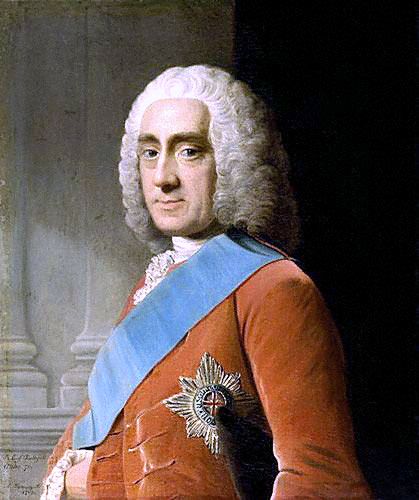
Philip Stanhope, 4th Earl of Chesterfield.PNG

Unmasking Characters In Power

Plutarch, Life of Sulla 30 5.10

“It is understandable that he brought a prejudice on the highest offices in the land, which would no longer allow people to return the characters they started with, but instead could make them mean, boastful, and inhumane. Whether this is a movement or a change of nature because of chance or it is an unmasking of the truth when there is evil in authority, some other investigation will discover.”

εἰκότως προσετρίψατο ταῖς μεγάλαις ἐξουσίαις διαβολὴν ὡς τὰ ἤθη μένειν οὐκ ἐώσαις ἐπὶ τῶν ἐξ ἀρχῆς τρόπων, ἀλλ’ ἔμπληκτα καὶ χαῦνα καὶ ἀπάνθρωπα ποιούσαις.  τοῦτο μὲν οὖν εἴτε κίνησίς ἐστι καὶ μεταβολὴ φύσεως ὑπὸ τύχης, εἴτε μᾶλλον ὑποκειμένης ἀποκάλυψις ἐν ἐξουσίᾳ κακίας, ἑτέρα τις ἂν διορίσειε πραγματεία.

ἀποκαλύπτειν, [anakaluptein] “to unveil, uncover,” perhaps, “unmask”; “to disclose or uncover one’s mind”

ἀποκάλυψις, ἡ [apokalupsis]: “a revelation, disclosure, making known of a fault”, perhaps “unmasking”

From Wikimedia Commons