A Hydrophilic High: Aelian on the Effects of Medicinal Seahorse

Aelian, De Natura Animalium 14.20

“Some people who know a lot about fishing claim that the stomach of a sea-horse—if someone dissolves it in wine after boiling it and gives it to someone to drink—is an extraordinary potion combined with wine, when compared to other medicines. For, at first, the most severe retching overcomes anyone who drinks it and then a dry coughing fit takes over even though he vomits nothing at all, and then: the upper part of his stomach grows and swells; warm spells roll over his head; and, finally, snot pours from his nose and releases a fishy smell. Then his eyes turn blood-red and heated while his eye-lids swell up.

They claim that a desire to vomit overwhelms him but that he can bring nothing up. If nature wins, then he evades death and slips away into forgetfulness and insanity. But if the wine permeates his lower stomach, there is nothing to be done, and the individual dies eventually. Those who do survive, once they have wandered into insanity, are gripped by a great desire for water: they thirst to sea water and hear it splashing. And this, at least, soothes them and makes them sleep. Then they like to spend their time either by endlessly flowing rivers or near seashores or next to streams or some lakes. And even though they don’t want to drink, they love to swim, to put their feet in the water, and to wash their hands.”

  1. Λέγουσι δὲ ἄνδρες ἁλιείας ἐπιστήμονες, τὴν τοῦ ἱπποκάμπου γαστέρα εἴ τις ἐν οἴνῳ κατατήξειενἕψων καὶ τοῦτον δοίη τινὶ πιεῖν, φάρμακον εἶναι τὸν οἶνον ἄηθες ὡς πρὸς τὰ ἄλλα φάρμακα ἀντικρινόμενον· τὸν γάρ τοι πιόντα αὐτοῦ πρῶτον μὲν καταλαμβάνεσθαι λυγγὶ σφοδροτάτῃ, εἶτα βήττειν ξηρὰν βῆχα, καὶ στρεβλοῦσθαι μέν, ἀναπλεῖν δὲ αὐτῷ οὐδὲ ἕν, διογκοῦσθαι δὲ καὶ διοιδάνειν τὴν ἄνω γαστέρα, θερμά τε τῇ κεφαλῇ ἐπιπολάζειν ῥεύματα, καὶ διὰ τῆς ῥινὸς κατιέναι φλέγμα καὶ ἰχθυηρᾶς ὀσμῆς προσβάλλειν· τοὺς δὲ ὀφθαλμοὺς ὑφαίμους αὐτῷ γίνεσθαι καὶ πυρώδεις, τὰ βλέφαρα δὲ διογκοῦσθαι. ἐμέτων δὲ ἐπιθυμίαι ἐξάπτονταί φασιν, ἀναπλεῖ δὲ οὐδὲ ἕν. εἰ δὲ ἐκνικήσειεν ἡ φύσις, τὸν μὲν <τὸ> ἐς θάνατον σφαλερὸν παριέναι, ἐς λήθην δὲ ὑπολισθαίνειν καὶ παράνοιαν. ἐὰν δὲ ἐς τὴν κάτω γαστέρα διολίσθῃ, μηδὲν ἔτι εἶναι, πάντως δὲ ἀποθνήσκειν τὸν ἑαλωκότα. οἱ δὲ περιγενόμενοι ἐς παράνοια ἐξοκείλαντες ὕδατος ἱμέρῳ πολλῷ καταλαμβάνονται, καὶ ὁρᾶν διψῶσιν ὕδωρ καὶ ἀκούειν λειβομένου· καὶ τοῦτό γε αὐτοὺς καταβαυκαλᾷ καὶ κατευνάζει. καὶ διατρίβειν φιλοῦσιν ἢ παρὰ τοῖς ἀενάοις ποταμοῖς ἢ αἰγιαλῶν πλησίον ἢ παρὰ κρήναις ἢ λίμναις τισί, καὶ πιεῖν μὲν οὐ πάνυ <τι>7 γλίχονται, ἐρῶσι δὲ νήχεσθαι καὶ τέγγειν τὼ πόδε ἢ ἀπονίπτειν τὼ χεῖρε.


Phaenomena Italy, Naples, 1469 MS M.389 fol. 67v http://ica.themorgan.org/manuscript/page/34/112359


This is not a suggestion for experimentation drugs, as the Odyssey warns, might make you forget your homecoming

Battle Royale of the Bitter

Some unvarnished views on life, as expressed by the epigramist Palladas (c. 4th century CE) and the French moralist La Rochefoucauld (17th century):

[1] Wickedness

Palladas 10.95

I hate the man whose nature is two-fold:
Kind in words, but hostile in his actions.

La Rochefoucauld #197

There are people in whom one couldn’t expect evil without having seen it, but there’s no one in whom it ought to surprise us when we do see it.

[2] Death

Palladas 10.59

The fear of death is quite a painful grief,
And a mortal profits when freed from it.
So don’t lament a man’s exit from life:
There’s no further suffering after death.

La Rochefoucauld #23

Few people know death. One doesn’t ordinarily suffer it in accordance with a resolution, but in keeping with stupidity and custom; what’s more, most men die because they can’t stop themselves dying.

[3] Love

Palladas 11.385

Your love is a sham:
You do it out of fear and need.
Nothing is more untrue than love like that.

La Rochefoucauld #76

True love is like a spiritual apparition: everybody talks about it, but few people have seen it.

[4] Advice

Palladas 10.91

Whenever someone hates a man god loves,
He does something truly absurd:
Manifestly, he arms himself for battle
Against god himself!
From his envy he reaps immense bitterness.
One must love that man whom god loves.

La Rochefoucauld #93

Old people love to dole out good precepts in order to console themselves for no longer being able to set bad examples.

Palladas10.95

μισῶ τὸν ἄνδρα τὸν διπλοῦν πεφυκότα,
χρηστὸν λόγοισι, πολέμιον δὲ τοῖς τρόποις.

10.59

Προσδοκίη θανάτου πολυώδυνός ἐστιν ἀνίη:
τοῦτο δὲ κερδαίνει θνητὸς ἀπολλύμενος.
μὴ τοίνυν κλαύσῃς τὸν ἀπερχόμενον βιότοιο:
οὐδὲν γὰρ θανάτου δεύτερόν ἐστι πάθος.

11.385

πλαστὸν ἔχεις τὸν ἔρωτα, φόβῳ δὲ φιλεῖς καὶ ἀνάγκῃ:
τοῦ δὲ φιλεῖν οὕτως οὐδὲν ἀπιστότερον.

10.91

ὅταν στυγῇ τις ἄνδρα, τὸν θεὸς φιλεῖ,
οὗτος μεγίστην μωρίαν κατεισάγει:
φανερῶς γάρ αὐτῷ τῷ θεῷ κορύσσεται,
χόλον μέγιστον ἐκ φθόνου δεδεγμένος,
δεῖ γὰρ φιλεῖν ἐκεῖνον, ὃν θεὸς φιλεῖ.

La Rochefoucauld #197

Il y a des gens de qui l’on peut ne jamais croire du mal sans l’avoir vu; mais il n’y en a point en qui il nous doive surprendre en le voyant.

#23

Peu de gens connaissent la mort. On ne la souffre pas ordinairement par résolution, mais par stupidité et par coutume; et la plupart des hommes meurent parce qu’on ne peut s’empêcher de mourir.

#76

Il est du véritable amour comme de l’apparition des esprits: tout le monde en parle, mais peu de gens en ont vu.

#93

Les vieillards aiment à donner de bons préceptes, pour se consoler de n’être plus en état de donner de mauvais exemples.

Detail of a print of Francois de La Rochefoucauld.
Credit: Getty Images/Hulton Archive.

Larry Benn has a B.A. in English Literature from Harvard College, an M.Phil in English Literature from Oxford University, and a J.D. from Yale Law School. Making amends for a working life misspent in finance, he’s now a hobbyist in ancient languages and blogs at featsofgreek.blogspot.com.

Fire Increases Life: Plutarch, Against Water

Plutarch, On Whether Fire or Water is Better, 958

“Since we have come to this point in the argument: what is more profitable to life than art? Fire exposed every art and preserves them. This is the reason poets have made Hephaistos the first craftsman. Since humans have been given only a little bit of life and—as Ariston puts it—sleep claims half of life like a tax-collector, I would say that darkness is important: even if it were possible to stay awake through the night, this vigil would be useless if fire did not provide the advantages of day to us and strip away the difference between day and night.

If there is nothing more important to people than life and fire increases life considerably, how could fire not be the most beneficial thing of all?”

Ἐπεὶ δὲ κατὰ τοῦτο τοῦ λόγου γεγόναμεν, τί τέχνης τῷ βίῳ λυσιτελέστερον; τέχνας δὲ πάσας καὶ ἀνεῦρε τὸ πῦρ καὶ σῴζει· διὸ καὶ τὸν Ἥφαιστον ἀρχηγὸν αὐτῶν ποιοῦσι. καὶ μὴν ὀλίγου χρόνου καὶ βίου τοῖς ἀνθρώποις δεδομένου, ὁ μὲν Ἀρίστων φησὶν ὅτι ὁ ὕπνος οἷον τελώνης τὸ ἥμισυ ἀφαιρεῖ τούτου· ἐγὼ δ᾿ ἂν εἴποιμ᾿ ὅτι σκότος· ἐγρηγορέναι ἂν εἴη διὰ νυκτός, ἀλλ᾿ οὐδὲν ἦν ὄφελος τῆς ἐγρηγόρσεως, εἰ μὴ τὸ πῦρ τὰ τῆς ἡμέρας ἡμῖν παρεῖχεν ἀγαθά, καὶ τὴν ἡμέρας καὶ νυκτὸς ἐξῄρει διαφοράν. εἰ τοίνυν τοῦ ζῆν οὐδὲν ἀνθρώποις λυσιτελέστερον καὶ τοῦτο πολλαπλασιάζει τὸ πῦρ, πῶς οὐκ ἂν εἴη πάντων ὠφελιμώτατον;

Image result for Ancient Greek fire

Large Leo and his Larger Wife

From the Suda

“Leôn, the son of Leôn. He was a Peripatetic philosopher and sophist, a student of Plato or, as some claim, of Aristotle. He wrote about the time of Philip and Byzantium in 7 books, Teuthrantikos, On Bêsaios, On The Sacred War, Concerning Disagreements, and A History of Alexander.

He was very fat. And when he was on a delegation to Athens he both prompted laughter and secured the embassy’s mission, all while he appeared drinking wine with an enormous belly. When he wasn’t at all troubled by the laughter, he said “Why are you laughing Athenians, because I am this fat? My wife is even fatter! And our bed is large enough when we are in agreement—but when we argue, the house is not.” The Athenians came together, united by Leôn who had acted so wisely at the right time.

Philip slandered Leôn when he was trying to keep him from Byzantium in a letter that went like this: “If I gave as much money to Leôn as he asked for, I could have taken Byzantium at the start!” When the people heard these things, they prepared to Attack Leôn’s home. Because he was afraid that they would stone him, he choked himself to death, a wretch who gained nothing from his wisdom and his words.”

Λέων, Λέοντος, Βυζάντιος, φιλόσοφος Περιπατητικὸς καὶ σοφιστής, μαθητὴς Πλάτωνος ἢ ὥς τινες Ἀριστοτέλους. ἔγραψε τὰ κατὰ Φίλιππον καὶ τὸ Βυζάντιον βιβλίοις ζ#, Τευθραντικόν, Περὶ Βησαίου, Τὸν ἱερὸν πόλεμον, Περὶ στάσεων, Τὰ κατ’ Ἀλέξανδρον. οὗτος ἦν σφόδρα παχύς. καὶ πρεσβεύσας πρὸς Ἀθηναίους γέλωτά τε ἐκίνησε καὶ τῆς πρεσβείας ἐκράτησεν, ἐπειδὴ πίων ἐφαίνετο καὶ περιττὸς τὴν γαστέρα. ταραχθεὶς δὲ οὐδὲν ἀπὸ τοῦ γέλωτος, τί, ἔφη, ὦ Ἀθηναῖοι γελᾶτε; ἢ ὅτι παχὺς ἐγὼ καὶ τοσοῦτος; ἔστι μοι καὶ γυνὴ πολλῷ παχυτέρα, καὶ ὁμονοοῦντας μὲν ἡμᾶς χωρεῖ ἡ κλίνη, διαφερομένους δὲ οὐδὲ ἡ οἰκία. καὶ εἰς ἓν ἦλθεν ὁ τῶν Ἀθηναίων δῆμος, ἁρμοσθεὶς ὑπὸ τοῦ Λέοντος, σαφῶς ἐπισχεδιάσαντος τῷ καιρῷ. οὗτος ὁ Λέων ἀποκρουόμενος τὸν Φίλιππον ἀπὸ τοῦ Βυζαντίου διεβλήθη παρὰ Φιλίππου πρὸς τοὺς Βυζαντίους δι’ ἐπιστολῆς, ἐχούσης οὕτως: εἰ τοσαῦτα χρήματα παρεῖχον Λέοντι, ὁπόσα με ᾐτεῖτο, ἐκ πρώτης ἂν ἔλαβον τὸ Βυζάντιον. ταῦτα ἀκούσαντος τοῦ δήμου καὶ ἐπισυστάντος τῇ οἰκίᾳ τοῦ Λέοντος, φοβηθεὶς μή πως λιθόλευστος παρ’ αὐτῶν γένηται, ἑαυτὸν ἦγξε, μηδὲν ἀπὸ τῆς σοφίας καὶ τῶν λόγων κερδάνας ὁ δείλαιος.


A good piece on obesity in Roman Art by Mark Bradley


Little By Little: Memory and Education

Plutarch, The Education of Children (Moralia 9)

It is especially important to train and practice children’s memory:  memory is the warehouse of learning. This is why we used to mythologize Memory as the mother of the Muses, making it clear through allegory that nothing creates and nourishes the way memory does. This should be trained in both cases, whether children have a good memory from the beginning or are naturally forgetful. For we may strengthen the inborn ability and supplement the deficiency. The first group will be better than others; but the second will be better than themselves. This is why the Hesiodic line rings true: “If you add a little by little, and you keep doing it, soon you can have something great.”

Parents should also not forget that a skill of memory contributes its great worth not only to education but to life’s actions in general. For the memory of past events becomes an example of good planning for future actions.”

Πάντων δὲ μάλιστα τὴν μνήμην τῶν παίδων ἀσκεῖν καὶ συνεθίζειν· αὕτη γὰρ ὥσπερ τῆς παιδείας ἐστὶ ταμιεῖον, καὶ διὰ τοῦτο μητέρα τῶν Μουσῶν ἐμυθολόγησαν εἶναι τὴν Μνημοσύνην, αἰνιττόμενοι καὶ παραδηλοῦντες ὅτι οὕτως οὐδὲν γεννᾶν καὶ τρέφειν ὡς ἡ μνήμη πέφυκε. καὶ τοίνυν ταύτην κατ᾿ ἀμφότερ᾿ ἐστὶν ἀσκητέον, εἴτ᾿ ἐκ φύσεως μνήμονες εἶεν οἱ παῖδες, εἴτε καὶ τοὐναντίον ἐπιλήσμονες. τὴν γὰρ πλεονεξίαν τῆς φύσεως ἐπιρρώσομεν, τὴν δ᾿ ἔλλειψιν ἀναπληρώσομεν· καὶ οἱ μὲν τῶν ἄλλων ἔσονται βελτίους, οἱ δ᾿ ἑαυτῶν. τὸ γὰρ Ἡσιόδειον καλῶς εἴρηται

εἰ γάρ κεν καὶ σμικρὸν ἐπὶ σμικρῷ καταθεῖο
καὶ θαμὰ τοῦτ᾿ ἔρδοις, τάχα κεν μέγα καὶ τὸ
γένοιτο.

μὴ λανθανέτω τοίνυν μηδὲ τοῦτο τοὺς πατέρας, ὅτι τὸ μνημονικὸν τῆς μαθήσεως μέρος οὐ μόνον πρὸς τὴν παιδείαν ἀλλὰ καὶ πρὸς τὰς τοῦ βίου πράξεις οὐκ ἐλαχίστην συμβάλλεται μοῖραν. ἡ γὰρ τῶν γεγενημένων πράξεων μνήμη τῆς περὶ τῶν μελλόντων εὐβουλίας γίγνεται παράδειγμα.

Image result for Ancient Roman School rooms

Wandering for Answers

Plato, Hippias Minor 376c

Hippias: “I can’t really agree with you on these things, Socrates.”

Socrates: “Huh, I can’t agree with myself either. But it seems like our current discussion must go there, at least.

This is what I haven been saying for a long time—I wander back and forth on these topics and they never seem the same to me. Really, it is not a surprise at all that I or any other normal person find ourselves adrift. But if you and the other experts get lost too, then it is pretty frightening for us since we can’t stop our wandering even after coming to you.”

ΙΠ. Οὐκ ἔχω ὅπως σοι συγχωρήσω, ὦ Σώκρατες, ταῦτα.

ΣΩ. Οὐδὲ γὰρ ἐγὼ ἐμοί, ὦ Ἱππία· ἀλλ᾿ ἀναγκαῖον οὕτω φαίνεσθαι νῦν γε ἡμῖν ἐκ τοῦ λόγου. ὅπερ μέντοι πάλαι ἔλεγον, ἐγὼ περὶ ταῦτα ἄνω καὶ κάτω πλανῶμαι καὶ οὐδέποτε ταὐτά μοι δοκεῖ· καὶ ἐμὲ μὲν οὐδὲν θαυμαστὸν πλανᾶσθαι οὐδὲ ἄλλον ἰδιώτην· εἰ δὲ καὶ ὑμεῖς πλανήσεσθε οἱ σοφοί, τοῦτο ἤδη καὶ ἡμῖν δεινόν, εἰ μηδὲ παρ᾿ ὑμᾶς ἀφικόμενοι παυσόμεθα τῆς πλάνης.

Indigo Girls, Closer to Fine

“And I went to see the doctor of philosophy
With a poster of Rasputin and a beard down to his knee
He never did marry or see a B-grade movie
He graded my performance, he said he could see through me
I spent four years prostrate to the higher mind
Got my paper and I was free”

Investigations of What Is and What Is Not

ἡ ἱστορίη: “investigation”
ἡ ἐπισκέψις: “investigation”
ἡ ζήτησις: “Investigation”,  ὁ ζητητής, “Investigator”

Herodotus, 1.1

“This is the testimony of the investigation of Herodotus of Halicarnassus, made so that the things people did may not be wiped clean by time…”

῾Ηροδότου Ἁλικαρνησσέος ἱστορίης ἀπόδεξις ἥδε, ὡς μήτε τὰ γενόμενα ἐξ ἀνθρώπων τῷ χρόνῳ ἐξίτηλα γένηται

Parmenides, Fr. D6

“There are only two paths of investigation to contemplate:
First, how something is and how it is possible not to be.
This is the way of belief for truth accompanies it.
The other is that it is not and how it is necessary that it not be.
This is a path I am showing you is completely useless to pursue.”

αἵπερ ὁδοὶ μοῦναι διζήσιός εἰσι νοῆσαι·
ἡ μὲν ὅπως ἔστιν τε καὶ ὡς οὐκ ἔστι μὴ εἶναι,
πειθοῦς ἐστι κέλευθος (ἀληθείῃ γὰρ ὀπηδεῖ),
ἡ δ’ ὡς οὐκ ἔστιν τε καὶ ὡς χρεών ἐστι μὴ εἶναι,
τὴν δή τοι φράζω παναπευθέα ἔμμεν ἀταρπόν·

Livy, Ab Urbe Condita 9.45

“After everything was investigated, he would share his findings with the senate…”

comperta omnia senatui relaturum

Suetonius, Lives of the Caesars 8 [Vespasian] 3

“I have not found any indications of this, although I have inquired desperately enough.”

Ipse ne vestigium quidem de hoc, quamvis satis curiose inquirerem, inveni.

Tacitus, Dialogus 15

“Ah, but if I could only convince one of you to investigate what the causes of this immense difference may be and tell us, a matter I often ask myself about.”

Ac velim impetratum ab aliquo vestrum ut causas huius infinitae differentiae scrutetur ac reddat, quas mecum ipse plerumque conquiro.

Cicero, De Fato 47

“This is only hoping, not an investigation.”

Optare hoc quidem est, non disputare


Renaissance Stagecoach Verse

Coleridge, Biographia Literaria  (XVI):

Not otherwise is it with the more polished poets of the fifteenth and sixteenth centuries, especially those of Italy. The imagery is almost always general: sun, moon, flowers, breezes, murmuring streams, warbling songsters, delicious shades, lovely damsels cruel as fair, nymphs, naiads, and goddesses, are the materials which are common to all, and which each shaped and arranged according to his judgment or fancy, little solicitous to add or to particularize. If we make an honourable exception in favour of some English poets, the thoughts too are as little novel as the images; and the fable of their narrative poems, for the most part drawn from mythology, or sources of equal notoriety, derive their chief attractions from the manner of treating them; from impassioned flow, or picturesque arrangement.

In opposition to the present age, and perhaps in as faulty an extreme, they placed the essence of poetry in the art. The excellence, at which they aimed, consisted in the exquisite polish of the diction, combined with perfect simplicity. This their prime object they attained by the avoidance of every word, which a gentleman would not use in dignified conversation, and of every word and phrase, which none but a learned man would use; by the studied position of words and phrases, so that not only each part should be melodious in itself, but contribute to the harmony of the whole, each note referring and conducting to the melody of all the foregoing and following words of the same period or stanza; and lastly with equal labour, the greater because unbetrayed, by the variation and various harmonies of their metrical movement.

Their measures, however, were not indebted for their variety to the introduction of new metres, such as have been attempted of late in the Alonzo and Imogen, and others borrowed from the German, having in their very mechanism a specific overpowering tune, to which the generous reader humours his voice and emphasis, with more indulgence to the author than attention to the meaning or quantity of the words; but which, to an ear familiar with the numerous sounds of the Greek and Roman poets, has an effect not unlike that of galloping over a paved road in a German stage-waggon without springs. On the contrary, the elder bards both of Italy and England produced a far greater as well as more charming variety by countless modifications, and subtle balances of sound in the common metres of their country. A lasting and enviable reputation awaits that man of genius, who should attempt and realize a union;—who should recall the high finish, the appropriateness, the facility, the delicate proportion, and above all, the perfusive and omnipresent grace, which have preserved, as in a shrine of precious amber, the Sparrow of Catullus, the Swallow, the Grasshopper, and all the other little loves of Anacreon; and which, with bright, though diminished glories, revisited the youth and early manhood of Christian Europe, in the vales of Arno, and the groves of Isis and of Cam; and who with these should combine the keener interest, deeper pathos, manlier reflection, and the fresher and more various imagery, which give a value and a name that will not pass away to the poets who have done honour to our own times, and to those of our immediate predecessors.

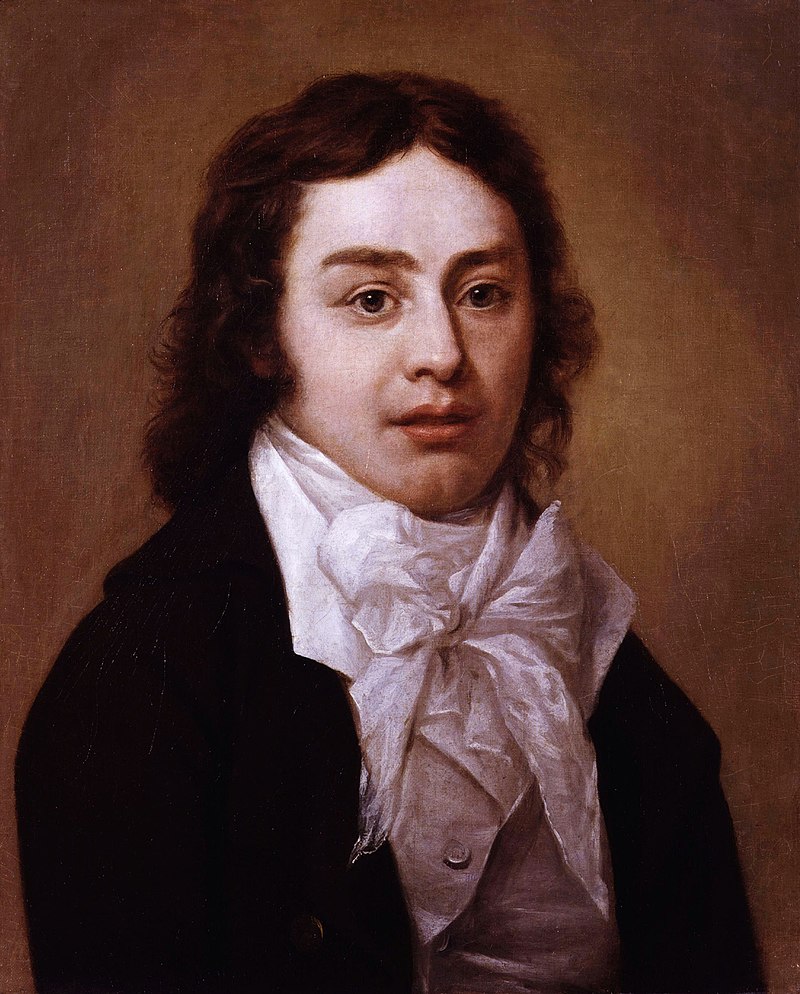
Coleridge in 1795

“I Lived a Sweet Life…”

CIRB 1192   (North Black Sea, 1st Century BCE)

“Gasteis and Adeimantos
The children of Khorêgiôn, hail!
Before, when I was alive I Gasteis was living a sweet life,
Leaving behind two children with my spouse.

But now my dear brother follows me to Hades’ home
Leaving a reverent daughter as a possession to his wife.
In imitating the deeds of the wondrous men of our country,
We have both obtained Hades’ pain.”

Γάστεις καὶ Ἀδε[ίμαντος?]
οἱ Χορηγίωνος, χ[αίρετε].
πρόσθε μὲν ἡδὺν ἐγὼ {ι} φ[αιδρῶς Γάστεις βίον ἔζων]
συμβίωι κουριδίωι τέκ[να δύο προλιπών].
νῦν δέ μοι εἰς Ἀΐδαο [δόμον φίλος ἕσπετ’ ἀδελφός],
σεμνὴν θυγατέρα κ[τῆμ’ ἀφιεὶς γαμετῆι].
θαυμασίους πάτρας μ̣[ιμούμενοι ἔργμασι φῶτας],
ἀϊδίου τύχ[ο]μεν κήδ[εος ἀμφότεροι].

Image result for funerary epitaph Hades greek
Pluto on a cinerary altar

A Deep Breath of Clean Air

Seneca, Oedipus 1042-60

“I reject you, speaker of fate, divine protector of truth.
I am in debt only to my father.
I am a double-parricide, more guilty, I fear, since
I killed my mother. She was done in by my crime.
Apollo, you liar, I have outdone my evil destiny.

I pursue lying paths with a trembling step.
Pulling myself away with each slowed print,
I guide my dark sight with a shaking right hand.
I move forward, unsure foot after slipping foot,
Go, flee, disappear. But, stop, don’t fall on mother.

Any who are tired at heart and overcome with sickness,
Lugging around a half-dead body, look at me: I am leaving.
Lift up your gaze to see, a lighter sky follows
My back. Whoever lies in isolation
And still breathes can now take a deep breath
Of clean air. Go, go and help those cast aside.

I take the deadly sicknesses away from this land with me.
Brutal Fate, terrible shaking of Disease,
Starvation and dark Death, maddening Sickness,
Leave with me, Come with me. These are the guides who please me.”

Fatidice te, te praesidem veri deum
compello: solum debui fatis patrem;
bis parricida plusque quam timui nocens
matrem peremi: scelere confecta est meo.
o Phoebe mendax, fata superavi impia.
Pavitante gressu sequere fallentes vias;
suspensa plantis efferens vestigia
caecam tremente dextera noctem rege.
—ingredere praeceps, lubricos ponens gradus,
i profuge vade—siste, ne in matrem incidas.
Quicumque fessi pectore et morbo graves
semianima trahitis corpora, en fugio, exeo:
relevate colla, mitior caeli status
post terga sequitur. quisquis exilem iacens
animam retentat, vividos haustus levis
concipiat. ite, ferte depositis opem:
mortifera mecum vitia terrarum extraho.
Violenta Fata et horridus Morbi tremor,
Maciesque et atra Pestis et rabidus Dolor,
mecum ite, mecum. ducibus his uti libet.

Oedipus at Colonus, by Jean-Antoine-Théodore Giroust.