Tracking Inside the Self: Aesara the Pythagorean

Aesara [consulted this spanish translation by J. P. Bermúdez]

The work of Aisara of Sparta the Pythagorean about the nature of human kind

“Human nature seems to me to be a model for law and justice for home and the city alike. For one who searches the tracks inside themselves might discover and interpret this within: for law and justice, which is the guiding principle of the soul, are inside us. Because our nature is threefold, it supports three types of operations: our intelligence [noos] guides judgment and wisdom; our passion [thumôsis] directs bravery and impulse; and our desire shapes our attractions and affection. These forces are situated in relation to each other in such a way that the most powerful controls them, and the weakest is controlled. The intermediate power has a middle position, to exercise control and to be controlled in turn.

God shaped these traits in such a way and distributed them too along the model of the human body because he believes that the human alone—and none of the other mortal animals—is amenable to law and justice. For the state of any community could not even develop from one thing only, much less many, and those similar to each other—since it is necessary, when materials are different, for the parts of our souls to be different too, just as in the parts of the body when it comes to the instruments of touch, sight, taste, smell, they do not have the same harmony in respect to all things—nor could a common state come from multiple things which are unrelated but just happen to come into contact, but instead [it comes] from parts which have obtained some completeness in their whole arrangement, their composition, and their harmony together. Not only do multiple unrelated things happen to find a whole and complete form but these elements also may brought together in a random way however they happened to come together, and yet are still governed by some law and a kind of wisdom.

If each of the elements takes the same part of power and honor, even though they are unlike and one is worse and one is better and one is in the middle, they are not able of bringing the parts of the soul into harmony. If they are unequal, and the best does not control the greater portion of the soul, but the worse does, then there is great imprudence and disorder in the mind. If the better takes the greater portion and the worse takes the less, but they are not each distributed according to a logical balance, then harmony and love and justice are not able to exist in the mind, since when each one of them is distributed according to a proportional order, that’s the structure I think is most just.

A certain kind of unanimity and similarity of outlook accompanies this kind of composition. This would be rightly said to be a good government of the soul which brings the strength of virtue from the better ruling and the worse being ruled. Friendship and attraction and affection for one’s own kind and family also grow from these parts. For the mind persuades, since it can see consequences; desire longs for things; and passion, when full of energy, seethes with hate and becomes dear to desire. The mind, because it can harmonize pleasure and pain, also balances out the tense and eager portion of the soul with the light and dissolute part.

Each part is apportioned according to the family and state of each trait. The mind sees consequences and keeps track of affairs while the passion provides impulse and courage for what has been anticipated and desire, which is related to tender affection, harmonizes with the mind, taking what is pleasurable and providing a reflection on it to the reflective portion of the mind. Human life seems to me to be best with a mixture of these things, when the pleasurable is mixed with the serious and pleasure is mixed with virtue. The mind is able to harmonize these things, once it has come to love learning and virtue.”

Αἰσάρας Πυθαγορείου Λευκανᾶς ἐκ τοῦ Περὶ ἀνθρώπω φύσιος (Fr. phil. Gr. II p. 51 Mull.) :

Φύσις ἀνθρώπω κανών μοι δοκέει νόμω τε καὶ δίκας ἦμεν καὶ οἴκω τε καὶ πόλιος. Ἴχνια γὰρ ἐν αὑτῷ στιβαζόμενος εὕροιτό κά τις καὶ μαστευόμενος· νόμος γὰρ ἐν αὐτῷ καὶ δίκα ἁ τᾶς ψυχᾶς ἐστι διακόσμασις. Τριχθαδία γὰρ ὑπάρχοισα ἐπὶ τριχθαδίοις ἔργοις συνέστακε· γνώμαν καὶ φρόνασιν ἐργαζόμενος <ὁ νόος> καὶ ἀλκὰν καὶ <ὁρμὰν ἁ> θύμωσις καὶ ἔρωτα καὶ φιλοφροσύναν ἁ ἐπιθυμία. Καὶ οὕτω συντέτακται ταῦτα ποτ’ ἄλλαλα πάντα, ὥστε αὐτᾶς τὸ μὲν κράτιστον ἀγέεσθαι, τὸ δὲ χέρειον ἄρχεσθαι, τὸ δὲ μέσον μέσαν ἐπέχεν τάξιν, καὶ ἄρχεν καὶ ἄρχεσθαι.

Ταῦτα δ’ οὕτως ἐμάσατο κατὰ λόγον ὁ θεὸς ἔν τε ἐκτυπώσι καὶ ἐξεργασίᾳ τῶ ἀνθρωπίνω σκάνεος, ὅτι μόνον ἄνθρωπον ἐνοάσατο νόμω τε καὶ δίκας ἐπιδέκτορα γενέσθαι καὶ οὐδὲν ἄλλο τῶν θνατῶν ζῴων. Οὔτε <γὰρ> ἐξ ἑνὸς σύσταμα κοινανίας γένοιτό κα, οὔτε μὰν ἐκ πλειόνων, ὁμοίων δὲ τούτων (ἀνάγκα γάρ, ἐπεὶ τὰ πράγματα διαφέροντά ἐντι, καὶ τὰς ἐν ἁμῖν μοίρας τᾶς ψυχᾶς διαφόρως ἦμεν, ὥσπερ καὶ ἐπὶ τῶ σώματος <ἅψιος ὄργανα καὶ> ὁράσιος καὶ ἀκοᾶς καὶ γεύσιος καὶ ὀσφράσιος, οὐ γὰρ πάντα ποτὶ πάντα τὰν αὐτὰν ἔχει συναρμογάν), οὔτε μὰν ἐκ πλειόνων μὲν καὶ ἀνομοίων, τῶν τυχόντων μέντοι γε, ἀλλὰ τῶν ποττὰν τῶ ὅλω συστάματος ἐκπλάρωσιν καὶ σύνταξιν καὶ συναρμογὰν τευχθέντων· οὐ μόνον δὲ ἐκ πλειόνων καὶ ἀνομοίων καὶ τῶν ἐς τὸ ὅλον καὶ τέλεον τευχθέντων, ἀλλὰ καὶ αὐτῶν τούτων οὐκ εἰκαίως καὶ ὡς ἔτυχε συνταχθέντων, ἀλλὰ μετά τινος νόμω καὶ ἔμφρονος ἐπιστασίας.

Αἴ τε γὰρ τὰν ἴσαν ἐφέρετο μοῖραν καὶ δυνάμιος καὶ τιμᾶς, ἀνόμοια ἐόντα καὶ τὰ μὲν χερείονα τὰ δὲ κάρρονα τὰ δὲ μέσα, οὔ κα ἐδύνατο ἁ κατὰ ψυχὰν τῶν μερέων κοινανία συναρμοσθῆμεν· αἴ τε ἀνίσας, μὴ τὰ κάρρονα δὲ τὰν μείζονα μοῖραν ἐφέρετο, ἀλλὰ τὰ χερείονα, πολλά <κα> ἀφροσύνα καὶ ἀταξία περὶ τὰν ψυχὰν ὑπᾶρχεν· αἴ τε τὰ κάρρονα μὲν τὰν μείζονα, τὰ χερείονα δὲ τὰν μείονα, μὴ ποτὶ λόγον δὲ ἕκαστον τούτων, οὔ κα ἐδύνατο ὁμόνοια καὶ φιλία καὶ δικαιότας ἦμεν περὶ τὰν ψυχάν, ἐπεὶ ὧ ἕκαστον ἓν ποτὶ λόγον συντέτακται τὸν ἁρμόσδοντα, τὸ τοιοῦτον φαμὶ ἐγὼ δικαιότατα ἦμεν.

Καὶ μὰν ὁμόνοιά τις καὶ ὁμοφροσύνα ὀπαδέει τᾷ τοιαύτᾳ διατάξι. Τὸ δὲ τοιοῦτον δικαίως κα λέγοιτο εὐνομία ἦμεν τᾶς ψυχᾶς, ἅτις ἐκ τῶ ἄρχεν μὲν τὸ κάρρον, ἄρχεσθαι δὲ τὸ χέρειον κράτος ἐπιφέροιτο τᾶς ἀρετᾶς. Καὶ φιλία δὲ καὶ ἔρως καὶ φιλοφροσύνα σύμφυλος καὶ συγγενὴς ἐκ τούτων ἐξεβλάστασε τῶν μερέων. Συμπείθει μὲν γὰρ ὁ νόος ὁραυγούμενος, ἔραται δὲ ἁ ἐπιθυμία, ἁ δὲ θύμωσις ἐμπιπλαμένα μένεος, ἔχθρᾳ ζέοισα φίλα γίνεται τᾷ ἐπιθυμίᾳ. Ἁρμόξας γὰρ ὁ νόος τὸ ἁδὺ τῷ λυπηρῷ συγκατακρεόμενος καὶ τὸ σύντονον καὶ σφοδρὸν τῷ κούφῳ μέρει τᾶς ψυχᾶς καὶ διαχυτικῷ· ἕκαστόν τε ἑκάστω πράγματος τὰν σύμφυλον καὶ συγγενέα προμάθειαν διαμεμέρισται, ὁ μὲν νόος ὁραυγούμενος καὶ στιβαζόμενος τὰ πράγματα, ἁ δὲ θύμωσις ὁρμὰν καὶ ἀλκὰν ποτιφερομένα τοῖς ὁραυγαθεῖσιν· ἁ δὲ ἐπιθυμία φιλοστοργίᾳ συγγενὴς ἐᾶσα ἐφαρμόσδει τῷ νόῳ ἴδιον περιποιουμένα τὸ ἁδὺ καὶ τὸ σύννοον ἀποδιδοῖσα τῷ συννόῳ μέρει τᾶς ψυχᾶς. Ὧνπερ ἕκατι δοκέει μοι καὶ ὁ βίος ὁ κατ’ ἀνθρώπως ἄριστος ἦμεν, ὅκκα τὸ ἁδὺ τῷ σπουδαίῳ συγκατακραθῇ καὶ <ἁ> ἁδονὰ τᾷ ἀρετᾷ. Ποθαρμόξασθαι δ’ αὐτὰ ὁ νόος δύναται, παιδεύσιος καὶ ἀρετᾶς ἐπήρατος γενόμενος.

Ambrogio Lorenzetti - Allegory of the Good Government (detail) - cropped.jpg
From the Allegory of Good Government in Siena by Ambrogio Lorenzetti

Plato’s Sister and the Women Among His Students

Diogenes Laertius IV.1

“These facts are as accurate details about Plato as we are able to gather in our laborious research of the things said about him. Speusippus, an an Athenian son of Eurymedon, took over for him. He was from the deme of Myrrhinos and was the son of Plato’s sister, Pôtônê.

Speusippos was the leader of the school for eight years, and he began after the 108th Olympiad. He had statues of the Graces dedicated in the Museion which Plato built in the Academy. Although he remained an adherent to Plato’s theories, he was not like him at all in his character.  For he was quick to anger and easily induced by pleasures. People say that he threw a little dog into a well in a rage and he went to Macedonia to the marriage of Kassander thanks to pleasure.

Two women, Lastheneia of Mantinea and Aksiothea of Phlios, were students of Plato who are said to have heard Speusippus speak. Writing at the time, Dionysus says mockingly: “It is possible to evaluate your wisdom from your Arcadian girl of a student.” And, while Plato made everyone who came to him exempt from tuition, you “send everyone a bill and take money from the willing and unwilling alike!”

Τὰ μὲν περὶ Πλάτωνος τοσαῦτα ἦν ἐς τὸ δυνατὸν ἡμῖν συναγαγεῖν, φιλοπόνως διειλήσασι τὰ λεγόμενα περὶ τἀνδρός. διεδέξατο δ᾿ αὐτὸν Σπεύσιππος Εὐρυμέδοντος Ἀθηναῖος, τῶν μὲν δήμων Μυρρινούσιος, υἱὸς δὲ τῆς ἀδελφῆς αὐτοῦ Πωτώνης. καὶ ἐσχολάρχησεν ἔτη ὀκτώ, ἀρξάμενος ἀπὸ τῆς ὀγδόης καὶ ἑκατοστῆς Ὀλυμπιάδος· Χαρίτων τ᾿ ἀγάλματ᾿ ἀνέθηκεν ἐν τῷ μουσείῳ τῷ ὑπὸ Πλάτωνος ἐν Ἀκαδημείᾳ ἱδρυθέντι. καὶ ἔμεινε μὲν ἐπὶ τῶν αὐτῶν Πλάτωνι δογμάτων· οὐ μὴν τό γ᾿ ἦθος διέμεινε τοιοῦτος. καὶ γὰρ ὀργίλος καὶ ἡδονῶν ἥττων ἦν. φασὶ γοῦν αὐτὸν ὑπὸ θυμοῦ τὸ κυνίδιον εἰς τὸ φρέαρ ῥῖψαι καὶ ὑφ᾿ ἡδονῆς ἐλθεῖν εἰς Μακεδονίαν ἐπὶ τὸν Κασάνδρου γάμον.

Ἐλέγοντο δὲ αὐτοῦ καὶ αἱ Πλάτωνος ἀκούειν μαθήτριαι, Λασθένειά τε ἡ Μαντινικὴ καὶ Ἀξιοθέα ἡ Φλιασία. ὅτε καὶ Διονύσιος πρὸς αὐτὸν γράφων τωθαστικῶς φησι· “καὶ ἐκ τῆς Ἀρκαδικῆς σου μαθητρίας ἔστι καταμαθεῖν τὴν σοφίαν. καὶ Πλάτων μὲν ἀτελεῖς φόρων τοὺς παρ᾿ αὐτὸν φοιτῶντας ἐποίει· σὺ δὲ δασμολογεῖς καὶ παρ᾿ ἑκόντων καὶ ἀκόντων λαμβάνεις.”

Image result for plato women school


A Woman’s Prudence? Letting her Body Serve the Needs of the State

The more things change…

Phintys, fr. 1, On a Woman’s Prudence by the Spartan Phintys, the daughter of Kallikrates the Pythagorean (=Stob. 4.23.61)

“It is necessary that a woman be completely good and well-ordered. Someone could never be like this without virtue. For the virtue which is proper to each thing causes the object which welcomes it to be more serious. The excellence of the eyes improves the eyes; that of hearing improves the ears; the horse’s virtue betters the horse and a man’s virtue improves the man. In the same way, a woman’s virtue ennobles a woman.

The virtue most appropriate to a woman is prudence. For through prudence a woman will be able to honor and take delight in her own husband. Many may in fact think that it is not fitting for a woman to practice philosophy, just as she should not ride a horse or speak in public. But I believe that while some things are particular to a man and others to a woman, there are some that are shared by both man and woman, even though some are more appropriate to a man than a woman and those better for a woman than a man.

For example, serving in an army or working in politics and speaking in public are proper for a man. For a woman, it is running the household, staying at home, and welcoming and serving her husband. In common I place bravery, an understanding of justice, and wisdom. For It is right that virtues of the body are proper for both a man and woman along with the virtues of the soul. And, just as having a healthy body is useful for both, so too is the health of the soul.

The virtues of the body are health, strength, good perception, and beauty. Some of these are better for a man to nourish and keep; and others are more appropriate for a woman. Courage and wisdom are certainly more proper for a man both die to the nature of his body and the power of his mind. But prudence is proper for a woman.

For this reason it is important to recognize what a woman trained in prudence is like, in particular from what number and kinds of traits this possession graces a woman. I propose that this comes from five things. The first is from respecting the sanctity and reverence of her marriage bed; the second is a sense of propriety for her body; the third is concerning the actions of those from her own household; the fourth is from not practicing the occult rites and the celebrations of the Great Mother; the fifth is in proper and moderate sacrifices to the divine.

Of these traits, the most important and vital for prudence in terms of her marriage bed is staying uncontaminated and fully separate from some other man. For, to start with, a woman who breaks this law does wrong against her ancestral gods, because she provides for her home and her family not true born allies but bastards.

The one who does this transgresses against the natural gods whose oath she took, following the practice of her forebears and relatives, “to participate in the common life and to produce offspring according to the law.” She also commits injustice against her country, because she does not stay with those who were assigned to her. Then she acts even beyond those for whom the greatest of penalties is assigned because of the excess of this injustice: this is because to commit an error or an outrage for the sake of pleasure is unlawful and the most unforgivable. Ruin is the outcome of all outrage.”

Φιντύος τᾶς Καλλικράτεος θυγατρὸς Πυθαγορείας

ἐκ τοῦ Περὶ γυναικὸς σωφροσύνας.

Τὸ μὲν ὅλον ἀγαθὰν δεῖ ἦμεν καὶ κοσμίαν· ἄνευ δ’ ἀρετᾶς οὐδέποκα γένοιτό τις τοιαύτα. ἑκάστα γὰρ ἀρετὰ περὶ ἕκαστον γινομένα τὸ αὐτᾶς δεκτικὸν ἀποδίδωτι σπουδαῖον· ἁ μὲν τῶν ὀπτίλων τὼς ὀπτίλως, ἁ δὲ τᾶς ἀκοᾶς τὰν ἀκοάν, καὶ ἁ μὲν ἵππω τὸν ἵππον, ἁ δ’ ἀνδρὸς τὸν  ἄνδρα· οὕτω δὲ καὶ <ἁ> γυναικὸς τὰν γυναῖκα. γυναικὸς δὲ μάλιστα ἀρετὰ σωφροσύνα· διὰ γὰρ ταύτας τὸν ἴδιον ἄνδρα καὶ τιμῆν καὶ ἀγαπῆν δυνασεῖται. πολλοὶ μὲν ἴσως δοξάζοντι, ὅτι οὐκ εὐάρμοστον γυναικὶ φιλοσοφέν, ὥσπερ οὐδ’ ἱππεύεν οὐδὲ δαμαγορέν· ἐγὼ δὲ τὰ μέν τινα νομίζω ἀνδρὸς ἦμεν ἴδια, τὰ δὲ γυναικός, τὰ δὲ κοινὰ ἀνδρὸς καὶ γυναικός, τὰ δὲ μᾶλλον ἀνδρὸς ἢ γυναικός, τὰ δὲ μᾶλλον γυναικὸς ἢ ἀνδρός. ἴδια μὲν ἀνδρὸς τὸ στραταγὲν καὶ πολιτεύεσθαι καὶ δαμαγορέν, ἴδια δὲ γυναικὸς τὸ οἰκουρὲν καὶ ἔνδον μένεν καὶ ἐκδέχεσθαι καὶ θεραπεύεν τὸν ἄνδρα. κοινὰ δὲ φαμὶ ἀνδρείαν καὶ δικαιοσύναν καὶ φρόνασιν· καὶ γὰρ τὰς τῶ σώματος ἀρετὰς ἔχεν πρέπον καὶ ἀνδρὶ καὶ γυναικὶ καὶ τᾶς ψυχᾶς ὁμοίως· καὶ ὡς ὑγιαίνεν τῷ σώματι ἀμφοτέροις ὠφέλιμον, οὕτως ὑγιαίνεν τᾷ ψυχᾷ· σώματος δὲ ἦμεν ἀρετὰς ὑγείαν ἰσχὺν εὐαισθησίαν κάλλος. τὰ δὲ μᾶλλον ἀνδρὶ καὶ ἀσκὲν καὶ ἔχεν οἰκῇόν ἐντι, τὰ δὲ μᾶλλον γυναικί.

ἀνδρότατα μὲν γὰρ καὶ φρόνασιν μᾶλλον ἀνδρὶ καὶ διὰ τὰν ἕξιν τῶ σώματος καὶ διὰ τὰν δύναμιν τᾶς ψυχᾶς,  σωφροσύναν δὲ γυναικί. διὸ δεῖ περὶ σωφροσύνας παιδευομέναν γνωρίζεν, ἐκ πόσων τινῶν καὶ ποίων τοῦτο τἀγαθὸν τᾷ γυναικὶ περιγίνεται. φαμὶ δὴ ἐκ πέντε τούτων· πρᾶτον μὲν ἐκ τᾶς περὶ τὰν εὐνὰν ὁσιότατός τε καὶ εὐσε-βείας· δεύτερον δὲ ἐκ τῶ κόσμω τῶ περὶ τὸ σῶμα· τρίτον <δ’> ἐκ τᾶν ἐξόδων τᾶν ἐκ τᾶς ἰδίας οἰκίας· τέταρ-τον δ’ ἐκ τῶ μὴ χρέεσθαι τοῖς ὀργιασμοῖς καὶ ματρῳασμοῖς· πέμπτον δ’ ἐν τᾷ θυσίᾳ τᾷ πρὸς τὸ θεῖον εὐλαβέα ἦμεν καὶ μετρίαν.

τούτων δὲ μέγιστον αἴτιον καὶ συνεκτικώτατον τᾶς σωφροσύνας τὸ περὶ τὰν εὐνὰν ἦμεν ἀδιάφθορον καὶ ἄμικτον θυραίω ἀνδρός. πρᾶτον μὲν γὰρ εἰς τοῦτο παρανομοῦσα ἀδικεῖ γενεθλίως θεώς, οἴκῳ καὶ συγγενείᾳ οὐ γνασίως ἐπικούρως ἀλλὰ νόθως παρεχομένα· ἀδικεῖ δὲ τὼς φύσει θεώς, ὥσπερ ἐπομόσασα μετὰ τῶν αὑτᾶς πατέρων τε καὶ συγγενῶν … συνελεύσεσθαι ἐπὶ κοινωνίᾳ βίω καὶ τέκνων γενέσει τᾷ κατὰ νόμον· ἀδικεῖ δὲ καὶ τὰν αὑτᾶς πατρίδα, μὴ ἐμμένουσα τοῖς ἐνδιατεταγμένοις. ἔπειτα ἐπὶ τούτοις ἀμβλακίσκεν, ἐφ’ οἷς τὸ μέγιστον τῶν προστίμων ὥρισται θάνατος διὰ τὰν ὑπερβολὰν τῶ ἀδικήματος, ἔκθεσμον καὶ ἀσυγγνωμονέστατον ἦμεν ἁδονᾶς ἕνεκεν ἁμαρτάνεν καὶ ὑβρίζεν· ὕβριος δὲ πάσας πέρας ὄλεθρος.

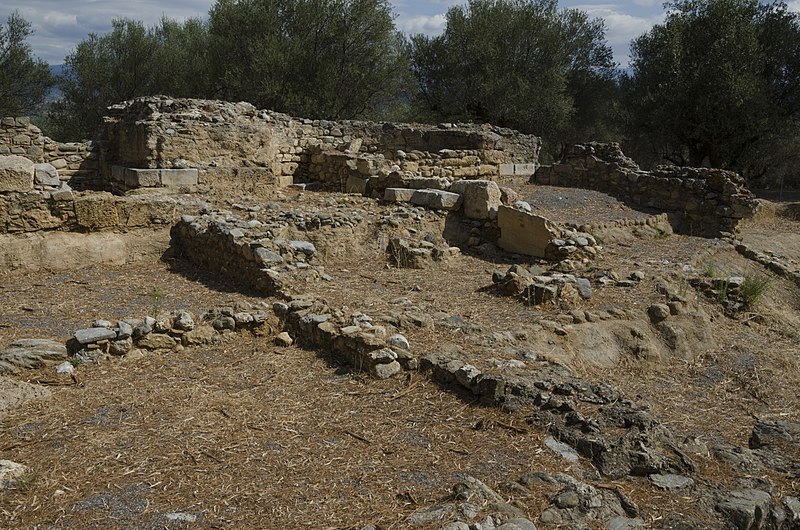
File:Ancient Sparta ruins (3).jpg
Ruins of Sparta

A List of Women Authors from Ancient Greece and Rome for #InternationalWomensDay

In our now annual tradition, we are re-posting this list with more names and updated links. Most of the evidence for these authors has been collected only in Wikipedia. I have added new translations and new names over the past few years (especially among the philosophers). Always happy to have new names and links suggested.

I originally received a link to the core list in an email from my undergraduate poetry teacher, the amazing poet and translator Olga Broumas. The post is on tumblr on a page by DiasporaChic, bit the original author is Terpsikeraunos.

** denotes names I have added

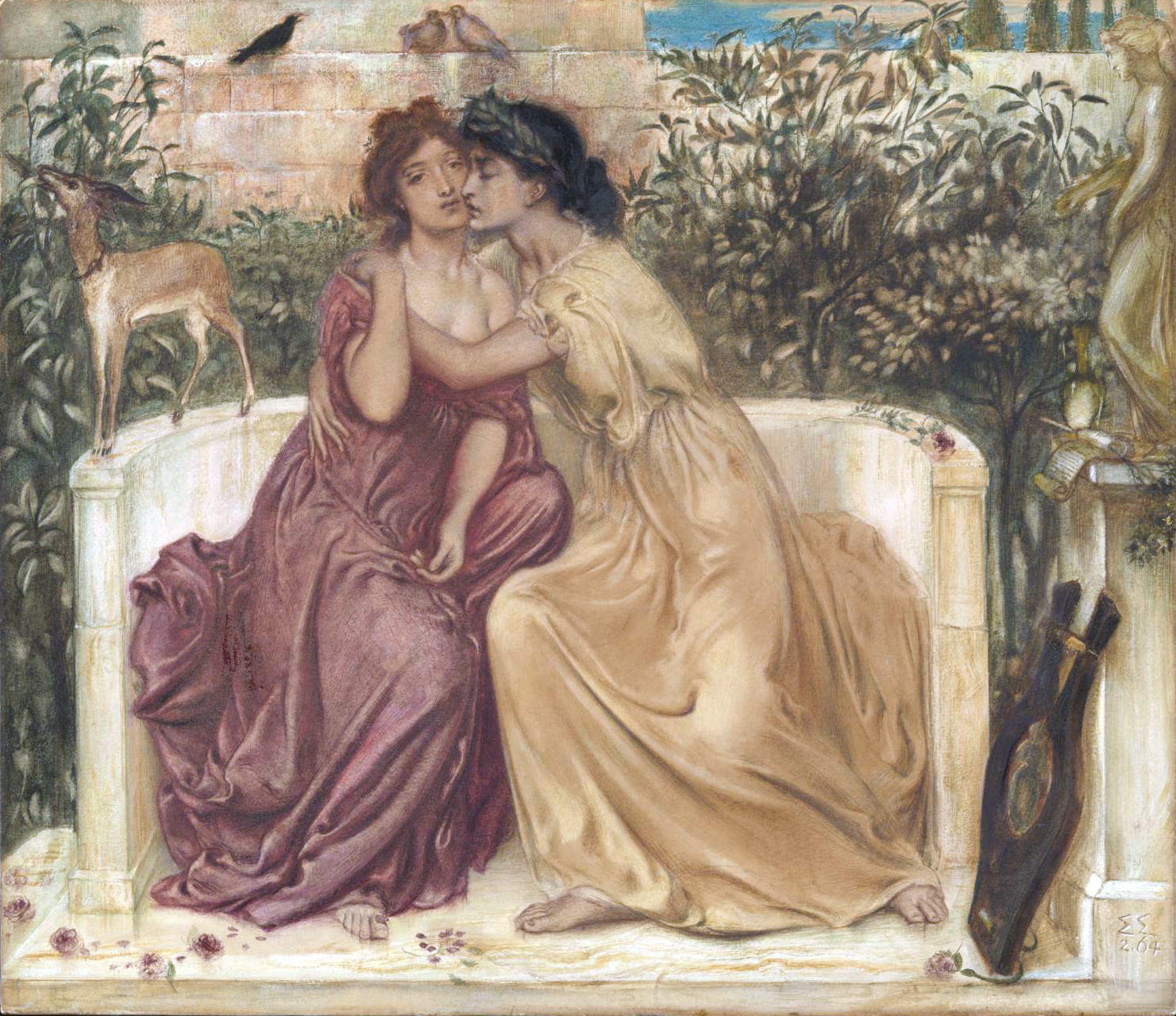
Sappho and Erinna in a Garden at Mytilene by Simeon Solomon
Women in ancient Greece and Rome with surviving works or fragments


PHILOSOPHY

Here is a list of Women philosophers with testimonia and fragments (with French translations and commentary).

Aesara of Lucania: “Only a fragment survives of Aesara of Lucania’s Book on Human Nature, but it provides a key to understanding the philosophies of Phintys, Perictione, and Theano II as well. Aesara presents a familiar and intuitive natural law theory. She says that through the activity of introspection into our own nature – specifically the nature of a human soul – we can discover not only the natural philosophic foundation for all of human law, but we can also discern the technical structure of morality, positive law, and, it may be inferred, the laws of moral psychology and of physical medicine. Aesara’s natural law theory concerns laws governing three applications of moral law: individual or private morality, laws governing the moral basis of the institution of the family, and, laws governing the moral foundations of social institutions. By analyzing the nature of the soul, Aesara says, we will understand the nature of law and of justice at the individual, familial, and social levels.” – A History of Women Philosophers: Volume I: Ancient Women Philosophers, 600 B.C.-500 A.D., by M.E. Waith

*Wikipedia on Aesara

A translation of her work

**Aspasia of Miletus: wikipedia entry

**Axiothea of Phlius: wikipedia entry

**Bistala

**Damo: daughter of Pythagoras and Theano. wikipedia entry

**Deino of Croton: A student of Pythagoras.

A translation of Diogenes Laertius’ account.

**Diotima: wikipedia entry

**Eurydice: cf. Plutarch Conj. praec. 145a and e

**Hipparchia of Maronea: wikipedia entry

A translation of Diogenes Laertius’ account

**Klea: Cf.  Plut. Mul. virt. 242 ef

**Lasthenia of Mantinea: wikipedia entry

**Leontion: an Epicurean philosopher

Melissa: “Melissa (3rd century BC)[1][2] was a Pythagorean philosopher…Nothing is known about her life. She is known only from a letter written to another woman named Cleareta (or Clearete). The letter is written in a Doric Greek dialect dated to around the 3rd century BC.[2] The letter discusses the need for a wife to be modest and virtuous, and stresses that she should obey her husband.[2] The content has led to the suggestion that it was written pseudonymously by a man.[2] On the other hand, the author of the letter does not suggest that a woman is naturally inferior or weak, or that she needs a man’s rule to be virtuous.[1]” –Wikipedia

**Myia of Samos: wikipedia article

Perictione (I and II): “Two works attributed to Perictione have survived in fragments: On the Harmony of Women and On Wisdom. Differences in language suggest that they were written by two different people. Allen and Waithe identify them as Perictione I and Perictione II. Plato’s mother was named Perictione, and Waithe argues that she should be identified as the earlier Perictione, suggesting that similarities between Plato’s Republic and On the Harmony of Women may not be the result of Perictione reading Plato, but the opposite–the son learning philosophy from his mother. On the Harmony of Women, however, is written in Ionic prose with occasional Doric forms. This mixed dialect dates the work to the late fourth or third centuries BC. The reference in On the Harmony of Women to women ruling suggests the Hellenistic monarchies of the third century BC or later. On Wisdom is written in Doric and is partly identical with a work by Archytas of the same name. This work should be dated later, to the third or second centuries BC. Both the dates of the works and their dialects mean Perictione as the mother of Plato could not have written them. We then have two Pythagorean texts, attributed to otherwise unknown women named Perictione who should be dated perhaps one hundred years apart.” –Women Writers of Ancient Greece and Rome: An Anthology, by I.M. Plant

*N.B. This account leaves out the the basic narrative from Diogenes Laertius, that Plato’s father Ariston raped his mother Perictione.

A translation of a fragment attributed to Perictione here.

Phintys: “Phintys (or Phyntis, Greek: Φίντυς; 4th or 3rd century BC) was a Pythagorean philosopher. Nothing is known about her life, nor where she came from. She wrote a work on the correct behavior of women, two extracts of which are preserved by Stobaeus.” –Wikipedia

*Note, Stobaeus (4.32.61a) calls her the daughter of Kallikrates the Pythagorean (Φιντύος τᾶς Καλλικράτεος θυγατρὸς Πυθαγορείας). Here are some of her fragments on the prudence befitting women: part 1 and part 2.

Ptolemais of Cyrene: “Ptolemais is known to us through reference to her work by Porphyry in his Commentary on the Harmonics of Ptolemy. He tells us that she came from Cyrene and gives the title of her work, The Pythagorean Principles of Music, which he quotes. She is the only known female musical theorist from antiquity. Her dates cannot be known for sure. She clearly preceded Porphyry, who was born about AD 232; Didymus, who is also quoted by Porphyry, knew Ptolemais’ work and may even have been Porphyry’s source for it. This Didymus is probably the one who lived in the time of Nero, giving us a date for Ptolemais of the first century AD or earlier…One of the problems in dealing with this text is that it is in quotation. Porphyry does not clearly distinguish between the text he quotes from Ptolemais and his own discussion of the issues raised…A second issue is the problem of the accuracy of the quotation. Porphyry says in the introduction to fragment 4 that he has altered a few things in the quotation for the sake of brevity. We should not assume that this is the only quotation to have suffered from editing. On the other hand, where he quotes the same passage twice (fragment 3 is repeated almost verbatim in fragment 4) his consistency is encouraging. Ptolemais’ extant work is a catechism, written as a series of questions and answers. She discusses different schools of thought on harmonic theory, distinguishing between the degree to which they gave importance to theory and perception. Her text prefers the approach of Aristoxenus to that of the Pythagoreans, thus she should not be thought a Pythagorean, despite the title of her work.” –Women Writers of Ancient Greece and Rome: An Anthology, by I.M. Plant

A new translation of her fragment

**Theano the Pythagorean (I have collected her words here)

“When Theano the Pythagorean philosopher was asked what eros is, she said ‘the passion of a soul with spare time.’ ”

Θεανὼ ἡ πυθαγορικὴ φιλόσοφος ἐρωτηθεῖσα τί ἐστιν ἔρως ἔφη· ” πάθος ψυχῆς σχολαζούσης.”

“While Theano was walking she showed her forearm and some youth when he saw it said “Nice skin”. She responded, “it’s not communal”.

Θεανὼ πορευομένη ἔξω εἶχε τὸν βραχίονα· νεανίσκος δέ τις ἰδὼν εἶπε· ” καλὸν τὸ δέμας·” ἡ δὲ ἀπεκρίνατο· ” ἀλλ’ οὐ κοινόν.”

**Timycha of Sparta: wikipedia entry

Continue reading “A List of Women Authors from Ancient Greece and Rome for #InternationalWomensDay”

Hipparchia and His Wealth

Diogenes Laertes 6. 96-98 Hipparkhia

“Hipparkhia, Metrokles’s sister, was also attracted to their theories. They were both from Marôneia. She fell in love with Kratês’s words and his life and paid no attention to any of her suitors, ignoring their wealth, nobility, and beauty. No, Kratês was everything to her. She even used to threatened her parents, in fact, that she would kill herself if she were not married to him.

So, when Kratês was summoned her her parents to discourage the girl, he was trying everything and when he finally could not persuade her, he stood up and stripped off his clothes and said, “Look, this is the bridegroom; this is his wealth; you are choosing these things. You will not be my partner unless you share these practices.”

The girl made the choice and once she took up the same dress she used to travel with her husband and appeared in public and went to meals with him. Once when she went to Lysimakhos’ home for a symposium, she insulted Theodoros, nicknamed the Atheist, by applying the following witticism: “If whatever Theodoros does is not called unjust then it would not be unjust if Hipparkhia did it. But if Theodoros hit himself, it would not be called wrong, nor would it be wrong if Hipparkhia hit him.”

He had nothing to say in response to this, but he started to take away Hipparkhia’s cloak. But Hipparkhia was neither surprised nor troubled in the way a woman typically is. Instead, when he said, ““Who is this who is abandoning the shuttle at the loom?” She replied, “It’s me, Theodorus—do I seem to have made a mess of my life if, instead of wasting the time to come at the loom, I have used it for education?” There are tons of other tales like this about the lady-philosopher.

Ἐθηράθη δὲ τοῖς λόγοις καὶ ἡ ἀδελφὴ τοῦ Μητροκλέους Ἱππαρχία. Μαρωνεῖται δ’ ἦσαν ἀμφότεροι.

Καὶ ἤρα τοῦ Κράτητος καὶ τῶν λόγων καὶ τοῦ βίου, οὐδενὸς τῶν μνηστευομένων ἐπιστρεφομένη, οὐ πλούτου, οὐκ εὐγενείας, οὐ κάλλους· ἀλλὰ πάντ’ ἦν Κράτης αὐτῇ. καὶ δὴ καὶ ἠπείλει τοῖς γονεῦσιν ἀναιρήσειν αὑτήν, εἰ μὴ τούτῳ δοθείη. Κράτης μὲν οὖν παρακαλούμενος ὑπὸ τῶν γονέων αὐτῆς ἀποτρέψαι τὴν παῖδα, πάντ’ ἐποίει, καὶ τέλος μὴ πείθων, ἀναστὰς καὶ ἀποθέμενος τὴν ἑαυτοῦ σκευὴν ἀντικρὺ αὐτῆς ἔφη, “ὁ μὲν νυμφίος οὗτος, ἡ δὲ κτῆσις αὕτη, πρὸς ταῦτα βουλεύου· οὐδὲ γὰρ ἔσεσθαι κοινωνός, εἰ μὴ καὶ τῶν αὐτῶν ἐπιτηδευμάτων γενηθείης.”

Εἵλετο ἡ παῖς καὶ ταὐτὸν ἀναλαβοῦσα σχῆμα συμπεριῄει τἀνδρὶ καὶ ἐν τῷ φανερῷ συνεγίνετο καὶ ἐπὶ τὰ δεῖπνα ἀπῄει. ὅτε καὶ πρὸς Λυσίμαχον εἰς τὸ συμπόσιον ἦλθεν, ἔνθα Θεόδωρον τὸν ἐπίκλην Ἄθεον ἐπήλεγξε, σόφισμα προτείνασα τοιοῦτον· ὃ ποιῶν Θεόδωρος οὐκ ἂν ἀδικεῖν λέγοιτο, οὐδ’ Ἱππαρχία ποιοῦσα τοῦτο ἀδικεῖν λέγοιτ’ ἄν· Θεόδωρος δὲ τύπτων ἑαυτὸν οὐκ ἀδικεῖ, οὐδ’ ἄρα Ἱππαρχία Θεόδωρον τύπτουσα ἀδικεῖ. ὁ δὲ πρὸς μὲν τὸ λεχθὲν οὐδὲν ἀπήντησεν, ἀνέσυρε δ’ αὐτῆς θοἰμάτιον· ἀλλ’ οὔτε κατεπλάγη Ἱππαρχία οὔτε διεταράχθη ὡς γυνή. ἀλλὰ καὶ εἰπόντος αὐτῇ,

“αὕτη ἐστὶν / ἡ τὰς παρ’ ἱστοῖς ἐκλιποῦσα κερκίδας;”, “ἐγώ,” φησίν, “εἰμί, Θεόδωρε· ἀλλὰ μὴ κακῶς σοι δοκῶ βεβουλεῦσθαι περὶ αὑτῆς, εἰ, τὸν χρόνον ὃν ἔμελλον ἱστοῖς προσαναλώσειν, τοῦτον εἰς παιδείαν κατεχρησάμην;” καὶ ταῦτα μὲν καὶ ἄλλα μυρία τῆς φιλοσόφου.

File:Crates and Hipparchia Villa Farnesina.jpg
Crates and Hipparchia at the Villa Farnesina

Lost to Childbirth at 18 and 20: Two Funerary Inscriptions

IGBulg III,1 = SEG 3.543

“Passerby, learn my name and who my father was;
Learn everything that happened by fate.

My father was Mithradates. My mother was Khrêstê
And I am Kainis, the heavy-fated. I died at twenty years old
From prolonged childbirth, just barely experienced in life.

What more can I say to you, stranger? As is right for mortals,
Pity wretched me and honor my sorrow
with tears from the corners of your eyes
As you pass by my tomb.”

πυνθάνῃ, ὦ παροδεῖτα, τί τοὔνομα {ι} ἢ τίς
ὁ φύσας; | μάνθανε πάντα κατ’ αἶσαν· ἐμοὶ γε-
νέτης Μιθριδάτης | καὶ μήτηρ Χρήστη, Καινὶς δ’ ἐγὼ
ἡ βαρυδαίμων· | θνῄσκω δ’ εἰκοσέτης τοκετοῦ τέλος
ἐξανύσαντος, | ἀρτιδαὴς βιότοιο. τί σοι πλέον ὦ ξέ-
νε, εἴπω; | ταῦτ’ ἐστίν, παροδεῖτα. σὺ δ’, ὡς θέμις ἐστὶ
βροτοῖσιν, | οἰκτείρας με λυγρὰν καὶ δάκρυσι τὴν ἐ-
λεεινὴν | τειμήσας ἀπὸ σῶ̣ν̣ κανθῶν παρό-
❦δευε τὸ σῆμα. ❦

SEG 1.454= MAMA VII 258

“She made it to her 18th year
But now lies buried here
Because jealous Hades stole her away
From an ill-fated childbirth.

[She left*] this pillar as a sign of prudence and great reverence
On the earth and with great wisdom
She showed her works with knowledge
As she lived with [him?] for five years**.
And [then] Kodrates wept terribly
As he covered you alone in the earth,
Your parents’ only hope.”

[ἕ]κ̣τ̣ον καὶ δέκατον ἐ̣[πιδ]-
οῦσα ἔτος ἔνθα τέθα[πται]
ἐκ τοκετοῦ δυσμόρ[ου γὰρ]
ἀνήρπασε βάσκανος Ἅ[δης]
εἰκόνα σωφροσύνης [καὶ αἰ]-
δοῦ[ς] μεγάλης ἐπὶ[γαίη]
καὶ μετ’ ἐπιστήμ̣η̣[ς]
ἔργ’ ἐπιδεικνυμένη
πέντε ἔτη δὲ συνοίκησε̣ν̣
καὶ αἴλινα κλ̣αῦε Κοδρᾶτος
γῆ κρύπτων [σ’] οἴην
ἐλπίδα καὶ γονέων.
[ιος νι σα του μανκα κακουν αδ-
δακετ τι̣τ̣ετικμενος ειτου.]

[the remaining words are unclear]
*Perhaps a different subject/verb: He/they put up, vel sim.
**I am really unclear about the lines’ meaning from εἰκόνα through συνοίκησε̣ν̣. This last verb is typical for describing marital cohabitation

MET 24.97.92 Marble votive relief fragment of goddesses, mother, nurse, and infant

Wise and Insightful Deino

Iamblichus V.P. 132, p. 96 Nauck 

“In addition there was Deinô, the wife of Brontinos, one of the Pythagorians, whose mind was wise and insightful and whose beautiful and intelligent saying was “It is right that a woman make a sacrifice every time she rises from her husband’s side”. Some people attribute this to Theano, but she in fact called the women of Kroton together as a group to convince their husbands to persuade Pythagoras to talk to them about wisdom…”

πρὸς Δεινὼ γὰρ τὴν Βροντίνου γυναῖκα, τῶν Πυθαγορείων ἑνός, οὖσαν σοφήν τε καὶ περιττὴν τὴν ψυχήν, ἧς ἐστι καὶ τὸ καλὸν καὶ περιβόητον ῥῆμα τὸ “τὴν γυναῖκα δεῖν θύειν αὐθημερὸν ἀνισταμένην ἀπὸ τοῦ ἑαυτῆς ἀνδρός”, ὅ τινες εἰς Θεανὼ ἀναφέρουσι, πρὸς δὴ ταύτην παρελθούσας τὰς τῶν Κροτωνιατῶν γυναῖκας παρακαλέσαι περὶ τοῦ συμπεῖσαι τὸν Πυθαγόραν διαλεχθῆναι περὶ τῆς πρὸς αὐτὰς σωφροσύνης τοῖς ἀνδράσιν αὐτῶν …

The Pythagorean Women

Diogenes Laertius, Lives of the Philosophers 8.41

“For [Hermippos] says that when Pythagoras was in Italy he built a little home in the ground and told his mother to write down on a tablet what happened and the time and then to send it down to him until he came up again. His mother did that.

Later, when Pythagoras finally came up again he was shriveled and almost a skeleton. After he came to the assembly, he was saying that he came from Hades. Then he read aloud to them what had happened. And they were overwhelmed by what he said, crying and weeping and believing that Pythagoras was divine. They believed it so much that they gave him their wives so that they might learn some of his philosophy from him. They were called Pythagorean Women. Well, that’s what Hermippos says…”

λέγει γὰρ ὡς γενόμενος ἐν Ἰταλίᾳ κατὰ γῆς οἰκίσκον ποιήσαι καὶ τῇ μητρὶ ἐντείλαιτο τὰ γινόμενα εἰς δέλτον γράφειν σημειουμένην καὶ τὸν χρόνον, ἔπειτα καθιέναι αὐτῷ ἔστ’ ἂν ἀνέλθῃ. τοῦτο ποιῆσαι τὴν μητέρα. τὸν δὲ Πυθαγόραν μετὰ χρόνον ἀνελθεῖν ἰσχνὸν καὶ κατεσκελετευμένον· εἰσελθόντα τε εἰς τὴν ἐκκλησίαν φάσκειν ὡς ἀφῖκται ἐξ Ἅιδου· καὶ δὴ καὶ ἀνεγίνωσκεν αὐτοῖς τὰ συμβεβηκότα. οἱ δὲ σαινόμενοι τοῖς λεγομένοις ἐδάκρυόν τε καὶ ᾤμωζον καὶ ἐπίστευον εἶναι τὸν Πυθαγόραν θεῖόν τινα, ὥστε καὶ τὰς γυναῖκας αὐτῷ παραδοῦναι, ὡς καὶ μαθησομένας τι τῶν αὐτοῦ· ἃς καὶ Πυθαγορικὰς κληθῆναι. καὶ ταῦτα μὲν ὁ Ἕρμιππος…


There is another version of this in the Scholia to Sophocles’ Elektra 62-64

“Pythagoras confined himself in an underground hole and told his mother to tell people that he had died. When he reappeared, he told a lot of marvelous tales about resurrection and the things which happen in the underworld, and, to the living he related a full account of all the companions he happened to meet in the underworld; from this arose the belief that he was Aithalides son of Hermes before the Trojan War, then Euphorbus, then Hermotimus, then Pyrrhus the Delian, and then finally Pythagoras. Sophocles seems to be hinting at this story. Some assert, though unpersuasively, that the lines are aimed at Odysseus. But this is unconvincing, because Odysseus never did anything of the sort.”

ἤδη γὰρ εἶδον πολλάκις Πυθαγόρας καθείρξας ἑαυτὸν ἐν ὑπογείῳ λογοποιεῖν ἐκέλευσε τὴν μητέρα ὡς ἄρα τεθνηκὼς εἴη καὶ μετὰ ταῦτα ἐπιφανεὶς περὶ παλιγγενεσίας καὶ τῶν καθ’ ῞Αιδου τινὰ ἐτερατεύετο διηγούμενος πρὸς τοὺς ζῶντας περὶ τῶν οἰκείων οἷς ἐν ῞Αιδου συντετυχηκέναι ἔλεγεν ἐξ ὧν τοιαύτην ἑαυτῷ δόξαν περιέθηκεν ὡς πρὸ μὲν τῶν Τρωικῶν Αἰθαλίδης ὢν ὁ ῾Ερμοῦ, εἶτα Εὔφορβος, εἶτα ῾Ερμότιμος, εἶτα Πύρρος ὁ Δήλιος, εἶτα ἐπὶ πᾶσι Πυθαγόρας· εἰς τοῦτο  οὖν ἔοικεν ἀποτείνεσθαι ὁ Σοφοκλῆς· ἔνιοι δὲ οἴονται ἀπιθάνως εἰς ᾿Οδυσσέα ἀποτείνεσθαι· οὐ γὰρ πέπρακταί τι τοιοῦτον ᾿Οδυσσεῖ·

Diogenes Laertes, Pythagoras 29

“The most famous women Pythagoreans were: Timukha, the wife of Mullias of Kroton, Philtus, the daughter of Theophoris of Kroton amd sister of Bundakos, Okellô and Ekkelô, the sisters of Okkelos and Okkilos of Leukania, Kheilonis, the daughter of the Spartan Kheilôn, Kratêsikleia, a Spartan and wife of Kkleanôr the Spartan, Theano, the wife of Brotinus of Metapontos, Muia, the wife of Milo of Kroton, Lastheneia from Arcadia, Habroteleia the daughter of Habrotelos the Tarentinian, Ekhekrateia from Phlius, Tyrsênis of Sybaris, Pesirrodê of Tarantum, Theadousa the Spartan, Boiô the Argive, Babeluka the Argive, and Kleaikhma the sister of Autokharidas of Laconia. There are seventeen in total.”

[29] Πυθαγορίδες δὲ γυναῖκες αἱ ἐπιφανέσταται· Τιμύχα γυνὴ Μυλλία τοῦ Κροτωνιάτου, Φιλτὺς θυγάτηρ Θεόφριος τοῦ Κροτωνιάτου, Βυνδάκου ἀδελφὴ, Ὀκελλὼ καὶ Ἐκκελὼ <ἀδελφαὶ Ὀκκέλω καὶ Ὀκκίλω>1 τῶν Λευκανῶν, Χειλωνίς θυγάτηρ Χείλωνος τοῦ Λακεδαιμονίου, Κρατησίκλεια Λάκαινα γυνὴ Κλεάνορος τοῦ Λακεδαιμονίου, Θεανὼ γυνὴ τοῦ Μεταποντίνου Βροτίνου, Μυῖα γυνὴ Μίλωνος τοῦ Κροτωνιάτου, Λασθένεια Ἀρκάδισσα, Ἁβροτέλεια Ἁβροτέλους θυγάτηρ τοῦ Ταραντίνου, Ἐχεκράτεια Φλιασία, Τυρσηνὶς Συβαρῖτις, Πεισιρρόδη Ταραντινίς, Θεάδουσα Λάκαινα, Βοιὼ Ἀργεία, Βαβέλυκα Ἀργεία, Κλεαίχμα ἀδελφὴ Αὐτοχαρίδα τοῦ Λάκωνος.

αἱ πᾶσαι ιζʹ.

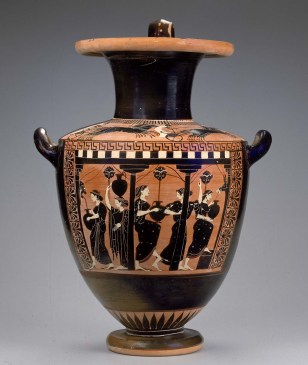
Hydria with Women at a Fountain (MFA Boston)

A Reminder: Medical and Philosophical Traditions Consider Women Not Fully Human

Aristotle, Generation of Animals Book 2, 737a

“That [female] substance, even though it possesses all segments of the body in potential, actually exhibits none of them. For it contains those kinds of elements in potential by which the female is distinguished from the male. For just as it happens that at times deformed children come from deformed parents and at times they do not, so too in the same way sometimes female offspring come from females and sometimes they don’t, but males do instead. For the female is like a deformity of the male and menstrual discharge is like semen, but unclean.”

καὶ γὰρ ἐκεῖνο περίττωμα, καὶ πάντα τὰ μόρια ἔχει δυνάμει, ἐνεργείᾳ δ᾿ οὐθέν. καὶ γὰρ τὰ τοιαῦτ᾿ ἔχει μόρια δυνάμει, ᾗ διαφέρει τὸ θῆλυ τοῦ ἄρρενος. ὥσπερ γὰρ καὶ ἐκ πεπηρωμένων ὁτὲ μὲν γίνεται πεπηρωμένα ὁτὲ δ᾿οὔ, οὕτω καὶ ἐκ θήλεος ὁτὲ μὲν θῆλυ ὁτὲ δ᾿ οὔ, ἀλλ᾿ ἄρρεν. τὸ γὰρ θῆλυ ὥσπερ ἄρρεν ἐστὶ πεπηρωμένον, καὶ τὰ καταμήνια σπέρμα, οὐ καθαρὸν δέ

Generation of Animals, Book 4, 767b

“These causes are also of the same. Some [offspring] are born similar to their parents while others are not. Some are similar to their father; others are like their mother, applying both to the body as a whole and to each part. Offspring are more like their parents than their ancestors and more like their ancestors than passersby.

Males are more similar to their father and females are more similar to their mother. But some are not like any of their relatives, but are still akin to human beings while others are like not at all like humans in their appearance, but rather like some monster. For whoever is not like his parents is in some way a monster because nature has in these cases wandered in some way from the essential character. The first beginning of this is when a female was born instead of a male.

But this is necessary by nature since a race of things divided by male and female must be preserved and since the male may at times not be in control because of age or youth or some other reason, it is necessary for species to have female offspring. Monstrosity is not necessary for any reason or specific ends, but it is necessary by probability of accident—since its origin must be considered as residing here.”

Αἱ δ᾿ αὐταὶ αἰτίαι καὶ τοῦ τὰ μὲν ἐοικότα γίνεσθαι τοῖς τεκνώσασι τὰ δὲ μὴ ἐοικότα, καὶ τὰ μὲν πατρὶ τὰ δὲ μητρί, κατά τε ὅλον τὸ σῶμα καὶ κατὰ μόριον ἕκαστον, καὶ μᾶλλον αὐτοῖς ἢ τοῖς προγόνοις, καὶ τούτοις ἢ τοῖς τυχοῦσι, καὶ τὰ μὲν ἄρρενα μᾶλλον τῷ πατρὶ τὰ δὲ θήλεα τῇ μητρί, τὰ δ᾿ οὐδενὶ τῶν συγγενῶν, ὅμως δ᾿ ἀνθρώπῳ γέ τινι, τὰ δ᾿ οὐδ᾿ ἀνθρώπῳ τὴν ἰδέαν ἀλλ᾿ ἤδη τέρατι. καὶ γὰρ ὁ μὴ ἐοικὼς τοῖς γονεῦσιν ἤδη τρόπον τινὰ τέρας ἐστίν· παρεκβέβηκε γὰρ ἡ φύσις ἐν τούτοις ἐκ τοῦ γένους τρόπον τινά. ἀρχὴ δὲ πρώτη τὸ θῆλυ γίνεσθαι καὶ μὴ ἄρρεν. ἀλλ᾿ αὕτη μὲν ἀναγκαία τῇ φύσει, δεῖ γὰρ σώζεσθαι τὸ γένος τῶν κεχωρισμένων κατὰ τὸ θῆλυ καὶ τὸ ἄρρεν· ἐνδεχομένου δὲ μὴ κρατεῖν ποτὲ τὸ ἄρρεν ἢ διὰ νεότητα ἢ γῆρας ἢ δι᾿ ἄλλην τινὰ αἰτίαν τοιαύτην, ἀνάγκη γίνεσθαι θηλυτοκίαν ἐν τοῖς ζῴοις. τὸ δὲ τέρας οὐκ ἀναγκαῖον πρὸς τὴν ἕνεκά του καὶ τὴν τοῦ τέλους αἰτίαν, ἀλλὰ κατὰ συμβεβηκὸς ἀναγκαῖον, ἐπεὶ τήν γ᾿ ἀρχὴν ἐντεῦθεν δεῖ λαμβάνειν.

τέρας: can mean ‘monster’ (as translated here) or divine sign/omen. In cognates and parallel forms it is also associated with magic and the unnatural.

πηρόω (πεπηρωμένον) is a denominative verb from the noun πηρός, which means “infirm, invalid” (hence: “blind or lame”)

Thomson, Rosemarie Garland. 1997. Extraordinary Bodies: Figuring Physical Disability in American Culture and Literature. New York.

19: “Perhaps the founding association of femaleness with disability occurs in the fourth book of Generation of Animals, Aristotle’s discourse of the normal and the abnormal, in which he refines the Platonic concept of antinomies so that bodily variety translates into hierarchies of the typical and aberrant.”

20: “What this passage makes clearest, however, is that without the monstrous body to demarcate the borders of the generic, without the female body to distinguish the shape of the male, and without the pathological to give form to the normal, the taxonomies of bodily value that underlie political, social and economic arrangements would collapse.”

20: “This persistent intertwining of disability with femaleness in Western discourse provides a starting point for exploring the relationship of social identity to the body. As Aristotle’s pronouncement suggests, the social category of disability rests on the significance accorded bodily functioning and configuration.”

Image result for ancient greek women
Ivory Sculpture from the MET


Odysseus’s Sister and Names for In-Laws

We have posted before about Odysseus’ sister Ktimene. She is mentioned by the swineherd Eumaios but never by Odysseus. The scholia connect her to one of Odysseus’ companions. The evidence for this seems to be the fact that Ktimene was sent to Same for marriage (where Eurylochus is from) and a kinship term used for him by Odysseus. Also of interest, according to the scholion, Odysseus may have had more sisters.

Homer, Odyssey 15.364-41

Strong Ktimenê, the youngest of the children she bore.
I was raised with her, and she honored me little less.
But when we both made it to much-praised youth,
They gave her to Samê and received much in return
But she gave me a cloak, tunic and clothing
Dressing me finely and give me sandals for my feet
And sent me to the field. But she loved me more in her heart.

οὕνεκά μ’ αὐτὴ θρέψεν ἅμα Κτιμένῃ τανυπέπλῳ
θυγατέρ’ ἰφθίμῃ, τὴν ὁπλοτάτην τέκε παίδων·
τῇ ὁμοῦ ἐτρεφόμην, ὀλίγον δέ τί μ’ ἧσσον ἐτίμα.
αὐτὰρ ἐπεί ῥ’ ἥβην πολυήρατον ἱκόμεθ’ ἄμφω,
τὴν μὲν ἔπειτα Σάμηνδ’ ἔδοσαν καὶ μυρί’ ἕλοντο,
αὐτὰρ ἐμὲ χλαῖνάν τε χιτῶνά τε εἵματ’ ἐκείνη
καλὰ μάλ’ ἀμφιέσασα ποσίν θ’ ὑποδήματα δοῦσα
ἀγρόνδε προΐαλλε· φίλει δέ με κηρόθι μᾶλλον.

Schol. BW ad Od. 15.364 ex

“Ktimenê is the proper name of Odysseus’ sister, whom Eurylochus is supposed to have married.”

Κτιμένη] Κτιμένη κυρίως ἐκαλεῖτο ἡ ᾿Οδυσσέως ἀδελφὴ, ἧς
ὁ Εὐρύλοχος ὑπονοεῖται ἀνήρ. λέγει γὰρ “καὶ πηῷ περ ἐόντι μάλα
σχεδόν” (κ, 441.). B.Q.

“She bore the youngest of the children”: [this means] of the female children. For his father only had Odysseus [for a son]. There were more sisters of Odysseus.”

ὁπλοτάτην τέκε παίδων] θηλειῶν γοῦν. μόνον δ’ αὖτ’ ᾿Οδυσσέα πατὴρ τέκε (π, 119.). καὶ πλείους οὖν αἱ ᾿Οδυσσέως ἀδελφαί. Q.

Homer, Odyssey 10.438-442

“So he spoke, and I was turning over in my thoughts
As I began to draw the sharp-edged sword next to my thick thigh,
Whether I should cut off his head and drive him to the ground
Even though he really was my relative. But our companions
Were restraining me with gentle words from all sides.”

ὣς ἔφατ’, αὐτὰρ ἐγώ γε μετὰ φρεσὶ μερμήριξα,
σπασσάμενος τανύηκες ἄορ παχέος παρὰ μηροῦ,
τῷ οἱ ἀποτμήξας κεφαλὴν οὖδάσδε πελάσσαι,
καὶ πηῷ περ ἐόντι μάλα σχεδόν· ἀλλά μ’ ἑταῖροι
μειλιχίοισ’ ἐπέεσσιν ἐρήτυον ἄλλοθεν ἄλλος·

Schol. QVB ad Od 10.441 ex

Q “Instead of the genitive here, “even though he was an in-law”.

V. “Relative”

QV For he married Odysseus’ sister Ktimene.
B “even though he was my brother-in-law by my sister Ktimenê.”

καὶ πηῷ] ἀντὶ τοῦ, καὶ πηοῦ περ ἐόντος. Q. συγγενεῖ. V.
Κτιμένην γὰρ γεγαμήκει τὴν ᾿Οδυσσέως ἀδελφήν. Q.V. γαμβρῷ
μοι ὄντι ἐπὶ τῇ ἀδελφῇ Κτιμένῃ. B.

Suda

“Pêos: A relative by marriage. In-law. Also, “in-lawness” [Pêosunê], relation-by-marriage. There is also Pêôn [genitive plural], for “of relatives-by-marriage. Homer has: “relatives and friends” [Il. 3.163]

Πηός: ὁ κατ’ ἐπιγαμίαν συγγενής. καὶ Πηοσύνη, ἡ συγγαμβρία.
καὶ Πηῶν, τῶν συγγενῶν. ῞Ομηρος· πηούς τε φίλους τε.

Etymologicum Gudianum

“…There is a difference between in-law and friend. People who have no connection to you by birth are friends. In-laws are related to you through marriage.”

διαφέρει δὲ πηὸς φίλου· φίλοι μὲν λέγονται οἱ μηδὲν τῷ γένει προσήκοντες·  πηοὶ δὲ οἱ κατ’ ἐπιγαμίαν συγγενεῖς.

peos

For a beautiful narrative re-imagining of the life of Ktimene, see Mary Ebbot’s “Seeking Odysseus’ Sister”