That Old Time (Heavenly) Rock and Roll…

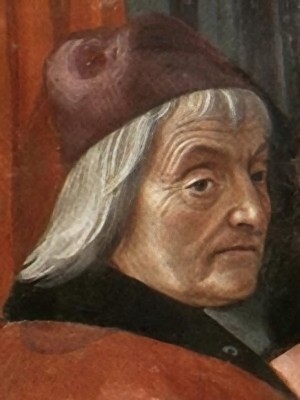
Cristoforo Landino, Preface to Vergil in a Florentine Gymnasium (Part 1)

Since I am about to bring into the middle, in this annual event of ours, that poet who, of all the regions whose inhabitants are known to history or of all the times which have come down to our own recollection thanks to the good offices of writers, is either the first poet or at any rate entirely equal to the first, I have judged it neither alien to my duty nor unpleasing to your ears if, before we approach the interpretation of Vergil himself, I bring to your notice in the briefest manner not only on what poetry is, and from where it drew its origins and where the name of the poet stems from, but also expatiate on what venerable fame and what ample honor it has been held from the earliest ages of humanity and among various nations. I will add finally that it did not only confer dignity and glory upon individual and private people, but also that it has always stood out in well-ordered republics and the most successful peoples, and has always been a not trifling use, and even a great ornament.

Poetry is not, I would say, one of those arts which our ancestors called liberal, but one which, embracing them all, bound by certain meters and distinguished by various lights and blossoms, ornaments whatever it is that people have done or known with wonderful contrivances and translates them into other forms. As the divine Plato shows in his Phaedrus, and the Platonic Cicero demonstrates in his Tusculan Disputations, no mortal was ever able to attain to poetry without some divine madness. For, when that philosopher whom I just mentioned describes the three other types of divine madness, he expresses, unless I am mistaken, the fourth, which he wishes to be the poetic, in this idea. For he says that our minds, while they were still in their celestial seats, were participants in that harmony which consists in the eternal mind of God, and in that harmony which is made by the motions of the heavens. Then, weighed down by the contagion of mortal affairs and on that account devolving to lower things, enclosed in bodies, impeded by terrestrial limbs and bodies bound to fail, they were barely able to perceive with their ears those sounds which were made by mortal industry. Which, nevertheless, even if they are far from those heavenly sounds, nonetheless, since they are simulacra or images of them, draw us on to a silent recollection of the first music and inflame us with the most burning desire of flying back to our ancient fatherland so that we can experience that true music, whose shadowy image this is. But meanwhile, as much as one can in this most vexatious prison of the body, we strive to imitate that heavenly music with these sounds of ours.
Cum eum vobis poetam hoc annuo cursu in medium allaturus essem, qui vel ex omnibus regionibus <quarum habitatores> historia cognoscantur vel ex omnibus saeculis quae ad nostram usque memoriam scriptorum beneficio pervenerint, aut primus sit aut primo omnino par atque aequalis, neque ab officio nostro alienum neque auribus vestris iniocundum futurum existimavi si, antea quam ipsius Maronis interpretationem aggredimur, brevissimis quidem verbis non solum quid ars poetica sit atque unde originem traxerit unde<que> poetae nomen deducatur in medium afferam, verum etiam quam vetustissima a priscis hominum saeculis apud multas variasque nationes maxima celebritate amplissimisque honoribus fuerit disseram. Addam postremo illam non solum singulis privatisque hominibus dignitatem gloriamque attulisse, verum bene institutis rebus publicis florentissimisque populis et usui non mediocri et ornamento maximo semper extitisse.
Est igitur poetica disciplina non dicam unam ex iis artibus quas nostri maiores liberales appellarunt, sed quae illas universas complectens, certis quibusdam numeris astricta variisque luminibus ac floribus distincta, quaecunque homines egerint, quaecunque norint miris figmentis exornet atque in alias quasdam speties traducat. Quam quidem rem, ut et divinus ille Plato in Phaedro et Platonicus Cicero in Tusculanis disputationibus ostendit, nemo unquam mortalium sine divino quodam furore attingere potuit. Nam cum is quem paulo ante dixi philosophus et tria alia divini furoris genera describat, quartum quem poeticum esse vult hac, nisi fallor, sententia exprimit. Ait enim animos nostros, dum in caelestibus sedibus versarentur, et eius harmoniae, quae in aeterna Dei mente consistit, et eius, quae caelorum motibus conficitur, participes fuisse; deinde, cum mortalium rerum contagione degravati et propterea ad inferiora iam devoluti corporibus includantur, iam terrenis arctubus et moribundis membris impeditos, vix eos concentus, qui mortalium industria conficiuntur, auribus percipere posse. Qui tamen, quicunque ii sint, etsi a caelestibus longe absint, nihilominus cum simulachra quaedam ac imagines illorum existant, nos in tacitam quandam primorum recordationem inducunt ardentissimaque cupiditate ad antiquam patriam revolandi inflamant, ut veram ipsam musicam, cuius adumbrata quaedam haec imago est, pernoscamus. Interim vero, quoad per molestissimum nobis corporis carcerem licet, hac nostra illam imitari contendimus.

Yes to Vergil, No to Lucan

J.E. Sandys, Harvard Lectures on the Revival of Learning:

“Cicero and Virgil became the principal text-books of the Revival of Learning. Petrarch describes them in one of his poems as the ‘two eyes’ of his discourse. In his very boyhood he had been smitten with the charm of Virgil, and, even in his old age, he was still haunted by the mediaeval tradition of the allegorical significance of the Aeneid. But, unlike the mediaeval admirers of Virgil, he does not regard the Latin poet as a mysteriously distant and supernatural being; he finds in him a friend, and he is even candid enough to criticise him. Under his influence the Aeneid was accepted as the sole model that was worthy of imitation by the epic poets of the succeeding age. A German critic regards this result with regret, a regret that few, if any, will share; nor is it easy to believe that any scholar would really have preferred seeing Petrarch throw the weight of his example on to the side of any other Latin epic poet, such as Lucan.”

Image result for petrarch

Put the U Back into ‘Humility’

Giovanni Boccaccio, On the Downfalls of Famous Men (2.16):

The mortal condition is calamitous, to be sure: one minute you’re a king, the next minute a slave; one minute you shine with the most wonderful splendor, and the next you’re wasting away in disgusting squalor; one minute you’re issuing haughty commands, and the next you’re fawning over and begging for the most humble things. Why are you so greedy for lofty station, when you see ruin so thickly-packed all over? Why don’t you consider humble things, in which alone one can find stability? Why don’t you look at the things you should pity? Why do you not sharpen your eyes on your own health and safety?

If the other examples of fragile things failed, these Hebraic kings should have alone sufficed to show you. You will hardly see so many chains on the people, so many exiles, so many dishonorable deaths, so many shames, so many anxieties (which you think is the most unfortunate thing). If Amasias had remained among them and away from his victories, he would have survived in Lachish.

Thus too Oxias, had he been held back by common humility, would not have deserved to incur leprosy by tempting the divine. And Ozias, if he had been an unknown man of the people, would have been able to die under his country’s sky and with his paternal gods. Nor would Senacherib died in a temple, slain by his own sons eager for the throne. Thus Ioachaz, thus Ioachim, thus even most wretched Sedechias could have lived as private citizens, could have enjoyed time with their wives, could have raised and left behind sweet children, could have looked at the sky, and died free in their fatherland among the kisses and embraces of their families. And yet, each one found himself unable to stand firm when raised to the apex of power.

What does it matter to be raised to the point that I seem, am recognized as, and considered the greatest, when I am not well enough to fix my step and seem in that same lofty spot to be on a cliff or to be hurled with a precipitate fall. If you had any sense, when you see that there is nothing stable, nothing fixed, nothing firm except for humility, you would strive for it with all of your strength, and would place yourself entirely in its embrace. While you flee it foolishly, you make it so that you are not painfully afflicted by the fault of Fortune (just as you might complain of some loss), but by your own cowardice.

Mortalium profecto calamitosa conditio est: nunc regnas, nunc servis; nunc summo splendore prefulges, nunc turpi squalore tabescis; nunc superba iubes, nunc humiliata obsequeris et precaris. Quid celsorum locorum avida es, cum tam crebras assidue ruinas prospectes? Quid humilia non respicis, in quibus solis stabilitas posita? Quid tibi miseranda non prospicis? Quid oculos in tuam salutem non acuis? Si labilium rerum cetera cessent veritatis exempla, hi tantum reges hebrei suffecisse debuerant. Vix facile tot in plebe catenas, tot exilia, tot inhonestas mortes, tot dedecora, tot anxietates (quam tu infelicissimam putas) invenies. In qua si stetisset Amasias, uti absque victoriis, sic intrepidus vixisset in Lacis; sic et Ozias, plebeia humilitate detentus, non ausus divina temptare, lepram non meruisset incurrere; et Ozias, si popularis incognitus fuisset, sub celo patrio mori et patriis in laribus potuisset; nec a filiis regni cupidine Senacherib occisus cecidisset in templo. Sic Ioachaz, sic Ioachim, sic et miserrimus Sedechias privatus potuisset vivere, cum uxoribus oblectari, dulces alere ac superstites derelinquere natos, celum cernere et liber inter suorum oscula et amplexus in patria mori: et in regni fastigium sublimatus stare non potuit. Quid refert eo extolli ut videar et cognoscar et habear maximus, quo gradum figere non valens, ibidem conspiciar esse in pendulo aut prepeti deici casu? Heu si saperes, cum nil stabile, nil fixum, nil firmum preter humilitatem aspicias, quam totis viribus in illam tenderes, teque eius locares in sinu! Quod dum insipidal refugis, id agis ut non Fortune crimine, prout deiecta quereris, sed dolens tua ignavia affligaris.


Charles Dickens, David Copperfield (Chp. 16):

My stool was such a tower of observation, that as I watched him reading on again, after this rapturous exclamation, and following up the lines with his forefinger, I observed that his nostrils, which were thin and pointed, with sharp dints in them, had a singular and most uncomfortable way of expanding and contracting themselves—that they seemed to twinkle instead of his eyes, which hardly ever twinkled at all.

‘I suppose you are quite a great lawyer?’ I said, after looking at him for some time.

‘Me, Master Copperfield?’ said Uriah. ‘Oh, no! I’m a very umble person.’

It was no fancy of mine about his hands, I observed; for he frequently ground the palms against each other as if to squeeze them dry and warm, besides often wiping them, in a stealthy way, on his pocket-handkerchief.

‘I am well aware that I am the umblest person going,’ said Uriah Heep, modestly; ‘let the other be where he may. My mother is likewise a very umble person. We live in a numble abode, Master Copperfield, but have much to be thankful for. My father’s former calling was umble. He was a sexton.’


Stripping the Integuments of Fiction

Giovanni Boccaccio, Genealogy of the Pagan Gods (1.3):

So here you have, my noble king, a ridiculous story. But we have come to the point where it is convenient to remove the bark of fiction from the truth, though we must first respond to those who ask why the poets covered the works of God, or of nature, or of humans under this veil of fictions. Was there not another way? There was, to be sure, but just as not all people are equal in appearance, so too the faculty of judgment differs among them. Achilles preferred arms to leisure, Aegisthus indolence to arms; Plato followed philosophy to the neglect of everything else, while Phidias sculpted statues with his chisel and Apelles painted images with his brush.

Habes, rex inclite, ridiculam fabulam, verum eo ventum est, ubi oportunum sit a veritate amovere fictionis corticem, sed prius respondendum est persepe dicentibus, quid poete dei opera vel nature vel hominum hoc sub fabularum velamine tradidere? Non erat eis modus alter? Erat equidem, sed uti non equa facies omnibus, sic nec animorum iudicia. Achilles arma preposuit ocio, Egisthus desidiam armis, Plato phylosophiam omissis ceteris secutus est, statuas celte sculpere Phydias, Apelles pinnaculo ymagines pingere.


Law School? More Like “Lie School”!

Giovanni Boccaccio, de Casibus Virorum Illustrium 3.10:

Our present age, having ignored ancient custom, rips little children away, I will not say from the rules of grammar, but from the breasts of their mothers, so that it can force them out not into the schools but into the brothels, in which sacrosanct laws are dragged with a base sort of prostitution from the most just into sinful seductions. This is not done, as some pretend, so that a tender age which will not lose what it has learned will be more aptly imbued with the laws, but rather so that it can be more quickly accommodated to serving avarice. Nor do those who, decked out in robes, mount the cathedrals and pulpits fear to profess this in a sonorous clamour while omitting philosophical proofs as though unnecessary, and defiling the parts from which justice consists and by which the manners of people are reformed for the better by saying, “Let’s forget about these things – they’re superfluous, and don’t teach us how to seek our bread.”

And so, while it doesn’t suffice for armored asses to have neglected what they don’t know, they try even to shamefully mar what is known if they can, pressing on with this mission with all of their strength to the point from which they can disembowel the simplicity and sanctity of the laws and extract quarrels unwilling to come into public notice, and to make the disputes among the litigants immortal with their raillery. And since they celebrate with the loudest acclamation one who, with subterfuge and nefarious sagacity has protected mendacity against the truth for a long time, they nevertheless cultivate, praise, and extol the one to whom, by any fraud whatever, much wealth has accrued, as a father of the laws, an archive of justice, and the reliquary of the truth. O unbending justice of God, how long will you permit this crap?

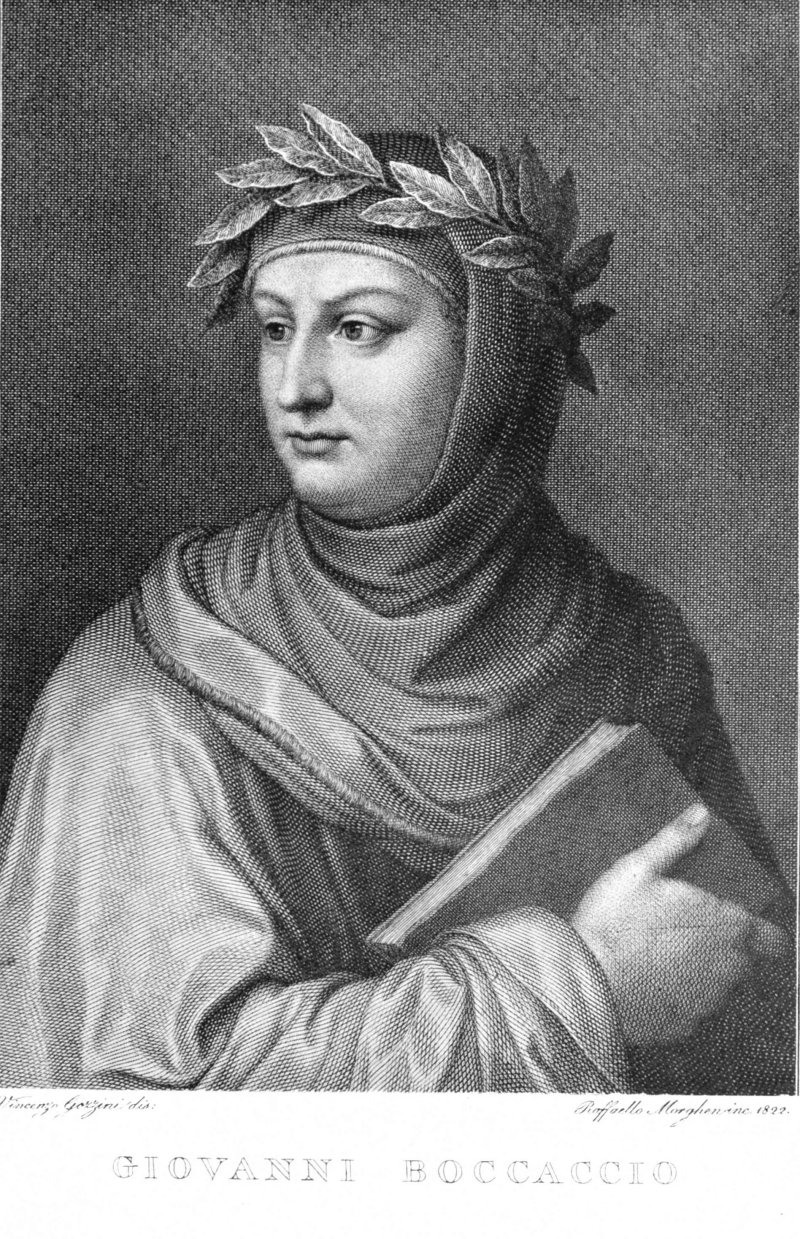
Portrait by Raffaello Morghen, circa 1822

Presens autem evum, spreta veteri solertia, non dicam a grammaticalibus regulis, sed a nutricum uberibus evellit infantulos, ut eos non in scholis sed in fornicibus trudat, in quibus sacrosancte leges turpi quodam lenocinio ex iustissimis in scelestas trahuntur illecebras; nec agitur hoc – ut aliqui conantur pretendere – ut tenella etas, non dimissura quod ceperit, aptius imbuatur legibus, quin imo ut citius avaritie serviatur. Nec hoc verentur profiteri clamore sonoro qui, fimbriati, cathedras conscendunt et pulpita, dum, omissis phylosophicis demonstrationibus tanquam superfluis et quibus ex partibus iustitia constat et mores hominum reformantur in melius, ore spurcido et obsceno vocabulo aientes: «Sinamus hec: superflua sunt; nec de pane querendo nos instruunt». Et sic dum faleratis onagris non sufficit neglexisse quod nesciunt, conantur etiam turpi nota fedasse, si possint, eo totis incumbentes viribus unde ex simplicitate ac sanctitate legum eviscerare possint nolentia in publicum devenire litigia, et litigantium lites cavillationibus immortales facere. Et cum illum boatu summo celebrent, qui subterfugiis astutiisque nephariis adversus veritatem diu mendacium tutatus est, eum tamen cui quibuscunque fraudibus ample devenere substantie legum patrem iuris archivum veritatisque sacrarium colunt predicant et extollunt. O Dei indeflexa iustitia quam diu pateris hec?

Renaissance Stagecoach Verse

Coleridge, Biographia Literaria  (XVI):

Not otherwise is it with the more polished poets of the fifteenth and sixteenth centuries, especially those of Italy. The imagery is almost always general: sun, moon, flowers, breezes, murmuring streams, warbling songsters, delicious shades, lovely damsels cruel as fair, nymphs, naiads, and goddesses, are the materials which are common to all, and which each shaped and arranged according to his judgment or fancy, little solicitous to add or to particularize. If we make an honourable exception in favour of some English poets, the thoughts too are as little novel as the images; and the fable of their narrative poems, for the most part drawn from mythology, or sources of equal notoriety, derive their chief attractions from the manner of treating them; from impassioned flow, or picturesque arrangement.

In opposition to the present age, and perhaps in as faulty an extreme, they placed the essence of poetry in the art. The excellence, at which they aimed, consisted in the exquisite polish of the diction, combined with perfect simplicity. This their prime object they attained by the avoidance of every word, which a gentleman would not use in dignified conversation, and of every word and phrase, which none but a learned man would use; by the studied position of words and phrases, so that not only each part should be melodious in itself, but contribute to the harmony of the whole, each note referring and conducting to the melody of all the foregoing and following words of the same period or stanza; and lastly with equal labour, the greater because unbetrayed, by the variation and various harmonies of their metrical movement.

Their measures, however, were not indebted for their variety to the introduction of new metres, such as have been attempted of late in the Alonzo and Imogen, and others borrowed from the German, having in their very mechanism a specific overpowering tune, to which the generous reader humours his voice and emphasis, with more indulgence to the author than attention to the meaning or quantity of the words; but which, to an ear familiar with the numerous sounds of the Greek and Roman poets, has an effect not unlike that of galloping over a paved road in a German stage-waggon without springs. On the contrary, the elder bards both of Italy and England produced a far greater as well as more charming variety by countless modifications, and subtle balances of sound in the common metres of their country. A lasting and enviable reputation awaits that man of genius, who should attempt and realize a union;—who should recall the high finish, the appropriateness, the facility, the delicate proportion, and above all, the perfusive and omnipresent grace, which have preserved, as in a shrine of precious amber, the Sparrow of Catullus, the Swallow, the Grasshopper, and all the other little loves of Anacreon; and which, with bright, though diminished glories, revisited the youth and early manhood of Christian Europe, in the vales of Arno, and the groves of Isis and of Cam; and who with these should combine the keener interest, deeper pathos, manlier reflection, and the fresher and more various imagery, which give a value and a name that will not pass away to the poets who have done honour to our own times, and to those of our immediate predecessors.

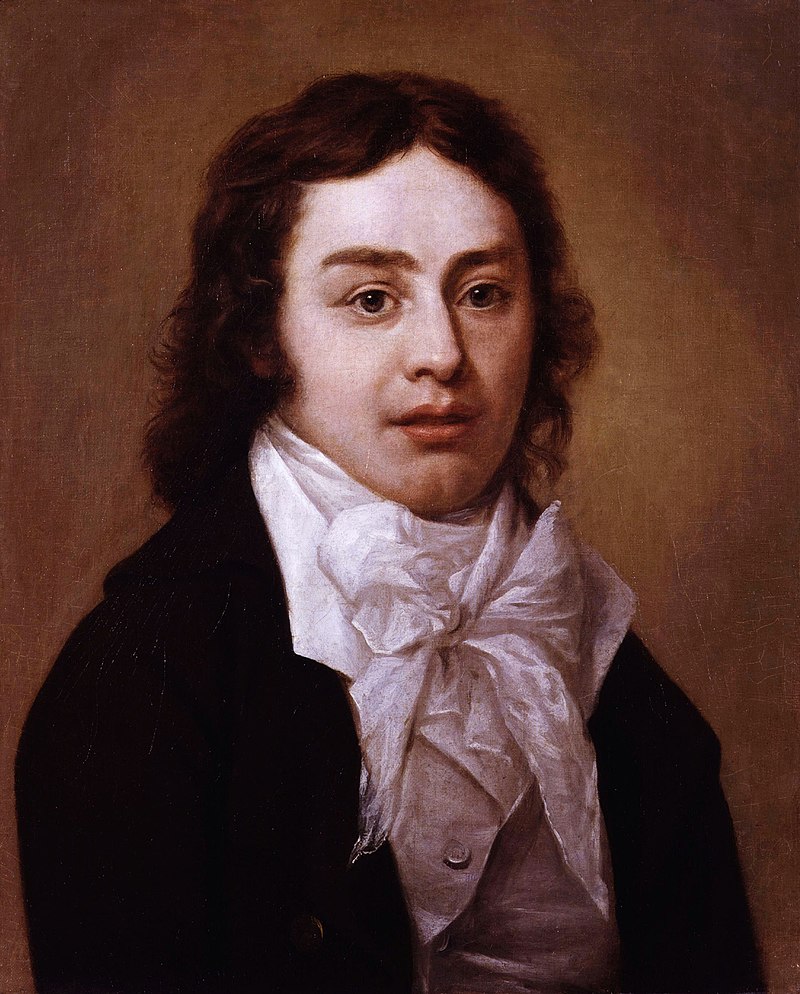
Coleridge in 1795

Sophomore Sophistry

Boswell, Life of Samuel Johnson:

The truth, however, is, that he loved to display his ingenuity in argument; and therefore would sometimes in conversation maintain opinions which he was sensible were wrong, but in supporting which, his reasoning and wit would be most conspicuous. He would begin thus: ‘Why, Sir, as to the good or evil of card-playing—’ ‘Now, (said Garrick,) he is thinking which side he shall take.’ He appeared to have a pleasure in contradiction, especially when any opinion whatever was delivered with an air of confidence; so that there was hardly any topick, if not one of the great truths of Religion and Morality, that he might not have been incited to argue, either for or against.

Flavio Biondo, On the Words of Roman Speech, (I):

There is a great dispute among the learned people of our time, and a contention in which I have often been involved, whether it is the maternal and as it were, among the rude and unlettered mass in our age vulgar idiom, or by the use of grammatical art, which we call Latin, that the Romans were accustomed to employ as their established mode of speaking.

Arguments are not lacking to those who either impugn or defend one side or the other of this debate. If I were to draw them into the fray, it would become apparent on what foundations each side rests, and there will be material for this dispute so tossed before the eyes of all that any fool ignorant of the laws of speaking, or, as the Florentines are in the habit of calling him, a market-stall judge, would not hesitate to bring forth his opinion easily and ex tempore.

Which I would yet maintain must be born by the judgment of the learned and most knowledgeable in Roman things if for no other reason than so that, when you and many others, the ornaments of the age in judgment, seem to dissent in turn, I alone, in a situation where such great men either entertain contradictions or feel uncertainly, would dare to affirm it for sure.

Magna est apud doctos aetatis nostrae homines altercatio, et cui saepenumero interfuerim contentio, maternone et passim apud rudem indoctamque multitudinem aetate nostra vulgato idiomate, an grammaticae artis usu, quod latinum appellamus, instituto loquendi more Romani orare fuerint soliti.

Nec desunt argumenta utramque vel impugnantibus vel defendentibus partem; quae si in medium adduxero, qualibus utrique nitantur fundamentis apparebit; eritque omnium oculis adeo subiecta huiusce disceptationis materies, ut quilibet iurisdicundi ignarus, sive, ut dicere Florentini solent, iudex emporinus, faciliter et ex tempore sententiam ferre non dubitet.

Quam tamen et docti et rerum romanarum callentissimi iudicio vel ea ratione servaverim ferendam, ne, cum tu pluresque alii, omnium iudicio saeculi ornamenta, invicem dissentire videamini, ego unus, in quo tales viri vel contraria sentiant vel addubitent, id ausim affirmare.

An Incitement Either to Teamwork or to Rivalry

Lorenzo Valla, Speech on the Beginning of Study:

It is so arranged by nature that nothing can achieve perfection or grow which is not composed, elaborated, and cultivated by many, especially when they are vying with each other in turn and competing for praise. What sculptor, or painter, or other artist could have stood out as perfect or at least great in their own art, if they had been the only practitioner of it? One person discovers one thing, and each person tries to imitate, emulate, and surpass whatever excellence they notice in the work of another. Thus is zeal kindled, thus is proficiency achieved, thus do the arts increase and reach the heights, indeed all the better and all the swifter when many people work toward the same thing, as in the case of creating a city, where completion is achieved faster and better if the hands of many, rather than of few, are applied to the task.

Nanque ita natura comparatum est, ut nihil admodum proficere atque excrescere queat quod non a plurimis componitur, elaboratur, excolitur, precipue emulantibus invicem et de laude certantibus. Quis enim faber statuarius, pictor item et ceteri in suo artificio perfectus aut etiam magnus extitisset, si solus opifex eius artificii fuisset? Alius aliud invenit et quod quisque in altero egregium animadvertit id ipse imitari, emulari, superare conatur. Ita studia incenduntur, profectus fiunt, artes excrescunt et in summum evadunt et eo quidem melius eoque celerius quo plures in eandem rem homines elaborant, veluti in extruenda aliqua urbe et citius et melius ad consumationem pervenitur, si plurimorum quam paucissimorum manus adhibeantur

The Intellectual Importance of Translation

Gilbert Highet, The Classical Tradition, (Chp. 6)

The intellectual importance of translation is so obvious that it is often overlooked. No language, no nation is sufficient unto itself. Its mind must be enlarged by the thoughts of other nations, or else it will warp and shrivel. In English, as in other languages, many of the greatest ideas we use have been brought in through translation. The central book of the English-speaking peoples is a translation — although it comes as a shock to many to realize that the Bible was written in Hebrew and Greek, and translated by a committee of scholars. There are many great books which none but specialists need read in the original, but which through translation have added essential ideas to our minds: Euclid’s Elements,  Descartes’s Discourse on Method, Marx’s Capital, Tolstoy’s War and Peace.

The artistic and linguistic importance of translation is almost as great as its importance in the field of ideas. To begin with, the practice of translation usually enriches the translator’s language with new words. This is because most translations are made from a language with a copious vocabulary into a poorer language which must be expanded by the translator’s courage and inventiveness. The modern vernacular languages — English, French, Spanish, &c. — grew out of spoken dialects which had little or no written literatures, were geographically limited, and were used largely for practical and seldom for intellectual purposes. They were therefore simple, unimaginative, and poor in comparison with Latin and Greek. Soon after people began to write in them they set out to enrich them and make them more expressive. The safest and most obvious way to do so was to borrow from the literary language at their side and bring in Latin words. This enlargement of the western European languages by importations from Latin and Greek was one of the most important activities which prepared for the Renaissance; and it was largely carried on by translators.

Faded Elegances in Faded Latin

Gilbert Highet, The Classical Tradition (Chp. 12):

Du Bellay’s thesis was this. It is unpatriotic for a Frenchman to write in Latin. It is an admission of inferiority for a Frenchman to write in French without trying to equal the grandest achievements of Greek and Latin literature. Therefore French poetry should loot the Roman city and the Delphic temple’, raising the literature of France to a higher power by importing into it themes, myths, stylistic devices, all the beauty of Greece and Rome. Abandon the old medieval mystery-plays and morality-plays. But also abandon the idea of writing plays in Latin. Write tragedies and comedies as fine as those of the classical dramatists, but in French. Abandon the old-style French lyrics, leave them to provincial festivals and folk-gatherings: they are ‘vulgar’. But also abandon the idea of writing lyrics in Latin or Greek. Write ‘odes still unknown to the French muse’ containing all that makes Pindar great, but in French.

Du Bellay was right. Nationalism narrows culture; extreme classicism desiccates it. To enrich a national literature by bringing into it the strength of the continent-wide and centuries-ripe culture to which it belongs is the best way to make it eternally great. This can be proved both positively and negatively in the Renaissance. It was this synthesis of national and classical elements that produced, in England, Shakespeare’s tragedies and the epics of Spenser and Milton. It was the same synthesis in France that, after a period of experiment, produced the lyrics of Ronsard, the satires of Boileau, the dramas not only of Racine and Corneille but of Molière. It was the failure to complete such a synthesis that kept the Germans and certain other nations from producing any great works of literature during the sixteenth century, and made them spend their efforts either on imitating other nations, writing folk-songs and folk-tales, or composing faded elegances in faded Latin.