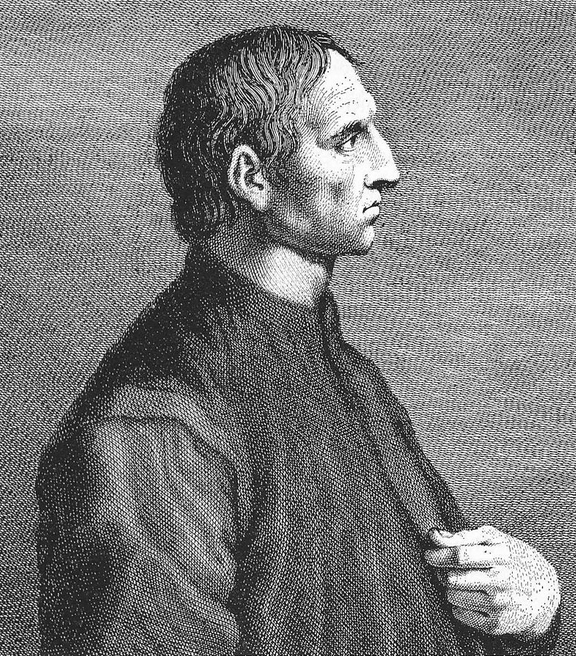
This book, Leonardo, I wished to inscribe with your name so that the title page itself could shine forth more all the more brightly. If the honor of Greek and Latin eloquence and whatever praise there is in the world is to be given to anyone, if the immortal fame of our ancestors is owed to anyone, then the highest glory remains for you. You fashion our earliest ancestors with excessive gravity, and you even overcome the ancients in your probity. Not only would the Latins say that they are in debt to you, but even the Greeks would cultivate you and yours. Latin speech converted to Greek holds no less of the Greek than Latin does, thanks to you. Aristotle, made Latin, speaks with a charming and ornate voice – he was a barbarian before! The Punic Wars, dead for so many years, live; Cicero lives; Plato does not die. Why should I recount the fact that you translated countless Greek books and composed the same number of your own? Through you came the light of Italy, through you the Muses came to Italy, through you the ancient words please us. Would that you would indulge, my dear Leonardo, my madness, whether it was madness or pain. Would that you would make a judgment about my poem, whether incense should cover it, or whether my little words are worthy of being read. If they were praised by a benign judgment, then any poet at all could rebuke me as much as he wanted. Don’t be afraid to respond to your tablets, whether in prose or poem. If you write back to me, I will think that the nine sacred spirits of the Muses came straight from the Aeonian fount. Indulge my furor, man of Arrezzo, whether it’s furor or pain. When new poets dared to contrive their songs in ancient times, the consulted the Apollinian fires. But now, I need not consult the Sibylline oracles, and even Phoebus can be despised in these verses: you will be my Sibyl, you will be my Apollinian sisters, you will be the Apollo and the Calliope to my pen.
“Yeah, that’s fuckin’ right!”
Hunc, Leonarde, tuo volui obsignare libellum Nomine, quo titulus luceat ipse magis. Si quoi dandus honos Grai pariterque Latini Eloquii et quicquid laudis in orbe fuit Si quoi debetur fama immortalis avorum, Arretine, tibi gloria prima manet. Effingis priscos nimia gravitate parentes Et superas veteres tu probitate viros. Non solum dicant tibi se debere Latini, Verum etiam Argolici teque tuosque colant. Non minus in Graium conversus sermo Latinus Quam Graium per te lingua Latina tenet. Eloquitur lepida ac ornata voce Latinus Factus Aristoteles: barbarus ante fuit. Punica bella diu tot in annis mortua vivunt, Rex Cicero vivit non moriturque Plato. Quid recitem libros te traduxisse Pelasgos Innumeros, totidem et composuisse novos? Italiae lumen, per te venere Camenae Ad Latium, per te dicta vetusta placent. Indulgere velis nostro, Arretine, furori, Sive sit ille furor, sive sit ille dolor. Iudicium facias nostro de carmine, sive Thura tegat, vel sint verbula digna legi. Quae si iudicio fuerint laudata benigno, Mordeat o quantum quisque poeta velit. Nec pigeat nostris te respondere tabellis, Sive velis prosa, carmine sive velis. Si mihi rescribes, Musas venisse putabo Aonio ex fonte et numina sacra novem. Indulgere velis nostro, Arretine, furori, Sive sit ille furor, sive sit ille dolor. Quando novi vates ausi sunt tempore prisco Carmina, Phoebeos consuluere focos; Nunc quaerenda meis non sunt oracla Sibyllae Versibus et Phoebus despiciendus erit: Tu Cumaea mihi, tu Phoebeaeque sorores, Phoebus eris calamis Calliopeque meis. Prefatio in Angelinetum explicit.
“You know how I eat, and even how I sleep – no fortune could ever persuade me to add anything to these. Rather, I subtract a little every day, and it has reached the point now that only a little bit can be subtracted. Even if some royal fortune befell me, it could not drive frugality from my table or drive me to look for more sleep at night. My bed never holds me if I am healthy and awake, and I never toss in the sheets unless I am sick or sleeping. As soon as sleep departs from me, I depart from the bed, and I will lie enough or even more than enough on a bed of earth or rock.
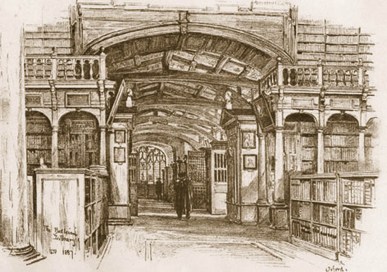
Thinking about it, I hate my bed and I never return to it but at the urging of necessity, but soon I sense that I am freed from it as from the chains of nature, and without delay I rip myself out of it and flee to the closest library as though it were a citadel. This divorce occurs between me and my bed in the middle of the night: if by chance a shorter night or some late hours drag on, yet certainly dawn never sees us together. Finally, I strive with all my heart to prevent anything from coming between me and my more pleasant concerns, except that which the necessity of nature extracts from me in an imperious way – I mean things like sleep, food, and the short and honorable solace which is just enough for relaxing the body and replenishing the spirit.”
Victum meum nosti, somnum quoque; his ut addam, nulla michi unquam fortuna suaserit; demo potius aliquid in dies, iamque eo perventum est ut modicum demi possit; denique non si regie opes advenerint, aut e mensa frugalitatem pellere poterunt aut in cubiculum longos somnos arcessere. Nunquam me sanum ac vigilem lectus habet, nunquam nisi eger aut dormiens stratis versor; simul et me somnus et ego lectum desero, et somnum morti et lectulum busto simillimum duco. Cum supremus sopor obrepserit, satis superque satis in cubiculo terreo seu saxeo iacebimus; id meditans lectulum meum odi et ad illum nisi urgente necessitate non redeo, sed ab illo mox ut me nature vinclis explicitum sentio, incuntanter avellor inque bibliothecam illi proximam velut in arcem fugio. Fit hoc inter nos media nocte divortium, quod siquando forte vel nox brevior vel vigilie longiores traxerint, at profecto nunquam simul aurora nos invenit; postremo modis omnibus nitor nequid melioribus curis interveniat, preter id solum quod imperiose necessitas nature exigit, somnum dico et cibum et breve honestumque solatium vegetando corpori refovendoque animo duntaxat ydoneum. Id enimvero quia pro varietate temporum ac locorum variari oportet, et quale michi nunc sit nisi audias nosse non potes, dicam. Amo solitudinem ut soleo sectorque silentium nisi inter amicos, inter quos nemo me loquacior, hanc reor ob causam quod amicorum presentia solito rarior nunc est; raritas autem desiderium accendit. Sepe igitur annuum silentium diurna loquacitate compenso rursumque amicis abeuntibus mutus fio; importunum negotium cum vulgo loqui aut omnino cum homine quem non amor tibi seu doctrina conciliet.
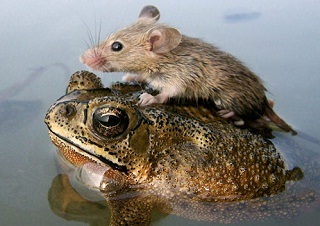
Recently, my dearest Marrasio, when among some of the most distinguished youths dedicated to humanistic study, I praised Homer in the highest terms and said that it was not only in his great works (which usually offer a field for even the mediocre orator or poet), but even in the war of the frogs and mice which he devised as a young man, he showed how much power of intellect he possessed, they entreated me with prayers and force to translate the Batrachomyomachia into Latin and – if it was not possible in verse – to at least render it into prose. And so, since I could in no way resist their pleading, I set about translating it free from all metrical concern. But when I had translated only a few verses, the speech seemed to me so rough and poorly composed that none of it appeared to be sweet or elegant or even to sound like Homer. And so I changed my plan and called upon the Muses to give me a little bit of inspiration and to sprinkle my lips, if not with the sacred waters of Parnassus, at least with the drops of that fountain of Gaius, about which you recently wrote so many delightful elegies. And if suddenly, I would become a poet from a crow (as he said), I promised a whole hecatomb to them.
On the next night, I dreamt that I was taken up on the Muses’ lap and then submerged in the fountain of Gaius, and for that reason when I woke up a little later, I rushed with swiftness of mind to writing and I rendered this little work into our own language. If anything seems elegant in it, attribute it to Homer, the most excellent of all poets, especially in those waves with which you say that your own poems are drenched. But if you come upon anything inept, you can be sure that it was mine.
But I joke too much. It does not escape me that Plutarch thought that these things did not seem to be the work of Homer, because he thought that it would redound to the praise of this most renowned poet if nothing were ascribed to his authorship but those two outstanding poems, of in one of which he sang about the Trojan War, and in the other of which he sand the wanderings of Ulysses. And for that reason, he denied that the Margites was composed by Homer. He made no mention of the Hymns, but I do not see why the opinion of those who ascribe these poems to Homer cannot be true. For if our own Vergil wrote the Culex, the Copa, and some other things for the sake of exercising his talent so that he could finally sing about pastors, fields, and horrid wars, what wonder is it that Homer played around with this kind of work before the Trojan War, especially since the elegance of the language seems hardly discordant with the tone of that noble work. For although it seems laudable to write great things, it is hardly absurd to exercise oneself in small matters, and indeed, ‘I am not doubtful in my mind to say in words how great it is and to add honor to small things.’ For, as the most excellent poet writes, ‘in a small thing, there is labor but no small glory.’
But this should hardly seem amazing to us, if we consider what kind of controversy about this work there is among the learned, since we see that there are so many different opinions about the birth, life, and country of Homer himself. If you consult Ephorus about his fatherland, he says he was Cumaean; if you look to Pindar, the prince of the lyric poets, he will say he’s Smyrnaean now and Chian another time; if you ask Antimachus and Nicander, they will think that he comes from Colophon; if you go to Aristarchys and Dionysius Thrax, they will hardly hesitate to say that he is Athenian; and though Simonides says he’s from Chios, and Aristotle says the same, there are those who grant that he may be from Cyrpus, Salamis, or Argos. Similarly, there are just as many different opinions about when he was born or who his parents were, that it would be more to the point to affirm nothing about Homer than to offer any opinions about him.
“Was this the ride that began the crab-claw clips?”
Nuper, suavissime Marrasi, quom apud quosdam praestantissimos iuvenes studiis humanitatis mirifice deditos Homerum summopere laudassem dixissemque eum non solum in rebus magnis, quae mediocri oratori vel poetae maximum orationis campum praestare solent, verum etiam in eo bello quod adolescens de ranis muribusque finxit quantum iam ingenio valeret ostendisse, et precibus et vi a me exegerunt ut id in Latinum converterem ac, si non valerem versu, saltem id, quoquo modo possem, soluta oratione transferrem. Itaque, cum eorum studiis nullo pacto obsistere quirem, liber omni pede id traducere aggressus sum; sed, cum perpaucos transtulissem versus, ita ea oratio incondita et incomposita mihi visa est, ut nihil suave, nihil elegans, nihil denique Homericum resonare videretur. Itaque mutato consilio, Musas invocavi, ut mihi aliquantulum aspirarent meaque labra si non Parnasi sacris undis, saltem lymphis illius Gaii fontis, de quo nuper quam plures suavissimos elegos edidisti, aspergerent. Ac si repente ex corvo (ut inquit ille) poeta prodirem, eis hecatombem pollicitus sum. Proxima deinde nocte in somnis mihi visum est Musarum gremio sublatum in Gaio fonte esse demersum, quamobrem paulo post experrectus, alacri animo ad scribendum accessi et hoc opusculum in nostram linguam transtuli. In quo si quid elegans visum fuerit, tum Homero, omnium poetarum praestantissimo, tuo maxime illis undis, quibus tua carmina uda esse dicis, attribuito; sin autem aliquid ineptum offenderis, id a me editum esse credas. Sed iam diu tecum iocor. Non tamen me latet videri Plutarcho haec Homero non esse tribuenda, putavit enim, ut arbitror, hanc clarissimi poetae summam fore laudem, si nihil illius nomine inscriberetur praeter illa duo egregia poemata, quorum altero bellum Troianum, altero Ulixis varios errores cecinit. Itaque et hoc et Margitem Homeri esse negavit; de Hymnis vero nullam fecit mentionem, sed non video cur sententia eorum qui haec Homero ascribunt vera esse non possit. Nam si noster Maro Culicem, Copam nonnullaque alia exercendi ingenii gratia scripsit, ut tandem pastores, agros horrendaque bella caneret, quid mirum Homerum hoc opere bello Troiano praelusisse, praesertim quom verborum elegantia ab illo praeclaro opere minime dissentire videatur? Quamvis enim laudabile sit res magnas scribere,in parvis tamen aliquando se exercere haud absurdum est, et enim “non sum animi dubius verbis ea dicere magnum / quam sit et angustis hunc addere rebus honorem”. Nam, ut inquit praestantissimus poeta, “in tenui labor at tenuis non gloria”. Sed minime mirum nobis videri debet, si de hoc opere inter doctos aliquod certamen sit, quom de genere, de vita, de patria denique ipsius Homeri tam varias sententias esse videamus. Nam si ab Ephoro patriam quaeras, Cumaeum esse dicet; si a Pindaro omnium liricorum principe, tum Smyrnaeum tum Chium asseverabit; si ab Antimacho et Nicandro, Colophonium censebunt; sin autem ab Aristarcho et Dionysio Thracio, haud dubitabunt Atheniesem dicere; demum quom Simonides Chium, Aristoteles item fuisse scribat, non desunt qui eum ex Cypro, Salaminium aut Argivum esse concedant, qua item tempestate quibusve parentibus fuerit, tam variae sententiae sunt, ut satius sit de eo nihil affirmare quam tam diversas de eo opiniones proferre.
One must think differently about grief, to be sure, differently from the Stoics, who call themselves manly men because they don’t want to be seen to feel pain, if they are – as I said above – understood correctly. While they produce a resplendent speech ornamented with magnificent words, they seem to abandon and forget about nature and the matter at hand. For that reason, Dionysius of Heraclea argued against them in the most excellent way. He had been a student of Zeno, and had drunk deep of the learning of the Stoics, but finally when his kidneys were racked with pain, he said that everything he learned in the Stoa was a lie, while his fellow student Cleanthes stood nearby and called Zeno back from hell with this line: Do you hear this under the earth, Amphiaraus?
Aliter profecto, aliter quam Stoici, qui etiam propterea quod dolere videri nolunt se appellant masculos, aliter, inquam, de dolore, si recte, ut supra dixi, interpretantur, sentiendum est. Afferunt enim praeclaram duntaxat quandam magnificisque ornatam verbis orationem, rem autem ipsam ac naturam deserere obliviscique videntur. Quapropter et Dionysius ille Heracleotes optime illos arguit. Cum enim fuisset Zenonis discipulus Stoicorumque disciplinam imbibisset, tandem vero renum vexaretur doloribus, falsa illa esse omnino quae in porticu didicisset asserebat, astante etiam atque acclamante condiscipulo eius Cleanthe Zenonemque ipsum tragico versu ab inferis excitante: ‘Audisne haec sub terra, Amphiaraè abdite?”
Bartolomeo Scala, Praefatio in Collectiones Cosmianas, (8)
But how much more humanely and intelligently act those who, having from their earliest youth embraced the brevity of human life in mind and thought, do not, in an effort to excuse their own idleness and lack of care, ‘accuse nature because life is short and age is weak’, as Sallust says. Rather, they think about how they can best compensate for the disadvantages of that brevity with zeal, care, and diligence.
Both antiquity and our own age have seen such people, who became famous in various pursuits. For, as far as this goes, there is not only one way in which the mind can overcome the brevity of life and commend itself to immortality. Philosophers are praised, orators are praised, generals are praised – even the administrators and helmsmen of republics and the moderators of the public have stood forth in the highest glory.
So far is it from being the case that human life is not sufficient to attain singular praise that we have read and heard of many people who have excelled in several or even in all pursuits at the same time, and we have seen some of them become famous. Wasn’t Julius Caesar – the one whose arms all nations feared – the greatest orator and the most elegant writer? Didn’t Cicero – about whose learning and elegance enough could not be said – accomplish things as consul which no general, however outstanding, could have deliberated about more gravely or accomplished more industriously, and for which he could not undeservedly boast of, ‘Rome, fortunate to be born in my consulship’?
Quanto vero humanius prudentiusque hi faciunt qui iam tum ab ineunte aetate brevitatem humanae vitae mente ac cogitatione complexi, non quemadmodum ignaviae socordiaeque suae causas excusantes, naturam, quod aevi sit brevis, quod imbecilla aetas, ut ait Crispus,’ criminentur, cogitant; verum quo pacto magis brevitatis ipsius damna compensare possint, summo studio, cura et diligentia perscrutantur! Quales et prisca et nostra aetas multos vidit,qui alius alia in laude claruere. Non enim una dumtaxat res est in qua possit animus aevi brevitatem superans sese immortalitati commendare. Laudantur enim philosophi, laudantur oratores, laudantur imperatores. Rerum quoque publicarum administratores rectoresque et temperatores populorum summa semper in gloria extiterunt; tantumque abest ut singulis consequendis laudibus humana vita non sufficiat, ut vel in plerisque vel in omnibus simul complures legerimus et audiverimus, [et] viderimus ipsi nonnullos claruisse. C. quidem Caesar, is cuius arma gentes omnes timuerunt, nonne summus orator fuit scriptorque elegantissimus? M. vero Tullius, cuius de doctrina elegantiaque dici non potest satis, nonne consul ea gessit quae nullus quantumvis egregius imperator vel consultasse gravius vel gessisse gnavius potuisset, quibusque, ut solebat, possit neque immerito gloriari, ‘O fortunatam natam me consule Romam’*— quanquam exemplis nobis extraneis non est opus?
Bartolomeo Scala, Praefatio in Collectiones Cosmianas, (5)
Passing over the rest, what do you think is the fruit of memory in old age, or what utility in the recollection of the things you have done in life? Once all of these things are compared to the things that happen in daily life, they understand that one thing is to be chosen and another to be escaped much more readily than do those who, uncultured and inexperienced, make their own judgments of the matter. For we were not born to grasp wisdom with all of its light immediately – it is furnished by our zeal, our diligence, and not in the least by the length of our life.
They say that Democritus was an exceptionally wise man, since after he had reached the age of one hundred and seven (for he lived that many years) understood that he would die, and lamented that he was leaving life just at the moment when he had begun to be wise. Critias, in Plato’s Timaeus says that Solon of Athens was once chastised and mocked by an Egyptian priest because the Greeks were always children, and never had an old man among them. That is to say, their memory was always of the most recent stuff, and there was never any old gray-haired wisdom among them. Is it not right then for people to complain and lay fault at their nature, when they are deprived of such great advantages and profits of life at the very time when they are able and indeed ought to enjoy them the most? What else could be the reason, except that nature feels spite for the human race, and offers herself up as the most unjust author of all of its misfortunes?
Ut enim cetera omittam, quis, putas, est senilis memoriae fructus, quaeve rerum in vita gestarum recordationis utilitas, quibus cum his quae in dies accidunt collatis, hoc quidem deligendum, illud vero fugiendum esse multo hercle noverunt facilius quam qui rudes adhuc rerum atque inexperti iudicant? Neque enim ita nati sumus ut statim cum luce ipsa sapientiam nanciscamur; sed ea studio ac diligentia nostra nee minus vitae diuturnitate comparatur. Democritum virum egregie sapientem ferunt, cum expletis septem supra centum (tot enim vixit) annis, mori se intelligeret, dolere dixisse quod tunc egrederetur e vita quando sapere incepisset.” Et Critias in Timeo Platonis refert Atheniensem Solonem aliquando et reprehensum et irrisum ab Aegyptio sacerdote extitisse, quod pueri semper essent Graeci, neque quisquam esset apud illos senex. Novella enim semper esset memoria, neque ulla apud eos unquam cana sapientia. Cur igitur non iure querantur homines naturamque accusent suam, qui tot tantisque utilitatibus vitaeque commodis tunc maxime morte priventur quando his uti commo- dissime potuerunt et iure debuerunt? Quid enim aliud videtur causae’^ fuisse nisi invidisse naturam generi hominum fortunarumque ipsius inquis- simam se auctorem praebuisse?
But the divine Augustus Caesar, who enjoyed more power than anyone else in the world, was unable to pursue this one thing which seems like a mere trifle to most people. To be sure, he often wished for the sweetness of leisure: whatever he was thinking or talking about would end in leisure; this was the consolation of his labors, this was the reward for his past deeds, this was the hope of time to come, the mass of all his riches and the power over all the world looked dirty in comparison to leisure. Then, finally, worn out by the abundance of all the things which can happen to the most fortunate person, he took his breath in the name of leisure alone. Seneca mentions this, and his ‘Certain Letter to the Senate’ attests to it as well.
With what pleasure should we think that he would have arrived at that leisure on which he had so sweetly bent his mind’s eye! But from the highest peak of fortune, on which the master of the world had sat, the descent to that low and simple desire seemed to steep to his mind as he chanced to think about it. And so, he stuck deliberating about it, and never made the descent until he died. For that reason (granted, among those who enjoyed leisure no place lay open to him then), because nevertheless nothing provides clearer testimony to how great the happiness of leisure is than this does: Caesar was not to be overlooked when this question was being debated – Caesar who, when he had it in his power to give anything, asked that nothing be given to him but leisure, and when he was in charge of everything, saw nothing more beautiful than his throne, except for leisure.
at vero divus Augustus Cesar, quo nemo mortalium ampliori usus est potestate, hoc unum quod multis perexiguum videretur consequi non potuit. Otii nempe dulcedinem semper optavit: quicquid cogitabat, quicquid loquebatur in otium desinebat; hoc solamen presentium laborum, hec preteritorum merces, hec venturi temporis spes erat, omnis illi divitiarum suarum cumulus et totius orbis imperium in comparationem otii sordebat; denique in summa omnium que fortunatissimo homini contingere possunt bonorum copia defessus, in solo otii nomine respirabat. ⟨2⟩ Cuius rei et Anneus Seneca meminit et “quedam” eius “ad senatum” testatur “epystola”. ⟨3⟩ Quanta cum voluptate igitur eo perventurum fuisse credimus quo tam dulciter oculos mentis intenderat! Sed ab eminentissimo fortune culmine, cui rerum dominus insederat, ad illud humile modestumque desiderium preruptus forte cogitanti animo descensus videbatur; itaque deliberans herebat, nec unquam nisi moriens descendit. ⟨4⟩ Quocirca, licet inter otio fruentes nullus huic pateret locus, quia tamen quanta sit otii felicitas nullo clarius teste cognoscitur, non fuit cum de hoc ageretur pretermittendus Cesar, qui, cum omnia dare posset, nil sibi dari preter otium poscebat, cum omnibus preesset, nil solio suo pulcrius preter otium videbat.
I recount leaders in war. Marcus Tullis Cicero, after the innumerable labors which he bore in politics, after so many pivotal moments which his highly turbulent consulship and that immortal contest with the wicked had given rise to, and once the liberty of the citizens had been broken, he sailed away from everyone as though with his stern submerged, stripped of all ornaments, and retreated into retirement. In this retirement, he spoke of himself as ‘traversing the country, he was often alone.’ But what business, I ask, what busy activity could be compared to his retirement? To be sure, he took pity on his country’s downfall and greatly bewailed it, but from that grief there flowed forth monuments of his divine intelligence, which made their way to all people. He says in the same place, ‘In a short time, I wrote more things once the republic had been overturned than I had in the space of many years while it still stood firm.’ But indeed, he could not bend his fate: he was safe in the storm, but suffered a shipwreck in port.
Duces bellorum memoro: M. Tullius Cicero post innumerabiles labores quos in republica pertulit, post tam multa discrimina que sibi suus ille turbulentissimus consulatus et cum improbis certamen immortale pepererat, fracta tandem libertate civium, velut puppe submerse nudus ornamentis suis omnibus enavit inque otium secessit. In quo quidem «rura peragrando», sicut ipse de se loquitur, «sepe solus erat». ⟨2⟩ Sed quod negotium, queso, cum illius otio, que frequentia cum illius solitudine conferenda est? Quam licet ipse casum patrie miseratus graviter defleat, inde tamen ad omnes populos perventura divini ingenii monimenta fluxerunt: «plura» enim, ut ibidem ait idem, «brevi tempore eversa quam multis annis stante republica scripsit». Atqui fatum suum declinare non valuit: in tempestate tutus, in portu naufragium passus est.
The grandson of this man, and even Scipio Africanus himself, just as he was capable of enduring work in a way which stretches the bounds of credulity, was also desirous of tranquil relaxation, and is said to have been ‘accustomed to rusticate’ often and travel about alone with Laelius. The story goes that occasionally, wandering about on the Italian shores, he bent the hand which dominated Carthage and Numantia to pick up sea shells and shiny little pebbles. Thus, with the relaxation of the shortest length, he would restore his mind to the labor which remained. This account is related modestly and with due reverence in Cicero: incredibly, they (let me not misquote) ‘were accustomed to become boys again when they had flown to the country from the city as if from chains.’
Huius nepos, et ipse Africanus Scipio, sicut laboris supra fidem patiens sic otiose cupidus quietis, solus sepe cum Lelio “rusticari” peregrinarique “solitus” traditur; interdumque litoribus italicis vagabundus expugnatricem illam Carthaginis Numantieque dexteram ad marinas conculas lapillosque candidulos interlegendos inclinasse. Sic enim ad illud quod supererat negotiorum otio brevissimi temporis animum reparabat. Verecunde admodum hoc apud Ciceronem reverenterque narratur: eos incredibiliter, ne verba deseram, «repuerascere esse solitos cum rus ex urbe tanquam e vinculis evolassent».
That Scipio who first earned the title of Africanus through his deeds and virtue was a lover of solitude and leisure. And so, he was in the habit of withdrawing that spirit which dominated so many peoples, that military body exercised in wars, and those ears filled with the murmur of the camp and the blasts of the trumpets, not so that his virtue could languish in idleness, but so that his mind, distracted by the variety of his occupations, could compose itself. For this reason, he never seemed to himself to be entirely at leisure, given that he was always contriving something important with the perpetual occupation of his mind, nor did he ever seem to himself to be alone, since he was always accompanied by the gravest and noblest cares, nor did he ever seek the theater or the applause of the masses, since the memory of his own affairs applauded for him, and he was content with the testimony of his own conscience. Therefore, we understand that he was right to say that he was ‘never less at leisure than when he was at leisure, and never less alone than when he was lone.’ Cicero is the authority for the claim that Cato, hardly a middling imitator of that famous Africanus, left behind this account in writing.
Scipio ille qui primus agnomen Africani rebus gestis et virtute meruit, amator solitudinis atque otii fuit. Itaque spiritum domitorem gentium et militare illud corpus bellis exercitum auresque castrorum strepitu et tubarum fragoribus oppletas huc referre consueverat, non ut virtus otio langueret, sed ut se se mens varietate negotiorum distracta colligeret. Quamobrem neque sibi unquam otiosus, perpetua mentis occupatione grande aliquid moliens, neque sibi solus unquam videbatur, altissimis atque pulcerrimis comitatus curis, neque theatrum aut vulgi plausum querebat, rerum suarum plaudente memoria et conscientie testimonio contentus. ⟨2⟩ Iure ergo dicere solitum accepimus «nunquam se minus otiosum esse quam cum otiosus, nec minus solum quam cum solus esset». Idque ipsius Africani non mediocrem emulum M. Porcium Catonem scriptum reliquisse auctor est Cicero.