Wine Tours and Drinking Fragments

Today we have arranged for a full-day of babysitting for the children. We will be touring texas vineyards and honoring Autumn by harvesting the fruit of the vine. Ok, drinking too much.

The only catch? The tour is with a large group of members of my wife’s profession (she’s a dentist).

So I have collected some lines to carry with me through the day.

Sophocles, Fr. 735 (Athenaeus, Deipnosophists 10, 428 A)

“Drinking under compulsion is an evil equal to thirst”

τὸ πρὸς βίαν / πίνειν ἴσον πέφυκε τῷ διψῆν κακόν

Theognis 627-628

“It is shameful when a man is drunk among the sober
and it is shameful if man remains sober among drunks.”

Αἰσχρόν τοι μεθύοντα παρ’ ἀνδράσι νήφοσιν εἶναι,
αἰσχρὸν δ’ εἰ νήφων πὰρ μεθύουσι μένει

Carm. Conv. 17

“I wish I could turn into an ivory lyre
And that beautiful children would carry me to the Dionysian dance.”

εἴθε λύρα καλὴ γενοίμην ἐλεφαντίνη
καί με καλοὶ παῖδες φέροιεν Διονύσιον ἐς χορόν.

Carm. Conv. 6

“What kind of man each person is
I wish I could know by opening his chest and then
Looking at his mind and after closing it again
To recognize a dear friend by his guileless thought”

εἴθ’ ἐξῆν ὁποῖός τις ἦν ἕκαστος
τὸ στῆθος διελόντ’, ἔπειτα τὸν νοῦν
ἐσιδόντα, κλείσαντα πάλιν,
ἄνδρα φίλον νομίζειν ἀδόλωι φρενί.

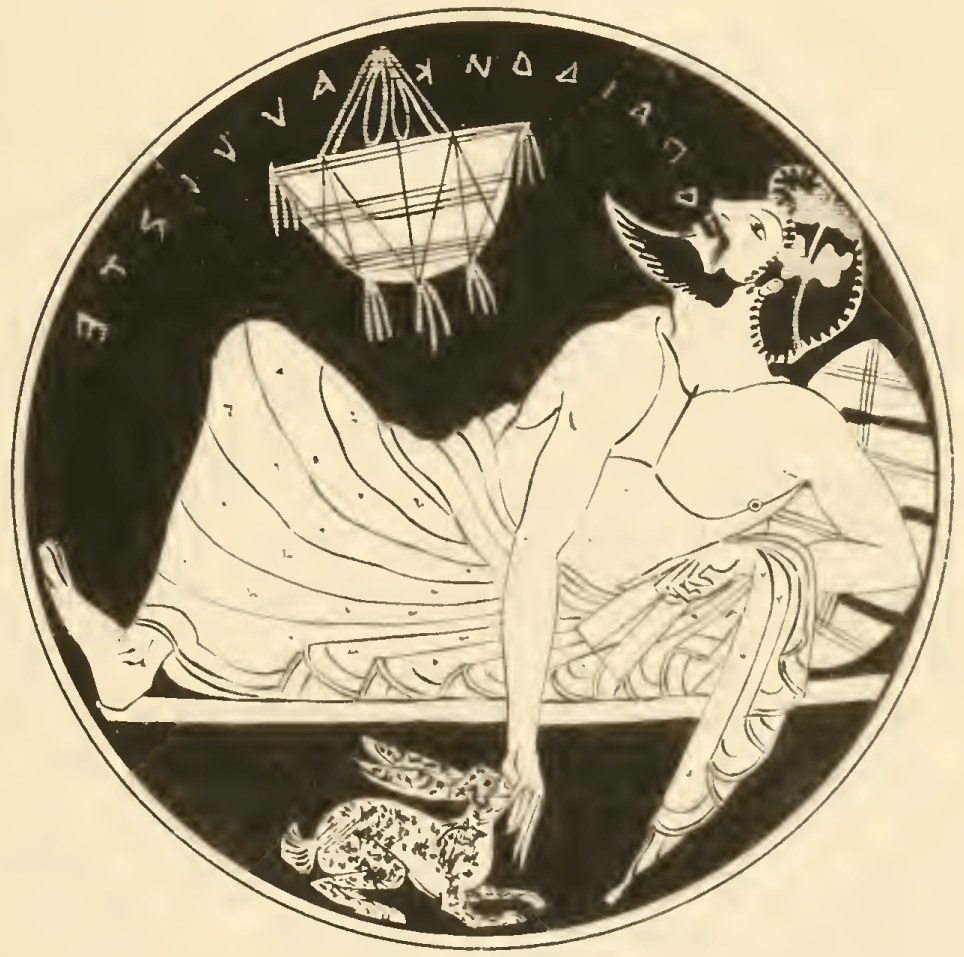
Anonymous Lyrics (Plutarch, Table Talk 1)

“I hate the drinking buddy who doesn’t forget.”

μισέω μνάμονα συμπόταν

Cratinus, fr. 199

“Wine is like a swift horse for a charming poet; you won’t produce anything clever if you’re drinking water.”

οἶνός τοι χαρίεντι πέλει ταχὺς ἵππος ἀοιδῷ,
ὕδωρ δὲ πίνων οὐδὲν ἂν τέκοι σοφόν.

Carm. Conv. 890

“The best thing for a mortal man is to be healthy
And second, to be pretty.
Third, is to be wealthy without deceit.
And, fourth, is to be young with friends.”

ὑγιαίνειν μὲν ἄριστον ἀνδρὶ θνητῷ,
δεύτερον δὲ φυὰν καλὸν γενέσθαι,
τὸ δὲ τρίτον πλουτεῖν ἀδόλως,
τέταρτον δὲ ἡβᾶν μετὰ τῶν φίλων.

Xenophon, Oeconomicus 11.3-12.1

“First, Socrates, you can’t make lushes pay attention: drinking makes them heedless of everything that needs doing.”

Πρῶτον μέν, ἔφη, ὦ Σώκρατες, τοὺς οἴνου ἀκρατεῖς οὐκ ἂν δύναιο ἐπιμελεῖς ποιῆσαι· τὸ γὰρ μεθύειν λήθην ἐμποιεῖ πάντων τῶν πράττειν δεομένων.

Drinking with the Ancients: Homer, Anacreon, Theognis and Friends on Imbibing

Just in time for the weekend: drinking advice from the ancient Theognisworld

Horace, Epistulae 1.19.6

“Homer is said to have been a drunkard because of his praise of wine”

laudibus arguitur vini vinosus Homerus

I don’t know that Horace didn’t have the following passage in mind:

Homer, Odyssey 14.464-6

“Wicked wine–which makes even a prudent man sing aloud, giggle, dance and speak some word better left unsaid–compels me.”

 …οἶνος γὰρ ἀνώγει
ἠλεός, ὅς τ᾽ ἐφέηκε πολύφρονά περ μάλ᾽ ἀεῖσαι
καί θ᾽ ἁπαλὸν γελάσαι, καί τ᾽ ὀρχήσασθαι ἀνῆκε,
καί τι ἔπος προέηκεν  περ τ᾽ ἄρρητον ἄμεινον.

So Odysseus in disguise speaks to Eumaios and his fellow swine-herds as they drink during an evening rainstorm. Here’s the full text.

But some ancient authors saw important connections between drinking and inspiration:

Cratinus, fr. 199

“Wine is like a swift horse for a charming poet; you won’t produce anything clever if you’re drinking water.”

οἶνός τοι χαρίεντι πέλει ταχὺς ἵππος ἀοιδῷ,
ὕδωρ δὲ πίνων οὐδὲν ἂν τέκοι σοφόν.

For orators or politicians, not drinking wine might have been an advantage, as Philostratus implies:

Lives of the Sophists, 507-8

“The conflict between Aeschines and Demosthenes began in part because of the fact that the one acted on behalf of the King and the other acted for another—as it seems to me. But there was also a difference of character: and hatred always seems to develop from characters that are strongly opposed to one another without any other cause. And the two were opposed for these reasons. Aeschines was a man who liked to drink, but he was sweet and had kind manners and he had the general charm of Dionysus; indeed, when he was in his youth he played parts for the tragic actors. But Demosthenes had a downcast face, a heavy brow, and he drank water: and for this reason he was assumed a ill-tempered and bad-mannered man….”

διαφορᾶς δ’ ἦρξεν Αἰσχίνῃ καὶ Δημοσθένει καὶ αὐτὸ μὲν τὸ ἄλλον ἄλλῳ βασιλεῖ πολιτεύειν, ὡς δ’ ἐμοὶ φαίνεται, τὸ ἐναντίως ἔχειν καὶ τῶν ἠθῶν, ἐξ ἠθῶν γὰρ ἀλλήλοις ἀντιξόων φύεται μῖσος αἰτίαν οὐκ ἔχον. ἀντιξόω δ’ ἤστην καὶ διὰ τάδε• ὁ μὲν Αἰσχίνης φιλοπότης τε ἐδόκει καὶ ἡδὺς καὶ ἀνειμένος καὶ πᾶν τὸ ἐπίχαρι ἐκ Διονύσου ᾑρηκώς, καὶ γὰρ δὴ καὶ τοῖς βαρυστόνοις ὑποκριταῖς τὸν ἐν μειρακίῳ χρόνον ὑπετραγῴδησεν, ὁ δ’ αὖ συννενοφώς τε ἐφαίνετο καὶ βαρὺς τὴν ὀφρὺν καὶ ὕδωρ πίνων, ὅθεν [ἐν] δυσκόλοις τε καὶ δυστρόποις ἐνεγράφετο…

Theognis of Megara had some things to say about drinking:

Theognis 989-990

“Drink whenever they drink but let no man discover you’re burdened
whenever you’re sick in the heart.”

Πῖν’ ὁπόταν πίνωσιν· ὅταν δέ τι θυμὸν ἀσηθῆις,
μηδεὶς ἀνθρώπων γνῶι σε βαρυνόμενον.

Perhaps Theognis was concerned about a talkative friend:

Anonymous Lyrics (Plutarch, Table-Talk 1)

“I hate the drinking buddy who doesn’t forget.”

μισέω μνάμονα συμπόταν

One might be better served going out with a dedicated drinker like Anacreon:

Anacreon Fr. 356 a (Athenaeus, Deipnosophists 10.427ab)

“Bring me a bowl so I can  drink straight without breathing”

ἄγε δὴ φέρ᾿ ἡμῖν ὦ παῖ
κελέβην, ὅκως ἄμυστιν

προπίω…

But he might force others to practice what he thinks is right for himself.  A tragedian we know would object:

Sophocles, Fr. 735 (Athenaeus, Deipnosophists 10, 428 A)

“Drinking under compulsion is an evil equal to thirst”

τὸ πρὸς βίαν / πίνειν ἴσον πέφυκε τῷ διψῆν κακόν

But perhaps we should listen to Theognis and take some good advice:

Theognis 627-628

“It is shameful when a man is drunk among the sober
and it is shameful if man remains sober among drunks.”

Αἰσχρόν τοι μεθύοντα παρ’ ἀνδράσι νήφοσιν εἶναι,
αἰσχρὸν δ’ εἰ νήφων πὰρ μεθύουσι μένει

I guess we should always heed the old adage that “like attracts like”.

Just in case you’re still trying to work things out, lots of Greeks had things to say about wine and drinking:

Panyassis fr. 12 (19 W; Stobaeus 3.18.21)

“A mortal who does not draw wine to his heart’s delight does not seem to me to be alive or to live the life of an enduring man—he’s a moron.”

οὐ γάρ μοι ζώειν γε δοκεῖ βροτὸς οὐδὲ βιῶναι
ἀνθρώποιο βίον ταλασίφρονος, ὅστις ἀπ’ οἴνου
θυμὸν ἐρητύσας πίνει ποτόν, ἄλλ’ ἐνεόφρων.

Panyassis fr. 12 (19 W)

“Mortals have a fine gift equal to fire: wine, a defense against evil and companion of any song.”

οἶνος γὰρ πυρὶ ἶσον ἐπιχθονίοισιν ὄνειαρ
ἐσθλόν, ἀλεξίκακον, πάσης συνοπηδὸν ἀοιδῆς.

Cypria, Fragment 17 (18W) (Athenaeus, Deipnosophists)

“Menelaus, the best thing the gods made to scatter the cares of mortal men is wine”

οἶνόν τοι, Μενέλαε, θεοὶ ποίησαν ἄριστον
θνητοῖς ἀνθρώποισιν ἀποσκεδάσαι μελεδῶνας.

Alcaeus 347. 3-4 (Athenaeus, Deipnosophists x 430c-d)

“Wine, the thing Semele and Zeus’ son gave to men
an amnesia from their troubles.”

οἶνον γὰρ Σεμέλας καὶ Δίος υἶος λαθικάδεον
ἀνθρώποισιν ἔδωκ’.

Alcaeus, fragment 335

“Bucchus, the best of all medicine for those who have wine is getting drunk”

ὦ Βύκχι, φαρμάκων δ’ ἄριστον
οἶνον ἐνεικαμένοις μεθύσθην

And when you want to impress with a toast, this one works well:

Drinking Songs, 890 ( schol. Plato Gorg. 451e)

“The best thing for a mortal man is to be healthy
And second, to be pretty.
Third, is to be wealthy without deceit.
And fourth is to be young with friends.”

ὑγιαίνειν μὲν ἄριστον ἀνδρὶ θνητῶ̣

δεύτερον δὲ καλὸμ φυὰν γενέσθαι

τὸ τρίτον δὲ πλουτεῖν ἀδόλως

καὶ τέταρτον ἡβᾶν μετὰ τῶν φίλων

And, finally, some more instructive drinking songs:

Carm. Conv. 17

“I wish I could turn into an ivory lyre
And that beautiful children would carry me to the Dionysian dance.”

εἴθε λύρα καλὴ γενοίμην ἐλεφαντίνη
καί με καλοὶ παῖδες φέροιεν Διονύσιον ἐς χορόν.

Carm. Conv. 6

“What kind of man each person is
I wish I could know by opening his chest and then
Looking at his mind and after closing it again
To recognize a dear friend by his guileless thought”

εἴθ’ ἐξῆν ὁποῖός τις ἦν ἕκαστος
τὸ στῆθος διελόντ’, ἔπειτα τὸν νοῦν
ἐσιδόντα, κλείσαντα πάλιν,
ἄνδρα φίλον νομίζειν ἀδόλωι φρενί.

Naming Agamemnon’s Daughters and the Death of Iphigeneia

The sacrifice of Iphigenia is a pivotal moment in the tale of the House of Atreus—it motivates Agamemnon’s murder and in turn the matricide of Orestes—and the Trojan War, functioning as it does as a strange sacrifice of a virgin daughter of Klytemnestra in exchange for passage for a fleet to regain the adulteress Helen, Iphigeneia’s aunt by both her father and mother. The account is famous in Aeschylus’ Agamemnon and the plays Iphigenia at Aulis and Iphigenia among the Taurians by Euripides. Its earliest accounts, however, provide some interesting variations:

Hes. Fr. 23.13-30

“Agamemnon, lord of men, because of her beauty,
Married the dark-eyed daughter of Tyndareus, Klytemnestra.
She gave birth to fair-ankled Iphimede in her home
And Elektra who rivaled the goddesses in beauty.
But the well-greaved Achaeans butchered Iphimede
on the altar of thundering, golden-arrowed Artemis
on that day when they sailed with ships to Ilium
in order to exact payment for fair-ankled Argive woman—
they butchered a ghost. But the deer-shooting arrow-mistress
easily rescued her and anointed her head
with lovely ambrosia so that her flesh would be enduring—
She made her immortal and ageless for all days.
Now the races of men upon the earth call her
Artemis of the roads, the servant of the famous arrow-mistress.
Last in her home, dark-eyed Klytemnestra gave birth
after being impregnated by Agamemnon to Orestes,
who, once he reached maturity, paid back the murderer of his father
and killed his mother as well with pitiless bronze.”

γ̣ῆμ̣[ε δ’ ἑὸν διὰ κάλλος ἄναξ ἀνδρ]ῶν ᾿Αγαμέμνων
κού[ρην Τυνδαρέοιο Κλυταιμήσ]τρην κυανῶπ[ιν•
ἣ̣ τ̣[έκεν ᾿Ιφιμέδην καλλίσφυ]ρον ἐν μεγάρο[ισιν
᾿Ηλέκτρην θ’ ἣ εἶδος ἐρήριστ’ ἀ[θανά]τηισιν.
᾿Ιφιμέδην μὲν σφάξαν ἐυκνή[μ]ιδες ᾿Αχαιοὶ
βωμῶ[ι ἔπ’ ᾿Αρτέμιδος χρυσηλακ]ά̣τ[ου] κελαδεινῆς,
ἤματ[ι τῶι ὅτε νηυσὶν ἀνέπλ]εον̣ ῎Ιλιον ε̣[ἴσω
ποινὴ[ν τεισόμενοι καλλισ]φύρου ᾿Αργειώ̣[νη]ς̣,
εἴδω[λον• αὐτὴν δ’ ἐλαφηβό]λο̣ς ἰοχέαιρα
ῥεῖα μάλ’ ἐξεσά[ωσε, καὶ ἀμβροσ]ίην [ἐρ]ατ̣ε̣[ινὴν
στάξε κατὰ κρῆ[θεν, ἵνα οἱ χ]ρ̣ὼς̣ [ἔ]μ̣πε[δ]ο̣[ς] ε̣[ἴη,
θῆκεν δ’ ἀθάνατο[ν καὶ ἀγήρ]αον ἤμα[τα πάντα.
τὴν δὴ νῦν καλέο[υσιν ἐπὶ χ]θ̣ονὶ φῦλ’ ἀν̣[θρώπων
῎Αρτεμιν εἰνοδί[ην, πρόπολον κλυ]τοῦ ἰ[ο]χ[ε]αίρ[ης.
λοῖσθον δ’ ἐν μεγά[ροισι Κλυτ]αιμ̣ή̣στρη κυα[νῶπις
γείναθ’ ὑποδμηθ[εῖσ’ ᾿Αγαμέμν]ον[ι δῖ]ον ᾿Ορέ[στην,
ὅς ῥα καὶ ἡβήσας ἀπε̣[τείσατο π]ατροφο[ν]ῆα,
κτεῖνε δὲ μητέρα [ἣν ὑπερήν]ορα νηλέι [χαλκῶι.

This fragment presents what is possibly the earliest account of the tale of Iphigenia and contains the major elements: the sacrifice of Agamemnon’s daughter is tied to vengeance against Helen; the daughter is rescued by Artemis, made immortal and made her servant. [In some traditions she is either made immortal or made into a priestess of Artemis at Tauris]. Orestes kills the murderer of his father and his mother.
Continue reading “Naming Agamemnon’s Daughters and the Death of Iphigeneia”

The Wonder and Horror of Man: Homer, Sophocles and Shakespeare

Is it possible for a classicist–much less a Homerist–to travel far from home without thinking about the Odyssey? As I prepare to journey back to the states while contemplating the horrors of violence throughout the world and the man-made catastrophe brewing in Greece (whether ‘yes’ or ‘no’, the episode is of our own making, and the human suffering completely avoidable), I find myself returning to some passages we posted a year ago.

Homer, Odyssey 18.130-5

“The earth raises up nothing feebler than man—
[of all the things that creep and breathe over the earth]
For we think that we will never suffer evil tomorrow
As long as the gods give us excellence and our limbs are quick.
But when the gods carry out painful things too,
We endure them unwillingly with a tormented heart.”

οὐδὲν ἀκιδνότερον γαῖα τρέφει ἀνθρώποιο
[πάντων, ὅσσα τε γαῖαν ἔπι πνείει τε καὶ ἕρπει.]
οὐ μὲν γάρ ποτέ φησι κακὸν πείσεσθαι ὀπίσσω,
ὄφρ’ ἀρετὴν παρέχωσι θεοὶ καὶ γούνατ’ ὀρώρῃ·
ἀλλ’ ὅτε δὴ καὶ λυγρὰ θεοὶ μάκαρες τελέωσι,
καὶ τὰ φέρει ἀεκαζόμενος τετληότι θυμῷ.

Uplifting? Yes. And it made me think of the famous “Ode to Man” from Sophocles’ Antigone (332-41):

There are many wonders and none
is more surprising than humanity.
This thing that crosses the sea
as it whorls under a stormy wind
finding a path on enveloping waves.
It wears down imperishable Earth, too,
the oldest of the gods, a tireless deity,
as the plows trace lives from year to year
drawn by the race of horses….

?Ο. Πολλὰ τὰ δεινὰ κοὐδὲν ἀν-
θρώπου δεινότερον πέλει·
τοῦτο καὶ πολιοῦ πέραν
πόντου χειμερίῳ νότῳ
χωρεῖ, περιβρυχίοισιν
περῶν ὑπ’ οἴδμασιν, θεῶν
τε τὰν ὑπερτάταν, Γᾶν
ἄφθιτον, ἀκαμάταν, ἀποτρύεται,
ἰλλομένων ἀρότρων ἔτος εἰς ἔτος,
ἱππείῳ γένει πολεύων.

(It keeps going… Go here for the full text).  This, of course, I cannot consider without thinking of Shakespeare’s Hamlet (2.2.303-12):

“What a piece of work is a man, how noble in reason, how
infinite in faculties, in form and moving how express and
admirable, in action how like an angel, in apprehension how like
a god! the beauty of the world, the paragon of animals—and yet,
to me, what is this quintessence of dust? Man delights not me—
nor woman neither, though by your smiling you seem to say so.”

And this led me to listen to the musical ‘version’ from Hair, the sweetness of the song makes the bitter lesson a bit easier to swallow:

Three Sophoklean Fragments on Old Age

Acrisus

62

“No lie lasts through old age”

ἀλλ’ οὐδὲν ἕρπει ψεῦδος εἰς γῆρας χρόνου

65

“No one loves living as much as a man growing old”

τοῦ ζῆν γὰρ οὐδεὶς ὡς ὁ γηράσκων ἐρᾷ

260 (Thyestes)

“Even though I am an old man. But a sound mind
Likes to accompany old age with the ability to devise what is necessary.”

καίπερ γέρων ὤν• ἀλλὰ τῷ γήρᾳ φιλεῖ
χὠ νοῦς ὁμαρτεῖν καὶ τὸ βουλεύειν ἃ δεῖ

Pythagoras the Con-Artist


“Pythagoras confined himself in an underground hole and told his mother to tell people that he had died. When he reappeared, he told a lot of marvelous tales about resurrection and the things which happen in the underworld, and, to the living he related a full account of all the companions he happened to meet in the underworld; from this arose the belief that he was Aithalides son of Hermes before the Trojan War, then Euphorbus, then Hermotimus, then Pyrrhus the Delian, and then finally Pythagoras. Sophocles seems to be hinting at this story. Some assert, though unpersuasively, that the lines are aimed at Odysseus. But this is unconvincing, because Odysseus never did anything of the sort.”

ἤδη γὰρ εἶδον πολλάκις Πυθαγόρας καθείρξας ἑαυτὸν ἐν ὑπογείῳ λογοποιεῖν ἐκέλευσε τὴν μητέρα ὡς ἄρα τεθνηκὼς εἴη καὶ μετὰ ταῦτα ἐπιφανεὶς περὶ παλιγγενεσίας καὶ τῶν καθ’ ῞Αιδου τινὰ ἐτερατεύετο διηγούμενος πρὸς τοὺς ζῶντας περὶ τῶν οἰκείων οἷς ἐν ῞Αιδου συντετυχηκέναι ἔλεγεν ἐξ ὧν τοιαύτην ἑαυτῷ δόξαν περιέθηκεν ὡς πρὸ μὲν τῶν Τρωικῶν Αἰθαλίδης ὢν ὁ ῾Ερμοῦ, εἶτα Εὔφορβος, εἶτα ῾Ερμότιμος, εἶτα Πύρρος ὁ Δήλιος, εἶτα ἐπὶ πᾶσι Πυθαγόρας· εἰς τοῦτο  οὖν ἔοικεν ἀποτείνεσθαι ὁ Σοφοκλῆς· ἔνιοι δὲ οἴονται ἀπιθάνως εἰς ᾿Οδυσσέα ἀποτείνεσθαι· οὐ γὰρ πέπρακταί τι τοιοῦτον ᾿Οδυσσεῖ·


This account is from the scholiast on Sophocles’ Electra, explaining lines 62-64:

“I know that many times wise men have died in report only. Then, when they return home, they receive a greater portion of honor.”

ἤδη γὰρ εἶδον πολλάκις καὶ τοὺς σοφοὺς

λόγῳ μάτην θνῄσκοντας· εἶθ’, ὅταν δόμους

ἔλθωσιν αὖθις, ἐκτετίμηνται πλέον·

This account can also be found in Diogenes Laertius, 8.40, where it is attributed to Hermippus:

“Hermippus says that when Pythagoras came to Italy, he made himself a little dwelling underground and told his mother to write events which she had noticed on a tablet and make a note of the time, and send it down to him until he should come back up. His mother did just this. After a time, Pythagoras came back up withered and dried out, he went to the public assembly and said that he had just returned from the underworld. He related to them all that had happened there. The people, won over by the stories, cried and wailed and believed that Pythagoras was some sort of divine character, such that they even gave their women to him to learn something of what he had to say, and these women were then called ‘Pythagorikai.’ Thus the story from Hermippus.”

φησὶν ὁ ῞Ερμιππος· λέγει γὰρ ὡς γενόμενος ἐν ᾿Ιταλίᾳ κατὰ γῆς οἰκίσκον

ποιήσαι καὶ τῇ μητρὶ ἐντείλαιτο τὰ γινόμενα εἰς δέλτον γράφειν σημειουμένην

καὶ τὸν χρόνον, ἔπειτα καθιέναι αὐτῷ ἔστ’ ἂν ἀνέλθῃ. τοῦτο ποιῆσαι τὴν

μητέρα. τὸν δὲ Πυθαγόραν μετὰ χρόνον ἀνελθεῖν ἰσχνὸν καὶ κατεσκελε-

τευμένον, εἰσελθόντα τ’ εἰς τὴν ἐκκλησίαν φάσκειν ὡς ἀφῖκται ἐξ ῞Αιδου.

καὶ δὴ καὶ ἀνεγίνωσκεν αὐτοῖς τὰ συμβεβηκότα. οἱ δὲ σαινόμενοι τοῖς λεγο-

μένοις ἐδάκρυόν τε καὶ ᾤμωζον καὶ ἐπίστευον εἶναι τὸν Πυθαγόραν θεῖόν

τινα, ὥστε καὶ τὰς γυναῖκας αὐτῷ παραδοῦναι ὡς καὶ μαθησομένας τι τῶν

Three Sophoklean Fragments on Not Living

Fr. 488 (Peleus)

“Not existing is better than living badly”

ὸ μὴ γὰρ εἶναι κρεῖσσον ἢ τὸ ζῆν κακῶς

Fr. 593 (Tereus)

Let any man who lives acquire however much
Pleasure each day offers. Tomorrow always comes upon him
Blind.

ζώοι τις ἀνθρώπων τὸ κατ’ ἦμαρ ὅπως
ἥδιστα πορσύνων• τὸ δ’ ἐς αὔριον αἰεὶ
τυφλὸν ἕρπει

fr. 698 (Philoctetes at Troy)

“Death is the final doctor for all disease”
ἀλλ’ ἔσθ’ ὁ θάνατος λοῖσθος ἰατρὸς νόσων

What Is Believed Overpowers the Truth: Sophoklean Fragments on Lies and Truth

Sons of Aleus

86

“Indeed, what is believed overpowers the truth”

Α. τό τοι νομισθὲν τῆς ἀληθείας κρατεῖ.

Eriphyle

201a
“Where it is not possible to speak what is best freely
The worse ideas often win out in the city
And mistakes undermine its safety.”

ὅπου δὲ μὴ τἄριστ’ ἐλευθέρως λέγειν
ἔξεστι, νικᾷ δ’ ἐν πόλει τὰ χείρονα,
ἁμαρτίαι σφάλλουσι τὴν σωτηρίαν

Creusa, fr. 352

“It is not noble to tell lies
But for whomever the truth has some terrible ruin in store
It is pardonable to utter even what isn’t noble.”

καλὸν μὲν οὖν οὐκ ἔστι τὰ ψευδῆ λέγειν•
ὅτῳ δ’ ὄλεθρον δεινὸν ἁλήθει’ ἄγει,
συγγνωστὸν εἰπεῖν ἐστι καὶ τὸ μὴ καλόν

No One Can Please Everyone: Three Sophoklean Fragments on Politics

fr. 524 (Polyxena, Agamemnon speaking)

“No helmsman of any army is able
To yield to everyone, to please them all.
Indeed, not even Zeus, who is better than me as king,
pleases all when he sends out rain or withholds it.
If he entered a mortal court, he would end up owing a lot.
How can I, born a mortal son of a mortal mother,
Manage to be better at governing than Zeus?”

οὐ γάρ τις ἂν δύναιτο πρῳράτης στρατοῦ
τοῖς πᾶσιν εἶξαι καὶ προσαρκέσαι χάριν.
ἐπεὶ οὐδ’ ὁ κρείσσων Ζεὺς ἐμοῦ τυραννίδι
οὔτ’ ἐξεπομβρῶν οὔτ’ ἐπαυχμήσας φίλος•
βροτοῖς δ’ ἂν ἐλθὼν ἐς λόγον δίκην ὄφλοι.
πῶς δῆτ’ ἔγωγ’ ἂν θνητὸς ἐκ θνητῆς τε φὺς
Διὸς γενοίμην εὖ φρονεῖν σοφώτερος;

Fr. 554 (Men of Skyros)

“War loves to stalk young men.”
φιλεῖ γὰρ ἄνδρας πόλεμος ἀγρεύειν νέους

Fr. 565 (Those Who Dine Together)

But, in a rage, he hurled at me and did not miss
With the foul-smelling pisspot. Around my head
The side shattered, stinking not of myrrh.
I was frightened by the wretched smell.

ἀλλ’ ἀμφὶ θυμῷ τὴν κάκοσμον οὐράνην
ἔρριψεν οὐδ’ ἥμαρτε• περὶ δ’ ἐμῷ κάρᾳ
κατάγνυται τὸ τεῦχος οὐ μύρου πνέον•
ἐδειματούμην δ’ οὐ φίλης ὀσμῆς ὕπο

“I Believe God is Like This…” Three Sophoklean Fragments on Mysteries

fr. 745

“Pursuits hidden well at home
Should never be heard outside the doors.”

σπουδὴ γὰρ ἡ κατ’ οἶκον ἐγκεκρυμμένη
οὐ πρὸς θυραίων οὐδαμῶς ἀκουσίμη.

Fr. 771

“I believe that god is like this:
He always prophesies to the wise in riddles;
But he teaches fools poorly and briefly”

καὶ τὸν θεὸν τοιοῦτον ἐξεπίσταμαι,
σοφοῖς μὲν αἰνικτῆρα θεσφάτων ἀεί,
σκαιοῖς δὲ φαῦλον κἀν βραχεῖ διδάσκαλον

fr. 843

“I learn what can be taught; I seek what
can be found; and I seek in the gods what must be prayed for.”

τὰ μὲν διδακτὰ μανθάνω, τὰ δ’ εὑρετὰ
ζητῶ, τὰ δ’ εὐκτὰ παρὰ θεῶν ᾐτησάμην