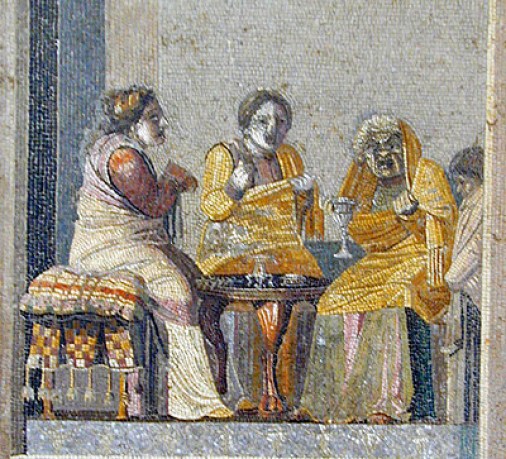
Fragment 1.1 The following is allegedly from a letter by Cornelia, mother of the Gracchi to her remaining son
“You may say that it is a fine thing to take vengeance from your enemies. Indeed, that seems neither greater nor finer to anyone than to me, if it can be achieved while the republic is kept safe. But since this cannot happen, may our enemies not perish for a long time—may they stay as they are now—rather than our country meet ruin and destruction”
Dices pulchrum esse inimicos ulcisci. Id neque maius neque pulchrius cuiquam atque mihi esse videtur, sed si liceat re publica salva ea persequi. Sed quatenus id fieri non potest, multo tempore multisque partibus inimici nostri non peribunt, atque uti nunc sunt erunt potius quam res publica profligetur atque pereat.
Fragment 2.1 Eulogy for Cicero
“You should not be ignorant of the fact that this genre of Latin literature is not only the only one that did not match Greece but was left altogether simplistic and incomplete with the death of Cicero. For he was the only one who was able and likely to endow history with a worthy voice—since, he certainly polished the rough eloquence bequeathed by our forebears. He gave Latin philosophy, which was improper before, with his own style. From this I am unsure whether or not the republic or history was aggrieved more greatly by his passing.”
Non ignorare debes unum hoc genus Latinarum litterarum adhuc non modo non respondere Graeciae, sed omnino rude atque inchoatum morte Ciceronis relictum. Ille enim fuit unus qui potuerit et etiam debuerit historiam digna voce pronuntiare, quippe qui oratoriam eloquentiam rudem a maioribus acceptam perpoliverit, philosophiam ante eum incomptam Latinam sua confirmarit oratione. Ex quo dubito, interitu eius utrum res publica an historia magis doleat.
“For I do not think it is necessary to fight against such powers nor to get rid of the precedence taken by our highest citizens, even if it were possible; nor do I think it necessary to affix myself to a single opinion when situations change and the desires of good men change with them—no, one must change with the times. Remaining in an permanent opinion has never been praised among exceptional men for the governing of the state. But, as in sailing it is good to get ahead of a storm even if you will not find the harbor; yet if you can make it to safe ground by changing your approach, only a fool would risk danger to hold to the course he began rather than make his destination by changing something. Thus, while all of us running the state should seek the proposition which I have often sought—peace with dignity—we should ensure not to speak the same but always to seek the same thing.”
nam neque pugnandum arbitrarer contra tantas opes neque delendum, etiam si id fieri posset, summorum civium principatum <neque> permanendum in una sententia conversis rebus ac bonorum voluntatibus mutatis, sed temporibus adsentiendum. numquam enim <in>praestantibus in re publica gubernanda viris laudata est in una sententia perpetua permansio; sed ut in navigando tempestati obsequi artis est etiam si portum tenere non queas, cum vero id possis mutata velificatione adsequi stultum est eum tenere cum periculo cursum quem coeperis potius quam eo commutato quo velis tamen pervenire, sic, cum omnibus nobis in administranda re publica propositum esse debeat, id quod a me saepissime dictum est, cum dignitate otium, non idem semper dicere sed idem semper spectare debemus.
“There are three things that will guarantee votes in an election: favors, hope, and personal attachment. The trick is giving these incentives to the right people. People are led to believe that they have reasons for giving support at the polls for extremely small favors– and that significant number of people you have attracted will not fail to understand that if they do not do enough for you in this crisis, that they will never have anyone else’s trust. And even though this is true, they still require an appeal and must be allowed the opinion that they, who have to this point been obligated to us, may hold us similarly obligated to them.
The voters who are motivated by hope–a class of people which is much more diligent and serious–you must persuade them that your assistance is ready for them immediately and there should be no mistake in them noticing that you are paying attention to what service they perform for you.
The third class of people I have mentioned, those of sudden friends, you must make more loyal by expressing your gratitude by adapting your speeches to the very reasons they seem to be eager about your candidacy; by showing that you feel the same way about them; and by implying that this relationship may grow into intimacy and long-term friendship.”
sed quoniam tribus rebus homines maxime ad benevolentiam atque haec suifragandi studia ducuntur, beneficio, spe, adiunctione animi ac voluntate, animadvertendum est quem ad modum cuique horum generi sit inserviendum. minimis beneficiis homines adducuntur ut satis causae putent esse ad studium suifragationis, nedum ii quibus saluti fuisti, quos tu habes plurimos, non intellegant, si hoc tuo tempore tibi non satis fecerint, se probatos nemini umquam fore. quod cum ita sit, tamen rogandi sunt atque etiam in hanc opinionem adducendi ut qui adhuc nobis obligati fuerint iis vicissim nos obligari posse videamur. [22] qui autem spe tenentur, quod genus hominum multo etiam est diligentius atque officiosius, iis fac ut propositum ac paratum auxilium tuum esse videatur, denique ut spectatorem te officiorum esse intellegant diligentem, ut videre te plane atque animadvertere quantum a quoque proficiscatur appareat. [23] Tertium illud genus est studiorum voluntarium, quod agendis gratiis, accommodandis sermonibus ad eas rationes, propter quas quisque studiosus tui esse videbitur, significanda erga illos pari voluntate, adducenda amicitia in spem familiaritatis et consuetudinis confirmari oportebit.
“All men who desire to be better than the rest of the animals should try with all their strength not to move through life in silence like cattle, creatures nature has made low and slaves to their stomachs. But all our ability resides in either mind or body: we use the mind to rule and the body as its servant; one is our common ground with the gods, the other with the beasts. For this reason, it seems better to me to seek glory through feats of intelligence instead of strength. And, since the life we experience is brief, to fashion for it a remembrance that is as robust as possible. For, while the fame of riches and beauty is fickle and weak, excellence is bright and eternal.”
Omnis homines, qui sese student praestare ceteris animalibus, summa ope niti decet, ne vitam silentio transeant veluti pecora, quae natura prona atque ventri oboedientia finxit. 2 Sed nostra omnis vis in animo et corpore sita est: animi imperio, corporis servitio magis utimur; alterum nobis cum dis, alterum cum beluis commune est. 3 Quo mihi rectius videtur ingeni quam virium opibus gloriam quaerere et, quoniam vita ipsa, qua fruimur, brevis est, memoriam nostri quam maxume longam efficere. 4 Nam divitiarum et formae gloria fluxa atque fragilis est, virtus clara aeternaque habetur.
“If it were possible to develop a sufficient analysis of whether or not men and states should be praised or criticized from only their victories and defeats, then I think I could stop here and end my investigation, and end the work at these most immediately narrated events, according to my original plan. For the fifty-three years end here which brought about the expansion and advance of Roman power. In later years, it seems it was agreed that it was necessary for everyone to heed the Romans and obey what they commanded.
But since evaluations of rulers and the conquered, if based merely on the contests themselves, are not at all complete—this is because what seems to many to be the greatest successes, if they are not used correctly, may bring the greatest disasters; and, in turn, the most shocking disasters at times can turn into the advantage of those who suffer them if they handle them well—we must add to the events that have been described the policy of the conquerors, what it was like after this and how they ruled in general, the various beliefs and evaluations of those who were ruled by them, and in addition to these things, I must investigate the actions and passions which overpowered and dominated men in their private lives and in their shared governments. It is obvious that it will be clear from these things whether the Roman rule should be avoided or instead should be sought and for future generations whether the Roman rule should be praised and envied or criticized. And this indeed will be the most useful contribution of my work both for the present day and years to come.”
“All men who desire to be better than the rest of the animals should try with all their strength not to move through life in silence like cattle, creatures nature has made low and slaves to their stomachs. But all our ability resides in either mind or body: we use the mind to rule and the body as its servant; one is our common ground with the gods, the other with the beasts. For this reason, it seems better to me to seek glory through feats of intelligence instead of strength. And, since the life we experience is brief, to fashion for it a remembrance that is as robust as possible. For, while the fame of riches and beauty is fickle and weak, excellence is bright and eternal.”
Omnis homines, qui sese student praestare ceteris animalibus, summa ope niti decet, ne vitam silentio transeant veluti pecora, quae natura prona atque ventri oboedientia finxit. 2 Sed nostra omnis vis in animo et corpore sita est: animi imperio, corporis servitio magis utimur; alterum nobis cum dis, alterum cum beluis commune est. 3 Quo mihi rectius videtur ingeni quam virium opibus gloriam quaerere et, quoniam vita ipsa, qua fruimur, brevis est, memoriam nostri quam maxume longam efficere. 4 Nam divitiarum et formae gloria fluxa atque fragilis est, virtus clara aeternaque habetur.