The Curious Case of Hermogenes of Tarsus: Philostratus on the Aphastic Aging Philosopher

from Philostratus’ Lives of the Philosophers, 577

“Hermogenes, whom the Tarsians produced, had advanced to so great a reputation among the sophists by the time he was fifteen years old that even Marcus [Aurelius] the Emperor had to hear him speak. So, Marcus went to listen to him and was delighted by his discourse, though he was amazed when he spoke extemporaneously and gave him valuable gifts.

But when Hermogenes reached adulthood, he lost his abilities without the cause of any obvious affliction—and this provided those who had envied him material for mockery. They used to say that words were simply “winged”, taking this up from Homer, and that Hermogenes had shed them like feathers. And Antiochus the sophist, once when he was insulting him, said “This Hermogenes was an elder among the boys, but is a child among the old men.”

Here is an example of the speech which he once cultivated. When he was speaking before Marcus, he said, “Look, I come before you, king, a speaker lacking a teacher, an orator waiting to come of age”. He said many other things in the same satirical manner. He died at an extreme old age, but was considered one of the masses, since they held him in contempt after his skill abandoned him.”

ζ′. ῾Ερμογένης δέ, ὃν Ταρσοὶ ἤνεγκαν, πεντεκαίδεκα ἔτη γεγονὼς ἐφ’ οὕτω μέγα προὔβη τῆς τῶν σοφιστῶν δόξης, ὡς καὶ Μάρκῳ βασιλεῖ παρασχεῖν ἔρωτα ἀκροάσεως· ἐβάδιζε γοῦν ἐπὶ τὴν ἀκρόασιν αὐτοῦ ὁ Μάρκος καὶ ἥσθη μὲν διαλεγομένου, ἐθαύμαζε δὲ σχεδιάζοντος, δωρεὰς δὲ λαμπρὰς ἔδωκεν. ἐς δὲ ἄνδρας ἥκων ἀφῃρέθη τὴν ἕξιν ὑπ’ οὐδεμιᾶς φανερᾶς νόσου, ὅθεν ἀστεισμοῦ λόγον παρέδωκε τοῖς βασκάνοις, ἔφασαν γὰρ τοὺς λόγους ἀτεχνῶς καθ’ ῞Ομηρον πτερόεντας εἶναι, ἀποβεβληκέναι γὰρ αὐτοὺς τὸν ῾Ερμογένην καθάπερ πτερά. καὶ ᾿Αντίοχος δὲ ὁ σοφιστὴς ἀποσκώπτων ποτὲ ἐς αὐτὸν „οὗτος” ἔφη „῾Ερμογένης, ὁ ἐν παισὶ μὲν γέρων, ἐν δὲ γηράσκουσι παῖς.” ἡ δὲ ἰδέα τοῦ λόγου, ἣν ἐπετήδευε, τοιάδε τις ἦν· ἐπὶ γὰρ τοῦ Μάρκου διαλεγόμενος „ἰδοὺ ἥκω σοι”, ἔφη „βασιλεῦ, ῥήτωρ παιδαγωγοῦ δεόμενος, ῥήτωρ ἡλικίαν περιμένων” καὶ πλείω ἕτερα διελέχθη καὶ ὧδε βωμόλοχα. ἐτελεύτα μὲν οὖν ἐν βαθεῖ γήρᾳ, εἷς δὲ τῶν πολλῶν νομιζόμενος, κατεφρονήθη γὰρ ἀπολιπούσης αὐτὸν τῆς τέχνης.
A Quip, The Sense of a Man; A Sip, The Character of a Wine: Philostratus on Anecdotes

Philostratus, Lives of the Sophists, 537

“This is another wonderful saying of that Lucius:

The Emperor Marcus [Aurelius] was excited about the philosopher Sextus from Boeotia, appearing at his lectures and visiting his home. Lucius, who had recently arrived in Rome, asked the emperor as he approached where he was going and why and Marcus responded “Learning is good, even for a man growing old. I am going to learn what I do not yet know from Sextus the Philosopher.” Then Lucius raised his hand to the sky and said “Zeus! The aging Emperor of Rome dons a writing tablet and goes to school, but my king Alexander died at thirty-two!”

These sayings suffice to show the character of the work Lucius performed in his philosophy. Such anecdotes, I suppose, give a sense of the man the way a taste betrays the character of a wine.”

Λουκίου τούτου κἀκεῖνο θαυμάσιον·

ἐσπούδαζε μὲν ὁ αὐτοκράτωρ Μάρκος περὶ Σέξτον τὸν ἐκ Βοιωτίας φιλόσοφον, θαμίζων αὐτῷ καὶ φοιτῶν ἐπὶ θύρας, ἄρτι δὲ ἥκων ἐς τὴν ῾Ρώμην ὁ Λούκιος ἤρετο τὸν αὐτοκράτορα προιόντα, ποῖ βαδίζοι καὶ ἐφ’ ὅ τι, καὶ ὁ Μάρκος „καλὸν” ἔφη „καὶ γηράσκοντι τὸ μανθάνειν· εἶμι δὴ πρὸς Σέξτον τὸν φιλόσοφον μαθησόμενος, ἃ οὔπω οἶδα.” καὶ ὁ Λούκιος ἐξάρας τὴν χεῖρα ἐς τὸν οὐρανὸν „ὦ Ζεῦ,” ἔφη „ὁ ῾Ρωμαίων βασιλεὺς γηράσκων ἤδη δέλτον ἐξαψάμενος ἐς διδασκάλου φοιτᾷ, ὁ δὲ ἐμὸς βασιλεὺς ᾿Αλέξανδρος δύο καὶ τριάκοντα ἐτῶν ἀπέθανεν.” ἀπόχρη καὶ τὰ εἰρημένα δεῖξαι τὴν ἰδέαν, ἣν ἐφιλοσόφει Λούκιος, ἱκανὰ γάρ που ταῦτα δηλῶσαι τὸν ἄνδρα, καθάπερ τὸν ἀνθοσμίαν τὸ γεῦμα.

The sentiment in the final line is similar to the more famous assertion of Plutarch in the Life of Alexander (1.2-3)

“A brief deed or comment or even some joke often shows the imprint of a man’s character more than battles of a thousand corpses, the greatest campaigns or sieges of cities.”

ἀλλὰ πρᾶγμα βραχὺ πολλάκις καὶ ῥῆμα καὶ παιδιά τις ἔμφασιν ἤθους ἐποίησε μᾶλλον ἢ μάχαι μυριόνεκροι καὶ παρατάξεις αἱ μέγισται καὶ πολιορκίαι πόλεων.

The full text.

Plutarch.

Money’s No Good Unless You Use It for Good: The Life of Herodes the Sophist

On the Wealth of Herodes the Athenian (Philostratus, Lives of the Sophists, 547)

“[Herodes] used his wealth in the best way of all men. We do not, however, believe that this was the easiest thing to do, but instead that it was wholly difficult and unpleasant.  For men who are drunk with wealth usually afflict other people with insults. In addition, they make the specious claim that wealth is blind—but even if wealth appears rightly blind at other times, it looked upon Herodes: it gazed upon his friends, his cities, and whole nations since the man was able to keep a watch over them all and make a storehouse of his riches in the opinions of the men with whom he shared them.

For he used to say indeed that it was necessary for the man who would use wealth correctly to provide it to those who need it so that they may not be in need and also to those who didn’t need it, so that they might not become impoverished. He used to call wealth that was not used and was hoarded up by envy “corpse wealth” and the storehouses of those who hoarded their riches “prisons of wealth. He mocked those who believed it was right to sacrifice to their accumulated riches “Aloadae” because [Otos and Ephialtes] had sacrificed to Ares after they imprisoned him.”*

῎Αριστα δὲ ἀνθρώπων πλούτῳ ἐχρήσατο. τουτὶ δὲ μὴ τῶν εὐμεταχειρίστων ἡγώμεθα, ἀλλὰ τῶν παγχαλέπων τε καὶ δυσκόλων, οἱ γὰρ πλούτῳ μεθύοντες  ὕβριν τοῖς ἀνθρώποις ἐπαντλοῦσιν. προσδιαβάλλουσι δὲ ὡς καὶ τυφλὸν τὸν πλοῦτον, ὃς εἰ καὶ τὸν ἄλλον χρόνον ἐδόκει τυφλός, ἀλλ’ ἐπὶ ῾Ηρώδου ἀνέβλεψεν, ἔβλεψε μὲν γὰρ ἐς φίλους, ἔβλεψε δὲ ἐς πόλεις, ἔβλεψε δὲ ἐς ἔθνη, πάντων περιωπὴν ἔχοντος τοῦ ἀνδρὸς καὶ θησαυρίζοντος τὸν πλοῦτον ἐν ταῖς τῶν μετεχόντων αὐτοῦ γνώμαις. ἔλεγε γὰρ δή, ὡς προσήκοι τὸν ὀρθῶς πλούτῳ χρώμενον τοῖς μὲν δεομένοις ἐπαρκεῖν, ἵνα μὴ δέωνται, τοῖς δὲ μὴ δεομένοις, ἵνα μὴ δεηθῶσιν, ἐκάλει τε τὸν μὲν ἀσύμβολον πλοῦτον καὶ φειδοῖ κεκολασμένον νεκρὸν πλοῦτον, τοὺς δὲ θησαυρούς, ἐς οὓς ἀποτίθενται τὰ χρήματαἔνιοι, πλούτου δεσμωτήρια, τοὺς δὲ καὶ θύειν ἀξιοῦντας ἀποθέτοις χρήμασιν ᾿Αλωάδας ἐπωνόμαζε θύοντας ῎Αρει μετὰ τὸ δῆσαι αὐτόν.

*This story is told in the Iliad 5.385 as part of Dione’s catalogue of mortals who caused the gods harm.  Otus and Ephialtes captured Ares and put him in a bronze jar.

Quipping At Death and Disease: The End of Polemon the Sophist

Last week we posted an anecdote from Philostratus on the impoliteness of Polemon the Sophist.  Today, his death (Lives of the Sophists, 543-4)

“When the doctors administered to him often because his joints were hardening, he used to advise them to “dig and cut Polemon’s quarries”. When he wrote a letter to Herodes about his sickness, he described it thus: “I must eat, but I haven’t hands. I must walk, but I am missing feet. I must feel pain, and then I find my hands and feet.”

He died around his fifty-sixth year. This time of life which is the beginning of old age for other professions, is still youth for a sophist—this discipline increases in wisdom as it ages.”

᾿Ιατροῖς δὲ θαμὰ ὑποκείμενος λιθιώντων αὐτῷ τῶν ἄρθρων παρεκελεύετο αὐτοῖς ὀρύττειν καὶ τέμνειν τὰς Πολέμωνος λιθοτομίας. ῾Ηρώδῃ δὲ ἐπιστέλλων ὑπὲρ τῆς νόσου ταύτης ὧδε ἐπέστειλεν· „δεῖ ἐσθίειν, χεῖρας οὐκ ἔχω· δεῖ βαδίζειν, πόδες οὐκ εἰσί μοι· δεῖ ἀλγεῖν, τότε καὶ πόδες εἰσί μοι καὶ χεῖρες.”

᾿Ετελεύτα μὲν περὶ τὰ ἓξ καὶ πεντήκοντα ἔτη, τὸ δὲ μέτρον τῆς ἡλικίας τοῦτο ταῖς μὲν ἄλλαις  ἐπιστήμαις γήρως ἀρχή, σοφιστῇ δὲ νεότης ἔτι, γηράσκουσα γὰρ ἥδε ἡ ἐπιστήμη σοφίαν ἀρτύνει.

Polemon The Sophist Was Rather Impolite (Philostratus, Lives of the Sophists 535)

“Once when an actor of tragedy from the Olympian games in Asia presided over by Polemon, promised to sue him because he had kicked him out at the beginning of his play, the Emperor [Marcus Aurelius] asked the actor what time it was when this happed. When the actor said that it occurred around midday, the Emperor responded wittily: “Well he kicked me out of his house in the middle of the night and I didn’t sue him.”

Let these details be a clear sign of both a mild emperor and an arrogant man. Polemon was so conceited that he talked to cities as if they were beneath him, to rulers as if they were not above him and to gods as if an equal.

When he gave a performance of improvised speeches to the Athenians upon his first visit to the city, he did not deign to offer praise for the city even though there are many things which one might say on Athens’ behalf. Nor did he expatiate on his own fame, even though this approach often benefitted sophists in their performances. No, because he knew well that it was natural for Athenians to need to be restrained rather than be encouraged, he spoke as follows: “They say that you, Athenians, are wise audiences of speeches. I will test this.”

And when a man, who ruled the Bosporus and was outfitted with all types of Greek learning, came to Smyrna to learn about Ionia, Polemon not only failed to take his place among the attendants, but he put the man off frequently even when he requested an audience until he forced the lord to come to his own house carrying a payment of ten talents.

When he arrived in Pergamon, because he was sick in his joints, he convalesced in a temple. When Asclepius appeared to him and advised him to refrain from cold drinks, Polemon said, “Dear man, what if you were tending to a cow?”

ὑποκριτοῦ δὲ τραγῳδίας ἀπὸ τῶν κατὰ τὴν ᾿Ασίαν ᾿Ολυμπίων, οἷς ἐπεστάτει ὁ Πολέμων, ἐφιέναι φήσαντος, ἐξελαθῆναι γὰρ παρ’ αὐτοῦ κατ’ ἀρχὰς τοῦ δράματος, ἤρετο ὁ αὐτοκράτωρ τὸν ὑποκριτήν, πηνίκα εἴη, ὅτε τῆς σκηνῆς ἠλάθη, τοῦ δὲ εἰπόντος, ὡς μεσημβρία τυγχάνοι οὖσα, μάλα ἀστείως ὁ αὐτοκράτωρ „ἐμὲ δὲ” εἶπεν „ἀμφὶ μέσας νύκτας ἐξήλασε τῆς οἰκίας, καὶ οὐκ ἐφῆκα.”

᾿Εχέτω μοι [καὶ] ταῦτα δήλωσιν βασιλέως τε πρᾴου καὶ ἀνδρὸς ὑπέρφρονος. ὑπέρφρων γὰρ δὴ οὕτω τι ὁ Πολέμων, ὡς πόλεσι μὲν ἀπὸ τοῦ προὔχοντος, δυνασταῖς δὲ ἀπὸ τοῦ μὴ ὑφειμένου, θεοῖς δὲ ἀπὸ τοῦ ἴσου διαλέγεσθαι. ᾿Αθηναίοις μὲν γὰρ ἐπιδεικνύμενος αὐτοσχεδίους λόγους, ὅτε καὶ πρῶτον ᾿Αθήναζε ἀφίκετο, οὐκ ἐς ἐγκώμια κατέστησεν ἑαυτὸν τοῦ ἄστεος, τοσούτων ὄντων, ἅ τις ὑπὲρ ᾿Αθηναίων ἂν εἴποι, οὐδ’ ὑπὲρ τῆς ἑαυτοῦ δόξης ἐμακρηγόρησε, καίτοι καὶ τῆς τοιᾶσδε ἰδέας ὠφελούσης τοὺς σοφιστὰς ἐν ταῖς ἐπιδείξεσιν, ἀλλ’ εὖ γιγνώσκων, ὅτι τὰς ᾿Αθηναίων φύσεις ἐπικόπτειν χρὴ μᾶλλον ἢ ἐπαίρειν διελέχθη ὧδε· „φασὶν ὑμᾶς, ὦ ᾿Αθηναῖοι, σοφοὺς εἶναι ἀκροατὰς λόγων· εἴσομαι.” ἀνδρὸς δέ, ὃς ἦρχε μὲν Βοσπόρου, πᾶσαν δὲ ῾Ελληνικὴν παίδευσιν ἥρμοστο, καθ’ ἱστορίαν τῆς ᾿Ιωνίας ἐς τὴν Σμύρναν ἥκοντος οὐ μόνον οὐκ ἔταξεν ἑαυτὸν ἐν τοῖς θεραπεύουσιν, ἀλλὰ καὶ δεομένου ξυνεῖναί οἱ θαμὰ ἀνεβάλλετο, ἕως ἠνάγκασε τὸν βασιλέα ἐπὶ θύρας ἀφικέσθαι ἀπάγοντα μισθοῦ δέκα τάλαντα. ἥκων δὲ ἐς τὸ Πέργαμον, ὅτε δὴ τὰ ἄρθρα ἐνόσει, κατέδαρθε μὲν ἐν τῷ ἱερῷ, ἐπιστάντος δὲ αὐτῷ τοῦ ᾿Ασκληπιοῦ καὶ προειπόντος ἀπέχεσθαι ψυχροῦ ποτοῦ ὁ Πολέμων „βέλτιστε,” εἶπεν „εἰ δὲ βοῦν ἐθεράπευες;”

I must confess that I couldn’t convey Polemo’s nastiness to the Athenians well enough in the translation. In addition, I really don’t know what is going on with his comments to Asclepius.

The Wit and Wisdom of Nicetes of Smyrna

Philostratus, Lives of the Sophists 511

“Even though he was held in high esteem in Smyrna, which would shout almost anything in praise of him as a wondrous man and orator, Nicetes did not mix much with the people. He gave the following explanation of his fear to the crowd: “I fear the people more when they praise me than when they mock me.” Once when a tax-man acted offensively to him in the court room and said “Stop barking at me”, Nicetes responded cleverly, “By Zeus, I will when you stop biting me!”

Μεγάλων δ’ ἀξιούμενος τῆς Σμύρνης τί οὐκ ἐπ’ αὐτῷ βοώσης ὡς ἐπ’ ἀνδρὶ θαυμασίῳ καὶ ῥήτορι, οὐκ ἐθάμιζεν ἐς τὸν δῆμον, ἀλλ’ αἰτίαν παρὰ τοῖς πολλοῖς ἔχων φόβου „φοβοῦμαι” ἔφη „δῆμον ἐπαίροντα μᾶλλον ἢ λοιδορούμενον.” τελώνου δὲ θρασυναμένου ποτὲ πρὸς αὐτὸν ἐν δικαστηρίῳ καὶ εἰπόντος „παῦσαι ὑλακτῶν με” μάλα ἀστείως ὁ Νικήτης „νὴ Δία”, εἶπεν „ἢν καὶ σὺ παύσῃ δάκνων με.”

Nicetes lived around the time of the Emperor Nero.

Antiphon of Rhamnos–Good Man or Bad Man? Philostratus Doesn’t Know

From the Lives of the Sophists 498

“I don’t know if Anitphon of Rhamnos should be called a good man or a bad one. He may be called good for the following reasons: he was a general many times and was victorious for the most part, increasing the Athenian fleet with sixty fully-equipped triremes. He seemed to be the most capable of men at speaking and reasoning. For these reasons, he merits praise from me or any other. But he rightly appears a wicked man on these counts: He destroyed the democracy, he enslaved the Athenian people, he was a friend to the Spartans, at first secretly but later in the open, and he foisted upon the Athenian state the constitution of the Four-hundred Tyrants.”

᾿Αντιφῶντα δὲ τὸν ῾Ραμνούσιον οὐκ οἶδ’, εἴτε χρηστὸν δεῖ προσειπεῖν, εἴτε φαῦλον. χρηστὸς μὲν γὰρ προσειρήσθω διὰ τάδε· ἐστρατήγησε πλεῖστα, ἐνίκησε πλεῖστα, ἑξήκοντα τριήρεσι πεπληρωμέναις ηὔξησεν ᾿Αθηναίοις τὸ ναυτικόν, ἱκανώτατος ἀνθρώπων ἔδοξεν εἰπεῖν τε καὶ γνῶναι· διὰ μὲν δὴ ταῦτα ἐμοί τε ἐπαινετέος καὶ ἑτέρῳ. κακὸς δ’ ἂν εἰκότως διὰ τάδε φαίνοιτο· κατέλυσε τὴν δημοκρατίαν, ἐδού-λωσε τὸν ᾿Αθηναίων δῆμον, ἐλακώνισε κατ’ ἀρχὰς μὲν ἀφανῶς, ὕστερον δ’ ἐπιδήλως, τυράννων τετρακοσίων δῆμον ἐπαφῆκε τοῖς ᾿Αθηναίων πράγμασιν.

I don’t know, Philostratus, whether or not I should consider this opening a purely rhetorical question or not. On the one hand, you do well in the creation of your dichotomy, but on the other hand, the merits of the case seem to render this grammatical balance rather false and forced.  Perhaps add the teaching of Thucydides into the mix?

Protagoras of Abdera, Agnostic and Behavioral Economist? (Philostratus, Vita Sophist. 495-6)

“Protagoras of Abdera, the sophist, was also a follower of Democritus at home; and he spent time among the Persian magi as well when Xerxes invaded Greece. His father Maiandros had acquired more wealth than most in Thrace; he entertained Xerxes at his home and used gifts to ensure an audience for his son with the magi. The Persian magi do not teach even Persians unless the king says so.

It seems to me that when Protagoras used to say that he was whether there were gods on not he was borrowing it from the Persian education. For the magi worship the gods in the acts they perform secretly, but they do not confess open belief in the divine because they do not wish to seem to derive power from them. For saying this, Protagoras was exiled from all the lands under Athens’ power, after he was convicted according to some in a trial, but according to others there was a vote without a trial. He moved from shore to shore among the islands, all while watching out for Athenian triremes which were spread in every part of the sea. He drowned while sailing in a small skiff.

He was the first to give a lecture for a fee and as the first to give to the Greeks a practice which should not be criticized, since we pursue those things we paid for more eagerly than we welcome whatever comes free. Plato believed that while Protagoras spoke with dignity, he obscured himself with his dignity and was somewhat more verbose than was fit, and he characterized the type of man he was by using a long myth.”

[The last bit is a reference to Protagoras 349a and Gorgias 530c]

Πρωταγόρας δὲ ὁ ᾿Αβδηρίτης σοφιστὴς καὶ Δημοκρίτου μὲν ἀκροατὴς οἴκοι ἐγένετο, ὡμίλησε δὲ καὶ τοῖς ἐκ Περσῶν μάγοις κατὰ τὴν Ξέρξου ἐπὶ τὴν ῾Ελλάδα ἔλασιν. πατὴρ γὰρ ἦν αὐτῷ Μαίανδρος πλούτῳ κατεσκευασμένος παρὰ πολλοὺς τῶν ἐν τῇ Θρᾴκῃ, δεξάμενος δὲ καὶ τὸν Ξέρξην οἰκίᾳ τε καὶ δώροις τὴν ξυνουσίαν τῶν μάγων τῷ παιδὶ παρ’ αὐτοῦ εὕρετο. οὐ γὰρ παιδεύουσι τοὺς μὴ Πέρσας Πέρσαι μάγοι, ἢν μὴ ὁ βασιλεὺς ἐφῇ. τὸ δὲ ἀπορεῖν φάσκειν, εἴτε εἰσὶ θεοί, εἴτε οὐκ εἰσί, δοκεῖ μοι Πρωταγόρας ἐκ τῆς Περσικῆς παιδεύσεως παρανομῆσαι· μάγοι γὰρ ἐπιθειάζουσι μὲν οἷς ἀφανῶς δρῶσι, τὴν δὲ ἐκ φανεροῦ δόξαν τοῦ θείου καταλύουσιν οὐ βουλόμενοι δοκεῖν παρ’ αὐτοῦ δύνασθαι. διὰ μὲν δὴ τοῦτο πάσης γῆς ὑπὸ ᾿Αθηναίων ἠλάθη, ὡς μέν τινες, κριθείς, ὡς δὲ ἐνίοις δοκεῖ, ψήφου ἐπενεχθείσης μὴ κριθέντι. νήσους δὲ ἐξ ἠπείρων ἀμείβων καὶ τὰς ᾿Αθηναίων τριήρεις φυλαττόμενος πάσαις θαλάτταις ἐνεσπαρμένας κατέδυ πλέων ἐν ἀκατίῳ μικρῷ.

Τὸ δὲ μισθοῦ διαλέγεσθαι πρῶτος εὗρε, πρῶτος δὲ παρέδωκεν ῞Ελλησι πρᾶγμα οὐ μεμπτόν, ἃ γὰρ σὺν δαπάνῃ σπουδάζομεν, μᾶλλον ἀσπαζόμεθα τῶν προῖκα. γνοὺς δὲ τὸν Πρωταγόραν ὁ Πλάτων σεμνῶς μὲν ἑρμηνεύοντα, ἐνυπτιάζοντα δὲ τῇ σεμνότητι καί που καὶ μακρολογώτερον τοῦ συμμέτρου, τὴν ἰδέαν αὐτοῦ μύθῳ μακρῷ ἐχαρακτήρισεν.

Favorinus Was A Hermaphrodite Tried for Adultery (Philostratus, Lives of the Sophists 489)

While waiting for students to come to office hours today (and they never did), I was reading Philostratus’ Lives of the Sophists and came across the following anecdote about the sophist Favorinus.

“Similarly, eloquence enrolled Favorinus among the ranks of the sophists. He was one who came from the Gauls in the west, from the city of Arelatus [Arles] near the Eridanus river [the Rhone]. He was born double-formed, that is, a hermaphrodite, and this was clear also in his appearance since his face was beardless as he grew old. It was also clear from his voice—it sounded high-pitched, thin, and shrill, the type of voice nature fits to eunuchs. But he was so hot about sex that he incurred a charge of adultery from a man of consular rank. Despite the fact that he argued with the emperor Hadrian, he suffered no ill. For this reason he used to prophesy that his life had these three paradoxes: Even though he was from Gaul, he lived as a Greek; even though he was a eunuch, he had been to court for adultery; and he had fought with a king and lived….”

῾Ομοίως καὶ Φαβωρῖνον τὸν φιλόσοφον ἡ εὐγλωττία ἐν σοφισταῖς ἐκήρυττεν. ἦν μὲν γὰρ τῶν ἑσπερίων Γαλατῶν οὗτος, ᾿Αρελάτου πόλεως, ἣ ἐπὶ ᾿Ηριδανῷ ποταμῷ ᾤκισται, διφυὴς δὲ ἐτέχθη καὶ ἀνδρόθηλυς, καὶ τοῦτο ἐδηλοῦτο μὲν καὶ παρὰ τοῦ εἴδους, ἀγενείως γὰρ τοῦ προσώπου καὶ γηράσκων εἶχεν, ἐδηλοῦτο δὲ καὶ τῷ φθέγματι, ὀξυηχὲς γὰρ ἠκούετο καὶ λεπτὸν καὶ ἐπίτονον, ὥσπερ ἡ φύσις τοὺς εὐνούχους ἥρμοκεν. θερμὸς δὲ οὕτω τις ἦν τὰ ἐρωτικά, ὡς καὶ μοιχοῦ λαβεῖν αἰτίαν ἐξ ἀνδρὸς ὑπάτου. διαφορᾶς δὲ αὐτῷ πρὸς ᾿Αδριανὸν βασιλέα γενομένης οὐδὲν ἔπαθεν. ὅθεν ὡς παράδοξα ἐπεχρησμῴδει τῷ ἑαυτοῦ βίῳ τρία ταῦτα· Γαλάτης ὢν ἑλληνίζειν, εὐνοῦχος ὢν μοιχείας κρίνεσθαι, βασιλεῖ διαφέρεσθαι καὶ ζῆν. τουτὶ δὲ ᾿Αδριανοῦ ἔπαινος εἴη ἂν μᾶλλον, εἰ βασιλεὺς ὢν ἀπὸ τοῦ ἴσου διεφέρετο πρὸς ὃν ἐξῆν ἀποκτεῖναι. βασιλεὺς δὲ κρείττων,

This is truly a strange tale about Favorinus and I am not quite sure what to make of his hermaphroditism (which seems treated here without prejudice or extensive comment). The term Philostratus uses to describe it (ἀνδρόθηλυς) only occurs in one other place (Schol. To Lykophron 212.48). The anecdote itself is funny—but I think it might be a really interesting place to start a cultural history of the motif of hermaphroditism in the ancient world.

Alas, I am not a cultural historian….

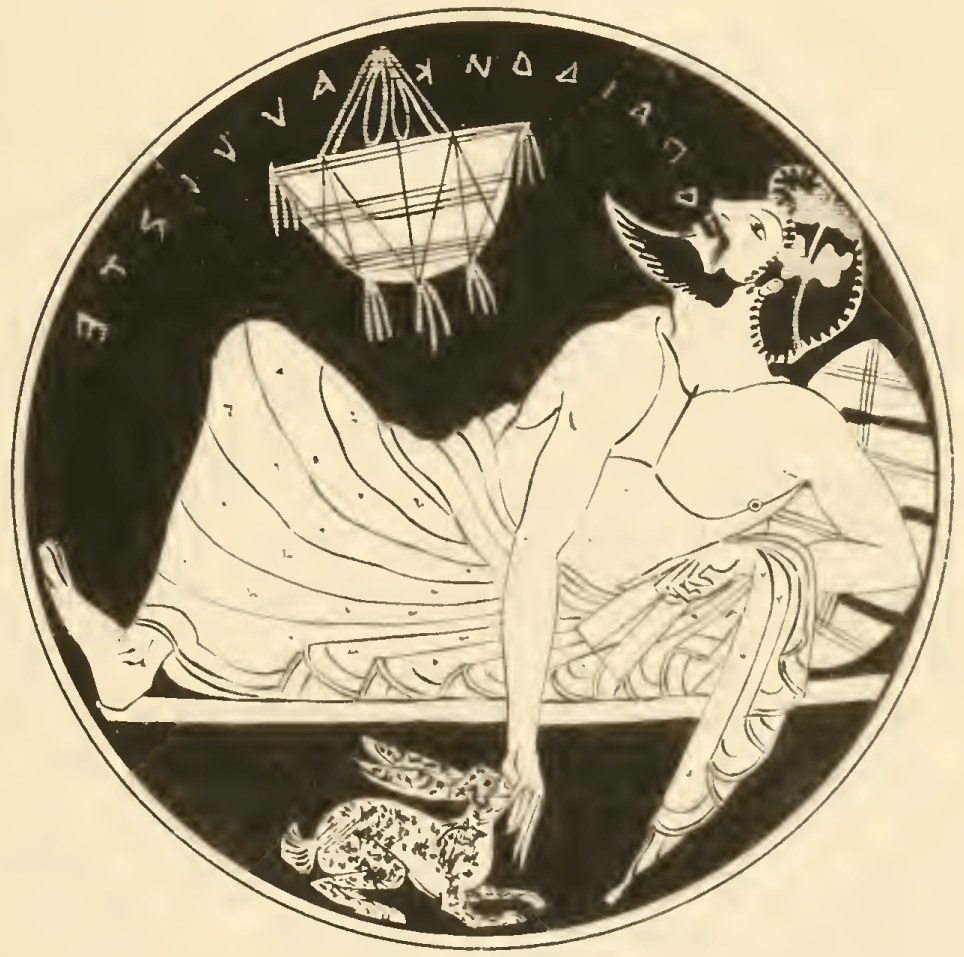
Drinking with the Ancients: Homer, Anacreon, Theognis and Friends on Imbibing

Just in time for the weekend: drinking advice from the ancient Theognisworld

Horace, Epistulae 1.19.6

“Homer is said to have been a drunkard because of his praise of wine”

laudibus arguitur vini vinosus Homerus

I don’t know that Horace didn’t have the following passage in mind:

Homer, Odyssey 14.464-6

“Wicked wine–which makes even a prudent man sing aloud, giggle, dance and speak some word better left unsaid–compels me.”

 …οἶνος γὰρ ἀνώγει
ἠλεός, ὅς τ᾽ ἐφέηκε πολύφρονά περ μάλ᾽ ἀεῖσαι
καί θ᾽ ἁπαλὸν γελάσαι, καί τ᾽ ὀρχήσασθαι ἀνῆκε,
καί τι ἔπος προέηκεν  περ τ᾽ ἄρρητον ἄμεινον.

So Odysseus in disguise speaks to Eumaios and his fellow swine-herds as they drink during an evening rainstorm. Here’s the full text.

But some ancient authors saw important connections between drinking and inspiration:

Cratinus, fr. 199

“Wine is like a swift horse for a charming poet; you won’t produce anything clever if you’re drinking water.”

οἶνός τοι χαρίεντι πέλει ταχὺς ἵππος ἀοιδῷ,
ὕδωρ δὲ πίνων οὐδὲν ἂν τέκοι σοφόν.

For orators or politicians, not drinking wine might have been an advantage, as Philostratus implies:

Lives of the Sophists, 507-8

“The conflict between Aeschines and Demosthenes began in part because of the fact that the one acted on behalf of the King and the other acted for another—as it seems to me. But there was also a difference of character: and hatred always seems to develop from characters that are strongly opposed to one another without any other cause. And the two were opposed for these reasons. Aeschines was a man who liked to drink, but he was sweet and had kind manners and he had the general charm of Dionysus; indeed, when he was in his youth he played parts for the tragic actors. But Demosthenes had a downcast face, a heavy brow, and he drank water: and for this reason he was assumed a ill-tempered and bad-mannered man….”

διαφορᾶς δ’ ἦρξεν Αἰσχίνῃ καὶ Δημοσθένει καὶ αὐτὸ μὲν τὸ ἄλλον ἄλλῳ βασιλεῖ πολιτεύειν, ὡς δ’ ἐμοὶ φαίνεται, τὸ ἐναντίως ἔχειν καὶ τῶν ἠθῶν, ἐξ ἠθῶν γὰρ ἀλλήλοις ἀντιξόων φύεται μῖσος αἰτίαν οὐκ ἔχον. ἀντιξόω δ’ ἤστην καὶ διὰ τάδε• ὁ μὲν Αἰσχίνης φιλοπότης τε ἐδόκει καὶ ἡδὺς καὶ ἀνειμένος καὶ πᾶν τὸ ἐπίχαρι ἐκ Διονύσου ᾑρηκώς, καὶ γὰρ δὴ καὶ τοῖς βαρυστόνοις ὑποκριταῖς τὸν ἐν μειρακίῳ χρόνον ὑπετραγῴδησεν, ὁ δ’ αὖ συννενοφώς τε ἐφαίνετο καὶ βαρὺς τὴν ὀφρὺν καὶ ὕδωρ πίνων, ὅθεν [ἐν] δυσκόλοις τε καὶ δυστρόποις ἐνεγράφετο…

Theognis of Megara had some things to say about drinking:

Theognis 989-990

“Drink whenever they drink but let no man discover you’re burdened
whenever you’re sick in the heart.”

Πῖν’ ὁπόταν πίνωσιν· ὅταν δέ τι θυμὸν ἀσηθῆις,
μηδεὶς ἀνθρώπων γνῶι σε βαρυνόμενον.

Perhaps Theognis was concerned about a talkative friend:

Anonymous Lyrics (Plutarch, Table-Talk 1)

“I hate the drinking buddy who doesn’t forget.”

μισέω μνάμονα συμπόταν

One might be better served going out with a dedicated drinker like Anacreon:

Anacreon Fr. 356 a (Athenaeus, Deipnosophists 10.427ab)

“Bring me a bowl so I can  drink straight without breathing”

ἄγε δὴ φέρ᾿ ἡμῖν ὦ παῖ
κελέβην, ὅκως ἄμυστιν

προπίω…

But he might force others to practice what he thinks is right for himself.  A tragedian we know would object:

Sophocles, Fr. 735 (Athenaeus, Deipnosophists 10, 428 A)

“Drinking under compulsion is an evil equal to thirst”

τὸ πρὸς βίαν / πίνειν ἴσον πέφυκε τῷ διψῆν κακόν

But perhaps we should listen to Theognis and take some good advice:

Theognis 627-628

“It is shameful when a man is drunk among the sober
and it is shameful if man remains sober among drunks.”

Αἰσχρόν τοι μεθύοντα παρ’ ἀνδράσι νήφοσιν εἶναι,
αἰσχρὸν δ’ εἰ νήφων πὰρ μεθύουσι μένει

I guess we should always heed the old adage that “like attracts like”.

Just in case you’re still trying to work things out, lots of Greeks had things to say about wine and drinking:

Panyassis fr. 12 (19 W; Stobaeus 3.18.21)

“A mortal who does not draw wine to his heart’s delight does not seem to me to be alive or to live the life of an enduring man—he’s a moron.”

οὐ γάρ μοι ζώειν γε δοκεῖ βροτὸς οὐδὲ βιῶναι
ἀνθρώποιο βίον ταλασίφρονος, ὅστις ἀπ’ οἴνου
θυμὸν ἐρητύσας πίνει ποτόν, ἄλλ’ ἐνεόφρων.

Panyassis fr. 12 (19 W)

“Mortals have a fine gift equal to fire: wine, a defense against evil and companion of any song.”

οἶνος γὰρ πυρὶ ἶσον ἐπιχθονίοισιν ὄνειαρ
ἐσθλόν, ἀλεξίκακον, πάσης συνοπηδὸν ἀοιδῆς.

Cypria, Fragment 17 (18W) (Athenaeus, Deipnosophists)

“Menelaus, the best thing the gods made to scatter the cares of mortal men is wine”

οἶνόν τοι, Μενέλαε, θεοὶ ποίησαν ἄριστον
θνητοῖς ἀνθρώποισιν ἀποσκεδάσαι μελεδῶνας.

Alcaeus 347. 3-4 (Athenaeus, Deipnosophists x 430c-d)

“Wine, the thing Semele and Zeus’ son gave to men
an amnesia from their troubles.”

οἶνον γὰρ Σεμέλας καὶ Δίος υἶος λαθικάδεον
ἀνθρώποισιν ἔδωκ’.

Alcaeus, fragment 335

“Bucchus, the best of all medicine for those who have wine is getting drunk”

ὦ Βύκχι, φαρμάκων δ’ ἄριστον
οἶνον ἐνεικαμένοις μεθύσθην

And when you want to impress with a toast, this one works well:

Drinking Songs, 890 ( schol. Plato Gorg. 451e)

“The best thing for a mortal man is to be healthy
And second, to be pretty.
Third, is to be wealthy without deceit.
And fourth is to be young with friends.”

ὑγιαίνειν μὲν ἄριστον ἀνδρὶ θνητῶ̣

δεύτερον δὲ καλὸμ φυὰν γενέσθαι

τὸ τρίτον δὲ πλουτεῖν ἀδόλως

καὶ τέταρτον ἡβᾶν μετὰ τῶν φίλων

And, finally, some more instructive drinking songs:

Carm. Conv. 17

“I wish I could turn into an ivory lyre
And that beautiful children would carry me to the Dionysian dance.”

εἴθε λύρα καλὴ γενοίμην ἐλεφαντίνη
καί με καλοὶ παῖδες φέροιεν Διονύσιον ἐς χορόν.

Carm. Conv. 6

“What kind of man each person is
I wish I could know by opening his chest and then
Looking at his mind and after closing it again
To recognize a dear friend by his guileless thought”

εἴθ’ ἐξῆν ὁποῖός τις ἦν ἕκαστος
τὸ στῆθος διελόντ’, ἔπειτα τὸν νοῦν
ἐσιδόντα, κλείσαντα πάλιν,
ἄνδρα φίλον νομίζειν ἀδόλωι φρενί.