A Tyranny of Luck and a Stranger

Sallust, Letter to Caesar 2.3

“While the courts just as in previous eras have been run by the three orders, those political factions still rule them: they give and take what they may, giving the innocent the runaround and heaping honors on their own. Neither crime nor shame nor public disgrace disqualifies them from office. They rob, despoil whomever they please. And finally, as if the city has been sacked, they rely on their own lust and excess instead of the laws.

And for me this would only be a source of limited grief if, in their typical fashion, they were pursuing a victory born from excellence. But the laziest of people whose total strength and excellence come from their tongue are arrogantly administering a tyranny gained through luck and from another person! For what treason or civil discord has obliterated so many families? Who whose spirit was ever so hasty and extreme in victory?”

Iudicia tametsi, sicut antea, tribus ordinibus tradita sunt, tamen idem illi factiosi regunt, dant, adimunt quae lubet, innocentis circumveniunt, suos ad honorem extollunt. Non facinus, non probrum aut flagitium obstat, quo minus magistratus capiant. Quos commodum est trahunt, rapiunt; postremo tamquam urbe capta libidine ac licentia sua pro legibus utuntur.

Ac me quidem mediocris dolor angeret, si virtute partam victoriam more suo per servitium exercerent. Sed homines inertissimi, quorum omnis vis virtusque in lingua sita est, forte atque alterius socordia dominationem oblatam insolentes agitant. Nam quae seditio aut dissensio civilis tot tam illustris familias ab stirpe evertit? Aut quorum umquam in victoria animus tam praeceps tamque inmoderatus fuit?


Image result for ancient roman politics

Can’t Decide on a Resolution? Do it Drunk.

Herodotus, Histories 1.133.3-4

“The [Persians] are really fond of wine. It is not permissable to puke or to piss in front of another—these things are guarded against. And they are in the custom of taking counsel about the most important matters while they are drunk. Whatever seems fit to them while they are deliberating, the housemaster of the place where they deliberate proposes to them on the next day when they are sober. If the idea is pleasing to them when they are sober too, then they adopt it. If it is not, they waive it. When they have debated an issue while sober, they make a final decision while drunk.”

οἴνῳ δὲ κάρτα προσκέαται, καί σφι οὐκ ἐμέσαι ἔξεστι, οὐκὶ οὐρῆσαι ἀντίον ἄλλου. ταῦτα μέν νυν οὕτω φυλάσσεται, μεθυσκόμενοι δὲ ἐώθασι βουλεύεσθαι τὰ σπουδαιέστατα τῶν πρηγμάτων:

[4] τὸ δ᾽ ἂν ἅδῃ σφι βουλευομένοισι, τοῦτο τῇ ὑστεραίῃ νήφουσι προτιθεῖ ὁ στέγαρχος, ἐν τοῦ ἂν ἐόντες βουλεύωνται, καὶ ἢν μὲν ἅδῃ καὶ νήφουσι, χρέωνται αὐτῷ, ἢν δὲ μὴ ἅδῃ, μετιεῖσι. τὰ δ᾽ ἂν νήφοντες προβουλεύσωνται, μεθυσκόμενοι ἐπιδιαγινώσκουσι.

Tacitus ascribes a similar process to the northern barbarians, concluding (Germ. 22):

“therefore, the mindset of everyone has been exposed and made clear and on the next day the issue is discussed again, and for each opportunity a resolution and accounting is reached. They deliberate when they are incapable of lying; they make a plan when incapable of messing it up.”

ergo detecta et nuda omnium mens. postera die retractatur, et salva utriusque temporis ratio est. Deliberant dum fingere nesciunt, constituunt dum errare non possunt.


Image result for ancient greek and roman drinking


[Credit to Perseus for having the How and Wells Commentary online]

On Revolution and Forgetting

These passages are read well together with Aeschines’ comments on amnesties.

Thucydides, 4.74

“Later, when the allies were released to their cities [Brasidas] also returned and went to Corinth where he was preparing an attack on Thrace, the very place where he was heading first. After the Athenians returned home, those in the city from Megara–however many were especially involved with matters pertaining to the Athenians–departed immediately because they knew they had been discovered. The rest conversed with the friends of exiles and returned those from Pegae after they made them swear with great oaths that they would take no action on previous actions [mnêsikakêsein] but would instead consider what was best for the city.

But, when they took up positions in office and made a review of the hoplites, once they separated the units and chose out around one hundred of their enemies and those who seemed to be most implicated in overtures to the Athenians and they forced the people to vote openly about them, they killed them and established an oligarchy in the city. This change, even though it was achieved by the smallest number during the civil strife, lasted the longest amount of time.”

καὶ ὕστερον ὁ μὲν διαλυθέντων τῶν ξυμμάχων κατὰ πόλεις ἐπανελθὼν καὶ αὐτὸς ἐς τὴν Κόρινθοντὴν ἐπὶ Θρᾴκης στρατείαν παρεσκεύαζεν, ἵνα περ καὶ τὸ πρῶτον ὥρμητο: [2] οἱ δὲ ἐν τῇ πόλει Μεγαρῆς, ἀποχωρησάντων καὶ τῶν Ἀθηναίων ἐπ᾽ οἴκου, ὅσοι μὲν τῶν πραγμάτων πρὸς τοὺς Ἀθηναίους μάλιστα μετέσχον, εἰδότες ὅτι ὤφθησαν εὐθὺς ὑπεξῆλθον, οἱ δὲ ἄλλοι κοινολογησάμενοι τοῖς τῶν φευγόντων φίλοις κατάγουσι τοὺς ἐκ Πηγῶν, ὁρκώσαντες πίστεσι μεγάλαις μηδὲν μνησικακήσειν, βουλεύσειν δὲ τῇ πόλει τὰ ἄριστα. [3] οἱ δὲ ἐπειδὴ ἐν ταῖς ἀρχαῖς ἐγένοντο καὶ ἐξέτασιν ὅπλων ἐποιήσαντο, διαστήσαντες τοὺς λόχους ἐξελέξαντο τῶν τε ἐχθρῶν καὶ οἳ ἐδόκουν μάλιστα ξυμπρᾶξαι τὰ πρὸς τοὺς Ἀθηναίους ἄνδρας ὡς ἑκατόν, καὶ τούτων πέρι ἀναγκάσαντες τὸν δῆμον ψῆφον φανερὰν διενεγκεῖν, ὡς κατεγνώσθησαν, ἔκτειναν, καὶ ἐς ὀλιγαρχίαν τὰ μάλιστα κατέστησαν τὴν πόλιν. [4] καὶ πλεῖστον δὴ χρόνον αὕτη ὑπ᾽ ἐλαχίστων γενομένη ἐκ στάσεως μετάστασις ξυνέμεινεν.

Thucydides, 8.73.5

“Some listened to the soldiers individually and appealed for them not to intervene, not the least the Paralii, all Athenians and free men who were sailing in their ship and always prepared to set upon the Oligarchy, even if it did not exist. Both Leôn and Diomedôn left some ships as guards for them whenever they were sailing elsewhere. Thus, when the three hundred were ready to attack, all of these went to help, but especially the Parali, and the majority Samian party prevailed. They killed thirty of the three hundred and then punished the three most responsible with exile. Because they would not hold a grudge [mnêsikakountes] against the rest, they lived together as a democracy for the remaining time.”

 οἱ δὲ ἀκούσαντες τῶν τε στρατιωτῶν ἕνα ἕκαστον μετῇσαν μὴ ἐπιτρέπειν, καὶ οὐχ ἥκιστα τοὺς Παράλους, ἄνδρας Ἀθηναίους τε καὶ ἐλευθέρους πάντας ἐν τῇ νηὶ πλέοντας καὶ αἰεὶ δήποτε ὀλιγαρχίᾳ καὶ μὴ παρούσῃ ἐπικειμένους: ὅ τε Λέων καὶ ὁ Διομέδων αὐτοῖς ναῦς τινάς, ὁπότε ποι πλέοιεν, κατέλειπον φύλακας.[6] ὥστε ἐπειδὴ αὐτοῖς ἐπετίθεντο οἱ τριακόσιοι, βοηθησάντων πάντων τούτων, μάλιστα δὲ τῶν Παράλων, περιεγένοντο οἱ τῶν Σαμίων πλέονες, καὶ τριάκοντα μέν τινας ἀπέκτειναν τῶν τριακοσίων, τρεῖς δὲ τοὺς αἰτιωτάτους φυγῇ ἐζημίωσαν: τοῖς δ᾽ ἄλλοις οὐ μνησικακοῦντες δημοκρατούμενοι τὸ λοιπὸν ξυνεπολίτευον.

Compare to Thucydides, 3.82.7-8:

“To exact vengeance from someone was thought to be more important than not suffering at all.  If oaths were ever taken in turn, they were strong because each person was at a loss and had no power at all. But as soon as one of them had the advantage, he attacked if he saw anyone unguarded: it was sweeter to take vengeance despite a pledge than to do so openly. It was thought generally to be safe and to have won a prize for intelligence, prevailing by deceit. Many [more] wicked people become famous for being clever than good people do for being ingenuous. Men are ashamed by the latter but delight in the former.

To blame for all of these things is the love of power and a love of honor. From both, they fell into a voluntary love of conflict. For those who were in charge of the state each claimed identities for themselves, some the equal rights of the masses, the others the wisdom of the aristocrats; while guarding the common goods in word, they were making them the contest’s prize, competing with one another to be pre-eminent, they dared the most terrible things—and they surpassed them with greater acts of vengeance too. They did not regard either justice or advantage for the city…”

ἀντιτιμωρήσασθαί τέ τινα περὶ πλείονος ἦν ἢ αὐτὸν μὴ προπαθεῖν. καὶ ὅρκοι εἴ που  ἄρα γένοιντο ξυναλλαγῆς, ἐν τῷ αὐτίκα πρὸς τὸ ἄπορον ἑκατέρῳ διδόμενοι ἴσχυον οὐκ ἐχόντων ἄλλοθεν δύναμιν· ἐν δὲ τῷ παρατυχόντι ὁ φθάσας θαρσῆσαι, εἰ ἴδοι ἄφαρκτον, ἥδιον διὰ τὴν πίστιν ἐτιμωρεῖτο ἢ ἀπὸ τοῦ προφανοῦς, καὶ τό τε ἀσφαλὲς ἐλογίζετο καὶ ὅτι ἀπάτῃ περιγενόμενος ξυνέσεως ἀγώνισμα προσελάμβανεν. ῥᾷον δ’ οἱ πολλοὶ κακοῦργοι ὄντες δεξιοὶ κέκληνται ἢ ἀμαθεῖς ἀγαθοί, καὶ τῷ μὲν αἰσχύνονται, ἐπὶ δὲ τῷ ἀγάλλονται. πάντων δ’ αὐτῶν αἴτιον ἀρχὴ ἡ διὰ πλεονεξίαν καὶ φιλοτιμίαν· ἐκ δ’ αὐτῶν καὶ ἐς τὸ φιλονικεῖν καθισταμένων τὸ πρόθυμον. οἱ γὰρ ἐν ταῖς πόλεσι προστάντες μετὰ ὀνόματος ἑκάτεροι εὐπρεποῦς, πλήθους τε ἰσονομίας πολιτικῆς καὶ ἀριστοκρατίας σώφρονος προτιμήσει, τὰ μὲν κοινὰ λόγῳ θεραπεύοντες ἆθλα ἐποιοῦντο, παντὶ δὲ τρόπῳ ἀγωνιζόμενοι ἀλλήλων περιγίγνεσθαι ἐτόλμησάν τε τὰ δεινότατα ἐπεξῇσάν τε τὰς τιμωρίας ἔτι μείζους…

Image result for ancient greek war vase

Some Roman Collusion for a Year of Confusion

Plautus, Rudens 1248

“I have no interest in profit made from collusion”

ego mi collusim nil moror ullum lucrum.


Tacitus Annals 11.5

“After that point, Suillius was persistent and brutal in pursuing his affairs and in his boldness for finding a mass of rivals. For the union of laws and wealth of offices gathered in one person furnished abundant opportunities for theft. And there was nothing in public so much for sale as the corruption of the advocates. It was so bad that Samius, a rather distinguished Roman knight, after he paid four hundred thousand sesterces to Suillius and once the collusion was revealed, laid down on his sword in his own house.

Therefore, when Gaius Silius was taking the lead of the elected consul—a man whose power and fall I will discuss in the appropriate time, the senators came together and asked for the Cincian law which carried the ancient warning that no one should receive money or a gift for pleading a case.”

 Continuus inde et saevus accusandis reis Suillius multique audaciae eius aemuli; nam cuncta legum et magistratuum munia in se trahens princeps materiam praedandi patefecerat. Nec quicquam publicae mercis tam venale fuit quam advocatorum perfidia, adeo ut Samius, insignis eques Romanus, quadringentis nummorum milibus Suillio datis et cognita praevaricatione ferro in domo eius incubuerit. Igitur incipiente C. Silio consule designato, cuius de potentia et exitio in tempore memorabo, consurgunt patres legemque Cinciam flagitant, qua cavetur antiquitus, ne quis ob causam orandam pecuniam donumve accipiat.


CICERO TO ATTICUS 92 (IV.18 Rome, between 24 October and 2 November 54)

“By what means was he acquitted? The beginning and the end of it was the incredible ineptitude of the prosecutors, specifically that of Lucius Lentulus the younger whom everyone yelled was colluding. Add to this the wondrous work of Pompeii and a crooked jury. Even with this there were 32 guilt votes and 38 for acquittal.  Remaining cases are waiting for him. He is not yet clearly unimpeded.”

quo modo ergo absolutus? omnino πρῷρα πρύμνα accusatorum incredibilis infantia, id est L. Lentuli L. f., quem fremunt omnes praevaricatum, deinde Pompei mira contentio, iudicum sordes. Ac tamen xxxii  condemnarunt, xxxviii absolverunt. iudicia reliqua impendent. nondum est plane expeditus.

Related image

A Lot of Knowledge, But No Power: Herodotus on the Most Evil Pain

Because this conversation happens after a shared meal, it is thematically appropriate for this month.

Herodotus, Histories 9.16

After dinner when they were drinking together, the Persian next to him asked [Thersander] in Greek what country was his and Thersander said Orkhomenos. Then he responded “Since you are my dinner companion and have had a drink with me I want to leave a memorial of my belief so that you may understand and be able to make some advantageous plans.

Do you see these Persians dying and the army we left in camp by the river? In a short time you will see that few of these men remain.” The Persian stopped saying these things and cried a lot.

After he was surprised at this confession, he responded, “Isn’t it right to tell these things to Mardonios and those noble Persians around him?”

Then he responded, “Friend, whatever a god decrees is impossible for humans to change: for they say that no one wants to believe what is true. Many of us Persians know this and follow because we are bound by necessity. This is most hateful pain for men: when someone knows a lot but has no power.”

I heard these things from Thersander of Orkhomnos and he also told me that he said them to people before the battle occurred at Plataea.”

2] ὡς δὲ ἀπὸ δείπνου ἦσαν, διαπινόντων τὸν Πέρσην τὸν ὁμόκλινον Ἑλλάδα γλῶσσαν ἱέντα εἰρέσθαι αὐτὸν ὁποδαπός ἐστι, αὐτὸς δὲ ὑποκρίνασθαι ὡς εἴη Ὀρχομένιος. τὸν δὲ εἰπεῖν ‘ἐπεὶ νῦν ὁμοτράπεζός τέ μοι καὶ ὁμόσπονδος ἐγένεο, μνημόσυνά τοι γνώμης τῆς ἐμῆς καταλιπέσθαι θέλω, ἵνα καὶ προειδὼς αὐτὸς περὶ σεωυτοῦ βουλεύεσθαι ἔχῃς τὰ συμφέροντα. ’

‘ [3] ὁρᾷς τούτους τοὺς δαινυμένους Πέρσας καὶ τὸν στρατὸν τὸν ἐλίπομεν ἐπὶ τῷ ποταμῷ στρατοπεδευόμενον: τούτων πάντων ὄψεαι ὀλίγου τινὸς χρόνου διελθόντος ὀλίγους τινὰς τοὺς περιγενομένους.’ ταῦτα ἅμα τε τὸν Πέρσην λέγειν καὶ μετιέναι πολλὰ τῶν δακρύων.

[4] αὐτὸς δὲ θωμάσας τὸν λόγον εἰπεῖν πρὸς αὐτὸν ‘οὐκῶν Μαρδονίῳ τε ταῦτα χρεόν ἐστι λέγειν καὶ τοῖσι μετ᾽ ἐκεῖνον ἐν αἴνῃ ἐοῦσι Περσέων;’ τὸν δὲ μετὰ ταῦτα εἰπεῖν ‘ξεῖνε, ὅ τι δεῖ γενέσθαι ἐκ τοῦ θεοῦ ἀμήχανον ἀποτρέψαι ἀνθρώπῳ: οὐδὲ γὰρ πιστὰ λέγουσι ἐθέλει πείθεσθαι οὐδείς. ’

‘ [5] ταῦτα δὲ Περσέων συχνοὶ ἐπιστάμενοι ἑπόμεθα ἀναγκαίῃ ἐνδεδεμένοι, ἐχθίστη δὲ ὀδύνη ἐστὶ τῶν ἐν ἀνθρώποισι αὕτη, πολλὰ φρονέοντα μηδενὸς κρατέειν.’ ταῦτα μὲν Ὀρχομενίου Θερσάνδρου ἤκουον, καὶ τάδε πρὸς τούτοισι, ὡς αὐτὸς αὐτίκα λέγοι ταῦτα πρὸς ἀνθρώπους πρότερον ἢ γενέσθαι ἐν Πλαταιῇσι τὴν μάχην.


Image result for Ancient Persian feast

“Beware the many, if you do not fear the one”

From the Historia Augusta, on the two Maximini, IX

“In order to hide his low birth, he had everyone who knew about it killed—not a few of them were friends who had often given him much because of his pitiable poverty. And there was never a crueler animal on the earth, placing all in his strength as if he could not be killed. Finally, when he believed that he was nearly immortal because of the magnitude of his body and bravery, there was a certain actor whom they report recited some Greek lines when he was present in the theater which had this Latin translation:

Even he who cannot be killed by one is killed by many
The elephant is large and he is killed.
The lion is brave and he is killed
The tiger is brave and he is killed.
Beware the many if you do not fear the one.

And these words were recited while the emperor was there. But when he asked his friends what the little clown had said, they claimed he was singing some old lines written against mean men. And, since he was Thracian and barbarian, believed this.”

IX. nam ignobilitatis tegendae causa omnes conscios generis sui interemit, nonnullos etiam amicos, qui ei saepe misericordiae paupertatis causa pleraque donaverant. neque enim fuit crudelius animal in terris, omnia sic in viribus suis ponens quasi non posset occidi. denique cum immortalem se prope crederet ob magnitudinem corporis virtutisque, mimus quidam in theatro praesente illo dicitur versus Graecos dixisse, quorum haec erat Latina sententia:

“Et qui ab uno non potest occidi, a multis occiditur.

elephans grandis est et occiditur,
leo fortis est et occiditur,
tigris fortis est et occiditur;
cave multos, si singulos non times.”

et haec imperatore ipso praesente iam dicta sunt. sed cum interrogaret amicos, quid mimicus scurra dixisset, dictum est ei quod antiquos versus cantaret contra homines asperos scriptos; et ille, ut erat Thrax et barbarus, credidit.


Image result for maximinus thrax
I am big. Really big. Everyone is saying that, not me. I mean, look how big I am.

A Failure of Education: Commodus’ Cruelty

From the Historia Augusta on Commodus, 1

“Therefore, when his brother had passed, Marcus tried to educate Commodus with his own writings and those of famous and prominent men. As teachers he had Onesicrates for Greek literature, Antistius Capella for Latin and Ateius Sanctus for rhetoric.

But teachers of so many disciplines were useless in his case—such was the power of his native character or of those who were kept as instructors in the palace. For from his early childhood, Commodus was nasty, dishonest, cruel, desirous, foul-mouthed, and corrupted. For he was already a craftsman in those things which were not proper to the imperial class, such as making chalices, dancing, singing, whistling, playing a fool, and acting the perfect gladiator.

When he was twelve years old, he provided an omen of his cruelty at Centumcellae. For, when his bath was accidentally too cool, he ordered that the bath-slave be thrown into the furnace. Then, the slave who was ordered this, burned a sheep’s skin into the furnace, so that he might convince the punishment was performed through the foulness of the smell.”

mortuo igitur fratre Commodum Marcus et suis praeceptis et magnorum atque optimorum virorum erudire conatus est. habuit litteratorem Graecum Onesicratem, Latinum Capellam Antistium; orator ei Ateius Sanctus fuit.

Sed tot disciplinarum magistri nihil ei profuerunt. tantum valet aut ingenii vis aut eorum qui in aula institutores habentur. nam a prima statim pueritia turpis, improbus, crudelis, libidinosus, ore quoque pollutus et constupratus fuit. iam in his artifex, quae stationis imperatoriae non erant, ut calices fingeret, saltaret, cantaret, sibilaret, scurram denique et gladiatorem perfectum ostenderet. auspicium crudelitatis apud Centumcellas dedit anno aetatis duodecimo. nam cum tepidius forte lautus esset, balneatorem in fornacem conici iussit; quando a paedagogo, cui hoc iussum fuerat, vervecina pellis in fornace consumpta est, ut fidem poenae de foetore nidoris impleret.


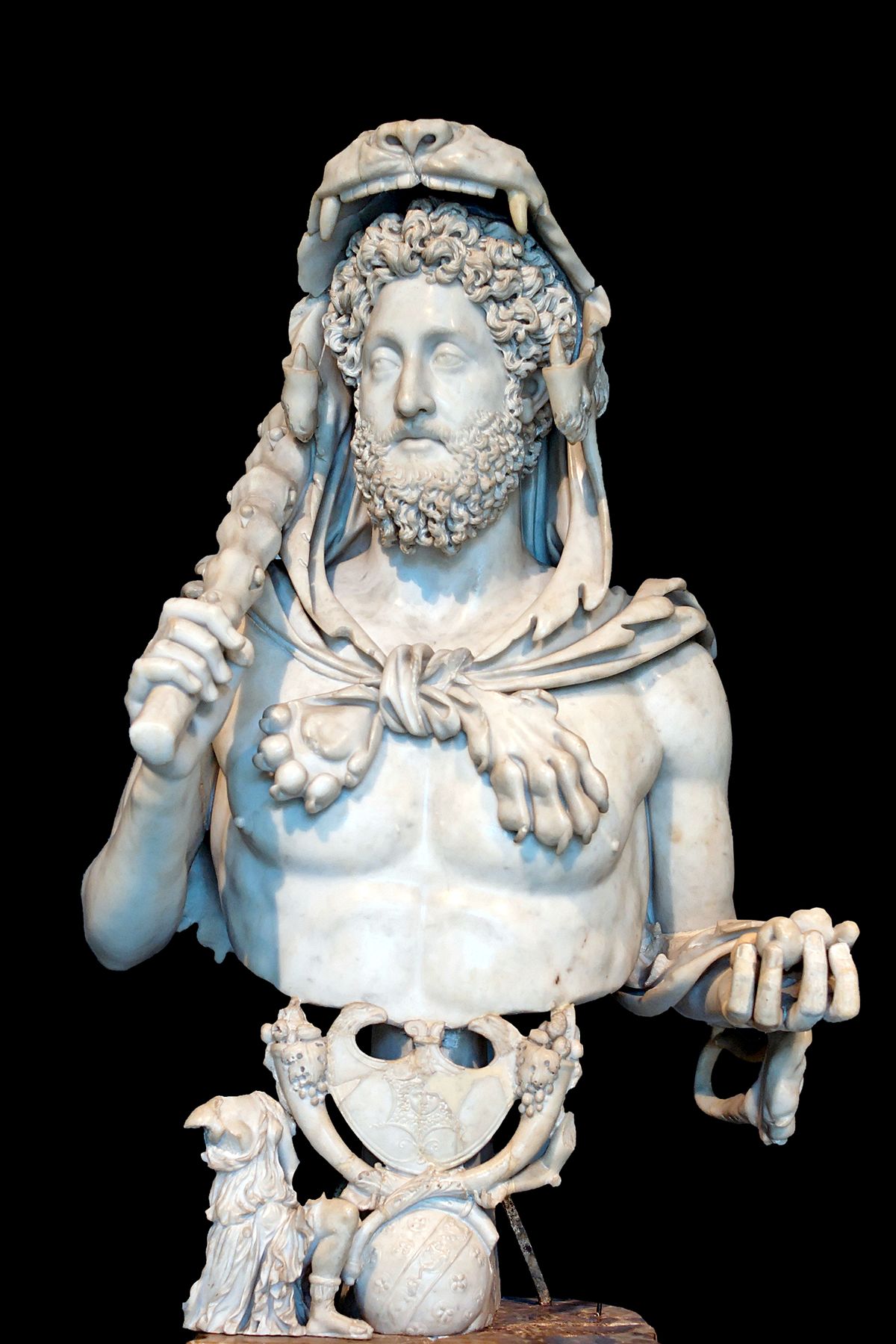
Image result for Commodus

“He Does Not Prefer Thucydides out of Love”: Romans on the Greek Historian

In my discussions of Thucydides with students over the years, we have focused on the typical modern topoi, his rivalry with Herodotus and Homer, his notion of the representation of speeches which were “appropriate to what was needed for the situation” (ὡς δ’ ἂν ἐδόκουν ἐμοὶ ἕκαστοι περὶ τῶν αἰεὶ παρόντων τὰ δέοντα μάλιστ’ εἰπεῖν, 1.22), the scientific presentation of the causes of the Peloponnesian War, his belief that his history was a “possession for eternity” (κτῆμά τε ἐς αἰεὶ), Perikles’ rhetorical power in Athens, the suspenseful danger of the Mytilenean debate (book 3), and the depressing logic of power in the Melian dialogue (5.84-116). But most of all, we have read his history as a tragedy: Athens falls just as much if not more because of herself as because of Sparta.

Roman authors did not see this Thucydides. (One is tempted to say they value the style far beyond the substance.) Here are some samples of their views.

Cicero, de optimo genre oratorum 17

“This is why if there is ever anyone who claims that he will plead legal cases in the style of Thucydides, he will show that he is completely ignorant of what happens in political and legal matters. If he will merely praise Thucydides, let him record my opinion with his.”

Qua re si quis erit qui se Thucydideo genere causas in foro dicturum esse profiteatur, is abhorrebit etiam a suspicione eius quod versatur in re civili et forensi; sin Thucydidem laudabit, ascribat suae nostram sententiam.


Seneca the Elder, Controversiae 9

“Roman orators, historians, and poets have not ripped off many words from the Greeks, but rather they have improved upon them. Then he offered a saying by Thucydides “success is adept at hiding and cloaking everyone’s mistakes” followed by Sallust’s version: “success is a miraculous cover for vice”. Although the chief virtue in Thucydides is brevity, Sallust has done better and has overcome him in his own territory. The Greek saying is brief enough that you can shorten it without losing the sense. You may take out “hiding” or “shadowing” and then “everyone” and the sense remains, perhaps not as polished, but still whole. You cannot take anything away from Sallust’s version without losing the sense.”

Multa oratores, historici, poetae Romani a Graecis dicta non subripuerunt sed provocaverunt. Tunc deinde rettulit aliquam Thucydidis sententiam: δειναὶ γὰρ αἰ εὐπραξίαι συγκρύψαι καὶ συσκιάσαι τὰ ἑκάστων ἁμαρτήματα, deinde Sallustianam: res secundae mire sunt vitiis obtentui. Cum sit praecipua in Thucydide virtus brevitas, hac eum Sallustius vicit et in suis illum castris cecidit; nam in sententia Graeca tam brevi habes quae salvo sensu detrahas: deme vel συγκρύψαι vel συσκιάσαι, deme ἑκάστων: constabit sensus, etiamsi non aeque comptus, aeque tamen integer. At ex Sallusti sententia nihil demi sine detrimento sensus potest.

Contr. 9

“He does not prefer Thucydides out of love for him, but he praises one he does not fear and believes he may defeat Sallust more easily if he appears to be conquered by Thucydides first.”

Nec hoc amore Thucydidis facit, ut illum praeferat, sed laudat quem non timet et facilius putat posse a se Sallustium vinci si ante a Thucydide vincatur.


Pliny, Natural History 7.111

“The Athenians drove Thucydides the general into exile but recalled the historian. They appreciated the eloquence of a man whose bravery they had condemned.”

Thucydiden imperatorem Athenienses in exilium egere, rerum conditorem revocavere, eloquentiam mirati cuius virtutem damnaverant.


Image result for thucydides ancient Greek

Selections from a Conversation about Treachery and Deceit

Excerpts from Xenophon, Anabasis, 2.5.6-24

“Because I believe that these kinds of misunderstandings are best addressed through conversations, I have come and I plan to explain to you that you mistrust us wrongly.”

[6] τὰς οὖν τοιαύτας ἀγνωμοσύνας νομίζων συνουσίαις μάλιστα παύεσθαι ἥκω καὶ διδάσκειν σε βούλομαι ὡς σὺ ἡμῖν οὐκ ὀρθῶς ἀπιστεῖς.

“First and foremost, our oaths sworn to the gods keep us from being each other’s enemies. Anyone who understands that he has neglected these oaths, I could never consider happy. For I do not know by what speed or in what location someone could run to escape war with the gods—what obscurity could he flee into or into what safe land could he take refuge? For everywhere is subject to the gods; the gods control everything equally.”

 [7] πρῶτον μὲν γὰρ καὶ μέγιστον οἱ θεῶν ἡμᾶς ὅρκοι κωλύουσι πολεμίους εἶναι ἀλλήλοις: ὅστις δὲ τούτων σύνοιδεν αὑτῷ παρημεληκώς, τοῦτον ἐγὼ οὔποτ᾽ ἂν εὐδαιμονίσαιμι. τὸν γὰρ θεῶν πόλεμον οὐκ οἶδα οὔτ᾽ ἀπὸ ποίου ἂν τάχους οὔτε ὅποι ἄν τις φεύγων ἀποφύγοι οὔτ᾽ εἰς ποῖον ἂν σκότος ἀποδραίη οὔθ᾽ ὅπως ἂν εἰς ἐχυρὸν χωρίον ἀποσταίη. πάντῃ γὰρ πάντα τοῖς θεοῖς ὕποχα καὶ πάντων ἴσον οἱ θεοὶ κρατοῦσι.

“When I consider all these things, it seems so amazing to me that you would distrust us that I would hear most sweetly the name of whoever is so clever at speaking that he can persuade you by saying that we are conspiring against you.” Klearkhos said these things; and Tissaphernes answered…

[15] ἐμοὶ μὲν ταῦτα πάντα ἐνθυμουμένῳ οὕτω δοκεῖ θαυμαστὸν εἶναι τὸ σὲ ἡμῖν ἀπιστεῖν ὥστε καὶ ἥδιστ᾽ ἂν ἀκούσαιμι τὸ ὄνομα τίς οὕτως ἐστὶ δεινὸς λέγειν ὥστε σε πεῖσαι λέγων ὡς ἡμεῖς σοι ἐπιβουλεύομεν. Κλέαρχος μὲν οὖν τοσαῦτα εἶπε: Τισσαφέρνης δὲ ὧδε ἀπημείφθη.

“It is a trait of men who are completely at a loss, without artifice, and bound by compulsion—of men who really are wretches—to want to accomplish something by making false oaths to the gods and falsehoods to men. We, at least, are not so illogical or simple-minded.”

[21] παντάπασι δὲ ἀπόρων ἐστὶ καὶ ἀμηχάνων καὶ ἐν ἀνάγκῃ ἐχομένων, καὶ τούτων πονηρῶν, οἵτινες ἐθέλουσι δι᾽ ἐπιορκίας τε πρὸς θεοὺς καὶ ἀπιστίας πρὸς ἀνθρώπους πράττειν τι. οὐχ οὕτως ἡμεῖς, ὦ Κλέαρχε, οὔτε ἀλόγιστοι οὔτε ἠλίθιοί ἐσμεν.

In saying these things, [Tissaphernes] seemed to Klearkhos to be speaking the truth. So he responded. “Therefore, when we have these reasons to be friends, those men who are trying to force us into enmity through slander are worthy of suffering capital punishment?”

[24] ταῦτα εἰπὼν ἔδοξε τῷ Κλεάρχῳ ἀληθῆ λέγειν: καὶ εἶπεν: οὐκοῦν, ἔφη, οἵτινες τοιούτων ἡμῖν εἰς φιλίαν ὑπαρχόντων πειρῶνται διαβάλλοντες ποιῆσαι πολεμίους ἡμᾶς ἄξιοί εἰσι τὰ ἔσχατα παθεῖν;


Tissaphernes.jpg
Coin of Tissaphernes

On Election Night: Polybius’ Cycle of Governments

[I stopped listening to the news and started reading Polybius.]

Polybius, Histories 6.4

“The proof that what I have said is true comes from the following. It must not be asserted that every well-made government is a principality, but only the government which is assented to voluntarily and which is governed by reason rather than fear and force. Nor should we consider every oligarchy to be an aristocracy: the latter emerges only when men rule because they are the most just and the most prudent. In a similar way, a true democracy is not that in which the majority has the power to do whatever it wants, but what counts is if the will of the majority enforces observance of its traditional laws, honor to the customary laws, duty to parents, respect to elders, obedience to the laws—then it is right to call a state a democracy.

From this, we can isolate six types of government: the three I have just mentioned and three additional, related forms, monarchy, oligarchy, and mob rule. The first of these, monarchy, arises naturally, and without machination. The second follows it and develops from it with preparation and adjustment. Once this has transformed into the evil form akin to it, tyranny, and aristocracy develops from the dissolution of both. When aristocracy devolves into oligarchy as is natural, and the people turn into rage over the injustice of their leaders, democracy emerges. Over time, mob-rule develops from outrage and illegality. Anyone can understand clearly from this pattern that the things I am saying now are true, based on the nature of each government in its origins and its evolution.”

polybius

ὅτι δ᾽ ἀληθές ἐστι τὸ λεγόμενον ἐκ τούτων συμφανές. [2] οὔτε γὰρ πᾶσαν δήπου μοναρχίαν εὐθέως βασιλείαν ῥητέον, ἀλλὰ μόνην τὴν ἐξ ἑκόντων συγχωρουμένην καὶ τῇ γνώμῃ τὸ πλεῖον ἢ φόβῳ καὶ βίᾳ κυβερνωμένην: [3] οὐδὲ μὴν πᾶσαν ὀλιγαρχίαν ἀριστοκρατίαν νομιστέον, ἀλλὰ ταύτην, ἥτις ἂν κατ᾽ ἐκλογὴν ὑπὸ τῶν δικαιοτάτων καὶ φρονιμωτάτων ἀνδρῶν βραβεύηται. [4] παραπλησίως οὐδὲ δημοκρατίαν, ἐν ᾗ πᾶν πλῆθος κύριόν ἐστι ποιεῖν ὅ, [5] τι ποτ᾽ ἂν αὐτὸ βουληθῇ καὶ πρόθηται παρὰ δ᾽ ᾧ πάτριόν ἐστι καὶ σύνηθες θεοὺς σέβεσθαι, γονεῖς θεραπεύειν, πρεσβυτέρους αἰδεῖσθαι, νόμοις πείθεσθαι, παρὰ τοῖς τοιούτοις συστήμασιν ὅταν τὸ τοῖς πλείοσι δόξαν νικᾷ, τοῦτο καλεῖν δεῖ δημοκρατίαν. διὸ καὶ γένη μὲν ἓξ εἶναι ῥητέον πολιτειῶν, [6] τρία μὲν ἃ πάντες θρυλοῦσι καὶ νῦν προείρηται, τρία δὲ τὰ τούτοις συμφυῆ, λέγω δὲ μοναρχίαν, ὀλιγαρχίαν, ὀχλοκρατίαν. [7] πρώτη μὲν οὖν ἀκατασκεύως καὶ φυσικῶς συνίσταται μοναρχία, ταύτῃ δ᾽ ἕπεται καὶ ἐκ ταύτης γεννᾶται μετὰ κατασκευῆς καὶ διορθώσεως βασιλεία. [8] μεταβαλλούσης δὲ ταύτης εἰς τὰ συμφυῆ κακά, λέγω δ᾽ εἰς τυραννίδ᾽, αὖθις ἐκ τῆς τούτων καταλύσεως ἀριστοκρατία φύεται. [9] καὶ μὴν ταύτης εἰς ὀλιγαρχίαν ἐκτραπείσης κατὰ φύσιν, τοῦ δὲ πλήθους ὀργῇ μετελθόντος τὰς τῶν προεστώτων ἀδικίας, γεννᾶται δῆμος. [10] ἐκ δὲ τῆς τούτου πάλιν ὕβρεως καὶ παρανομίας ἀποπληροῦται σὺν χρόνοις ὀχλοκρατία. [11] γνοίη δ᾽ ἄν τις σαφέστατα περὶ τούτων ὡς ἀληθῶς ἐστιν οἷα δὴ νῦν εἶπον, ἐπὶ τὰς ἑκάστων κατὰ φύσιν ἀρχὰς καὶ γενέσεις καὶ μεταβολὰς ἐπιστήσας.

anaklosis