Fish-Eaters, Meat-Eaters and Bread: Dehumanizing Structures in the Odyssey

Homer, Odyssey 8.221-222

“I say that I am much better than the rest,
However so many mortals now eat bread on the earth.”

τῶν δ’ ἄλλων ἐμέ φημι πολὺ προφερέστερον εἶναι,
ὅσσοι νῦν βροτοί εἰσιν ἐπὶ χθονὶ σῖτον ἔδοντες.

Schol. B ad Od. 8.222 ex

“Who eat bread…” He says this because there are some races who don’t eat bread. Indeed, some are called locust eaters and fish-easters, like the Skythian race and the Massagetae are called meat-eaters. Some of the locust-eaters, after seeing bread, used to believe it was shit.”

σῖτον ἔδοντες] εἶπε τοῦτο διά τινα γένη, οἵτινες οὐκ ἤσθιον σῖτον. διὸ καὶ ἀκριδοφάγοι τινὲς καὶ ἰχθυοφάγοι ἐκαλοῦντο, ὡς καὶ τὸ Σκυθικὸν καὶ Μασσαγετικὸν κρεοφάγοι καλοῦνται. τινὲς γὰρ τῶν ἀκριδοφάγων ἰδόντες ἄρτον κόπρον εἶναι ἐνόμιζον. B.

Cf. Schol. T ad 16.784

“The poet also does not show heroes eating fish or birds, but still Odysseus’ companions do try to under compulsion. Generally, the poet avoids this kind of habit because of its triviality, but he has [heroes] eat roasted meat.”

οὐδὲ γὰρ ἰχθύσι χρωμένους εἰσήγαγεν ἢ ὄρνισιν, ἀλλ’ ὅμως δι’ ἀνάγκην καὶ τοῖς τοιούτοις ἐπεχείρουν οἱ ᾿Οδυσσέως ἑταῖροι (cf. δ 368. μ 331)· καθόλου γὰρ τὴν τοιαύτην χρῆσιν διὰ τὸ μικροπρεπὲς παρῃτήσατο, κρέασι δὲ ὀπτοῖς χρῆσθαι αὐτούς φησιν.

Eusth. Comm. I Ad Hom. Od. 1.293

“Those who eat grain/bread.” This is perhaps said regarding the difference of other mortals who are not these kind of people—the kind of sort the story claims that the long-lived Aethiopians are too. These people, after they saw bread, compared it to shit. There were also those who lived from eating locusts and others who lived off fish. For this reason they are called locust-eaters and fish eaters. The Skythian race and the Masssegetic people who live primarily off meat do not wish to eat grain.”

Τὸ δὲ σῖτον ἔδοντες, πρὸς διαστολὴν ἴσως ἐῤῥέθη ἑτέρων βροτῶν μὴ τοιούτων. ὁποίους καὶ τοὺς μακροβίους Αἰθίοπας ἡ ἱστορία φησίν. οἳ ἄρτον ἰδόντες κόπρῳ αὐτὸν εἴκασαν. ἦσαν δὲ καὶ οἱ ἐξ ἀκρίδων ζῶντες καὶ οἱ ἐξ ἰχθύων. οἳ καὶ ἀκριδοφάγοι διατοῦτο καὶ ἰχθυοφάγοι ἐκαλοῦντο. τὸ δὲ Σκυθικὸν φῦλον καὶ τὸ Μασσαγετικὸν κρέασι διοικονομούμενον οὐδ’ αὐτὸ ἐθέλει σιτοφαγεῖν.

Strabo, Geographica 16.4.12

“In a close land to [the Aethiopians] are people darker-skinned than the rest and shorter and the shortest-lived, the locust-eaters. They rarely see more than forty years because their flesh is rife with parasites. They live on locusts who arrive in the spring carried by the strong winds that blow into these places. After throwing burning logs into trenches and kindling them a little, they overshadow the locusts with smoke and they call. They pound them together with salt and use them as cakes for their food.”

Πλησιόχωροι δὲ τούτοις εἰσὶ μελανώτεροί τε τῶν ἄλλων καὶ βραχύτεροι καὶ βραχυβιώτατοι ἀκριδοφάγοι· τὰ γὰρ τετταράκοντα ἔτη σπανίως ὑπερτιθέασιν, ἀπο-
θηριουμένης αὐτῶν τῆς σαρκός· ζῶσι δ’ ἀπὸ ἀκρίδων, ἃς οἱ ἐαρινοὶ λίβες καὶ ζέφυροι πνέοντες μεγάλοι συνελαύνουσιν εἰς τοὺς τόπους τούτους· ἐν ταῖς χα-ράδραις δὲ ἐμβαλόντες ὕλην καπνώδη καὶ ὑφάψαντες μικρὸν … ὑπερπετάμεναι γὰρ τὸν καπνὸν σκοτοῦνται καὶ πίπτουσι· συγκόψαντες δ’ αὐτὰς μεθ’ ἁλμυρίδος μάζας ποιοῦνται καὶ χρῶνται.

Strabo’s passage is, from a modern perspective, fairly racist (and more so even than the Eustathius). I don’t believe that the Odyssey’s formulaic line carries the same force, however. For Homer, people who eat bread are those who cultivate the earth and have to work (they don’t live easy lives like the gods). People who don’t eat the fruit of the earth are marauders and monsters.

The Odyssey’s ethnographic frame develops structures that insist to be fully human, one must (1) live in a city and (2) have recognizable laws and institutions, and (3) cultivate the earth. Creatures who don’t do these things are marginalized and dehumanized either through their behavior (the suitors and sailors) or through actual deformity (the Cyclopes, Kikones, and, well, pretty much most of the women in the poem). So, while the epic itself is not clearly racist in the modern sense, it supplies and deploys frameworks by which other human beings may be marginalized and dehumanized.


Lovis Corinth “Odysseus Fighting the Beggar” 1903

Turtle-eaters and Their Homes

Strabo 16

“The Khelônophagoi live underneath turtle shells that are big enough to sail in too. Some of them, because a lot of seaweed is cast onto the shore and makes piles as high as hills, dig into them and live inside. They dispose of corpses as food for fish by allowing them to be drawn away in the high tides.

Three islands are situated in a row: they are named Turtle Island, Seal Island, and Hawk Island. The whole shoreline has palm-trees, olive trees, and laurels and this is not just in the straits but on the outside too. There is a certain Philip’s island, facing which, above the coastline, is a hunting preserve for elephants which is called Pythangelos’ Hunting Ground.

Next to this is Arsinoê which has a city and harbor and beyond these, to Deirê above which is another hunting preserve for elephants. The land right above Deirê is rich in aromatics: the first part part produces myrrh—and it is the land of the Fish-Eaters and Meat-Eaters—and it also produces persea and the Egyptian sykamin. Beyond this land is Likha, another hunting ground for elephants. Frequently there are pools of rain water in the region and when these dry, the elephants dig with their tusks and teeth and uncover water.

On that coast, there are two enormous lakes extending up as far as the Pytholaian headland. One of them has salt water and they call it a sea; the other is fresh and contains both hippopotamuses and crocodiles. It also has papyrus on its shores. People also find the Ibis around this lake. Starting near the Pytholaus, the people who live there have unblemished bodies….”

  1. Οἱ δὲ Χελωνοφάγοι τοῖς ὀστράκοις αὐτῶν σκεπάζονται μεγάλοις οὖσιν, ὥστε καὶ πλεῖσθαι ἐν αὐτοῖς· ἔνιοι δὲ τοῦ φύκους ἀποβεβλημένου πολλοῦ καὶ θῖνας ὑψηλὰς καὶ λοφώδεις ποιοῦντος, ὑπορύττοντες ταύτας ὑποικοῦσι. τοὺς δὲ νεκροὺς ῥίπτουσι τροφὴν τοῖς ἰχθύσιν, ἀναλαμβανομένους ὑπὸ τῶν πλημμυρίδων. τῶν δὲ νήσων τινὲς τρεῖς ἐφεξῆς κεῖνται, ἡ μὲν Χελωνῶν, ἡ δὲ Φωκῶν, ἡ δ᾿ Ἱεράκων λεγομένη· πᾶσα δ᾿ ἡ παραλία φοίνικάς τε ἔχει καὶ ἐλαιῶνας καὶ δαφνῶνας, οὐχ ἡ ἐντὸς τῶν στενῶν μόνον, ἀλλὰ καὶ τῆς ἐκτὸς πολλή. ἔστι δέ τις καὶ Φιλίππου νῆσος, καθ᾿ ἣν ὑπέρκειται τὸ Πυθαγγέλου καλούμενον τῶν ἐλεφάντων κυνήγιον· εἶτ᾿ Ἀρσινόη πόλις καὶ λιμήν, καὶ μετὰ ταῦτα ἡ Δειρή· καὶ τούτων ὑπέρκειται θήρα τῶν ἐλεφάντων. ἀπὸ δὲ τῆς Δειρῆς ἡ ἐφεξῆς ἐστιν ἀρωματοφόρος, πρώτη μὲν ἡ τὴν σμύρναν φέρουσα (καὶ αὕτη μὲν Ἰχθυοφάγων καὶ Κρεοφάγων), φύει δὲ καὶ περσέαν καὶ συκάμινον Αἰγύπτιον· ὑπέρκειται δὲ ἡ Λίχα θήρα τῶν ἐλεφάντων· πολλαχοῦ δ᾿ εἰσὶ συστάδες τῶν ὀμβρίων ὑδάτων, ὧν ἀναξηρανθεισῶν οἱ ἐλέφαντες ταῖς προβοσκίσι καὶ τοῖς ὀδοῦσι φρεωρυχοῦσι καὶ ἀνευρίσκουσιν ὕδωρ. ἐν δὲ τῇ παραλίᾳ ταύτῃ μέχρι τοῦ Πυθολάου ἀκρωτηρίου δύο λίμναι εἰσὶν εὐμεγέθεις· ἡ μὲν ἁλμυροῦ ὕδατος, ἣν καλοῦσι θάλατταν, ἡ δὲ γλυκέος, ἣ τρέφει καὶ ἵππους ποταμίους καὶ κροκοδείλους, περὶ τὰ χείλη δὲ πάπυρον· ὁρῶνται δὲ καὶ ἴβεις περὶ τὸν τόπον. ἤδη δὲ καὶ οἱ πλησίον τῆς ἄκρας τῆς Πυθολάουτὰ σώματα ὁλόκληροί
Related image
Silver Turtle Stater from Aigina

A Humorous Surfeit of Monkeys

Strabo, Katasterismoi, 17, 3, 4

“And it offers a superabundance of monkeys. Poseidonios has also claimed that while he was sailing from Cadiz to Italy, he travelled along the shore of Africa and saw a certain clutch of trees that was full of monkeys. Some were in the trees, some were below on the ground, and some had babies nestled near their breasts. He said he laughed when he saw the ones with drooping breasts or when he saw bald monkeys, or ones showing growths or other sicknesses.”

 φέρει δὲ… πιθήκων τε πάμπολυ πλῆθος, περὶ ὧν καὶ Ποσειδώνιος εἴρηκεν, ὅτι πλέων ἐκ Γαδείρων εἰς τὴν ᾽Ιταλίαν προσενεχθείη τῆι Λιβυκῆι παραλίαι καὶ ἴδοι τῶν θηρίων μεστόν τινα τούτων ἁλιτενῆ δρυμόν, τῶν μὲν ἐπὶ τοῖς δένδρεσι, τῶν δ᾽ ἐπὶ γῆς, ἐχόντων ἐνίων καὶ σκύμνους καὶ ἐπεχόντων μαστόν· γελᾶν οὖν ὁρῶν βαρυμάστους, ἐνίους δὲ φαλακρούς, τοὺς δὲ κηλήτας καὶ ἄλλα τοιαῦτα ἐπιφαίνοντας σίνη

From Arhturian Romances manuscript, housed at Yale https://collections.library.yale.edu/catalog/2004282?child_oid=1020576

Poison Proofs

Aelian (Claudius Aelianus), On the Nature of Animals, 16, 27 (= BNJ 86F 21b)

“Agatharkhides claims that there is a group of people in Libya–and that they are also called the Psylli–in most ways they aren’t really different from the rest of humankind in their lifestyle except that their body has a strange and incredible quality that sets them apart. You see, creatures that sting as part of attacking don’t harm these people at all!

Indeed, they don’t even notice a snakebite or a spider-bite that might be fatal to other people, nor even a scorpion’s sting. When one of the creatures gets near them and touches them, it acts like it has taken some sleep-causing drug as soon as it smells them! They contract a kind of drowsiness or drugged state and become weak and slow until the person walks away.

Also, when they want to test whether their babies are trueborn or bastards, they leave them in the middle of snakes just as I said above, the way gold-workers test metal in fire.”

᾽Αγαθαρχίδης φησὶν εἶναι γένος ἐν τῆι Λιβύηι τινῶν ἀνθρώπων καὶ μέντοι καὶ καλεῖσθαι αὐτοὺς Ψύλλους. καὶ ὅσα μὲν κατὰ τὸν ἄλλον βίον τῶν λοιπῶν ἀνθρώπων διαφέ̣ρειν οὐδὲ ἕν, τὸ δὲ σῶμα ἔχειν ξένον τε καὶ παράδοξον ὡς πρὸς τοὺς ἑτεροφύλους ἀντικρινόμενον. τὰ γάρ τοι ζῶια τὰ δακετὰ καὶ τὰ ἐγχρίμπτοντα πάμπολλα ὄντα μηδὲν αὐτοὺς μόνους ἀδικεῖν. οὐτε γοῦν ὄφεως δακόντος ἐπαίουσιν οὐτε φαλαγγίου νύξαντος [ὡς] τοὺς ἄλλους ἐς θάνατον οὐτε μὴν σκορπίου κέντρον ἀπερείσαντος. ἐπὰν δὲ ἄρα τούτων προσπελάσηι τι καὶ παραψαύσηι τοῦ σώματος καὶ ἅμα καὶ τῆς ὀσμῆς τῆς ἐκείνων [ψαύσηι ἢ] σπάσηι, ὥσπερ οὖν φαρμάκου γευσάμενον ὑπνοποιοῦ κάρωσίν τινα ἑλκτικὴν ἐς ἀναισθησίαν ἐμποιοῦντος, ἐξασθενεῖ καὶ παρεῖται, ἔστ᾽ ἂν παραδράμηι ὁ ἄνθρωπος. ὅπως δὲ ἐλέγχουσι τὰ ἑαυτῶν βρέφη εἴτε ἐστὶ γνήσια εἴτε καὶ νόθα, ἐν τοῖς ἑρπετοῖς βασανιζοντες ὡς ἐν τῶι πυρὶ τὸν χρυσὸν οἱ βάναυσοι χρυσουργοί, ἀνωτέρω εἶπον.

This is one of several scenes in the Church of Ura Kidane Mihret depicting snake-like creatures. In this panel, the snake appears to have gotten out of hand, and the man on the right is in the process of lopping off the snake’s head with what look like metal shears.
Zeghie Peninsula, Lake Tana, Ethiopia.

A Natural Fix for the Public Housing Crisis

Strabo 16

“The Khelônophagoi live underneath turtle shells that are big enough to sail in too. Some of them, because a lot of seaweed is cast onto the shore and makes piles as high as hills, dig into them and live inside. They dispose of corpses as food for fish by allowing them to be drawn away in the high tides.

Three islands are situated in a row: they are named Turtle Island, Seal Island, and Hawk Island. The whole shoreline has palm-trees, olive trees, and laurels and this is not just in the straits but on the outside too. There is a certain Philip’s island, facing which, above the coastline, is a hunting preserve for elephants which is called Pythangelos’ Hunting Ground.

Next to this is Arsinoê which has a city and harbor and beyond these, to Deirê above which is another hunting preserve for elephants. The land right above Deirê is rich in aromatics: the first part part produces myrrh—and it is the land of the Fish-Eaters and Meat-Eaters—and it also produces persea and the Egyptian sykamin. Beyond this land is Likha, another hunting ground for elephants. Frequently there are pools of rain water in the region and when these dry, the elephants dig with their tusks and teeth and uncover water.

On that coast, there are two enormous lakes extending up as far as the Pytholaian headland. One of them has salt water and they call it a sea; the other is fresh and contains both hippopotamuses and crocodiles. It also has papyrus on its shores. People also find the Ibis around this lake. Starting near the Pytholaus, the people who live there have unblemished bodies….”

  1. Οἱ δὲ Χελωνοφάγοι τοῖς ὀστράκοις αὐτῶν σκεπάζονται μεγάλοις οὖσιν, ὥστε καὶ πλεῖσθαι ἐν αὐτοῖς· ἔνιοι δὲ τοῦ φύκους ἀποβεβλημένου πολλοῦ καὶ θῖνας ὑψηλὰς καὶ λοφώδεις ποιοῦντος, ὑπορύττοντες ταύτας ὑποικοῦσι. τοὺς δὲ νεκροὺς ῥίπτουσι τροφὴν τοῖς ἰχθύσιν, ἀναλαμβανομένους ὑπὸ τῶν πλημμυρίδων. τῶν δὲ νήσων τινὲς τρεῖς ἐφεξῆς κεῖνται, ἡ μὲν Χελωνῶν, ἡ δὲ Φωκῶν, ἡ δ᾿ Ἱεράκων λεγομένη· πᾶσα δ᾿ ἡ παραλία φοίνικάς τε ἔχει καὶ ἐλαιῶνας καὶ δαφνῶνας, οὐχ ἡ ἐντὸς τῶν στενῶν μόνον, ἀλλὰ καὶ τῆς ἐκτὸς πολλή. ἔστι δέ τις καὶ Φιλίππου νῆσος, καθ᾿ ἣν ὑπέρκειται τὸ Πυθαγγέλου καλούμενον τῶν ἐλεφάντων κυνήγιον· εἶτ᾿ Ἀρσινόη πόλις καὶ λιμήν, καὶ μετὰ ταῦτα ἡ Δειρή· καὶ τούτων ὑπέρκειται θήρα τῶν ἐλεφάντων. ἀπὸ δὲ τῆς Δειρῆς ἡ ἐφεξῆς ἐστιν ἀρωματοφόρος, πρώτη μὲν ἡ τὴν σμύρναν φέρουσα (καὶ αὕτη μὲν Ἰχθυοφάγων καὶ Κρεοφάγων), φύει δὲ καὶ περσέαν καὶ συκάμινον Αἰγύπτιον· ὑπέρκειται δὲ ἡ Λίχα θήρα τῶν ἐλεφάντων· πολλαχοῦ δ᾿ εἰσὶ συστάδες τῶν ὀμβρίων ὑδάτων, ὧν ἀναξηρανθεισῶν οἱ ἐλέφαντες ταῖς προβοσκίσι καὶ τοῖς ὀδοῦσι φρεωρυχοῦσι καὶ ἀνευρίσκουσιν ὕδωρ. ἐν δὲ τῇ παραλίᾳ ταύτῃ μέχρι τοῦ Πυθολάου ἀκρωτηρίου δύο λίμναι εἰσὶν εὐμεγέθεις· ἡ μὲν ἁλμυροῦ ὕδατος, ἣν καλοῦσι θάλατταν, ἡ δὲ γλυκέος, ἣ τρέφει καὶ ἵππους ποταμίους καὶ κροκοδείλους, περὶ τὰ χείλη δὲ πάπυρον· ὁρῶνται δὲ καὶ ἴβεις περὶ τὸν τόπον. ἤδη δὲ καὶ οἱ πλησίον τῆς ἄκρας τῆς Πυθολάουτὰ σώματα ὁλόκληροί
Related image
Silver Turtle Stater from Aigina

Diverting Strength to Arms: The Man-killing Women of the Sauromatae

Hippocrates of Cos, Airs, Waters, Places  17

“This is how things are for the people in Asia. In Europe, there’s a Skythian people which lives around the Maeotian lake and is different from other nations. They are called Sauromatae. While the women are still virgins, they ride, shoot bows, throw the javelin from horseback, and fight in battle against their enemies. They do not give up their virginity until they kill three of their enemies. Nor do they marry before they complete the traditional rites.

Once a woman accepts a husband, she stops riding unless a general expedition forces her. They do not have right breasts because, when they are still infants, their mothers heat a bronze instrument created for this purpose and use it to cauterize the right breast so that it cannot grow and all of its strength and size are given to the right shoulder and arm.”

XVII. Καὶ περὶ μὲν τῶν ἐν τῇ Ἀσίῃ οὕτως ἔχει. ἐν δὲ τῇ Εὐρώπῃ ἔστιν ἔθνος Σκυθικόν, ὃ περὶ τὴν λίμνην οἰκεῖ τὴν Μαιῶτιν διαφέρον τῶν ἐθνέων τῶν ἄλλων. Σαυρομάται καλεῦνται. τούτων αἱ γυναῖκες ἱππάζονταί τε καὶ τοξεύουσι καὶ ἀκοντίζουσιν ἀπὸ τῶν ἵππων καὶ μάχονται τοῖς πολεμίοις, ἕως ἂν παρθένοι ἔωσιν. οὐκ ἀποπαρθενεύονται δέ, μέχρι ἂν τῶν πολεμίων τρεῖς ἀποκτείνωσι, καὶ οὐ πρότερον συνοικέουσιν ἤπερ τὰ ἱερὰ θύσωσιν τὰ ἔννομα.

ἣ δ᾿ ἂν ἄνδρα ἑωυτῇ ἄρηται, παύεται ἱππαζομένη, ἕως ἂν μὴ ἀνάγκη καταλάβῃ παγκοίνου στρατείης. τὸν δεξιὸν δὲ μαζὸν οὐκ ἔχουσι. παιδίοις γὰρ ἐοῦσιν ἔτι νηπίοις αἱ μητέρες χαλκίον τετεχνημένον ἐπ᾿ αὐτῷ τούτῳ ιάπυρον ποιέουσαι πρὸς τὸν μαζὸν τιθέασι τὸν δεξιὸν καὶ ἐπικαίεται, ὥστε τὴν αὔξησιν φθείρεσθαι, ἐς δὲ τὸν δεξιὸν ὦμον καὶ βραχίονα πᾶσαν τὴν ἰσχὺν καὶ τὸ πλῆθος ἐκδιδόναι.

https://commons.wikimedia.org/wiki/File:Ancient_Greek_figurine_of_an_Amazon_on_horseback,_taken_at_Eskenazi_Museum_of_Art_on_3_December_2019_(2).jpg

Fantastic Friday 3: Final Adventures in Ethnography


Paradoxographus Vaticanus. 56-62 

56 “Among the Carthaginians it is impossible for those who have not served in the army to receive gold tribute. They receive as many payments in perpetuity as expeditions they served on.”

Παρὰ Καρχηδονίοις οὐκ ἔξεστι τοῖς ἀστρατεύτοις φορεῖν ἐνώτιον χρυσοῦν· ὅσας δ’ ἂν στρατεύσωνται στρατείας, τοσαῦτα ἀεὶ φοροῦσιν ἐνώτια.

57 “The Spartans shame/disfigure their elderly men no less than their fathers. And virgins have the same nude training as men do. It is not allowed for foreigners to live in Sparta nor for Spartans to offer them hospitality. These order women to get pregnant by the most well-formed men, both citizens and foreigners.”

Λακεδαιμόνιοι τοὺς γέροντας αἰσχύνονται οὐδὲν ἧττον ἢ πατέρας. γυμνάσια δ’ ὥσπερ ἀνδρῶν ἐστιν, οὕτω καὶ παρθένων. ξένοις δ’ ἐμβιοῦν οὐκ ἔξεστιν ἐν Σπάρτῃ
οὔτε Σπαρτιάταις ξενιτεύειν. οὗτοι ταῖς γυναιξὶν παρακελεύονται ἐκ τῶν εὐειδεστάτων κύειν καὶ ἀστῶν καὶ ξένων.

58 “First of the Greeks, the Cretans were possessing the laws which Minos set down. Minos claimed to have learned them from Zeus after he wandered for nine years over a certain month which is called the “cave of Zeus”. The children of the Cretans are raised in common and brought up hardy with on another. They learn the arts of war, and hunts, and they also practice uphill runs without shoes and they work hard on the pyrrhic dance which Purrikhos invented first.”

Κρῆτες πρῶτοι ῾Ελλήνων νόμους ἔσχον Μίνωος θεμένου· προσεποιεῖτο δὲ Μίνως παρὰ τοῦ Διὸς αὐτοὺς μεμαθηκέναι ἐννέα ἔτη εἴς τι ὄρος φοιτήσας, ὃ Διὸς ἄντρον ἐλέγετο. Οἱ Κρητῶν παῖδες ἀγελάζονται κοινῇ μετ’ ἀλλήλων σκληραγωγούμενοι καὶ τὰ πολέμια διδασκόμενοι καὶ θήρας δρόμους τε ἀνάντεις ἀνυπόδετοι ἀνύοντες καὶ τὴν ἐνόπλιον πυρρίχην ἐκπονοῦντες, ἥντινα πρῶτος εὗρε Πύρριχος.

59 “The Ligues hurl their parents from a cliff when they are no longer useful because of old age.”

Λίγυες τοὺς γονεῖς, ὅταν μηκέτι ὦσι διὰ γῆρας χρήσιμοι, κατακρημνίζουσιν.

60 “The Tauroi, a Skythian tribe, bury the kindest of the friends to the kings along with them. And the king, when a friend dies, cuts a little bit from his ear and takes away more when someone closer dies. When it is one of the closest companions of all, he takes the whole thing.”

<Ταῦροι, Σκυθικὸν ἔθνος, τοῖς βασιλεῦσι τοὺς εὐνουστάτους τῶν φίλων συγκαταθάπτουσιν>. ὁ δὲ βασιλεὺς ἀποθανόντος φίλου μικρόν τι τοῦ ὠτίου ἀποτέμνει, ἀναγκαιοτέρου δὲ τελευτήσαντος πλεῖον ἀφαιρεῖ· ὅταν δὲ ὁ πάντων
εὐνούστατος ἀποθάνῃ, <τὸ ὅλον>.

61 “Some of the Skythians, after they butcher and salt one who has died, leave him out to dry in the sun. After that, they string the meat on a cord and tie it to their own neck. Then, whenever they meet one of their friends, they take out a little dagger,  cut some of the meat and give it to them. They do this until they consume it all.”

Σκυθῶν τινες τὸν τελευτήσαντα κρεονομήσαντες καὶ ἁλίσαντες ξηραίνουσιν ἐν ἡλίῳ· μετὰ ταῦτα δὲ ἐνείραντες ἁρπεδόνι τὰ κρέα ἐξάπτουσι τῷ ἑαυτῶν τραχήλῳ, καὶ μαχαίριον λαβόντες, ᾧ ἂν ἐντύχωσι τῶν φίλων, τεμόντες κρέα διδόασι. καὶ τοῦτο ποιοῦσι μέχρις ἂν πάντα δαπανήσωσιν.

62 “The Athenians when they are completing these [rites] to the grave and they bring all the grain, a sign of the discovery of by them of fruits of all kinds”

᾿Αθηναῖοι τοὺς τελευτήσαντες ἐπὶ τὸν τάφον ἄγοντες καὶ πᾶν ὄσπριον ἐπέφερον, σύμβολον τῆς παρ’ αὐτῶν εὑρέσεως τῶν καρπῶν τῶν ἁπάντων.

Miniature object
BNF Latin 9187 Coutumes de Toulouse, F34v

Fantastic Friday: Adventures in Ethnography

Paradoxographus Palatinus 46-50

46 “The Dardanians, an Illyrian tribe, bathe themselves three times in their lives, when they are born and when they die. When they send an embassy to their enemies, they take a lamb and a branch of a tree. If their enemies accept their treaties, they leave what they brought. If they don’t, they take it back again.”

Δαρδανεῖς, ᾿Ιλλυρικὸν ἔθνος, τρὶς ἐν τῷ βίῳ λούονται, ὅταν γεννῶνται καὶ ὅταν τελευτῶσιν. ὅταν δὲ ἐπικηρυκεύωνται τοῖς πολεμίοις, ἄρνα κομίζουσι καὶ κλάδον δένδρου· καὶ ἐὰν μὲν δέχωνται οἱ πολέμιοι τὰς σπονδάς, καταλείπουσιν ἃ ἐκόμισαν, εἰ δὲ μή, πάλιν αὐτὰ ἀποφέρουσιν.

47 “Some of the Skythians are called man-eaters because they drink from human skulls. They also make handtowels by working the skin of the heads of their enemies. Then they flay the rest of the body with claws and put them on their horses.”

Σκυθῶν οἱ ἀνδροφάγοι λεγόμενοι ἐκ μὲν κρανίων πίνουσιν ἀνθρωπίνων, τὸ δὲ δέρμα τῆς κεφαλῆς τῶν πο-λεμίων ἐργαζόμενοι ποιοῦσι χειρόμακτρον, τὸ δὲ λοιπὸν σῶμα ἐκδείραντες σὺν τοῖς ὄνυξιν ἐπιβάλλουσιν ἐπὶ τοὺς ἵππους.

48 “The Sauromatai dine for three days until they are full. They obey women in everything and themselves wear female vestments. If any of their enemies flee to the fire of their hearth and darken their forehead with ashes, they no longer harm them, as if they were a household slave. They do not allow a virgin to settle down with a man before she kills an enemy.”

Σαυρομάται διὰ τριῶν ἡμερῶν σιτοῦνται εἰς πλήρωσιν. ταῖς γυναιξὶ δὲ πάντα πείθονται, καὶ αὐτοὶ δὲ φοροῦσι γυναικεῖαν ἐσθῆτα. ἐὰν δέ τις τῶν πολεμίων
καταφύγῃ πρὸς τῷ ἐπὶ τῆς ἑστίας πυρὶ καὶ τοῖς ἄνθραξι τὸ πρόσωπον μολύνῃ, οὐκέτι αὐτόν, ὡς οἰκέτην, ἀδικοῦσιν. παρθένον δὲ οὐ πρότερον συνοικίζουσιν εἰς ἄνδρα, πρὶν ἂν πολέμιον κτάνῃ.

49 “Among the Phrygians, if someone kills a farming ox or steals some of the equipment for farming, he is punished with death.”

Παρὰ Φρυξίν, ἐάν τις γεωργὸν βοῦν ἀποκτείνῃ ἢ σκεῦος τῶν περὶ τὴν γεωργίαν κλέψῃ, θανάτῳ ζημιοῦται.

50 “The Lykioi honor women more than men and are named from the mother not the father. They leave their inheritance to daughters not to sons. If anyone who is free is caught stealing, he becomes a slave. They do not provide witnesses in trials immediately, but after a month.”

Λύκιοι τὰς γυναῖκας μᾶλλον ἢ τοὺς ἄνδρας τιμῶσι καὶ καλοῦνται μητρόθεν, οὐ πατρόθεν· τὰς δὲ κληρονομίας ταῖς θυγατράσιν ἀπολείπουσιν, οὐ τοῖς υἱοῖς. ὃς δ’ ἂν ἐλεύθερος ἁλῷ κλέπτων, δοῦλος γίνεται. τὰς δὲ μαρτυρίας ἐν ταῖς δίκαις οὐκ εὐθὺς παρέχονται, ἀλλὰ μετὰ μῆνα.

Image result for medieval manuscript phrygians
KBR Ms.9961-62 Peterborough Psalter Folio 091v

Ancient Peoples Liked Beer

Pliny the Elder, Natural History 14.29

“The people of the west have their own alcohol made from soaked grain in many different ways in Gaul and Spain with many different names but with the same idea. The people of Spain have already taught us that these kinds of beverages will last even a long amount of time.

Egypt, too, has worked out a similar drink made from grain and in no corner of the world does intoxication ever take a break. They even drink this type of beverage without diluting them as one does with wine. But, by Hercules, that land used to seem to offer grains alone. Alas, the miraculous inventiveness of vice! A way has also been found to make water intoxicating!”

. Est et occidentis populis sua ebrietas e fruge madida, pluribus modis per Gallias Hispaniasque, nominibus aliis sed ratione eadem. Hispaniae iam et vetustatem ferre ea genera docuerunt. Aegyptus quoque e fruge sibi potus similis excogitavit, nullaque in parte mundi cessat ebrietas; meros quippe hauriunt tales sucos nec diluendo ut vina mitigant; at, Hercules, illic tellus fruges parare videbatur. heu, mira vitiorum sollertia! inventum est quemadmodum aquae quoque inebriarent.


Julian the Apostate, Epigrams 1

“Who are you and where are you from Dionysus? By the Bakhos true
I know only the son of Zeus and I do not know you.
He smells like nektar, but you smell like goat.
Did the Celts make you from grain because of their lack of grapes?
Ah, we should call you not Dionysus, but Demetrios instead.
And Bromos*** not Bromios since you are born of wheat**.”

Τίς πόθεν εἶς Διόνυσε; μὰ γὰρ τὸν ἀληθέα Βάκχον,
οὔ σ᾿ ἐπιγιγνώσκω· τὸν Διὸς οἶδα μόνον.
κεῖνος νέκταρ ὄδωδε· σὺ δὲ τράγου. ἦ ῥά σε Κελτοὶ
τῇ πενίῃ βοτρύων τεῦξαν ἀπ᾿ ἀσταχύων.
τῷ σε χρὴ καλέειν Δημήτριον, οὐ Διόνυσον,
πυρογενῆ μᾶλλον καὶ Βρόμον, οὐ Βρόμιον.


Aeschylus fr. 124 from Lykourgos (from Athenaeus 10.447c)

“He used to drink beer from these [heads] once he dried them
And then boast proudly about it in his man-cave.”

κἀκ τῶνδ᾿ ἔπινε βρῦτον ἰσχναίνων χρόνῳ
κἀσεμνοκόμπει τοῦτ᾿ ἐν ἀνδρείᾳ στέγῃ

The note from the Loeb attributes an understanding of this fragment to Hermann who compares it to Nonnos, Dionysiaca, 20.149–153, 166–181

Nonnos, Dion. 20.149-153

“The was a certain murderous man living there, of Ares’s line
Who was a mimic of his father’s wretched customs.
The criminal would drag faultless strangers to their doom,
That dread maniac Lykourgos, and then when he cut off
Their mortal heads with steel he hung them in his doorway…”

ἔνθα τις, ῎Αρεος αἷμα, μιαιφόνος ᾤκεεν ἀνήρ,
ἤθεσι ῥιγεδανοῖσιν ἔχων μίμημα τοκῆος,
ὀθνείους ἀθέμιστος ἀμεμφέας εἰς μόρον ἕλκων,
αἰνομανὴς Λυκόοργος· ἀποκταμένων δὲ σιδήρῳ
ἔστεφεν ἀνδρομέοισιν ἑὸν πυλεῶνα καρήνοις

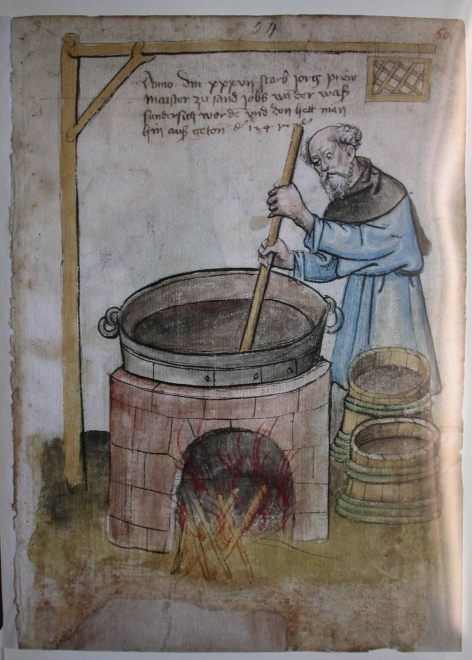
Abb. 8: Jorg Prewmaister, Mendel Band I (1437), Seite 60 

Taming the Elephant’s Heart

Aelian, N. A. 12.44 (= Megasthenes fr. 37)

“In India, if an adult elephant is caught it is difficult to tame—it gets murderous from longing for freedom. If you bind it in chains too, it gets even more agitated and will not tolerate its master. But Indians try to pacify it with food and to soften it with a variety of pleasing items, making an effort to fill its stomach and delight its heart. But it remains angry with them and ignores them. What then do they devise and do? They encourage it with their native music and sing to a certain instrument they use. It is called a skindapsos. The instrument strikes the ears and enchants the animal—his anger softens and his spirit yields and bit by bit it pays attention to its food. At this point it is released from its chains and it waits, enthralled by the music, and it eats eagerly, like a guest in love with a banquet. The elephant will no longer leave because of his love of music.”

elephant_dish

Aelianus N. A. XII, 44: ᾿Εν ᾿Ινδοῖς ἂν ἁλῷ τέλειος ἐλέφας, ἡμερωθῆναι χαλεπός ἐστι, καὶ τὴν ἐλευθερίαν ποθῶν φονᾷ· ἐὰν δὲ αὐτὸν καὶ δεσμοῖς διαλάβῃς, ἔτι καὶ μᾶλλον ἐς τὸν θυμὸν ἐξάπτεται, καὶ δεσπότην οὐχ ὑπονέμει. ᾿Αλλ’ οἱ ᾿Ινδοὶ καὶ ταῖς τροφαῖς κολακεύουσιν αὐτὸν, καὶ ποικίλοις καὶ ἐφολκοῖς δελέασι πραΰνειν πειρῶνται, παρατιθέντες, ὡς πληροῦν τὴν γαστέρα καὶ θέλγειν τὸν θυμόν· ὁ δὲ ἄχθεται αὐτοῖς, καὶ ὑπερορᾷ· Τί οὖν ἐκεῖνοι κατασοφίζονται καὶ δρῶσι; Μοῦσαν αὐτοῖς προσάγουσιν ἐπιχώριον, καὶ κατᾴδουσιν αὐτοὺς ὀργάνῳ τινὶ καὶ τούτῳ συνήθει· καλεῖται δὲ σκινδαψὸς τὸ ὄργανον· ὁ δὲ ὑπέχει τὰ ὦτα καὶ θέλγεται, καὶ ἡ μὲν ὀργὴ πραΰνεται, ὁ δὲ θυμὸς ὑποστέλλεταί τε καὶ θόρνυται, κατὰ μικρὰ δὲ καὶ ἐς τὴν τροφὴν ὁρᾷ· εἶτα ἀφεῖται μὲν τῶν δεσμῶν, μένει δὲ τῇ μούσῃ δεδεμένος, καὶ δειπνεῖ προθύμως ἁβρὸς δαιτυμὼν καταδεδεμένος· πόθῳ γὰρ τοῦ μέλους οὐκ ἂν ἔτι ἀποσταίη.