“Covered in Flames and Sorrowful Ash”: Martial on Vesuvius

Image result for Ancient Roman Pompeii

August 24th is, according to many, the anniversary of the eruption of Vesuvius in the Bay of Naples in 79 CE. Pliny’s account is the most famous, but Martial had his say too (Epigrams, 4.4):

“Here is Vesuvius, recently verdant with shading vines–
here the noble grape weighed made filled deep pools:
these were the hills Bacchus loved more than Nysae–
On this mountain the Satyrs not so long ago led their dance.
Here was the home Venus considered more pleasing than Sparta.
This place was famous because of its Herculean name.
All of this lies covered in flames and sorrowful ash.
Not even the gods wished for this to be their right.”

Hic est pampineis uiridis modo Vesbius umbris,
presserat hic madidos nobilis uua lacus:
haec iuga quam Nysae colles plus Bacchus amauit;
hoc nuper Satyri monte dedere choros;
haec Veneris sedes, Lacedaemone gratior illi;              5
hic locus Herculeo nomine clarus erat.
Cuncta iacent flammis et tristi mersa fauilla:
nec superi uellent hoc licuisse sibi.


One Country, One World

Meleager, Greek Anthology, 7.417

“My nurse was the Island of Tyre but the country which bore me
Was Atthis which rests in Assyrian Gadara.
I, Meleager, came as a shoot of the Muses from Eukrates
And I ran first in play with the Menippiean Graces.

If I am Syrian, why is it a surprise? Friend, we inhabit
One country, the world. One Khaos gave all mortals this life.

I inscribe these words on a tablet before my tomb, now very old.
For old age is Hades’ neighbor next door.
Offer a word to bid this chatty old man farewell,
And may you come to a chatty old age too.”

Νᾶσος ἐμὰ θρέπτειρα Τύρος· πάτρα δέ με τεκνοῖ
᾿Ατθὶς ἐν ᾿Ασσυρίοις ναιομένα Γαδάροις·
Εὐκράτεω δ’ ἔβλαστον ὁ σὺν Μούσαις Μελέαγρος
πρῶτα Μενιππείοις συντροχάσας Χάρισιν.
εἰ δὲ Σύρος, τί τὸ θαῦμα; μίαν, ξένε, πατρίδα κόσμον
ναίομεν, ἓν θνατοὺς πάντας ἔτικτε Χάος.
πουλυετὴς δ’ ἐχάραξα τάδ’ ἐν δέλτοισι πρὸ τύμβου·
γήρως γὰρ γείτων ἐγγύθεν ᾿Αίδεω.
ἀλλά με τὸν λαλιὸν καὶ πρεσβύτην σὺ προσειπὼν
χαίρειν εἰς γῆρας καὐτὸς ἵκοιο λάλον.

For more on “citizen of the world” in ancient literature, see this post.

Related image
Apamea, Greek City in Syria

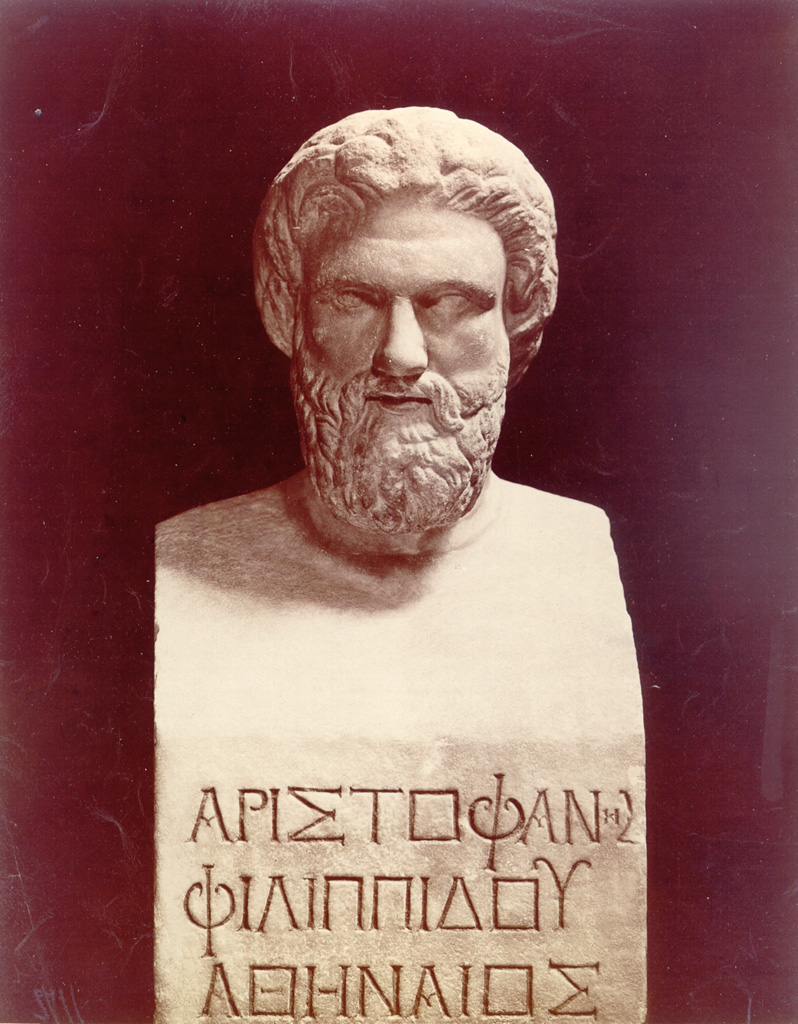
An Epitaph for Aristophanes

Greek Anthology, Antipater of Thessaloniki 9. 186

“The books of Aristophanes—divine labor—over which
Archanean ivy dangled its massive green hair.
See how much of Dionysus a page holds, how the stories
Echo, full of frightening charms.
Comic poet, best of heart, equal to the characters of Greece,
You both hated and mocked things that deserved it.”

Βίβλοι Ἀριστοφάνευς, θεῖος πόνος, αἷσιν Ἀχαρνεὺς
κισσὸς ἐπὶ χλοερὴν πουλὺς ἔσεισε κόμην.
ἠνίδ᾿ ὅσον Διόνυσον ἔχει σελίς, οἷα δὲ μῦθοι
ἠχεῦσιν, φοβερῶν πληθόμενοι χαρίτων.
ὦ καὶ θυμὸν ἄριστε, καὶ Ἑλλάδος ἤθεσιν ἶσα,
κωμικέ, καὶ στύξας ἄξια καὶ γελάσας.

Image result for Aristophanes

Tawdry Tuesday: Zeus, Ganymede, and a Cock

Greek Anthology, Antipater 5.77

“Hera twisted by the beauty of Ganymede once spoke
As she suffered the heart-rending stab of jealousy in her heart:
“Troy ignited a male fire for Zeus—and so I will send
A fire at Troy, a pain bearing Paris.
No eagle will come to Troy again, but vultures
Will go to the feast when the Greeks get the spoils for their toils.”

Πριομένα κάλλει Γανυμήδεος εἶπέ ποθ᾿ Ἥρα,
θυμοβόρον ζάλου κέντρον ἔχουσα νόῳ·
“Ἄρσεν πῦρ ἔτεκεν Τροία Διΐ· τοιγὰρ ἐγὼ πῦρ
πέμψω ἐπὶ Τροίᾳ, πῆμα φέροντα Πάριν·
ἥξει δ᾿ Ἰλιάδαις οὐκ ἀετός, ἀλλ᾿ ἐπὶ θοίναν
γῦπες, ὅταν Δαναοὶ σκῦλα φέρωσι πόνων.”

Sometimes an Eagle Does show up in stories of Zeus and Ganymede. 

Greek Anthology 12.211

“Go to bright heaven, go carrying the child,
Eagle, keep your twin wings spread wide.
Go holding gentle Ganymede and do not drop
Zeus’ wine-bearer of the sweetest cups.
But be careful not to bloody him with your clawed feet
So that Zeus, upset, won’t hurt you.”

Στεῖχε πρὸς αἰθέρα δῖον, ἀπέρχεο παῖδα κομίζων,
αἰετέ, τὰς διφυεῖς ἐκπετάσας πτέρυγας,
στεῖχε τὸν ἁβρὸν ἔχων Γανυμήδεα, μηδὲ μεθείης
τὸν Διὸς ἡδίστων οἰνοχόον κυλίκων·
φείδεο δ᾿ αἱμάξαι κοῦρον γαμψώνυχι ταρσῷ,
μὴ Ζεὺς ἀλγήσῃ, τοῦτο βαρυνόμενος.

MFA #01.8114

Image result for ganymede rooster Zeus
Terracotta of Zeus with Ganymede (LIMC 56; from Olympia)
Image result for ganymede rooster Zeus
Attic red-figured hydria
Attributed to Eupolis P. by Beazley
Approx. 450 -440 BC
This image from the MFA shows Zeus contemplating what to do with his cock.
Image result for ganymede rooster Zeus Black figure
Zeus pursuing Ganymedes, Athenian red-figure kantharos C5th B.C., Museum of Fine Arts Boston

Drunk on Foolishness: An Epitaph

IMT Kyz Kapu Dağ 1731 [=Greek Anthology, 3.14; From Mysia, 4th Century CE?]

“Wrecked and drunk with foolishness, why did you
Violently attack the bed of Zeus’ bride?
He doused you in blood as a consequence and then
Set you rightfully on the ground as as food to the beasts and birds.”

1 μάργε καὶ ἀφροσύνῃ μεμεθυσμένε, τίπτε βιαίως
εἰς εὐνὰς ἐτράπης τᾶς Διὸς εὐνέτιδος;
ὅς σε δὴ αἵματι φῦρσε κατάξια, θηρσὶ δὲ βορρὰν
καὶ πτανοῖς ἐπὶ γᾷ εἴασε νῦν ὁσίως.

Hierapolis colonnade.jpg
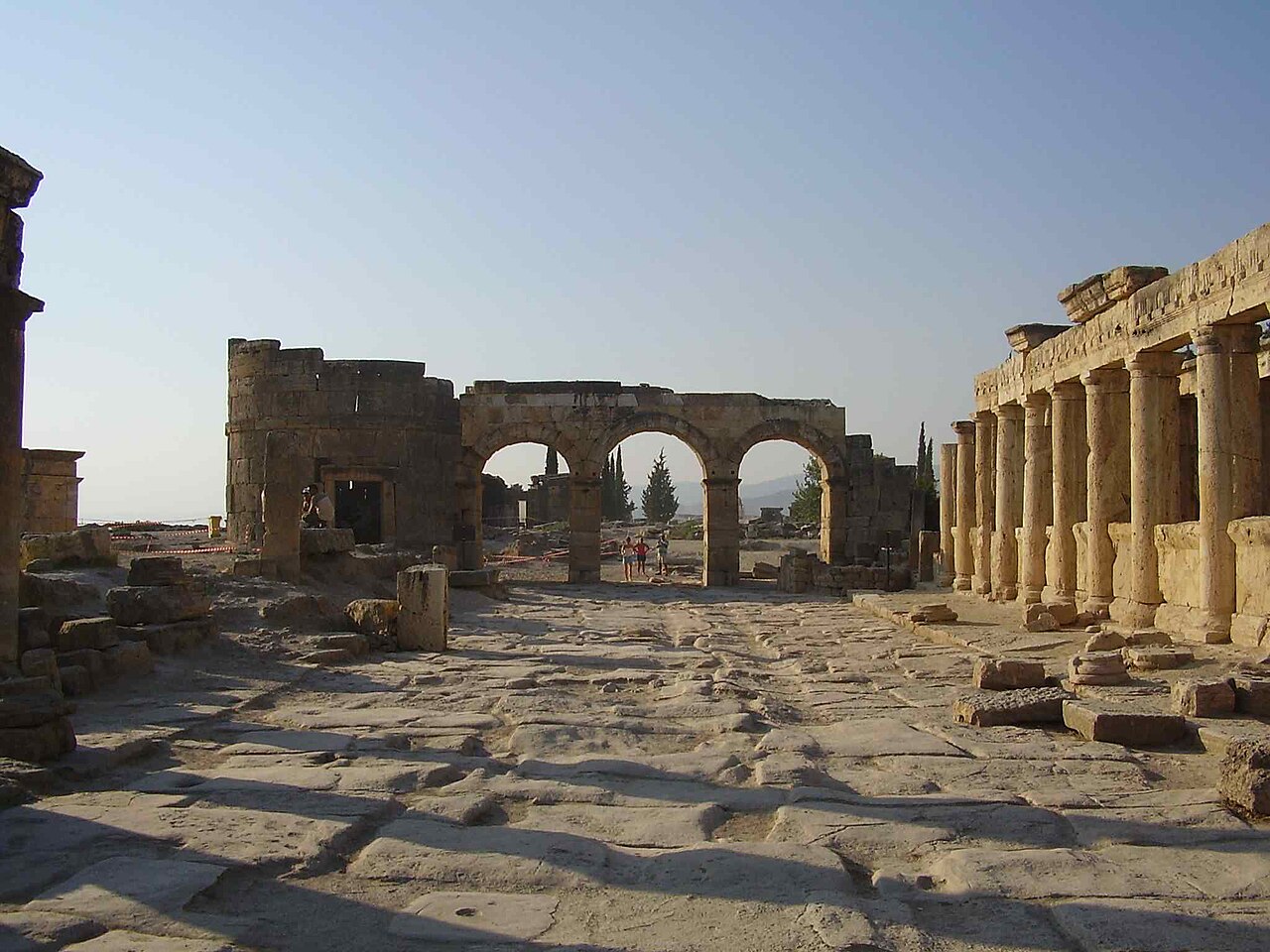
Ruins from Hierapolis

Tawdry Tuesday: Stood Up? Try a Sinister Replacement (Kind of NSFW)

Martial, Epigrams 11.72

“You always swear you will come to me, Lygdus, when I ask
And you promise a time and a place.

When I stretch out tense with prolonged excitement,
Often my left hand rushes in to replace you.

Liar! What should I beg for these deeds, these habits?
Lygdus—may you bear the umbrella of a one-eyed lady.”

Venturum iuras semper mihi, Lygde, roganti
constituisque horam constituisque locum.
cum frustra iacui longa prurigine tentus,
succurrit pro te saepe sinistra mihi.
5quid precer, o fallax, meritis et moribus istis?
umbellam luscae, Lygde, feras dominae.

And, to make this all a little more acceptable, here’s Martial on his choice of dicktion:

Epigrams, 3.69

“Because you write all your verses with nice words
There’s never a cock in your songs.
I admire this, I praise this. Nothing is holier than you alone.
But no page of mine lacks, well, lubrication.

Let nasty boys and easy girls read these poems then;
Let the old man who has a girlfriend to taunt him read them.
But, Cosconius, your holy and venerable words
Ought to be read by young boys and virgins.”

Omnia quod scribis castis epigrammata verbis
inque tuis nulla est mentula carminibus,
admiror, laudo; nihil est te sanctius uno:
at mea luxuria pagina nulla vacat.
haec igitur nequam iuvenes facilesque puellae,
haec senior, sed quem torquet amica, legat.
at tua, Cosconi, venerandaque sanctaque verba
a pueris debent virginibusque legi.

This poem reminds me of another where Martial defends himself by explaining that it is hard to write a poem without a penis. Harvesting from the garden of the Muses….

Bibliothèque nationale de France, Français 25526 (Roman de la Rose, France 14th century), fol. 160r.  What are these women picking?!
Bibliothèque nationale de France, Français 25526 (Roman de la Rose, France 14th century), fol. 160r.

To the Nymphs of the River: Two Poems from Moero

Moero (Moirô) of Byzantium is from the Hellenistic period.

Greek Anthology, 6.119

“You lie there beneath Aphrodite’s golden ceiling,
Grapes, full with Dionysus’ drink.
Your mother, the vine, will no longer wrap her love branch around you
And protect your head beneath her sweet leaf.”

Κεῖσαι δὴ χρυσέαν ὑπὸ παστάδα τὰν Ἀφροδίτας,
βότρυ, Διωνύσου πληθόμενος σταγόνι·
οὐδ᾿ ἔτι τοι μάτηρ ἐρατὸν περὶ κλῆμα βαλοῦσα
φύσει ὑπὲρ κρατὸς νεκτάρεον πέταλον.

6.189

“Anigrian Nymphs, daughters of the river, you ambrosial
Creatures who always step on the depths with rosy feet.
Say hello to and preserve Kleonymos who set out for you goddesses
These wooden images beneath the pines.”

Νύμφαι Ἀνιγριάδες, ποταμοῦ κόραι, αἳ τάδε βένθη
ἀμβρόσιαι ῥοδέοις στείβετε ποσσὶν ἀεί,
χαίρετε καὶ σώζοιτε Κλεώνυμον, ὃς τάδε καλὰ
εἵσαθ᾿ ὑπαὶ πιτύων ὔμμι, θεαί, ξόανα.

Image result for ancient greek grapes on vase

Words of Mourning: Some Poems of Anyte of Tegea

The following epigrams are attributed to the poet Anyte of Tegea, one of a handful of Hellenistic women preserved in the Greek Anthology.

Gr. Anth. 7.490

“I mourn for the virgin Antibia, to whose father’s home
Many suitors came longing to marry,
Thanks to the fame of her beauty and wisdom.
But ruinous fate made all their hopes turn in the dust.”

Παρθένον Ἀντιβίαν κατοδύρομαι, ἇς ἐπὶ πολλοὶ
νυμφίοι ἱέμενοι πατρὸς ἵκοντο δόμον,
κάλλευς καὶ πινυτᾶτος ἀνὰ κλέος· ἀλλ᾿ ἐπὶ πάντων
ἐλπίδας οὐλομένα Μοῖρ᾿ ἐκύλισε πρόσω.

7.208

“Dâmis built this grave for his battle-fierce but dead
Horse, after murderous Ares pierce his chest.
The blood spurted black from his thick-hided skin
And he dyed the earth with his painful life’s blood.”

Μνᾶμα τόδε φθιμένου μενεδαΐου εἵσατο Δᾶμις
ἵππου, ἐπεὶ στέρνον τοῦδε δαφοινὸς Ἄρης
τύψε· μέλαν δέ οἱ αἷμα ταλαυρίνου διὰ χρωτὸς
ζέσσ᾿, ἐπὶ δ᾿ ἀργαλέᾳ βῶλον ἔδευσε φονᾷ.

7.724

“Your courage, Proarkhos, killed you in the fight and dying
You put the home of your father Pheidias into dark grief.
Yet this rock above you sings out a noble song:
That you died in a struggle for your dear homeland.”

Ἦ ῥα μένος σε, Πρόαρχ᾿, ὄλεσ᾿ ἐν δαΐ, δῶμά τε πατρὸς
Φειδία ἐν δνοφερῷ πένθει ἔθου φθίμενος·
ἀλλὰ καλόν τοι ὕπερθεν ἔπος τόδε πέτρος ἀείδει,
ὡς ἔθανες πρὸ φίλας μαρνάμενος πατρίδος.

7.538

“When he was alive this man was once Manês.
But now that’s dead, he can be equal to great Dareios.”

Μάνης οὗτος ἀνὴρ ἦν ζῶν ποτέ· νῦν δὲ τεθνηκὼς
ἶσον Δαρείῳ τῷ μεγάλῳ δύναται.

Image result for Ancient tegea
Tegea from Wikipedia

My Sirens, My Words: Two Poems by Erinna

Some accounts make Erinna a contemporary of Sappho

Greek Anthology 7.710

“Columns, and my Sirens, and you, sorrowful urn
Who holds Hades’ small portion of ash—
Say “hello” to those who walk by my grave,
Whether they happen to be citizens or from another town.

Tell them this too so they may know it:
this grave covered me when I was a bride,
My father used to call me Baukis and Tenos was my land
Tell them also that Erinna, my friend,
Etched this poem on my Tomb.”

Στᾶλαι, καὶ Σειρῆνες ἐμαί, καὶ πένθιμε κρωσσέ,
ὅστις ἔχεις Ἀΐδα τὰν ὀλίγαν σποδιάν,
τοῖς ἐμὸν ἐρχομένοισι παρ᾿ ἠρίον εἴπατε χαίρειν,
αἴτ᾿ ἀστοὶ τελέθωντ᾿, αἴθ᾿ ἑτέρας πόλιος·
χὤτι με νύμφαν εὖσαν ἔχει τάφος, εἴπατε καὶ τό·
χὤτι πατήρ μ᾿ ἐκάλει Βαυκίδα, χὤτι γένος
Τηνία, ὡς εἰδῶντι· καὶ ὅττι μοι ἁ συνεταιρὶς
Ἤρινν᾿ ἐν τύμβῳ γράμμ᾿ ἐχάραξε τόδε.

Greek Anthology 6.352

“These outlines come from tender hands: noble Prometheus
There are people whose talent is near to yours!
Whoever drew this girl so truly
If he added a voice, she would be Agatharkhis entirely.”

Ἐξ ἁπαλᾶν χειρῶν τάδε γράμματα· λῷστε Προμαθεῦ,
ἔντι καὶ ἄνθρωποι τὶν ὁμαλοὶ σοφίαν.
ταύταν γοῦν ἐτύμως τὰν παρθένον ὅστις ἔγραψεν,
αἰ καὐδὰν ποτέθηκ᾿, ἦς κ᾿ Ἀγαθαρχὶς ὅλα.

Image result for erinna greek poet
Sappho and Erinna in a Garden at Mytilene by Simeon Solomon

“What Kinds of Things Are Roses”: More Poems from Nossis

Earlier this week I posted some fragments from Nossis. Here are some more. I noted in the earlier post that while Nossis leaves us the most lines of any woman poet from Ancient Greece other than Sappho, she is barely known.

Greek Anthology, 6. 265

“Reverent Hera, who often comes down
From the sky to gaze upon your fragrant Lakinian home.
Take the linen robe which Theophilos, the daughter of Kleokha
Wove for you with the help of her noble daughter Nossis.”

Ἥρα τιμήεσσα, Λακίνιον ἃ τὸ θυῶδες
πολλάκις οὐρανόθεν νεισομένα καθορῇς,
δέξαι βύσσινον εἷμα, τό τοι μετὰ παιδὸς ἀγαυᾶς
Νοσσίδος ὕφανεν Θευφιλὶς ἁ Κλεόχας.

6.138

“These weapons the Brettian men hurled down from their unlucky shoulders
As they were overcome by the hands of the fast-battling Lokrians.
They are dedicated here singing the Lokrians glory in the temple of the gods.
They don’t long at all for the hands of the cowards they abandoned.”

Ἔντεα Βρέττιοι ἄνδρες ἀπ᾿ αἰνομόρων βάλον ὤμων,
θεινόμενοι Λοκρῶν χερσὶν ὕπ᾿ ὠκυμάχων,
ὧν ἀρετὰν ὑμνεῦντα θεῶν ὑπ᾿ ἀνάκτορα κεῖνται,
οὐδὲ ποθεῦντι κακῶν πάχεας, οὓς ἔλιπον.

7.414

“Pass by me, give an honest laugh, and speak over me
A loving word. I am Rhintho from Syracuse,
A minor nightingale of the Muses. But from my tragic
Nonsense poems, I made my own ivy crown.”

Καὶ καπυρὸν γελάσας παραμείβεο, καὶ φίλον εἰπὼν
ῥῆμ᾿ ἐπ᾿ ἐμοί. Ῥίνθων εἴμ᾿ ὁ Συρακόσιος,
Μουσάων ὀλίγη τις ἀηδονίς· ἀλλὰ φλυάκων
ἐκ τραγικῶν ἴδιον κισσὸν ἐδρεψάμεθα.

Greek Anthology, 5.170

“There is nothing sweeter than love: all other blessings
Take second place. I even spit honey from my mouth.
This is what Nossis says. Whomever Kypris has not kissed,
Does not understand her flowers, what kinds of things roses are.”

Ἅδιον οὐδὲν ἔρωτος· ἃ δ᾽ ὄλβια, δεύτερα πάντα
ἐστίν· ἀπὸ στόματος δ᾽ ἔπτυσα καὶ τὸ μέλι.
τοῦτο λέγει Νοσσίς· τίνα δ᾽ ἁ Κύπρις οὐκ ἐφίλασεν,
οὐκ οἶδεν τήνας τἄνθεα, ποῖα ῥόδα.

Greek Anthology, 9.604

“This frame has the picture of Thaumareta. The painter
Caught the form and the age of the soft-glancing woman well.
Your house dog, the little puppy, would paw at you if she saw this,
Believing that she was looking down at the lady of her home.”

Θαυμαρέτας μορφὰν ὁ πίναξ ἔχει· εὖ γε τὸ γαῦρον
τεῦξε τό θ᾿ ὡραῖον τᾶς ἀγανοβλεφάρου.
σαίνοι κέν σ᾿ ἐσιδοῖσα καὶ οἰκοφύλαξ σκυλάκαινα,
δέσποιναν μελάθρων οἰομένα ποθορῆν.