Alexander the Great’s Humanistic Education

Plutarch, Alexander 8.1-2

“Aristotle, more than others, seems to me to have fostered in Alexander a love of healing. For he delighted not just in talking about medicine but he even used to help his sick friends and assign to them certain therapies and treatments, as one can see from his letters. He was by nature a lover of language, a lover of learning and a lover of reading. Because he believed and named the Iliad the roadmap of military excellence, he took a copy corrected by Aristotle which they called the “Box-Iliad” and he always had it with his knife lying under his pillow, as Onesikritos recounts. And when he did not have other books deep in Asia, he ordered Harpalos to send him some. Harpalos sent him the books of Philistos, the tragedies of Euripides, Sophocles and Aeschylus, and the dithyrambs of Telestos and Philoxenos.

In the beginning, Alexander revered Aristotle and said that he loved him no less than his father because he was alive thanks to one and living well thanks to the other. Later, he was rather suspicious of him, not so much that he harmed him at all, but his attachment and attention were not as eager as before—and this was a sign of their alienation.”

Alexander and Aristotle
Alexander and Aristotle (Artist Unknown)

Δοκεῖ δέ μοι καὶ τὸ φιλιατρεῖν ᾿Αλεξάνδρῳ προστρίψασθαι μᾶλλον ἑτέρων ᾿Αριστοτέλης. οὐ γὰρ μόνον τὴν θεωρίαν ἠγάπησεν, ἀλλὰ καὶ νοσοῦσιν ἐβοήθει τοῖς φίλοις, καὶ συνέταττε θεραπείας τινὰς καὶ διαίτας, ὡς ἐκ τῶν ἐπιστολῶν λαβεῖν ἔστιν. ἦν δὲ καὶ φύσει φιλόλογος καὶ φιλομαθὴς καὶ φιλαναγνώστης, καὶ τὴν μὲν  ᾿Ιλιάδα τῆς πολεμικῆς ἀρετῆς ἐφόδιον καὶ νομίζων καὶ ὀνομάζων, ἔλαβε μὲν ᾿Αριστοτέλους διορθώσαντος ἣν ἐκ τοῦ νάρθηκος καλοῦσιν, εἶχε δ’ ἀεὶ μετὰ τοῦ ἐγχειριδίου κειμένην ὑπὸ τὸ προσκεφάλαιον, ὡς ᾿Ονησίκριτος ἱστόρηκε (FGrH 134 F 38)· τῶν δ’ ἄλλων βιβλίων οὐκ εὐπορῶν ἐν τοῖς ἄνω τόποις, ῞Αρπαλον ἐκέλευσε πέμψαι, κἀκεῖνος ἔπεμψεν αὐτῷ τάς τε Φιλίστου βίβλους καὶ τῶν Εὐριπίδου καὶ Σοφοκλέους καὶ Αἰσχύλου τραγῳδιῶν συχνάς, καὶ Τελέστου καὶ Φιλοξένου διθυράμβους. ᾿Αριστοτέλην δὲ θαυμάζων ἐν ἀρχῇ καὶ ἀγαπῶν οὐχ ἧττον, ὡς αὐτὸς ἔλεγε, τοῦ πατρός, ὡς δι’ ἐκεῖνον μὲν ζῶν, διὰ τοῦτον δὲ καλῶς ζῶν, ὕστερον ὑποπτότερον ἔσχεν, οὐχ ὥστε ποιῆσαί τι κακόν, ἀλλ’ αἱ φιλοφροσύναι τὸ σφοδρὸν ἐκεῖνο καὶ στερκτικὸν οὐκ ἔχουσαι πρὸς αὐτόν, ἀλλοτριότητος ἐγένοντο τεκμήριον.

“The Wise Men Live Their Lives Naked” –A Greek History of India

Arrian on Indian castes, Part 1:

Arrian, Historia Indica 11

‘All Indians are split into seven separate kinds [castes]. One among them is the class of the wise men, fewer in count than the others, but most revered by reputation and in honor. For they are not compelled to do physical labor nor to offer anything from the work they do to the common good. Nor, in fact, is there a need for the wise men to do anything but sacrifice to the gods for the common good of India. Whenever someone sacrifices for private matters, one of the wise men assists in the sacrifice because men cannot make satisfactory sacrifices to the gods otherwise. In addition, these men are the only Indians skilled in prophecy—it is not permitted for anyone to prophesy unless he is of the sophistic class. They perform divination for each part of the seasons of a year and if any calamity threatens the public good. They do not concern themselves with divination for private matters, either because they are not moved to prophesy for minor affairs or because these kinds of things are not worthy of their labor. Whoever makes a mistaken prophecy three times receives no other evil than the fact that he is forced to be silent for the rest of his life. There is no one who can compel this man to speak once he has been assigned silence. The wise men live their lives naked, under the sun during the winter but during the summer, when the sun oppresses, they move to the meadows and the shade under great trees whose shape Nearchus claims extends in a circle 500 feet wide which could accommodate 10,000 men with shade. They eat seasonal fruit and the bark of trees which is no less nourishing and satisfying than dates.”

Triumph of Dionysos in India


νενέμηνται δὲ οἱ πάντες ᾿Ινδοὶ ἐς ἑπτὰ μάλιστα γένεα. ἓν μὲν αὐτοῖσιν οἱ σοφισταί εἰσι, πλήθει μὲν μείους τῶν ἄλλων, δόξῃ δὲ καὶ τιμῇ γεραρώτατοι· οὔτε γάρ τι τῷ σώματι ἐργάζεσθαι ἀναγκαίη σφιν προσκέαται οὔτε τι  ἀποφέρειν ἀφ’ ὅτων πονέουσιν ἐς τὸ κοινόν. οὐδέ τι ἄλλο ἀνάγκης ἁπλῶς ἐπεῖναι τοῖς σοφιστῇσιν, ὅτι μὴ θύειν τὰς θυσίας τοῖσι θεοῖσιν ὑπὲρ τοῦ κοινοῦ <τῶν> ᾿Ινδῶν· καὶ ὅστις δὲ ἰδίᾳ θύει, ἐξηγητὴς αὐτῷ τῆς θυσίης τῶν τις σοφιστῶν τούτων γίνεται, ὡς οὐκ ἂν ἄλλως κεχαρισμένα τοῖς θεοῖς θύσαντας. εἰσὶ δὲ καὶ μαντικῆς οὗτοι μοῦνοι ᾿Ινδῶν δαήμονες, οὐδὲ ἐφεῖται ἄλλῳ μαντεύεσθαι ὅτι μὴ σοφιστῇ ἀνδρί. μαντεύονται δὲ ὅσα ὑπὲρ τῶν ὡρέων τοῦ ἔτεος καὶ εἴ τις ἐς τὸ κοινὸν συμφορὴ καταλαμβάνει· τὰ ἴδια <δὲ> ἑκάστοισιν οὔ σφιν μέλει μαντεύεσθαι, ὡς οὐκ ἐξικνεομένης τῆς μαντικῆς ἐς τὰ μικρότερα ἢ ὡς οὐκ ἄξιον <ὂν> ἐπὶ τούτοισι πονέεσθαι. ὅστις δὲ ἁμάρτοι ἐς τρὶς μαντευσάμενος, τούτῳ δὲ ἄλλο μὲν κακὸν γίνεσθαι οὐδέν, σιωπᾶν δὲ εἶναι ἐπάναγκες τοῦ λοιποῦ· καὶ οὐκ ἔστιν ὅστις ἐξαναγκάσει τὸν ἄνδρα τοῦτον φωνῆσαι, ὅτου ἡ σιωπὴ κατακέκριται. οὗτοι γυμνοὶ διαιτῶνται οἱ σοφισταί, τοῦ μὲν χειμῶνος ὑπαίθριοι ἐν τῷ ἡλίῳ, τοῦ δὲ θέρεος, ἐπὴν ὁ ἥλιος κατέχῃ, ἐν τοῖς λειμῶσι καὶ τοῖσιν ἕλεσιν ὑπὸ δένδρεσι μεγάλοισιν, ὧν τὴν σκιὴν Νέαρχος λέγει ἐς πέντε πλέθρα ἐν κύκλῳ ἐξικνέεσθαι, καὶ ἂν καὶ μυρίους ἀνθρώπους ὑπὸ ἑνὶ δένδρεϊ σκιάζεσθαι· τηλικαῦτα εἶναι ταῦτα τὰ δένδρεα. σιτέονται δὲ <τὰ> ὡραῖα καὶ τὸν φλοιὸν τῶν δένδρων, γλυκύν τε ὄντα τὸν φλοιὸν καὶ τρόφιμον οὐ μεῖον ἤπερ αἱ βάλανοι τῶν φοινίκων.

Porson or the Devil

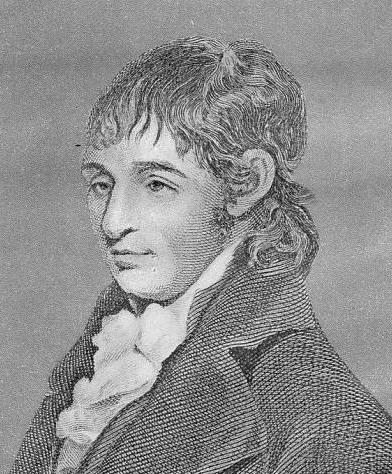
‘Porson or the Devil’from Facetiae Cantabrigienses (pages133-134)

Porson was once travelling in a stage-coach, when a young Oxonian, fresh from college, was amusing the ladies with a variety of small talk, to which he added a quotation, as he said, from Sophocles. A Greek quotation, and in a stage-coach too, roused our professor, who, in a dog-sleep, was slumbering in one corner of the vehicle. Rubbing his eyes, “I think, young gentleman,” said Porson, “you just now favoured us with a quotation from Sophocles; I don’t happen to recollect it there.” “Oh? Sir,” replied the Oxonian, “the quotation is word for word as I repeated it, and in Sophocles too; but I suspect, Sir, it is some time since you were at college.” Porson, applying his hand to his great coat, took out a small pocket edition of Sophocles, and handed it to our tyro, saying he should be much obliged if he would show him the passage in that little book. Having rummaged the pages for some time, “Upon second thoughts,” said the Oxonian, “I now recollect ’tis in Euripides.”—”Then,” said the professor, putting his hand into his pocket, and handing him a similar edition of that author, “perhaps you will be so good as to find it for me in that little book.”—He returned again to his task, but with no better success, muttering to himself—”Curse me if ever I quote Greek again in a coach.” The ladies tittered: at last, “Bless me, Sir,” said he, “how dull I am! I recollect now,—yes, yes, I perfectly remember, the passage is in Aeschylus.” This inexorable professor applied again to his inexhaustable pocket, and was in the act of handing an Aeschylus to the astonished freshman, when he vociferated—”Stop the coach,—hollo,—coachman let me out, I say,—instantly let me out; there’s a fellow here has got the whole Bodleian Library in his pocket; let me out, I say—let me out, he must be Porson or the Devil!”

Zonaras 7.4 Part IV: The Deification of Romulus

Romulus pushes his tyranny to the limit and… disappears. 

When Romulus’ grandfather Numitor died in Alba Longa and the throne of that city fell to Romulus, he led some people to found a city between Alba Longa and Rome, and every year he produced a new leader for the Sabines. He grew angry at the powerful in Rome who sought an autonomous city without a king. For, those who were called ‘Patricians’ did not have a part in the city’s affairs, but rather a title and the outward appearance of power; they were brought together in the senate house more for the sake of custom than for the sake of their counsel. Then, while Romulus was in action, they would listen in silence, and they considered it better to learn what seemed better to him than to consult the opinion of the others and left off of the rest. From this circumstance arose the opinion that he treated the senate with indignity. On that account, it seemed suspicious when Romulus suddenly disappeared. It is said that while he was calling an assembly in the spot known as the Goat’s Meadow the sun lost its light, night descended upon everything, and there was terrible thunder along with gusts of wind which brought driving rain. In this storm, the masses fled, but the powerful men turned together. When the storm had subsided, and they had come together again, they began to seek the king. The powerful men did not allow anyone to inquire after Romulus, but ordered everyone to respect him and worship him, as he had been snatched away to be with the gods, and he would be a god to the Romans in place of a simple king.

᾿Επεὶ δὲ Νομίτωρος τοῦ πάππου αὐτοῦ ἐν ῎Αλβῃ τελευτήσαντος, ῾Ρωμύλῳ προσηκούσης τῆς βασιλείας, αὐτὸς εἰς μέσον ἔθηκε τὴν πολιτείαν δημαγωγῶν, καὶ κατ’ ἐνιαυτὸν ἀπεδείκνυεν ἄρχοντα τοῖς Σαβίνοις, ἠρέθισε τοὺς ἐν ῾Ρώμῃ δυνατοὺς ἀβασίλευτον ζητεῖν καὶ αὐτόνομον πολιτείαν. οὐδὲ γὰρ οἱ καλούμενοι πατρίκιοι πραγμάτων μετεῖχον, ἀλλ’ ὄνομα καὶ σχῆμα ἦν αὐτοῖς, ἔθους ἕνεκα μᾶλλον ἢ γνώμης ἀθροιζομένοις εἰς τὸ βουλευτήριον· εἶτα ῾Ρωμύλου πράττοντος ἠκροῶντο σιγῇ, καὶ τὸ πρὸ τῶν ἄλλων τὸ δεδογμένον ἐκείνῳ μαθεῖν πλέον ἔχοντες τῶν λοιπῶν ἀπηλλάττοντο. ὅθεν ἐδόκει τὴν γερουσίαν προπηλακίζειν· διὸ αὕτη ὕποπτος ἔδοξεν ἀφανοῦς μετ’ ὀλίγον γενομένου ῾Ρωμύλου. λέγεται γὰρ ἐκκλησίαν ἄγοντος αὐτοῦ περὶ τὸ καλούμενον Αἰγὸς ἕλος τοῦ μὲν ἡλίου τὸ φῶς ἐπιλιπεῖν, νύκτα δὲ κατασχεῖν βροντάς τε δεινὰς συμβῆναι καὶ πνοὰς ἀνέμων ζάλην ἐλαυνούσας. ἐν δὲ τούτῳ τὸν μὲν ὄχλον φεύγειν, τοὺς δὲ δυνατοὺς συστραφῆναι μετ’ ἀλλήλων. τῆς δ’ ἐν τῷ ἀέρι ταραχῆς λωφησάσης καὶ αὖθις πολλῶν ὁμοῦ γενομένων ζητεῖσθαι τὸν βασιλέα· τοὺς δὲ δυνατοὺς οὐκ ἐᾶν ἐξετάζειν περὶ αὐτοῦ, τιμᾶν δὲ παρακελεύεσθαι πᾶσι καὶ σέβεσθαι ῾Ρωμύλον ὡς ἀνηρπασμένον εἰς θεούς, καὶ θεὸν ἐσόμενον σφίσιν ἀντὶ χρηστοῦ βασιλέως.

Pliny on the Malice and Villainy of Regulus

From Pliny’s Letters, 1.4

“After a few days, Regulus himself came to see me in his function as a praetor. Having followed me there, he asked to speak in private. He said that he was afraid that I may still be vexed by a comment which he made in the centumviral court, when he responded both to me and to Satrius Rufus with, ‘Satrius Rufus, who does not vie with Cicero, and is perfectly content with the eloquence of our age.’ I responded that I now understood that he had spoken maliciously, under his own confession; otherwise, I would have thought that it was a compliment. I said, ‘I, for my part, do attempt to rival Cicero, nor am I content with the eloquence of our day, and I think it the stupidest thing not to sent out the finest things of their kind for imitation. But you, who have recalled this case, why have you forgotten the one in which you asked me what I thought about the piety of Mettius Modestus?’ He grew notably pale (even though he was always pale) and hesitating, he said, ‘I asked you that not to harm you, but Modestus.’ Just consider the cruelty of this man, who does not even pretend that he did not wish to harm a man in exile. He even added a note about that famous case, ‘Modestus wrote in a certain letter, which was recited in front of Domitian, Regulus, the most worthless thing with two feet,’ which Modestus wrote with considerable truth. This was about the end of our talk, and I did not want to proceed any longer, so that I could keep everything  open until Mauricus arrived; nor did it escape me that Regulus was difficult to catch; for he is wealthy, intriguing, cared for by many, and feared by most (which is often a much stronger thing than love). Nevertheless, it happens that these things can be struck and diminished, because the favor of the wicked is as untrustworthy as they themselves are.”

Meant to represent ‘verbal wrangling.’

11 Paucos post dies ipse me Regulus convenit in praetoris officio; illuc persecutus secretum petit; ait timere se ne animo meo penitus haereret, quod in centumvirali iudicio aliquando dixisset, cum responderet mihi et Satrio Rufo: ‘Satrius Rufus, cui non est cum Cicerone aemulatio et qui contentus est eloquentia saeculi nostri’. 12 Respondi nunc me intellegere maligne dictum quia ipse confiteretur, ceterum potuisse honorificum existimari. ‘Est enim’ inquam ‘mihi cum Cicerone aemulatio, nec sum contentus eloquentia saeculi nostri; 13 nam stultissimum credo ad imitandum non optima quaeque proponere. Sed tu qui huius iudicii meministi, cur illius oblitus es, in quo me interrogasti, quid de Metti Modesti pietate sentirem?’ Expalluit notabiliter, quamvis palleat semper, et haesitabundus: ‘Interrogavi non ut tibi nocerem, sed ut Modesto.’ Vide hominis crudelitatem, qui se non dissimulet exsuli nocere voluisse. 14Subiunxit egregiam causam: ‘Scripsit’ inquit ‘in epistula quadam, quae apud Domitianum recitata est: “Regulus, omnium bipedum nequissimus”‘; quod quidem Modestus verissime scripserat. 15 Hic fere nobis sermonis terminus; neque enim volui progredi longius, ut mihi omnia libera servarem dum Mauricus venit. Nec me praeterit esse Regulum ‘dyskathaireton’; est enim locuples factiosus, curatur a multis, timetur a pluribus, quod plerumque fortius amore est. 16 Potest tamen fieri ut haec concussa labantur; nam gratia malorum tam infida est quam ipsi. Verum, ut idem saepius dicam, exspecto Mauricum. Vir est gravis prudens, multis experimentis eruditus et qui futura possit ex praeteritis providere. Mihi et temptandi aliquid et quiescendi illo auctore ratio constabit. 17 Haec tibi scripsi, quia aequum erat te pro amore mutuo non solum omnia mea facta dictaque, verum etiam consilia cognoscere. Vale.

‘What the…?’ Wednesday: Etymologies for Tragedy and Comedy

From the introduction to the Scholia to Lykophron’s Alexandra by John Tzetzes or his brother Isaac:

“Comedy is named either because of the time of the revel (kôma), since it was developed near sleep; because of the neighborhoods which are in the narrow streets (kômais); because of the villages (kômais) in the open countries; or because it developed in the vales (kômais) and places of Dionysus. But tragedy takes its name from the tragos or truga which is new wine: since in early times they anointed their heads with the raw wine. Or, they call it tragedy because they stand in a square (tetragônôs); or it turns from trakhodia into tragodia because they take their laments from harsh songs. Satyr-play is named from the satyrs who invented it or from the farmers and poor men.

καὶ κωμωδία δὲ κλήθη ἢ ὅτι κατὰ τὸν καιρὸν τοῦ κώματος ἤτοι τοῦ ὕπνου εὑρέθη ἢ ὅτι ἐν ταῖς κώμαις τουτέστι ταῖς στενωπαῖς ἢ ὅτι ἐν ταῖς κώμαις τουτέστι τοῖς μεγίστοις χωρίοις ἢ ὅτι ἐν ταῖς κώμαις καὶ τόποις τοῦ Διονύσου εὑρέθη. ἡ δὲ τραγωδία  ἀπὸ τοῦ τράγον ἢ τρύγα λαμβάνειν τουτέστι *νέον* οἶνον ἢ ἀπὸ τοῦ τρύγα χρίεσθαι τὰ πρόσωπα αὐτῶν κατ’ ἀρχάς· ἢ ὅτι τετραγώνως ἵσταντο, τετραγωδία ἐκλήθη ἢ ἀπὸ τοῦ τραχείας ὠδὰς ἔχειν τοὺς θρήνους τραχωδία καὶ τραγωδία. ἡ σατυρικὴ δὲ ἀπὸ τῶν σατύρων ἐκλήθη τῶν εὑρόντων αὐτὴν ἤτοι γεωργῶν καὶ εὐτελῶν ἀνθρώπων.

As in the case of dithyramb, this seems largely summarized from a contemporary dictionary, as in:

Etymologicum Magnum, s.v. tragodia:

“Tragedy: This is the dramatic performance of heroic lives and stories. It is called tragoidia because the prize that was given to the song was a goat [tragos têi oidê]. The song was thus the tragoidia. Or, those who won the competition took truga [“ripe grapes; or new wine”] as a prize. The ancients used to call new wine truga. Or, it is called this because the chorus had a four-sided shape [tetragônon]. Or because the choruses were composed of satyrs whom they used to call ‘goats’ [tragous] because they resembled them either because of their hairy bodies or because of their sexual zeal. For the animal was like that. Or tragedy is from the lees of wine [trugos]. This name has something in common with comedy, so the names of each type of poetry should be distinguished.

There was one prize for the latter, which is the truks [“new wine, lees”]. Later, tragedy had a common name [for the two?]. But the latter was named comedy since they used to perform them in the revels during the festivals for Dionysus and Demeter. This name came from “reveling” [kômazein] which is the song at the revel. This was developed at the time near sleep. Or it is the song of villagers [komêtai]. For larger rustic settlements are called kômai. Some farmers who were harmed by the citizens of Athens departed near the time of sleep. And those who lived near the roads used to refer to these wrongs which they suffered periphrastically. Thus, someone waits there and performs these deeds and others; as a result, there was a remedy to the injustice.

Τραγωιδία: ῎Εστι βίων τε καὶ λόγων ἡρωϊκῶν μίμησις. Κέκληται δὲ τραγῳδία, ὅτι τράγος τῇ ᾠδῇ ἆθλον ἐτίθετο· ᾠδὴ γὰρ ἡ τραγῳδία. ῍Η ὅτι τρύγα ἆθλον ἐλάμβανον οἱ νικῶντες· τρύγα γὰρ ἐκάλουν οἱ παλαιοὶ τὸν νέον οἶνον. ῍Η ὅτι τετράγωνον εἶχον οἱ χοροὶ σχῆμα· ἢ ὅτι τὰ πολλὰ οἱ χοροὶ ἐκ σατύρων συνίσταντο· οὓς ἐκάλουν τράγους, σκώπτοντες, ἢ διὰ τὴν τοῦ σώματος δασύτητα, ἢ διὰ τὴν περὶ τὰ ἀφροδίσια σπουδήν· τοιοῦτον γὰρ τὸ ζῷον. ῍Η ὅτι οἱ χορευταὶ τὰς κόμας ἀνέπλεκον, σχῆμα τράγων μιμούμενοι. ῍Η ἀπὸ τῆς τρυγὸς τρυγῳδία. ῏Ην δὲ τὸ ὄνομα τοῦτο κοινὸν καὶ πρὸς τὴν κωμῳδίαν· ἐπεὶ οὔπω διεκέκριτο τὰ τῆς ποιήσεως ἑκατέρας· ἀλλ’ εἰς αὐτὴν ἓν ἦν τὸ ἆθλον, ἡ τρύξ· ὕστερον δὲ τὸ μὲν κοινὸν ὄνομα ἔσχεν ἡ τραγῳδία· ἡ δὲ κωμῳδία ὠνόμασται, ἐπειδὴ πρότερον κατὰ κώμας ἔλεγον αὐτὰ ἐν ταῖς ἑορταῖς τοῦ Διονύσου καὶ τῆς Δήμητρος· ἢ παρὰ τὸ κωμάζειν, ἡ ἐπὶ τῷ κώματι ᾠδή· ἐπειδὴ ἐπὶ τὸν καιρὸν τοῦ ὕπνου τὴν ἀρχὴν ἐφευρέθη· ἢ ἡ τῶν κωμητῶν ᾠδή· κῶμαι γὰρ λέγονται οἱ μείζονες ἀγροί. Βλαπτόμενοι γάρ τινες γεωργοὶ παρὰ τῶν ἐν ᾿Αθήνῃσι πολιτῶν, κατῄεσαν περὶ τὸν καιρὸν τοῦ ὕπνου· καὶ περιϊόντες τὰς ἀγυιὰς, ἔλεγον ἀνωνυμὶ τὰς βλάβας ἃς ἔπασχον ὑπ’ αὐτῶν· οἷον, ἐνταῦθα μένει τὶς τὰ καὶ τὰ ποιῶν· καὶ ἐκ τούτου ἀνοχὴ τῶν ἀδικιῶν ἐγίνετο.

Comedy Vase
All Just Fools For Words

Arrian on Indian Rivers and Cities

Arrian, Historia Indica, 10

“The story also circulates that the Indians do not make memorials for their dead but instead believe the virtues of the men as sufficient markers for those who have passed and sing odes in their honor. It is not possible to write an accurate count of their cities because of the number of Indians. Cities alongside rivers or the sea are made of wood, since if they were made from brick they would not persist for much time because the water from the sky and the rivers overflowing their banks would fill them with water. The cities, however, which were built in powerful positions and in high places and above the rest of the land, are all made from brick and mud. The Indians’ greatest city is *Palimbothra in the land of the Prasians where the river Erannoboas meets the Ganges, the greatest of the rivers. The Erannoboas could be the third of the Indian rivers, and it is greater than them in some places, but it yields to the Ganges and adds its water to it. Megasthenes claims that on the side where the city is longest it is eighty stades in length and its breadth is 15 stades. It has a ditch built around it the full circumference of the city, about thirty cubits deep. The city has 570 towers on its ways and 64 gates. Every Indian is free, no Indian is a slave. In this, the Spartans are similar to the Indians, although the helots are enslaved by the Spartans and do the work of slaves. There are no slaves among the Indians, or at least no Indian is a slave.”

*Probably Pataliputra

Triumph of Dionysos in India

λέγεται δὲ καὶ τάδε, μνημεῖα ὅτι ᾿Ινδοὶ τοῖς τελευτήσασιν οὐ ποιέουσιν, ἀλλὰ τὰς ἀρετὰς γὰρ τῶν ἀνδρῶν ἱκανὰς ἐς μνήμην τίθενται τοῖσιν ἀποθανοῦσι καὶ τὰς ᾠδὰς αἳ αὐτοῖσιν ἐπᾴδονται. πόλεων δὲ καὶ ἀριθμὸν οὐκ εἶναι ἂν ἀτρεκὲς ἀναγράψαι τῶν ᾿Ινδικῶν ὑπὸ πλήθεος· ἀλλὰ γὰρ ὅσαι παραποτάμιαι αὐτέων ἢ παραθαλάσσιαι, ταύτας μὲν ξυλίνας ποιέεσθαι· οὐ γὰρ ἂν ἐκ πλίνθου ποιεομένας διαρκέσαι ἐπὶ χρόνον τοῦ τε ὕδατος ἕνεκα τοῦ ἐξ οὐρανοῦ καὶ ὅτι οἱ ποταμοὶ αὐτοῖσιν ὑπερβάλλοντες ὑπὲρ τὰς ὄχθας ἐμπιμπλᾶσι τοῦ ὕδατος τὰ πεδία. ὅσαι δὲ ἐν ὑπερδεξίοις τε καὶ μετεώροις τόποισι καὶ τούτοισι ψιλοῖσιν ᾠκισμέναι εἰσί, ταύτας δὲ ἐκ πλίνθου τε καὶ πηλοῦ ποιέεσθαι. μεγίστην δὲ πόλιν ᾿Ινδοῖσιν εἶναι <τὴν> Παλίμβοθρα καλεομένην, ἐν τῇ Πρασίων γῇ, ἵνα αἱ συμβολαί εἰσι τοῦ τε ᾿Εραννοβόα ποταμοῦ καὶ  τοῦ Γάγγεω· τοῦ μὲν Γάγγεω, τοῦ μεγίστου ποταμῶν· ὁ δὲ ᾿Εραννοβόας τρίτος μὲν ἂν εἴη τῶν ᾿Ινδῶν ποταμῶν, μέζων δὲ τῶν ἄλλῃ καὶ οὗτος, ἀλλὰ ξυγχωρέει αὐτὸς τῷ Γάγγῃ, ἐπειδὰν ἐμβάλῃ ἐς αὐτὸν τὸ ὕδωρ. καὶ λέγει Μεγασθένης μῆκος μὲν ἐπέχειν τὴν πόλιν καθ’ ἑκατέρην τὴν πλευρήν, ἵναπερ μακροτάτη αὐτὴ ἑωυτῆς ᾤκισται, ἐς ὀγδοήκοντα σταδίους, τὸ δὲ πλάτος ἐς πεντεκαίδεκα. τάφρον δὲ περιβεβλῆσθαι τῇ πόλει τὸ εὖρος ἑξάπλεθρον, τὸ δὲ βάθος τριήκοντα πήχεων· πύργους δὲ ἑβδομήκοντα καὶ πεντακοσίους ἔχειν τὸ τεῖχος καὶ πύλας τέσσαρας καὶ ἑξήκοντα. εἶναι δὲ καὶ τόδε μέγα ἐν τῇ ᾿Ινδῶν γῇ, πάντας ᾿Ινδοὺς εἶναι ἐλευθέρους, οὐδέ τινα δοῦλον εἶναι ᾿Ινδόν. τοῦτο μὲν Λακεδαιμονίοισιν ἐς ταὐτὸ συμβαίνει καὶ ᾿Ινδοῖσι. Λακεδαιμονίοις μέν  γε οἱ εἵλωτες δοῦλοί εἰσιν καὶ τὰ δούλων ἐργάζονται, ᾿Ινδοῖσι δὲ οὐδὲ ἄλλος δοῦλός ἐστι, μήτι γε ᾿Ινδῶν τις.

Zonaras 7.4 Part III: Romulus Becomes a Tyrant


Zonaras relates how Romulus consolidated both the substance and the pageantry of despotic power:

While things were going well for the Romans, those with less power stooped under the yoke of their neighbors, while the powerful did not think that it was necessary to take this into consideration, but rather to check their growth. The people of Veii were the first of the Tyrrhenians to start a war against Rome. They came against the Romans and, losing many men, the made a treaty of friendship lasting one hundred years, and they offered fifty of their noblest citizens as hostages.

Romulus led those whom he had conquered in triumph. Then, puffed up by his own unbelievable good fortune and being possessed of a rather dull mind, he departed from the more democratic aspects of government and exchanged it for a burdensome and grievous form of monarchy which he fashioned after his own mold. He then began to wear a purple cloak, as well a toga encircled with purple, red sandals, and he delivered his declarations while sitting in a reclining chair. There were always about his person many young men, whom he called ‘Celeres,’ which in the language of the Romans means ‘swift,’ and some others walked before him bearing rods which they used to part the crowd, and they had straps tied to them, so that they could bind those whom they ordered around.

῾Ρωννυμένων δὲ τῶν πραγμάτων ῾Ρωμαίοις οἱ μὲν ἀσθενέστεροι τῶν προσοίκων ὑπέκυπτον, οἱ δυνατοὶ δὲ οὐκ ᾤοντο δεῖν περιορᾶν, ἀλλὰ κολούειν τὴν αὔξησιν. πρῶτοι δὲ Τυρρηνῶν Οὐήιοι ἀρχὴν ἐποιήσαντο πολέμου. συμβαλόντες οὖν καὶ πολλοὺς ἀποβαλόντες ὁμολογίαν ἐποιήσαντο καὶ φιλίαν ἐπὶ ἐνιαυτοὺς ἑκατόν, καὶ τῶν παρ’ αὐτοῖς ἀρίστων παρέσχον εἰς ὁμηρείαν πεντήκοντα.

᾿Εθριάμβευσεν οὖν τούτους νικήσας ῾Ρωμύλος. εἶτα ἐπαρθεὶς ταῖς παραλόγοις εὐτυχίαις καὶ βαρυτέρῳ φρονήματι χρώμενος ἐξίστατο τοῦ δημοτικοῦ καὶ παρήλλαττε καὶ εἰς ἐπαχθῆ μοναρχίαν καὶ λυποῦσαν ἀπὸ τοῦ σχήματος ἑαυτὸν ἐσχημάτιζεν. ἁλουργῆ μὲν γὰρ ἐνεδύετο χιτῶνα καὶ τήβεννον ἠμπίσχετο περιπόρφυρον καὶ πεδίλοις ἐκέχρητο ἐρυθροῖς καὶ ἐν θρόνῳ ἀνακλίτῳ καθήμενος ἐχρημάτιζεν· ἦσαν δὲ περὶ αὐτὸν ἀεὶ καὶ τῶν νέων συχνοί, οὓς Κέλερας προσηγόρευεν, ὃ κατὰ τὴν τῶν ῾Ρωμαίων διάλεκτον δηλοῖ τοὺς ταχεῖς, καὶ πρόσθεν ἐβάδιζον ἕτεροι βακτηρίαις τὸν ὄχλον ἀνείργοντες, ὑπεζωσμένοι ἱμάντας, ὥστε συνδεῖν οὓς κελευσθῶσιν.

Arius’ End(s): A Sh*tty Way to Die

Warning: Do not have this anecdote ready-to-hand when traveling in far-flung locales where it is typical to experience some gastro-intestinal distress. Arius was the man proponent of the ‘Arian Heresy’ regarding the divinity of Jesus.


Socrates Scholasticus, Ecclesiastical History 1.38.16-30

When it was the day of the Sabbath, [Arius] was expecting to congregate on the following day. But justice caught up with Arius’ overreaching. When he was exiting the courtyard of the peace he was followed by a group of followers of Eusebios through the middle of the city in a parade. And when he was near what was named Constantine’s Forum, where the pillar of porphyry was stationed, a fear took ahold of Arius from some kind of sudden understanding. Along with this terror a sudden loosening moved his stomach. When he asked if there was some place near to squat and he learned that there was behind Constantine’s Forum, he went there. Then a faintness overtook the man and as his bowels themselves fell out with their contents suddenly, followed by a mass of blood and the smaller intestines. His blood carried out his spleen and his liver as well. Then, he died right away. The scene is on display to this day in Constantinople, as I have said, behind the form of Constantine in the ruins of the colonnade. As everyone who passes by points out their fingers at it, an eternal memory is made of this kind of death.”


arius

Σαββάτου δὲ ἦν τότε ἡμέρα, καὶ τῇ ἑξῆς προσεδόκα συνάγεσθαι. Δίκη δὲ ἐπηκολούθει τοῖς ᾿Αρείου τολμήμασιν. ῾Ως γὰρ ἐξῆλθε τῆς βασιλικῆς αὐλῆς, ἐδορυφορεῖτο μὲν ὑπὸ τῶν περὶ Εὐσέβιον διὰ μέσης τότε τῆς πόλεως, περίοπτός τε ἦν· καὶ ἐπεὶ ἐγένετο πλησίον τῆς ἐπιλεγομένης ἀγορᾶς Κωνσταντίνου, ἔνθα ὁ πορφυροῦς ἵδρυται κίων, φόβος ἔκ τινος συνειδότος κατεῖχε τὸν ῎Αρειον· σύν τε τῷ φόβῳ τῆς γαστρὸς ἐκινεῖτο χαύνωσις· ἐρόμενός τε εἰ ἀφεδρών που πλησίον, μαθών τε εἶναι ὄπισθεν τῆς ἀγορᾶς Κωνσταντίνου, ἐκεῖσε ἐβάδιζεν. Λαμβάνει οὖν λιποθυμία τὸν ἄνθρωπον· καὶ ἅμα τοῖς διαχωρήμασιν ἡ ἕδρα τότε παραυτίκα παρεκπίπτει, καὶ αἵματος πλῆθος ἐπηκολούθει, καὶ τὰ λεπτὰ τῶν ἐντέρων, συνέτρεχε δὲ αἷμα αὐτῷ σπληνί τε καὶ ἥπατι· αὐτίκα οὖν ἐτεθνήκει. ῾Ο δὲ ἀφεδρὼν

ἄχρι νῦν ἐν τῇ Κωνσταντινουπόλει δείκνυται, ὡς ἔφην, ὄπισθεν τῆς ἀγορᾶς Κωνσταντίνου καὶ τοῦ ἐν τῇ στοᾷ μακέλλου, πάντων τε τῶν παριόντων ἐγειρόντων δάκτυλον κατ’ αὐτοῦ, ἀειμνημόνευτον τοῦ θανάτου τὸν τρόπον ἀπεργαζόμενος.


Pliny’s Advice to a Friend: Retire, Read, and Write!

From Pliny’s Letters, 1.3:

“Why not just entrust the lower and dirtier business to someone else, and apply yourself to your studies in that rich and lofty retreat? Let this be your business, let this be your leisure; let this be both your work and your rest. Let your waking hours and your sleep be spent in your studies. Contrive and fashion something which will be yours forever. All of your other affairs will find one master after another after you are gone, but this will never cease to be yours, if it ever comes into being. I know what spirit, what intellect I am urging on; you should just strive to be worth as much to yourself as you will appear to others if you become so to yourself. Farewell.”

“This could be you!”

3 Quin tu — tempus enim — humiles et sordidas curas aliis mandas, et ipse te in alto isto pinguique secessu studiis asseris? Hoc sit negotium tuum hoc otium; hic labor haec quies; in his vigilia, in his etiam somnus reponatur. 4 Effinge aliquid et excude, quod sit perpetuo tuum. Nam reliqua rerum tuarum post te alium atque alium dominum sortientur, hoc numquam tuum desinet esse si semel coeperit. 5 Scio quem animum, quod horter ingenium; tu modo enitere ut tibi ipse sis tanti, quanti videberis aliis si tibi fueris. Vale.