Milking the He-Goat: The Only Proverb You Need for a Thursday

Polybius, Book 33 16a fragmenta incertae sedis

“20. As soon as the masses are compelled to love or hate people excessively, every excuse is sufficient for them to complete their plans.

21 But I worry that I might overlook the fact that the oft-cited saying applies to me: “who is the greater fool, the one who milks a male-goat or the one who holds the bucket* to catch it?”

For, I also seem, in reporting what is agreed upon as a lie and in dragging out the process to do something very similar. For this reason, it is pointless to talk about these things, unless someone also wants to write down dreams and examine the fantasies of someone who is awake.”

*koskinos here actually means “sieve”, which makes the whole process even more futile. I simplified to “bucket” to make it easier to understand…

20. Ὅτι ὅταν ἅπαξ οἱ πολλοὶ σχῶσιν ὁρμὴν πρὸς τὸ φιλεῖν ἢ μισεῖν τινας ὑπερβαλλόντως, πᾶσα πρόφασις ἱκανὴ γίνεται πρὸς τὸ συντελεῖν τὰς αὑτῶν προθέσεις.

21. Ἀλλὰ γὰρ ὀκνῶ μή ποτ᾿ εἰς τὸ περιφερόμενον ἐμπεσὼν λάθω, πότερον ὁ τὸν τράγον ἀμέλγων ἀφρονέστερος ἢ ὁ τὸ κόσκινον ὑπέχων· δοκῶ γὰρ δὴ κἀγὼ πρὸς ὁμολογουμένην ψευδολογίαν ἀκριβολογούμενος καὶ τὸν ἐπιμετροῦντα λόγον εἰσφέρων παραπλήσιόν τι ποιεῖν. διὸ καὶ μάτην τελέως περὶ τούτων λέγειν, εἰ μή τις καὶ γράφειν ἐνύπνια βούλεται καὶ θεωρεῖν ἐγρηγορότος ἐνύπνια.

Diogenianus writes on this proverb (Centuria 95.3; Cf. Mantissa Proverb., 2.68)

“Who is the greater fool, the one who milks a male-goat or the one who holds the bucket to catch it? You should say the [one who milks] the male-goat”

Πότερον ὁ τὸν τράγον ἀμέλγων ἀφρονέστερος, ἢ ὁ τὸ κόσκινον ὑποτιθείς; εἴποις, ὁ τὸν τράγον:

Arsenius, Centuria 17 41a7

“To milk a he-goat”: this is applied to those who do something incongruous and ignorant. From this we also get the saying from Diogenianus: “Who is the greater fool, the one who milks a male-goat or the one who holds the bucket to catch it?”

“Τράγον ἀμέλγειν: ἐπὶ τῶν ἀνάρμοστόν τι ποιούντων καὶ ἀνόητον. ὅθεν καὶ Διογενιανός· πότερον ὁ τὸν τράγον ἀμέλγων ἢ ὁ τὸ κόσκινον ὑποτιθεὶς ἀφρονέστερος;

From Medieval Bestiary: Bibliothèque Nationale de France, lat. 6838B, Folio 15r

οἵη περ φύλλων γενεὴ τοίη δὲ καὶ ἀνδρῶν.

Edward Gibbon, The Decline and Fall of the Roman Empire LXXI:

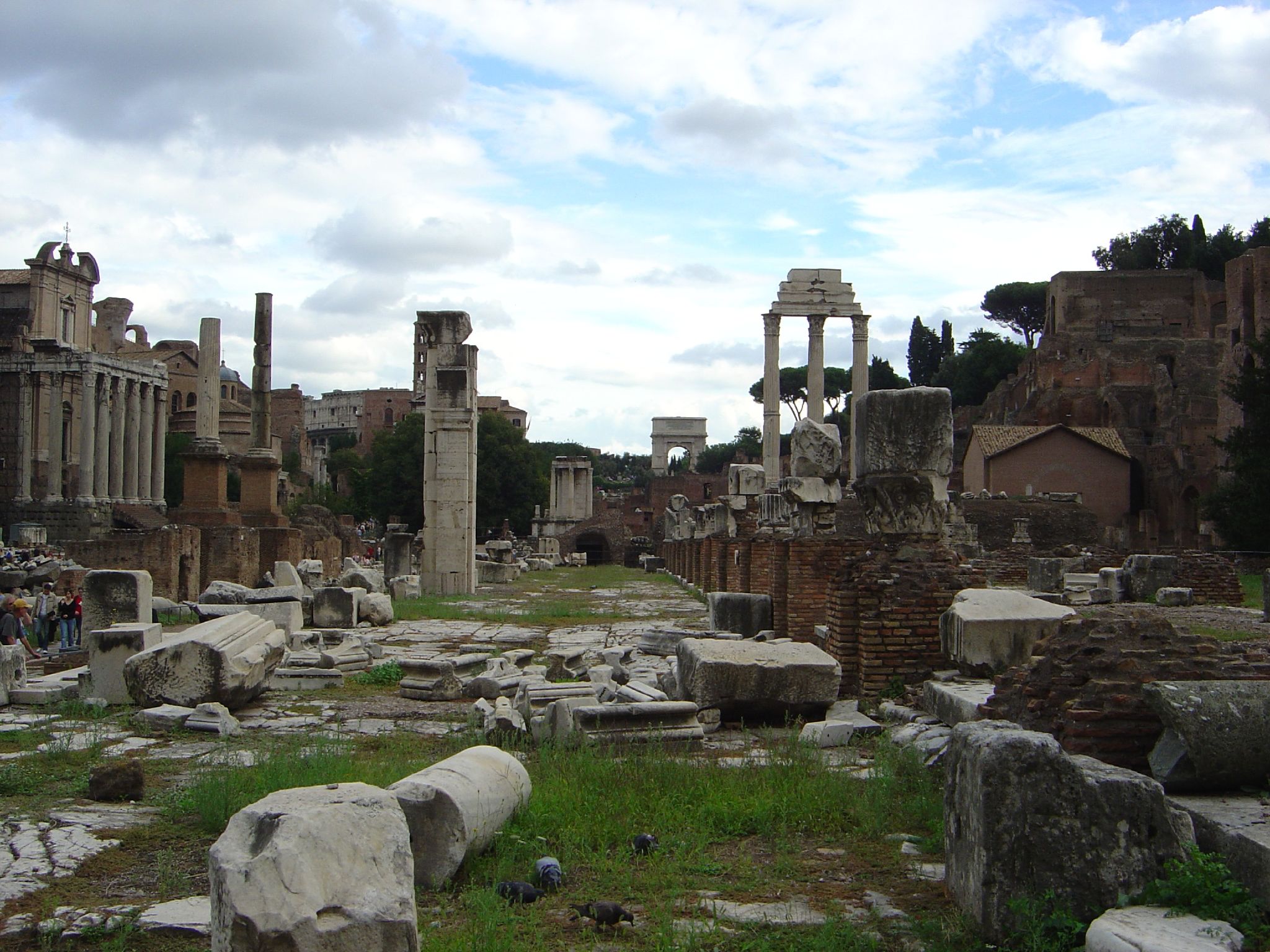
“The art of man is able to construct monuments far more permanent than the narrow span of his own existence; yet these monuments, like himself, are perishable and frail; and in the boundless annals of time, his life and his labors must equally be measured as a fleeting moment. Of a simple and solid edifice, it is not easy, however, to circumscribe the duration. As the wonders of ancient days, the pyramids attracted the curiosity of the ancients: a hundred generations, the leaves of autumn, have dropped into the grave; and after the fall of the Pharaohs and Ptolemies, the Cæsars and caliphs, the same pyramids stand erect and unshaken above the floods of the Nile. A complex figure of various and minute parts to more accessible to injury and decay; and the silent lapse of time is often accelerated by hurricanes and earthquakes, by fires and inundations. The air and earth have doubtless been shaken; and the lofty turrets of Rome have tottered from their foundations; but the seven hills do not appear to be placed on the great cavities of the globe; nor has the city, in any age, been exposed to the convulsions of nature, which, in the climate of Antioch, Lisbon, or Lima, have crumbled in a few moments the works of ages into dust.

Fire is the most powerful agent of life and death: the rapid mischief may be kindled and propagated by the industry or negligence of mankind; and every period of the Roman annals is marked by the repetition of similar calamities. A memorable conflagration, the guilt or misfortune of Nero’s reign, continued, though with unequal fury, either six or nine days. Innumerable buildings, crowded in close and crooked streets, supplied perpetual fuel for the flames; and when they ceased, four only of the fourteen regions were left entire; three were totally destroyed, and seven were deformed by the relics of smoking and lacerated edifices. In the full meridian of empire, the metropolis arose with fresh beauty from her ashes; yet the memory of the old deplored their irreparable losses, the arts of Greece, the trophies of victory, the monuments of primitive or fabulous antiquity. In the days of distress and anarchy, every wound is mortal, every fall irretrievable; nor can the damage be restored either by the public care of government, or the activity of private interest.”

https://upload.wikimedia.org/wikipedia/commons/b/b1/Ruins_of_Roman_Forum.jpg

The Rise of Foreign Education in Rome

Cicero, Republic 2.19

“It was then that our state first seemed to have become more learned with a certain foreign type of education. For it was no little stream which flowed from Greece into this city, but the most powerful river of those disciplines and arts. Some people tell the tale that Demaratus—a Corinthian exceptional in his own city for his respect, wealth, and authority—who was not able to endure the tyrant Cypselos at Corinth, fled with his money and took up residence in Tarquinii, the most elegant city of Etruria at the time.

Once he heard that Cypselos’ power was complete, the man of freedom and bravery officially became an exile and re-established his home and roots here. When he had two sons with the Tarquinian mother of his family, he had them educated in every art of the Greek system…”

XIX. Sed hoc loco primum videtur insitiva quadam disciplina doctior facta esse civitas. influxit enim non tenuis quidam e Graecia rivulus in hanc urbem, sed abundantissimus amnis illarum disciplinarum et artium. fuisse enim quendam ferunt Demaratum Corinthium et honore et auctoritate et fortunis facile civitatis suae principem; qui cum Corinthiorum tyrannum Cypselum ferre non potuisset, fugisse cum magna pecunia dicitur ac se contulisse Tarquinios, in urbem Etruriae florentissimam. cumque audiret dominationem Cypseli confirmari, defugit patriam vir liber ac fortis et adscitus est civis a Tarquiniensibus atque in ea civitate domicilium et sedes collocavit. ubi cum de matre familias Tarquiniensi duo filios procreavisset, omnibus eos artibus ad Graecorum disciplinam erudiit. . .

*Cypselos was allegedly a tyrant in the 7th century BCE.

Image result for Cypselus of corinth

Latin vs. Philology: Part II

Francesco Filelfo, Letter to Lorenzo Medici (Part 2)

“We know that in our own times, whatever we have either of elegant literature or of polished learning or even of eloquence itself has been summoned back into the light from the underworld, and summoned back not just so that the people of our times could yield to those most learned ancients whom we admire so much, whether poets, or orators, or philosophers.

In all of these things, one must pay thanks to your most flourishing republic, by whose munificence Manuel Chrysoloras, a man who is in no way ignorant of any elegant learning, was summoned from Constantinople here into Italy, and taught Greek with extraordinary erudition first among you in Florence, then in Milan, and skillfully both rooted out and destroyed all of that inept and inveterate barbarism of speech and judgment from our citizens.

We can see from these beginnings that it was brought about that subsequently some youths, eager to acquire some of this improved learning and eloquence, went to Greece and brought back all of the elegance of learning back to us.

Further, to return from whence we were diverted, we should discuss (and not at more length than necessary) whether literary speech and Latin are the same or entirely different.

They are not the same, nor wholly different.

Latin was common both to the learned and unlearned, who were nourished on it from infancy, and it was their mother tongue and common tongue, just as that which we see among the Greeks, from their five languages which they call dialects, one is called koine, that is common, even though one must hold on to the same thing from individual languages which applies to one’s mother/common tongue and to grammar.”

http://picus.unica.it/assets/immagini/filosofi/11frfilelfo.jpg

Scimus enim nostris prope temporibus quicquid habemus elegantioris aut litteraturae, aut doctrinae cuiusquam politioris, aut ipsius denique eloquentiae, tanquam ab inferis revocatum in lucem, et ita revocatum, ut non admodum multum a nostris huius tempestatis hominibus concedatur eruditissimis illis priscis, quos magis admiramur, vel poetis, vel oratoribus, vel philosophis.

Quibus quidem in rebus, tuae potissimum florentissimae reipublicae gratia est habenda, cuius munificentissimo beneficio Manuel Chrisolora, vir nullius expers elegantioris disciplinae, ex urbe Constantinopoli in Italiam accersitus, cum et apud vos primo, deinde Mediolani doceret eruditius graece, inveteratam illam omnem ineptamque barbariam, et dicendi et iudicandi, ex hominibus nostris non mediocriter eruit atque extirpavit.

Quibus initiis videmus effectum ut, cum nonnulli postea iuvenes, melioris disciplinae et eloquentiae cupidi, in Graeciam traiecissent, omnem inde ad nostros eruditionis elegantiam reportarint.

Caeterum, ut eo redeamus unde divertimus, discutiendum est, et id quidem haud pluribus quam sit opus, idemne sit sermo litteralis et latinus, an diversus omnino.

Nec idem est, nec ex omni parte alius.

Sermo latinus erat doctis indoctisque communis, qui simul cum infantia alebatur, eratque materna ipsa vernaculaque lingua qualem videmus apud Graecos eam quae ex quinque linguis quas dialektous, dialectus, vocant, koine, coene, hoc est communis, nominatur, quamquam etiam de singulis linguis idem est tenendum, quo ad maternam vulgaremque linguam atque grammaticam.

Spit it Out: Expectoration for Your Special Occasion

Demosthenes, De Corona 200

“Who wouldn’t have spat in your face?”

τίς οὐχὶ κατέπτυσεν ἂν σοῦ;


Tertullian, Apologeticus 8-9

“The Attic sex-worker, once the torturer was finally worn out, chewed threw her own tongue and spat it out at the face of the angry tyrant—that is, she spat out her voice too so that she would not be able to expose her conspirators if she was overcome…”

Attica meretrix carnifice iam fatigato postremo linguam suam comesam in faciem tyranni saevientis exspuit, ut exspueret et vocem, ne coniuratos confiteri posset, si etiam victa voluisset.


Plutarch, Moralia 1088b

“Metrodoros says ‘I have often spat on the pleasures of the flesh.’ ”

Μητρόδωρος μὲν λέγων ὅτι ‘πολλάκις προσεπτύσαμεν ταῖς τοῦ σώματος ἡδοναῖς,’


Nossis, Greek Anthology 5.170

“Nothing is sweeter than sex. All blessings are second to this.
I spat even honey from my mouth.”

Ἅδιον οὐδὲν ἔρωτος· ἃ δ᾽ ὄλβια, δεύτερα πάντα
ἐστίν· ἀπὸ στόματος δ᾽ ἔπτυσα καὶ τὸ μέλι.

LSJ 1902

Spit LSJ

Pseudo-Lucian, Lucius or the Ass

“But when she saw that I was wholly human, she spat at me, saying “Won’t you fuck off from me and my house and only sleep somewhere far away?”

ἡ δὲ ἐπειδὴ εἶδέ με πάντα ἀνθρώπινα ἔχοντα, προσπτύσασά μοι, Οὐ φθερῇ ἀπ᾿ ἐμοῦ, ἔφη, καὶ τῆς ἐμῆς οἰκίας καὶ μακράν ποι ἀπελθὼν κοιμήσῃ;


Plutarch, Phocion 36

“One of them came right up to him and spat at him.”

εἷς δὲ καὶ προσέπτυσεν ἐξεναντίας προσελθών.

Beekes 2010

SPIT Beekes

Select Papyri, P Gurob. 2

“Woman, you were at that place with Kallipos…and you were insulting me, claiming that I had said to certain people that…When I was insulting you in turn, you spat on me….and took my collar…so I am suing you for assault for 200 drachmae.”

, παρα]γενομένη εἰς τὸν τόπον τοῦτον μετὰ Καλλίππου τοῦ . . . . . . . . . αν . . . . . ου ἐλοιδόρησας φαμένη με εἰρηκέναι πρός τινας δι[ότι – – -] γυναῖκα, ἐμοῦ δέ σε ἀντιλοιδοροῦντος οὕτως ἔπτυσας [- – -] καὶ λαβομέ[νη μ]ου τῆς ἀναβολῆς τοῦ ἱματίου – – – διὸ δικάζομαί σοι κατα-27[. . . . . . . . . . . . ὕ]βριν (δραχμῶν) σ. τίμημα τῆς δίκης (δραχμαὶ) [.

Diogenes Laertius, Aristippos 2.8

“When someone was criticizing him for spending too much on meals, he said “Wouldn’t you have purchased the same for three obols?” When the man said he would, Aristippos said, “Ok, I am not a hedonist; you are a money-grubber.”

At a different time, Simos, who was Dionysius’ steward, a Phrygian and a nasty fellow too, was showing him expensive houses with fine tile work. When Aristippos coughed and spat in his face and he resented it, the man replied, “I didn’t have any more appropriate a place.”

τὸν ὀνειδίσαντα αὐτῷ πολυτελῆ ὀψωνίαν ἔφη, “σὺ δ᾿ οὐκ ἂν τριωβόλου ταῦτ᾿ ἐπρίω;” ὁμολογήσαντος δέ, “οὐκέτι τοίνυν,” ἔφη, “φιλήδονος ἐγώ, ἀλλὰ σὺ φιλάργυρος.” Σίμου ποτὲ τοῦ Διονυσίου ταμίου πολυτελεῖς οἴκους αὐτῷ καὶ λιθοστρώτους δεικνύντος—ἦν δὲ Φρὺξ καὶ ὄλεθρος—ἀναχρεμψάμενος προσέπτυσε τῇ ὄψει· τοῦ δ᾿ ἀγανακτήσαντος, “οὐκ εἶχον,” εἶπε, “τόπον ἐπιτηδειότερον.

Diogenes Laertius, Anaxarchus 9.10

“He never forgot the slight. After the king’s death when Anaxarchus was sailing and was forced to land on Cyprus, Nicocreon had him arrested and placed him on a mortar, ordering that he be pounded to death with iron pestles.

But he, not giving a shit about the punishment, uttered that famous saying, “You pound the bag of Anaxarchus but you do not pound Anaxarchus.” When Nicocreon ordered his tongue to be cut off, the story is that he bit it off and spat it at him.”

ὁ δὲ μνησικακήσας μετὰ τὴν τελευτὴν τοῦ βασιλέως ὅτε πλέων ἀκουσίως προσηνέχθη τῇ Κύπρῳ ὁ Ἀνάξαρχος, συλλαβὼν αὐτὸν καὶ εἰς ὅλμον βαλὼν ἐκέλευσε τύπτεσθαι σιδηροῖς ὑπέροις. τὸν δ᾿ οὐ φροντίσαντα τῆς τιμωρίας εἰπεῖν ἐκεῖνο δὴ τὸ περιφερόμενον, “πτίσσε τὸν Ἀναξάρχου θύλακον, Ἀνάξαρχον δὲ οὐ πτίσσεις.” κελεύσαντος δὲ τοῦ Νικοκρέοντος καὶ τὴν γλῶτταν αὐτοῦ ἐκτμηθῆναι, λόγος ἀποτραγόντα προσπτύσαι αὐτῷ.

Life’s Sweetness, Our Weakness

A reminder before the new year that life offers many kinds of sweetness….

Hes. Frag. 273

“It is also sweet to know how many things the immortals
Have allotted for mortals, a clear sign of base and noble…”

ἡδὺ δὲ καὶ τὸ πυθέσθαι, ὅσα θνητοῖσιν ἔνειμαν
ἀθάνατοι, δειλῶν τε καὶ ἐσθλῶν τέκμαρ ἐναργές

Arsenius 3.60

“It is sweet to live in leisure. Life is long
And sacred, if lived among untroubled affairs.”

᾿Απραγμόνως ζῆν ἡδύ· μακάριος βίος
καὶ σεμνός, ἐὰν ᾖ μεθ’ ἑτέρων ἀπραγμόνων·

sweetmess


Arsenius 18.66f

“It is sweet for children to obey their father”

῾Ως ἡδὺ τῷ φύσαντι πείθεσθαι τέκνα [Attributed to Euripides, Agathon]


Heraclitus, fr. 111

“Sickness makes health sweet and good…”

νοῦσος ὑγιείην ἐποίησεν ἡδὺ καὶ ἀγαθόν

Arsenius 18.66p

“it is sweet for those who have done badly to forget
Their bygone troubles in a short time.”

῾Ως τοῖς κακῶς πράσσουσιν ἡδὺ καὶ βραχύν
χρόνον λαθέσθαι τῶν παρεστώτων κακῶν [Attributed to Sophocles]

18.66u

“It is sweet for slaves to obtain good masters”

῾Ως ἡδὺ δούλοις δεσπότας χρηστοὺς λαβεῖν, [Attributed to Euripides]

18.67c

“It is sweet for those who hate fools to be alone.”

῾Ως ἡδὺ τῷ μισοῦντι τοὺς φαύλους ἐρημία [Attributed to Menander]

Crates, fr. 23

“This is the case with erotic games: they’re sweet to play, but not nice to mention.”

καὶ μάλιστ᾿ ἀφροδισίοις ἀθύρμασιν. ἡδὺ γὰρ κἀκεῖνο τὸ δρᾶν, λέγεσθαι δ᾿ οὐ καλόν.

Euripides, Supp. 1101-2

“Nothing is sweeter to an old father than a daughter”

πατρὶ δ᾽ οὐδὲν †ἥδιον†

γέροντι θυγατρός

Aristotle [According to Diogenes Laertius 5.21]

“He said that the root of education is bitter but the fruit is sweet.”

Τῆς παιδείας ἔφη τὰς μὲν ῥίζας εἶναι πικράς, τὸν δὲ καρπὸν γλυκύν

Bias [According to Diogenes Laertius 1.86]

‘When someone asked what is sweet for people, he said “hope”.’

Ἐρωτηθεὶς τί γλυκὺ ἀνθρώποις, “ἐλπίς,” ἔφη.

Theognis, Uncertain Fragments

“Nothing, Kurnos, is sweeter than a good woman.
I am a witness to this, and you are witness to the truth”

Οὐδέν, Κύρν’, ἀγαθῆς γλυκερώτερόν ἐστι γυναικός.
μάρτυς ἐγώ, σὺ δ’ ἐμοὶ γίνου ἀληθοσύνης.

Sophocles, Philoktetes 81

“It is sweet to obtain the possession of victory.”

ἀλλ’ ἡδὺ γάρ τοι κτῆμα τῆς νίκης λαβεῖν

Euripides, Fr. 133

“It is certainly sweet to recall your struggles after you’ve been saved”

ἀλλ’ ἡδύ τοι σωθέντα μεμνῆσθαι πόνων.

Archippus fr. 45

“Mother, it is sweet to see the sea from the land
when you don’t have to sail any longer.”

ὡς ἡδὺ τὴν θάλατταν ἀπὸ τῆς γῆς ὁρᾶν
ὦ μῆτερ ἐστι, μὴ πλέοντα μηδαμοῦ

Euripides, fr. 358 (Erechtheus)

“Children have nothing sweeter than their mother.
Love your mother children, there is no kind of love anywhere
Sweeter than this one to love.”

οὐκ ἔστι μητρὸς οὐδὲν ἥδιον τέκνοις•
ἐρᾶτε μητρός, παῖδες, ὡς οὐκ ἔστ’ ἔρως
τοιοῦτος ἄλλος ὅστις ἡδίων ἐρᾶν.

Aeschylus, Prometheus Bound 688-89

“For the sick it is sweet to know clearly what pain remains”

τοῖς νοσοῦσί τοι γλυκὺ
τὸ λοιπὸν ἄλγος προυξεπίστασθαι τορῶς

Ananius, fr. 5.3

“It is sweet to eat the meat of a [locally-killed?] goat”

ἡδὺ δ’ ἐσθίειν χιμαίρης †φθινοπωρισμῶι κρέας·

Anaxandrides, fr. 24

“The home-fed son grows sweetly”

υἱὸς γὰρ οἰκόσιτος ἡδὺ γίνεται.

Theocritus, 3.20

“There is a sweet joy in empty little kisses.”

ἔστι καὶ ἐν κενεοῖσι φιλήμασιν ἁδέα τέρψις.

Menander, fr. 809

“It is sweet when brothers have a like-minded love”

ἡδύ γ’ ἐν ἀδελφοῖς ἐστιν ὁμονοίας ἔρως.

Menander fr. 814

“Sweet is the word of a friend for those in grief.”

ἡδύ γε φίλου λόγος ἐστὶ τοῖς λυπουμένοις.

Menander, fr 930

“It is sweet to die for the one who has not been permitted to live as he wished.”

ἡδύ γ’ ἀποθνῄσκειν ὅτῳ ζῆν μὴ πάρεσθ’ ὡς βούλεται.

Sophokles, Fr. 356 (Creusa)

“The most noble thing is to be just.
The best thing is to live without sickness; the sweetest is when
Someone has the ability to get what he wants each day.”

κάλλιστόν ἐστι τοὔνδικον πεφυκέναι,
λῷστον δὲ τὸ ζῆν ἄνοσον, ἥδιστον δ’ ὅτῳ
πάρεστι λῆψις ὧν ἐρᾷ καθ’ ἡμέραν

Democritus, fr. 69

“Truth and goodness are the same for all people. But what is sweet is different for different folks.”

ἀνθρώποις πᾶσι τωὐτὸν ἀγαθὸν καὶ ἀληθές· ἡδὺ δὲ ἄλλωι ἄλλο.


I Would Rather Be Wrong With Scaliger

James Boswell, The Life of Samuel Johnson:

Dr. ADAMS told us, that in some of the Colleges at Oxford, the fellows had excluded the students from social intercourse with them in the common room. Johnson. “They are in the right, Sir: there can be no real conversation, no fair exertion of mind amongst them, if the young men are by; for a man who has a character does not choose to stake it in their presence.” Boswell. “But, Sir, may there not be very good conversation without a contest for superiority?” Johnson. “No animated conversation, Sir, for it cannot be but one or other will come off superiour. I do not mean that the victor must have the better of the argument, for he may take the weak side; but his superiority of parts and knowledge will necessarily appear; and he to whom he thus shews himself superiour is lessened in the eyes of the young men. You know it was said, ‘Mallem cum Scaligero errare quam cum Clavio recte sapere.’ In the same manner take Bentley’s and Jason de Nores’ Comments upon Horace, you will admire Bentley more when wrong, than Jason when right.”

Laughing at Babies

Pseudo-Hippocrates, Letter 9.360 

 “I [Hippocrates] said, “Know that you should explain the reason for your laughter.” And [Democritus], after glaring at me for a bit, said, “you believe that there are two reasons for my laughter, good things and bad things. But I laugh for one reason: the human being. Humans are full of ignorance but empty of correct affairs, acting like babies in their little plots, and also laboring over endless toil without winning any profit.

Humans travel to the ends of the earth and over the uncharted wilds with unchecked desires, minting silver and gold and never stopping in the pursuit of possession, but always throwing a fit for more, so that there’s never one bit less than others have. And then, they are not at all ashamed to call themselves happy.”

[ΙΠ.] “ἴσθι δὲ νῦν περὶ σέο γέλωτος τῷ βίῳ λόγον δώσων.”

ὁ δὲ μάλα τρανὸν ἐπιδών μοι, “δύο,” φησὶ, “τοῦ ἐμοῦ γέλωτος αἰτίας δοκέεις, ἀγαθὰ καὶ φαῦλα· ἐγὼ δὲ ἕνα γελῶ τὸν ἄνθρωπον, ἀνοίης μὲν γέμοντα, κενεὸν δὲ πρηγμάτων ὀρθῶν, πάσῃσιν ἐπιβουλῇσι νηπιάζοντα, καὶ μηδεμιῆς ἕνεκεν ὠφελείης ἀλγέοντα τοὺς ἀνηνύτους μόχθους, πείρατα γῆς καὶ ἀορίστους μυχοὺς ἀμέτροισιν ἐπιθυμίῃσιν ὁδεύοντα, ἄργυρον τήκοντα καὶ χρυσὸν, καὶ μὴ παυόμενον τῆς κτήσιος ταύτης, αἰεὶ δὲ θορυβεύμενον περὶ τὸ πλέον, ὅκως αὐτοῦ ἐλάσσων μὴ γένηται· καὶ οὐδὲν αἰσχύνεται λεγόμενος εὐδαίμων [. . .].”

Image result for medieval manuscript crying baby

Latin vs. Philology: Part I

Francesco Filelfo, Letter to Lorenzo Medici (Part 1)

“Lorenzo Medici, since I see that some are wrapped up in that error and believe that there is no real difference between literary and Latin speech, and furthermore that that they all use this same speech common at those times at which the most outstanding poets – the comedians as much as the tragedians and the most eloquent orators – flourished, and which we ourselves use now, I thought (since you are endowed with the noblest birth, intellect, and learning) that you would not be displeased in light of our friendship to learn from me what opinion I think we should take on the subject.

I have done this with more accuracy, since Leonardo Bruni, our friend and surely a most eloquent man, has discoursed much against Flavio Biondo, and Poggio, following Leonardo’s death, gratified Karolus of Arezzo by covering up the little book written against Biondo’s writings which offended the glory of his fellow citizen. Neither of these people properly discharged his duty. But I, serving the cause of truth, shall bring forth not what others have wished or would wish, but what pertains to the matter at hand.

First of all I think that I can say without doubt and clearly affirm that nothing is more abhorrent to the old mode of Roman speech than this common language which all of Italy now uses.

For if the ancient Romans had used speech of this sort, some of their writings or books would have remained either in verse or in prose – such volumes as we now see a lot of, written learnedly and elegantly by those who have earned a reputation in modern times: the two Guidos of Florence, Dante, Petrarch, Bocaccio, Asculanus Cicchus, and many others, whose monuments no memory will ever obscure.

And so, this common language which all of Italy now speaks, even though it is worse in some regions than in others, has nothing in common with that ancient speech which was in use during the age of Cicero.

There is no wonder here, given that so many barbarous tribes overran Italy. The Vandals, the Huns, the Lombards, the Germans, the Burgundians, the British, the Franks, the Belgians, one nation upon another, who confused and corrupted the language itself and our customs and all of our learning and the majesty of our speech.”

http://www.sapere.it/mediaObject/gedea/images/1011/Francesco-Filelfo-973870/original/10115792.jpg

Cum viderem nonnullos in eo versari errore, Laurenti Medices, ut arbitrarentur nihilo prorsus inter se differre sermonem litteralem et latinum, praeterea eadem hac omnes usos vulgari lingua temporibus iis, quibus egregii poetae, tam comici quam tragici, et oratores eloquentissimi floruerunt apud Romanos, qua ipsi nunc utimur, existimavi tibi, qui nobilissimo es et genere et ingenio et doctrina, pro nostra amicicia fore non ingratum si ex me cognosceres quid ea de re sentiendum putem.

Quod eo feci accuratius, quoniam et Leonardus Arretinus, familiaris noster, vir sane facundissimus, adversus Blondum Flavium multa disseruit, et post Leonardi obitum Poggius, Karolo gratificatus Arretino, quem disertissimi concivis gloriam offenderet libellum etiam contra illius scripta contexuit; cum neuter suo sit functus officio. At ego, veritati inserviens, non quid caeteri aut voluerint aut velint, sed quid in rem sit, in medium referam.

Et omnium primum illud mihi videor indubitato posse ac dilucide affirmare, nihil magis abhorruisse a communi loquendi Romanorum consuetudine, quam hanc vulgarem linguam qua nunc omnis utitur Italia.

Nam, si huiusmodi sermone prisci Romani illi essent usi, extarent aliqua eorum scripta, aliqui libri, aut versu aut soluta oratione, qualia videmus hac tempestate volumina plurima perdocte et eleganter scripta ab iis qui proximis temporibus claruere: duobus Guidonibus florentinis, Dante Aldigerio, Francisco Petrarca, Ioanne Boccacio et Asculano Ciccho aliisque quam plurimis, quorum monimenta nulla unquam memoria obscurabit.
Itaque lingua haec vulgaris qua nunc universa loquitur Italia, tametsi in alia quam in alia eius regione deterius, nihil habet omnino commune cum vetusto illo sermone qui Ciceronis memoria erat in usu.

Et ne id quidem mirum, cum tot deinceps barbarae gentes in Italiam irruerunt. Vandali, Hunni, Gotthi, Longobardi, Germani, Burgundiones, Britanni, Franci, Belgae, et aliae atque aliae nationes, quae et linguam ipsam et mores doctrinamque omnem maiestatemque dicendi confuderunt atque inquinarunt.

Fronto’s Regrets: Neck Pain Kept Me from Your Party

Fronto To Antonius Pius, 5 (Naber, p. 167).

“I would pay more than a part of my own life to embrace you on this happiest and most anticipated anniversary of your imperial accession—a day which I consider to be the birthday of my health, dignity, and security.

But serious shoulder pain and even worse neck pain afflict me so badly that I can barely bend, straighten up, or turn because I have to keep my neck so still. But I have returned to my Lares, Penates, and Family gods and have taken up my vows and I have prayed that next year I can embrace you twice on this day, twice to kiss your chest and hands, simultaneously completing the duty of this year and next.”

| Antonino Pio Augusto Fronto.

Carius <quam> vitae meae parte adpicisci cupio ut te complecterer felicissimo et optatissimo initi imperii die, quem ego diem natalem salutis dignitatis securitatis meae existimo. Sed dolor humeri gravis, cervicis vero multo gravissimus ita me adflixit, ut adhuc usque vix inclinare me vel erigere vel convertere possim: ita immobili cervice utor. Sed apud Lares Penates deosque familiares meos et reddidi et suscepi vota, et precatus sum, uti anno insequenti bis te complecterer isto die, bis pectus tuum et manus exoscularer praeteriti simul et praesentis anni vicem perficiens.

Image result for Antoninus Pius
Antonius Pius