Footnotes and Faded Youth

Perhaps I have spent too much time reading books, because on beautiful sun-lit afternoons I often find myself lapsing into fits of wayward sentimentality. The springs of melancholy gurgle forth, and my heart bathes for a while in those sorrowful waters. Usually, the object of this maudlin nostalgia is nothing grand. Today my thoughts bent toward Bradley’s Arnold Latin Prose Composition (edited by Sir James Mountford).

IMG_7876.JPG

To be sure, it is not a title to inspire enthusiasm, but it was thirteen years ago that I made my first forays into this odd little relic of a vanished age, and those youthful days are just as lost to me as the lives of Arnold, or Bradley, or Mountford. Each of those successive editors lives on in the inert product of their labors, and much of its idle curiosity remains lodged in my head. I regularly tell people (friends, family, students) that this is my favorite footnote:

For ‘Gaius and I,’ the Romans, putting ‘I’ first, said Ego et Gaius. When therefore Cardinal Wolsey said, ‘Ego et rex meus,’ he was a good grammarian but a bad courtier.

Please imagine the blank stares with which this is met by a group of teenagers. What is wrong with me? The very phrase “my favorite footnote” is absurd in its own right. But perhaps I am only the type of person who has a favorite footnote because of the psychological alteration subtly inflicted by this book.

As I flipped back through it this afternoon, I recall why it seemed like such an important book when I was young. Here was all of Latin systematized in a much more comprehensive way than even Wheelock had dared, and these guys were so goddamn sure of themselves at every turn. Indeed, one would be hard pressed to find a textbook today which matched this one for its reckless abandon in the use of phrases such as one must and we must.

IMG_7873.jpg

Many of the rules were internalized along the way, and I know not why my memory has so tenaciously held to isolated chunks of rules from a tedious volume like this while struggling to retain information of real value. I never forgot the advice that one should avoid rendering metaphorical English idioms like he ascended the throne literally into Latin as solium ascendit, because it literally meant that someone climbed atop the throne. Rather, the book advised direct and concrete expression like regnum cepit (he took power). This was a useful exercise in thinking about idiom.

Of course, the classicist propagandist line holds that studying Latin will refine one’s English by making it more direct and concrete, as Latin tends to be. Since I was, like most youths, a blockhead, I internalized that codswallop, but luckily I had enough sense in later years to recognize the smell of rancid horseshit festering in the stables of my mind. English in its most concrete forms is a drab and depressing affair, and though I enjoy a highly Latinate style (e.g. Milton), all attempts by grammarians to make English adhere to the rules of Latin now strike me as unabashed villainy.

In any event, my professor and I used to regularly joke that the real challenge of completing the exercises was determining what the English even meant. After that act of decipherment, the composition of Latin was comparatively easy. (One is reminded of Porson’s comment that it would be a salutary exercise for the student to attempt to turn a paragraph from Gibbon’s Decline and Fall into English.) Just consider some of this:

He was a man of long-tried honour and rare incorruptibility; yet at that time he was taxed with avarice, suspected of bribery, and prosecuted for extortion. You all know that he was unanimously acquitted of that charge. Who is there of you but remembers that day on which he not only cleared himself of an unjust accusation, but exposed the malice and falsehoods of his accusers?

I seem to recall that there was some rule about “he said” and “said he” being translated with dixit and inquit (or was it the other way around?), and I often thought that it would have been much easier if they had settled on a more natural introduction for indirect discourse. Yet that would have spoiled the ultimate delight of this book: that it could at times be so bewildering and hard to use that its countless rules were sublimated into a generalized anarchy, all tending toward the advice just read some Latin. Once, I defied the book directly, and rendered something about labor as barbarously as possible with the phrase lardum cubiti (“elbow grease”), which possessed the virtue of being so manifestly preposterous that my professor was compelled to love it.

IMG_7875.JPG
Why did I write that? It’s enough to conjure the emotion it describes.

As I went down this nostalgic path, I was vexed by the realization that, as a teacher, I talk in the way that this book was written. Examples are regularly followed by note that or observe how. My students begged me nearly five years ago to stop saying things like “You will note…” while demonstrating some point of grammar. I tried to wean myself off of it, but I suppose that I am just an unregenerate enthusiast for painfully high-handed and professorial modes of speech. Thanks Arnold, or Bradley, or Mountford – whoever it was.

One day, my students were complaining about the relatively simple Latin composition exercise I had assigned, and I lapsed into that last refuge of the bitter old man, the claim that “At least you’re not working through Bradley’s Arnold Latin Prose Composition by Sir James Mountford,” followed by what started as a threat that I would make them do it; somehow this threat shifted in tone to a hopeful promise. But I won’t make them, and they will never have the experience I had. Since I was the only one in that class, there is no one with whom I can reminisce about the singular experience of working through the book in those days, in those circumstances. Excepting what I have recounted here, the whole thing will remain an entirely individual memory until the day when I join Arnold, and Bradley, and Mountford, in that land where footnotes are forgotten.

IMG_7877.JPG
This was the gate code to get into the neighborhood where the seminar was held. Or so I thought! I dialed the wrong house for months and was let in without a problem for months before I was told that it was the wrong one. (Gated communities suck, by the way.)

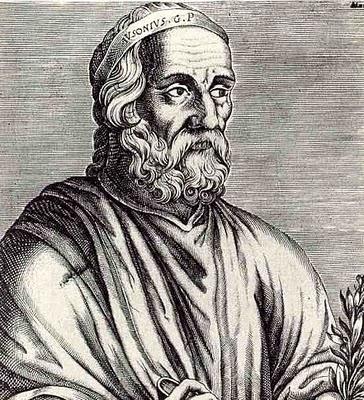
Ausonius Sucks?

Gore Vidal, Julian (Chp. 1):

Not long ago I sent round to the library to see what they had by Ausonius. The slave returned with a wheelbarrow full of books. Ausonius must be read to be believed! As poet, no subject is too trivial for him; as courtier, no flattery too excessive. He did write one passable nature poem on the Moselle, but I’m not keen on rivers. The rest of his work is quite marvellous in its tedium. Particularly those verses he wrote at Valentinian’s request. Among the subjects chosen by the Emperor were the source of the Danube (Ausonius did not locate it but he made a good try), Easter, and (best of all) four odes to the Emperor’s four favourite horses. I had one of these equine odes copied out and Hippia reads it to me whenever I am depressed. It begins “Oh raven steed, whose fortune it is to spread the golden thighs and Mars-like firm convexities of divine Augustus…” I don’t know when I have enjoyed a poem so much. I’ll enclose a copy. Anyway, I suggest you see Ausonius as soon as possible. And of course you will remember to express admiration for his work! In a good cause hypocrisy becomes virtue.

https://upload.wikimedia.org/wikipedia/commons/7/75/Ausonius.jpg

“No Mortal Could Rival Me In Work”: Some Greek Passages for Labor Day

Plutarch, Perikles 1.4 5-6

“Often and quite contrarily, we look down on a laborer while delighting in his work.”

πολλάκις δὲ καὶ τοὐναντίον χαίροντες τῷ ἔργῳ τοῦ δημιουργοῦ καταφρονοῦμεν

Xenophon, Memorabilia 1.56-57

“His accuser claimed that he selected the most wretched lines from the most famous poets and used them as proofs to teach his followers to be evildoers and tyrants. He is said to have used the line from Hesiod “there is nothing reproachable about work, but laziness is reproachable” (WD 311) to claim that the poet exhorted not to refrain from any work, unjust or shameful, but to do everything for profit.

Socrates, although he might agree that it is good and useful for a man to be a worker and harmful and bad for him to be lazy—that work is good and laziness is bad—he used to say that being a worker required people to do something good. Gambling or any other immortal occupation which takes from others he used to call laziness. Within these parameters, Hesiod’s claim that “there is nothing reproachable about work, but laziness is reproachable” holds true.

ἔφη δ᾿ αὐτὸν ὁ κατήγορος καὶ τῶν ἐνδοξοτάτων ποιητῶν ἐκλεγόμενον τὰ πονηρότατα καὶ τούτοις μαρτυρίοις χρώμενον διδάσκειν τοὺς συνόντας κακούργους τε εἶναι καὶ τυραννικούς, Ἡσιόδου μὲν τὸ: ἔργον δ᾿ οὐδὲν ὄνειδος, ἀεργίη δέ τ᾿ ὄνειδος·
τοῦτο δὴ λέγειν αὐτὸν ὡς ὁ ποιητὴς κελεύει μηδενὸς ἔργου μήτ᾿ ἀδίκου μήτ᾿ αἰσχροῦ ἀπέχεσθαι, ἀλλὰ καὶ ταῦτα ποιεῖν ἐπὶ τῷ κέρδει.

Σωκράτης δ᾿ ἐπεὶ διομολογήσαιτο τὸ μὲν ἐργάτην εἶναι ὠφέλιμόν τε ἀνθρώπῳ καὶ ἀγαθὸν εἶναι, τὸ δὲ ἀργὸν βλαβερόν τε καὶ κακόν, καὶ τὸ μὲν ἐργάζεσθαι ἀγαθόν, τὸ δ᾿ ἀργεῖν κακόν, τοὺς μὲν ἀγαθόν τι ποιοῦντας ἐργάζεσθαί τε ἔφη καὶ ἐργάτας εἶναι, τοὺς δὲ κυβεύοντας ἤ τι ἄλλο πονηρὸν καὶ ἐπιζήμιον ποιοῦντας ἀργοὺς ἀπεκάλει. ἐκ δὲ τούτων ὀρθῶς ἂν ἔχοι τὸ: ἔργον δ᾿ οὐδὲν ὄνειδος, ἀεργίη δέ τ᾿ ὄνειδος.

Hesiod Works and Days, 289-90

“The gods made sweat the price for virtue.”

τῆς δ’ ἀρετῆς ἱδρῶτα θεοὶ προπάροιθεν ἔθηκαν
ἀθάνατοι·

Image result for ancient greek harvest vase
The “Harvesters vase” from Agia Triada ( 1500-1400 BC). Heraklion Archaeological Museum

Xenophon, Oeconomicus 4.15-16

“Critoboulos, Some say that whenever the great king gives gifts, he calls in first those who proved their excellence at war because there is no advantage to plowing many fields unless they defend them. After them, he rewards those who prepare and work the land best, because brave men cannot survive unless someone works the land.”

Φασὶ δέ τινες, ἔφη ὁ Σωκράτης, ὦ Κριτόβουλε, καὶ ὅταν δῶρα διδῷ ὁ βασιλεύς, πρῶτον μὲν εἰσκαλεῖν τοὺς πολέμῳ ἀγαθοὺς γεγονότας, ὅτι οὐδὲν ὄφελος πολλὰ ἀροῦν, εἰ μὴ εἶεν οἱ ἀρήξοντες· δεύτερον δὲ τοὺς κατασκευάζοντας τὰς χώρας ἄριστα καὶ ἐνεργοὺς ποιοῦντας λέγοντα, ὅτι οὐδ᾿ ἂν οἱ ἄλκιμοι δύναιντο ζῆν, εἰ μὴ εἶεν οἱ ἐργαζόμενοι. λέγεται δὲ καὶ Κῦρός ποτε, ὅσπερ εὐδοκιμώτατος δὴ βασιλεὺς γεγένηται, εἰπεῖν τοῖς ἐπὶ τὰ δῶρα κεκλημένοις, ὅτι αὐτὸς ἂν δικαίως τὰ ἀμφοτέρων δῶρα λαμβάνοι· κατασκευάζειν τε γὰρ ἄριστος εἶναι ἔφη χώραν καὶ ἀρήγειν τοῖς κατεσκευασμένοις.

Plutarch, fr. 43

“Let no one find fault with this line because wealth is made to be much praised ahead of virtue. Know that wealth here is the product workers get from their labors—it is a just portion gathered from their personal toil.”

Μηδεὶς λοιδορείτω τὸν στίχον εἰς τὸν πολυάρατον πλοῦτον ὁρῶν τὸν πόρρω τῆς ἀρετῆς ἐσκηνημένον, ἀλλὰ πλοῦτον οἰέσθω νῦν λέγεσθαι τὴν ἀπὸ τῶν ἔργων πορισθεῖσαν ἀφθονίαν τοῖς ἐργαζομένοις δικαίαν οὖσαν καὶ ἀπὸ τῶν οἰκείων πόνων ἠθροισμένην.

Pindar, Isthmian 1.47

“Men find different payment sweet for different work.”

μισθὸς γὰρ ἄλλοις ἄλλος ἐπ’ ἔργμασιν ἀνθρώποις
γλυκύς

Hesiod, Works and Days, 303

“Gods and men alike dislike a lazy man.”

τῷ δὲ θεοὶ νεμεσῶσι καὶ ἀνέρες ὅς κεν ἀεργὸς.

Archilochus fr. 307

“The trap does the sleeping fisherman’s work”

εὕδοντι δ᾿ αἱρεῖ κύρτος

Euripides, Hippolytus 189-190

“The life of men is wholly grievous, nor is there any release from toil.”

πᾶς δ’ ὀδυνηρὸς βίος ἀνθρώπων
κοὐκ ἔστι πόνων ἀνάπαυσις.

Homer, Odyssey 15.321-324

“No mortal could rival me in work:
No one could best me at building a fire or heaping dry wood,
At serving at the table, cooking meat or serving wine–
All those tasks lesser men complete for their betters.”

δρηστοσύνῃ οὐκ ἄν μοι ἐρίσσειε βροτὸς ἄλλος,
πῦρ τ’ εὖ νηῆσαι διά τε ξύλα δανὰ κεάσσαι,
δαιτρεῦσαί τε καὶ ὀπτῆσαι καὶ οἰνοχοῆσαι,
οἷά τε τοῖς ἀγαθοῖσι παραδρώωσι χέρηες.”

Odyssey, 18.366-383

“Eurymachus: I wish the two of us could have a labor-contest
In the height of spring when the days are drawing longer,
In the thickening grass. I would grip the curved scythe
And you could hold the same thing, so we could test each other
At work, fasting right up to dusk where the grass was thick.
And then the next day we could drive the oxen, the strongest ones,
Bright and large, both stuffed full with their food,
A pair of the same age, equally burdened, their strength unwavering.
I’d wish for a four-acre parcel to put under the plow.
Then you’d see me, how I would cut a furrow straight from end to end.
Or if, instead, Kronos’ son would send me a war today,
And I would have a shield and two spears
Matched with a bronze helmet well-fit to my temples.
Then you’d see me mixing it up in the front lines
And you wouldn’t bawl about, belittling my hungry stomach.”

“Εὐρύμαχ’, εἰ γὰρ νῶϊν ἔρις ἔργοιο γένοιτο
ὥρῃ ἐν εἰαρινῇ, ὅτε τ’ ἤματα μακρὰ πέλονται,
ἐν ποίῃ, δρέπανον μὲν ἐγὼν εὐκαμπὲς ἔχοιμι,
καὶ δὲ σὺ τοῖον ἔχοις, ἵνα πειρησαίμεθα ἔργου
νήστιες ἄχρι μάλα κνέφαος, ποίη δὲ παρείη·
εἰ δ’ αὖ καὶ βόες εἶεν ἐλαυνέμεν, οἵ περ ἄριστοι,
αἴθωνες μεγάλοι, ἄμφω κεκορηότε ποίης,
ἥλικες ἰσοφόροι, τῶν τε σθένος οὐκ ἀλαπαδνόν,
τετράγυον δ’ εἴη, εἴκοι δ’ ὑπὸ βῶλος ἀρότρῳ·
τῶ κέ μ’ ἴδοις, εἰ ὦλκα διηνεκέα προταμοίμην.
εἰ δ’ αὖ καὶ πόλεμόν ποθεν ὁρμήσειε Κρονίων
σήμερον, αὐτὰρ ἐμοὶ σάκος εἴη καὶ δύο δοῦρε
καὶ κυνέη πάγχαλκος ἐπὶ κροτάφοισ’ ἀραρυῖα,
τῶ κέ μ’ ἴδοις πρώτοισιν ἐνὶ προμάχοισι μιγέντα,
οὐδ’ ἄν μοι τὴν γαστέρ’ ὀνειδίζων ἀγορεύοις.

In Honor of Labor Day: Collective Action and the Maturation of Rome

Livy 2.32 Secessio Plebis, 449 BCE

“A fear overcame the senators that if the army were dismissed, then secret assemblies and conspiracies would arise. And thus, even though the draft was made by a dictator—because they had sworn a consular oath they were still believed to beheld by this sacrament—they ordered the legions to depart the city on the grounds that the war had been renewed by the Aequi. This deed accelerated the rebellion.

At first, there was some interest in the murder of the consuls (to absolve them of their obligation); but when they then learned that no crime would release them from their oath, they seceded on to the Sacred Mount across the Anio river, which is three miles from the city, on the advice of a man named Sicinus.  This story is more common than the one which Piso offers—that the secession was made upon the Aventine hill.

There, the camp was fortified without any leader with a trench and wall quietly, as they took nothing unless it was necessary for their food for several days and neither offended anyone nor took offense. But there was a major panic in the city and because of mutual fear all activities were suspended. Those left behind feared violence from the senators because they were abandoned by their own class; and the senators were fearing the plebians who remained in the city because they were uncertain whether they stayed there or preferred to leave. How long could a mass of people who had seceded remain peaceful? What would happen after this if there were an external threat first? There was certainly no home left unless they could bring the people into harmony; and it was decided they must reconcile the state by just means or unjust.”

  1. timor inde patres incessit ne, si dimissus exercitus foret, rursus coetus occulti coniurationesque fierent. itaque quamquam per dictatorem dilectus habitus esset, tamen quoniam in consulum uerba iurassent sacramento teneri militem rati, per causam renouati ab Aequis belli educi ex urbe legiones iussere. [2] quo facto maturata est seditio. et primo agitatum dicitur de consulum caede, ut soluerentur sacramento; doctos deinde nullam scelere religionem exsolui, Sicinio quodam auctore iniussu consulum in Sacrum montem secessisse. trans Anienem amnem est, tria ab urbe milia passuum. [3] ea frequentior fama est quam cuius Piso auctor est, in Auentinum secessionem factam esse. [4] ibi sine ullo duce uallo fossaque communitis castris quieti, rem nullam nisi necessariam ad uictum sumendo, per aliquot dies neque lacessiti neque lacessentes sese tenuere. [5] pauor ingens in urbe, metuque mutuo suspensa erant omnia. timere relicta ab suis plebis uiolentiam patrum; timere patres residem in urbe plebem, incerti manere eam an abire mallent: [6] quamdiu autem tranquillam quae secesserit multitudinem fore? quid futurum deinde si quod externum interim bellum exsistat? [7] nullam profecto nisi in concordia ciuium spem reliquam ducere; eam per aequa, per iniqua reconciliandam ciuitati esse.

The secessio plebis was repeated at key times in Roman history and became a fundamental instrument to force the ruling (and moneyed/landed) class to make political compromises with the larger number of citizen soldiers upon whom the city (and the Republic) depended for its safety (and, really, existence). Modern labor strikes are not directly related to this Roman action–they developed with the rise of the Industrial state. In a short analogy, labor is to capital as the army was to the Roman state.

Labor unions are, in my ever so humble opinion, probably the last possible bulwark against not just the corporatization of higher education but also against the completion of our anglo-american metamorphoses in to technology-driven plutocracies. (And it may be too late.) But I take the limited coverage in our presses as a sign that such subjects are threatening to the very media corporations that deny collective bargaining to their ‘workers’ in the gig economy. 

Caesar, Civil War 1.7.5-7

“Whenever in the past the senate has made a decree asking officers to make sure that the republic meet no harm—and in this wording the senatus consultum is also a call to arms for the Roman people—it has been made under the condition of evil laws, a violent tribune, or during a secession of the plebs when they had occupied the temples and mounts. [Caesar] explained that these examples from an earlier age were paid for with the fates of Saturninus and the Gracchi. (At that time none of these things were done or even considered. No law was suggested; no assembly was called; no secession was made.)

quotienscumque sit decretum darent operam magistratus ne quid res publica detrimenti caperet, qua voce et quo senatus consulto populus Romanus ad arma sit vocatus, factum in perniciosis legibus, in vi tribunicia, in secessione populi, templis locisque editioribus occupatis. 6Atque haec superioris aetatis exempla expiata Saturnini atque Gracchorum casibus docet. (Quarum rerum illo tempore nihil factum, ne cogitatum quidem. Nulla lex promulgata, non cum populo agi coeptum, nulla secessio facta.)

Cicero, Republic II.58

“For that very principle which I introduced at the beginning is this: unless there is equal access in a state to laws, offices, and duties so that the magistrates have sufficient power, the plans of the highest citizens have enough authority, and the people have enough freedom, the state cannot be guarded against revolution. For when our state was troubled by debt, the plebeians first occupied the Sacred Mount and then the Aventine.”

Id enim tenetote, quod initio dixi, nisi aequabilis haec in civitate conpensatio sit et iuris et officii et muneris, ut et potestatis satis in magistratibus et auctoritatis in principum consilio et libertatis in populo sit, non posse hunc incommutabilem rei publicae conservari statum. nam cum esset ex aere alieno commota civitas, plebs montem sacrum prius, deinde Aventinum occupavit.


Cicero, Republic II.63

“Therefore, because of the injustice of these men [the decemviri], there was the largest rebellion and the whole state was transformed. For those rulers had created two tables of laws which included most inhumanely, a law against plebeians wedding patricians, even though marriage between different nationalities is permitted! This law was later voided by the plebeian Canuleian Decree. The [decemviri also pursued their own pleasure harshly and greedily in every exercise of power over the people.”

ergo horum ex iniustitia subito exorta est maxima perturbatio et totius commutatio rei publicae; qui duabus tabulis iniquarum legum additis, quibus, etiam quae diiunctis populis tribui solent conubia, haec illi ut ne plebei cum patribus1 essent, inhumanissima lege sanxerunt, quae postea plebei scito Canuleio abrogata est, libidinoseque omni imperio et acerbe et avare populo praefuerunt.

Here is the opening summary from Brill’s New Pauly on the secessio plebis (2006: von Ungern-Sternberg, Jürgen)

“Roman tradition terms as secessio (from Latin secedere, ‘to go away, to withdraw’) the remonstrative exodus of the Roman plebeians from the urban area delimited by the pomerium on to a neighbouring hill. This action was on a number of occasions the culmination of confrontation between the patricians ( patricii ) and the plebs . The first secessio in particular may have been instrumental in the formation of a self-conscious plebeian community under the leadership of at first two, later apparently five people’s tribunes ( tribunus plebis ), to whose protection all plebeians committed themselves by a lex sacrata (‘law subject to the sanction of execration’)”

Related image

Religion & Unregenerate Villainy

Edward Gibbon,
The History of the Decline and Fall of the Roman Empire (Chp. XV)

The writings of Cicero represent in the most lively colors the ignorance, the errors, and the uncertainty of the ancient philosophers with regard to the immortality of the soul. When they are desirous of arming their disciples against the fear of death, they inculcate, as an obvious, though melancholy position, that the fatal stroke of our dissolution releases us from the calamities of life; and that those can no longer suffer, who no longer exist. Yet there were a few sages of Greece and Rome who had conceived a more exalted, and, in some respects, a juster idea of human nature, though it must be confessed, that in the sublime inquiry, their reason had been often guided by their imagination, and that their imagination had been prompted by their vanity.

When they viewed with complacency the extent of their own mental powers, when they exercised the various faculties of memory, of fancy, and of judgment, in the most profound speculations, or the most important labors, and when they reflected on the desire of fame, which transported them into future ages, far beyond the bounds of death and of the grave, they were unwilling to confound themselves with the beasts of the field, or to suppose that a being, for whose dignity they entertained the most sincere admiration, could be limited to a spot of earth, and to a few years of duration. With this favorable prepossession they summoned to their aid the science, or rather the language, of Metaphysics.

They soon discovered, that as none of the properties of matter will apply to the operations of the mind, the human soul must consequently be a substance distinct from the body, pure, simple, and spiritual, incapable of dissolution, and susceptible of a much higher degree of virtue and happiness after the release from its corporeal prison. From these specious and noble principles, the philosophers who trod in the footsteps of Plato deduced a very unjustifiable conclusion, since they asserted, not only the future immortality, but the past eternity, of the human soul, which they were too apt to consider as a portion of the infinite and self-existing spirit, which pervades and sustains the universe. A doctrine thus removed beyond the senses and the experience of mankind, might serve to amuse the leisure of a philosophic mind; or, in the silence of solitude, it might sometimes impart a ray of comfort to desponding virtue; but the faint impression which had been received in the schools, was soon obliterated by the commerce and business of active life.

We are sufficiently acquainted with the eminent persons who flourished in the age of Cicero, and of the first Caesars, with their actions, their characters, and their motives, to be assured that their conduct in this life was never regulated by any serious conviction of the rewards or punishments of a future state. At the bar and in the senate of Rome the ablest orators were not apprehensive of giving offence to their hearers, by exposing that doctrine as an idle and extravagant opinion, which was rejected with contempt by every man of a liberal education and understanding.

File:Woodcut illustration of Porcia Catonis counseling Marcus Junius Brutus, Julius Caesar's death at the hands of Brutus and Gaius Cassius Longinus, and Porcia's suicide - Penn Provenance Project.jpg

Plato and Friends on Why We Need to Partay

Democritus, fr. 230

“A life without parties is a long journey without inns.”

βίος ἀνεόρταστος μακρὴ ὁδὸς ἀπανδόκευτος.

Plato, Laws 653d

“Great. Now, since many of these kinds of education—which accustom us to correctly manage pleasures and pains—lose their effectiveness during life, the gods took pity on  the human race because it is born to toil and assigned to us as well parties as vacations from our toil. In addition, they have also given us the Muses, Apollo the master of music, and Dionysus as party-guests so that people can straighten out their habits because they are present at the festival with the gods.”

ΑΘ. Καλῶς τοίνυν. τούτων γὰρ δὴ τῶν ὀρθῶς τεθραμμένων ἡδονῶν καὶ λυπῶν παιδειῶν οὐσῶν χαλᾶται τοῖς ἀνθρώποις καὶ διαφθείρεται τὰ πολλὰ ἐν τῷ βίῳ, θεοὶ δὲ οἰκτείραντες τὸ τῶν ἀνθρώπων ἐπίπονον πεφυκὸς γένος ἀναπαύλας τε αὐτοῖς τῶν πόνων ἐτάξαντο τὰς τῶν ἑορτῶν ἀμοιβὰς [τοῖς θεοῖς] καὶ Μούσας Ἀπόλλωνά τε μουσηγέτην καὶ Διόνυσον ξυνεορταστὰς ἔδοσαν, ἵν᾿ ἐπανορθῶνται τάς γε τροφὰς γενόμενοι ἐν ταῖς ἑορταῖς μετὰ θεῶν.

Thucydides, 2.38.1

“Certainly we have furnished our mind with the greatest reliefs from our labors, maintaining games and feasts throughout the year in public and in private living with care and finery, all those things which provide pleasure to expel our grief. Because of the greatness of our city, everything comes to us from the earth and we are lucky enough to harvest all of the goods from our own land with no less familiar pleasure than those we gather from other peoples.”

‘Καὶ μὴν καὶ τῶν πόνων πλείστας ἀναπαύλας τῇ γνώμῃ ἐπορισάμεθα, ἀγῶσι μέν γε καὶ θυσίαις διετησίοις νομίζοντες, ἰδίαις δὲ κατασκευαῖς εὐπρεπέσιν, ὧν καθ’ ἡμέραν ἡ τέρψις τὸ λυπηρὸν ἐκπλήσσει. ἐπεσέρχεται δὲ διὰ μέγεθος τῆς πόλεως ἐκ πάσης γῆς τὰ πάντα, καὶ ξυμβαίνει ἡμῖν μηδὲν οἰκειοτέρᾳ τῇ ἀπολαύσει τὰ αὐτοῦ ἀγαθὰ γιγνόμενα καρποῦσθαι ἢ καὶ τὰ τῶν ἄλλων ἀνθρώπων.

Special thanks to Dr. Liv Yarrow for tweeting these passages


File:Ancient Greek Symposium. Museum of Nicopolis.jpg
Marble Anaglyph of ancient symposium. A couple in love time. Archaeological Museum of Nicopolis, Preveza.

waynes world wayne GIF by chuber channel

A Kharak-ter from Pergamon

Suda, s.v. Kharaks

Kharaks, from Pergamon, a priest and a philosopher. In an old book I found an epigram that goes like this:

“I am Kharaks, a priest from the ancient citadel of Pergamon
where Telephos, the blameless son of blameless Herakles,
once warred with city-sacking Achilles”.

Kharaks is the most recent of those poets after Augustus by far. Or, at least he makes mention of Augustus, who at that point was already Caesar for a long time in his second book. And in is seventh, he talks about Nero and those who ruled after him. He composed a Hellenika and Histories of forty books.”

Χάραξ Περγαμηνός, ἱερεὺς καὶ φιλόσοφος, ὡς εὗρον ἐν ἀρχαίωι βιβλίωι ἐπίγραμμα οὔτως ἔχον·

εἰμὶ Χάραξ ἱερεὺς γεραρῆς ἀπὸ Περγάμου ἄκρης,
ἔνθα ποτὲ πτολέμιξεν ᾽Αχιλλῆι πτολιπόρθωι Τήλεφος,
῾Ηρακλῆος ἀμύμονος υἱὸς ἀμύμων…

ἔστι δὲ τῶν μετὰ Αὔγουστον πολλῶι νεώτερος· μέμνηται γοῦν ἐν τῶι β̄ τῶν βιβλίων Αὐγούστου ὡς πάλαι γενομένου Καίσαρος, καὶ ἐν τῶι ζ̄ Νέρωνος καὶ τῶν μετ᾽ αὐτὸν βασιλευσάντων. ἔγραψεν ῾Ελληνικῶν τε καὶ ** ῾Ιστοριῶν βιβλία μ̄..

Acropolis - Bergama (Pergamon) - Turkey - 04 (5747168893).jpg
From Wikimedia Commons, Acropolis of Pergamon By Adam Jones from Kelowna, BC, Canada04, CC BY-SA 2.0, 

A Sweet Evil: Schadenfreude in Ancient Greek

From the Suda

Epikhairekakía: is pleasure at someone else’s troubles”

ἐπιχαιρεκακία δὲ ἡδονὴ ἐπ’ ἀλλοτρίοις κακοῖς

Diogenes Laertius, Vita Philosophorum 7. 114

“Pleasure is irrational excitement at gaining what seems to be needed. As a subset of pleasure, are elation, pleasure at someone else’s pain (epikhairekakía) and delight, which is similar to turning (trepsis), a mind’s inclination to weakness. The embrace of pleasure is the surrender of virtue.”

῾Ηδονὴ δέ ἐστιν ἄλογος ἔπαρσις ἐφ’ αἱρετῷ δοκοῦντι ὑπάρχειν, ὑφ’ ἣν τάττεται κήλησις, ἐπιχαιρεκακία, τέρψις, διάχυσις. κήλησις μὲν οὖν ἐστιν ἡδονὴ δι’ ὤτων κατακηλοῦσα· ἐπιχαιρεκακία δὲ ἡδονὴ ἐπ’ ἀλλοτρίοις κακοῖς· τέρψις δέ, οἷον τρέψις, προτροπή τις ψυχῆς ἐπὶ τὸ ἀνειμένον· διάχυσις δ’ ἀνάλυσις ἀρετῆς.

Aristotle, Nicomachean Ethics 1107a 8-11

“There are some vices whose names are cloaked with evil, for instance, pleasure at evils [epikhairekakía], shamelessness, and envy; and there are deeds too: adultery, theft, and manslaughter. All these things and those of this sort are called evil on their own, it is not an indulgence in them or an improper use that is wrong.”

ἔνια γὰρ εὐθὺς ὠνόμασται συνειλημμένα μετὰ τῆς φαυλότητος, οἷον ἐπιχαιρεκακία
ἀναισχυντία φθόνος, καὶ ἐπὶ τῶν πράξεων μοιχεία κλοπὴ ἀνδροφονία· πάντα γὰρ ταῦτα καὶ τὰ τοιαῦτα λέγεται τῷ αὐτὰ φαῦλα εἶναι, ἀλλ’ οὐχ αἱ ὑπερβολαὶ αὐτῶν οὐδ’ αἱ ἐλλείψεις.

Image result for Ancient Greek Vase party

At Least Statues Have Substance: On the Uneducated Leader

Plutarch, “To the Educated Ruler” 780a-c

“The majority of kings and rulers are stupid–they imitate those artless sculptors who believe that their oversized figures seem large and solid if they make them with a wide stance, flexing their muscles, mouths gaped open. For these types of rulers seem merely to be imitating the impressiveness and seriousness of leadership with their deep voice, severe glance, bitter manners and their separate way of living: but they are not really any different from the sculpted colossus which is heroic and godly on the outside, but filled with dirt, stone or lead within.

The real difference is that the weight of the statue keeps it standing straight, never leaning; these untaught generals and leaders often wobble and overturn because of their native ignorance. For, because they have built their homes on a crooked foundation, they lean and slide with it. Just as a carpenter’s square, if it is straight and solid, straightens out everything else that is measured according to it, so too a leader must first master himself and correct his own character and only then try to guide his people. For one who is falling cannot lift others; one who is ignorant cannot teach; one who is simple cannot manage complicated affairs; one who is disordered cannot create order; and one who does not rule himself cannot rule.”

Ἀλλὰ νοῦν οὐκ ἔχοντες οἱ πολλοὶ τῶν βασιλέων καὶ ἀρχόντων μιμοῦνται τοὺς ἀτέχνους ἀνδριαντοποιούς, οἳ νομίζουσι μεγάλους καὶ ἁδροὺς φαίνεσθαι τοὺς κολοσσούς, ἂν διαβεβηκότας σφόδρα καὶ διατεταμένους καὶ κεχηνότας πλάσωσι· καὶ γὰρ οὗτοι βαρύτητι φωνῆς καὶ βλέμματος τραχύτητι καὶ δυσκολίᾳ τρόπων καὶ ἀμιξίᾳ διαίτης ὄγκον ἡγεμονίας καὶ σεμνότητα μιμεῖσθαι δοκοῦσιν, οὐδ᾿ ὁτιοῦν τῶν κολοσσικῶν διαφέροντες ἀνδριάντων, οἳ τὴν ἔξωθεν ἡρωικὴν καὶ θεοπρεπῆ μορφὴν ἔχοντες ἐντός εἰσι γῆς μεστοὶ καὶ λίθου καὶ μολίβδου· πλὴν ὅτι τῶν μὲν ἀνδριάντων ταῦτα τὰ βάρη τὴν ὀρθότητα μόνιμον καὶ ἀκλινῆ διαφυλάττει, οἱ δ᾿ ἀπαίδευτοι στρατηγοὶ καὶ ἡγεμόνες ὑπὸ τῆς ἐντὸς ἀγνωμοσύνης πολλάκις σαλεύονται καὶ περιτρέπονται· βάσει γὰρ οὐ κειμένῃ πρὸς ὀρθὰς ἐξουσίαν ἐποικοδομοῦντες ὑψηλὴν συναπονεύουσι. δεῖ δέ, ὥσπερ ὁ κανὼν αὐτός, ἀστραβὴς γενόμενος καὶ ἀδιάστροφος, οὕτως ἀπευθύνει τὰ λοιπὰ τῇ πρὸς αὑτὸν ἐφαρμογῇ καὶ παραθέσει συνεξομοιῶν, παραπλησίως τὸν ἄρχοντα πρῶτον τὴν ἀρχὴν κτησάμενον ἐν ἑαυτῷ καὶ κατευθύναντα τὴν ψυχὴν καὶ καταστησάμενον τὸ ἦθος οὕτω συναρμόττειν τὸ ὑπήκοον· οὔτε γὰρ πίπτοντός ἐστιν ὀρθοῦν οὔτε διδάσκειν ἀγνοοῦντος οὔτε κοσμεῖν ἀκοσμοῦντος ἢ τάττειν ἀτακτοῦντος ἢ ἄρχειν μὴ ἀρχομένου·


Image result for Ancient Roman Statue colossus

Cato the Asshole Part II

Plutarch, Cato 13.5:

He mocked Postumius Albinus writing a history in Greek and asked his audience’s pardon for it, saying that it would be necessary to pardon him if he had undertaken the work compelled by the votes of the Amphictyonic League. Cato said that the Athenians marveled at the speed and the sharpness of his speech. Whatever he set forth briefly, his interpreted expanded at length and with many words. All things considered, he thought that the words of the Greeks came from their lips, but the words of the Romans came from their hearts.

Image result for cato the elder

Ποστούμιον γοῦν Ἀλβῖνον ἱστορίαν Ἑλληνιστὶ γράψαντα καὶ συγγνώμην αἰτούμενον ἐπέσκωψεν εἰπὼν, δοτέον εἶναι τὴν συγγνώμην, εἰ τῶν Ἀμφικτυόνων ψηφισαμένων ἀναγκασθεὶς ὑπέμεινε τὸ ἔργον, θαυμάσαι δέ φησι τοὺς Ἀθηναίους τὸ τάχος αὐτοῦ καὶ τὴν ὀξύτητα τῆς φράσεως: ἃ γὰρ αὐτὸς ἐξέφερε βραχέως, τὸν ἑρμηνέα μακρῶς καὶ διὰ πολλῶν ἀπαγγέλλειν τὸ δ᾽ ὅλον οἴεσθαι τὰ ῥήματα τοῖς μέν Ἕλλησιν ἀπὸ χειλέων, τοῖς δὲ Ῥωμαίοις ἀπὸ καρδίας φέρεσθαι.