For UK Election Day, A Reminder: Sh*tting The Bed in Ancient Greek

“Does anyone know the ancient Greek for shitting the bed?”

It is a sign of the high rhetoric of our sophisticated era that this (perhaps rhetorical) question was posed in Marina Hyde’s Guardian opinion piece on the befuddled blond-con PM Boris Johnson who just happens to have a Classical education.* It is perhaps also a sign of my esteemed place in this ecology of elevated discourse that multiple people tweeted me the question. And, finally, it is a sign of my own academic training that I resisted the urge initially because my first thought was “well, now, Ancient Greek just does not have that idiom.”

But, if it did, well, it might look like one of these:

“to shit the bed,” κλινοχέζειν

“bed-shitter,” κλινοχέστης

“to recline in dung,” κοπροκλίνειν

“shit-sleeper,” σκατοκαθεύδων

(for Ancient Greek students, we have two compound infinitives, a compound agentive noun, and a compound participle!)

There are many Greek words for bed apart from klinê. One could also select koitê, strômnê, lektron, or lekhos. I chose klinê because it may be familiar from the English clinomania. I avoided koitê because it has a sexual use in English and the last thing I would want to do is imply that we are talking about a shit-fucking politician. I chose khezein for the verb because it is, according to Henderson’s Maculate Muse, the “standard term” (188). The ending χέστης is a totally made-up agentive from khezein. The participle  χέσας appears for the “shitter”  at Aristophanes Birds 790.

Based on the parallel βορβορκοίτης (“lying in filth,” Batrakh 220) we could have σκατοκοίτης / κοπροκοίτης (“lying in shit”) but I don’t think this compound gets to the sense of the English idiom which is, essentially, to fuck up so completely that you might as well be lying in a post-mortem pile of shit.

If you want to play along, here’s an earlier post about various words for excrement and here’s another with compounds for beds. Apparently this is a “chiefly US expression” reddit is divided on the origin of the phrase, one person asserting that it has to do with bowel evacuation after death.

Ancient Greek seems sadly deficient in scatological proverbs. I found only one:

Arsenius, 6.70c

“You have fallen into Augeus’ dung: this means “you are immersed in filth”

 Εἰς τὴν Αὐγέου κόπρον ἐμπέπτωκας: ἤγουν ἐβορβορώθης.

*”happens to have” is perhaps unfair and untrue. He has this education because he is part of a moneyed elite who use education as one of many tools to decorate the facade of their elitist pillaging of their country and blithe assumption to the privilege of rule.

h/t @brixtandrew and the others who brought this to my attention

I found this while searching:

Sophron, fr. 11

“They filled their bedroom with shit while dancing”

βαλλίζοντες τὸν θάλαμον σκάτους ἐνέπλησαν

Damox, fr. 2. 15-16

“Rub him down with shit / and expel him from school”

μινθώσας ἄφες / ὡς ἐκ διατριβῆς

Image result for shit the bed
Someone made this. It seemed appropriate

Petrarch: “F**k Zoology!”

Petrarch, de sui ipsius et multorum ignorantia:

Literature is, for many people, the instrument of madness, and for all it is an instrument of arrogance unless (a thing exceptionally rare) it happens to fall upon a good and well educated mind. This last mentioned author has written much about beasts and birds and fish. How many hairs a lion’s mane has, how many feathers are in the hawk’s tail, how many spirals the octopus wraps the shipwreck in; how the elephants have sex from behind and how they remain pregnant for two years, and how they are a teachable and vivacious animal approaching human intelligence and living almost two or even three centuries; how the phoenix is consumed in aromatic fire and is reborn after being burned; how the sea urchin reins in a prow driven by any force but can do nothing when taken out of the waves; how the hunter deceives the tiger with a mirror, how the Arimaspean spears a griffin, how whales deceive the sailor with their tails; how ugly is the child of a bear, how rare the child of a mule, and how the viper gives birth but once and unluckily at that; how moles are blind, how bees are deaf, and finally how the crocodile alone of all animals moves only its upper mandible.

Most of these things are false, which was clear enough when similar kinds of animals were brought to our part of the world. Or, if they were not false, at least unknown to the authors themselves, and either believed more readily or more readily invented on account of their author’s absence. Yet, for all of this, even if they were true, they have nothing to do with living a good life. For, I ask, what good will it do to know the natures of beasts, birds, fish, and serpents when we are either ignorant or contemptuous of human nature – for what purpose we are born, from where we come and where we are headed?

Sunt enim litere multis instrumenta dementie, cuntis fere superbie, nisi, quod rarum, in aliquam bonam et bene institutam animam inciderint. Multa ille igitur de beluis deque avibus ac piscibus: quot leo pilos in vertice, quot plumas accipiter in cauda, quot polipus spiris naufragum liget, ut aversi cocunt elephantes biennioque uterum tument, ut docile vivaxque animal et humano proximum ingenio et ad secundi tertiique finem seculi vivendo perveniens; ut phenix aromatico igne consumitur ustusque renascitur; ut echinus quovis actam impetu proram frenat, cum fluctibus erutus nil possit; ut venator speculo tigrem ludit, Arimaspus griphen ferro impetit, cete tergo nautam fallunt; ut informis urse partus, mule rarus, vipere unicus isque infelix, ut ceci talpe, surde apes, ut postremo superiorem mandibulam omnium solus animantium cocodrillus movet. Que quidem vel magna ex parte falsa sunt — quod in multis horum similibus, ubi in nostrum orbem delata sunt, patuit — vel certe ipsis auctoribus incomperta, sed propter absentiam vel credita promptius vel ficta licentius; que denique, quamvis vera essent, nichil penitus ad beatam vitam. Nam quid, oro, naturas beluarum et volucrum et piscium et serpentum nosse profuerit, et naturam hominum, ad quod nati sumus, unde et quo pergimus, vel nescire vel spernere?

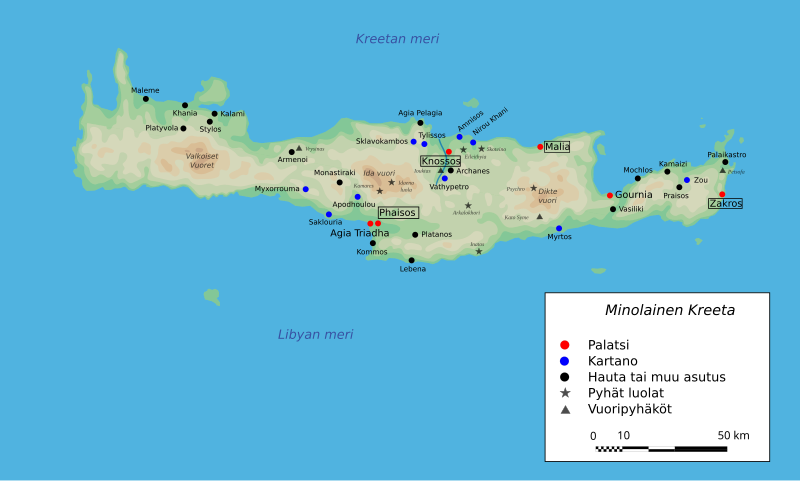
How Many Cities in Crete?

Schol. A. ad Il. 2.649

“Others have instead “those who occupy hundred-citied Crete” in response to those Separatists because they say that it is “hundred-citied Crete” here but “ninety-citied” in the Odyssey. Certainly we have “hundred-citied” instead of many cities, or he has a similar and close count now, but in the Odyssey lists it more precisely as is clear in Sophocles. Some claim that the Lakedaimonian founded ten cities.”

Ariston. ἄλλοι θ’ οἳ Κρήτην <ἑκατόμπολιν ἀμφενέμοντο>: πρὸς τοὺς Χωρίζοντας (fr. 2 K.), ὅτι νῦν μὲν ἑκατόμπολιν τὴν Κρήτην, ἐν ᾿Οδυσσείᾳ (cf. τ 174) δὲ ἐνενηκοντάπολιν. ἤτοι οὖν ἑκατόμπολιν ἀντὶ τοῦ πολύπολιν, ἢ ἐπὶ τὸν σύνεγγυς καὶ ἀπαρτίζοντα ἀριθμὸν κατενήνεκται νῦν, ἐν ᾿Οδυσσείᾳ δὲ τὸ ἀκριβὲς ἐξενήνοχεν, ὡς παρὰ Σοφοκλεῖ (fr. 813 N.2 = 899 P. = 899 R.). τινὲς δέ †φασι πυλαιμένη† τὸν Λακεδαιμόνιον δεκάπολιν κτίσαι.

Strabo, 10.15

“Because the poet sometimes calls Krete “hundred-citied” but at others, “ninety-cited”, Ephorus says that ten cities were founded after the battles at Troy by the Dorians who were following Althaimenes the Argive. But he also says that Odysseus names it “ninety-cities” This argument is persuasive. But others say that ten cities were destroyed by Idomeneus’ enemies. But the poet does not claim that Krete is “hundred-citied” during the Trojan War but in his time—for he speaks in his own language even if it is the speech of those who existed then, just as in the Odyssey when he calls Crete “ninety-citied”, it would be fine to understand it in this way. But if we were to accept that, the argument would not be saved. For it is not likely that the cities were destroyed by Idomeneus’ enemies when he was at war or came home from there, since the poet says that “Idomeneus led to Crete all his companions who survived the war and the sea killed none of them.

He would have mentioned that disaster. For Odysseus certainly would not have known of the destruction of the cities because he had not encountered any of the Greeks either during his wandering or after. And one who accompanied Idomeneus against Troy and returned with him would not have known what happened at home either during the expedition or the return from there. If Idomeneus was preserved with all his companions, he would have come back strong enough they his enemies were not going to be able to deprive him of ten cities. That’s my overview of the land of the Kretans.”

Τοῦ δὲ ποιητοῦ τὸ μὲν ἑκατόμπολιν λέγοντος τὴν Κρήτην, τὸ δὲ ἐνενηκοντάπολιν, Ἔφορος μὲν ὕστερον ἐπικτισθῆναι τὰς δέκα φησὶ μετὰ τὰ Τρωικὰ ὑπὸ τῶν Ἀλθαιμένει τῷ Ἀργείῳ συνακολουθησάντων Δωριέων· τὸν μὲν οὖν Ὀδυσσέα λέγει ἐνενηκοντάπολιν ὀνομάσαι· οὗτος μὲν οὖν πιθανός ἐστιν ὁ λόγος· ἄλλοι δ᾿ ὑπὸ τῶν Ἰδομενέως ἐχθρῶν κατασκαφῆναί φασι τὰς δέκα. ἀλλ᾿ οὔτε κατὰ τὰ Τρωικά φησιν ὁ ποιητὴς εκατοντάπολιν ὑπάρξαι τὴν Κρήτην, ἀλλὰ μᾶλλον κατ᾿ αὐτόν (ἐκ γὰρ τοῦ ἰδίου προσώπου λέγει· εἰ δ᾿ ἐκ τῶν τότε ὄντων τινὸς ἦν ὁ λόγος, καθάπερ ἐν τῇ Ὀδυσσείᾳ, ἡνίκα ἐνενηκοντάπολιν φράζει, καλῶς εἶχεν ἂν οὕτω δέχεσθαι), οὔτ᾿ εἰ συγχωρήσαιμεν τοῦτό γε, ὁ ἑξῆς λόγος σώζοιτ᾿ ἄν. οὔτε γὰρ κατὰ τὴν στρατείαν οὔτε μετὰ τὴν ἐπάνοδον τὴν ἐκεῖθεν τοῦ Ἰδομενέως εἰκός ἐστιν ὑπὸ τῶν ἐχθρῶν αὐτοῦ τὰς πόλεις ἠφανίσθαι ταύτας· ὁ γὰρ ποιητὴς φήσας, πάντας δ᾿ Ἰδομενεὺς Κρήτην εἰσήγαγ᾿ ἑταίρους, οἳ φύγον ἐκ πολέμου, πόντος δέ οἱ οὔτιν᾿ἀπηύρα·

καὶ τούτου τοῦ πάθους ἐμέμνητ᾿ ἄν· οὐ γὰρ δήπου Ὀδυσσεὺς μὲν ἔγνω τὸν ἀφανισμὸν τῶν πόλεων ὁ μηδενὶ συμμίξας τῶν Ἑλλήνων μήτε κατὰ τὴν πλάνην μήθ᾿ ὕστερον. ὁ δὲ καὶ συστρατεύσας τῷ Ἰδομενεῖ καὶ συνανασωθεὶς οὐκ ἔγνω τὰ συμβάντα οἴκοι αὐτῷ οὔτε κατὰ τὴν στρατείαν οὔτε τὴν ἐπάνοδον τὴν ἐκεῖθεν· ἀλλὰ μὴν οὐδὲ μετὰ τὴν ἐπάνοδον· εἰ γὰρ μετὰ πάντων ἐσώθη τῶν ἑταίρων, ἰσχυρὸς ἐπανῆλθεν, ὥστ᾿ οὐκ ἔμελλον ἰσχύσειν οἱ ἐχθροὶ τοσοῦτον, ὅσον δέκα ἀφαιρεῖσθαι πόλεις αὐτόν. τῆς μὲν οὖν χώρας τῶν Κρητῶν τοιαύτη τις ἡ περιοδεία.

File:Map Minoan Crete-fi.svg
There are not one hundred cities here.

Small Parts Make A Whole: Writing Advice from Demetrius

For more on Demetrius and our words for period, comma, and colon, see this post

Demetrius, On Style, 1-2

“Just as poetry is separated by meters—such as half-lines, hexameters, and the rest—so too will sections called clauses [kôla] separate and define prose composition. They allow rests to the speaker and what is spoken and they give the composition boundaries in many places, since it would be long and endless and would just exhaust anyone reading it otherwise.

These clauses are really meant to bring an end to a thought. Sometimes they convey a complete thought on their own, as when Hekataios says at the beginning of his History, “Hekataios speaks thus”. In this a case a whole thought coincides with a single clause and both end together. At another time, a clause doesn’t effect a complete thought, but merely part of one.

For, just as the hand is a whole thing but has individual parts of the whole, such as the fingers and the wrist—each of which has its own particular shape and recognizable parts—so too will the parts of a larger thought which is complete and whole be subsumed within it even though they too are recognizable and defined.”

(1) Ὥσπερ ἡ ποίησις διαιρεῖται τοῖς μέτροις, οἷον ἡμιμέτροις ἢ ἑξαμέτροις ἢ τοῖς ἄλλοις, οὕτω καὶ τὴν ἑρμηνείαν τὴν λογικὴν διαιρεῖ καὶ διακρίνει τὰ καλούμενα κῶλα, καθάπερ ἀναπαύοντα τὸν λέγοντά τε καὶ τὰ λεγόμενα αὐτά, καὶ ἐν πολλοῖς ὅροις ὁρίζοντα τὸν λόγον, ἐπεί τοι μακρὸς ἂν εἴη καὶ ἄπειρος καὶ ἀτεχνῶς πνίγων τὸν λέγοντα.

(2) βούλεται μέντοι διάνοιαν ἀπαρτίζειν τὰ κῶλα ταῦτα, ποτὲ μὲν ὅλην διάνοιαν, οἷον ὡς Ἑκαταῖός φησιν ἐν τῇ ἀρχῇ τῆς ἱστορίας, “Ἑκαταῖος Μιλήσιος ὧδε μυθεῖται”· συνείληπται γὰρ διάνοια τῷ κώλῳ ὅλῳ ὅλη, καὶ ἄμφω συγκαταλήγουσιν. ἐνίοτε μέντοι τὸ κῶλον ὅλην μὲν οὐ συμπεραιοῖ διάνοιαν, μέρος δὲ ὅλης ὅλον. ὡς γὰρ τῆς χειρὸς οὔσης ὅλου τινὸς μέρη αὐτῆς ὅλα ὅλης ἐστίν, οἷον δάκτυλοι καὶ πῆχυς (ἰδίαν γὰρ περιγραφὴν ἔχει τούτων τῶν μερῶν ἕκαστον, καὶ ἴδια μέρη), οὕτω καὶ διανοίας τινὸς ὅλης οὔσης μεγάλης ἐμπεριλαμβάνοιτ᾿ ἂν μέρη τινὰ αὐτῆς ὁλόκληρα ὄντα καὶ αὐτά·

Image result for greek bronze hand
From Christie’s Auction Catalogue

The History of Saturnalia, Part III: SaTURDnalia

Macrobius, Saturnalia 1.7:

“They attribute the grafting of sprigs and the cultivation of fruit and of all other productive plants to Saturn. The people of Cyrene, when they perform his sacred rites, are crowned with fresh fig and they send each other cakes, since they consider Saturn to have discovered honey and grain. The Romans even call him ‘Mr. Shit’ (Stercutus) because he first gave fecundity to the fields with manure. The time of his reign is said to have been the happiest, since there was no discrimination based on wealth, nor were people distinguished as either slave or free. This can be readily understood from the license which is permitted to slaves on the Saturnalia.”

Image result for sterculius
Huic deo insertiones surculorum pomorumque educationes et omnium huiuscemodi fertilium tribuunt disciplinas. Cyrenenses etiam, cum rem divinam ei faciunt, ficis recentibus coronantur placentasque mutuo missitant, mellis et fructuum repertorem Saturnum aestimantes. Hunc Romani etiam Stercutum vocant, quod primus stercore fecunditatem agris conparaverit. Regni eius tempora felicissima feruntur, cum propter rerum copiam tum quod nondum quisquam servitio vel libertate discriminabatur: quae res intellegi potest, quod Saturnalibus tota servis licentia permittitur.

Natural Law and Shared Belief

Cicero, Tusc. Disp 1.30

“Moreover, this seems to be the strongest point to offer on why we believe that there are gods—the fact there are no people so savage, no one in the world so bestial, that no thought of the gods touches his mind. While it is true that many people believe silly things about the gods—which customarily happens because of corrupted customs—still all people believe in divine power and divine nature. Furthermore, human conferences and consensus do not create this, nor is the idea affirmed by practices or laws, but in every matter the shared belief of all peoples must be considered a natural law.

Is there anyone who does not mourn the death of their loved ones because he believes that they have been deprived of life’s pleasures? Remove this belief and you will remove mourning. No one mourns for their own discomfort. People do feel pain, but the mourning and tears of sorrow come from that fact that we believe that a person whom we love has lost access to life’s pleasures and are aware of this. We are led by nature to believe this, not by any teaching or act of reason.”

Ut porro firmissimum hoc adferri videtur, cur deos esse credamus, quod nulla gens tam fera, nemo omnium tam est immanis, cuius mentem non imbuerit deorum opinio—multi de dis prava sentiunt, id enim vitioso more effici solet, omnes tamen esse vim et naturam divinam arbitrantur, nec vero id collocutio hominum aut consensus effecit, non institutis opinio est confirmata, non legibus, omni autem in re consensio omnium gentium lex naturae putanda est—quis est igitur qui suorum mortem primum non eo lugeat, quod eos orbatos vitae commodis arbitretur? Tolle hanc opinionem, luctum sustuleris. Nemo enim maeret suo incommodo: dolent fortasse et anguntur: sed illa lugubris lamentatio fletusque maerens ex eo est, quod eum, quem dileximus, vitae commodis privatum arbitramur idque sentire. Atque haec ita sentimus natura duce, nulla ratione nullaque doctrina.

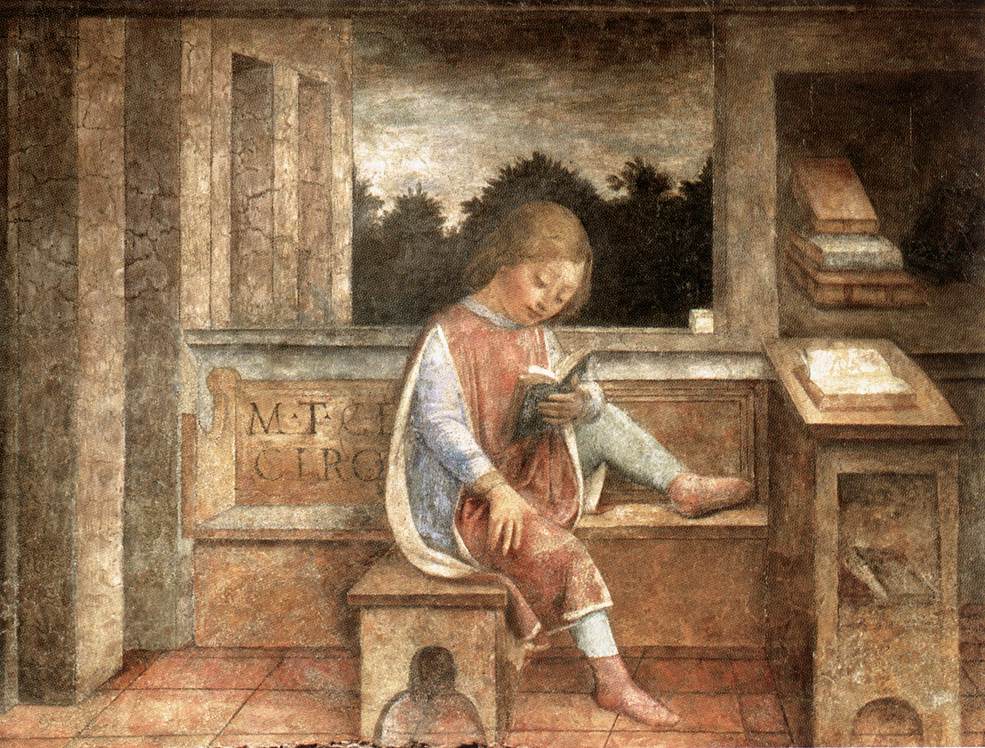
Young Cicero Reading

Tawdry Tuesday: Zeus, Ganymede, and a Cock

Greek Anthology, Antipater 5.77

“Hera twisted by the beauty of Ganymede once spoke
As she suffered the heart-rending stab of jealousy in her heart:
“Troy ignited a male fire for Zeus—and so I will send
A fire at Troy, a pain bearing Paris.
No eagle will come to Troy again, but vultures
Will go to the feast when the Greeks get the spoils for their toils.”

Πριομένα κάλλει Γανυμήδεος εἶπέ ποθ᾿ Ἥρα,
θυμοβόρον ζάλου κέντρον ἔχουσα νόῳ·
“Ἄρσεν πῦρ ἔτεκεν Τροία Διΐ· τοιγὰρ ἐγὼ πῦρ
πέμψω ἐπὶ Τροίᾳ, πῆμα φέροντα Πάριν·
ἥξει δ᾿ Ἰλιάδαις οὐκ ἀετός, ἀλλ᾿ ἐπὶ θοίναν
γῦπες, ὅταν Δαναοὶ σκῦλα φέρωσι πόνων.”

Sometimes an Eagle Does show up in stories of Zeus and Ganymede. 

Greek Anthology 12.211

“Go to bright heaven, go carrying the child,
Eagle, keep your twin wings spread wide.
Go holding gentle Ganymede and do not drop
Zeus’ wine-bearer of the sweetest cups.
But be careful not to bloody him with your clawed feet
So that Zeus, upset, won’t hurt you.”

Στεῖχε πρὸς αἰθέρα δῖον, ἀπέρχεο παῖδα κομίζων,
αἰετέ, τὰς διφυεῖς ἐκπετάσας πτέρυγας,
στεῖχε τὸν ἁβρὸν ἔχων Γανυμήδεα, μηδὲ μεθείης
τὸν Διὸς ἡδίστων οἰνοχόον κυλίκων·
φείδεο δ᾿ αἱμάξαι κοῦρον γαμψώνυχι ταρσῷ,
μὴ Ζεὺς ἀλγήσῃ, τοῦτο βαρυνόμενος.

MFA #01.8114

Image result for ganymede rooster Zeus
Terracotta of Zeus with Ganymede (LIMC 56; from Olympia)
Image result for ganymede rooster Zeus
Attic red-figured hydria
Attributed to Eupolis P. by Beazley
Approx. 450 -440 BC
This image from the MFA shows Zeus contemplating what to do with his cock.
Image result for ganymede rooster Zeus Black figure
Zeus pursuing Ganymedes, Athenian red-figure kantharos C5th B.C., Museum of Fine Arts Boston

History of Saturnalia, Part II:

Macrobius, Saturnalia 1.7:

“When Janus first stamped images onto bronze coins, he maintained his reverence to Saturn to such a degree that, since he had come to Italy by boat, one side of the coin would show an image of his head, while the other side displayed a ship; in this way he propagated Saturn’s memory for future generations. Copper thus marked is even today understood to apply to dice games, when boys throwing their coins into the air playfully exlaim ‘heads or ships’ as a testament to the practice’s antiquity. Most agree that Janus and Saturn ruled together in peace and founded neighboring towns with communal labor, excepting the claims of Vergil who writes,

This spot was given the name of Janiculum, and that one was given the name Saturnian

It also comes to mind that later generations dedicated two successive months to them, as December is sacred to Saturn, while January bears the name of Janus. When amidst all of this Saturn suddenly disappeared from notice, Janus contrived some augmentation of his honors. First, he named all of the land which obeyed his decree ‘Saturnia.’ Then he established an altar with sacred rites to Saturn as though to a god, which he called ‘Saturnalia.’ By so many generations do the Saturnalia precede the age of Rome herself! He then ordered him to be revered with the majesty of religion as the author of a better life for humans. His statue serves as a sign of this: he added to it a scythe, that symbol of the harvest.

Image result for keep saturn in saturnalia
Cum primus quoque aera signaret, servavit et in hoc Saturni reverentiam, ut, quoniam ille navi fuerat advectus, ex una quidem parte sui capitis effigies, ex altera vero navis exprimeretur, quo Saturni memoriam in posteros propagaret. Aes ita fuisse signatum hodieque intellegitur in aleae lusum, cum pueri denarios in sublime iactantes capita aut navia lusu teste vetustatis exclamant. 23 Hos una concordesque regnasse vicinaque oppida communi opera condidisse praeter Maronem, qui refert:
Ianiculum huic, illi fuerat Saturnia nomen,
etiam illud in promptu est, quod posteri quoque duos eis continuos menses dicarunt, ut December sacrum Saturni, Ianuarius alterius vocabulum possideret. 24 Cum inter haec subito Saturnus non conparuisset, excogitavit Ianus honorum eius augmenta. Ac primum terram omnem ditioni suae parentem Saturniam nominavit: aram deinde cum sacris tamquam deo condidit, quae Saturnalia nominavit. Tot seculis Saturnalia praecedunt Romanae urbis aetatem. Observari igitur eum iussit maiestate religionis quasi vitae melioris auctorem: simulacrum eius indicio est, cui falcem, insigne messis, adiecit.

Obscenity & Bungled Neuter Nouns

Unfortunately, Lawrence’s stylistic preference for dramatic repetitions of the Latin phrases which he employs here simply remove any doubt that it was a mere slip of the pen:

D.H. Lawrence, Pornography and Obscenity:

The same with the word obscene: nobody knows what it means. Suppose it were derived from obscena: that which might not be represented on the stage,—how much further are you? None! What is obscene to Tom is not obscene to Lucy or Joe, and really, the meaning of a word has to wait for majorities to decide it. If a play shocks ten people in an audience, and doesn’t shock the remaining five hundred, then it is obscene to ten and innocuous to five hundred: hence,the play is not obscene, by majority. But Hamlet shocked all the Cromwellian Puritans, and shocks nobody today, and some Aristophanes shocks everybody today, and didn’t galvanise the later Greeks at all, apparently. Man is a changeable beast, and words change their meanings with him, and things are not what they seemed, and what’s what becomes what isn’t,and if we think we know where we are it’s only because we are so rapidly being translated to somewhere else. We have to leave everything to the majority,everything to the majority, everything to the mob, the mob, the mob. They know what is obscene and what isn’t, they do. If the lower ten million doesn’t know better than the upper ten men, then there’s something wrong with mathematics. Take a vote on it! Show hands, and prove it by count! Vox populi, vox Dei. Odi profanum vulgum. Profanum vulgum! profanum vulgum. [sic – Read ‘vulgus’.]

So it comes down to this: if you are talking to the mob, the meaning of your words is the mob-meaning, decided by majority. As somebody wrote to me: the American law on obscenity is very plain, and America is going to enforce the law.—Quite, my dear, quite, quite, quite! The mob knows all about obscenity. Mild little words that rhyme with spit or farce are the height of obscenity. Supposing a printer put “h” in the place of “p”, by mistake, in that mere word spit? Then the great American public knows that this man has committed an obscenity, an indecency,that his act was lewd, and as a compositor he was pornographical. You can’t tamper with the great public, British or American. Vox populi, vox Dei, don’t you know. If you don’t we’ll let you know it.—At the same time,this vox Dei shouts with praise over movie-pictures and books and newspaper accounts that seem, to a sinful nature like mine, completely disgusting and obscene. Like a real prude and Puritan, I have to look the other way. When obscenity becomes mawkish, which is its palatable form for the public, and when the Vox populi, vox Dei is hoarse with sentimental indecency, then I have to steer away,like a Pharisee, afraid of being contaminated. There is a certain kind of sticky universal pitch that I refuse to touch.

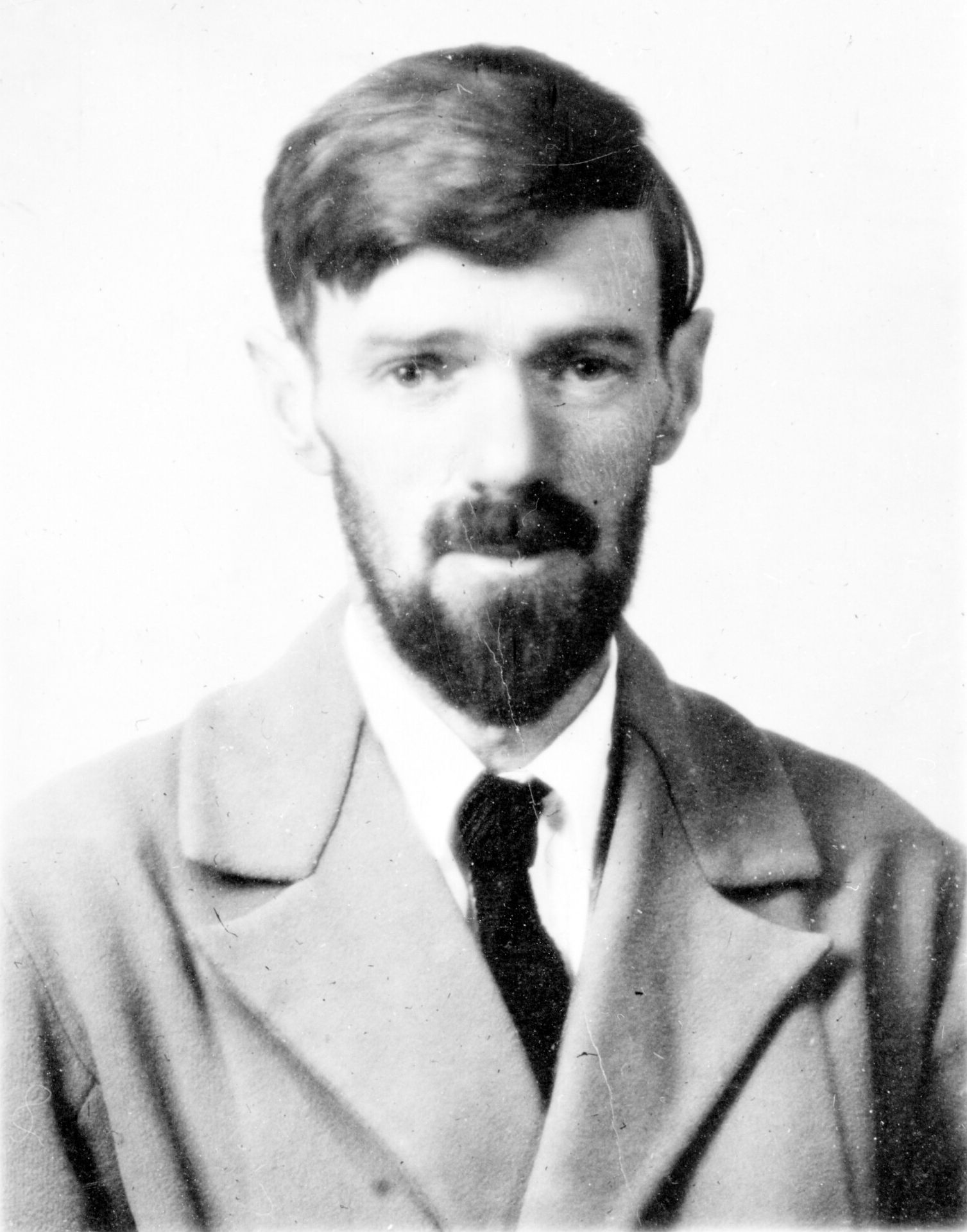
Image result for dh lawrence

“Will I Conceive Like Other Women?” Mary and Gabriel in the Protoevangelium of James

This is a continuation of the Christmas Story in the apocryphal Gospel of James [also sometimes called the “Infancy” Gospel” or the Protoevangelium of James].

The Gospel According to James, 10–11

10.“There was another council of the priests where they were saying, “Let’s make a veil for the temple of the Lord.” Then a priest said, “Call to me her seven unsullied maidens from the tribe of David.” So his assistants went out and looked for seven and found six. Then the priest remembered that Mary was from the tribe of David and was unsullied. So his assistants went and brought her back.

The priest led the virgins into the temple of the Lord and said, “Draw lots for me here as to who will weave the gold and unsullied cloth and the silk and linen and hyacinth and the red and the undiluted purple. The red and purple lot fell to Mary. She took it and went to her home. In that season, Zakharias went silent. Mary took the red and was weaving it.

11. Later, she went out with a pitcher to fill it with water, and , look, there was a voice speaking, “Greetings, most gracious one, the Lord is with you and you are blessed among women.” Then Mary was looking left and right for where the voice came from. Filled with a tremble, she returned to her house where she put the pitcher down, took up the purple again, sat down on a seat and was working it. Then, look, an angel of the Lord appeared and said to hear, “Don’t be afraid, Mary, for you have found grace from the Lord openly and you will conceive from his word.”

Once Mary heard this, she responded, asking, “Will I conceive, as every woman bears children?” and the messenger responded to her, “Not, in that way, Mary. For the power of God will cast a shadow over you and from that a sacred child will be born from you who will be called the Son of the Highest. And you will give him the name Jesus. For he will save his people from their sins.” And Mary said, “Look, I am the slave of the Lord. May it happen according to your word.”

10.1 Ἐγένετο δὲ συμβούλιον τῶν ἱερέων λεγόντων: ποιήσωμεν καταπέτασμα τῷ ναῷ κυρίου. καὶ εἶπεν ὁ ἱερεύς: καλέσατέ μοι ὧδε ἑπτὰ παρθένους ἀμιάντους ἐκ φυλῆς Δαυίδ. καὶ ἀπῆλθον οἱ ὑπηρέται καὶ εὕρησαν ἑπτά (εὗρον ἕξ). καὶ ἐμνήσθη ὁ ἱερεύς, ὅτι Μαρία ἐκ φυλῆς Δαυίδ ἐστι καὶ ἀμίαντός ἐστιν. καὶ ἀπῆλθαν οἱ ὑπηρέται καὶ ἤγαγον αὐτήν. καὶ εἰσήγαγεν αὐτὰς ὁ ἱερεὺς ἐν τῷ ναῷ κυρίου καὶ εἶπεν: λάχετέ μοι ὧδε, τίς νήσει τὸ χρυσίον καὶ τὸ ἀμίαντον καὶ τὸ βύσσινον καὶ τὸ σηρικοῦν καὶ τὸ ὑάκινθον καὶ τὸ κόκκινον καὶ τὴν ἀληθινὴν πορφύραν. καὶ ἔλαχεν τὴν Μαριὰμ τὸ κόκκινον καὶ ἡ ἀληθινὴ πορφύρα. καὶ λαβοῦσα ἀπῆλθεν εἰς τὸν οἶκον αὐτῆς. τῷ δὲ καιρῷ ἐκείνῳ Ζαχαρίας ἐσίγησεν. Μαριὰμ δὲ λαβοῦσα τὸ κόκκινον ἔκλωσεν.

11.1 Καὶ λαβοῦσα κάλπιν ἐξῆλθεν γεμίσαι ὕδωρ, καὶ ἰδοὺ φωνὴ λέγουσα: χαῖρε κεχαριτωμένη, ὁ κύριος μετὰ σοῦ, εὐλογημένη σὺ ἐν γυναιξί. καὶ περιεβλέπετο δεξιὰ καὶ ἀριστερά, πόθεν αὕτη ἡ φωνὴ ὑπάρχει, καὶ ἔντρομος γενομένη ἀπῆλθεν εἰς τὸν οἶκον αὐτῆς. καὶ ἀναπαύσασα τὴν κάλπην ἔλαβε πάλιν τὴν πορφύραν καὶ ἐκάθισεν ἐπὶ τὸν θρόνον καὶ εἷλκεν αὐτήν. 2 καὶ ἰδοὺ ἄγγελος κυρίου ἐπέστη λέγων αὐτῇ: μὴ φοβοῦ, Μαριάμ, εὗρες γὰρ χάριν ἐνώπιον τοῦ θεοῦ καὶ συλλήψῃ ἐκ λόγου αὐτοῦ. ἀκούσασα δὲ Μαριὰμ διεκρίθη ἐν ἑαυτῇ λέγουσα: ἐγὼ συλλήψομαι, ὡς πᾶσα γυνὴ γεννᾷ; 3 καὶ λέγει πρὸς αὐτὴν ὁ ἄγγελος: οὐχ οὕτως, Μαριάμ: δύναμις γὰρ θεοῦ ἐπισκιάσει σοι, διὸ καὶ τὸ γεννόμενον (ἐκ σοῦ) ἅγιον κληθήσεται υἱὸς ὑψίστου, καὶ καλέσεις τὸ ὄνομα αὐτοῦ Ἰησοῦν: αὐτὸς γὰρ σώσει τὸν λαὸν αὐτοῦ ἀπὸ τῶν ἁμαρτιῶν αὐτῶν. καὶ εἶπεν Μαριάμ: ἰδοὺ ἡ δούλη κυρίου: γένοιτό μοι κατὰ τὸ ῥῆμά σου.

The Annunciation (detail) by Philippe de Champaigne