A Mere Scholar, A Mere Ass

Robert Burton, The Anatomy of Melancholy 1.2.3:

“Hear Tully pro Archia Poeta: whilst others loitered, and took their pleasures, he was continually at his book, so they do that will be scholars, and that to the hazard (I say) of their healths, fortunes, wits, and lives. How much did Aristotle and Ptolemy spend? unius regni precium they say, more than a king’s ransom; how many crowns per annum, to perfect arts, the one about his History of Creatures, the other on his Almagest? How much time did Thebet Benchorat employ, to find out the motion of the eighth sphere? forty years and more, some write: how many poor scholars have lost their wits, or become dizzards, neglecting all worldly affairs and their own health, wealth, esse and bene esse, to gain knowledge for which, after all their pains, in this world’s esteem they are accounted ridiculous and silly fools, idiots, asses, and (as oft they are) rejected, contemned, derided, doting, and mad. Look for examples in Hildesheim spicel. 2, de mania et delirio: read Trincavellius, l. 3. consil. 36, et c. 17. Montanus, consil. 233. Garceus de Judic. genit. cap. 33. Mercurialis, consil. 86, cap. 25. Prosper Calenius in his Book de atra bile; Go to Bedlam and ask. Or if they keep their wits, yet they are esteemed scrubs and fools by reason of their carriage: after seven years’ study

———statua, taciturnius exit,
Plerumque et risum populi quatit.———

He becomes more silent than a statue, and generally excites people’s laughter. Because they cannot ride a horse, which every clown can do; salute and court a gentlewoman, carve at table, cringe and make conges, which every common swasher can do, hos populus ridet, &c., they are laughed to scorn, and accounted silly fools by our gallants. Yea, many times, such is their misery, they deserve it: a mere scholar, a mere ass.”
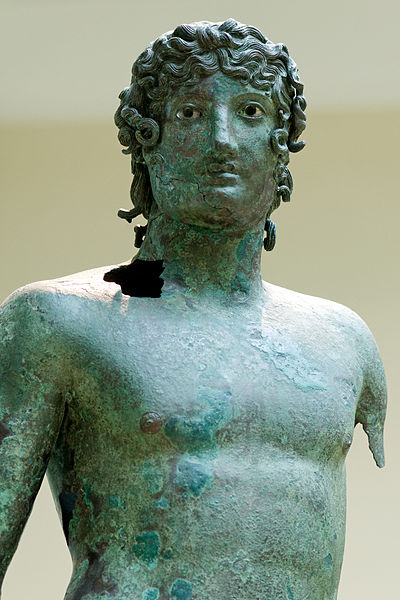
Image result for medieval manuscript reading

Humankind’s Slow Upbringing and What Fathers See

Plutarch, On Affection for Offspring 496e-497a

“The one who planted grapes at the spring equinox harvests them in the fall; he sowed wheat when the Pleaides were setting and reaped them as they rose. Cows, horses, and birds bear young who are already useful—but humankind’s offspring grows slowly and with much toil; our excellence is far away and most fathers die before we attain it.

Neokles did not see Themistokles’ Salamis; Miltiades’ did not witness Cimon’s Eurymedon; Xanthippus never heard Perikles addressing the people nor did Aristôn hear Plato’s philosophy. The fathers of Euripides and Sophokles did not know the victories of their sons. But they did hear their lisping and their first syllables; and they saw their parties, and drinking, and crazy loves—whatever kind of nonsense young men pursue…”

ἀμπελῶν᾿ ἰσημερίας ἐαρινῆς σκάψας μετοπωρινῆς ἐτρύγησε, πυρὸν ἔσπειρε δυομένης Πλειάδος εἶτ᾿ ἀνατελλούσης θερίζει, βόες καὶ ἵπποι καὶ ὄρνιθες ἕτοιμα τίκτουσιν ἐπὶ τὰς χρείας· ἀνθρώπου δ᾿ ἡ μὲν ἐκτροφὴ πολύπονος ἡ δ᾿ αὔξησις βραδεῖα, τῆς δ᾿ ἀρετῆς μακρὰν οὔσης προαποθνήσκουσιν οἱ πλεῖστοι πατέρες. οὐκ ἐπεῖδε τὴν Σαλαμῖνα Νεοκλῆς τὴν Θεμιστοκλέους οὐδὲ τὸν Εὐρυμέδοντα Μιλτιάδης τὸν Κίμωνος, οὐδ᾿ ἤκουσε Περικλέους Ξάνθιππος δημηγοροῦντος οὐδ᾿ Ἀρίστων Πλάτωνος φιλοσοφοῦντος, οὐδ᾿ Εὐριπίδου καὶ Σοφοκλέους νίκας οἱ πατέρες ἔγνωσαν· ψελλιζόντων καὶ συλλαβιζόντων ἠκροῶντο καὶ κώμους καὶ πότους καὶ ἔρωτας αὐτῶν οἷα νέοι πλημμελούντων ἐπεῖδον…

Plutarch, On the Education of Children 20

“Once I add a few more things, I will complete my proposals. Beyond all other things, it is necessary that fathers, by avoiding transgressions and doing everything that is required, offer themselves as a clear example to their children, so that when looking at their father’s life as if in a mirror they may turn away from shameful deeds and words. Whoever makes the same mistakes as those for which they punish their sons become their own accusers under their sons’ names without realizing it . Men who live life poorly in every way do not possess the right to criticize their slaves, much less their sons. In addition, they could become their sons’ advisers and teachers of crime. For whenever old men behave shamefully, it is by necessity that their young are the most shameless.”

Βραχέα δὲ προσθεὶς ἔτι περιγράψω τὰς ὑποθήκας. πρὸ πάντων γὰρ δεῖ τοὺς πατέρας τῷ μηδὲν ἁμαρτάνειν ἀλλὰ πάνθ’ ἃ δεῖ πράττειν ἐναργὲς αὑτοὺς παράδειγμα τοῖς τέκνοις παρέχειν, ἵνα πρὸς τὸν τούτων βίον ὥσπερ κάτοπτρον ἀποβλέποντες ἀποτρέπωνται τῶν αἰσχρῶν ἔργων καὶ λόγων. ὡς οἵτινες τοῖς ἁμαρτάνουσιν υἱοῖς ἐπιτιμῶντες τοῖς αὐτοῖς ἁμαρτήμασι περιπίπτουσιν, ἐπὶ τῷ ἐκείνων ὀνόματι λανθάνουσιν ἑαυτῶν κατήγοροι γιγνόμενοι• τὸ δ’ ὅλον φαύλως ζῶντες οὐδὲ τοῖς δούλοις παρρησίαν ἄγουσιν ἐπιτιμᾶν, μή τί γε τοῖς υἱοῖς. χωρὶς δὲ τούτων γένοιντ’ ἂν αὐτοῖς τῶν ἀδικημάτων σύμβουλοι καὶ διδάσκαλοι. ὅπου γὰρ γέροντές εἰσιν ἀναίσχυντοι, ἐνταῦθ’ ἀνάγκη καὶ νέους ἀναιδεστάτους εἶναι.

Euripides, Supp. 1101-2

“Nothing is sweeter to an old father than a daughter”

πατρὶ δ᾽ οὐδὲν †ἥδιον†

γέροντι θυγατρός

Image result for medieval manuscript fathers

Re-use Suggestions for Toppled Statues

Diogenes Laertius, Lives of the Eminent Philosophers 5.5: Life of Demetrius (c. 350-280 BCE) 75 and 77

“Demetrios, the son of Phanostratos, from Phalerum. This guy was a student of Theophrastus. He was the lead of the city of Athens for ten years through his public speeches and was publicly awarded three hundred bronze statues for this, the vast majority of them had him on horse or chariot or with a pair of horse. He was supported so much that these statues were finished in not even 30 days.

[…]

Δημήτριος Φανοστράτου Φαληρεύς. οὗτος ἤκουσε μὲν Θεοφράστου· δημηγορῶν δὲ παρ᾿ Ἀθηναίοις τῆς πόλεως ἐξηγήσατο ἔτη δέκα, καὶ εἰκόνων ἠξιώθη χαλκῶν ἑξήκοντα πρὸς ταῖς τριακοσίαις, ὧν αἱ πλείους ἐφ᾿ ἵππων ἦσαν καὶ ἁρμάτων καὶ συνωρίδων, συντελεσθεῖσαι ἐν οὐδὲ τριακοσίαις ἡμέραις· τοσοῦτον ἐσπουδάσθη.

“Although he was super famous among the Athenians,  his light dimmed later on under the shadow of envy, which consumes everything. After he was indicted by some people on a charge carrying a penalty of death, he did not appear in court. When his opponents could not catch him in person, they took it out on his statues. Once they tore the statues down, they sold some, sank some in the sea, and broke others up for chamber pots. A single one is left on the Akropolis.”

Σφόδρα δὲ λαμπρὸς ὢν παρὰ τοῖς Ἀθηναίοις, ὅμως ἐπεσκοτήθη καὶ αὐτὸς ὑπὸ τοῦ τὰ πάντα 77διεσθίοντος φθόνου. ἐπιβουλευθεὶς γὰρ ὑπό τινων δίκην θανάτου οὐ παρὼν ὦφλεν. οὐ μὴν ἐκυρίευσαν τοῦ σώματος αὐτοῦ, ἀλλὰ τὸν ἰὸν ἀπήρυγον εἰς τὸν χαλκόν, κατασπάσαντες αὐτοῦ τὰς εἰκόνας καὶ τὰς μὲν ἀποδόμενοι, τὰς δὲ βυθίσαντες, τὰς δὲ κατακόψαντες εἰς ἀμίδας· λέγεται γὰρ καὶ τοῦτο. μία δὲ μόνη σώζεται ἐν ἀκροπόλει.

File:Bronze youth BM Br828 n3.jpg
A bronze statue of a young man. Roman Copy. Not Demetrius.

Demetrius may have been a pro-Macedonian puppet. Thanks to @skaios_ from twitter for suggesting this passage.

Insane in the Membrane

Isidore of Seville, Etymologies 6.11:

On Parchment:

The kings of Pergamum were the first to think up membrana (skins) when they were in need of paper. For this reason, the name of Pergamenae has been preserved by the tradition of posterity all the way to our time. They are also called membranes because they are taken from the limbs (membris) of animals. At first, they were of a yellowish color (that is, the color of saffron), but later, white membrana were discovered in Rome. It was discovered that this was inconvenient, since they easily grew dirty, and would harm the eyesight of the reader, since indeed, more experienced architects think that golden ceiling panels should not be placed in libraries and that floors should not be made from any marble other than that from Carystos, since the resplendence of gold weakens while the greenness of the Carystean marble restores the eyesight. For those who learn money-changing place myrtle cloths on the forms of the denarii, and the engravers of gems immediately look at the backs of beetles, than which nothing could be more green, and painters do the same thing in order to restore the labor of their vision by their viridity. Some of the membrana are shining white by nature. The yellow membranum is bicolor, because it is dyed by its maker in one part – that is, it is yellowed. Thus, Persius writes

and now the book and the membrane, bicolor after losing their hairs.

Purple ones are tinged with a purple color, in which liquid gold and silver might show forth in the letters.

parchment-making

DE PERGAMENIS. Pergameni reges cum carta indigerent, membrana primi excogitaverunt. Vnde et pergamenarum nomen hucusque tradente sibi posteritate servatum est. Haec et membrana dicuntur, quia ex membris pecudum detrahuntur. Fiebant autem primum coloris lutei, id est crocei, postea vero Romae candida membrana reperta sunt; quod apparuit inhabile esse, quod et facile sordescant, aciemque legentiuni laedant; cum peritiores architecti neque aurea lacunaria ponenda in bibliothecis putent neque pavimenta alia quam e Carysteo marmore, quod auri fulgor hebetat et Carystei viriditas reficiat oculos. Nam et qui nummulariam discunt, denariorum formis myrteos pannos subiciunt, et gemmarum sculptores scarabaeorum terga, quibus nihil est viridius, subinde respiciunt, et pictores [idem faciunt, ut laborem visus eorum viriditate recreent]. Membrana autem aut candida aut lutea aut purpurea sunt. Candida naturaliter existunt. Luteum membranum bicolor est, quod a confectore una tinguitur parte, id est crocatur. De quo Persius (3,10):

Iam liber et positis bicolor membrana capillis.

Purpurea vero inficiuntur colore purpureo, in quibus aurum et argentum liquescens patescat in litteris.


Plutarch’s Advice On What To Watch

Plutarch’s prepared guidelines for choosing what to watch on Netflix.

Plutarch, Pericles 1.1

“When Caesar saw that many wealthy foreigners in Rome were carrying around and caring for puppies and monkey babies, he asked whether or not their wives bore children—he was warning in a masterly way that they were wasting our innate love and affection on beasts when it is owed to human beings.

Therefore, when our soul naturally possesses a certain love of learning and love of observation, isn’t it logical to rebuke people who fail to use it for anything worthy of hearing or seeing, people who neglect what is noble or useful?

Perhaps it is necessary for our perception—which apprehends the things it meets through the experience of their force—to examine everything which appears for whether it is useful or not. But each person, if he wishes to use his mind, can naturally turn himself away and change most easily to gaze upon something which seems right—with the result that it is necessary to pursue what is best, not only to look at it, but to be enriched by doing so.”

 Ξένους τινὰς ἐν Ῥώμῃ πλουσίους κυνῶν τέκνα καὶ πιθήκων ἐν τοῖς κόλποις περιφέροντας καὶ ἀγαπῶντας ἰδὼν ὁ Καῖσαρ, ὡς ἔοικεν, ἠρώτησεν εἰ παιδία παρ᾿ αὐτοῖς οὐ τίκτουσιν αἱ γυναῖκες, ἡγεμονικῶς σφόδρα νουθετήσας τοὺς τὸ φύσει φιλητικὸν ἐν ἡμῖν καὶ φιλόστοργον εἰς θηρία καταναλίσκοντας ἀνθρώποις ὀφειλόμενον.  ἆρ᾿ οὖν, ἐπεὶ φιλομαθές τι κέκτηται καὶ φιλοθέαμον ἡμῶν ἡ ψυχὴ φύσει, λόγον ἔχει ψέγειν τοὺς καταχρωμένους τούτῳ πρὸς τὰ μηδεμιᾶς ἄξια σπουδῆς ἀκούσματα καὶ θεάματα, τῶν δὲ καλῶν καὶ ὠφελίμων παραμελοῦντας; τῇ μὲν γὰρ αἰσθήσει κατὰ πάθος τῆς πληγῆς ἀντιλαμβανομένῃ τῶν προστυγχανόντων ἴσως ἀνάγκη πᾶν τὸ φαινόμενον, ἄν τε χρήσιμον ἄν τ᾿ ἄχρηστον ᾖ,  θεωρεῖν, τῷ νῷ δ᾿ ἕκαστος εἰ βούλοιτο χρῆσθαι, καὶ τρέπειν ἑαυτὸν ἀεὶ καὶ μεταβάλλειν ῥᾷστα πρὸς τὸ δοκοῦν πέφυκεν, ὥστε χρὴ διώκειν τὸ βέλτιστον, ἵνα μὴ θεωρῇ μόνον, ἀλλὰ καὶ τρέφηται τῷ θεωρεῖν.


Image result for ancient roman theater

For the Solstice: Which Season is Sweetest?

Check out the Center for Hellenic Studies’ Festival of the Muse today!

Bion, fr. 2 (preserved in Stobaeus 1.8.39)

Kleodamos

Myrsôn, what do you find sweet in the spring,
The winter, fall, or summer? Which do you pray for the most?
Is it summer when everything we have worked for is done,
Or is fall sweeter, when hunger is light for men,
Or is it winter, bad for work, when because of the season
Many warm themselves delighting in laziness and relaxation—
Or, surely, is it noble spring which pleases you more?
Tell me what’s on your mind, since leisure has allowed us to chat.

Myrsos

It is not right for mortals to judge divine deeds—
For all these things are sacred and sweet. But for you, Kleodamos,
I will confess what seems sweeter to me than the rest.
I do not wish for the summer, since the sun cooks me then.
I do not wish for the Fall, since that season brings disease.
The Winter brings ruinous snow—and I have chilling fear.
I long for  Spring three times as much for the whole year,
When neither the cold nor the heat weigh upon me.
Everything is pregnant in the spring, everything grows sweet in springtime
When humans have nights and days as equal, nearly the same.”

ΚΛΕΟΔΑΜΟΣ
Εἴαρος, ὦ Μύρσων, ἢ χείματος ἢ φθινοπώρω
ἢ θέρεος τί τοι ἁδύ; τί δὲ πλέον εὔχεαι ἐλθεῖν;
ἦ θέρος, ἁνίκα πάντα τελείεται ὅσσα μογεῦμες,
ἢ γλυκερὸν φθινόπωρον, ὅκ’ ἀνδράσι λιμὸς ἐλαφρά,
ἢ καὶ χεῖμα δύσεργον—ἐπεὶ καὶ χείματι πολλοί
θαλπόμενοι θέλγονται ἀεργίᾳ τε καὶ ὄκνῳ—
ἤ τοι καλὸν ἔαρ πλέον εὔαδεν; εἰπὲ τί τοι φρήν
αἱρεῖται, λαλέειν γὰρ ἐπέτραπεν ἁ σχολὰ ἄμμιν.

ΜΥΡΣΩΝ
κρίνειν οὐκ ἐπέοικε θεήια ἔργα βροτοῖσι,
πάντα γὰρ ἱερὰ ταῦτα καὶ ἁδέα· σεῦ δὲ ἕκατι
ἐξερέω, Κλεόδαμε, τό μοι πέλεν ἅδιον ἄλλων.
οὐκ ἐθέλω θέρος ἦμεν, ἐπεὶ τόκα μ’ ἅλιος ὀπτῇ·
οὐκ ἐθέλω φθινόπωρον, ἐπεὶ νόσον ὥρια τίκτει.
οὖλον χεῖμα φέρει νιφετόν, κρυμὼς δὲ φοβεῦμαι.
εἶαρ ἐμοὶ τριπόθητον ὅλῳ λυκάβαντι παρείη,
ἁνίκα μήτε κρύος μήθ’ ἅλιος ἄμμε βαρύνει.
εἴαρι πάντα κύει, πάντ’ εἴαρος ἁδέα βλαστεῖ,
χἀ νὺξ ἀνθρώποισιν ἴσα καὶ ὁμοίιος ἀώς.

Season Words

Spring: ἔαρ, τὸ: from IE *ves-r, cf. vernal.

Summer: θέρος, τὸ: from a root meaning “warm, heat”

Winter: χεῖμα, τὸ (ancient word for winter)

Fall: φθινόπωρον, τό:  from φθιν (φθίω “decay, waste, dwindle”)+ ὀπώρα (“end of summer, harvest”)

Ecclesiastes, 3 Latin Vulgate

omnia tempus habent et suis spatiis transeunt universa sub caelo
tempus nascendi et tempus moriendi tempus plantandi
et tempus evellendi quod plantatum est


London, British Library, MS Sloane 2435, f. 23r.

Fronto on How to Wear a Mask

Marcus Cornelius Fronto to Antoninus Augustus Ambr. 390 17

“Aesopus the tragedian reportedly never put a mask on his face until he had looked at it for awhile from the other side so that he might change his gestures and alter his voice in line with the appearance of the mask.”

Tragicus Aesopus fertur non prius ullam suo induisse capiti personam, antequam diu ex adverso contemplaret, ut pro personae voltu gestum sibi capessere ac vocem <adsimulare posset>

Enter a caption

Weak fact checking like this from USA Today misses out on the complex factors attending mask wearing. Math and logic can fix this. WashPo aggregates some studies which support it.

You can support the Sportula and get a cool mask from redbubble designed by Amy Pistone

Owl Hoplite color - Amy Pistone


Groaning Under the Load of Scholarship

Mark Pattison, Isaac Casaubon:

“The renaissance, the spring-tide of modern life, with its genial freshness, is far behind us. The creative period is past, the accumulative is set in. Genius can now do nothing, the day is to dull industry. The prophet is departed, and in his place we have the priest of the book. Casaubon knows so much of ancient lore, that not only his faculties, but his spirits are oppressed by the knowledge. He can neither create nor enjoy; he groans under his load. The scholar of 1500 gambols in the free air of classical poetry, as in an atmosphere of joy. The scholar of 1600 has a century of compilation behind him, and ‘drags at each remove a lengthening chain.’ If anyone thinks that to write and read books is a life of idleness, let him look at Casaubon’s diary. Pope, during his engagement on Homer, used to be haunted by it in his dreams, and ‘wished to be hanged a hundred times.’ Vergil, having undertaken the Aeneid, said of himself that ‘he thought he must have been out of his senses when he did so.’ But of the blood and sweat, the groans and sighs, which enter into the composition of a folio volume of learned research, no more faithful record has ever been written than Casaubon’s ‘Ephemerides.’ Throughout its entire progress, the ‘ Animadversiones’ on Athenaeus was an ungrateful and irksome task, ‘catenati in ergastulo labores [the chained-up labors in the little workshop].‘ He can hardly open Athenaeus without disgust, and he prays God, day by day, that he may get away from such trifles to better reading.”

Image result for medieval scholar

Come and Drink! A Blessing Equal to Fire

Panyasis is an epic poet from the 5th century BCE. We have a few long fragments of his Heraklea.

Panyasis fr. 19 [also cited at Athenaeus 37a 12–13; Stob. 3.18.21]

“Friend, come and drink! For this itself is also a virtue,
Whenever someone drinks the most wine at the feast
Using the best techniques, and also encourages his friends.

Yes, the man who is fast at the feast is equal to one in war,
Working through the grievous battles, where few people
Are actually brave and withstand the rushing war.

I think that his glory is equal when someone delights in
Being there at the feast and encourages the rest of the band too.
For a mortal does not seem to me to live or to have the life
Of a mortal who knows pain, if he sits there
Restraining his heart from wine—no, he’s an idiot.

For wine is a blessing for mortals equal to fire,
A fine armor against evil and companion for song.
It has its own share of the feast and of reward,
It has the power of dance, of bewitching love,
And is a shelter from worry and sadness.

So, you need to drink to the dedication at the feast
With a happy spirit—don’t sit with a full stomach,
Sated like a vulture who has forgotten happiness.”

“ξεῖν᾿, ἄγε δὴ καὶ πῖν᾿· ἀρετή νύ τίς ἐστι καὶαὕτη,
ὅς κ᾿ ἀνδρῶν πολὺ πλεῖστον ἐν εἰλαπίνηι μέθυ πίνηι
εὖ καὶ ἐπισταμένως,ἅμα τ᾿ ἄλλον φῶτα κελεύηι.
ἶσον δ᾿ ὅς τ᾿ ἐν δαιτὶ καὶ ἐν πολέμωι θοὸς ἀνήρ,
ὑσμίνας διέπων ταλαπενθέας, ἔνθά τε παῦροι
θαρσαλέοι τελέθουσι μένουσί τε θοῦρον ἄρηα.
τοῦ κεν ἐγὼ θείμην ἶσον κλέος, ὅς τ᾿ ἐνὶ δαιτί
τέρπηται παρεὼν ἅμα τ᾿ ἄλλον λαὸν ἀνώγηι.
οὐ γάρ μοι ζώειν γε δοκεῖ βροτὸς οὐδὲ βιῶναι
ἀνθρώποιο βίον ταλασίφρονος, ὅστις ἀπ᾿ οἴνου
θυμὸν ἐρητύσας μείνηι πότον, ἀλλ᾿ ἐνεόφρων.
οἶνος γὰρ πυρὶ ἶσον ἐπιχθονίοισιν ὄνειαρ,
ἐσθλὸν ἀλεξίκακον, πάσης συνοπηδὸν ἀοιδῆς.
ἐν μὲν γὰρ θαλίης ἐρατὸν μέρος ἀγλαΐης τε,
ἐν δὲ χοροιτυπίης, ἐν δ᾿ ἱμερτῆς φιλότητος,
ἐν δέ τε μενθήρης καὶ δυσφροσύνης ἀλεωρή.
τώ σε χρὴ παρὰ δαιτὶ δεδεγμένον εὔφρονι θυμῶι
πίνειν, μηδὲ βορῆς κεκορημένον ἠΰτε γῦπα
ἧσθαι πλημύροντα, λελασμένον εὐφροσυνάων.”

Add MS 27695 f. 14r K057778
British Library, from a treatise on the Seven Vices, Add MS 27695, f. 14r

Plutarch’s Better Half

Charles Dickens, Our Mutual Friend (3.6):

The Roman Empire having worked out its destruction, Mr Boffin next appeared in a cab with Rollin’s Ancient History, which valuable work being found to possess lethargic properties, broke down, at about the period when the whole of the army of Alexander the Macedonian (at that time about forty thousand strong) burst into tears simultaneously, on his being taken with a shivering fit after bathing. The Wars of the Jews, likewise languishing under Mr Wegg’s generalship, Mr Boffin arrived in another cab with Plutarch: whose Lives he found in the sequel extremely entertaining, though he hoped Plutarch might not expect him to believe them all. What to believe, in the course of his reading, was Mr Boffin’s chief literary difficulty indeed; for some time he was divided in his mind between half, all, or none; at length, when he decided, as a moderate man, to compound with half, the question still remained, which half? And that stumbling-block he never got over.

4b35b634a120e10074ebc27a500b3bd6