Four Years of Presidential Memories: Neither Cowards nor Nobodies, A Rant on Classics and Politics

A repost from 2017

Il. 1.294-5 (Achilles to Agamemnon)

“Really, may I be called both a coward and a nobody
If I yield every fact to you, whatever thing you ask”

ἦ γάρ κεν δειλός τε καὶ οὐτιδανὸς καλεοίμην
εἰ δὴ σοὶ πᾶν ἔργον ὑπείξομαι ὅττί κεν εἴπῃς·

Etymologicum Magnum

Outidanos: Worthy of no account, the least.”
Οὐτιδανός: Οὐδενὸς λόγου ἄξιος, ἐλάχιστος.

Od. 9.516-517 (Polyphemos, again)

“But now, even though he is small, and a worthless puny man,
He blinded my eye once he subdued me with wine!”

νῦν δέ μ’ ἐὼν ὀλίγος τε καὶ οὐτιδανὸς καὶ ἄκικυς
ὀφθαλμοῦ ἀλάωσεν, ἐπεί μ’ ἐδαμάσσατο οἴνῳ.

A Rant on What This Account is For From Twitter:

Lately a large percentage of this account’s followers espouse beliefs—or at least retweet ideas—that align with alt-right or extremely conservative viewpoints. At several points over the last year, some followers have complained about the political content of this account

There is an erroneous and pernicious view that material from Greece and Rome is somehow devoid of political or ideological content. This is a political and ideological view itself.

We welcome followers of all backgrounds, but we will not be cowed from expressing, implying, or amplifying viewpoints that come from the modern world.

The past is not an ideological blank slate innocent of political ramifications in the present. Our current identities are always being written and rewritten in dialogue with the past.

This dialogue necessarily entails re-appropriation and re-interpretation of the past. The very act of excerpting a quotation and transferring it from one context to another is a reappropriation.

This account is run by human beings who exist in the world and time and have political viewpoints about the world and its ‘progress’ based on our own education and experience.

These human beings are also educators who believe that the past is misused to justify and perpetuate harmful ideas about the past in order to shape the present.

This account’s purpose is (1) to educate and entertain, (2) to offer real quotations with original text and information for context, and (3) to perform outreach to show how Classics still pertains to the modern world.

But it is also (4) to combat insidious use of Classical texts and (5) to act as a force of good in the world.

We do not idealize Greece and Rome. We study the past as a means to better understand our origins, our mistakes, the course and patterns of history, and what it means to be a human being. We do not want to replicate the past. We want to provide access to it.

If you think that the texts, history and culture of the ancient world provide justification or support for denying the personhood or citizenship of anyone based on gender, gender identification, sexuality, religion, age, ethnicity, language, ability, race, or nationality, then you might disagree with us.

If you disagree and find this painful, you are welcome to unfollow. We make no money for this account. We do it as labor of love for ourselves and as a service for those few who might find it useful. We also aim to create a community.

You cannot create a community with those who believe that your friends, families, and colleagues are not fully human.

We would rather have zero followers than mistakenly give comfort to Nazis, White Supremacists, Misogynists or anyone who wants to deny life and liberty and full personhood to others.

[Erik also penned a nice companion essay]

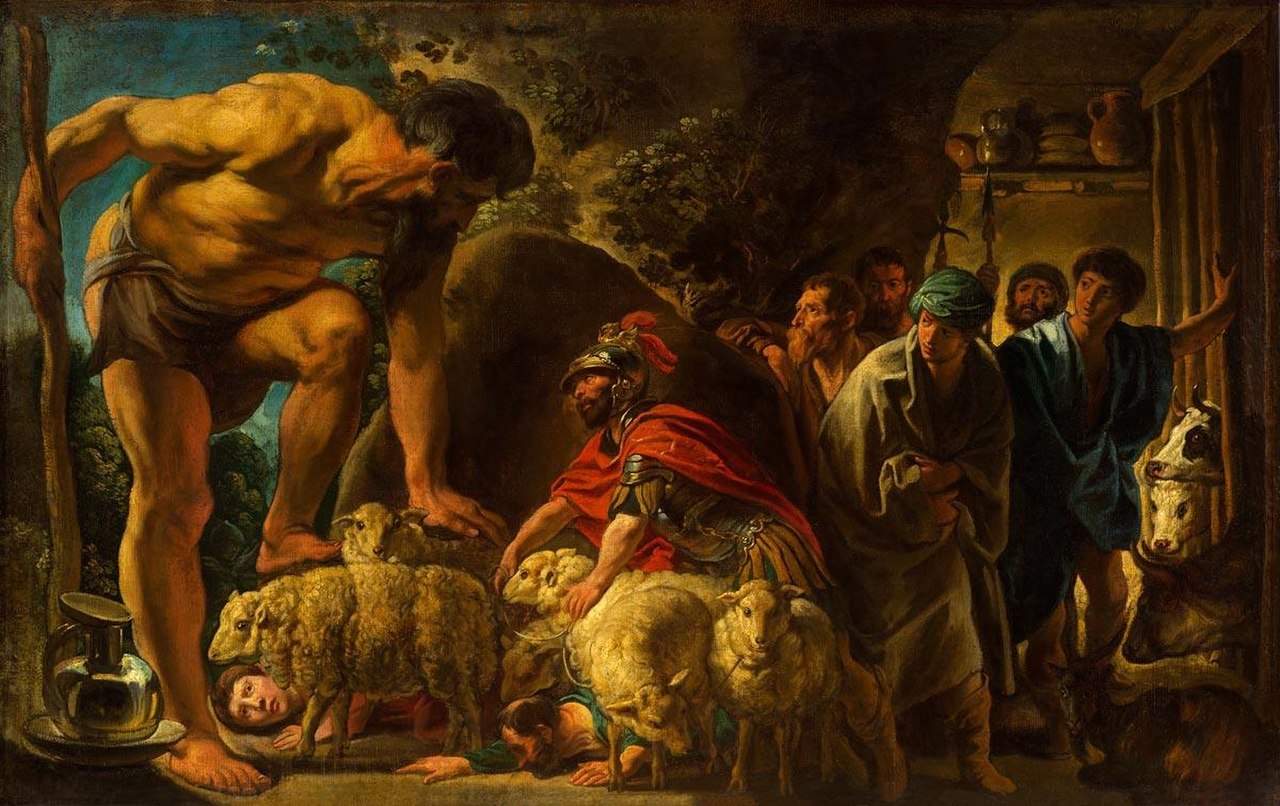
Odysseus, Scammer

Philoxenos of Cythera 818  = Synes. Epist. 121

“To Athanasios, wine-diluter: Odysseus was persuading Polyphemos to release him from the cave: “I am a sorcerer and it is the right time for me to help you in your lack of success in maritime love. I certainly know chants, binding spells, and love-magic which it is unlikely for Galateia to resist for long. Just promise to move the door, or, more, the door stone. It seems the size of a cliff to me. I’ll swim back faster than this word itself, once I have compelled the girl. What do I mean by compelling her? I will show her here to you once she is easier because of the magic.

She will beg you and plead with you and you will act shy and be bashful. But something still gives me pause here. I am worried that the goat-reek of your blankets will be displeasing for a girl used to luxury, who bathes often during the day. It would be great if you cleaned everything up, sweeping, washing, and fumigating your place. It would be even better if you readied some ivy and bindweed to crown yourself and the girl when she gets here. Why are you wasting time? Why don’t you open the door now?”

In response to this, Polyphemos cackled as loud as he could and clapped his hands. Odysseus believed that because he was expecting to gain this girl quickly he was not able to restrain his joy. But Polyphemos rubbed his own chin and said, “No-man, you seem like the slickest fellow, a polished little businessman. Work on some other elaborate scam. You will never get out of here.”

Ἀθανασίῳ ὑδρομίκτῃ. Ὀδυσσεὺς ἔπειθε τὸν Πολύφημον διαφεῖναι αὐτὸν ἐκ τοῦ σπηλαίου· ‘γόης γάρ εἰμι καὶ ἐς καιρὸν ἄν σοι παρείην οὐκ εὐτυχοῦντι τὰ εἰς τὸν θαλάττιον ἔρωτα· ἀλλ᾿ ἐγώ τοι καὶ ἐπῳδὰς οἶδα καὶ καταδέσμους καὶ ἐρωτικὰς κατανάγκας, αἷς οὐκ εἰκὸς ἀντισχεῖν οὐδὲ πρὸς βραχὺ τὴν Γαλάτειαν. μόνον ὑπόστηθι σὺ τὴν θύραν ἀποκινῆσαι, μᾶλλον δὲ τὸν θυρεὸν τοῦτον· ἐμοὶ μὲν γὰρ καὶ ἀκρωτήριον εἶναι φαίνεται· ἐγὼ δὲ ἐπανήξω σοι θᾶττον ἢ λόγος τὴν παῖδα κατεργασάμενος· τί λέγω κατεργασάμενος; αὐτὴν ἐκείνην ἀποφανῶ σοι δεῦρο πολλαῖς ἴυγξι γενομένην ἀγώγιμον. καὶ δεήσεταί σου καὶ ἀντιβολήσει, σὺ δὲ ἀκκιῇ καὶ κατειρωνεύσῃ. ἀτὰρ μεταξύ μέ τι καὶ τοιοῦτον ἔθραξε, μὴ τῶν κωδίων ὁ γράσος ἀηδὴς γένηται κόρῃ τρυφώσῃ καὶ λουομένῃ τῆς ἡμέρας πολλάκις· καλὸν οὖν εἰ πάντα εὐθετήσας ἐκκορήσειάς τε καὶ ἐκπλύνειας καὶ ἐκθυμιάσειας τὸ δωμάτιον· ἔτι δὲ κάλλιον εἰ καὶ στεφάνους παρασκευάσαιο κιττοῦ τε καὶ μίλακος, οἷς σαυτόν τε καὶ τὰ παιδικὰ ἀναδήσαιο. ἀλλὰ τί διατρίβεις; οὐκ ἐγχειρεῖς ἤδη τῇ θύρᾳ;’ πρὸς οὖν ταῦτα ὁ Πολύφημος ἐξεκάγχασέ τε ὅσον ἠδύνατο μέγιστον καὶ τὼ χεῖρε ἐκρότησε. καὶ ὁ μὲν Ὀδυσσεὺς ᾤετο αὐτὸν ὑπὸ χαρμονῆς οὐκ ἔχειν ὅ τι ἑαυτῷ χρήσαιτο κατελπίσαντα τῶν παιδικῶν περιέσεσθαι. ὁ δὲ ὑπογενειάσας αὐτόν, ‘ὦ Οὖτι,’ ἔφη, ‘δριμύτατον μὲν ἀνθρώπιον ἔοικας εἶναι καὶ ἐγκατατετριμμένον ἐν πράγμασιν. ἄλλο μέντοι τι ποίκιλλε· ἐνθένδε γὰρ οὐκ ἀποδράσεις.’

Jakob Jordaens 009.jpg
Jakob Jordans, 17th Century

4 Years of Presidential Memories: Worried About Government Cycles? Read Polybius, Not Plato

Yesterday I read a slightly disturbing piece comparing the views of Steve Bannon and Plato concerning movements in governments. Without comment on this, a friend asked me about the same basic passage from Plato, because it was discussed on the BBC:

The passage at the center of this appears to be as follows:

Plato, Republic  564a

“It is likely, I said, that tyranny emerges out of no other state except for democracy—the greatest and most savage servitude emerges, I suppose, from the greatest freedom.”

Εἰκότως τοίνυν, εἶπον, οὐκ ἐξ ἄλλης πολιτείας τυραννὶς καθίσταται ἢ ἐκ δημοκρατίας, ἐξ οἶμαι τῆς ἀκροτάτης ἐλευθερίας δουλεία πλείστη τε καὶ ἀγριωτάτη.

The problem with the discussions, however, is that Plato’s interlocutors take a very long time to get to this point: the discussion about the four types of government starts at 544a  So picking out this single passage is kind of like watching one series of the Superbowl and thinking you know the whole game (sorry Atlanta).

(And, as an aside, plucking any bit out of its context in a Platonic dialogue is a little dodgy. [And I say this with authority as someone whose hobby is taking quotations out of context.] I am not a Platonist, but I have read enough to know that each dialogue presents its own development of arguments, essentially a self-contained universe of ideas. The dialogues do interrelate, but an idea projected in one is not a universal assertion. This is especially true in the Republic.]

Much earlier in the piece, Plato starts to discuss democracy. His issue has to do with the importance of money:

Rep. 555b

“Therefore, I said, this sort of manner facilitates the change from oligarchy into democracy, through the insatiable pursuit for its proposed good, that there be as much wealth as possible?”

How’s that?

I guess I mean that when those who rule in a state rule because they possess much, they are not willing to restrain by law however many of the youth are unhindered, to prevent them from spending and wasting their own wealth, because they hope that by acquiring and lending money on their possessions, they might become even wealthier still and more honored.

Ah, alright.

Therefore it is clear in this city that it is impossible to honor wealth and obtain sufficient wisdom among the citizens at the same time, but, rather, it is necessary to care for one or the other?

Ok, he said, that seems right.”

Οὐκοῦν, ἦν δ’ ἐγώ, μεταβάλλει μὲν τρόπον τινὰ τοιόνδε ἐξ ὀλιγαρχίας εἰς δημοκρατίαν, δι’ ἀπληστίαν τοῦ προκειμένου ἀγαθοῦ, τοῦ ὡς πλουσιώτατον δεῖν γίγνεσθαι;

Πῶς δή;

῞Ατε οἶμαι ἄρχοντες ἐν αὐτῇ οἱ ἄρχοντες διὰ τὸ πολλὰ κεκτῆσθαι, οὐκ ἐθέλουσιν εἴργειν νόμῳ τῶν νέων ὅσοι ἂν ἀκόλαστοι γίγνωνται, μὴ ἐξεῖναι αὐτοῖς ἀναλίσκειν τε καὶ ἀπολλύναι τὰ αὑτῶν, ἵνα ὠνούμενοι τὰ τῶν τοιούτων καὶ εἰσδανείζοντες ἔτι πλουσιώτεροι καὶ ἐντιμότεροι γίγνωνται.

Παντός γε μᾶλλον.

Οὐκοῦν δῆλον ἤδη τοῦτο ἐν πόλει, ὅτι πλοῦτον τιμᾶν καὶ σωφροσύνην ἅμα ἱκανῶς κτᾶσθαι ἐν τοῖς πολίταις ἀδύνατον, ἀλλ’ ἀνάγκη ἢ τοῦ ἑτέρου ἀμελεῖν ἢ τοῦ ἑτέρου;

᾿Επιεικῶς, ἔφη, δῆλον.

Παραμελοῦντες δὴ ἐν ταῖς ὀλιγαρχίαις καὶ ἐφιέντες ἀκολασταίνειν οὐκ ἀγεννεῖς ἐνίοτε ἀνθρώπους πένητας ἠνάγκασαν γενέσθαι.

(It is interesting that the anti-financial aspect of this dialogue is praised by few…) Plato’s vision of political change is not merely shaped by an aristocratic prejudice against new money, but it is also conditioned by Athenian and local Greek histories. His sample sizes are not large enough! The political cycles envisioned by the later historian Polybius seem a lot more realistic and pertinent, to my taste.

Polybius, Histories 6.4

“The proof that what I have said is true comes from the following. It must not be asserted that every well-made government is a principality, but only the government which is assented to voluntarily and which is governed by reason rather than fear and force. Nor should we consider every oligarchy to be an aristocracy: the latter emerges only when men rule because they are the most just and the most prudent. In a similar way, a true democracy is not that in which the majority has the power to do whatever it wants, but what counts is if the will of the majority enforces observance of its traditional laws, honor to the customary laws, duty to parents, respect to elders, obedience to the laws—then it is right to call a state a democracy.

From this, we can isolate six types of government: the three I have just mentioned and three additional, related forms, monarchy, oligarchy, and mob rule. The first of these, monarchy, arises naturally, and without machination. The second follows it and develops from it with preparation and adjustment. Once this has transformed into the evil form akin to it, tyranny, and aristocracy develops from the dissolution of both. When aristocracy devolves into oligarchy as is natural, and the people turn into rage over the injustice of their leaders, democracy emerges. Over time, mob-rule develops from outrage and illegality. Anyone can understand clearly from this pattern that the things I am saying now are true, based on the nature of each government in its origins and its evolution.”

polybius

ὅτι δ᾽ ἀληθές ἐστι τὸ λεγόμενον ἐκ τούτων συμφανές. [2] οὔτε γὰρ πᾶσαν δήπου μοναρχίαν εὐθέως βασιλείαν ῥητέον, ἀλλὰ μόνην τὴν ἐξ ἑκόντων συγχωρουμένην καὶ τῇ γνώμῃ τὸ πλεῖον ἢ φόβῳ καὶ βίᾳ κυβερνωμένην: [3] οὐδὲ μὴν πᾶσαν ὀλιγαρχίαν ἀριστοκρατίαν νομιστέον, ἀλλὰ ταύτην, ἥτις ἂν κατ᾽ ἐκλογὴν ὑπὸ τῶν δικαιοτάτων καὶ φρονιμωτάτων ἀνδρῶν βραβεύηται. [4] παραπλησίως οὐδὲ δημοκρατίαν, ἐν ᾗ πᾶν πλῆθος κύριόν ἐστι ποιεῖν ὅ, [5] τι ποτ᾽ ἂν αὐτὸ βουληθῇ καὶ πρόθηται παρὰ δ᾽ ᾧ πάτριόν ἐστι καὶ σύνηθες θεοὺς σέβεσθαι, γονεῖς θεραπεύειν, πρεσβυτέρους αἰδεῖσθαι, νόμοις πείθεσθαι, παρὰ τοῖς τοιούτοις συστήμασιν ὅταν τὸ τοῖς πλείοσι δόξαν νικᾷ, τοῦτο καλεῖν δεῖ δημοκρατίαν. διὸ καὶ γένη μὲν ἓξ εἶναι ῥητέον πολιτειῶν, [6] τρία μὲν ἃ πάντες θρυλοῦσι καὶ νῦν προείρηται, τρία δὲ τὰ τούτοις συμφυῆ, λέγω δὲ μοναρχίαν, ὀλιγαρχίαν, ὀχλοκρατίαν. [7] πρώτη μὲν οὖν ἀκατασκεύως καὶ φυσικῶς συνίσταται μοναρχία, ταύτῃ δ᾽ ἕπεται καὶ ἐκ ταύτης γεννᾶται μετὰ κατασκευῆς καὶ διορθώσεως βασιλεία. [8] μεταβαλλούσης δὲ ταύτης εἰς τὰ συμφυῆ κακά, λέγω δ᾽ εἰς τυραννίδ᾽, αὖθις ἐκ τῆς τούτων καταλύσεως ἀριστοκρατία φύεται. [9] καὶ μὴν ταύτης εἰς ὀλιγαρχίαν ἐκτραπείσης κατὰ φύσιν, τοῦ δὲ πλήθους ὀργῇ μετελθόντος τὰς τῶν προεστώτων ἀδικίας, γεννᾶται δῆμος. [10] ἐκ δὲ τῆς τούτου πάλιν ὕβρεως καὶ παρανομίας ἀποπληροῦται σὺν χρόνοις ὀχλοκρατία. [11] γνοίη δ᾽ ἄν τις σαφέστατα περὶ τούτων ὡς ἀληθῶς ἐστιν οἷα δὴ νῦν εἶπον, ἐπὶ τὰς ἑκάστων κατὰ φύσιν ἀρχὰς καὶ γενέσεις καὶ μεταβολὰς ἐπιστήσας.

anaklosis

May Our Lives Be Luckier Than These! Reading Euripides’ “Phoenician Women” Online

Euripides, Phoenician Women 1582-1583 (Full text on the Scaife Viewer)

“Today has begun many troubles for Oedipus’ house.
May our lives be luckier!”

πολλῶν κακῶν κατῆρξεν Οἰδίπου δόμοις
τόδ᾿ ἦμαρ· εἴη δ᾿ εὐτυχέστερος βίος.

Euripides, Phoenician Women 504

“Would you rather be a tyrant or save your country?”

πότερα τυραννεῖν ἢ πόλιν σῶσαι θέλεις,


Euripides, Phoenician Women 357-360

“Mother, I have come with good intentions among enemy men
Even though it is a bad plan. Still, everyone loves their country
By necessity. Anyone who claims otherwise is just playing with words—
Keeping their true thought deep inside.”

μῆτερ, φρονῶν εὖ κοὐ φρονῶν ἀφικόμην
ἐχθροὺς ἐς ἄνδρας· ἀλλ᾿ ἀναγκαίως ἔχει
πατρίδος ἐρᾶν ἅπαντας· ὃς δ᾿ ἄλλως λέγει,
λόγοισι χαίρει, τὸν δὲ νοῦν ἐκεῖσ᾿ ἔχει.

The Center for Hellenic Studies , the Kosmos Society and Out of Chaos Theatre has been presenting scenes from Greek tragedy on the ‘small screen’ since the beginning of the US lockdown in March. As our director Paul O’Mahony has put it, since we are “unable to explore the outside world, we have no option but to explore further the inner one.

Euripides, Phoenician Women 429-439

“What is it like to lose your country? Is it a great evil?”
τί τὸ στέρεσθαι πατρίδος; ἦ κακὸν μέγα;

Euripides, Phoenician Women 439-440

“People value money most of all:
It has the greatest power of everything humans possess.”

τὰ χρήματ᾿ ἀνθρώποισι τιμιώτατα
δύναμίν τε πλείστην τῶν ἐν ἀνθρώποις ἔχει.

Scenes (Cecelia Luschnig’s Translation)

216-637:  Polynices, Eteocles, Jocasta, Chorus
833-1018: Creon, Tiresias, Menoeceus, Chorus
1356-1477: Messenger
1584-1724: Creon, Oedipus, Antigone
 

Euripides, Phoenician Women 460-464

“I want to offer some bit of wisdom to you:
Whenever a friend is angry with a friend
And comes together to look them in the eyes,
One must examine on those things they are discussing
And make no reminder of troubles they had before.”

παραινέσαι δὲ σφῷν τι βούλομαι σοφόν·
ὅταν φίλος τις ἀνδρὶ θυμωθεὶς φίλῳ
ἐς ἓν συνελθὼν ὄμματ᾿ ὄμμασιν διδῷ,
ἐφ᾿ οἷσιν ἥκει, ταῦτα χρὴ μόνον σκοπεῖν,
κακῶν δὲ τῶν πρὶν μηδενὸς μνείαν ἔχειν.

Actors
 
Tamieka Chavis – Jocasta/Tiresias
Tabatha Gayle – Antigone/Eteocles
Richard Klautsch – Creon
Sara Valentine – Menoeceus/Messenger
Noree Victoria – Chorus
Argyris Xafis – Polynices/Oedipus
 

Special Guest: Anna Lamari

Euripides, Phoenician Women 469-472

“The story of truth is simple.
It does not require sophisticated interpretations.
Its very character is the occasion! But unjust speech
Is sick and needs clever medicines to work.”

ἁπλοῦς ὁ μῦθος τῆς ἀληθείας ἔφυ,
κοὐ ποικίλων δεῖ τἄνδιχ᾿ ἑρμηνευμάτων·
ἔχει γὰρ αὐτὰ καιρόν· ὁ δ᾿ ἄδικος λόγος
νοσῶν ἐν αὑτῷ φαρμάκων δεῖται σοφῶν.

Artistic Director: Paul O’Mahony (Out of Chaos Theatre)
Associate Director: Liz Fisher
Director of Outreach: Amy Pistone (Gonzaga University)
Dramaturg: Emma Pauly
Executive Producer: Lanah Koelle (Center for Hellenic Studies)
Producers: Keith DeStone (Center for Hellenic Studies), Hélène Emeriaud, Janet Ozsolak, and Sarah Scott (Kosmos Society)
Poster Artist: John Koelle
Poster Designer: Allie Marbry (Center for Hellenic Studies)

Upcoming Episodes

Performing Epic 1, Homer’s Iliad, October 7th

Euripides, Rhesus, October 14th

Aeschylus, Agamemnon, October 21

Euripides, Phoenician Women 889-890

“Since the wicked part is stronger than the good,
There is one other strategy for salvation.”

ἐπεὶ δὲ κρεῖσσον τὸ κακόν ἐστι τἀγαθοῦ,
μί᾿ ἔστιν ἄλλη μηχανὴ σωτηρίας.

For earlier performances see the project home page or the full playlist on YouTube.

Euripides, Phoenician Women 1013-1014/b>

“I am leaving. By giving the unshameful gift of my death
To the state, I will free this land of disease.”

στείχω δέ, θανάτου δῶρον οὐκ αἰσχρὸν πόλει
δώσων, νόσου δὲ τήνδ᾿ ἀπαλλάξω χθόνα.

4 Years of Presidential Memories: No Fence-sitters in a Time of Civil Strife

Aristotle, Constitution of the Athenians

“Because [Solon] noticed that his city was often breaking out into civil strife and that some of the citizens welcomed the results because of ambivalence, he made a law particularly aimed at these people: whoever did not pick up arms for one side or the other during a time of civil conflict was to be disenfranchised and have no part of the state.”

ὁρῶν δὲ τὴν μὲν πόλιν πολλάκις στασιάζουσαν, τῶν δὲ πολιτῶν ἐνίους διὰ τὴν ῥᾳθυμίαν [ἀγα]πῶντας τὸ αὐτόματον, νόμον ἔθηκεν πρὸς αὐτοὺς ἴδιον, ὃς ἂν στασιαζούσης τῆς πόλεως μ[ὴ] θῆται τὰ ὅπλα μηδὲ μεθ’ ἑτέρων, ἄτιμον εἶναι καὶ τῆς πόλεως μὴ μετέχειν.


Cicero, Letters to Atticus 10.1.2

“In all honesty, I shall ignore that law of Solon—your countryman and, I suppose, mine too—which mandated death for anyone who was a part of neither side in a time of civil strife [or sedition]: unless you advise otherwise, I will abstain from that side and this one. But the other side is more certain to me—nevertheless, I won’t race ahead of myself on this.”

ego vero Solonis, popularis tui et ut puto etiam mei, legem neglegam, qui capite sanxit si qui in seditione non alterius utrius partis fuisset, et, nisi si tu aliter censes, et hinc abero et illim. sed alterum mihi est certius, nec praeripiam tamen.


Revenge is a Dish Best Served with Ample Notice

Epistles of Phalaris, 13:

To Herodicus

If another person had suffered badly at another person’s hands, he would not make an avowal of his intent for revenge against the perpetrator, so that he would not be suspected in his design. I think that it is the act of a vile man to get the better of someone who is unaware. Having, then, been first injured by you, I warn you to take care of the great revenge coming your way from me, so that before the suffering, you can be chastised by the foreknowledge of it, and after the foreknowledge, you can experience the suffering itself.

῾Ηροδίκῳ.

῎Αλλου μὲν ἦν κακῶς πεπονθότος μηδὲν ὁμολογῆσαι πρὸς τὸν δεδρακότα περὶ ἀμύνης, ἵν’ ὡς ἥκιστα πρὸς αὐτὸν ὕποπτος ἁλῴη, ἐγὼ δὲ τοῦτο μὲν ἀγεννοῦς ἀνδρὸς ἔργον ἡγοῦμαι τὸ τὸν ἀγνοοῦντα χειρώσασθαι. προηδικημένος δ’ ὑπὸ σοῦ μεγάλα μηνύω σοι φυλάττεσθαι τὴν ἐπιοῦσαν ἐξ ἡμῶν ἄμυναν, ἵνα πρὸ τοῦ μὲν παθεῖν ἡ προσδοκία κολάζῃ σε, μετὰ δὲ τὴν προσδοκίαν αὐτὸ τὸ παθεῖν.

Isolation and Self-Sufficiency

Aristotle, Nicomachean Ethics 1. 6-9

“We use ‘self-sufficient’ not to mean a person alone—someone living in isolation—but to include one’s parents, children, spouse, friends, and even fellow citizens, since a human being is a social creature by nature. Now, some limit needs to be observed in these ties—for it will go on endlessly if you extend it to someone’s ancestors and descendants.  But that’s a problem for another time.

We posit that self-sufficiency is something which in itself makes life attractive and lacks nothing and for this reason we think it is happiness, since we imagine that happiness is the most preferable of all things when it is not counted with others. It is clear that it is desirable even with the least of the goods—the addition of goods increases the total, since the greater good is always desirable.”

τὸ δ᾿ αὔταρκες λέγομεν οὐκ αὐτῷ μόνῳ, τῷ ζῶντι βίον μονώτην, ἀλλὰ καὶ γονεῦσι καὶ τέκνοις καὶ γυναικὶ καὶ ὅλως τοῖς φίλοις καὶ πολίταις, ἐπειδὴ φύσει πολιτικὸν ὁ ἄνθρωπος. τούτων δὲ ληπτέος ὅρος τις· ἐπεκτείνοντι γὰρ ἐπὶ τοὺς γονεῖς καὶ τοὺς ἀπογόνους καὶ τῶν φίλων τοὺς φίλους εἰς ἄπειρον πρόεισιν. ἀλλὰ τοῦτο μὲν εἰσαῦθις ἐπισκεπτέον, τὸ δ᾿ αὔταρκες τίθεμεν ὃ μονούμενον αίπετὸν ποιεῖ τὸν βίον καὶ μηδενὸς ἐνδεᾶ· τοιοῦτον δὲ τὴν εὐδαιμονίαν οἰόμεθα εἶναι. ἔτι δὲ πάντων αἱρετωτάτην μὴ συναριθμουμένην—συναριθμουμένην γὰρ δῆλον ὡς αἱρετωτέραν μετὰ τοῦ ἐλαχίστου τῶν ἀγαθῶν, ὑπεροχὴ γὰρ ἀγαθῶν γίνεται τὸ προστιθέμενον, ἀγαθῶν δὲ τὸ μεῖζον αἱρετώτερον

John Donne, Meditation 17

No man is an Iland, intire of itselfe; every man
is a peece of the Continent, a part of the maine;
if a Clod bee washed away by the Sea, Europe
is the lesse, as well as if a Promontorie were, as
well as if a Manor of thy friends or of thine
owne were; any mans death diminishes me,
because I am involved in Mankinde;
And therefore never send to know for whom
the bell tolls; It tolls for thee.

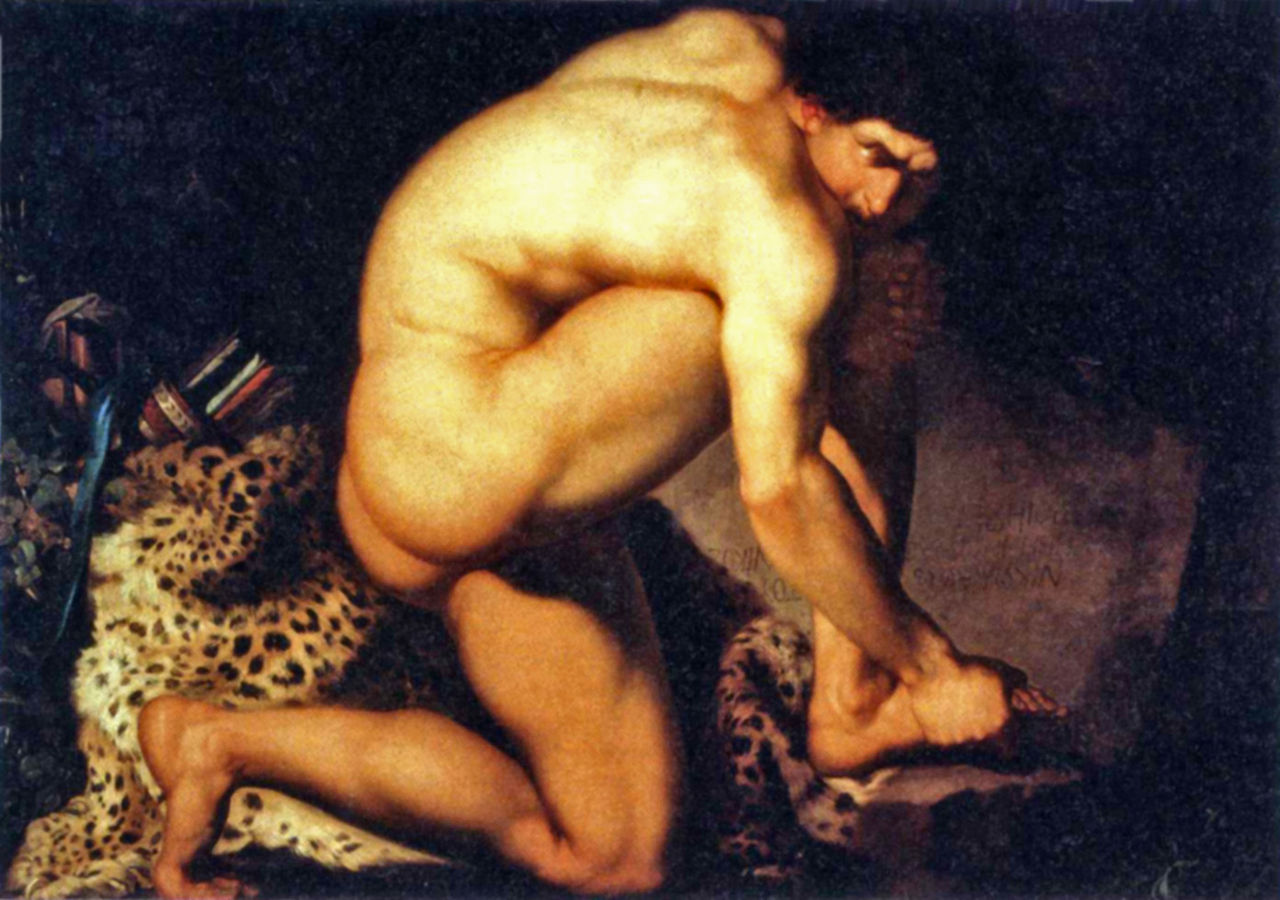
Wounded Philoctetes by Nicolai Abildgaard

4 Years of Presidential Memories: Ancient Greek Words for Excrement

These may or may not be useful in your daily life

Σκῶρ ἀείνων, “ever-flowing shit” (Aristophanes, Frogs, 145-6)

ὁ τῆς διαροίας ποταμὸς, “river of diarrhea” (Aristophanes, Fr. 150.3)


Κάκκη 

Kakka:  it also has a vulgar meaning as something unclean; especially bad-smelling feces. Aristophanes writes, “holding your nose away from the kakka”.

Κάκκη: ἔχει δὲ καὶ τὸ κακέμφατον. ἡ ἀκαθαρσία, καὶ μάλιστα τὸ δύσοσμον ἀποπάτημα. Ἀριστοφάνης: ἀπὸ μὲν κάκκης ῥῖν’ ἀπέχων.


Some other words

ἀποπάτημα: feces, cf. Photius: “musikelendron: mouse excrement, muokhodon. Μυσικέλενδρον: τὸ τοῦ μυὸς ἀποπάτημα· μυόχοδον.

διαχώρημα: “leavings”; cf. Hesychius: σπατίλη· τὸ ὑγρὸν διαχώρημα: “moist feces”

ἀφόδευμα: “excrement”; cf. Hesychius, kokkilondis: A child’s excrement. κοκκιλόνδις· παιδὸς ἀφόδευμα


Compounds, etc.

Scholia in Aristophanes, Pacem, 24a

“boar and dog”: manure-eating animals

ὗς καὶ κύων: κοπροφάγα τὰ ζῷα.


Necessary Compounds

κοπρόνους: “manure-minded”

κοπράγωγεω: “to collect crap”

κοπρεῖος: “full of crap”

κοπρολογεῖν: “to gather crap”

κοπροφαγεῖν: “to eat crap”

κοπροστόμος: “foul-mouthed”

σκατοφάγος: “shit-eater”

Image result for ancient greek toilet vase

More from the Suda


Ἅλα [usually, salt]

Hala: fecal matter [manure]. In the Odyssey “you wouldn’t even give the shit from your home to a suppliant

Ἅλα: τὰ κόπρια. ἐν Ὀδυσσείᾳ: οὐ σύ γ’ ἐξ οἴκου σῷ ἐπιστάτῃ οὐδ’ ἅλα δοίης.

Βόλιτος

Bolitos: cow-patty. Attic speakers say this without a beta, the way we say bolbitos

Βόλιτος: Ἀττικοὶ οὕτω λέγουσι χωρὶς τοῦ β, ὅπερ ἡμεῖς βόλβιτον

Δεισαλέα

Deiselea: Fecal matter. For excrement is deisa.

Δεισαλέα: κοπρώδη. δεῖσα γὰρ ἡ κόπρος.

Ὀνιαία

Oniaia: the excrement of a horse. Also, onides, the feces of donkeys which are shaped usefully.

Ὀνιαία: τοῦ ἵππου τὸ ἀφόδευμα. καὶ Ὀνίδες, τὰ τῶν ὄνων ἀποπατήματα, ἃ ἐπίτηδες πεπλασμένα ἐστίν.

Ὄνθος

onthos: manure. Properly, this is bull-manure.

Ὄνθος: βόλβιτον. τουτέστιν ἡ τῶν βοῶν κόπρος.

Οἰσυπηρός

Oisêpuros: muddy, greasy as in “oily-fleeces”, wool that is filthy, covered with manure. For oisupê is the excrement of sheep.

Οἰσυπηρός: ῥυπαρός. Ἔρια οἰσυπηρά, ῥύπου πεπληρωμένα, ῥυπάσματα ἀπὸ τῆς κόπρου. οἰσύπη δέ ἐστι τὸ διαχώρημα τῶν προβάτων.

Σκῶρ

Skôr: manure, feces, it declines using skatos.

Σκῶρ: κόπρος, ἀποπάτημα. καὶ κλίνεται σκατός.

Φωρυτός

“Phôrutos: manure, or a trash-pile.”

Φωρυτός: κόπρος, ἢ χῶμα.


Image result for ancient greek toilet vase

I Won’t Bury My Treasure

Epistles of Phalaris, 12:

To Aglaos

I have stored up as much wealth as god has provided for the reversals of fortune not in the bosom of the earth, as you have suggested, but with those of my friends who wished to accept it as a gift. But you have not graced me by offering yourself enthusiastically to this plan to have some measure of hope in you who are my friends if I should ever lose my power. But indeed, though you have not done it now, take it and make the deed a kind of storing up which will guard our friendship. For I will not regard any part of the earth as trustworthy as I pass it if you, the greatest of my friends, are less sure and abiding than a handful of dust. But if you are doing well, even if I find myself wrapped up by a different fortune, I will in my vanquished state appear to be no less fortunate.

᾿Αγλάῳ.

     Τεθησαυρίκαμεν τοῦ πλούτου ὅσον παρέσχεν ὁ θεὸς εἰς μεταβολὰς τῆς τύχης οὐκ ἐν τοῖς κόλποις τῆς γῆς, ὡς παρῄνεις, ἀλλ’ εἰς τοὺς βουληθέντας τῶν φίλων τὰς δωρεὰς λαμβάνειν. σὺ δ’ οὐδ’ εἰς τοῦτο πρόθυμον ἡμῖν σεαυτὸν ἐχαρίσω, τὸ κατά γε ὑμᾶς τοὺς φίλους,κἂν ἀποσφαλῶμεν τῆς ἀρχῆς, ἔχεσθαι τῶν ἐλπίδων. οὐ μὴν ἀλλ’ εἰ καὶ μὴ πρότερον, νῦν γε λαβὼν ὡς παρακαταθήκην ἐμοὶ φυλαχθησομένην φίλου τι ποίησον ἔργον· πιστὸν γὰρ οὐδὲν ἡγησόμεθα γῆς μέρος παρελθόντες ὡς κόνεως ἀπιστοτέρους τοὺς ἐξ ὑμῶν τῶν ἑταίρων κρατίστους. ὧν εὐτυχούντων, κἂν αὐτὸς ἑτέρῳ συμπλακῶ δαίμονι, ἡσθεὶς οὐδὲν ἧττον εὐτυχεῖν δόξω.

Wanna Be A Baller, Shot Caller, Lib’ral Arts Degree Hanging On The Wall-a

Pier Paolo Vergerio,
de Ingenuis Moribus et Liberalibus Adulescentiae Studiis (§2):

But while it is right that all people (especially parents) should be such as to seek to educate their children properly and since it is fitting that children should be such that they seem worthy of good parents, yet it is especially true for those who occupy a lofty place in society, whose every saying and deed is exposed to the public eye, that they should be educated in the most important subjects, so that they can be considered worthy of the fortune and rank of dignity which they achieve. It is only fair that those who think that all the best is owed to them should be examples of the best themselves. Nor is there any more sure or stable principle of ruling than that those who get hold of power should be judged by all to be the most worthy of it.

Image result for medieval manuscript king
“But there’s got to be a better way!”

Verum cum omnes homines deceat (parentes quidem in primis) eos esse qui recte erudire suos liberos studeant et filios deinde tales qui parentibus bonis digni videri possint, praecipue tamen qui excelsiore loco sunt, quorumque nihil neque dictum neque factum latere potest, decens est ita principalibus artibus instructos esse, ut et fortuna et gradu dignitatis quam obtinent digni habeantur. Aequum est enim qui sibi summa omnia deberi volunt, debere et eos summa omnia de se praestare. Nec est ulla certior aut stabilior regnandi ratio quam si hi qui regna obtinent, ab omnibus dignissimi omnium regno iudicentur.