A Lyric Take on the Death of Agamemnon

Pind. Pyth. 11.17-37

“The nurse Arsinoe took [Orestes]
from his father murdered
by the strong hands of Klytemnestra
by the grievous trick
when she sent the Dardanian girl, Kassandra,
with Agamemnon’s soul by means of grey bronze
to the dusty banks of Acheron,
the pitiless woman.

Was it Iphigenia, slaughtered
far away from her home near the Euripos
that moved her to heavy-handed rage?
Or was she overwhelmed by another bed,
made crazy by their nightly ‘sharing’?
This is the most hateful mistake
of young brides
and it is impossible to keep from other people’s tongues.
Citizens are vile-gossips.

Prosperity brings with it an equal-sized envy;
while the man who breathes close to the ground moves by unseen.
The hero son of Atreus himself died
when he came after a long time to famous Amyklai.
And he destroyed the prophetic girl too
after he despoiled the homes of the Trojans, burned for Helen.”

agdeath

Β′ τὸν δὴ φονευομένου πατρὸς ᾿Αρσινόα Κλυταιμήστρας
χειρῶν ὕπο κρατερᾶν
ἐκ δόλου τροφὸς ἄνελε δυσπενθέος,
ὁπότε Δαρδανίδα κόραν Πριάμου
Κασσάνδραν πολιῷ χαλκῷ σὺν ᾿Αγαμεμνονίᾳ
ψυχᾷ πόρευ’ ᾿Αχέροντος ἀκτὰν παρ’ εὔσκιον
νηλὴς γυνά. πότερόν νιν ἄρ’ ᾿Ιφιγένει’ ἐπ’ Εὐρίπῳ
σφαχθεῖσα τῆλε πάτρας
ἔκνισεν βαρυπάλαμον ὄρσαι χόλον;
ἢ ἑτέρῳ λέχεϊ δαμαζομέναν
ἔννυχοι πάραγον κοῖται; τὸ δὲ νέαις ἀλόχοις
ἔχθιστον ἀμπλάκιον καλύψαι τ’ ἀμάχανον
ἀλλοτρίαισι γλώσσαις·
κακολόγοι δὲ πολῖται.
ἴσχει τε γὰρ ὄλβος οὐ μείονα φθόνον·
ὁ δὲ χαμηλὰ πνέων ἄφαντον βρέμει.
θάνεν μὲν αὐτὸς ἥρως ᾿Ατρεΐδας
ἵκων χρόνῳ κλυταῖς ἐν ᾿Αμύκλαις,
Γ′ μάντιν τ’ ὄλεσσε κόραν, ἐπεὶ ἀμφ’ ῾Ελένᾳ πυρωθέντας
Τρώων ἔλυσε δόμους.

4 Years of Presidential Memories: Perjury and Punishment in Early Greek Poetry

ἡ ἐπιορκία, hê epiorkía: “perjury
ἐπιορκεῖν, epiorkeîn; ψευδορκεῖν, pseudorkeîn: “to make a false oath; to commit perjury”

Hesiod, Works and Days 282-284

“Whoever lies when he has sworn a false oath in his witness
Outrages justice and falls into an incurable ruin,
His family is left harried and weakened afterwards.”

ὃς δέ κε μαρτυρίῃσιν ἑκὼν ἐπίορκον ὀμόσσας
ψεύσεται, ἐν δὲ δίκην βλάψας νήκεστον ἀασθῇ,
τοῦ δέ τ’ ἀμαυροτέρη γενεὴ μετόπισθε λέλειπται·

Homer, Iliad 19.158-260

“Now may Zeus know this, the highest and the best of the gods,
Along with Earth, the Sun and the Furies, those who punish men
Under the earth, whenever someone perjures himself.”

ἴστω νῦν Ζεὺς πρῶτα θεῶν ὕπατος καὶ ἄριστος
Γῆ τε καὶ ᾿Ηέλιος καὶ ᾿Ερινύες, αἵ θ’ ὑπὸ γαῖαν
ἀνθρώπους τίνυνται, ὅτις κ’ ἐπίορκον ὀμόσσῃ,

Aristophanes, Clouds 399-400

“If lightning strikes perjurers, how hasn’t it lit afire Simon
Kleonymos, or Theoros?—these are the biggest perjurers of all!”

“εἴπερ βάλλει τοὺς ἐπιόρκους [ὁ κεραυνός], πῶς δῆτα οὐχὶ Σίμων’ ἐνέπρησεν
οὐδὲ Κλεώνυμον οὐδὲ Θέωρον· καίτοι σφόδρα γ’ εἰσ’ ἐπίορκοι;”

Image result for ancient greek oathbreaker vase

Latin and Greek for Entertainment

Letter from Alexander Boswell to James Boswell, October 1763:

Your returning to the study of the Latin and Greek authors secures to you a mine of unexhaustible knowledge and entertainment. There is a peculiar strength of thought and of expression in the ancients, a je ne sais quoi which strikes those who understand them with reverence. By falling into this way you will find constant entertainment, and that is the only thing can dispel gloom and low spirits. When I have nothing to do, which happens when I am from home visiting, time passes heavily; but when I am occupied, I repine that it is so short. You’ll too in Holland probably acquire a taste for gardening and send me home some instruction about it. In my last I put a query about a Dutch cow-house or byre which I suppose you’ll solve me in.

Alexander Boswell, Lord Auchinleck - Wikipedia

On Kindness, Some Roman Words

Seneca, De Beata Vita 3

“Nature commands me to bring help to all people. What difference is it whether they are slaves, born free or freed, whether laws made them free or friends did? Wherever there is a human being, there is a place for kindness.”

Hominibus prodesse natura me iubet. Servi liberine sint hi, ingenui an libertini, iustae libertatis an inter amicos datae, quid refert? Ubicumque homo est, ibi benefici locus est.

Cicero, Laws 1.18

“Where shall we find a kind man if no one acts kindly for anyone else? Where is the grateful man, if those who return a good turn are not actually thankful to those whom they thank? Where is that sacred thing friendship if the friend himself is not loved with the whole heart for his own sake, as the saying going? Why then should a friend be abandoned an rejected when there is no longer an expectation from benefits and profits? What could be more monstrous than this?”

Ubi enim beneficus, si nemo alterius causa benigne facit? ubi gratus, si non eum ipsi cernunt grati, cui referunt gratiam? ubi illa sancta amicitia, si non ipse amicus per se amatur toto pectore, ut dicitur? qui etiam deserendus et abiciendus est desperatis emolumentis et fructibus; quo quid potest dici immanius?

Dicta Catonis 15

“Remember to tell the tale of another’s kindness many times
But whatever kind deed you do for others, keep quiet.”

Officium alterius multis narrare memento;
at quaecumque aliis benefeceris ipse, sileto.

Image result for ancient roman friendship wall painting

The Origin of the Term “Swan Song”

Aelian, History of Animals 2.32

“The Swan, which the poets and many prose authors make an attendant to Apollo, has some other relationship to music and song I do not understand. But it was believed by those before us that the swan died after he sang what was called its “swan-song”. Nature truly honors it more than noble and good men and for good reason: for while others praise and morn people, the swans take care of themselves, if you will.”

Κύκνος δέ, ὅνπερ οὖν καὶ θεράποντα Ἀπόλλωνι ἔδοσαν ποιηταὶ καὶ λόγοι μέτρων ἀφειμένοι πολλοί, τὰ μὲν ἄλλα ὅπως μούσης τε καὶ ᾠδῆς ἔχει εἰπεῖν οὐκ οἶδα· πεπίστευται δὲ ὑπὸ τῶν ἄνω τοῦ χρόνου ὅτι τὸ κύκνειον οὕτω καλούμενον ᾄσας εἶτα ἀποθνήσκει. τιμᾷ δὲ ἄρα αὐτὸν ἡ φύσις καὶ τῶν καλῶν καὶ ἀγαθῶν ἀνθρώπων μᾶλλον, καὶ εἰκότως· εἴ γε τούτους μὲν καὶ ἐπαινοῦσι καὶ θρηνοῦσιν ἄλλοι, ἐκεῖνοι δὲ εἴτε τοῦτο ἐθέλοις εἴτε ἐκεῖνο, ἑαυτοῖς νέμουσιν.

Michael Apostolios, Proverbs 10.18

“Singing the swan song”: [this proverb] is applied to those who are near death. For swans sing as they die and they know then the end of life is coming upon them and so, in this way, they face that arrival bravely. But human beings fear what they do not know and think that it is the greatest evil. But swans sing out at death the kind of song sung at a funeral…”

     Κύκνειον ᾆσμα: ἐπὶ τῶν ἐγγὺς θανάτου ὄντων. οἱ γὰρ κύκνοι θνήσκοντες ᾄδουσι Καὶ ἴσασιν ὁπότε τοῦ βίου τὸ τέρμα ἀφικνεῖται αὐτοῖς, καὶ μέντοι καὶ εὐθύμως φέρουσιν αὐτὸ προσιόν. ἄνθρωποι δὲ ὑπὲρ οὗ οὐκ ἴσασι δεδοίκασι καὶ ἡγοῦνται μέγιστον εἶναι κακὸν αὐτό. ἀναγηρύονται δὲ ἐπὶ τῇ τελευτῇ οἷον ἐπικήδειόν τι μέλος…

Athenaeus, Deipnosophists 14 (616b)

“Chrysippos was writing about something like this again in the same work. When someone who loved to make fun of people was about to be killed by the executioner, he said that he wanted one thing, to die after singing his ‘swan-song’. After the executioner agreed, the man made fun of him.”

περὶ δὲ τοιούτου τινὸς πάλιν ὁ Χρύσιππος ἐν τῷ αὐτῷ γράφει· φιλοσκώπτης τις μέλλων ὑπὸ τοῦ δημίου σφάττεσθαι ἔτι ἕν τι ἔφη θέλειν ὥσπερ τὸ κύκνειον ᾄσας ἀποθανεῖν. ἐπιτρέψαντος δ᾿ ἐκείνου ἔσκωψεν

Bibliothèque Nationale de France, fr. 1951, Folio 3r

Escaping Bad Habits Along with Bad Men

Vatican Sayings Attributed to Epicurus. Go here for a full text.

7. “It’s not hard to get away with an injustice; but it is impossible to be certain that you did.”

ἀδικοῦντα λαθεῖν μὲν δύσκολον, πίστιν δὲ λαβεῖν ὑπὲρ τοῦ λαθεῖν ἀδύνατον.

11. “Being at rest makes most people feel dead, but action makes them crazy.”

τῶν πλείστων ἀνθρώπων τὸ μὲν ἡσυχάζον ναρκᾷ, τὸ δὲ κινούμενον λυττᾷ.

16. “No one chooses evil when they recognize it, but they are deceived into believing it is good compared to a greater evil and get trapped.”

οὐδεὶς βλέπων τὸ κακὸν αἱρεῖται αὐτό, ἀλλὰ δελεασθεὶς ὡς ἀγαθῷ πρὸς τὸ μεῖζον αὐτοῦ κακὸν ἐθηρεύθη.

19. “Whoever disregards yesterday’s good has grown old today.”

τοῦ γεγονότος ἀμνήμων ἀγαθοῦ γέρων τήμερον γεγένηται.

23.“Each friendship is a virtue on its own, although it began from seeking advantage.”

πᾶσα φιλία διʼ ἑαυτὴν ἀρετή· ἀρχὴν δὲ εἴληφεν ἀπὸ τῆς ὠφελείας.

33. “Our body begs not to be hungry, not to be thirsty, not to be cold. Someone who receives these things and expects to keep them could challenge god in happiness.”

σαρκὸς φωνὴ τὸ μὴ πεινῆν, τὸ μὴ διψῆν, τὸ μὴ ῥιγοῦν· ταῦτα γὰρ ἔχων τις καὶ ἐλπίζων ἕξειν κἂν <διὶ> ὑπὲρ εὐδαιμονίας μαχέσαιτο.

34. “Our benefit from friends is not how useful they are but that we can rely on them to be useful.”

οὐκ οὕτως χρείαν ἔχομεν τῆς χρείας <τῆς> παρὰ τῶν φίλων ὡς τῆς πίστεως τῆς περὶ τῆς χρείας.

35. “We must not sully what we have with longing for what we don’t: remember that we prayed for these things too”

οὐ δεῖ λυμαίνεσθαι τὰ παρόντα τῶν ἀπόντων ἐπιθυμίᾳ, ἀλλʼ ἐπιλογίζεσθαι ὅτι καὶ ταῦτα τῶν εὐκταίων ἦν.

37. “Nature is weak when faced with evil not good: for we are preserved by pleasures and ruined by pains.”

ἀσθενὴς ἡ φύσις ἐστὶ πρὸς τὸ κακὸν οὐ πρὸς τὸ ἀγαθόν· ἡδοναῖς μὲν γὰρ σῴζεται, ἀλγηδόσι δὲ διαλύεται.

46. “Let’s get rid of bad customs just as we should wicked men who have been harming us for a long time.”

τὰς φαύλας συνηθείας ὥσπερ ἄνδρας πονηροὺς πολὺν χρόνον μέγα βλάψαντες τελείως ἐκδιώκομεν.

Four Years of Presidential Memories: “Some Shelter from the Wind”: Homer on our Debt to Exiles

Homer, Odyssey 6.205-210

“We live at a great distance from others amid the much-sounding sea,
Far away, and no other mortals visit us.
But this man who has wandered here, who is so ill-starred,
It is right to care for him now. For all are from Zeus,
The strangers and the beggars, and our gift is small but dear to them.
Come, handmaidens, give the stranger food and drink;
Bathe him in the river, where there is shelter from the wind.”

οἰκέομεν δ’ ἀπάνευθε πολυκλύστῳ ἐνὶ πόντῳ,
ἔσχατοι, οὐδέ τις ἄμμι βροτῶν ἐπιμίσγεται ἄλλος.
ἀλλ’ ὅδε τις δύστηνος ἀλώμενος ἐνθάδ’ ἱκάνει,
τὸν νῦν χρὴ κομέειν· πρὸς γὰρ Διός εἰσιν ἅπαντες
ξεῖνοί τε πτωχοί τε, δόσις δ’ ὀλίγη τε φίλη τε.
ἀλλὰ δότ’, ἀμφίπολοι, ξείνῳ βρῶσίν τε πόσιν τε,
λούσατέ τ’ ἐν ποταμῷ, ὅθ’ ἐπὶ σκέπας ἔστ’ ἀνέμοιο.”

Schol. ad. Od. 6.205

“All are from Zeus”: They are sent by Zeus, instead of as exiles, strangers and beggars are all from Zeus and are pitied by him.”

πρὸς γὰρ Διός εἰσιν ἅπαντες] παρὰ Διός εἰσιν, ἀντὶ τοῦ πρόσφυγες Διός εἰσι καὶ οἰκτειρόμενοι παρ’ αὐτοῦ πάντες ξεῖνοί τε πτωχοί τε. E.H.P.Q.

“The gift is small and dear”: It is a small thing to the one who gives, but beloved to the one who receives it. For need makes the small thing dear.”

δόσις ὀλίγη τε φίλη τε] ὀλίγη μὲν τῷ διδόντι, φίλη δὲ τῷ λαμβάνοντι. ἡ γὰρ ἔνδεια καὶ τὸ ὀλίγον φίλον ἡγεῖται. B.E.P.

Odyssey, 14.56-58

“Stranger, it is not right for me, not even if the one who comes is worse than you,
To dishonor a stranger. For all are from Zeus,
The strangers and the beggars and our gift is small but dear to them.

“ξεῖν’, οὔ μοι θέμις ἔστ’, οὐδ’ εἰ κακίων σέθεν ἔλθοι,
ξεῖνον ἀτιμῆσαι· πρὸς γὰρ Διός εἰσιν ἅπαντες
ξεῖνοί τε πτωχοί τε. δόσις δ’ ὀλίγη τε φίλη τε
γίνεται ἡμετέρη· …

Matthew, 5.3

“Blessed are the poor in spirit / since theirs is the kingdom of heaven”

Μακάριοι οἱ πτωχοὶ τῷ πνεύματι,
ὅτι αὐτῶν ἐστιν ἡ βασιλεία τῶν οὐρανῶν.

Image result for Ancient Greek suppliant vase

More on refugees:

Vergil: Zeus settles the war-ravaged Trojans in Italy.

Ancient Comments on Universal Citizenship

Diogenes Laertius, 6.63, on Diogenes the Cynic (4th Century BCE)

“When asked where he was from, he said “I am a world-citizen.”

ἐρωτηθεὶς πόθεν εἴη, “κοσμοπολίτης,” ἔφη.

Some Useful Ancient Greek words:

φυγαδεία: “exile, flight”

φυγαδευτήριον: “city of refuge”

φυγαδευτικός: “banishing”

φυγαρσενία: “shunning men”

φυγάς: “An exile, refugee”

φυγόμαχος: “avoiding the battle”

φυγόξενος: “shunning strangers”

φυγόπολις: “fleeing a city”

φυγοπτόλεμος: “avoiding war”

So Manly – So Cruel

Historia Augusta, Maximini Duo (8-9)

“But among these virtues he was so cruel that some called him Cyclops, others Busiris, others Sciron, some Phalaris, many Typhon or Gyges. The senate feared him so much that both publicly and privately women would pray in the temples with their children that he would never see the city of Rome. They often heard that he had some crucified, others enclosed in the bodies of recently slain animals, others thrown to the beasts, others beaten with clubs, and all of this without any consideration of rank and dignity, since he seemed to wish for military discipline to be the ruling principle, by the example of which he wanted to correct even civil problems. This is hardly fitting for a prince who wishes to be loved.

He was, indeed, persuaded that power was not held but by cruelty. At the same time, he feared that he would be condemned by the nobility for his barbarian heritage. He had recalled, moreover, that he was once condemned at Rome even by the slaves of the nobles to such a degree that he was not even seen by their procurators. And, as foolish opinions always operate, he expected that they would behave the same way now that he was emperor. So strong is the consciousness of a degenerate mind.

For the sake of hiding his lowly parentage, he killed all of the people who knew his origins, and even a few of his friends who had often given him charity because they pitied his poverty. There was indeed no animal more cruel on the earth who trusted so much in his own powers as though he could not be killed. Finally, when he believed himself to be immortal because of the magnitude both of his body and his manliness, a certain mime is said to have recited some Greek verses in the theater in his presence, of which the general purport in Latin is this:

‘And he who cannot be killed by one is killed by many:

the elephant is large, and is killed;

the lion is brave, and is killed;

the tiger is strong, and is killed;

beware of the many, if you are not afraid of individuals.’

And these things were said right in the presence of the emperor! But when he asked his friends what the clown had said, he was told that the mime had recited some ancient verses against unpleasant people. And he, because he was a Thracian and a barbarian, believed it.”

Image result for emperor maximinus thrax

sed inter has virtutes tam crudelis fuit, ut illum alii Cyclopem, alii Busirem, alii Scirona, nonnulli Phalarem, multi Typhona vel Gygam vocarent. senatus eum tantum timuit, ut vota in templis publice privatimque mulieres etiam cum suis liberis facerent, ne ille umquam urbem Romam videret. audiebant enim alios in crucem sublatos, alios animalibus nuper occisis inclusos, alios feris obiectos, alios fustibus elisos, atque omnia haec sine dilectu dignitatis, cum videretur disciplinam velle regere militarem, cuius exemplo civilia etiam corrigere voluit. quod non convenit principi qui velit diligi. erat enim ei persuasum nisi crudelitate imperium non teneri. simul et verebatur ne propter humilitatem generis barbarici a nobilitate contemneretur. meminerat praeterea se Romae etiam a servis nobilium contemptum esse, ita ut ne a procuratoribus quidem eorum videretur; et, ut se habent stultae opiniones, tales eos contra se sperabat futuros, cum iam imperator esset. tantum valet conscientia degeneris animi. nam ignobilitatis tegendae causa omnes conscios generis sui interemit, nonnullos etiam amicos, qui ei saepe misericordiae paupertatis causa pleraque donaverant. neque enim fuit crudelius animal in terris, omnia sic in viribus suis ponens quasi non posset occidi. denique cum immortalem se prope crederet ob magnitudinem corporis virtutisque, mimus quidam in theatro praesente illo dicitur versus Graecos dixisse, quorum haec erat Latina sententia

Et qui ab uno non potest occidi, a multis occiditur.

elephans grandis est et occiditur,

leo fortis est et occiditur,

tigris fortis est et occiditur;

cave multos, si singulos non times.

et haec imperatore ipso praesente iam dicta sunt. sed cum interrogaret amicos, quid mimicus scurra dixisset, dictum est ei quod antiquos versus cantaret contra homines asperos scriptos; et ille, ut erat Thrax et barbarus, credidit.

A Tragic View

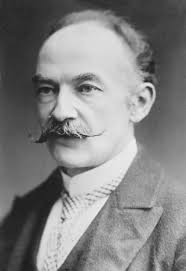
Thomas Hardy, The Return of the Native (Chp. 1):

The truth seems to be that a long line of disillusive centuries has permanently displaced the Hellenic idea of life, or whatever it may be called. What the Greeks only suspected we know well; what their Aeschylus imagined our nursery children feel. That old-fashioned revelling in the general situation grows less and less possible as we uncover the defects of natural laws, and see the quandary that man is in by their operation.

Thomas Hardy - Wikipedia

Patience, The Greatest Virtue?

Dicta Catonis 1.38

“Defeat one you could destroy with an enduring mind.
Patience is the greatest virtue of human kind.”

Quem superare potes interdum vince ferendo;
maxima enim est hominum semper patientia virtus.

Seneca, De Beneficiis 30

“Often, a thing which patience could unravel is torn by a violent tug.”

Saepe, quod explicari pertinacia potuit, violentia trahentis abruptum est

Aristotle, Nicomachean Ethics 1100b-1100a

“Still, nobility shines bright even in tough times, when someone bears even many severe misfortunes patiently, not because they cannot sense them, but because of their unselfishness and greatness of spirit. If the actions one takes rules their life—as we just said—then none of the happy people can ever be miserable.”

ὅμως δὲ καὶ ἐν τούτοις διαλάμπει τὸ καλόν, ἐπειδὰν φέρῃ τις εὐκόλως πολλὰς καὶ μεγάλας ἀτυχίας, μὴ δι᾿ ἀναλγησίαν, ἀλλὰ γεννάδας ὢν καὶ μεγαλόψυχος. εἰ δ᾿ εἰσὶν αἱ ἐνέργειαι κύριαι τῆς ζωῆς, καθάπερ εἴπομεν, οὐδεὶς ἂν γένοιτο τῶν μακαρίων ἄθλιος.

Cicero, Tusculan Disputations 14

“I do not deny that pain is painful—otherwise, why would bravery be desired? But I do say that it is suppressed through patience, if we possess any amount at all. If we have none, then why do we raise philosophy on high and robe ourselves in its glory?

Non ego dolorem dolorem esse nego,—cur enim fortitudo desideraretur?—sed eum opprimi dico patientia, si modo est aliqua patientia: si nulla est, quid exornamus philosophiam aut quid eius nomine gloriosi sumus?

Pin on The Simpsons (The Golden Era)

Marcus Aurelius, Meditations 11. 6

“Whenever you are really angry and upset, [remember] that human life is short and soon we will all be in the ground.”

ὅταν λίαν ἀγανακτῇς ἢ καὶ δυσπαθῇς, ἀκαριαῖος ὁ ἀνθρώπειος βίος καὶ μετ᾿ ὀλίγον πάντες ἐξετάθημεν.