More Wonder for A Wednesday: Whose Intestines Sing?

From the Paradoxagraphus Palatinus Admiranda 20

“Antigonos says [of sheep intestines] that those of rams are voiceless, but those from females can sing. This fact has not escaped the poet, for he says “He stretched the seven strings from female sheep.”

Επὶ τῶν <ἐντέρων τῶν> προβάτων φησὶν ᾿Αντίγονος τὰ μὲν τῶν κριῶν ἄφωνα εἶναι, τὰ δὲ τῶν θηλέων ἔμφωνα· οὐ λεληθέναι δὲ τοῦτο τὸν ποιητήν. φησὶ γάρ· ἑπτὰ δὲ θηλυτέρων οἴων ἐτανύσσατο χορδάς.

This last line is a variant for the Homeric Hymn to Hermes 51

“He stretched out seven symphonic sheep-gut strings”

ἑπτὰ δὲ συμφώνους ὀΐων ἐτανύσσατο χορδάς.

Zodiac Sign: Aries | Breviary | Belgium, Bruges | ca. 1500 | The Morgan Library & Museum
Breviary | Belgium, Bruges | ca. 1500 | The Morgan Library & Museum

Wednesday’s Wondrous Water

The Paradoxagraphus Florentinus: Mirabilia de aquis is a text of “amazing stories” about bodies of water. [Here’s a site that seems to have stalled out but whose aim was to translate the remaining paradoxes]. Little is known about its authorship or audience. There are 43 sections. Here are the first 11. Some of the language is odd and I made no effort to look up the place names. So, if you have any corrections or suggestions, please share them.

1 “There is a spring in Potnia near Thebes and when horses drink from it they go insane, as Isigonos claims in the second book of his On Unbelievable Things

Κρήνη ἐν Ποτνίαις περὶ Θήβας, ἐξ ἧς οἱ ἵπποι πίνοντες μαίνονται, ὡς ἱστορεῖ ᾿Ισίγονος ἐν δευτέρῳ ἀπίστων.

2 “In Clazomenae, as that aforementioned Isigonos records, there is a spring which changes the color of the hair of all the animals who drink of it.”

Κρήνη ἐν Κλαζομεναῖς, ἀφ’ ἧς τὰ θρέμματα πίνοντα τὴν ἐρέαν χρωματίνην ποιεῖ, ὡς ἱστορεῖ ὁ προειρημένος ᾿Ισίγονος.

3 “There is a spring in India which spits up anyone who swims into it onto the land as if from a machine, according to the historian Ktêsias.”

Κρήνη ἐν ᾿Ινδοῖς, ἣ τοὺς κολυμβῶντας ἐπὶ τὴν γῆν ἐκβάλλει ὡς ἀπ’ ὀργάνου, ὡς ἱστορεῖ Κτησίας.

4 “In Krete there is a channel for water and when people cross it even though it is raining they make it through without getting wet for the entire distance which the channel extends.”

᾿Εν Κρήτῃ ὀχετὸς ὕδατός ἐστιν, ὃν οἱ διαβαίνοντες ὕοντος τοῦ Διὸς ἄβροχοι διαβαίνουσιν, ἐφ’ ὅσον ἐν τῷ ὀχετῷ εἰσιν.

5 “Among the Persians they claim that a spring filled with olive oil appeared suddenly to Alexander.”

᾿Εν Πέρσαις φασὶν ᾿Αλεξάνδρῳ φανῆναι κρήνην ἐλαίου πληρουμένην αὐτομάτως.

6 “Near Kilikia there is a certain pooling of water in which birds and unthinking animals who are soaked in it and drowned come back to life again.”

Παρὰ Κιλικίᾳ φασὶν ὕδατος εἶναι σύστημά τι ἐν ᾧ τὰ πεπνιγμένα τῶν ὀρνέων καὶ τῶν ἀλόγων ζῴων ἐμβραχέντα ἀναζῆν.

7 “Along a road in Syracuse there is a stream which is neither large nor carries a lot of water; but when a great mob comes to the place and there is a great sound it provides endless water, as Aristotle says.”

᾿Εν τῇ ἐπὶ Συρακουσῶν ὁδῷ κρήνη ἐστὶν οὐ μεγάλη οὐδὲ ὕδωρ πολὺ ἔχουσα· ὄχλου δὲ ἐπελθόντος εἰς τὸν τόπον καὶ ψόφου γινομένου παρέχει ὕδωρ ἄφθονον, ὥς φησιν ᾿Αριστοτέλης.

8 “In Paliakoi there is a spring which hurls water up six cubits high, making an impression that it is about to wash over the bordering places. But on the whole it doesn’t splash over anything. The people who live there swear their greatest oaths on this spring, as Isigonos records in the second book of his On Unbelievable Things.”

Κρήνη ἐν Παλικοῖς, ἥτις εἰς ὕψος ἀναρρίπτει τὸ ὕδωρ πηχέων ἕξ, ἔμφασιν ποιοῦσα μέλλειν κατακλύζειν τοὺς ὑποκειμένους τόπους· καθόλου δὲ οὐχ ὑπερεκχεῖται οὐδέν. ἐπὶ ταύτης οἱ ἐπιχώριοι τοὺς ὑπὲρ τῶν μεγίστων ὅρκους ποιοῦνται, ὡς ἱστορεῖ ᾿Ισίγονος ἐν δευτέρῳ ἀπίστων.

9 “Around the Skotoussa in Thessaly there is a little thing of a spring which heals all the wounds of unthinking animals. If someone breaks wood a little and throws it in after splitting it, it will be repaired. Thus the water is like glue, as Isigonos claims.”

Περὶ Σκοτοῦσσαν τῆς Θεσσαλίας κρηνίδιόν ἐστι μικρόν, ὃ τὰ ἕλκη πάντα θεραπεύει καὶ τῶν ἀλόγων ζῴων· εἰς ὃ ἐάν τις ξύλον μὴ λίαν συντρίψας, ἀλλὰ σχίσας ἐμβάλῃ, ἀποκαθίσταται· οὕτως κολλῶδες ἔχει τὸ ὕδωρ, ὥς φησιν ᾿Ισίγονος.

10 “Among the Lousoi in Arkadia Aristotle says that there is a certain spring in which mice are indigenous and they make their life there by swimming in it.”

᾿Εν Λούσοις τῆς ᾿Αρκαδίας φησὶν ᾿Αριστοτέλης κρήνην τινὰ εἶναι, ἐν ᾗ μῦς χερσαίους γίνεσθαι, καὶ τούτους κολυμβᾶν ἐν ἐκείνῃ τὴν δίαιταν ποιουμένους.

11 “Isigonos claims that there is a spring in Athamia from which the water is cold but on its top is so hot that if someone were to pour it over kindling it would immediately catch on fire”

Φησὶν ᾿Ισίγονος ἐν ᾿Αθαμᾶσι κρήνην εἶναι, ἧς τὸ μὲν ὕδωρ ψυχρὸν ὑπάρχειν, τὸ δ’ ὑπὲρ αὐτὸ οὕτως θερμὸν ὑπάρχειν, ὥστε, ἄν τις ὑπερθῇ φρύγανα, παραχρῆμα ἐξάπτεσθαι.

Yates Thompson MS 10, f. 11r (detail), France (Paris), 1370-1390

A Stomach Ache: Cicero Writes His Brother About Books

Cicero, Letters to Quintus 25

“I believe that you will anticipate that I didn’t lose those books without some kind of a stomach ache…”

puto enim te existimaturum a me illos libros non sine aliquo meo stomacho esse relictos.

Cicero, Letters to Quintus 24

“Concerning the issue of supplementing your Greek library and trading books in order to acquire Latin ones, I would really like to help get this done, since these exchanges are to my benefit as well. But I don’t have anyone even for my own purposes whom I can trust with this. The kinds of books which are helpful are not for sale and they cannot be procured without a deeply learned person who has a serious work ethic.”

De bibliotheca tua Graeca supplenda, libris commutandis, Latinis comparandis, valde velim ista confici, praesertim cum ad meum quoque usum spectent. sed ego mihi ipsi ista per quem agam non habeo. neque enim venalia sunt, quae quidem placeant, et confici nisi per hominem et peritum et diligentem non possunt.

Bonus Quotes from Cato, Dicta Catonis

“Read books”

“Remember the things you read”

Libros lege.

Quae legeris memento.


Picture stolen from here

Books As Dining Room Decoration

Seneca, On the Tranquility of the Mind 9

“For pursuits in which expense is still most respectable it is reasonable as long as it is moderate. What’s the worth of countless books and libraries when their owners are barely able of reading the titles in a lifetime? This mob of books overwhelms a learner instead of teaching—and so it is much better to turn yourself over to a few authors rather than to get lost among many.

Forty thousand books burned at Alexandria—let another worship this as the most beautiful monument to regal wealth as Titus Livius did (and he says that this was the most outstanding evidence of the elegance and care of kings). But this is neither elegance nor care but instead studied luxury—no, not even studied since they produced it not for the sake of learning but as a spectacle. This is the same way many who are ignorant even of a child’s level of literacy have books not as tools of learning but for dining-room decoration.

So, let a number of books be gathered which is enough, but none for show.”

Studiorum quoque, quae liberalissima impensa est, tamdiu rationem habet quamdiu modum. Quo innumerabiles libros et bibliothecas, quarum dominus uix tota uita indices perlegit? Onerat discentem turba, non instruit, multoque satius est paucis te auctoribus tradere quam errare per multos. Quadraginta milia librorum Alexandriae arserunt. Pulcherrimum regiae opulentiae monumentum alius laudauerit, sicut et Liuius, qui elegantiae regum curaeque egregium id opus ait fuisse. Non fuit elegantia illud aut cura, sed studiosa luxuria, immo ne studiosa quidem, quoniam non in studium, sed in spectaculum comparauerant, sicut plerisque ignaris etiam puerilium litterarum libri non studiorum instrumenta, sed cenationum ornamenta sunt. Paretur itaque librorum quantum satis sit, nihil in apparatum

Image result for ancient roman book painting
Giovanni Paolo Panini – Ancient Rome

Seneca’s Research Advice: Exercise. Then Read and Write in Turn

For term paper season

Seneca, Moral Epistles 84

“I believe that these journeys which remove my languor are good for both my strength and my researches. How they profit my health is clear: my love of literature makes me lazy, neglectful of my body. On a journey, I may exercise incidentally.

I can show you how this helps my research too. But I in no way take a break from reading. My reading, I believe, is necessary: first, it ensures I will not be satisfied with myself as I am; second, once I have understood what others have learned, I may judge what has been discovered and what still must be thought out.

Reading feeds the mind and replenishes it when it is worn from studying—even though it is not without work itself. We should not restrict ourselves to writing or to reading:  endless writing saps our strength and then exhausts it. Too much reading can puff up or dilute our ability. Most commendable is to take them in their turn, to mix one with the other, so that the seeds of one’s reading may be grown anew with the pen.”

Itinera ista, quae segnitiam mihi excutiunt, et valitudini meae prodesse iudico et studiis. Quare valitudinem adiuvent, vides: cum pigrum me et neglegentem corporis litterarum amor faciat, aliena opera exerceor; studio quare prosint, indicabo: a lectionibus nihil recessi. Sunt autem, ut existimo, necessariae, primum ne sim me uno contentus; deinde ut, cum ab aliis quaesita cognovero, tum et de inventis iudicem et cogitem de inveniendis. Alit lectio ingenium et studio fatigatum, non sine studio tamen, reficit. Nec scribere tantum nec tantum legere debemus; altera res contristabit vires et exhauriet, de stilo dico, altera solvet ac diluet. Invicem hoc et illo commeandum est et alterum altero temperandum, ut quicquid lectione collectum est, stilus redigat in corpus.

I was reminded of this passage while contemplating Paul Holdengraber’s regular injunction not to read bad writing:

Seneca offers good advice for anyone working on a long project, but especially for graduate students or anyone working on a thesis.  As we have mentioned before, this resonates with Leonardo de Bruni’s warning about reading trash. Of course, the statement should probably be tempered by Pliny the Elder’s suggestion that “no book is so bad it doesn’t have something to offer”.

https://upload.wikimedia.org/wikipedia/commons/3/33/Treadmillcrane.jpg


Souls of (in)Equal Worth?

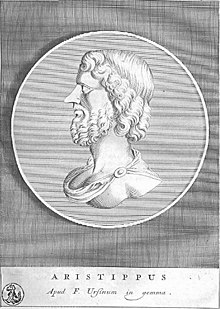
Diogenes Laertius, Lives of the Philosophers 2.8 Aristippos 71

“Once, when [Aristippos] was sailing to Corinth and there was a storm, he got pretty upset. When someone said to him, “We simple people are not afraid, but you philosophers are cowards now?”, he responded, “We are not each worrying about souls of equal worth.”

When someone else thought highly of himself for his great learning, Aristippos said, “Just as those who eat the most and exercise the most are not healthier than those who take what they need, so too the serious people are not those who read many books but useful ones.”

Εἰς Κόρινθον αὐτῷ πλέοντί ποτε καὶ χειμαζομένῳ συνέβη ταραχθῆναι. πρὸς οὖν τὸν εἰπόντα, “ἡμεῖς μὲν οἱ ἰδιῶται οὐ δεδοίκαμεν, ὑμεῖς δ᾿ οἱ φιλόσοφοι δειλιᾶτε,” “οὐ γὰρ περὶ ὁμοίας,” ἔφη, “ψυχῆς ἀγωνιῶμεν ἑκάτεροι.” σεμνυνομένου τινὸς ἐπὶ πολυμαθείᾳ ἔφη, “ὥσπερ οὐχ οἱ τὰ πλεῖστα ἐσθίοντες [καὶ γυμναζόμενοι] ὑγιαίνουσι μᾶλλον τῶν τὰ δέοντα προσφερομένων, οὕτως οὐδὲ οἱ πολλὰ ἀλλ᾿ οἱ χρήσιμα ἀναγινώσκοντές εἰσι σπουδαῖοι.”

Image result for Aristippus

“Give the Child a Book and Order Them to Read”

Polybius, Histories 10.47 7-12

“There are many other examples which provide proof for this, but the clearest one of all is that from reading. In this case, if someone sets a person who is illiterate and unaccustomed to reading but not a fool and then place next to him a child who can read, give the child a book and order them to read what is written, it is clear that the man would not be able to believe that while reading one must first understand the image of each letter, then the value of its sound, and then the possible combinations with other letters, all things that require a great deal of time.

When he sees the child reading without pausing seven or five lines, he will not easily be able to believe that the child has not read the book before. He will straight out deny it if the reader observes the rhythm, the pauses, the rough breathings and the smooth breathings too. We should not bar for ourselves, then, anything which is useful because it appears to be difficult at first. No, we must use the force of habit, the means by which humans achieve all good things and even more so when it concerns the matters upon which our very safety depends.”

τοῦ δὲ τοιούτου λόγου παραδείγματα μὲν πολλὰ καὶ ἕτερα πρὸς πίστιν, ἐναργέστατον δὲ τὸ γινόμενον ἐπὶ τῆς ἀναγνώσεως. ἐπὶ γὰρ ἐκείνης, εἴ τις παραστησάμενος ἄνθρωπον ἄπειρον μὲν καὶ ἀσυνήθη γραμματικῆς, τἄλλα δ᾿ ἀγχίνουν, κἄπειτα παιδάριον ἕξιν ἔχον παραστήσας καὶ δοὺς βυβλίον κελεύοι λέγειν τὰ γεγραμμένα, δῆλον ὡς οὐκ ἂν δύναιτο πιστεῦσαι διότι <δεῖ> πρῶτον ἐπὶ τὰς ὄψεις τὰς ἑνὸς ἑκάστου τῶν γραμμάτων ἐπιστῆσαι τὸν ἀναγινώσκοντα, δεύτερον ἐπὶ τὰς δυνάμεις, τρίτον ἐπὶ τὰς πρὸς ἄλληλα συμπλοκάς, ὧν ἕκαστον ποσοῦ χρόνου τινὸς δεῖται.διόπερ ὅταν ἀνεπιστάτως θεωρῇ τὸ παιδάριον ὑπὸ τὴν ἀναπνοὴν ἑπτὰ καὶ πέντε στίχους συνεῖρον, οὐκ ἂν εὐχερῶς δύναιτο πιστεῦσαι διότι πρότερον οὗτος οὐκ ἀνέγνωκε τὸ βυβλίον· εἰ δὲ καὶ τὴν ὑπόκρισιν καὶ τὰς διαιρέσεις, ἔτι δὲ δασύτητας καὶ ψιλότητας δύναιτο συσσῴζειν, οὐδὲ τελέως. διόπερ οὐκ ἀποστατέον οὐδενὸς τῶν χρησίμων διὰ τὰς προφαινομένας δυσχερείας, προσακτέον δὲ τὴν ἕξιν, ᾗ πάντα τὰ καλὰ γίνεται θηρατὰ τοῖς ἀνθρώποις, ἄλλως τε καὶ περὶ τῶν τοιούτων, ἐν οἷς πολλάκις κεῖται τὸ συνέχον τῆς σωτηρίας.

Image result for ancient greek child reading

Sparta Banned Archilochus. Enough Said.

Sparta has some problems (and a wildly unjustifiable popularity). Here’s another one.

Valerius Maximas, 6.3 Ext 1

“Although it is possible to use the whole planet to offer examples of Roman cruelty, it is not useless to learn of foreign instances in summary. The Spartans ordered that the books of Archilochus were to be expelled from their state because they believed that they were insufficiently modest and were also shameful reading.

They did not want their children’s minds to be filled with these ideas in case they might harm their characters more than it sharpened their wits. For this reason they exiled the greatest or nearly greatest poet because he wounded a household he hated with vulgar curses.”

Ceterum etsi Romanae severitatis exemplis totus terrarum orbis instrui potest, tamen externa summatim cognosse fastidio non sit. Lacedaemonii libros Archilochi e civitate sua exportari iusserunt, quod eorum parum verecundam ac pudicam lectionem arbitrabantur: noluerunt enim ea liberorum suorum animos imbui, ne plus moribus noceret quam ingeniis prodesset. itaque maximum poetam aut certe summo proximum, quia domum sibi invisam obscenis maledictis laceraverat, carminum exsilio multarunt.

The Chiggi Vase

Valerius Maximus’ account is somewhat different from the story most people know. Where he seems to take issue with Archilochus’ invective and his salacious content, others claim the issue was his cowardice. Plutarch claims that Archilochus was expelled from Sparta for this poem:

Fr. 5

“Some Saian takes joy the the shield, that blameless weapon
I left next to a bush unwillingly.
But I rescued myself. What does that shield matter to me?
Fuck it. I’ll buy no worse a shield next time.”

ἀσπίδι μὲν Σαΐων τις ἀγάλλεται, ἣν παρὰ
θάμνῳ, ἔντος ἀμώμητον, κάλλιπον οὐκ ἐθέλων·
αὐτὸν δ᾿ ἐξεσάωσα. τί μοι μέλει ἀσπὶς ἐκείνη;
ἐρρέτω· ἐξαῦτις κτήσομαι οὐ κακίω.

Plutarch also reports:

Spartan Sayings, 241f6

“Another spartan woman as she was passing her son his shield advised him, “child, [come home] either with this or on it.”

῎Αλλη προσαναδιδοῦσα τῷ παιδὶ τὴν ἀσπίδα καὶ παρακελευομένη ‘τέκνον’ ἔφη, ‘ἢ ταύταν ἢ ἐπὶ ταύτας.’

On Using Humor in Public Speaking

Cicero, De inventione

“If the matter allows, it is not useless to begin from some different angle or with a joke or something which you think up on the spot, the sort of thing which gets applause and shouts. You might also use something which is prepared for you, an anecdote, fable, or something else which has something funny in it.

If the gravity of the affair prohibits a sense of humor, it is not inappropriate to include something sad, unknown, or pretty dreadful right from the beginning. For, just as weariness for good can be treated with some small bite or lightened by something sweet, a mind tired of listening is reinvigorated by amazement or a laugh.”

Sin res dabit, non inutile est ab aliqua re nova aut ridicula incipere aut ex tempore quae nata sit, quod genus strepitu acclamatione; aut iam parata, quae vel apologum vel fabulam vel aliquam contineat irrisionem; aut si rei dignitas adimet iocandi facultatem, aliquid triste, novum, horribile statim non incommodum est inicere. Nam, ut cibi satietas et fastidium aut subamara aliqua re relevatur aut dulci mitigatur, sic animus defessus audiendo aut admiratione integratur aut risu novatur.

Some Examples of Ciceronian jokes:

Macrobius, Saturnalia 2.1:

“Who is there, that has taken care to read those those books of his jokes which his freedman composed, who does not know how much Cicero excelled in humor?   (Though, some suspect that the freedman was the author.) Who is there, who doesn’t know that he was often called the ‘consular clown’ by his enemies? Vatinius mentioned this in his own speech. I would, if it wouldn’t take too long, recall those cases in which he represented guilty clients, which he won by joking.”

Cicero autem quantum in ea re valuerit quis ignorat qui vel liberti eius libros quos is de iocis patroni conposuit, quos quidam ipsius putant esse, legere curavit? Quis item nescit consularem eum scurram ab inimicis appellari solitum? quod in oratione etiam sua Vatinius posuit. Atque ego, ni longum esset, referrem, in quibus causis, cum nocentissimos reos tueretur, victoriam iocis adeptus sit.

Aulus Gellius, Attic Nights 12.12

12 The clever response of Marcus Cicero as he defends himself against a claim of obvious lying

“This is a part of rhetorical training too—to admit criminal matters not subject to danger cleverly and with charm so that, if something foul is alleged which cannot be denied, you may defuse it with a humorous response and make the whole matter more dignified with a joke rather than an allegation, just as it is recorded that Cicero did when he tempered what could not be denied with a clever and amusing comment.

For when Cicero wanted to purchase a house on the Palatine hill and he did not have the money at hand, he accepted in private as much as two million sesterces [$100,000?] from Publius Sulla* who was then a defendant in a case. But the whole matter was made public before he bought the house and he was charged with receiving money for buying a house from an accused defendant. So then, troubled by the unanticipated criticism, Cicero denied that he had received the money and denied that he would have bought the house, saying “Indeed, If I buy the house, it is true that I took the money”.

But later, when he had bought the house and was charged with being a liar in the senate by his enemies, he laughed plenty and said while chuckling: “You are senseless men if you don’t know that it is a mark of a wise and cautious head of a family, when he wants to buy something, to deny that he wants to buy it to scare off competitors!”

*He was charged for participating in the conspiracy with Cataline.

XII Faceta responsio M. Ciceronis amolientis a se crimen manifesti mendacii.

[1] Haec quoque disciplina rhetorica est callide et cum astu res criminosas citra periculum confiteri, ut, si obiectum sit turpe aliquid, quod negari non queat, responsione ioculari eludas et rem facias risu magis dignam quam crimine, sicut fecisse Ciceronem scriptum est, cum id, quod infitiari non poterat, urbano facetoque dicto diluit. [2] Nam cum emere uellet in Palatio domum et pecuniam in praesens non haberet, a P. Sulla, qui tum reus erat, mutua sestertium uiciens tacita accepit. [3] Ea res tamen, priusquam emeret, prodita est et in uulgus exiuit, obiectumque ei est, quod pecuniam domus emendae causa a reo accepisset. [4] Tum Cicero inopinata obprobratione permotus accepisse se negauit ac domum quoque se empturum negauit atque ‘adeo’ inquit ‘uerum sit accepisse me pecuniam, si domum emero’. Sed cum postea emisset et hoc mendacium in senatu ei ab inimicis obiceretur, risit satis atque inter ridendum: ‘ἀκοινονόητοι’ inquit ‘homines estis, cum ignoratis prudentis et cauti patrisfamilias esse, quod emere uelit, empturum sese negare propter competitores emptionis.’

Macrobius, Saturnalia (II.2.3.1-4) 

“I am surprised that you all have been quiet about Cicero’s jokes which prove him as eloquent as in everything else he said. If it seems right, I am prepared—like the guardian of a temple about to announce the oracles of a god—to repeat the Ciceronian jests I remember.

When everyone appeared ready to listen to him, he began: “When Marcus Cicero dined with Damasippus and his host offered him a rather middling wine and said “Drink this forty-year old Falernian,” Cicero replied “It carries its age well.” At another time when he saw his own son-in-law Lentulus, a man of short stature, girded up with a long sword, he asked “Who has attached my son-in-law to a sword?” Nor did he keep a similar bite from his brother Quintus Cicero. For, when visiting the province Quintus that was administering, he saw his brother’s portrait armed with a circular shield sculpted with much greater size near the chest in the manner of pictures (his brother was also a bit on the shorter side), he said “Half of my brother is bigger than the whole!”

Sed miror omnes vos ioca tacuisse Ciceronis, in quibus facundissimus, ut in omnibus, fuit: et, si videtur, ut aedituus responsa numinis sui praedicat ita ego quae memoria suggesserit refero dicta Ciceronis. Tum omnibus ad audiendum erectis ille sic incipit: 2 M. Cicero, cum apud Damasippum coenaret et ille mediocri vino posito diceret: Bibite Falernum hoc, annorum quadraginta est: Bene, inquit, aetatem fert. 3 Idem cum Lentulum generum suum, exiguae naturae hominem, longo gladio adcinctum vidisset: Quis, inquit, generum meum ad gladium alligavit? 4 Nec Q. Ciceroni fratri circa similem mordacitatem pepercit. Nam cum in ea provincia quam ille rexerat vidisset clypeatam imaginem eius ingentibus lineamentis usque ad pectus ex more pictam (erat autem Quintus ipse staturae parvae), ait: Frater meus dimidius maior est quam totus.

Image result for Cicero

Etymology: Keep It Real

John William Donaldson, The New Cratylus (Preface):

Many people entertain strong prejudices against every thing in the shape of etymology, prejudices which would be not only just but inevitable, if etymology or the doctrine of words were such a thing as they suppose it to be. They consider it as amounting to nothing more than the derivation of words from one another; and as this process is generally confined to a perception of some prima facie resemblance of two words, it seldom rises beyond the dignity of an ingenious pun, and, though amusing enough at times, is certainly neither an instructive nor an elevated employment for a rational being.

The only real etymology is that which attempts a resolution of the words of a language into their ultimate elements by a comparison of the greatest possible number of languages of the same family. Derivation is, strictly speaking, inapplicable, farther than as pointing out the manner in which certain constant syllables, belonging to the pronominal or formative element of inflected languages, may be prefixed or subjoined to a given form for the expression of some secondary or dependent relation. In order to arrive at the primary origin of a word or a form, we must get beyond the narrow limits of a single idiom. Indeed, in many cases the source can only be traced by a conjectural reproduction based on the most extended comparison of all the cognate languages, for when we take some given variety of human speech, we find in it systems and series of words running almost parallel to one another, but presenting such resemblances in form and signification as convince us that, though apparently asymptotes, they must have converged in the form which we know would potentially contain them all. This reproduction of the common mother of our family of languages, by a comparison of the features of all her children, is the great general object to which the efforts of the philologer should be directed, and this, and not a mere derivation of words in the same language from one another, constitutes the etymology that is alone worthy of the name.