What Was the Name of Odysseus’ City?

Plutarch Greek Questions, 301d

“Why was the Ithakans’ city named Alalkomenai? The reason is that Antikleia was raped by Sisyphus when she was a virgin and conceived Odysseus. This story is told by many. But Istros the Alexandrian reports in his Commentaries  that she had been betrothed to Laertes and gave birth to Odysseus as she was being taken to him near the Alalkomeneion. For this reason, Istros reports that they called the city in Ithaka this, introducing the name as they would from a mother-city.”

πόθεν ἡ τῶν ᾽Ιθακησίων πόλις ᾽Αλαλκομεναὶ προσηγορεύθη; διὰ τὸ τὴν ᾽Αντίκλειαν ὑπὸ Σισύφου βιασθεῖσαν ἐν τῆι παρθενίαι τὸν ᾽Οδυσσέα συλλαβεῖν· ὑπὸ πλειόνων δ᾽ ἐστὶν εἰρημένον. ῎Ιστρος δὲ ὁ ᾽Αλεξανδρεὺς ἐν ῾Υπομνήμασι προσιστόρηκεν, ὅτι τῶι Λαέρτηι δοθεῖσα πρὸς γάμον καὶ ἀναγομένη περὶ τὸ ᾽Αλαλκομένειον ἐν τῆι Βοιωτίαι τὸν ᾽Οδυσσέα τέκοι· καὶ διὰ τοῦτο ἐκεῖνος ὥσπερ μητροπόλεως ἀναφέρων τοὐνομα τὴν ἐν ᾽Ιθάκηι πόλιν οὕτω φησὶ προσαγορεύεσθαι.

For sources  Odysseus as the son of Sisyphos, see Aeschylus, fr. 175; Sophocles Ajax 190; Philoktetes 416–17; Euripides Iphigena Aul 524

Sisyphus depicted on a black-figure amphora vase
Sisyphus. You thought that was a stone? By Swing Painter – User:Bibi Saint-Pol, own work, 2007-02-13, Public Domain,

Where the Homeric Odyssey suppresses names of children used by ancient myth to relate Odysseus to a wider physical world, the epic nevertheless has some hints here and there about geography and politics. Of course, this will can us a bit more about his family and home. In the Odyssey we find what seems to be a formulaic combination of three islands near Ithaca. When Odysseus describes where he’s from, he names his home and then adds (9.23-4):

“Many islands are inhabited right near each other
Doulikhion, Samê, and forest-covered Zakunthos.”

πολλαὶ ναιετάουσι μάλα σχεδὸν ἀλλήλῃσι,
Δουλίχιόν τε Σάμη τε καὶ ὑλήεσσα Ζάκυνθος.

And earlier during his discussion with Telemachus, Odysseus hears the suitors similarly described as (16.122-125; cf. 19.130-1):

“However so many of the best men who rule among the islands,
Doulikhion, Samê, and forest-covered Zakunthos.
Alongside all the men who lord over steep Ithaka—
This many men are wooing my mother and ruining my home”

ὅσσοι γὰρ νήσοισιν ἐπικρατέουσιν ἄριστοι,
Δουλιχίῳ τε Σάμῃ τε καὶ ὑλήεντι Ζακύνθῳ,
ἠδ’ ὅσσοι κραναὴν ᾿Ιθάκην κάτα κοιρανέουσι,
τόσσοι μητέρ’ ἐμὴν μνῶνται, τρύχουσι δὲ οἶκον.

Continue reading “What Was the Name of Odysseus’ City?”

Hermione and Heroic Sons

Lysimachos BNJ 382 F 10b Scholia Ad Andromache, 32

Proksenos in the first book of Epirote Histories says that Pielos was born from Neoptolemos, also named Peleus, and not from Hermione as is told.

Πρόξενος δὲ ἐν τῆι πρώτηι τῶν ᾽Ηπειρωτικῶν Νεοπτολέμου μὲν Πίελόν φησι γεγονέναι, τὸν καὶ Πηλέα· οὐ μὴν ὅτι ἐξ ῾Ερμιόνης, <ὡς> προδεδήλωται.


Eustathios, Commentarii ad Homeri Odysseam 1.141, vv. 26-3

“People say that Sophocles records, in his Hermione, that when Menelaos was still in Troy, Tyndareus gave her to Orestes. Later on, she was seized from him and given to Neoptolemus to honor the promise made in Troy. After Neoptolemos was killed by Makhaireus, who was asking Apollo to pay him back for his father’s murder, she was returned to Orestes again. Tisamenos was born from them.”

Σοφοκλῆς δέ φασιν ἐν Ἑρμιόνῃ ἱστορεῖ, ἐν Τροίᾳ ὄντος ἔτι Μενελάου, ἐκδοθῆναι τὴν Ἑρμιόνην ὑπὸ τοῦ Τυνδάρεω τῷ Ὀρέστῃ. εἶτα ὕστερον ἀφαιρεθεῖσαν αὐτοῦ, ἐκδοθῆναι τῷ Νεοπτολέμῳ κατὰ τὴν ἐν Τροίᾳ ὑπόσχεσιν. αὐτοῦ δὲ Πυθοῖ ἀναιρεθέντος ὑπὸ Μαχαιρέως ὅτε τὸν Ἀπόλλω τινύμενος τὸν τοῦ πατρὸς ἐξεδίκει φόνον, ἀποκαταστῆναι αὖθις αὐτὴν τῷ Ὀρέστῃ. ἐξ ὧν γενέσθαι τὸν Τισαμενόν.

From Wikimedia: By Class of Cambridge 49 – Jastrow (2006), Public Domain, https://commons.wikimedia.org/w/index.php?curid=511079

It’s Thursday: An Eternal Death Awaits, No Matter What

Lucretius, De Rerum Natura 3.1076-1094

“Finally, what great and vile desire for life compels us
To quake so much amidst doubts and dangers?
Mortals have an absolute end to our lives:
Death cannot be evaded—we must leave.

Nevertheless, we move again and still persist—
No new pleasure is procured by living;
But while what we desire is absent, that seems to overcome
All other things; but later, when we have gained it, we want something else—

An endless thirst for life grips us as we gasp for it.
It remains unclear what fortune life will offer,
What chance may bring us and what end awaits.
But by extending life we do not subtract a moment
Of time from death nor can we shorten it
So that we may somehow have less time after our ends.

Therefore, you may continue as living as many generations as you want,
But that everlasting death will wait for you still,
And he will be there for no less a long time, the man who
Has found the end of life with today’s light, than the man who died
Many months and many years before.”

Denique tanto opere in dubiis trepidare periclis
quae mala nos subigit vitai tanta cupido?
certe equidem finis vitae mortalibus adstat
nec devitari letum pote, quin obeamus.
praeterea versamur ibidem atque insumus usque
nec nova vivendo procuditur ulla voluptas;
sed dum abest quod avemus, id exsuperare videtur
cetera; post aliud, cum contigit illud, avemus
et sitis aequa tenet vitai semper hiantis.
posteraque in dubiost fortunam quam vehat aetas,
quidve ferat nobis casus quive exitus instet.
nec prorsum vitam ducendo demimus hilum
tempore de mortis nec delibare valemus,
quo minus esse diu possimus forte perempti.
proinde licet quod vis vivendo condere saecla,
mors aeterna tamen nihilo minus illa manebit,
nec minus ille diu iam non erit, ex hodierno
lumine qui finem vitai fecit, et ille,
mensibus atque annis qui multis occidit ante.

Illustration for article titled Ancient Roman funeral masks made from wax were freakishly lifelike
Ancient Roman Funeral Masks

Failed Poet, Philosopher Prince

Aelian, Varia Historia 2.30

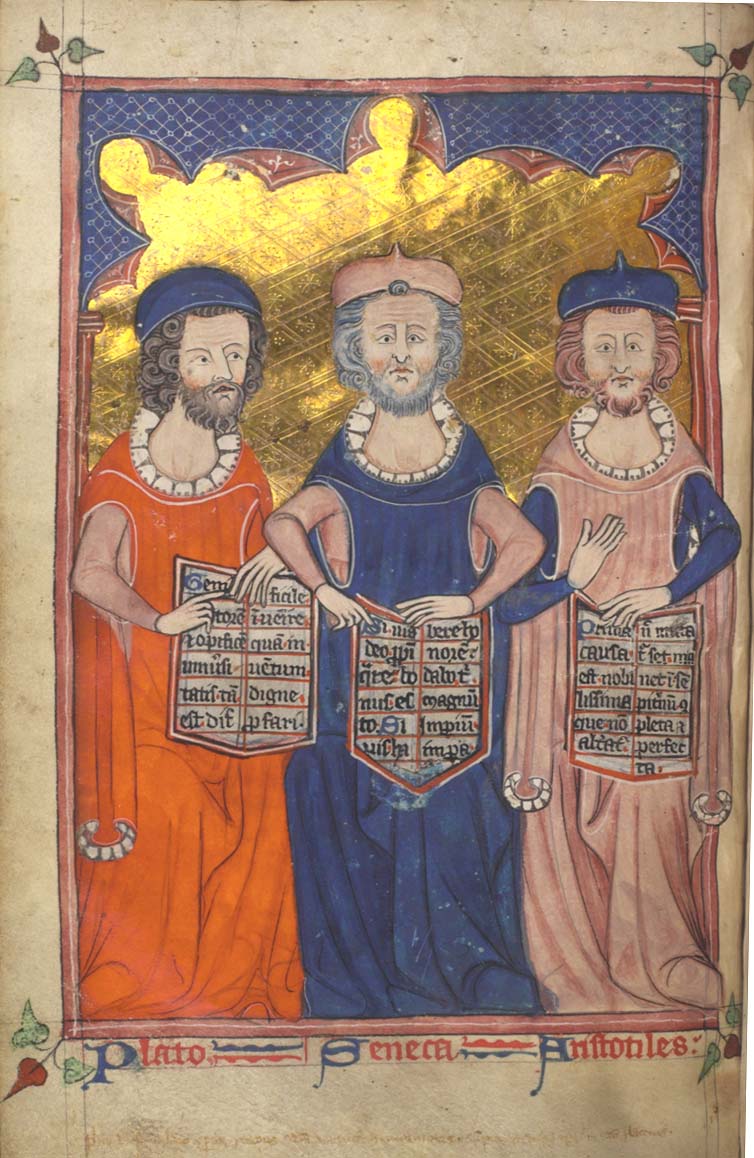
“Plato, the son of Ariston, at first pursued poetry and used to write heroic verse. But he soon burned it all because he despised it, since he reckoned that his poetry was far inferior when compared to Homer’s. He then tried tragedy and even completed a tetralogy, and he was about to enter the competition, even to the point of giving the verses to actors. But right before the Dionysia, he went and heard Socrates; and once he was seized by that Siren, he not only withdrew from the competition, but he also gave up the writing of tragedy for good to immerse himself in philosophy.”

Πλάτων ὁ ᾿Αρίστωνος τὰ πρῶτα ἐπὶ ποιητικὴν ὥρμησε, καὶ ἡρωϊκὰ ἔγραφε μέτρα• εἶτα αὐτὰ κατέπρησεν ὑπεριδὼν αὐτῶν, ἐπεὶ τοῖς ῾Ομήρου αὐτὰ ἀντικρίνων ἑώρα κατὰ πολὺ ἡττώμενα. ἐπέθετο οὖν τραγῳδίᾳ, καὶ δὴ καὶ τετραλογίαν εἰργάσατο, καὶ ἔμελλεν ἀγωνιεῖσθαι, δοὺς ἤδη τοῖς ὑποκριταῖς τὰ ποιήματα. πρὸ τῶν Διονυσίων δὲ παρελθὼν ἤκουσε Σωκράτους, καὶ ἅπαξ αἱρεθεὶς ὑπὸ τῆς ἐκείνου σειρῆνος, τοῦ ἀγωνίσματος οὐ μόνον ἀπέστη τότε, ἀλλὰ καὶ τελέως τὸ γράφειν τραγῳδίαν ἀπέρριψε, καὶ ἀπεδύσατο ἐπὶ φιλοσοφίαν.

Although he did not master poetry, Plato could still deal out a sick burn:

Aelian 4.9

“Plato used to call Aristotle Pôlos [the Foal]. What did he wish with that name? Everyone knows that a foal, when it has had its fill of baby’s milk, kicks its mother. Thus Plato was signaling a certain ingratitude on Aristotle’ part. Indeed, Aristotle received the greatest seeds of Philosophy from Plato and then, though he was filled to the brim with the best ideas, he broke with Plato rebelliously. He founded his own house, took his friends on Plato’s walk, and set himself up to be Plato’s rival.”

῾Ο Πλάτων τὸν ᾿Αριστοτέλη ἐκάλει Πῶλον. τί δὲ ἐβούλετο αὐτῷ τὸ ὄνομα ἐκεῖνο; δηλονότι ὡμολόγηται τὸν πῶλον, ὅταν κορεσθῇ τοῦ μητρῴου γάλακτος, λακτίζειν τὴν μητέρα. ᾐνίττετο οὖν καὶ ὁ Πλάτων ἀχαριστίαν τινὰ τοῦ ᾿Αριστοτέλους. καὶ γὰρ ἐκεῖνος μέγιστα ἐς φιλοσοφίαν παρὰ Πλάτωνος λαβὼν σπέρματα καὶ ἐφόδια, εἶτα ὑποπλησθεὶς τῶν ἀρίστων καὶ ἀφηνιάσας, ἀντῳκοδόμησεν αὐτῷ διατριβὴν καὶ ἀντιπαρεξήγαγεν ἐν τῷ περιπάτῳ ἑταίρους ἔχων καὶ ὁμιλητάς, καὶ ἐγλίχετο ἀντίπαλος εἶναι Πλάτωνι.

Image result for aristotle and plato

Presocratic Healthcare Plan: Everyone a Doctor, Everyone a Sage

A Letter to Hippocrates: Ps.-Hipp. Epist. 23 (9.392–93 Littré)

“Democritus writes to Hippocrates on the nature of human beings:

“Hippocrates, all people should know the art of medicine, since it it is noble and also advantageous for life and it is a special possession of those people who have deep experience in education and argumentation. I think that the pursuit of wisdom is the sibling and roommate of medicine since wisdom frees the soul of suffering, and medicine rids the body of illnesses.”

Δημόκριτος Ἱπποκράτει περὶ φύσιος ἀνθρώπου.

χρὴ πάντας ἀνθρώπους ἰητρικὴν τέχνην ἐπίστασθαι, ὦ Ἱππόκρατες, καλὸν γὰρ ἅμα καὶ ξυμφέρον ἐς τὸν βίον, τουτέων δὲ μάλιστα τοὺς παιδείας καὶ λόγων ἴδριας γεγενημένους. ἱστορίην σοφίης γὰρ δοκέω ἰητρικῆς ἀδελφὴν καὶ ξύνοικον· σοφίη μὲν γὰρ ψυχὴν ἀναρύεται παθέων, ἰητρικὴ δὲ νούσους σωμάτων ἀφαιρέεται [. . .].

Image from Wikipedia

Wondrous Wednesday: How Sicily Became an Island and Shooting Arrows at the Gods

Paradoxographus Vaticanus, 39-46

39 “Akulios the Roman Historian says that before a cataclysm Sicily was not an island as it is today but it was part of the mainland connected to what later became Italy. It was cut off from the Apennines from a deluge of floods at their roots, and the land was broken at Skullaion and the island was made. This is why that side of Italy is called Rhêgion.”

᾿Ακύλιος ὁ ῾Ρωμαῖος ἱστορικός φησι τὴν Σικελίαν πρὸ τοῦ κατακλυσμοῦ μὴ νῆσον εἶναι ὡς σήμερον, ἀλλ’ ἤπειρον γενέσθαι συνημμένην τῇ ὕστερον ᾿Ιταλίᾳ· ἐκ δὲ τῆς ἐπικλύσεως τῶν ῥευμάτων τῶν ῥιζῶν ἀποσπασθεῖσαν τοῦ ᾿Απεννίνου, κατὰ τὸ Σκύλλαιον ῥαγείσης τῆς ἠπείρου, νῆσον ἀποκαταστῆναι καὶ διὰ τοῦτο ῾Ρήγιον ἀποκληθῆναι τὸ πλευρὸν τῆς ᾿Ιταλίας ἐκεῖνο.

40 “The Persians punish those who bring harm to a pyre or piss in a river wash clean in it with death.”

Πέρσαι τοὺς προσφέροντας τῷ πυρὶ βλάβος ἢ ποταμῷ ἐνουροῦντας ἢ ἐναπονιζομένους θανάτῳ ζημιοῦσιν.

41 “They say that the Getai play drums along with Zeus’ thunder and shoot arrows into the sky to threaten the god.”

Γέτας φασὶ ταῖς τοῦ Διὸς βρονταῖς ἐπιτυμπανίζειν καὶ τοξεύοντας εἰς τὸν ἀέρα ἀπειλεῖν τῷ θεῷ.

42 “Among the Padaioi, an Indian tribe, the wisest of those who are present begin the sacrifices. And he asks from the gods for noting other than a sense of justice.”

᾿Εν Παδαίοις, ᾿Ινδικῷ ἔθνει, ὁ συνετώτατος τῶν παρόντων κατάρχεται τῶν ἱερῶν· αἰτεῖται δὲ παρὰ τῶν θεῶν οὐδὲν ἄλλο πλὴν δικαιοσύνης.

“Alexander the son of Philip ruled the Macedonians for 14 years. He conquered the Persians at the Granicus in his [24th year]. For this reason he used to honor that day especially and sacrified to the gods because it seem that the greatest things were accomplished in that fourth. And if he ever wanted to do something he waited for the fourth.”

43᾿Αλέξανδρος ὁ Φιλίππου τὴν τῶν Μακεδόνων ἀρχὴν <ἦρξεν> τεσσαρεσκαιδέκατος. ἐνίκησε δὲ Πέρσας ἐπὶ Γρανικῷ κδ’· διὸ καὶ τὴν ἡμέραν σφόδρα ἐτίμα καὶ θεοῖς ἔθυεν, ὅτι ἐν ταύτῃ τῇ τετάρτῃ δηλονότι τὰ μέγιστα κατεπράχθη. καὶ εἴ ποτέ τι δρᾶν ἐβούλετο, περιέμενε τὴν τετράδα.

44 Among the Galataians, whoever flees after committing injustice in the worst ways, resolved it if he gave a horse or a trumpet.”

Παρὰ Γαλάταις ἐάν, <ὅσ>τις τὰ μέγιστα ἀδικήσας κατέφυγεν, ἐπι<δῷ> ἵππον ἢ σάλπιγγα, ἀπελύετο.

45 “These same people, when they are making plans about war, communicate with women and whatever the women decide wins the day. If they are defeated while they battle, they cut off the heads of the women who gave them advice about conducting the war, and they throw them from the land.”

οὗτοι περὶ πολέμου βουλευόμενοι ταῖς γυναιξὶν ἀνακοινοῦνται, καὶ ὅ τι ἂν γνῶσιν αἱ γυναῖκες, τοῦτο κρατεῖ· ἐὰν δὲ ἡττηθῶσι πολεμοῦντες, τῶν γυναικῶν, αἳ συνεβουλεύσαντο πόλεμον ἄρασθαι, τὰς κεφαλὰς ἀποτεμόντες ἔξω ῥίπτουσι
τῆς γῆς.

Image result for medieval manuscript drums
Book of Hours, MS M.1004 fol. 43v -The Morgan Library & Museum

Matchmaking With the Ancients

Hesiod, Works and Days 695-705

“The time to bring a wife to your home
is when you are not too many years under thirty,
or just a few years older. This is the season for marriage.
Your wife should be four years in puberty and married in the fifth.
Marry a virgin so you may teach her proper habits,
And marry a woman who lives nearby, making sure you check
every detail so that you won’t be wed to a joke for your neighbors.
For nothing is better for a man than a wife,
a good one, and nothing is more horrible than a bad one,
one who lies down to eat, and who can cook her husband without a fire,
even though he is a strong man, she makes him age when he’s young.”

  ῾Ωραῖος δὲ γυναῖκα τεὸν ποτὶ οἶκον ἄγεσθαι,
μήτε τριηκόντων ἐτέων μάλα πόλλ’ ἀπολείπων
μήτ’ ἐπιθεὶς μάλα πολλά· γάμος δέ τοι ὥριος οὗτος·
ἡ δὲ γυνὴ τέτορ’ ἡβώοι, πέμπτῳ δὲ γαμοῖτο.
παρθενικὴν δὲ γαμεῖν, ὥς κ’ ἤθεα κεδνὰ διδάξῃς,
[τὴν δὲ μάλιστα γαμεῖν, ἥτις σέθεν ἐγγύθι ναίει]
πάντα μάλ’ ἀμφὶς ἰδών, μὴ γείτοσι χάρματα γήμῃς.
οὐ μὲν γάρ τι γυναικὸς ἀνὴρ ληίζετ’ ἄμεινον
τῆς ἀγαθῆς, τῆς δ’ αὖτε κακῆς οὐ ῥίγιον ἄλλο,
δειπνολόχης, ἥ τ’ ἄνδρα καὶ ἴφθιμόν περ ἐόντα
εὕει ἄτερ δαλοῖο καὶ ὠμῷ γήραϊ δῶκεν.

Ovid, Heroides, 9.26-34 Deianeira addresses Herakles

“But I am considered well-married, because I am called Hercules’ wife
And because my father-in-law is the one who sounds deeply with swift steeds.
Yet, this is how the unequal colts arrive unhappily at the plow,
The way that a lesser bride matches to a great husband.
This isn’t an honor but merely the appearance of it which pains who carries it more;
If you want to be married happily, marry your equal.
My husband is always absent—he’s more famous as my guest than husband
As he pursues is terrible monsters and beasts.”

At bene nupta feror, quia nominer Herculis uxor,
sitque socer, rapidis qui tonat altus equis.
quam male inaequales veniunt ad aratra iuvenci,
tam premitur magno coniuge nupta minor.
non honor est sed onus species laesura ferentes:
siqua voles apte nubere, nube pari.
vir mihi semper abest, et coniuge notior hospes
monstraque terribiles persequiturque feras.

Hipponax, Fr. 68

“A woman has two days which are the sweetest:
When someone marries her and when someone carries her out dead.”

δύ᾿ ἡμέραι γυναικός εἰσιν ἥδισται,
ὅταν γαμῇ τις κἀκφέρῃ τεθνηκυῖαν.

Euripides, fr. 137 (Andromeda)

“Best of all riches is to find a noble spouse.”

τῶν γὰρ πλούτων ὅδ’ ἄριστος
γενναῖον λέχος εὑρεῖν.

Red-figure skyphoid pyxis by the Adrano Group, ca 330-320 BC, today at the Pushkin Museum in Moscow. Image shown under Creative Common License: shakko, Pyxis01 pushkinCC BY-SA 3.0 (Thanks to Commenter Marcus Cyron for reminding me to post this credit)


Some Less Famous Sayings of Famous Men

From the Gnomologicum Vaticanum

272

“When Euripides was asked why he hated both wicked and noble men he said “I hate the wicked men because of their corruption and the good men because they don’t hate the evil.”

῾Ο αὐτὸς ἐρωτηθεὶς διὰ τί [αὐτὸς] τούς τε πονηροὺς καὶ ἀγαθοὺς μισεῖ ἔφη· „τοὺς μὲν πονηροὺς διὰ τὴν μοχθηρίαν, τοὺς δὲ ἀγαθοὺς ὅτι τοὺς κακοὺς οὐ μισοῦσιν”.

420

“When Oinopides saw a youth who had many books he said “don’t put them in a chest but in your heart.”

Οἰνοπίδης ὁρῶν μειράκιον πολλὰ βιβλία κτώμενον ἔφη· „μὴ τῇ κιβωτῷ, ἀλλὰ τῷ στήθει.”

426

“Plato used to say “It is not fine for an educated man to converse with the uneducated, just as it is for a sober man to talk with the drunk”

Πλάτων ἔφη· „οὐ καλὸν πεπαιδευμένον ἐν ἀπαιδεύτοις διαλέγεσθαι, ὥσπερ οὐδὲ νήφοντα ἐν μεθύουσιν.”


309

“Herodotus the historiographer when asked by someone how people can be of good spirit, said “if they don’t do [too] many things.”

῾Ηρόδοτος ὁ ἱστοριογράφος ἐρωτηθεὶς ὑπό τινος πῶς ἂν δύναιντο <οἱ> ἄνθρωποι εὐθυμεῖν εἶπεν· „ἐὰν μὴ πολλὰ πρήσσωσιν.”


53

“When [Aristotle] was asked what man has equal to god he said “to do good deeds” ‘

῾Ο αὐτὸς ἐρωτηθεὶς ὑπό τινος, τί ἄνθρωπος ἶσον ἔχει θεῷ, εἶπε· „τὸ εὐεργετεῖν”.


539

“When Philip was asked who blinded his eye, he said “Love for Greece.”

Φίλιππος ἐρωτηθεὶς τίς αὐτῷ τὸν ὀφθαλμὸν ἐξέκοψεν, εἶπεν· „ὁ τῆς ῾Ελλάδος ἔρως.”


Image result for Medieval manuscripts aristotle

Politicians and Philosophers! On the Education of Perikles

Plutarch on Perikles

“Perikles was a student of Zeno the Eleatic too, the one who concerned himself with nature in the manner of Parmenides. and who practiced a type of refutational logic which would trap his interlocutor.  He was, as Timon of Phlias quipped, “a man whose tongue worked both ways, with irresistible fury, Zeno, a universal prosecutor”.

But the one who spent the most time with Pericles and who chiefly endowed him with a stature and outlook more impressive than any demagogue’s and who totally raised up and praised the worth of his character was Anaxagoras of Klazomene. He was a man people of that time called the Mind because either they were amazed by his understanding which appeared so great and nuanced regarding nature or because he was the first who didn’t make chance or necessity the ruling force of the universe but instead Mind in its pure and simple form…”

διήκουσε δὲ Περικλῆς καὶ Ζήνωνος τοῦ Ἐλεάτου πραγματευομένου περὶ φύσιν, ὡς Παρμενίδης, ἐλεγκτικὴν δέ τινα καὶ δι᾿ ἀντιλογίας κατακλείουσαν εἰς ἀπορίαν ἐξασκήσαντος ἕξιν, ὥσπερ καὶ Τίμων ὁ Φλιάσιος εἴρηκε διὰ τούτων·

Ἀμφοτερογλώσσου τε μέγα σθένος οὐκ ἀλαπαδνὸν /Ζήνωνος, πάντων ἐπιλήπτορος.

Ὁ δὲ πλεῖστα Περικλεῖ συγγενόμενος καὶ μάλιστα περιθεὶς ὄγκον αὐτῷ καὶ φρόνημα δημαγωγίας ἐμβριθέστερον, ὅλως τε μετεωρίσας καὶ συνεξάρας τὸ ἀξίωμα τοῦ ἤθους, Ἀναξαγόρας ἦν ὁ Κλαζομένιος, ὃν οἱ τότ᾿ ἄνθρωποι Νοῦν προσηγόρευον, εἴτε τὴν σύνεσιν αὐτοῦ μεγάλην εἰς φυσιολογίαν καὶ περιττὴν διαφανεῖσαν θαυμάσαντες, εἴθ᾿ ὅτι τοῖς ὅλοις πρῶτος οὐ τύχην οὐδ᾿ ἀνάγκην διακοσμήσεως ἀρχήν, ἀλλὰ νοῦν ἐπέστησε καθαρὸν καὶ ἄκρατον…

Image result for perikles

Teachers: Be Careful When You Go On Vacation

Libanius, Autobiography 90

“There was a certain Phoenician here who was valued for his technical skill—he was the son and grandson of sophists and honored for this no less than from his own words. As was the custom, this man happened to have gone home for the summer.

But after my performances speeches and everyone was leaving, letters were sent to him advising him to return to his students as quickly as possible because they were being taken from him. The letters were saying, “if you will delay, then you will come to an empty school—that’s how his Orpheus will be gone, leading everyone with him.”

Ἦν δέ τις τῇδε Φοίνιξ θαυμαζόμενος ἐπὶ τῇδε τῇ τέχνῃ, σοφιστοῦ μὲν υἱός, σοφιστοῦ δὲ υἱιδοῦς, καὶ τὸ τιμᾶσθαί γε οὐχ ἧττον ἐντεῦθεν ἦν ἢ παρὰ τῶν λόγων αὐτῷ. οὗτος νόμῳ μὲν  ὡραίας ἐτύγχανεν ἀφιγμένος οἴκαδε, δειχθέντων δέ μοι τῶν λόγων καὶ πάντων οἰχομένων γράμματα πέμπεται πρὸς ἐκεῖνον φράζοντα τὴν ταχίστην ἐπιστῆναι τοῖς νέοις ὡς ᾑρημένοις· ‘εἰ δὲ μελλήσεις,’ τὰ γράμματα ἔλεγεν, ‘ἐπὶ κενὸν ἥξεις τὸ διδασκαλεῖον. οὕτως ἅπαντας ἀπαγαγὼν ὁ Ὀρφεὺς οἰχήσεται.’

Image result for libanius
I was kind of a big deal.