No Better(er) A Man: Mimnermus’ Memory of War

Mimnermus fr. 14

“That man did not have this kind of strength and proud spirit
As I learn from those who came before me
Who saw him turning back the Lydian cavalry’s teeming ranks
On the Hermion plan, a man with an ash-spear in his hand.
Pallas Athena never carped at his heart’s
Rushing strength when he sped into the front-fighters,
In the clash of the bloody war,
Disappointing his enemies’ bitter bolts.
For not one of his opponents was a better man
At facing the work of powerful war,
When he [went] like the rays of the sun…”

οὐ μὲν δὴ κείνου γε μένος καὶ ἀγήνορα θυμὸν
τοῖον ἐμέο προτέρων πεύθομαι, οἵ μιν ἴδον
Λυδῶν ἱππομάχων πυκινὰς κλονέοντα φάλαγγας
῞Ερμιον ἂμ πεδίον, φῶτα φερεμμελίην [1
τοῦ μὲν ἄρ’ οὔ ποτε πάμπαν ἐμέμψατο Παλλὰς ᾿Αθήνη
δριμὺ μένος κραδίης, εὖθ’ ὅ γ’ ἀνὰ προμάχους
σεύαιθ’ αἱματόεν<τος ἐν> ὑσμίνηι πολέμοιο,
πικρὰ βιαζόμενος δυσμενέων βέλεα·
οὐ γάρ τις κείνου δηίων ἔτ’ ἀμεινότερος[2] φὼς
ἔσκεν ἐποίχεσθαι φυλόπιδος κρατερῆς
ἔργον, ὅτ’ αὐγῆισιν φέρετ’ εἴκελος[3] ἠελίοιο

This poem is not one of the best attributed to Mimnermus, but it has an a few interesting images and some instructive hapax legomena [“words that occur only once”]

1. A hapax legomenon [word only occuring once]: φερεμμελίην, “ash-spear” wielding”

2. ἀμεινότερος: a double formation, adding the comparative suffix –oter– to the irregular comparative ameinôn

3. Most editions have ὠκέος ἠελίοιο in the final line. I prefer εἴκελος because it works better with the dative αὐγῆισιν

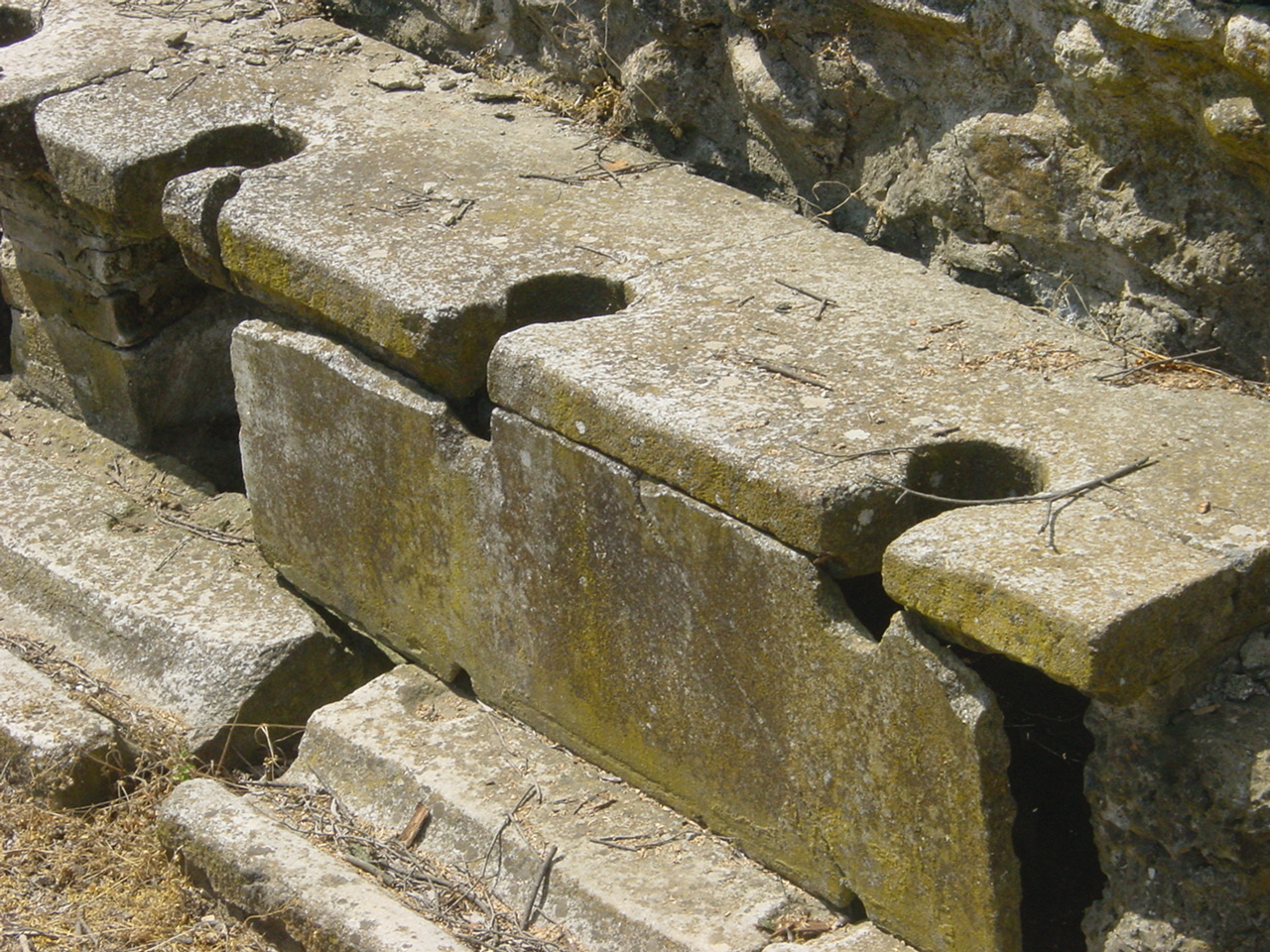
Penthesileia in Agrigento https://www.flickr.com/photos/sarah_c_murray/5556332339


Up Before Dawn, Two Baths and a Nap: The Daily Routine of Emperor Severus

Dio Cassius 27.17

“This is the daily routine Severus used when there was peace. He was always doing something before dawn and after that he  used to take a walk while talking and listening about the matters of the empire. Then he would have a judicial court, except when there was some festival or another. And he used to do this best of all—for he provided ample time for those who were arguing the case and he provided those of us who were advising him lots of time too.

He used to make judgments until midday and then he would ride his horse as much as he was able. Then he would take a bath after engaging in some kind of exercise. Following this, he would have no meager lunch either on his own or with his children.

After lunch, he usually napped for a bit. When he rose, he turned to the rest of his affairs and then used to spend time engaged in both Greek and Latin debates while walking again. Near dusk, he would bathe again and then dine with those who were attending him—for he did not frequently have a guest for dinner and he would only sponsor expensive banquets on days when it was necessary. He lived for sixty-five years, plus eight months and twenty-five days. Even at the end, he demonstrated his eagerness for activity: as he was dying he said: “come here, give me whatever there is to do.”


…ἐχρῆτο δὲ ὁ Σεουῆρος καταστάσει τοῦ βίου εἰρήνης οὔσης τοιᾷδε. ἔπραττέ τι πάντως νυκτὸς ὑπὸ τὸν ὄρθρον, καὶ μετὰ τοῦτ᾿ ἐβάδιζε καὶ λέγων καὶ ἀκούων τὰ τῇ ἀρχῇ πρόσφορα· εἶτ᾿ ἐδίκαζε, χωρὶς εἰ μή τις ἑορτὴ μεγάλη εἴη. καὶ μέντοι καὶ ἄριστα αὐτὸ ἔπραττε· καὶ γὰρ τοῖς δικαζομένοις ὕδωρ ἱκανὸν ἐνέχει, καὶ ἡμῖν τοῖς συνδικάζουσιν αὐτῷ παρρησίαν πολλὴν ἐδίδου. 2ἔκρινε δὲ μέχρι μεσημβρίας, καὶ μετὰ τοῦθ᾿ ἵππευεν ἐφ᾿ ὅσον ἂν ἐδυνήθη· εἶτ᾿ ἐλοῦτο, γυμνασάμενός τινα τρόπον. ἠρίστα δὲ ἢ καθ᾿ ἑαυτὸν ἢ μετὰ τῶν παίδων, οὐκ ἐνδεῶς. εἶτ᾿ ἐκάθευδεν ὡς πλήθει· ἔπειτ᾿ ἐξαρθεὶς τά τε λοιπὰ προσδιῴκει καὶ λόγοις καὶ Ἑλληνικοῖς καὶ Λατίνοις συνεγίνετο ἐν περιπάτῳ. εἶθ᾿ οὕτω πρὸς ἑσπέραν ἐλοῦτο αὖθις, καὶ ἐδείπνει μετὰ τῶν ἀμφ᾿ αὑτόν· ἥκιστά τε γὰρ ἄλλον τινὰ συνέστιον ἐποιεῖτο, καὶ ἐν μόναις ταῖς πάνυ ἀναγκαίαις ἡμέραις τὰ πολυτελῆ δεῖπνα συνεκρότει. ἐβίω δὲ ἔτη ἑξήκοντα πέντε καὶ μῆνας ἐννέα καὶ ἡμέρας πέντε καὶ εἴκοσι2 (τῇ γὰρ ἑνδεκάτῃ τοῦ Ἀπριλίου ἐγεγέννητο), ἀφ᾿ ὧν ἦρξεν ἔτη ἑπτακαίδεκα καὶ μῆνας ὀκτὼ καὶ ἡμέρας τρεῖς. τό τε σύμπαν οὕτως ἐνεργὸς ἐγένετο ὥστε καὶ ἀποψύχων ἀναφθέγξασθαι· “ἄγετε, δότε, εἴ τι πρᾶξαι ἔχομεν.


Image result for septimius severus

This compares favorably, I think, to the recently shared schedule of Mark Wahlberg.

Image result for mark wahlberg daily routine

Is There a Doctor in the House?

Aristophanes, Assemblywomen 363-371

“Who can get a doctor for me and which one?
Who is an expert in the art of assholes?
Is it Amunôn? Perhaps he will decline.
Have someone call Antisthenes by any means.
For this man knows why an asshole wants
To shit thanks to the groaning.
Queen Eleithuia, don’t you ignore me
When I am breaking but all stopped up,
Don’t let me be the comic chamberpot!”

τίς ἂν οὖν ἰατρόν μοι μετέλθοι, καὶ τίνα;
τίς τῶν καταπρώκτων δεινός ἐστι τὴν τέχνην;
ἆρ᾿ οἶδ᾿ Ἀμύνων; ἀλλ᾿ ἴσως ἀρνήσεται.
Ἀντισθένη τις καλεσάτω πάσῃ τέχνῃ·
οὗτος γὰρ ἁνὴρ ἕνεκά γε στεναγμάτων
οἶδεν τί πρωκτὸς βούλεται χεζητιῶν.
ὦ πότνι᾿ Ἱλείθυα μή με περιίδῃς
διαρραγέντα μηδὲ βεβαλανωμένον,
ἵνα μὴ γένωμαι σκωραμὶς κωμῳδική.

By Autor: Dr.Rudolf Schandalik. – Own work Eigenes Foto, Public Domain, https://commons.wikimedia.org/w/index.php?curid=977342

Wheel of (Mis)Fortune

Seemingly every card-carrying Greek in antiquity bemoaned the workings of chance in human affairs. 

Stobaeus (5th century AD) preserved a fragment by one Hermolochus (no biographical facts are known) who expressed the familiar idea with admirable simplicity.

Aristotle too rehearsed the theme, but shifted the emphasis from the facticity of chance to the character traits necessary to weather it. 

Hermolochus: Fr. 846 (PMG)

All of life bewilders.
Nothing in it secure,
And chance takes it off course.
Hope cheers the heart,
But exactly what’s to come,
And which way one’s carried,
No mortal knows.
A god guides all . . . and yet,
Often, some terrible breeze
Blows against good luck.

Aristotle: Nicomachean Ethics, I.1100b.22-b.32

Things of varying magnitude happen by chance, and little bits of luck, good or bad, are clearly not the decisive things in life. 

However, when a multitude of great chance events are favorable, life is more blessed, for by their very nature such events lend it beauty, and they are put to noble and good use. 

Conversely, some chance events crimp and spoil our bliss, for they bring pain and interfere with many things we do.  But all the same, even in these instances, nobility shines through whenever someone good-naturedly bears a multitude of great misfortunes, and does so not because he’s numb to pain, but because he’s noble and great-souled.  

Hermolochus Fr. 846 (PMG)

ἀτέκμαρτος ὁ πᾶς βίος οὐδὲν ἔχων πιστὸν πλανᾶται
συντυχίαις· ἐλπὶς δὲ φρένας παραθαρσύνει· τὸ δὲ μέλλον ἀκριβῶς
οἶδεν οὐδεὶς θνατὸς ὅπᾳ φέρεται·
θεὸς δὲ πάντας †ἐν κινδύνοις θνατοὺς† κυβερνᾷ·
ἀντιπνεῖ δὲ πολλάκις εὐτυχίᾳ δεινά τις αὔρα.

Aristotle: Nicomachean Ethics, I.1100b.22-b.32

πολλῶν δὲ γινομένων κατὰ τύχην καὶ διαφερόντων μεγέθει καὶ μικρότητι, τὰ μὲν μικρὰ τῶν εὐτυχημάτων, ὁμοίως δὲ καὶ τῶν ἀντικειμένων, δῆλον ὡς οὐ ποιεῖ ῥοπὴν τῆς ζωῆς, τὰ δὲ μεγάλα καὶ πολλὰ γινόμενα μὲν εὖ μακαριώτερον τὸν βίον ποιήσει (καὶ γὰρ αὐτὰ συνεπικοσμεῖν πέφυκεν, καὶ ἡ χρῆσις αὐτῶν καλὴ καὶ σπουδαία γίνεται), ἀνάπαλιν δὲ συμβαίνοντα θλίβει καὶ λυμαίνεται τὸ μακάριον: λύπας τε γὰρ ἐπιφέρει καὶ ἐμποδίζει πολλαῖς ἐνεργείαις. ὅμως δὲ καὶ ἐν τούτοις διαλάμπει τὸ καλόν, ἐπειδὰν φέρῃ τις εὐκόλως πολλὰς καὶ μεγάλας ἀτυχίας, μὴ δι᾽ ἀναλγησίαν, ἀλλὰ γεννάδας ὢν καὶ μεγαλόψυχος.

Tyche, the goddess of fortune. Her sheaf of wheat represents prosperity, and her turreted crown is a symbol of security. The Tyche of Antioch. Roman copy (c.300 BC) of Greek original. The statue is in the Vatican.

Larry Benn has a B.A. in English Literature from Harvard College, an M.Phil in English Literature from Oxford University, and a J.D. from Yale Law School. Making amends for a working life misspent in finance, he’s now a hobbyist in ancient languages and blogs at featsofgreek.blogspot.com.

Seneca on What Parents Do For Children

Seneca, De Beneficiis 6.24

“Don’t you see how parents compel the tender age of their children toward a healthy endurance of matters? They lavish care on their bodies even as they weep and struggle against them and, so that early freedom does not destroy their limbs, they even swaddle them to help them stay straight. And soon they shape them with a liberal education, adding threats when the children are unwilling. And they treat the final boldness of youth with frugality, shame, good habits, and, compulsion, if necessary.

Force and severity are added to to these youths who are already in control of themselves if they reject these remedies because of fear or intemperance. These are the greatest benefits which we receive from our parents, while we are either ignorant or unwilling.”

Non vides, quemadmodum teneram liberorum infantiam parentes ad salubrium rerum patientiam cogant? Flentium corpora ac repugnantium diligenti cura fovent et, ne membra libertas immatura detorqueat, in rectum exitura constringunt et mox liberalia studia inculcant adhibito timore nolentibus; ad ultimum audacem iuventam frugalitati, pudori, moribus bonis, si parum sequitur, coactam applicant.

Adulescentibus quoque ac iam potentibus sui, si remedia metu aut intemperantia reiciunt, vis adhibetur ac severitas. Itaque beneficiorum maxima sunt, quae a parentibus accepimus, dum aut nescimus aut nolumus.

Livre des Vices et des Vertus , XVe siècle. Paris, BnF, département des Manuscrits, Français 20320, fol. 177v

Who Is the Most Beautiful Under the Earth?

Nireus is famed as the second most beautiful of the Greeks at Troy; Thersites is claimed as the ugliest. Lucian puts them together in the underworld.

Lucian, Dialogue of the Dead 30

Nireus: Look here, Menippos, this one will teach which one is better looking. Tell me, Menippos, don’t I look prettier to you?

Menippus: Who are you two? I think I need to know that first.

Nireus: Nireus and Thersites

Menippos: Which of you is Nireus and which is Thersites? This is not at all clear to me.

Thersites: I have this one thing already, that I am similar to you and you are not at all different now than when Homer that blind guy praised you as the most beautiful of all when he addressed you, but he said that I am a cone-headed hunchback no worse for a beating. But, Menippos, examine which ever one you think is better looking.

Nireus: Be he said that I am “the son of Aglaia and Kharops, the most beautiful man who came to Troy.”

Menippos: Eh, you did not come as the most beautiful under the earth, I think: but the bones are the same and your head can only be distinguished from Thersites’ head by that little bit, that yours is a bit better shaped. For you do not have the same peak and you are not as manly.

Nireus: Ask Homer what sort I was when I joined the expedition to Troy!

Thersites: That’s good enough for me.

ΝΙΡΕΥΣ
᾿Ιδοὺ δή, Μένιππος οὑτοσὶ δικάσει, πότερος εὐμορφότερός ἐστιν. εἰπέ, ὦ Μένιππε, οὐ καλλίων σοι δοκῶ;

ΜΕΝΙΠΠΟΣ
Τίνες δὲ καὶ ἔστε; πρότερον, οἶμαι, χρὴ γὰρ τοῦτο εἰδέναι.

ΝΙΡΕΥΣ
Νιρεὺς καὶ Θερσίτης.

ΜΕΝΙΠΠΟΣ
Πότερος οὖν ὁ Νιρεὺς καὶ πότερος ὁ Θερσίτης; οὐδέπω γὰρ τοῦτο δῆλον.

ΘΕΡΣΙΤΗΣ
῝Εν μὲν ἤδη τοῦτο ἔχω, ὅτι ὅμοιός εἰμί σοι καὶ οὐδὲν τηλικοῦτον διαφέρεις ἡλίκον σε ῞Ομηρος ἐκεῖνος ὁ τυφλὸς ἐπῄνεσεν ἁπάντων εὐμορφότερον προσειπών, ἀλλ’ ὁ φοξὸς ἐγὼ καὶ ψεδνὸς οὐδὲν χείρων ἐφάνην τῷ δικαστῇ. ὅρα δὲ σύ, ὦ Μένιππε, ὅντινα καὶ εὐμορφότερον ἡγῇ.

ΝΙΡΕΥΣ
᾿Εμέ γε τὸν ᾿Αγλαΐας καὶ Χάροπος, “ὃς κάλλιστος ἀνὴρ ὑπὸ ῎Ιλιον ἦλθον.”

ΜΕΝΙΠΠΟΣ
᾿Αλλ’ οὐχὶ καὶ ὑπὸ γῆν, ὡς οἶμαι, κάλλιστος ἦλθες, ἀλλὰ τὰ μὲν ὀστᾶ ὅμοια, τὸ δὲ κρανίον ταύτῃ μόνον ἄρα διακρίνοιτο ἀπὸ τοῦ Θερσίτου κρανίου, ὅτι εὔθρυπτον τὸ σόν· ἀλαπαδνὸν γὰρ αὐτὸ καὶ οὐκ ἀνδρῶδες ἔχεις.
ΝΙΡΕΥΣ
Καὶ μὴν ἐροῦ ῞Ομηρον, ὁποῖος ἦν, ὁπότε συνεστράτευον τοῖς ᾿Αχαιοῖς.

ΜΕΝΙΠΠΟΣ
᾿Ονείρατά μοι λέγεις· ἐγὼ δὲ ἃ βλέπω καὶ νῦν ἔχεις, ἐκεῖνα δέ οἱ τότε ἴσασιν.

ΝΙΡΕΥΣ
Οὔκουν ἐγὼ ἐνταῦθα εὐμορφότερός εἰμι, ὦ Μένιππε;

ΜΕΝΙΠΠΟΣ
Οὔτε σὺ οὔτε ἄλλος εὔμορφος· ἰσοτιμία γὰρ ἐν ᾅδου καὶ ὅμοιοι ἅπαντες.

ΘΕΡΣΙΤΗΣ
᾿Εμοὶ μὲν καὶ τοῦτο ἱκανόν.

Gustave Klimt. Detail from the painting Le Tre Eta (1905).

Keep Your Hands Clean With this One Easy trick!

Fragments of Old Comedy, 1146

“You need to start washing and you need to do it to music”

καταλαβεῖν σε τὴν πλύσιν δεῖ, δεῖ δὲ μὴ ’κτὸς μουσικοῦ

Aelian, Varia Historia 8

“…Some people with unclean hands were sailing with them…”

συμπλεόντων τινῶν οὐ καθαρῶν τὰς χεῖρας #Aelian

Aeschylus, Libation-Bearers 378

“Their leaders’ unclean hands…”

τῶν δὲ κρατούντων χέρες οὐχ ὅσιαι

Euripides, Hippolytus 1458

“Would you leave me with unwashed hands?”

ἦ τὴν ἐμὴν ἄναγνον ἐκλιπὼν χέρα;

Hand washing instructions accompanied by the opening lines of the Iliad in Greek
Created by Ryan Baumann


Translating Ecclesiastes

This is the first of what we hope will be many guest posts by Tom Bolin

This past weekend, Sententiae Antiquae posted a passage from the Septuagint (LXX) and Vulgate of the biblical book of Ecclesiastes (3:9-15). The passage occurs immediately after the well-known poem (and popular folk song) of 3:1-8.

Ecclesiastes has long been known as the biblical book most liked by people who don’t like the Bible. Its direct questioning of divine justice and human purpose has challenged readers practically from the time it was composed (most likely in the 3rd-2nd centuries BCE). Some of those readers have responded to these challenges by creative interpretations which read obvious statements from the book in a symbolic or otherwise non-literal fashion. For example, the Midrash Rabbah, commenting on Eccl 2:24 states simply that:

כָּל אֲכִילָה וּשְׁתִיָּה שֶׁנֶּאֱמַר בַּמְּגִלָּה הַזֹּאת, בְּתוֹרָה וּבְמַעֲשִׂים טוֹבִים הַכָּתוּב מְדַבֵּר 

kāl ʾăkîlâ ûšǝtiyyâ šenneʾĕmar bammǝgillâ hazzōʾt, bǝtôrâ ûbǝmaʿăśîm ṭôbîm hakkātûb mǝdabbēr.

“Everything that is said in this scroll about eating and drinking is intended to refer to Torah and good works” 

But both the LXX and Vulgate do such expurgation in their translations. For example:

Eccl 1:18a

כִּי בְּרֹב חָכְמָה רָב־כָּעַס וְיוֹסִיף דַּעַת יוֹסִיף מַכְאוֹב

kî bǝrōb ḥākǝmâ rāb-kāʿas wǝyôsîp daʿat yôsîp makʾôb 

For in much wisdom is much anger, and the one who increases knowledge increases suffering.

ὅτι ἐν πλήθει σοφίας πλῆθος γνώσεως, καὶ ὁ προστιθεὶς γνῶσιν προσθήσει ἄλγημα. 

For in much wisdom is much knowledge, and the one increasing knowledge increases suffering. 

Eccl 2:20

 וְסַבּוֹתִי אֲנִי לְיַאֵשׁ אֶת־לִבִּי עַל כָּל־הֶעָמָל שֶׁעָמַלְתִּי תַּחַת הַשָּׁמֶשׁ

wǝsabbôtî ʾănî lǝyaʾēš ʾet-libbî ʿal kāl-heʿāmāl šeʿāmaltî taḥat haššāmeš

I turned and my heart despaired over all of the toil at which I had toiled under the sun.

καὶ ἐπέστρεψα ἐγὼ τοῦ ἀποτάξασθαι τῇ καρδίᾳ μου ἐπὶ παντὶ τῷ μόχθῳ, ᾧ ἐμόχθησα ὑπὸ τὸν ἥλιον

And I turned and renounced in my heart all the toil that I had toiled under the sun. 

In his translation and commentary on the biblical book, Jerome follows the LXX here: 

Et conversus sum ego ut renuntiarem cordi meo in omni labore meo quo laboravi sub sole.

Eccl 10:1b

‏זְבוּבֵי מָוֶת יַבְאִישׁ יַבִּיעַ  שֶׁמֶן רוֹקֵחַ יָקָר מֵחָכְמָה מִכָּבוֹד‏ סִכְלוּת מְעָט

zǝbûbê māwet yabʾîš yabbîaʿ‏ šemen rôqēaḥ yāqār mēḥākǝmâ mikkābôd‎‏ siklût mǝʿāṭ

Dead flies make the ointment give off a stench. Wisdom and honor are outweighed by a little folly. 


Μυῖαι θανατοῦσαι σαπριοῦσιν σκευασίαν ἐλαίου ἡδύσματος· τίμιον ὀλίγον σοφίας ὑπὲρ δόξαν ἀφροσύνης μεγάλης. 

Dead flies rot the aromatic oil. A little wisdom is more honorable than the glory of great folly. 

The historical importance of the Septuagint, first as a complex engagement of Hebrew texts with Greek language, and later as the appropriated canon of the “Old Testament” for Christians, is worth the attention of anyone interested in Hellenistic and Roman era Greek texts. Anyone interested can find the LXX text online. A clear, concise, and engaging place to start learning about the LXX is Timothy Michael Law’s When God Spoke Greek.

Book of Ecclesiastes


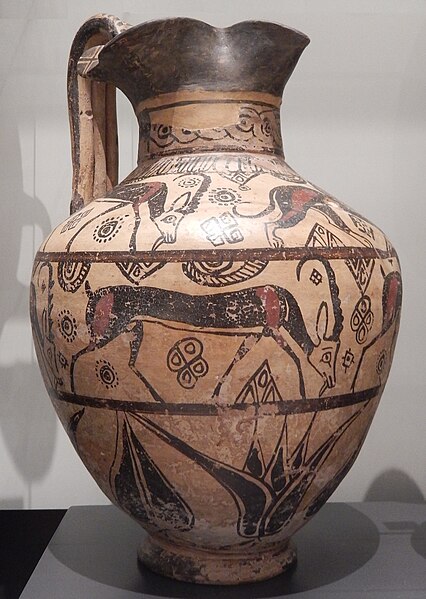
A Poem to a Jug of Wine

Greek Anthology 5.135 Anonymous

“Curved, well-turned, with a single ear on a long neck,
Slim-throated, speaking through lips close-kept,
You happy server of Bacchus, the Muses, and Aphrodite,
Our party’s delightful mistress, laughing sweetly.
Why are you drunk when I’m sober, but when I’m trashed,
You’re sober? You break the rules of the drinker’s pact.”

εἰς λάγυνον ὁμοίως οἰνηράν

Στρογγύλη, εὐτόρνευτε, μονούατε, μακροτράχηλε,
ὑψαύχην, στεινῷ φθεγγομένη στόματι,
Βάκχου καὶ Μουσέων ἱλαρὴ λάτρι καὶ Κυθερείης,
ἡδύγελως, τερπνὴ συμβολικῶν ταμίη,
5τίφθ᾽, ὁπόταν νήφω, μεθύεις σύ μοι, ἢν δὲ μεθυσθῶ,
ἐκνήφεις; ἀδικεῖς συμποτικὴν φιλίην.


File:East Greek wine jug in Wild Goat style.jpg
Wild Goat Style Greek Wine Jug, 6th Century BCE

Tom Paxton, “Bottle of Wine” (1968)

Bottle of wine, fruit of the vine
When you gonna let me get sober
Leave me along, let me go home
I wann’a go back and start over

Basil Goes Into Deep Guilt Over Late Correspondence

Basil, Letter 20


“For me, the intensity of the business I am now engaged in might give me some reason for a lack of correspondence. In addition, the smell I have contracted from excessive association with the idiotic mob makes me less at ease in addressing you sophisticates who will grow irritable and intolerant if you don’t hear anything worthy of your own wisdom.


But you, I guess, since you are readier to speak than all the Greeks I know, are accustomed to making your voice public on any pretext. And I think I know the most famous people in your ranks. There is no reason for your silence. And that is enough about that.”


Ἡμῖν μὲν γὰρ τὸ πυκνὸν τῆς ἀσχολίας τοῦτο ἐν ᾧ νῦν ἐσμὲν κἂν παραίτησιν ἐνέγκοι τυχὸν πρὸς τὴν ἔνδειαν τῶν γραμμάτων· καὶ τὸ οἱονεὶ ἐῤῥυπῶσθαι λοιπὸν τῇ κατακορεῖ συνηθείᾳ πρὸς ἰδιωτισμὸν ὄκνον εἰκότως ἐμποιεῖ προσφθέγγεσθαι ὑμᾶς τοὺς σοφιστάς, οἵ, εἰ μή τι ἄξιον τῆς ὑμετέρας αὐτῶν σοφίας ἀκούσεσθε, δυσχερανεῖτε καὶ οὐκ ἀνέξεσθε. σὲ δέ που τὸ ἐναντίον εἰκὸς ἐπὶ πάσης προφάσεως δημοσιεύειν σαυτοῦ τὴν φωνήν, ἐπιτήδειον ὄντα εἰπεῖν ὧν αὐτὸς οἶδα Ἑλλήνων. οἶδα γάρ, ὡς οἶμαι, τοὺς ὀνομαστοτάτους τῶν ἐν ὑμῖν. ὥστε οὐδεμία παραίτησις σιωπῶντι. καὶ ταῦτα μὲν εἰς τοσοῦτον.


Image result for medieval manuscript letter writing
Royal_ms_14_e_iii_f006v_detail