New Years Resolutions with Plato: Don’t Write Anything Down

Plato, Epistle 7 344c-e

“For this reason it is necessary that every serious person does not write about serious subjects so that they might not end up an object of envy or confusion among regular people. Simply, when you look at someone’s written work, whether it is a law by a legislator or anything by anyone else, you need to understand that this is not the person’s most serious work even if the author is very serious. Instead, his best works remain in the most noble part of his own realm. But if it turns out that the most serious works are those they have been written down, it is surely not the gods, but mortals themselves “who have totally ruined their senses.”

Anyone who has been following this story and my digression will clearly know that whether Dionysus has written anything about the ultimate and primary truths of nature or some lesser or greater mind has done the same, according to my argument nothing of what he has written is sound thanks to what he has learned or what he has heard. For, he would have the same respect for these things as I do and would not dare to make them available for inappropriate or unacceptable reception.

Dionysius did not write those things for the sake of reminding himself. For there is no danger of anyone forgetting a thing once he has obtained it with his soul, where it is settled among the smallest of all places. But it was for shameful pride, if truly he did write, either as a way of establishing the ideas as his own or to demonstrate that he was an initiate in great learning for which he proved himself unworthy by delighting in the reputation he might gain from it. If this happened to Dionysius because of our single interaction, it could be the case. But how, Only Zeus knows, as the Theban says. For, as I said before, I went through my ideas with him only once and never again afterwards.”

Διὸ δὴ πᾶς ἀνὴρ σπουδαῖος τῶν ὄντως σπουδαίων πέρι πολλοῦ δεῖ μὴ γράψας ποτὲ ἐν ἀνθρώποις εἰς φθόνον καὶ ἀπορίαν καταβάλῃ· ἑνὶ δὴ ἐκ τούτων δεῖ γιγνώσκειν λόγῳ, ὅταν ἴδῃ τίς του συγγράμματα γεγραμμένα εἴτε ἐν νόμοις νομοθέτου εἴτε ἐν ἄλλοις τισὶν ἅττ᾿ οὖν, ὡς οὐκ ἦν τούτῳ ταῦτα σπουδαιότατα, εἴπερ ἔστ᾿ αὐτὸς σπουδαῖος, κεῖται δέ που ἐν χώρᾳ τῇ καλλίστῃ τῶν τούτου· εἰ δὲ ὄντως αὐτῷ ταῦτ᾿ ἐσπουδασμένα ἐν γράμμασιν ἐτέθη, Ἐξ ἄρα δή οἱ ἔπειτα, θεοὶ μὲν οὔ, βροτοὶ δὲ φρένας ὤλεσαν αὐτοί.

Τούτῳ δὴ τῷ μύθῳ τε καὶ πλάνῳ ὁ ξυνεπισπόμενος εὖ εἴσεται, εἴτ᾿ οὖν Διονύσιος ἔγραψέ τι τῶν περὶ φύσεως ἄκρων καὶ πρώτων εἴτε τις ἐλάττων εἴτε μείζων, ὡς οὐδὲν ἀκηκοὼς οὐδὲ μεμαθηκὼς ἦν ὑγιὲς ὧν ἔγραψε κατὰ τὸν ἐμὸν λόγον· ὁμοίως γὰρ ἂν αὐτὰ ἐσέβετο ἐμοί, καὶ οὐκ ἂν αὐτὰ ἐτόλμησεν εἰς ἀναρμοστίαν καὶ ἀπρέπειαν ἐκβάλλειν. οὔτε γὰρ ὑπομνημάτων χάριν αὐτὰ ἔγραψεν· οὐδὲν γὰρ δεινὸν μή τις αὐτὸ ἐπιλάθηται, ἐὰν ἅπαξ τῇ ψυχῇ περιλάβῃ, πάντων γὰρ ἐν βραχυτάτοις κεῖται· φιλοτιμίας δὲ αἰσχρᾶς, εἴπερ, ἕνεκα, εἴθ᾿ ὡς αὑτοῦ τιθέμενος εἴθ᾿ ὡς παιδείας δὴ μέτοχος ὤν, ἧς οὐκ ἄξιος ἦν ἀγαπῶν δόξαν τὴν τῆς μετοχῆς γενομένην. εἰ μὲν οὖν ἐκ τῆς μιᾶς συνουσίας Διονυσίῳ τοῦτο γέγονε, τάχ᾿ ἂν εἴη· γέγονε δ᾿ οὖν ὅπως, ἴττω Ζεύς, φησὶν ὁ Θηβαῖος· διεξῆλθον μὲν γὰρ ὡς εἶπόν τότε ἐγὼ καὶ ἅπαξ μόνον, ὕστερον δὲ οὐ πώποτε ἔτι.

enough about plato

Electra On The Couch

Electra’s mother, and her mother’s lover, killed her father, Agamemnon. Her brother, Orestes, is in exile. She misses her father, and her relationship with her mother and stepfather isn’t good. As you’d imagine, Electra has the blues.

The question, though, is whether in Sophocles’ depiction of Electra’s grieving has tipped into pathology; whether melancholia has replaced mourning.

Based on Freud’s discussion of pathological grief in his essay “Mourning and Melancholia,” Electra might well need therapy:

Freud:

“The distinguishing mental features of melancholia are a profoundly painful dejection, abrogation of interest in the outside world, loss of capacity to love, inhibition of all activity, and a lowering of self-regarding feelings”

Electra in soliloquy (103-106):

I will not put an end to this bleak lament and weeping
While I gaze on the stars’ radiant twinklings
Or on the day.

Electra to Chorus (821-22):

It would be a kindness if someone killed me
And a pain if I were to live.
I have no appetite for life.

Freud:

“The inhibition of the melancholic [a loss of interest in life] seems puzzling because we cannot see what it is that absorbs him [or her] so entirely.”

Chorus to Electra (121-123):

O child, child of a miserable mother–
Electra, what unrelenting lamentation
Destroys you unendingly?

Freud:

“They [melancholics] give a great deal of trouble, perpetually taking offense and behaving as if they had been treated with great injustice.”

Clytemnestra to Electra (519-522):

Now that Aegisthus is away, you show me no respect.
To top it off, time and again you’ve told lots of people
Things about me–that I’m brash, I rule unjustly,
I mistreat you and the things that are yours.

Freud:

“…like mourning, melancholia is the reaction to a real loss of a loved object. . . The loss of a love-object constitutes an excellent opportunity for the ambivalence in love-relationships to make itself felt and come to the fore.”

Electra to Chorus on the subject of Orestes (164-172):

I waited for him without fail, childless,
Forever suffering through life, unmarried,
Wet with tears and doomed to endless misfortunes.

But he forgets what he suffered and what he learnt.
Isn’t that why no message arrives without dashing my hopes?
He’s always longing,
Longing, but does not think to appear.

103-106

ἀλλ᾽ οὐ μὲν δὴ
λήξω θρήνων στυγερῶν τε γόων,
ἔστ᾽ ἂν παμφεγγεῖς ἄστρων
ῥιπάς, λεύσσω δὲ τόδ᾽ ἦμαρ

821-822

ὡς χάρις μέν, ἢν κτάνῃ,
λύπη δ᾽, ἐὰν ζῶ: τοῦ βίου δ᾽ οὐδεὶς πόθος.

121-123

ὦ παῖ, παῖ δυστανοτάτας
Ἠλέκτρα ματρός, τίς ἀεὶ
τάκει ςε ὧδ᾽ ἀκόρεστος οἰμωγὰ. . .;

519-522

νῦν δ᾿ ὡς ἄπεστ᾿ ἐκεῖνος, οὐδὲν ἐντρέπῃ
ἐμοῦ γε· καίτοι πολλὰ πρὸς πολλούς με δὴ
ἐξεῖπας ὡς θρασεῖα καὶ πέρα δίκης
ἄρχω, καθυβρίζουσα καὶ σὲ καὶ τὰ σά.

164-172

ὅν γ᾿ ἐγὼ ἀκάματα προσμένουσ᾿ ἄτεκνος,
τάλαιν᾿ ἀνύμφευτος αἰὲν οἰχνῶ,
δάκρυσι μυδαλέα, τὸν ἀνήνυτον
οἶτον ἔχουσα κακῶν· ὁ δὲ λάθεται
ὧν τ᾿ ἔπαθ᾿ ὧν τ᾿ ἐδάη. τί γὰρ οὐκ ἐμοὶ
ἔρχεται ἀγγελίας ἀπατώμενον;
ἀεὶ μὲν γὰρ ποθεῖ,
ποθῶν δ᾿ οὐκ ἀξιοῖ φανῆναι.

Statue of a Mourning Woman. Terracotta. 
300-275 BC. Found in Canosa, Italy. 
Paul Getty Museum.)

Larry Benn has a B.A. in English Literature from Harvard College, an M.Phil in English Literature from Oxford University, and a J.D. from Yale Law School. Making amends for a working life misspent in finance, he’s now a hobbyist in ancient languages and blogs at featsofgreek.blogspot.com.

It Was Winter, It Was Snowing

Homer, Il. 3.222-3

“Yet, then a great voice came from his chest And [Odysseus’] words were like snowy storms”

ἀλλ’ ὅτε δὴ ὄπα τε μεγάλην ἐκ στήθεος εἵη καὶ ἔπεα νιφάδεσσιν ἐοικότα χειμερίῃσιν,

Quintilian, 12.10.64-65

“Homer said that speech pours forth from Nestor’s lips sweeter than honey—no greater pleasure can be formed than this. But when he is about to demonstrate the greatest ability and power in Ulysses, he grants him a voice, the strength of speech “like a winter blizzard” in its force and abundance of words.

Because of this, no mortal will compete with him and men gaze at him as a god. This is the force and speed Eupolis admioes in Pericles, this force Aristophanes compares to thunderbotls. This is truly the power of speaking.”

et ex ore Nestoris dixit dulciorem melle profluere sermonem, qua certe delectatione nihil fingi maius potest: sed summam expressurus in Ulixe facundiam et magnitudinem illi vocis et vim orationis nivibus 〈hibernis〉 copia [verborum] atque impetu parem tribuit. Cum hoc igitur nemo mortalium contendet, hunc ut deum homines intuebuntur. Hanc vim et celeritatem in Pericle miratur Eupolis, hanc fulminibus Aristophanes comparat, haec est vere dicendi facultas.

Thucydides 4.103

“It was winter and it was snowing”

χειμὼν δὲ ἦν καὶ ὑπένειφεν…

Hermippus 37 (Athenaeus 650e)

“Have you ever seen a pomegranate seed in drifts of snow?”

ἤδη τεθέασαι κόκκον ἐν χιόνι ῥόας;

Pindar, Pythian 1. 20

“Snowy Aetna, perennial nurse of bitter snow”

νιφόεσσ᾿ Αἴτνα, πάνετες χιόνος ὀξείας τιθήνα

Plutarch, Moralia 340e

“Nations covered in depths of snow”

καὶ βάθεσι χιόνων κατακεχωσμένα ἔθνη

Herodotus, Histories 4.31

“Above this land, snow always falls…

τὰ κατύπερθε ταύτης τῆς χώρης αἰεὶ νίφεται

Diodorus Siculus, 14.28

“Because of the mass of snow that was constantly falling, all their weapons were covered and their bodies froze in the chill in the air. Thanks to the extremity of their troubles, they were sleepless through the whole night”

διὰ γὰρ τὸ πλῆθος τῆς κατὰ τὸ συνεχὲς ἐκχεομένης χιόνος τά τε ὅπλα πάντα συνεκαλύφθη καὶ τὰ σώματα διὰ τὸν ἀπὸ τῆς αἰθρίας πάγον περιεψύχετο. διὰ δὲ τὴν ὑπερβολὴν τῶν κακῶν ὅλην τὴν νύκτα διηγρύπνουν·

Ammianus Marcellinus, History V. V. Gratianus 27.9

“He will tolerate sun and snow, frost and thirst, and long watches.”

solem nivesque et pruinas et sitim perferet et vigilias

Basil, Letter 48

“We have been snowed in by such a volume of snow that we have been buried in our own homes and taking shelter in our holes for two months already”

καὶ γὰρ τοσούτῳ πλήθει χιόνων κατενίφημεν, ὡς αὐτοῖς οἴκοις καταχωσθέντας δύο μῆνας ἤδη ταῖς καταδύσεσιν ἐμφωλεύειν.

Livy, 10.46

“The snow now covered everything and it was no longer possible to stay outside…”

Nives iam omnia oppleverant nec durari extra tecta poterat

Plautus, Stichus 648

“The day is melting like snow…”

quasi nix tabescit dies.

Seneca, De Beneficiis 4

“I will go to dinner just as I promised, even if it is cold. But I certainly will not if it begins to snow.”

Ad cenam, quia promisi, ibo, etiam si frigus erit; non quidem, si nives cadent.

Snowy Mountain

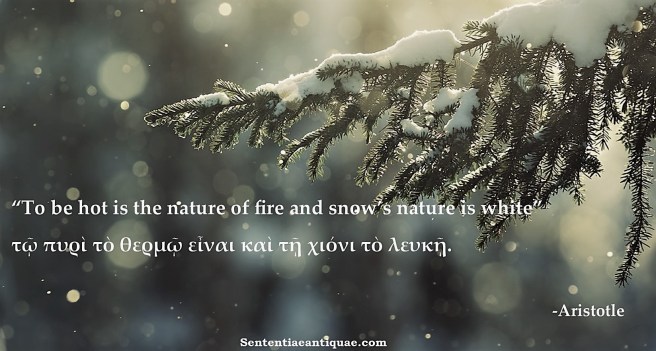
Snow istotle

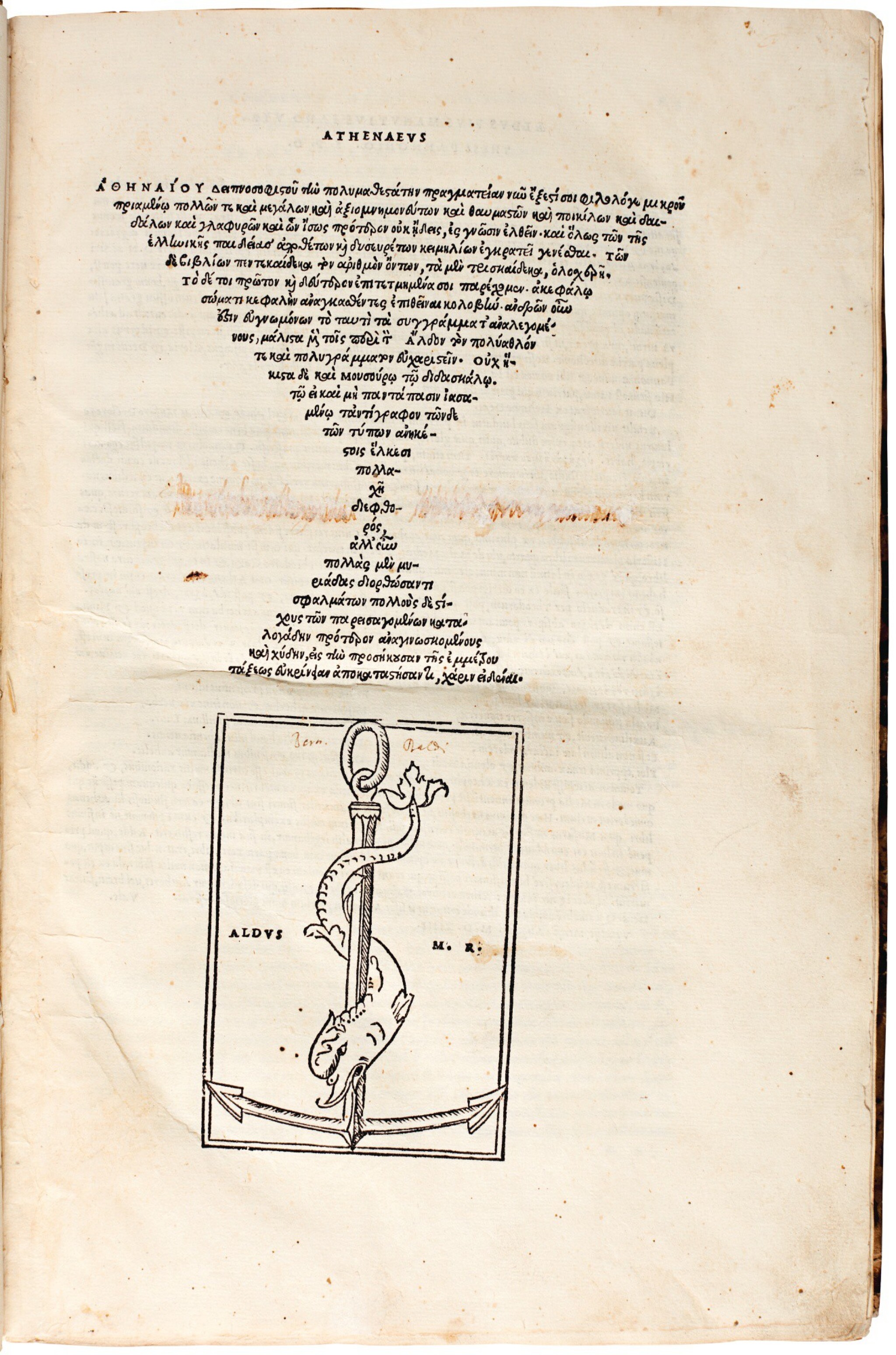
A Giant’s Strength for Editing Athenaeus

Mark Pattison, Diary of Casaubon:

“Those who suppose that to edit a classic is among the easiest of literary toils, and only a fit occupation for laborious dulness, can form no conception of what Casaubon accomplished. Those only who know that a perfectly good edition of a classic is among the rarest of triumphs which the literary Fasti have to record; that for the last three centuries we have been incessantly labouring at the Greek and Latin remains, and yet that the number which have been satisfactorily edited is fewer than some of the most popular of ancient authors who have been attempted the oftenest, as e.g. Horace, still awaits a competent expositor – those only can measure what a giant’s strength was required to cope with Athenaeus, in the state in which his remains existed in the time of Casaubon.”

Using the Past as a Guide for the Future

Andocides, On the Peace with Sparta 1-2

“You all seem to me to understand, Athenians, that it is better to make a just peace than to keep going to war. That politicians agree to peace in name but they oppose the acts that foster peace, you do not all perceive this. For they claim that, once peace is achieved, there is the greatest peril for the people that the current regime may be dissolved.

Therefore, if the people of the Athenians had never made peace before with the Lakedaimonians, we might rightly fear this because of inexperience of the process or distrust for them. Since you have often made peace with them previously when you were already ruled as a democracy, how would it not be right for you to first examine the things that happened before. For, it is right, Athenians, to use prior events as a guide about what will happen in the future.”

Ὅτι μὲν εἰρήνην ποιεῖσθαι δικαίαν ἄμεινόν ἐστιν ἢ πολεμεῖν, δοκεῖτέ μοι, ὦ Ἀθηναῖοι, πάντες γιγνώσκειν· ὅτι δὲ οἱ ῥήτορες τῷ μὲν ὀνόματι τῆς εἰρήνης συγχωροῦσι, τοῖς δ᾿ ἔργοις ἀφ᾿ ὧν ἂν ἡ εἰρήνη γένοιτο ἐναντιοῦνται, τοῦτο δὲ οὐ πάντες αἰσθάνεσθε. λέγουσι γὰρ ὡς ἔστι δεινότατον τῷ δήμῳ, γενομένης εἰρήνης, ἡ νῦν οὖσα πολιτεία μὴ καταλυθῇ.

Εἰ μὲν οὖν μηδεπώποτε πρότερον ὁ δῆμος ὁ [τῶν]2Ἀθηναίων εἰρήνην ἐποιήσατο πρὸς Λακεδαιμονίους, εἰκότως ἂν ἐφοβούμεθα αὐτὸ διά τε τὴν ἀπειρίαν τοῦ ἔργου διά τε τὴν ἐκείνων ἀπιστίαν· ὅπου δὲ πολλάκις ἤδη πρότερον εἰρήνην ἐποιήσασθε δημοκρατούμενοι, πῶς οὐκ εἰκὸς ὑμᾶς πρῶτον ἐκεῖνα σκέψασθαι τὰ τότε γενόμενα; χρὴ γάρ, ὦ Ἀθηναῖοι, τεκμηρίοις χρῆσθαι τοῖς πρότερον γενομένοις περὶ τῶν μελλόντων ἔσεσθαι.

ὡς ἔστι δεινότατον… Smyth §2224 δεινός εἰμι functions grammatically as an expression of fear, triggering the fear clause postponed to the end of the sentence (μὴ καταλυθῇ)


Image result for Athens treaty with sparta inscription
Segment of the Gortyn Legal inscription

Life After Insurrection

“This president is guilty of inciting insurrection. He has to pay a price for that.” – Nancy Pelosi

Is there life after political excommunication in the wake of a failed insurrection (particularly for a man who likes beauty pageants)?

Alcaeus 130B

. . . I’m a wretched man.
I’m living the lot of a rustic
But yearning to hear the assembly
Called, O Agesilaidas, and the council—

Privileges my father and my father’s father
Grew old having, even among countrymen
Who were wicked to one another,
And of which I’m now dispossessed.

I’ve fled to the hinterlands, like Onymakles.
And although I’m alone, a wolf-man,
I’ve made a home here after quitting the fight.
After all, isn’t it better to put an end to insurrection?

In the precinct of the blessed gods
I’ve made a home and tread the black earth.
In these gatherings I’ve found a place.
And here I’m keeping my feet out of trouble—

Here where the women of Lesbos judged on beauty
Parade, their robes trailing,
And the divine sound of the women’s holy ululations
rings out from every quarter—
a yearly affair.

Ἀγνοις . . σβιότοις . . ις ὀ τάλαις ἔγω
ζώω μοι̑ραν ἔχων ἀγροϊωτίκαν
ἰμέρρων ἀγόρας ἄκουσαι
καρυ[ζο]μένας ὠ̑ (᾿Α)γεσιλαΐδα

καὶ β[ό]λλας· τὰ πάτηρ καὶ πάτερος πάτηρ
κα<γ>γ[ε]γήρασ’ ἔχοντες πεδὰ τωνδέων
τὼν [ἀ]λλαλοκάκων πολίταν
ἔγ[ω ἀ]πὺ τούτων ἀπελήλαμαι

φεύγων ἐσχατίαισ’, ὠς δ᾿ Ὀνυμακλέης
ἔνθα[δ’] οἰ̑ος ἐοίκησα λυκαιχμίαις
[φεύγων t]ον [π]όλεμον· στάσιν γὰρ
πρὸς κρ . [. . . . ] . οὐκ †ἄμεινον† ὀννέλην·

. ] . [ . . . ] . [. . ] . μακάρων ἐς τέμ[ε]νος θέων
ἐοι[κησα] με[λ]αίνας ἐπίβαις χθόνος
χλι . [. ] . [ . ] . [.]ν συνόδοισί μ’ αὔταις
οἴκημι κ[ά]κων ἔκτος ἔχων πόδας,

ὄππαι Λ[εσβί]αδες κριννόμεναι φύαν
πώλεντ’ ἐλκεσίπεπλοι, περὶ δὲ βρέμει
ἄχω θεσπεσία γυναίκων
ἴρα[ς ὀ]λολύγας ἐνιαυσίας

Larry Benn has a B.A. in English Literature from Harvard College, an M.Phil in English Literature from Oxford University, and a J.D. from Yale Law School. Making amends for a working life misspent in finance, he’s now a hobbyist in ancient languages and blogs at featsofgreek.blogspot.com.

Ancestral Law For Insurrection

Aristotle, Constitution of the Athenians 17

“These are the ancestral laws of the Athenians: if anyone commits insurrection to act as a tyrant or helps someone else conduct a tyranny, they and their family will be disenfranchised.”

θέσμια τάδε Ἀθηναίων καὶ πάτρια, ἐάν τινες τυραννεῖν ἐπανιστῶνται [ἐπὶ τυραννίδι] ἢ συγκαθιστῇ τὴν τυραννίδα ἄτιμον εἶναι αὐτὸν καὶ γένος

Strabo, Geography  15.12

‘When there is insurrection, as frequently happens even in our time, sometimes it turns out some ways, other times it turns out differently and not the same for everyone. A disturbance is advantageous for some people but it disappoints the expectations of others.”

στασιαζόντων δέ, ὅπερ συμβαίνει πολλάκις, καὶ δὴ καὶ ἐφ᾿ ἡμῶν, ἄλλοτ᾿ ἄλλως συμβαίνει καὶ οὐ τὰ αὐτὰ πᾶσι· τοῖς μὲν γὰρ συνήνεγκεν ἡ ταραχή, τοῖς δὲ παρὰ γνώμην ἀπήντησεν.

In ‘honor’ of a year since our own failed insurrection, I wrote a piece for the Society for Classical Studies’ Blog Madness on Capitol Hill | The Nation

A Failsafe for Democracy

Lycurgus, Against Leocrates 124    

“These examples are enough I think to understand the opinion your forefathers had against those who broke the laws. I still want to remind you of the monument in the Senate house which recalls traitors and those who destroy the democracy. For I make your judgement easy if I provide you with many examples.

After the reign of the Thirty, your fathers, who had suffered the kinds of things from fellow citizens no Greek ever would have considered and who barely made it back to their own land, blocked every avenue to crime because they learned from experience and knew which offices and approaches were open to those who would dissolve the democracy.

They decreed by vote and by oath that anyone who came upon someone trying to establish a tyranny, betraying the state or overthrowing democracy would not be considered guilty for killing them because it seemed better to them that people who were pursuing these actions should die than they should suffer being enslaved to them. For they believed foremost that citizens should live in such away as to never come into suspicion for these crimes.”

Ἱκανὰ μὲν οὖν καὶ ταῦτα τὴν τῶν προγόνων γνῶναι διάνοιαν, ὡς εἶχον πρὸς τοὺς παρανομοῦντας εἰς τὴν πόλιν· οὐ μὴν ἀλλ᾿ ἔτι βούλομαι τῆς στήλης ἀκοῦσαι ὑμᾶς τῆς ἐν τῷ βουλευτηρίῳ περὶ τῶν προδοτῶν καὶ τῶν τὸν δῆμον καταλυόντων· τὸ γὰρ μετὰ πολλῶν παραδειγμάτων διδάσκειν ῥᾳδίαν ὑμῖν τὴν κρίσιν καθίστησι. μετὰ γὰρ τοὺς τριάκοντα οἱ πατέρες ὑμῶν, πεπονθότες ὑπὸ τῶν πολιτῶν οἷα οὐδεὶς πώποτε τῶν Ἑλλήνων ἠξίωσε,1 καὶ μόλις εἰς τὴν ἑαυτῶν κατεληλυθότες, ἁπάσας τὰς ὁδοὺς τῶν ἀδικημάτων ἐνέφραξαν, πεπειραμένοι καὶ εἰδότες τὰς ἀρχὰς καὶ τὰς ἐφόδους τῶν τὸν δῆμον προδιδόντων. ἐψηφίσαντο γὰρ καὶ ὤμοσαν, ἐάν τις τυραννίδι ἐπιτιθῆται ἢ τὴν πόλιν προδιδῷ ἢ τὸν δῆμον καταλύῃ, τὸν αἰσθανόμενον καθαρὸν εἶναι ἀποκτείναντα, καὶ κρεῖττον ἔδοξεν αὐτοῖς τοὺς τὴν αἰτίαν ἔχοντας τεθνάναι μᾶλλον ἢ πειραθέντας μετὰ ἀληθείας αὐτοὺς δουλεύειν· ἀρχὴν γὰρ οὕτως ᾤοντο δεῖν ζῆν τοὺς πολίτας, ὥστε μηδ᾿ εἰς ὑποψίαν ἐλθεῖν μηδένα τούτων τῶν ἀδικημάτων.

In ‘honor’ of a year since our own failed insurrection, I wrote a piece for the Society for Classical Studies’ Blog

https://commons.wikimedia.org/wiki/File:Parthenon_from_south.jpg

“If He Survives, He Will Rule the Land”

Aeschylus, Persians 210-214

“For me, this was frightening to see,
And for you to hear. Know well that my child
Would be wondrous to behold if he did well but,
He’s not beholden to the state:
he will rule the land if he merely survives.”

ταῦτ᾿ ἐμοί τε δείματ᾿ εἰσιδεῖν
ὑμῖν τ᾿ ἀκούειν. εὖ γὰρ ἴστε, παῖς ἐμὸς
πράξας μὲν εὖ θαυμαστὸς ἂν γένοιτ᾿ ἀνήρ·
κακῶς δὲ πράξας—οὐχ ὑπεύθυνος πόλει,
σωθεὶς δ᾿ ὁμοίως τῆσδε κοιρανεῖ χθονός.

Euripides, Andromache 391-393

“Won’t you kill him,
The cause of these things? No, you ignore the cause
And just charge against the symptom that came later…”

…οὐ κεῖνον κτενεῖς,
τὸν αἴτιον τῶνδ᾽, ἀλλὰ τὴν ἀρχὴν ἀφεὶς
πρὸς τὴν τελευτὴν ὑστέραν οὖσαν φέρῃ;

Euripides, Andromache 479-485

“When strong winds carry sailors forward
Divergent opinions steering the ship
Or a mob thick with wise men is feebler
Than a single mind with self-control.
In city and under a single
Authority should be one person’s
Whenever we want to find success.”

πνοαὶ δ᾽ ὅταν φέρωσι ναυτίλους θοαί,
κατὰ πηδαλίων δίδυμαι πραπίδων γνῶμαι,
σοφῶν τε πλῆθος ἀθρόον ἀσθενέστερον
φαυλοτέρας φρενὸς αὐτοκρατοῦς.
ἑνὸς ἄρ᾽ ἄνυσις ἀνά τε μέλαθρα
κατά τε πόλιας, ὁπόταν εὑ-
ρεῖν θέλωσι καιρόν.

834-845

“My speech is lacking one thing still.
I wish I had the voice in my limbs
And hands and hair and the march of my feet
Or the skills of Daidalos or some god
So I could completely grasp you by your knees
Wailing, laying about you with every kind of argument.
Master, great hope of life for the Greeks,
Heed me—lend an avenging hand to an old woman
Even if she is nothing at all.
For it is right that a good man serve justice
And always do evil everywhere to evil men.”

ἑνός μοι μῦθος ἐνδεὴς ἔτι·
εἴ μοι γένοιτο φθόγγος ἐν βραχίοσιν
καὶ χερσὶ καὶ κόμαισι καὶ ποδῶν βάσει
ἢ Δαιδάλου τέχναισιν ἢ θεῶν τινος,
ὡς πάνθ᾿ ἁμαρτῇ σῶν ἔχοιτο γουνάτων
κλαίοντ᾿, ἐπισκήπτοντα παντοίους λόγους.
ὦ δέσποτ᾿, ὦ μέγιστον Ἕλλησιν φάος,
πιθοῦ, παράσχες χεῖρα τῇ πρεσβύτιδι
τιμωρόν, εἰ καὶ μηδέν ἐστιν ἀλλ᾿ ὅμως.
ἐσθλοῦ γὰρ ἀνδρὸς τῇ δίκῃ θ᾿ ὑπηρετεῖν
καὶ τοὺς κακοὺς δρᾶν πανταχοῦ κακῶς ἀεί.

Aeschylus, Persians 266-7

“I was present there—not merely hearing other’s words
Persians, I can tell you what kinds of terrible things occurred.”

καὶ μὴν παρών γε κοὐ λόγους ἄλλων κλυών,
Πέρσαι, φράσαιμ᾿ ἂν οἷ᾿ ἐπορσύνθη κακά.


https://commons.wikimedia.org/wiki/File:Greek_Bireme_500BC.jpg

Conference Got You Down? Even Plato Switched Careers

Aelian, Varia Historia 2.30

“Plato, the son of Ariston, at first pursued poetry and used to write heroic verse. But he soon burned it all because he despised it, since he reckoned that his poetry was far inferior when compared to Homer’s. He then tried tragedy and even completed a tetralogy, and he was about to enter the competition, even to the point of giving the verses to actors. But right before the Dionysia, he went and heard Socrates; and once he was seized by that Siren, he not only withdrew from the competition, but he also gave up the writing of tragedy for good to immerse himself in philosophy.”

Πλάτων ὁ ᾿Αρίστωνος τὰ πρῶτα ἐπὶ ποιητικὴν ὥρμησε, καὶ ἡρωϊκὰ ἔγραφε μέτρα• εἶτα αὐτὰ κατέπρησεν ὑπεριδὼν αὐτῶν, ἐπεὶ τοῖς ῾Ομήρου αὐτὰ ἀντικρίνων ἑώρα κατὰ πολὺ ἡττώμενα. ἐπέθετο οὖν τραγῳδίᾳ, καὶ δὴ καὶ τετραλογίαν εἰργάσατο, καὶ ἔμελλεν ἀγωνιεῖσθαι, δοὺς ἤδη τοῖς ὑποκριταῖς τὰ ποιήματα. πρὸ τῶν Διονυσίων δὲ παρελθὼν ἤκουσε Σωκράτους, καὶ ἅπαξ αἱρεθεὶς ὑπὸ τῆς ἐκείνου σειρῆνος, τοῦ ἀγωνίσματος οὐ μόνον ἀπέστη τότε, ἀλλὰ καὶ τελέως τὸ γράφειν τραγῳδίαν ἀπέρριψε, καὶ ἀπεδύσατο ἐπὶ φιλοσοφίαν.

Head Platon Glyptothek Munich 548.jpg