How Many Cities in Crete?

Schol. A. ad Il. 2.649

“Others have instead “those who occupy hundred-citied Crete” in response to those Separatists because they say that it is “hundred-citied Crete” here but “ninety-citied” in the Odyssey. Certainly we have “hundred-citied” instead of many cities, or he has a similar and close count now, but in the Odyssey lists it more precisely as is clear in Sophocles. Some claim that the Lakedaimonian founded ten cities.”

Ariston. ἄλλοι θ’ οἳ Κρήτην <ἑκατόμπολιν ἀμφενέμοντο>: πρὸς τοὺς Χωρίζοντας (fr. 2 K.), ὅτι νῦν μὲν ἑκατόμπολιν τὴν Κρήτην, ἐν ᾿Οδυσσείᾳ (cf. τ 174) δὲ ἐνενηκοντάπολιν. ἤτοι οὖν ἑκατόμπολιν ἀντὶ τοῦ πολύπολιν, ἢ ἐπὶ τὸν σύνεγγυς καὶ ἀπαρτίζοντα ἀριθμὸν κατενήνεκται νῦν, ἐν ᾿Οδυσσείᾳ δὲ τὸ ἀκριβὲς ἐξενήνοχεν, ὡς παρὰ Σοφοκλεῖ (fr. 813 N.2 = 899 P. = 899 R.). τινὲς δέ †φασι πυλαιμένη† τὸν Λακεδαιμόνιον δεκάπολιν κτίσαι.

Strabo, 10.15

“Because the poet sometimes calls Krete “hundred-citied” but at others, “ninety-cited”, Ephorus says that ten cities were founded after the battles at Troy by the Dorians who were following Althaimenes the Argive. But he also says that Odysseus names it “ninety-cities” This argument is persuasive. But others say that ten cities were destroyed by Idomeneus’ enemies. But the poet does not claim that Krete is “hundred-citied” during the Trojan War but in his time—for he speaks in his own language even if it is the speech of those who existed then, just as in the Odyssey when he calls Crete “ninety-citied”, it would be fine to understand it in this way. But if we were to accept that, the argument would not be saved. For it is not likely that the cities were destroyed by Idomeneus’ enemies when he was at war or came home from there, since the poet says that “Idomeneus led to Crete all his companions who survived the war and the sea killed none of them.

He would have mentioned that disaster. For Odysseus certainly would not have known of the destruction of the cities because he had not encountered any of the Greeks either during his wandering or after. And one who accompanied Idomeneus against Troy and returned with him would not have known what happened at home either during the expedition or the return from there. If Idomeneus was preserved with all his companions, he would have come back strong enough they his enemies were not going to be able to deprive him of ten cities. That’s my overview of the land of the Kretans.”

Τοῦ δὲ ποιητοῦ τὸ μὲν ἑκατόμπολιν λέγοντος τὴν Κρήτην, τὸ δὲ ἐνενηκοντάπολιν, Ἔφορος μὲν ὕστερον ἐπικτισθῆναι τὰς δέκα φησὶ μετὰ τὰ Τρωικὰ ὑπὸ τῶν Ἀλθαιμένει τῷ Ἀργείῳ συνακολουθησάντων Δωριέων· τὸν μὲν οὖν Ὀδυσσέα λέγει ἐνενηκοντάπολιν ὀνομάσαι· οὗτος μὲν οὖν πιθανός ἐστιν ὁ λόγος· ἄλλοι δ᾿ ὑπὸ τῶν Ἰδομενέως ἐχθρῶν κατασκαφῆναί φασι τὰς δέκα. ἀλλ᾿ οὔτε κατὰ τὰ Τρωικά φησιν ὁ ποιητὴς εκατοντάπολιν ὑπάρξαι τὴν Κρήτην, ἀλλὰ μᾶλλον κατ᾿ αὐτόν (ἐκ γὰρ τοῦ ἰδίου προσώπου λέγει· εἰ δ᾿ ἐκ τῶν τότε ὄντων τινὸς ἦν ὁ λόγος, καθάπερ ἐν τῇ Ὀδυσσείᾳ, ἡνίκα ἐνενηκοντάπολιν φράζει, καλῶς εἶχεν ἂν οὕτω δέχεσθαι), οὔτ᾿ εἰ συγχωρήσαιμεν τοῦτό γε, ὁ ἑξῆς λόγος σώζοιτ᾿ ἄν. οὔτε γὰρ κατὰ τὴν στρατείαν οὔτε μετὰ τὴν ἐπάνοδον τὴν ἐκεῖθεν τοῦ Ἰδομενέως εἰκός ἐστιν ὑπὸ τῶν ἐχθρῶν αὐτοῦ τὰς πόλεις ἠφανίσθαι ταύτας· ὁ γὰρ ποιητὴς φήσας, πάντας δ᾿ Ἰδομενεὺς Κρήτην εἰσήγαγ᾿ ἑταίρους, οἳ φύγον ἐκ πολέμου, πόντος δέ οἱ οὔτιν᾿ἀπηύρα·

καὶ τούτου τοῦ πάθους ἐμέμνητ᾿ ἄν· οὐ γὰρ δήπου Ὀδυσσεὺς μὲν ἔγνω τὸν ἀφανισμὸν τῶν πόλεων ὁ μηδενὶ συμμίξας τῶν Ἑλλήνων μήτε κατὰ τὴν πλάνην μήθ᾿ ὕστερον. ὁ δὲ καὶ συστρατεύσας τῷ Ἰδομενεῖ καὶ συνανασωθεὶς οὐκ ἔγνω τὰ συμβάντα οἴκοι αὐτῷ οὔτε κατὰ τὴν στρατείαν οὔτε τὴν ἐπάνοδον τὴν ἐκεῖθεν· ἀλλὰ μὴν οὐδὲ μετὰ τὴν ἐπάνοδον· εἰ γὰρ μετὰ πάντων ἐσώθη τῶν ἑταίρων, ἰσχυρὸς ἐπανῆλθεν, ὥστ᾿ οὐκ ἔμελλον ἰσχύσειν οἱ ἐχθροὶ τοσοῦτον, ὅσον δέκα ἀφαιρεῖσθαι πόλεις αὐτόν. τῆς μὲν οὖν χώρας τῶν Κρητῶν τοιαύτη τις ἡ περιοδεία.
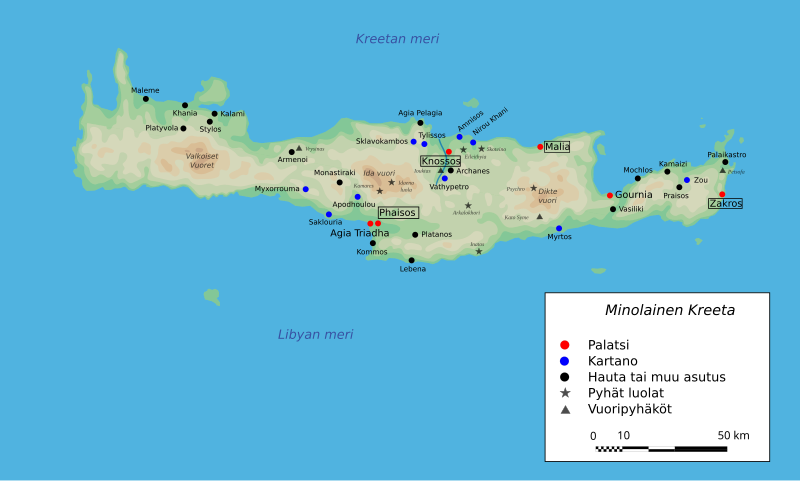
File:Map Minoan Crete-fi.svg
There are not one hundred cities here.

Once Upon a Time, No One Would Prostitute a Rhyme

Pindar, Isthmian 2.1-15

“Thrasyboulos: people in the past
Used to climb onto the chariot
Of the gold-crowned Muses
Armed with a fame-bringing lyre.
Then they would quickly aim their sweet-voiced hymns
At the boys–whoever was cute and
in that sweetest summer season
Of well-throned Aphrodite.

That’s because the Muse wasn’t yet
Too fond of profit nor yet
A working girl.
And sweet songs
From honey-voiced Terpsichore
Weren’t yet sold as pricey tricks.

So now she invites us to remember
The word of the Argive that’s closest
To the truth: “Money,
A man is his money”–
As someone claims when he’s lost
His cash along with his friends.”

Οἱ μὲν πάλαι, ὦ Θρασύβουλε,
φῶτες, οἳ χρυσαμπύκων
ἐς δίφρον Μοσᾶν ἔβαι-
νον κλυτᾷ φόρμιγγι συναντόμενοι,
ῥίμφα παιδείους ἐτόξευον μελιγάρυας ὕμνους,
ὅστις ἐὼν καλὸς εἶχεν Ἀφροδίτας
εὐθρόνου μνάστειραν ἁδίσταν ὀπώραν.
ἁ Μοῖσα γὰρ οὐ φιλοκερδής
πω τότ᾿ ἦν οὐδ᾿ ἐργάτις·
οὐδ᾿ ἐπέρναντο γλυκεῖ-
αι μελιφθόγγου ποτὶ Τερψιχόρας
ἀργυρωθεῖσαι πρόσωπα μαλθακόφωνοι ἀοιδαί.

νῦν δ᾿ ἐφίητι <τὸ> τὠργείου φυλάξαι
ῥῆμ᾿ ἀλαθείας <⏑–> ἄγχιστα βαῖνον,
“χρήματα χρήματ᾿ ἀνήρ”
ὃς φᾶ κτεάνων θ᾿ ἅμα λειφθεὶς καὶ φίλων.

Scholion ad Pin. Isth. 2.1b

“Pindar elaborates his introduction again by referring to his payment for composing the epinician hymn. But he says that ancient lyric poets used to make serious efforts towards noble works without payment, but when money began existing poems were purchased. These comments apply to poets around the time of Alkaios, Ibykos, Anakreon, and some of those before him who seemed to pay a lot of attention to boys. Those poets were older than Pindar. Indeed, when Anacreon was asked why he composed hymns to boys and not to the gods, he answered, “Because they are our gods.”

ἐξειργάσατο δὲ τὸ προοίμιον ὁ Πίνδαρος πάλιν ἑαυτῷ τῆς τοῦ ἐπινίκου γραφῆς μισθὸν ποριζόμενος. φησὶ δὲ, ὅτι τῶν λυρικῶν οἱ παλαιοὶ ἀμισθὶ πρὸς τὰ καλὰ τὴν σπουδὴν εἶχον, ἐπὶ δὲ τοῦ παρόντος ἀργυρίου πιπράσκεται τὰ ποιήματα. ταῦτα δὲ τείνει καὶ εἰς τοὺς περὶ ᾿Αλκαῖον καὶ ῎Ιβυκον καὶ ᾿Ανακρέοντα, καὶ εἴ τινες τῶν πρὸ αὐτοῦ δοκοῦσι περὶ τὰ παιδικὰ ἠσχολῆσθαι· οὗτοι γὰρ παλαιότεροι Πινδάρου· ᾿Ανακρέοντα γοῦν ἐρωτηθέντα, φασί, διατί οὐκ εἰς θεοὺς ἀλλ’ εἰς παῖδας γράφεις τοὺς ὕμνους; εἰπεῖν, ὅτι οὗτοι ἡμῶν θεοί εἰσιν.

pile of gold old coins

No Dances or Feasts in Heaven Without You

Pindar Olympian 14

Graces who have dominion over
The waters of Kephisos and
Inhabit a land of fine horses–
Queens famous in songs from bright Orkhomenos
And overseers of the ancient Minyans,
Hear me as I pray.

With you, mortals find
All pleasing and sweet things, whether
Someone is wise, pretty, or famous.
Not even the gods can plan dances or feasts
Without the sacred Graces–
As guardians of all the acts in heaven,
They sit in thrones alongside Pythian Apollo with his golden bow
As they praise the eternal honor of the Olympian father.

Queen Aglaia and,
Song-loving Euphrosyne, children of the most powerful father,
Listen to me now. And Song-lover Thalia,
Gaze kindly upon this band
Moving gracefully for good fortune.

I have come singing for Asopihkos in the Lydian mode,
Singing in my practice because
The Minyan land has won at Olympia, thanks to you.

Go to the dark-walled home of Persephone now, Echo–
Take this wonderful news to his father.
When you see Kleodamos, tell him that his son
Crowned his youthful hair in the well-known valley of Pisa
With the wings of famous contests.”

Καφισίων ὑδάτων
λαχοῖσαι αἵτε ναίετε καλλίπωλον ἕδραν,
ὦ λιπαρᾶς ἀοίδιμοι βασίλειαι
Χάριτες Ἐρχομενοῦ, παλαιγόνων Μινυᾶν ἐπίσκοποι,
κλῦτ᾿, ἐπεὶ εὔχομαι· σὺν γὰρ ὑμῖν τά <τε> τερπνὰ καί
τὰ γλυκέ᾿ ἄνεται πάντα βροτοῖς,
εἰ σοφός, εἰ καλός, εἴ τις ἀγλαὸς ἀνήρ.
οὐδὲ γὰρ θεοὶ σεμνᾶν Χαρίτων ἄτερ
κοιρανέοντι χοροὺς
οὔτε δαῖτας· ἀλλὰ πάντων ταμίαι
ἔργων ἐν οὐρανῷ, χρυσότοξον θέμεναι πάρα
Πύθιον Ἀπόλλωνα θρόνους,
αἰέναον σέβοντι πατρὸς Ὀλυμπίοιο τιμάν.

ὦ> πότνι᾿ Ἀγλαΐα
φιλησίμολπέ τ᾿ Εὐφροσύνα, θεῶν κρατίστου
παῖδες, ἐπακοοῖτε νῦν, Θαλία τε
ἐρασίμολπε, ἰδοῖσα τόνδε κῶμον ἐπ᾿ εὐμενεῖ τύχᾳ
κοῦφα βιβῶντα· Λυδῷ γὰρ Ἀσώπιχον ἐν τρόπῳ
ἐν μελέταις τ᾿ ἀείδων ἔμολον,
οὕνεκ᾿ Ὀλυμπιόνικος ἁ Μινύεια
σεῦ ἕκατι. μελαντειχέα νῦν δόμον
Φερσεφόνας ἔλθ᾿, Ἀ-
χοῖ, πατρὶ κλυτὰν φέροισ᾿ ἀγγελίαν,
Κλεόδαμον ὄφρ᾿ ἰδοῖσ᾿, υἱὸν εἴπῃς ὅτι οἱ νέαν
κόλποις παρ᾿ εὐδόξοις Πίσας
ἐστεφάνωσε κυδίμων ἀέθλων πτεροῖσι χαίταν.

Wall painting of classic pose of the three Graces. Three nude figures standing with arms interlaced. Two face forward, the one in the middle faces back but turns her head. They are wearing garlands on their heads
1st-century A.D. Fresco depicting the Three Graces. From Pompeii, Italy. Naples, Museo Archeologico Nazionale (Archaeological Museum).

“Dying is the Sweetest Thing”: The Gods Love Those Who Give The Most

This poem moves from praising the victory of Hiero’s horses at Olympos to the tale of Croesus’ reaction to the sacking of Sardis. In this version of the tale, he prepares to sacrifice his family on a pyre. The story is, well, a bit horrifying.

Bacchylides, Victory Odes 3.1-60

“Kleio, sweetness-giver, sing of Demeter
Who rules rich-grained Sicily, and also
Her purple-crowned daughter, and the swift
Olympic-racing horses of Hiero.

For they rushed with overwhelming Victory
And Glory alongside the broad-eddying
Alpheos where they made the blessed son of Deinomenes
A master of the crowns.

And the people shouted out:
“Oh, thrice-blessed man
Who obtained from Zeus
The widest-ruling power of all the Greeks
And knows not to hide his towered health
With black-cloaked shadow.

The temples overflow with sacrificial feasts
And the streets overflow with hospitality.
And god shines too in glancing light
From the tall-wrought tripods which were set up

In front of the temple where the Delphians
Take care of the greatest grove of Apollo
Alongside the waters of Kastalia—let someone
Glory in god, in god—this is the best of the blessings.

For once there was a time when
Even though the Sardians were sacked by the Persian army
Because Zeus had brought to an end
The judgment which was fated,
The leader of the horse-taming
Lydians, Kroisos, golden-sworded

Apollo protected. For Kroisos,
When he had come to that lamentable, unhoped for day
Was not about to wait for slavery any more. But he
Had a pyre built up in front of his bronze-walled yard.

There he climbed up with his dear wife
And his well-tressed daughters who were
Mourning uncontrollably. Then he raised his hands
Up to the high sky above

And he shouted: “Powerful god
Where is divine gratitude now?
Where is Leto’s son the lord?
Alyattes’ halls are falling down.
[what of the] myriad [gifts I gave you?]
[What trust can mortals give to gods?]

[Look now, the enemy has sacked my] city,
And the gold-eddying Paktôlos runs red
With blood and women are shamefully dragged away
From the well-built halls.

What was hated before is now dear. Dying is the sweetest thing.”
So much he said, and he ordered his light-stepping attendant
To Set fire to the wooden home. Then the girls were crying out
And they were throwing their hands to their

Mother. For mortals most hateful death
Is the one we see coming.
But as the shining strength
Of the terrible fire was leaping forth
Zeus sent over a dark-covering cloud
To extinguish the yellow flame.

Nothing is unbelievable when divine care
Makes it. Then Delian-born Apollo
Carried the old man to the Hyperboreans
And settled him there with his thin-ankled daughters

Because of his piety, because he sent to sacred Pytho
Gifts greatest of all the mortals.

᾿Αριστο[κ]άρπου Σικελίας κρέουσαν
Δ[ά]ματρα ἰοστέφανόν τε Κούραν
ὕμνει, γλυκύδωρε Κλεοῖ, θοάς τ’ ᾿Ο-
[λυμ]πιοδρόμους ῾Ιέρωνος ἵππ[ο]υς.

[Σεύον]το γὰρ σὺν ὑπερόχῳ τε Νίκᾳ
[σὺν ᾿Αγ]λαΐᾳ τε παρ’ εὐρυδίναν
[᾿Αλφεόν, τόθι] Δεινομένεος ἔθηκαν
ὄλβιον τ[έκος στεφάνω]ν κυρῆσαι·

θρόησε δὲ λ[αὸς ]
[] ἆ τρισευδαίμ[ων ἀνὴρ]
ὃς παρὰ Ζηνὸς λαχὼν πλείστ-
αρχον ῾Ελλάνων γέρας
οἶδε πυργωθέντα πλοῦτον μὴ μελαμ-
φαρέϊ κρύπτειν σκότῳ.

Βρύει μὲν ἱερὰ βουθύτοις ἑορταῖς,
βρύουσι φιλοξενίας ἀγυιαί·
λάμπει δ’ ὑπὸ μαρμαρυγαῖς ὁ χρυσός,
ὑψιδαιδάλτων τριπόδων σταθέντων

πάροιθε ναοῦ, τόθι μέγι[στ]ον ἄλσος
Φοίβου παρὰ Κασταλίας [ῥ]εέθροις
Δελφοὶ διέπουσι. Θεόν, θ[εό]ν τις
ἀγλαϊζέθὠ γὰρ ἄριστος [ὄ]λβων·

ἐπεί ποτε καὶ δαμασίπ-
[π]ου Λυδίας ἀρχαγέταν,
εὖτε τὰν πεπ[ρωμέναν] Ζη-
νὸς τελέ[σσαντος κρί]σιν
Σάρδιες Περσᾶ[ν ἁλίσκοντο στρ]ατῷ,
Κροῖσον ὁ χρυσά[ορος]

φύλαξ’ ᾿Απόλλων. [῾Ο δ’ ἐς] ἄελπτον ἆμαρ
μ[ο]λὼν πολυδ[άκρυο]ν οὐκ ἔμελλε
μίμνειν ἔτι δ[ουλοσύ]ναν, πυρὰν δὲ
χαλκ[ο]τειχέος π[ροπάροι]θεν αὐ[λᾶς]
ναήσατ’, ἔνθα σὺ[ν ἀλόχῳ] τε κεδ[νᾷ]
σὺν εὐπλοκάμοι[ς τ’] ἐπέβαιν’ ἄλα[στον]
[θ]υ[γ]ατράσι δυρομέναις· χέρας δ’ [ἐς]
[αἰ]πὺν αἰθέρα σ[φ]ετέρας ἀείρας

[γέ]γ[ω]νεν· «῾Υπέρ[βι]ε δαῖ-
μον, [πο]ῦ θεῶν ἐστι[ν] χάρις;
[πο]ῦ δὲ Λατοίδ[ας] ἄναξ; [ἔρ-]
[ρουσ]ιν ᾿Αλυά[τ]τα δόμοι

[] μυρίων
[]ν.
[]ν ἄστυ,
[ἐρεύθεται αἵματι χρυσο]δίνας
Πακτωλός, ἀ[ε]ικελίως γυνα[ῖ]κες
ἐξ ἐϋκτίτων μεγάρων ἄγονται·

τὰ πρόσθεν [ἐχ]θρὰ φίλα· θανεῖν γλύκιστον.»
Τόσ’ εἶπε, καὶ ἁβ[ρο]βάταν κ[έλε]υσεν
ἅπτειν ξύλινον δόμον. ῎Εκ[λα]γον δὲ
παρθένοι, φίλας τ’ ἀνὰ ματρὶ χεῖρας

ἔβαλλον· ὁ γὰρ προφανὴς
θνατοῖσιν ἔχθιστος φόνων·
ἀλλ’ ἐπεὶ δεινο[ῦ π]υρὸς λαμ-
πρὸν διάϊ[σσεν μέ]νος,
Ζεὺς ἐπιστάσας [μελαγκευ]θὲς νέφος
σβέννυεν ξανθὰ[ν φλόγα.]

῎Απιστον οὐδὲν ὅ τι θ[εῶν μέ]ριμνα
τεύχει· τότε Δαλογενὴ[ς ᾿Από]λλων
φέρων ἐς ῾Υπερβορέο[υς γ]έροντα
σὺν τανισφύροις κατ[έν]ασσε κούραις

δι’ εὐσέβειαν, ὅτι μέ[γιστα] θνατῶν
ἐς ἀγαθέαν <ἀν>έπεμψε Π[υθ]ώ.


Oil painting of decadently dressed early modern king pointing out his wealth to a Greek visitor
Nikolaus Knüpfer, “Solon Before Croesus” c 1650

A Measure for Each Thing

Pindar, Olympian 13.43-54

“I am fighting with many others over
The sheer number of noble things,
How your family has excelled at Delphi and
In the fields of the lion. I just couldn’t imagine how
To speak a true number of all the sand in the sea.

Still, a measure exists for each thing-
And it is best to recognize what is timely.
Because I as a private person went ahead on a common mission,
Praising aloud the wit of their forebears
And their war in heroic endeavors,
I will not lie about Corinth, mentioning Sisyphus
As clever as a god, or Medea
Who set up her own marriage,
Against her father’s wishes,
To be the savior of the Argo and its men.”

ὅσσα τ᾿ ἐν Δελφοῖσιν ἀριστεύσατε
ἠδὲ χόρτοις ἐν λέοντος, δηρίομαι πολέσιν
περὶ πλήθει καλῶν· ὡς μὰν σαφές
οὐκ ἂν εἰδείην λέγειν
ποντιᾶν ψάφων ἀριθμόν.
ἕπεται δ᾿ ἐν ἑκάστῳ
μέτρον· νοῆσαι δὲ καιρὸς ἄριστος.
ἐγὼ δὲ ἴδιος ἐν κοινῷ σταλείς
μῆτίν τε γαρύων παλαιγόνων
πόλεμόν τ᾿ ἐν ἡρωίαις ἀρεταῖσιν
οὐ ψεύσομ᾿ ἀμφὶ Κορίνθῳ, Σίσυφον
μὲν πυκνότατον παλάμαις ὡς θεόν,
καὶ τὰν πατρὸς ἀντία Μή-
δειαν θεμέναν γάμον αὐτᾷ,
ναῒ σώτειραν Ἀργοῖ καὶ προπόλοις

An ancient wall painting of Medea. She stands on the right, one arm folded over body. To the elft two young childen play. A man lurks behind them in a doorway
Museo archeologico nazionale di Napoli, (inv. nr. 8977). Da Pompei, Casa dei Dioscuri. Medea medita di uccidere i suoi figli intenti a giocare con gli astragali, guardati con mestizia dal pedagogo.

In Exchange for Pain, Sometimes Good

Pindar, Olympian 12.1-12a

“I am begging you, child of Zeus-who-Frees,
Savior Chance, safeguard mighty Himera.
For you direct swift ships on the sea,
And fast wars on land,
And  counsel-bringing assemblies too.
Human hopes rise up and then back down
As they turn, traversing pointless lies.

No mortal has yet discovered a trustworthy sign,
From the gods about deeds still to come.
Plans for the future remain in the dark.

Humans experience many things against their expectations–
Sometimes, it’s the opposite of pleasure, but in others
Those who have faced great storms receive profound good for their pain
In a short time.”

Λίσσομαι, παῖ Ζηνὸς Ἐλευθερίου,
Ἱμέραν εὐρυσθενέ᾿ ἀμφιπόλει, σώτειρα Τύχα.
τὶν γὰρ ἐν πόντῳ κυβερνῶνται θοαί
νᾶες, ἐν χέρσῳ τε λαιψηροὶ πόλεμοι
κἀγοραὶ βουλαφόροι, αἵ γε μὲν ἀνδρῶν
πόλλ᾿ ἄνω, τὰ δ᾿ αὖ κάτω
ψεύδη μεταμώνια τάμνοισαι κυλίνδοντ᾿ ἐλπίδες·
σύμβολον δ᾿ οὔ πώ τις ἐπιχθονίων
πιστὸν ἀμφὶ πράξιος ἐσσομένας εὗρεν θεόθεν,
τῶν δὲ μελλόντων τετύφλωνται φραδαί·
πολλὰ δ᾿ ἀνθρώποις παρὰ γνώμαν ἔπεσεν,
ἔμπαλιν μὲν τέφψιος, οἱ δ᾿ ἀνιαραῖς
ἀντικύρσαντες ζάλαις
ἐσλὸν βαθὺ πήματος ἐν μικρῷ πεδάμειψαν χρόνῳ.

Seated Marble sculpture. Female figure in draped clothing looking right, hand on chin
Seated Muse or Nymph on Rock (Adaptation of Urania Type), Walters Art Museum

The Debt of Fault and Song

Pindar, Olympian 10.1-15

“Read me aloud the name of the Olympian victor,
The child of Arkhestratos, from the place where
It is entered in my thoughts since
He’s owed a sweet song and
It has been forgotten.
Muse, you and Truth, Zeus’ daughter,
Keep me from harming a friend with lies.

For the coming future approached from far away
And shamed me for my debt.
Yet interest paid can has the power to release us
From sharp critique.

Let him see now how, just as a wave
Washes over a pebble as it rolls through the sea,
So too do I pay back shared speech
As a dear favor.”

Τὸν Ὀλυμπιονίκαν ἀνάγνωτέ μοι
Ἀρχεστράτου παῖδα, πόθι φρενός
ἐμᾶς γέγραπται· γλυκὺ γὰρ αὐτῷ μέλος ὀφείλων
ἐπιλέλαθ᾿· ὦ Μοῖσ᾿, ἀλλὰ σὺ καὶ θυγάτηρ
Ἀλάθεια Διός, ὀρθᾷ χερί
ἐρύκετον ψευδέων
ἐνιπὰν ἀλιτόξενον.
ἕκαθεν γὰρ ἐπελθὼν ὁ μέλλων χρόνος
ἐμὸν καταίσχυνε βαθὺ χρέος.
ὅμως δὲ λῦσαι δυνατὸς ὀξεῖαν ἐπιμομφὰν
τόκος. ὁράτω νῦν ψᾶφον ἑλισσομέναν
ὁπᾷ κῦμα κατακλύσσει ῥέον,
ὁπᾷ τε κοινὸν λόγον
φίλαν τείσομεν ἐς χάριν.

Schol. Ad Pin. Ol. 10.15e

“He speaks allegorically comparing his own power to the flow of the sea. For, just as a wave washes over a stone whirled up, expelled on the shore, so in the same way, he claims, I wash away blame circulated like that stone.”
παραβάλλει δὲ ἀλληγορῶν τῷ τῆς θαλάσσης ῥεύματι τὴν ἑαυτοῦ δύναμιν. ὡς

γὰρ ψῆφον παρ’ αἰγιαλὸν κυλινδουμένην ἐκβρασσόμενον τὸ κῦμα κατακλύζει, τὸν αὐτὸν τρόπον, φησὶ, κἀγὼ τὴν ἐπικυλιομένην μέμψιν ἐκκλύσω ὡς ψῆφον.

“otherwise: now a stone hurling on. The hymn washes away criticism from people like a [the water washes away] the stone.”

ἄλλως· νῦν ψᾶφον ἑλισσομέναν: νῦν [ψᾶφον] τὴν παρὰ τῶν ἀνθρώπων μέμψιν κατακλύσει ὁ ὕμνος ὡς ψῆφον

“The wave” when [he mentions] the shared speech, which is the poem, we pay back in return…”

κῦμα, ὅταν τὸν κοινὸν λόγον, τουτέστι τὸ ποίημα, πρὸς χάριν ἀποτίσωμεν.

Oil painting of a wave, semi impressionistic style
The Wave by Gustave Courbet, c. 1869, oil on canvas, California Palace of the Legion of Honor

Philo Can’t Trust His Mind: On Senses and Self

Philo, On the Cherubim, 116 (33)

“Is my mind my own private possession? It is a creator of lies, a founder of wandering, of paranoia, of foolishness, a thing revealed to be the opposite of a mind in its mania and depression and eventual old age.

Is what I say my own private possession or the organs of speech? Isn’t a minor sickness enough to weaken the tongue or to sew up the mouth of even the most articulate? Doesn’t the expectation of terror strike and render most people mute?

And I am not revealed to be master even of my perception—instead, I think I am even its servant following wherever it leads to colors, shapes, sounds, smells, tastes and other corporeal things.”

ὁ δὲ νοῦς ἐμόν ἐστιν ἴδιον κτῆμα; ὁ ψευδῶν εἰκαστικός, ὁ πλάνης οἰστικός, ὁ παρανοῶν, ὁ μωραίνων, ὁ εὑρισκόμενος ἄνους ἐν ἐκστάσει καὶ μελαγχολίᾳ καὶ μακρῷ γήρᾳ; ἀλλ᾿ ὁ λόγος κτῆμα ἐμόν; ἢ τὰ φωνῆς ὄργανα; μικρὰ νόσου πρόφασις οὐ τὴν γλῶτταν ἐπήρωσεν, οὐ τὸ στόμα καὶ τῶν πάνυ λογίων ἀπέρραψεν; οὐχὶ δεινοῦ προσδοκία καταπλήξασα μυρίους ἀχανεῖς ἐποίησε; καὶ μὴν οὐδὲ τῆς αἰσθήσεως ἡγεμὼν εὑρίσκομαι, τάχα δέ που καὶ δοῦλος ἀκολουθῶν ᾗ ἂν ἄγῃ, πρὸς χρώματα, πρὸς σχήματα, πρὸς φωνάς, πρὸς ὀσμάς, πρὸς χυλούς, πρὸς τὰ ἄλλα σώματα.

This image has nothing to do with this passage. I just think it is amazing.

Five oil paintings of similar faces making extreme faces
Petrus Staverenus, “Personification of the five senses: Sight “c. 1650

Don’t Gossip About the Gods!

Pindar, Olympian 9.21-42

“But when I set that dear city ablaze
With my burning songs,
Faster than a proud horse
Or a flying ship in every direction,
I will send my message–
If with some fate-allotted talent,
I tend the select garden of the Graces,
Because they are the ones who grant pleasure.

Men become good or wise by divine lot.
Is there any other way that Herakles
Could have swung the club in his hands
Against the trident when Poseidon faced him
Before Pylos and backed him down,

Or when Apollo pushed him back with
His silver bow, or could he have held Hades’ staff unmoved,
The one he uses to lead the bodies of those who die
Along a shallow passage?

Ah! Banish that tale from my mouth!
Mocking the gods is hateful wisdom–
Boasting at the wrong time sounds like insanity:
Don’t gossip about such things now,
But keep war and all battle away from the gods.”

ἐγὼ δέ τοι φίλαν πόλιν
μαλεραῖς ἐπιφλέγων ἀοιδαῖς,
καὶ ἀγάνορος ἵππου
θᾶσσον καὶ ναὸς ὑποπτέρου παντᾷ
ἀγγελίαν πέμψω ταύταν,
εἰ σύν τινι μοιριδίῳ παλάμᾳ
ἐξαίρετον Χαρίτων νέμομαι κᾶπον·
κεῖναι γὰρ ὤπασαν τὰ τέπρν᾿· ἀγαθοὶ
δὲ καὶ σοφοὶ κατὰ δαίμον᾿ ἄνδρες
ἐγένοντ᾿· ἐπεὶ ἀντίον
πῶς ἂν τριόδοντος Ἡ-
ρακλέης σκύταλον τίναξε χερσίν,
ἁνίκ᾿ ἀμφὶ Πύλον σταθεὶς ἤρειδε Ποσειδάν,
ἤρειδεν δέ νιν ἀργυρέῳ τόξῳ πολεμίζων
Φοῖβος, οὐδ᾿ Ἀίδας ἀκινήταν ἔχε ῥάβδον,
βρότεα σώμαθ᾿ ᾇ κατάγει κοίλαν πρὸς ἄγυιαν
θνᾳσκόντων; ἀπό μοι λόγον
τοῦτον, στόμα, ῥῖψον·
ἐπεὶ τό γε λοιδορῆσαι θεούς
ἐχθρὰ σοφία, καὶ τὸ καυχᾶσθαι παρὰ καιρόν
μανίαισιν ὑποκρέκει.
μὴ νῦν λαλάγει τὰ τοι-
αῦτ᾿· ἔα πόλεμον μάχαν τε πᾶσαν
χωρὶς ἀθανάτων·

Schol. Ad Pindar, Olympian 9. 50a

“And couldn’t have held Hades’ staff unmoved.” He used his staff just as a tool, applying no force, as with a trident or sword or spear, but he relied on its power to bewitch and ensnare the mind. For this reason people say that he also guides spirits downward. Hades was able to do nothing with the staff against Herakles thanks to its power being blunted by Zeus.

And this [goes with] the common saying, that men become good through god, ‘[since?] not even Hades could hold his staff while fighting Herakles feebly and without moving, with the very same staff he makes the bodies of men weak in the same way and leads them down into the hollow place then they’re dead.”

οὐδ’ ᾿Αίδας ἀκινήταν ἔχε ῥάβδον: τῇ ῥάβδῳ κέχρηται καθάπερ ὅπλῳ τινὶ, βίαν μὲν οὐδεμίαν παρεχομένῃ, καθάπερ ἢ τριόδους ἢ ξίφος ἢ δόρυ, ἀλλὰ δυνάμει συνεχρῆτο θελκτικῇ καὶ μαλακτικῇ τῆς ψυχῆς· ταύτῃ γοῦν φησι καὶ τὰς ψυχὰς αὐτὸν κατάγειν. ἐπὶ τοῦ ῾Ηρακλέους οὖν ὁ ῞Αιδης ἐργωδίᾳ τῆς ῥάβδου ταύτης οὐδὲν ἠδύνατο δρᾶσαι διὰ τὸ τὴν δύναμιν αὐτῆς ὑπὸ τοῦ Διὸς ἀμβλύνεσθαι. ἀπὸ κοινοῦ δὲ τὸ εἰ μὴ κατὰ δαίμονα ἄνδρες ἐγένοντο, οὐκ ἂν οὐδὲ ὁ ῞Αιδης ἀσθενῆ καὶ ἀκίνητον διαμαχόμενος ῾Ηρακλεῖ εἶχε τὴν ῥάβδον, ἐν ᾗ ῥάβδῳ τὰ τῶν CEQ ἀνδρῶν σώματα ἀσθενῆ ποιῶν οὕτως εἰς τὸν κοῖλον τόπον[τοῦ ῞Αιδου] κατάγει τῶν τελευτώντων.

Color photograph of a mall bronze tatue of middling quality. The figure has a raised club in his right hand and a lion skin in the lowered left.
Bronze Statue of Herakles, Italian, c. 2nd century BCE, MET

The Good Deeds of Fantasy

Pindar, Olympian 8.72-3

“A man who has done proper things,
Certainly forgets about Hades.”

Ἀίδα τοι λάθεται
ἄρμενα πράξαις ἀνήρ.

Schol. ad Pin. Ol. 8.72

“He certainly forgets about Hades.” For every man who has accomplished fitting things obtains forgetfulness of Hades by his own choice, and this in fact means death. For, I guess, this is naturally just the thought of those who are troubled: for this sort of thing is the fine action of a fantasy for those who do well.”

 ᾿Αίδα τοι λάθεται: πᾶς γὰρ ἀνὴρ ἁρμόδια πράξας τῇ ἑαυτοῦ προαιρέσει ῞Αιδου, τουτέστι τοῦ θανάτου, λήθην λαμβάνει· ἤ πού γε τῶν ἁπλῶς κατὰ φύσιν ὀχλούντων οἱονεὶ τὸ φρόνημα· τοιαύτη γὰρ ἡ τῆς φαντασίας εὐπραξία τοῖς εὖ πράττουσιν.

Somewhat impressionist Oil painting with a disintegrating figure on the left foreground turning back towards a doorway and garden images in the background the palate is mostly orange and brown

Witold Wojtkiewicz (1879–1909), “Fantasy”. Muzeum Narodowe w Krakowie; http://www.zbiory.mnk.pl ;MNK II-b-205;;fot. Pracownia Fotograficzna MNK