Pliny on the Life of Scholarly Leisure

Pliny (Epistula 1.9) discusses the distress of urban business, and the delight of study in a country retreat:

It is marvelous how on individual days, you can account for your time (or at least, you seem to be able to), but when many days are joined together, the account does not add up. For, if you were to ask someone, ‘What did you do today?’ he would respond, ‘I was there for the ceremony of the toga virilis, I went to an engagement or a wedding, this one guy needed me to sign a document, this other guy needed my legal assistance, and a third man asked for my counsel.’ Now, these things all seem necessary on the day during which you do them, but when you look back and consider that you have done them every day, they seem totally inane, especially once you retire from the city.

Then the thought comes upon you: ‘How many days I have wasted in such cold business!’ This happens to me when I retire to my villa in Laurentum to read, write, or even give a rest to my body, by whose support the spirit is held up. There, I neither hear nor see anything which I would regret hearing or seeing; no one slanders someone else with malicious talk in my presence, and I myself need not reproach anyone, except perhaps myself when I write poorly. I am made anxious by no hopes or fears, and am disquieted by no rumors: I speak only with myself and my books. O, what an upright and pure life! O, sweet, honest leisure, perhaps more beautiful than any business! O sea, o shore, o you true and secluded home of the Muses, how many things you discover, how many things you say! Accordingly you too should abandon that noisy bustle, that vain running-about and those exceptionally unsuitable labors, and as soon as you get the chance, you should give yourself to study or leisure. As our own Atilius said in that most erudite and charming way of his, it is more satisfying to be at leisure than to do nothing. Farewell!
Plinius Minicio Fundano suo s.

Mirum est quam singulis diebus in urbe ratio aut constet aut constare videatur, pluribus iunctisque non constet. Nam si quem interroges ‘Hodie quid egisti?’, respondeat: ‘Officio togae virilis interfui, sponsalia aut nuptias frequentavi, ille me ad signandum testamentum, ille in advocationem, ille in consilium rogavit.’ Haec quo die feceris, necessaria, eadem, si cotidie fecisse te reputes, inania videntur, multo magis cum secesseris. Tunc enim subit recordatio: ‘Quot dies quam frigidis rebus absumpsi!’ Quod evenit mihi, postquam in Laurentino meo aut lego aliquid aut scribo aut etiam corpori vaco, cuius fulturis animus sustinetur. Nihil audio quod audisse, nihil dico quod dixisse paeniteat; nemo apud me quemquam sinistris sermonibus carpit, neminem ipse reprehendo, nisi tamen me cum parum commode scribo; nulla spe nullo timore sollicitor, nullis rumoribus inquietor: mecum tantum et cum libellis loquor. O rectam sinceramque vitam! O dulce otium honestumque ac paene omni negotio pulchrius! O mare, o litus, verum secretumque μουσεῖον, quam multa invenitis, quam multa dictatis! Proinde tu quoque strepitum istum inanemque discursum et multum ineptos labores, ut primum fuerit occasio, relinque teque studiis vel otio trade. Satius est enim, ut Atilius noster eruditissime simul et facetissime dixit, otiosum esse quam nihil agere. Vale.

The Ideal Statesman and Pompey’s True Aims

Cicero, Letters to Atticus, Ep.  8.11 (27 Feb 49)

“I believe it is in his fifth book that Scipio says ‘Just as a favorable trip is a captain’s task, health is the doctor’s, victory is the generals, the duty of the leader of a state is the happy life of its citizens: strength for their safety, abundance for their goods, fame for their self-worth, and truth for their virtue. I wish for the accomplishment of the best men among us to be this.’

‘Our’ Gnaeus has never before thought about this, nor now in the present affair at all. Domination has been sought by both of them—nothing has been done for the happiness and honesty of the state. [Pompey] did not leave the city because he could not defend it nor Italy because he was driven away, but from the beginning he planned to attack every land and sea, to annoy foreign kings, and to bring alien peoples to Italy in arms—to raise the largest armies. He has been salivating for a long time for that type of Sullan rule—and many who follow him long for it to. Do you believe that there was no way for them to come to an agreement, that no pact was possible? It is possible today, but neither man cares whether we are happy. Both want to rule.”

nam sic quinto, ut opinor, in libro loquitur Scipio: ‘ut enim gubernatori cursus secundus, medico salus, imperatori victoria, sic huic moderatori rei publicae beata civium vita proposita est, ut opibus firma, copiis locuples, gloria ampla, virtute honesta sit; huius enim operis maximi inter homines atque optimi illum esse perfectorem volo.’ hoc Gnaeus noster cum antea numquam tum in hac causa minime cogitavit. dominatio quaesita ab utroque est, non id actum, beata et honesta civitas ut esset. nec vero ille urbem reliquit quod eam tueri non posset nec Italiam quod ea pelleretur, sed hoc a primo cogitavit, omnis terras, omnia maria movere, reges barbaros incitare, gentis feras in Italiam armatas adducere, exercitus conficere maximos. genus illud Sullani regni iam pridem appetitur, multis qui una sunt cupientibus. an censes nihil inter eos convenire, nullam pactionem fieri potuisse? hodie potest. sed neutri σκοπὸς est ille, ut nos beati simus; uterque regnare vult.

Image result for Cicero rome

Education: Insurance for the Shipwrecked

Phaedrus, Fabulae 4.23

“A person of learning always has wealth on on their own.

Simonides, who wrote exceptional lyric poems,
Thanks to this lived more easily with poverty
He began to go around the Asia’s noble cities
Singing the praise of victors for a set price.

Once he had done this to make a wealthier life
He planned to make a seaward journey home.
For it was on Ceos people claim he was born.
He climbed aboard a ship which an awful storm
And its advanced age caused to break apart in the sea.

Some grabbed their money-belts, others their valuable things,
Safeguards for their life. A rather curious man asked
“Simonides, you are saving none of your riches?”
He responded, “Everything that is mine is with me”

Few swam free, because most died weighed down by a drowning burden.
Then thieves arrived and seized whatever each man carried.
They left them naked. By chance, Clazomenae, that ancient city,
Was nearby. The shipwrecked men went that way.
There lived a man obsessed with the pursuit of poetry
Who had often read the poems of Simonides,
He was his greatest distant admirer.

Once he knew Simonides from his speech alone
He greedily brought him home, and decorated him
With clothes, money, servants. The rest were carrying
Signs asking for food. When Simonides by chance
Would see these men he reported “I said that all my things
Were with me: and you lost everything you took.”

Image result for Ancient Greek Shipwreck vase

Homo doctus in se semper divitias habet.
Simonides, qui scripsit egregium melos,
quo paupertatem sustineret facilius,
circum ire coepit urbes Asiae nobiles,
mercede accepta laudem victorum canens.
Hoc genere quaestus postquam locuples factus est,
redire in patriam voluit cursu pelagio;
erat autem, ut aiunt, natus in Cia insula.
ascendit navem; quam tempestas horrida
simul et vetustas medio dissolvit mari.
Hi zonas, illi res pretiosas colligunt,
subsidium vitae. Quidam curiosior:
“Simonide, tu ex opibus nil sumis tuis?”
“Mecum” inquit “mea sunt cuncta.”Tunc pauci enatant,
quia plures onere degravati perierant.
Praedones adsunt, rapiunt quod quisque extulit,
nudos relinquunt. Forte Clazomenae prope
antiqua fuit urbs, quam petierunt naufragi.
Hic litterarum quidam studio deditus,
Simonidis qui saepe versus legerat,
eratque absentis admirator maximus,
sermone ab ipso cognitum cupidissime
ad se recepit; veste, nummis, familia
hominem exornavit. Ceteri tabulam suam
portant, rogantes victum. Quos casu obvios
Simonides ut vidit: “Dixi” inquit “mea
mecum esse cuncta; vos quod rapuistis perit.”

Philosophical Benefits and Warnings

Seneca, Moral Epistle 5.4

“The first thing philosophy promises is a shared communion, humanity and friendship with others. Our differences from others will keep us from this promise. We must examine that those very values through which we hope to create admiration do not become laughable and hateful”

Hoc primum philosophia promittit, sensum communem,humanitatem et congregationem. A qua professione dissimilitudo nos separabit. Videamus, ne ista, per quae admirationem parare volumus, ridicula et odiosa sint.

Orphica fr. 334

“I will sing to those who understand: blockheads, close your doors.”
ἀείσω ξυνετοῖσι, θύρας δ᾿ ἐπίθεσθε βεβήλοι

Epicurus’ Maxims

“Nature’s wealth is the finest and easiest to obtain. But the ‘wealth’ of empty beliefs trails endlessly away.”

XV. ῾Ο τῆς φύσεως πλοῦτος καὶ ὥρισται καὶ εὐπόριστός ἐστιν· ὁ δὲ τῶν κενῶν δοξῶν εἰς ἄπειρον ἐκπίπτει.

On Melissos, Diogenes Laertius, 9.24

“It seemed to him that all of creation was boundless, unchangeable, unmoveable, and a single thing, uniform and multiple. That there was no actual movement, only the appearance of motion. He also thought we should not talk about the gods since we have no knowledge about them.”

Ἐδόκει δ᾽ αὐτῷ τὸ πᾶν ἄπειρον εἶναι καὶ ἀναλλοίωτον καὶ ἀκίνητον καὶ ἓν ὅμοιον ἑαυτῷ καὶ πλῆρες: κίνησίν τε μὴ εἶναι, δοκεῖν δ᾽ εἶναι. ἀλλὰ καὶ περὶ θεῶν ἔλεγε μὴ δεῖν ἀποφαίνεσθαι: μὴ γὰρ εἶναι γνῶσιν αὐτῶν.

Diogenes of Apollonia (D. L. 9.57)

“Diogenes believed these things: that the first principle is air, there are endless universes and empty space.

     ᾿Εδόκει δὲ αὐτῷ τάδε· στοιχεῖον εἶναι τὸν ἀέρα, κόσμους ἀπείρους καὶ κενὸν ἄπειρον·

Image result for Ancient Philosophy medieval manuscript

Investigations of What Is and What Is Not

ἡ ἱστορίη: “investigation”
ἡ ἐπισκέψις: “investigation”
ἡ ζήτησις: “Investigation”,  ὁ ζητητής, “Investigator”

Herodotus, 1.1

“This is the testimony of the investigation of Herodotus of Halicarnassus, made so that the things people did may not be wiped clean by time…”

῾Ηροδότου Ἁλικαρνησσέος ἱστορίης ἀπόδεξις ἥδε, ὡς μήτε τὰ γενόμενα ἐξ ἀνθρώπων τῷ χρόνῳ ἐξίτηλα γένηται

Parmenides, Fr. D6

“There are only two paths of investigation to contemplate:
First, how something is and how it is possible not to be.
This is the way of belief for truth accompanies it.
The other is that it is not and how it is necessary that it not be.
This is a path I am showing you is completely useless to pursue.”

αἵπερ ὁδοὶ μοῦναι διζήσιός εἰσι νοῆσαι·
ἡ μὲν ὅπως ἔστιν τε καὶ ὡς οὐκ ἔστι μὴ εἶναι,
πειθοῦς ἐστι κέλευθος (ἀληθείῃ γὰρ ὀπηδεῖ),
ἡ δ’ ὡς οὐκ ἔστιν τε καὶ ὡς χρεών ἐστι μὴ εἶναι,
τὴν δή τοι φράζω παναπευθέα ἔμμεν ἀταρπόν·

Livy, Ab Urbe Condita 9.45

“After everything was investigated, he would share his findings with the senate…”

comperta omnia senatui relaturum

Suetonius, Lives of the Caesars 8 [Vespasian] 3

“I have not found any indications of this, although I have inquired desperately enough.”

Ipse ne vestigium quidem de hoc, quamvis satis curiose inquirerem, inveni.

Tacitus, Dialogus 15

“Ah, but if I could only convince one of you to investigate what the causes of this immense difference may be and tell us, a matter I often ask myself about.”

Ac velim impetratum ab aliquo vestrum ut causas huius infinitae differentiae scrutetur ac reddat, quas mecum ipse plerumque conquiro.

Cicero, De Fato 47

“This is only hoping, not an investigation.”

Optare hoc quidem est, non disputare

Related image


Stumbling After Pleasure Like a Drunk Looking for Home

Boethius, Consolation of Philosophy III. 38-55

“Now all good things dependent upon the body may be understood as we have said. Strength and size seem to confer prominence; beauty and speed bring fame; health brings pleasure. It is clear that happiness alone is sought through all of these qualities. For whatever any man seeks foremost is the very thing he believes is the greatest good. But we have then defined the greatest good as happiness, which is why each man judges the state of happiness to be the very thing he desires beyond all else.

Therefore, you have laid bare before your eyes the basic shape of human happiness: wealth, honor, power, glory and pleasure. When Epicurus examined these things, he decided that his highest good was pleasure because all others seemed to bring enjoyment to the mind. But I return to human desires: for human minds even when the memory is hazy still seeks its own good but, just like a drunk, does not know which path will lead home. Certainly how can those who struggle not to lack anything seem to do wrong?”

Iam vero corporis bona promptum est ut ad superiora referantur. Robur enim magnitudoque videtur praestare valentiam, pulchritudo atque velocitas celebritatem, salubritas voluptatem; quibus omnibus solam beatitudinem desiderari liquet. Nam quod quisque prae ceteris petit, id summum esse iudicat bonum. Sed summum bonum beatitudinem esse definivimus; quare beatum esse iudicat statum quem prae ceteris quisque desiderat.

Habes igitur ante oculos propositam fere formam felicitatis humanae—opes, honores, potentiam, gloriam, voluptates. Quae quidem sola considerans Epicurus consequenter sibi summum bonum voluptatem esse constituit, quod cetera omnia iucunditatem animo videantur afferre. Sed ad hominum studia revertor, quorum animus etsi caligante memoria tamen bonum suum repetit, sed velut ebrius domum quo tramite revertatur ignorat. Num enim videntur errare hi qui nihilo indigere nituntur?


Image result for boethius

Catholicism vs. Criticism

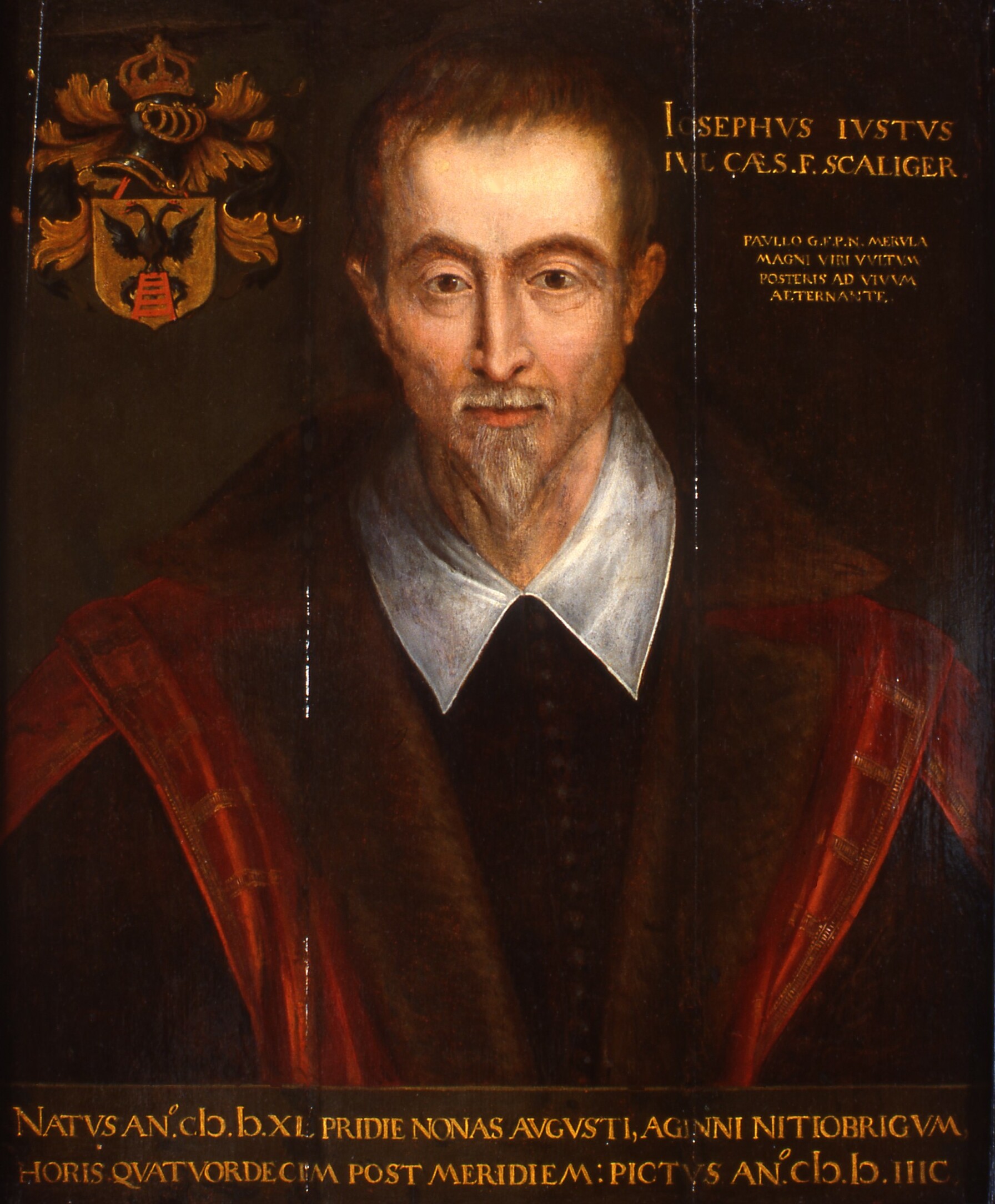
Mark Pattison: Joseph Scaliger

“But, after allowing for I these influences, we must look within rather than without, for the momentum which Scaliger’s religious convictions obeyed. The creed of a scholar or a man of science is often a matter of small interest to him; he wears the religion of his country as he does its garb. With Scaliger it was not so. He could not have been a Catholic. For his knowledge was not a professional skill, a linguistic, a verbal art, or a literary taste. His criticism was to him an instrument of truth. Philology was not an amusement for the ingenious, but the mode of ascertaining the true sense of ancient records. And the controversy as it came to stand at the end of the century between Catholic and Protestant was much more one of interpretation than it has since become. We now think Scaliger’s dictum, ‘All controversies in religion arise from ignorance of criticism ‘ (Non aliunde dissidia in religione pendent quam ab ignoratione grammaticae) somewhat overdrawn. But it was almost literally true at that time. Not only had the Catholic theologians rested their case on all sorts of false renderings and expositions of the Scripture and fathers, on supposititious documents, on historical frauds, on exploded hypotheses, but their principle of interpretation was a rotten one — the principle, namely, that that is the true sense of a text which is conformable to the received doctrine of the Church. A clear scientific insight into the laws of interpretation inevitably forces the mind which arrives at it to rebel against such a maxim. The spell is broken, and it becomes aware that that may be the true sense of Scripture which the Church may have ruled to be heresy. It was, therefore, impossible in the sixteenth century for a consummate critic to be other than a Protestant.”

Claudius, Gourd-God

The following excerpt is from a satirical essay called the “Apocolocyntosis”–the “gourdification”–attributed to Seneca the Younger  (by Cassius Dio). 

Seneca, Apocolocyntosis 4-5

“And he spat up his soul and then he seemed to stop living. He died, moreover, while he listened to comedians, so you understand that I do not fear them without reason. His final voice was heard among people as follows. When he emitted the greater sound with that part with which he spoke more easily, he said “Oh my, I shat myself I think”. Whether or not he did this, I do not know: but he certainly fouled up the place.

The things that were done next on earth are useless to report—for you certainly know it clearly. There is no risk that the memory left by public celebration will disappear—no one forgets his own joy. What was done in heaven, you should hear—the proof will come from the author!

It was announced to Jupiter that a man of certain good size had come, really grey. I don’t know what he was threatening, since he was constantly moving his head and dragging his right foot. When they asked what country he was from he responded with a confused sound and troubled voice—they could not understand his language. He was not Greek or Roman or of any other race.

Then Jupiter sent Hercules who had wandered over the whole earth and seemed to know every nation. He ordered him to go and explore what people this man was from. Then Hercules was a bit undone by the first sight because he had not yet feared all the monsters. As he gazed upon this new kind of a thing with its uncommon step, a voice belonging to no earth-bound beast but more like something coming out of a marine monster, coarse and wordless, he thought that he had arrived at a thirteenth labor. As he looked more closely, it seemed to him to be a man. Se he went up to him and said what comes easiest to a Greek tongue. “Who are you among men and from where? Where is your city and parents?”

Et ille quidem animam ebulliit, et ex eo desiit vivere videri. Exspiravit autem dum comoedos audit, ut scias me non sine causa illos timere. Ultima vox eius haec inter homines audita est, cum maiorem sonitum emisisset illa parte, qua facilius loquebatur: “vae me, puto, concacavi me.” Quod an fecerit, nescio: omnia certe concacavit.

Quae in terris postea sint acta, supervacuum est referre. Scitis enim optime, nec periculum est ne excidant memoriae quae gaudium publicum impresserit: nemo felicitatis suae obliviscitur. In caelo quae acta sint, audite: fides penes auctorem erit. Nuntiatur Iovi venisse quendam bonae staturae, bene canum; nescio quid illum minari, assidue enim caput movere; pedem dextrum trahere. Quaesisse se, cuius nationis esset: respondisse nescio quid perturbato sono et voce confusa; non intellegere se linguam eius, nec Graecum esse nec Romanum nec ullius gentis notae. Tum Iuppiter Herculem, qui totum orbem terrarum pererraverat et nosse videbatur omnes nationes, iubet ire et explorare, quorum hominum esset. Tum Hercules primo aspectu sane perturbatus est, ut qui etiam non omnia monstra timuerit. Ut vidit novi generis faciem, insolitum incessum, vocem nullius terrestris animalis sed qualis esse marinis beluis solet, raucam et implicatam, putavit sibi tertium decimum laborem venisse. Diligentius intuenti visus est quasi homo. Accessit itaque et quod facillimum fuit Graeculo, ait:

τίς πόθεν εἰς ἀνδρῶν, πόθι τοι πόλις ἠδὲ τοκῆες;

Image result for roman emperor claudius

How to Console a F**k-Up

Erasmus, Colloquia Familiaria:

“Mauritius: You have returned to us fatter than usual. You have come back a bit longer.

Cyprianus: Yet I would have loved to come back more intelligent or more learned.

M: You left unbearded and have returned with a little growth. You contracted a bit of age while you were gone. What’s up with this paleness? What about this leanness? What of your goat-like forehead?

C: Just as fortune, so too goes one’s body…

M: Was your fortune bad?

C: It was never indeed favorable otherwise, but it never blew more hatefully than now.

M: I grieve for your misfortune – your calamity distresses me. But what evil was there?

C: I made a shipwreck of all my money.

M: In the sea?

C: Nope – on the shore, before I ever set sail.

M: Where the hell was that?

C: On the shore of Britain.

M: Well, it’s good that you swam back here alive. Better to lose your money than your life. The payment of money is lighter than the expense of one’s reputation.

C: Yet with life and reputation intact, all my money is lost.

M: Life can never be recovered, reputation can but with difficulty, yet it’s easy enough to repair the loss of money somehow. How did this disaster happen?

C: I don’t know – it must just be my fate. Thus it seemed best to the gods. Thus it pleased my evil genius.

M: You see then that learning and virtue are the safest riches, since they can never be taken away and they never burden their possessor.

C: That’s a pretty piece of philosophy you’re spouting, but I’m still pissed.”

erasmus2

Changing Your Mind is the Point of Research

Quintilian, 3.6.

“I admit that I now have a bit of a different opinion from what I believed before. Perhaps it would be safest for my reputation to change nothing which I not only believed but also approved for many years. But I cannot endure knowing that I misrepresent myself, especially in this work which I compose as some help for our good students. For even Hippocrates, famous still for his skill in medicine, seems to have conducted himself very honorably when he admitted his own errors so his followers would not make a mistake. Marcus Tullius did not hesitate to condemn some of his own books in subsequent publications, the Catulus and Lucullus, for example.

Prolonged effort in research would certainly be useless if we were not allowed to improve upon previous opinions. Nevertheless, nothing of what I taught then was useless. These things I offer now, in fact, return us to basic principles. Thus it will cause no one grief to have learned from me. I am trying only to collect and lay out the same ideas in a slightly more sensible fashion. I want it made known to all, moreover, that I am showing this to others no later than I have convinced myself.”

Ipse me paulum in alia quam prius habuerim opinione nunc esse confiteor. Et fortasse tutissimum erat famae modo studenti nihil ex eo mutare quod multis annis non sensissem modo verum etiam adprobassem. Sed non sustineo esse conscius mihi dissimulati, in eo praesertim opere quod ad bonorum iuvenum aliquam utilitatem componimus, in ulla parte iudicii mei. Nam et Hippocrates clarus arte medicinae videtur honestissime fecisse quod quosdam errores suos, ne posteri errarent, confessus est, et M. Tullius non dubitavit aliquos iam editos libros aliis postea scriptis ipse damnare, sicut Catulum atque Lucullum et… Etenim supervacuus foret in studiis longior labor si nihil liceret melius invenire praeteritis. Neque tamen quicquam ex iis quae tum praecepi supervacuum fuit; ad easdem enim particulas haec quoque quae nunc praecipiam revertentur. Ita neminem didicisse paeniteat: colligere tantum eadem ac disponere paulo significantius conor. Omnibus autem satis factum volo non me hoc serius demonstrare aliis quam mihi ipse persuaserim.

Mind Change real