Looking For A Good Game for Your Holiday Get-Togethers? Try Plutarch’s Questions

Plutarch’s “Table-talk” stands alongside Athenaeus’ Deipnosophists and Petronius Satyricon as presenting a wide variety of fragments and subjects discussed within a somewhat fragile narrative frame. When compared to the other works, Plutarch’s seems to offer even less of an effort to unite the various topics as “Table-talk”. Over nine books, Plutarch presents 90 topics for discussion by a rotating case of characters (often including himself).

Below I have excerpted all of the questions without any of the answers. For a dinner party or get-together with classical or philosophical themes, or just any gathering you might fear will lack good cheer and exciting conversation, I suggest putting each question on a card and distributing them randomly for hilarity.

[PS: if you do this, take notes or record it and share it with the world]

Plutarch Table Talk, [Moralia]

1.1 [612] “Is it right to practice philosophy while drinking?
Εἰ δεῖ φιλοσοφεῖν παρὰ πότον

1.2 [615] “Should the host assign seats to his guests or should they arrange themselves?”
Πότερον αὐτὸν δεῖ κατακλίνειν τοὺς ἑστιωμένους τὸν ὑποδεχόμενον ἢ ἐπ᾿ αὐτοῖς ἐκείνοις ποιεῖσθαι;

1.3 [619] “Why the position called the ‘consul’s’ gained honor?”
Διὰ τί τῶν τόπων ὁ καλούμενος ὑπατικὸς ἔσχε τιμήν

1.4 [620] “What sort of person should be in charge of drinking?”
Ποῖόν τινα δεῖ τὸν συμποσίαρχον εἶναι;

1.5 [622] “Why do people say that “Love teaches the poet”?
Πῶς εἴρηται τὸ “ποιητὴν δ᾿ ἄρα Ἔρως διδάσκει”;

1.6 [623] “On Alexander the Great’s excessive drinking”
Περὶ τῆς Ἀλεξάνδρου πολυποσίας;

1.7 [625] “On why old men like strong drinks”
Διὰ τί μᾶλλον ἀκράτῳ χαίρουσιν οἱ γέροντες;

1.8 [625] “Why do the elderly have to read words from farther away?”
Διὰ τί τὰ γράμματα πόρρωθεν οἱ πρεσβύτεροι μᾶλλον ἀναγιγνώσκουσιν

1.9 [626] “Why are clothes washed with fresh water instead of salt water?”
Διὰ τί τῷ ποτίμῳ μᾶλλον ἢ τῷ θαλαττίῳ πλύνεται τὰ ἱμάτια

1.10 [628] “Why is any representative of the trivbe of Ajas never judged last in Athens?”
Διὰ τί τῆς Αἰαντίδος φυλῆς Ἀθήνησιν οὐδέποτε τὸν χορὸν ἔκρινον ὕστατον;

2.1 [629] What are the matters about which Xenophon says that people are pleased to be questioned and mocked about while drinking?”
Τίν᾿ ἐστὶν ἃ Ξενοφῶν παρὰ πότον ἥδιον ἐρωτᾶσθαί φησι καὶ σκώπτεσθαι ἢ μή;

2.2 [635] “Why do people get hungrier in the fall?”
Διὰ τί βρωτικώτεροι γίγνονται περὶ τὸ μετόπωρον;

2.3 [635] “Which came first, the hen or the egg?”
Πότερον ἡ ὄρνις πρότερον1 ἢ τὸ ᾠὸν ἐγένετο;

2.4 [638] “Is wrestling really the oldest sport?”
Εἰ πρεσβύτατον ἡ πάλη τῶν ἀγωνισμάτων;

2.5 [639] “Why does Homer always put the boxing first, following by wrestling and ending with racing in the athletic contests?”
Διὰ τί τῶν ἀθλημάτων Ὅμηρος πρῶτον ἀεὶ τάττει τὴν πυγμὴν εἶτα τὴν πάλην καὶ τελευταῖον τὸν δρόμον;

2.6 [640] “Why are pine and firm and similar plants not grafted?”
Διὰ τί πεύκη καὶ πίτυς καὶ τὰ ὅμοια τούτοις οὐκ ἐνοφθαλμίζεται;

2.7 [641] “Concerning the sucking-fish?”
Περὶ τῆς ἐχενηίδος

2.8 [641] “Why people say that horses who are bitten by wolves are temperamental”
Διὰ τί τοὺς λυκοσπάδας ἵππους θυμοειδεῖς εἶναι λέγουσιν

2.9 [642] “Why do sheep which are wolf-bitten have meat which is sweeter but wool which is covered in lice?”
Διὰ τί τὰ λυκόβρωτα τῶν προβάτων τὸ κρέας μὲν γλυκύτερον τὸ δ᾿ ἔριον φθειροποιὸν ἴσχει;

2.10 [642] “Did people in ancient days do better with their individual portions than people of today who dine from a shared plate?”
Πότερον οἱ παλαιοὶ βέλτιον ἐποίουν πρὸς μερίδας ἢ οἱ νῦν ἐκ κοινοῦ δειπνοῦντες;

3.1 [646A] “Should flower-garlands be used at Drinking parties?
Εἰ χρηστέον ἀνθίνοις στεφάνοις παρὰ πότον;

3.2 [648] Is the nature of ivy hot or cold?”
Περὶ τοῦ κιττοῦ πότερον τῇ φύσει θερμὸς ἢ ψυχρός ἐστιν

3.3 [650] “Why women are hardest to get drunk but old men easiest?”
Διὰ τί γυναῖκες ἥκιστα μεθύσκονται τάχιστα δ᾿ οἱ γέροντες

3.4 [650]“Are women colder in their mettle than men or hotter?”
Πότερον ψυχρότεραι τῇ κράσει τῶν ἀνδρῶν ἢ θερμότεραί εἰσιν αἱ γυναῖκες

3.5 [651] “Is wine more cold in is strength?”
Εἰ ψυχρότερος τῇ δυνάμει ὁ οἶνος

3.6 [653] “When is the right time for sex?”
Περὶ καιροῦ συνουσίας

3.7 [655] “Why does sweet wine intoxicate the least?”
Διὰ τί τὸ γλεῦκος ἥκιστα μεθύσκει

3.8 [653] “Why are very drunk less crazy than the merely tipsy?”
Διὰ τί τῶν ἀκροθωράκων λεγομένων οἱ σφόδρα μεθύοντες ἧττον παρακινητικοί εἰσιν;

3.9 [657] “On the proposal to “drink five or three not four”
Περὶ τοῦ “ἢ πέντε πίνειν ἢ τρί᾿ μὴ τέσσαρα”

3.10 “Why does meat rot more under the moon than the sun?”
Διὰ τί τὰ κρέα σήπεται μᾶλλον ὑπὸ τὴν σελήνην ἢ τὸν ἥλιον;

4.1 [660] “Is a variety of food easier to digest than simple fare?”
Εἰ ἡ ποικίλη τροφὴ τῆς ἁπλῆς εὐπεπτοτέρα;

4.2 [664] “Why do truffles seem to be created by thunder and why do people think that lightning never strikes sleeping people?”
Διὰ τί τὰ ὕδνα δοκεῖ τῇ βροντῇ γίνεσθαι, καὶ διὰ τί τοὺς καθεύδοντας οἴονται μὴ κεραυνοῦσθαι;

4.2 [666] “Why do people invite as many as possible to wedding meals?”
Διὰ τί πλείστους ἐν γάμοις ἐπὶ δεῖπνον καλοῦσιν;

4.4 [667] “Is the sea more full of delicacies than the land?”
Εἰ ἡ θάλασσα τῆς γῆς εὐοψοτέρα;

4.5 [669] “Do Jews avoid the meat because they revere or despise pork?”
Πότερον οἱ Ἰουδαῖοι σεβόμενοι τὴν ὗν ἢ δυσχεραίνοντες ἀπέχονται τῶν κρεῶν;

4.6 [671] “Who is the Jews’ god?”
Τίς ὁ παρ᾿ Ἰουδαίοις θεός;

4.7 [672] “Why are days named for the planets arranged in an order different from the planets’ order? And, on the position of the sun?”
Διὰ τί τὰς ὁμωνύμους τοῖς πλάνησιν ἡμέρας οὐ κατὰ τὴν ἐκείνων τάξιν ἀλλ᾿ ἐνηλλαγμένως ἀριθμοῦσιν· ἐν ᾧ καὶ περὶ ἡλίου τάξεως

4.8 “Why do people carry seal rings on the finger next to the middle finger?”
Διὰ τί τῶν δακτύλων μάλιστα τῷ παραμέσῳ σφραγῖδας φοροῦσιν

4.9 “Is it more appropriate to wear images of gods or wise men on seal rings?”
Εἰ δεῖ θεῶν εἰκόνας ἐν ταῖς σφραγῖσιν ἢ σοφῶν ἀνδρῶν φορεῖν

4.10 “Why don’t women eat lettuce hearts?”
Διὰ τί τὸ μέσον τῆς θρίδακος αἱ γυναῖκες οὐ τρώγουσιν

5.1 [673] “Why do we feel pleasure hearing people act like they are angry and sad but displeasure when people are actually feeling these things?”
Διὰ τί τῶν μιμουμένων τοὺς ὀργιζομένους καὶ λυπουμένους ἡδέως ἀκούομεν, αὐτῶν δὲ τῶν ἐν τοῖς πάθεσιν ὄντων ἀηδῶς;

5.2 [674] “Was the poetic competition truly ancient?”
Ὅτι παλαιὸν ἦν ἀγώνισμα τὸ τῆς ποιητικῆς;

5.3 “For what reason was the pine considered sacred to Poseidon and Dionysus?
Τίς αἰτία δι᾿ ἣν ἡ πίτυς ἱερὰ Ποσειδῶνος ἐνομίσθη καὶ Διονύσου;

5.4 [677] “What do we think about the Homeric phrase “mix the wine stronger?”
Περὶ τοῦ “ζωρότερον δὲ κέραιε”;

5.5 [678]“What do we think of those who invite many to dinner?”
Περὶ τῶν πολλοὺς ἐπὶ δεῖπνον καλούντων;

5.6 [679] “What’s the reason there is not enough space for diners at the beginning of a meal but plenty later?”
Τίς αἰτία τῆς ἐν ἀρχῇ στενοχωρίας τῶν δειπνούντων εἶθ᾿ ὕστερον εὐρυχωρίας;

5.7 [680] “What do we think of those who cast a spell and have an evil eye?”
Περὶ τῶν καταβασκαίνειν λεγομένων καὶ βάσκανον ἔχειν ὀφθαλμὸν

5.8 [683] “Why does Homer call an apple tree “splendid in fruit while Empedocles calls apples hyperphloia?”
Διὰ τί τὴν μηλέαν “ἀγλαόκαρπον” ὁ ποιητὴς εἶπεν, Ἐμπεδοκλῆς δ᾿ “ὑπέρφλοια” τὰ μῆλα;

5.9 [684] “What’s the reason that the fig tree produces the sweetest fruit even though it is the most bitter tree?”
Τίς ἡ αἰτία, δι᾿ ἣν ἡ συκῆ δριμύτατον οὖσα δένδρον γλυκύτατον παρέχει τὸν καρπόν

5.10 [684] “Who are ‘salt and bean’ friends and, in connection, why does Homer call salt holy?”
Τίνες οἱ περὶ ἄλα καὶ κύαμον· ἐν ᾧ καὶ διὰ τί τὸν ἅλα “θεῖον” ὁ ποιητὴς εἶπεν;

6.1 [686] “What is the reason those who are fast are thirstier than they are hungry?”
Τίς ἡ αἰτία, δι᾿ ἣν οἱ νηστεύοντες διψῶσι μᾶλλον ἢ πεινῶσιν;

6.2 [687] “Are hunger and thirst caused by something missing or by a transformation of passages?”
Πότερον ἔνδεια ποιεῖ τὸ πεινῆν καὶ διψῆν ἢ πόρων μετασχηματισμός;

6.3 [689] “Why people stop being hungry if they drink but they get thirstier when they eat?”
Διὰ τί πεινῶντες μέν, ἐὰν πίωσι, παύονται, διψῶντες δ᾿, ἐὰν φάγωσιν, ἐπιτείνονται;

6.4 [689] “What is the reason that water which is drawn from awell gets cooler if remains in the air of the well over night?”
Διὰ τίν᾿ αἰτίαν τὸ φρεατιαῖον ὕδωρ ἀρυσθέν, ἐὰν ἐν αὐτῷ τῷ τοῦ φρέατος ἀέρι νυκτερεύσῃ, ψυχρότερον γίνεται

6.5 [690] “What is the reason that pebbles and bits of led thrown into water make it colder?”
Διὰ τίν᾿ αἰτίαν οἱ χάλικες καὶ αἱ μολιβδίδες ἐμβαλλόμεναι ψυχρότερον τὸ ὕδωρ ποιοῦσιν;

6.6 [691] “Why do people preserve snow with a covering of straw and cloths?”
Διὰ τίν᾿ αἰτίαν ἀχύροις καὶ ἱματίοις τὴν χιόνα διαφυλάττουσι;

6.7 [692] “Is it necessary to strain wine or not?”
Εἰ δεῖ τὸν οἶνον ἐνδιηθεῖν;

6.8 [693] “What is the cause of bulimia?”
Τίς αἰτία βουλίμου;

6.9 [694] “Why does Homer use particular epithets for other liquids while he only calls olive oil liquid?”
Διὰ τί ὁ ποιητὴς ἐπὶ μὲν τῶν ἄλλων ὑγρῶν τοῖς ἰδίοις ἐπιθέτοις χρῆται, μόνον δὲ τὸ ἔλαιον ὑγρὸν καλεῖ;

6.10 [696] “what is the reason that sacrificial meat becomes more tender when it is suspended on a fig tree?”
Τίς αἰτία, δι᾿ ἣν ψαθυρὰ γίνεται ταχὺ τὰ ἐκ συκῆς κρεμαννύμενα τῶν ἱερείων;

7.1 [698] “Against those who attack Plato because he says that drink goes through the lungs?”
Πρὸς τοὺς ἐγκαλοῦντας Πλάτωνι τὸ ποτὸν εἰπόντι διὰ τοῦ πλεύμονος ἐξιέναι;

7.2 [700] “Who is the “hornstruck” man according to Plato and why are seeds that fall on the horns of cattle harder?”
Τίς ὁ παρὰ τῷ Πλάτωνι κερασβόλος, καὶ διὰ τί τῶν σπερμάτων ἀτεράμονα γίγνεται τὰ προσπίπτοντα τοῖς κέρασι τῶν βοῶν;

7.3 [701] “What is the reason that the middle of wine is best, while olive oil is better at the top and honey is better near the bottom?”
Διὰ τί τοῦ μὲν οἴνου τὸ μέσον, τοῦ δ᾿ ἐλαίου τὸ ἐπάνω, τοῦ δὲ μέλιτος τὸ κάτω γίνεται βέλτιον;

7.4 [702] “Why did ancient Romans forbid that an empty table be removed or that a lamp be extinguished?”
Διὰ τί τοῖς πάλαι Ῥωμαίοις ἔθος ἦν μήτε τράπεζαν αἰρομένην περιορᾶν κενὴν μήτε λύχνον σβεννύμενον;

7.5 [703] “Is it the case that it is necessary to guard against the pleasures of degenerate music and how one must do it?”
Ὅτι δεῖ μάλιστα τὰς διὰ τῆς κακομουσίας ἡδονὰς φυλάττεσθαι, καὶ πῶς φυλακτέον;

7.6 [706] “A question about so-called “shadows” and if it is right to go to one person’s dinner at the invitation of others and when this is right and what kinds of hosts it is right for.”
Περὶ τῶν λεγομένων σκιῶν, καὶ εἰ δεῖ βαδίζειν καλούμενον πρὸς ἑτέρους ὑφ᾿ ἑτέρων ἐπὶ δεῖπνον, καὶ πότε, καὶ παρὰ τίνας;
7.7 [710] “is the music of flute girls right while drinking?
Εἰ δεῖ παρὰ πότον αὐλητρίσι χρῆσθαι;

7.8 [712] “What is the best entertainment at dinner?”
Τίσι μάλιστα χρηστέον ἀκροάμασι παρὰ δεῖπνον;

7.9 [714] “is it true that taking council on public affairs while drinking is no less Greek than Persian?”
Ὄτι βουλεύεσθαι παρὰ πότον οὐχ ἧττον ἦν Ἑλληνικὸν ἢ Περσικόν

7.10 [714] “Do those who deliberate while drinking do it well?”
Εἰ καλῶς ἐποίουν βουλευόμενοι παρὰ πότον;

8.1 [717] “About the days on which famous people were born and, in addition on births alleged from divine parents”
Περὶ ἡμερῶν ἐν αἷς γεγόνασί τινες τῶν ἐπιφανῶν· ἐν ᾧ καὶ περὶ τῆς λεγομένης ἐκ θεῶν γενέσεως

8.2 [718] “How did Plato mean that god was always doing geometry.”
Πῶς Πλάτων ἔλεγε τὸν θεὸν ἀεὶ γεωμετρεῖν;

8.3 [720] “Why is night more echoic than the day.”
Διὰ τί τῆς ἡμέρας ἠχωδεστέρα ἡ νύξ;

8.4 [724] “What’s the reason that different athletic competitions have different wreaths but all if them have the palm-frond. Also, why do people call large dates Nicolauses”
Διὰ τί τῶν ἱερῶν ἀγώνων ἄλλος ἄλλον ἔχει στέφανον, τὸν δὲ φοίνικα πάντες· ἐν ᾧ καὶ διὰ τί τὰς μεγάλας φοινικοβαλάνους Νικολάους καλοῦσιν;

8.5 [725] “Why do those who sail take water from the Nile before day?”
Διὰ τί πρὸ ἡμέρας ἐκ τοῦ Νείλου οἱ πλέοντες ὑδρεύονται;

8.6 [725] “Concerning people who come late to dinner. In addition, where the term akratisma [“breakfast”] and ariston [“lunch/breakfast”] and deipnon [“dinner”]
Περὶ τῶν ὀψὲ παραγινομένων ἐπὶ τὸ δεῖπνον· ἐν ᾧ καὶ πόθεν ἀκράτισμα καὶ ἄριστον καὶ δεῖπον ὠνομάσθη;

8.7 [727] “Concerning the Pythagorean injunction against inviting a swallow into the home and not to shake out the bedclothes right after rising.”
Περὶ συμβόλων Πυθαγορικῶν, ἐν οἷς παρεκελεύοντο χελιδόνα οἰκίᾳ. μὴ δέχεσθαι καὶ τὰ στρώματα συνταράττειν εὐθὺς ἀναστάντας

8.8 [728] “What’s the reason that Pythagoreans resist eating fish more than any other creature.”
Διὰ τί μάλιστα οἱ Πυθαγορικοὶ ἐμψύχων τοὺς ἰχθῦς παρῃτοῦντο;

8.9 [731] “Is it possible for new diseases to develop and what are their causes?”
Εἰ δυνατόν ἐστι συστῆναι νοσήματα καινὰ καὶ δι᾿ ἃς αἰτίας;

8.10 [734] “Why do we believe our dreams least in the autumn?”
Διὰ τί τοῖς φθινοπωρινοῖς ἐνυπνίοις ἥκιστα πιστεύομεν;

9.1 [736] “On timely and untimely quotations”
Περὶ στίχων εὐκαίρως ἀναπεφωνημένων καὶ ἀκαίρως;

9.2 [737] “Why is it that alpha is the first letter in the alphabet?”
Τίς αἰτία, δι᾿ ἣν τὸ ἄλφα προτέτακται τῶν στοιχείων;

9.3 [738] “What is the numerical relationship between vowels and semi-vowels?”
Κατὰ ποίαν ἀναλογίαν ὁ τῶν φωνηέντων καὶ ἡμιφώνων ἀριθμὸς συντέτακται;

9.4 [739] “Which of Aphrodite’s hands did Diomedes wound?”
Ποτέραν χεῖρα τῆς Ἀφροδίτης ἔτρωσεν ὁ Διομήδης;

9.5 “Why did Plato claim that Ajax’s soul was the twentieth to come to the drawing of lots?”
Διὰ τί Πλάτων εἰκοστὴν ἔφη τὴν Αἴαντος ψυχὴν ἐπὶ τὸν κλῆρον ἐκθεῖν;

9.6 [740] “What secret meaning does the tale of Poseidon’s defeat have? Also, why did the Athenians skip the second day of the month of Boedromion?”
Τί αἰνίττεται ὁ περὶ τῆς ἥττης τοῦ Ποσειδῶνος μῦθος; ἐν ᾧ καὶ διὰ τί τὴν δευτέραν Ἀθηναῖοι τοῦ Βοηδρομιῶνος ἐξαιροῦσιν;

9.7 [741] “What’s the cause for the division of melodies into a triad?”
Τίς αἰτία τῆς εἰς τριάδα διαιρέσεως τῶν μελῶν;

9.8 [741] “What difference is there between consonant and melodic intervals?”
Τίνι διαφέρει τὰ ἐμμελῆ διαστήματα τῶν συμφώνων;

9.9 [741] “What causes consonance? Also, why, when consonant notes are sounded, does the melody follow the one with lower pitch?”
Τίς αἰτία συμφωνήσεως; ἐν ᾧ καὶ διὰ τί, τῶν συμφώνων ὁμοῦκρουομένων, τοῦ βαρυτέρου γίνεται τὸ μέλος;

9.10 “What’s the reason that, when the sun and moon have equal ecliptic periods, the moon seems to enter into eclipse more often than the sun?”
Διὰ τί, τῶν ἐκλειπτικῶν περιόδων ἡλίου καὶ σελήνης ἰσαρίθμων οὐσῶν,3 ἡ σελήνη φαίνεται πλεονάκις ἐκλείπουσα τοῦ ἡλίου;

I swear, this idea could make me a million dollars.

Some Advice for Dinner Companions: Philosophize Appropriately

Macrobius, Saturnalia 16

“For, just as those who believe it a type of exercise when they dance in the middle of feasts will chase away companions who dare them to footrace or box because it is better exercise, in the same way when at the table a fool is given some space by the alacrity of his companion, it is permitted that one can philosophize at dinner but in the appropriate manner, since you temper the bowl which is mixed for happiness not just with the Nymphs but with the Muses too.”

nam sicut inter illos qui exercitii genus habent in mediis saltare conviviis, si quis ut se amplius exerceat vel ad cursum vel ad pugilatum sodales lacessiverit, quasi ineptus relegabitur ab alacritate consortii, sic apud mensam quando licet aptis philosophandum est, ut crateri liquoris ad laetitiam nati adhibeatur non modo Nympharum sed Musarum quoque admixtione temperies.

peculum humanae salvationis, London, 1485-1509; British Library, Harley MS 2838, f.45r.

Thirsty Thursday: Drinking from Infancy

Aeneas Silvius Piccolomini, On the Education of Boys (19):

I once heard that there was a Bohemian nobleman who made his children accustomed to drinking from the time they were in the crib by giving them big and frequent swigs of Malmsey or Rhenish wine. He used to say, ‘Once they have become men and have drunk so much, they will never lose their heads because of the influence of wine.’ Thus perhaps had Cyrus the younger been raised. Once, when he was urging the Lacedaemonians to join him, he said that his heart was far more stout than that of his brother, because he had drunk more wine than him and could hold it better to boot. But it seems like a foolish and empty precaution to be always drunk as a way of avoiding drunkenness. Those who are thus raised do not ruin their minds, but rather, ensure the continuation of a stupid mind and a perpetually clinging drunkenness. There is no memory there, no lively intellect, no desire of the good arts, no eagerness for glory or distinction.

Come over to the dark side! Learn about the grim history of food

Relatum est mihi ex Bohemis proceribus quondam fuisse, qui liberos ab infantia suos atque ab ipsis incunabulis solius Malvatici aut Rivoli magnis et crebris haustibus assuefaceret. Sic enim aiebat: ‘postquam viri fuerint multumque biberint, nullius vini potentia mentem amittent.’ Sic fortasse nutritus fuerat Cyrus iunior, qui cum Lacedaemonios, ut secum societatem inirent, hortaretur, cor sibi, dicebat, longe gravius esse quam fratri, nam et plus meri quam ille biberet et melius ferret. Stulta et inanis cautio, ne sis aliquando ebrius, semper erbium esse. Non perdunt, cum maxime bibunt, qui sic nutriti sunt, mentem, sed stultam mentem adhaerentemque semper ebrietatem continuant. Non ibi memoria est, non vivax ingenium, non bonarum cupido artium, non gloriae, non honestatis studium.

Tipsy Tuesday: Some BULLSHIT Advice on Temperance

Aeneas Silvius Piccolomini, On the Education of Boys (19):

Since the delight of taste holds back many people in both drink and in food, you should take care that you don’t become fond either of drinking too much or drinking wine which is too good. You should avoid every drink which can make you drunk. Let your drinking be moderate, of the sort which will not depress the mind, but will bear away your thirst. Nothing is more shameful than a boy who is keen on wine. ‘The use of wine,’ according to Valerius, ‘was unknown to Roman women at one time.’ What about the boys? Shall we suffer the minds of our boys to go fully Dionysian, or shall we destroy the rising mind with undiluted drink? Though it be entirely unpardonable in Teutonic custom to mix water with wine, I can in no way be persuaded that strong wine should ever be placed at a boy’s table unless it be corrected with the addition of water.

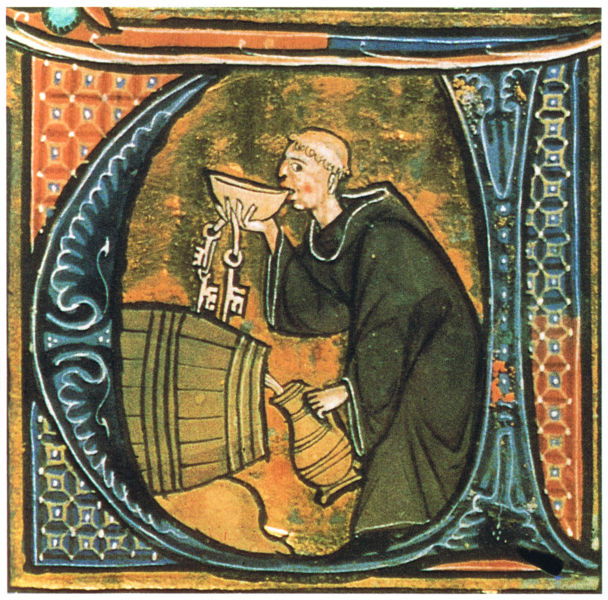
File:Monk sneaking a drink.jpg
British Library manuscript Sloane 2435, f. 44v.

Verum, cum delectatio gustus plerosque non minus in potu quam in cibo detineat, cavendum est, tibi ne vel multi bibulus vel optimi bibulus fias. Omnem quae potest inebriare potionem vitabis. Sit moderata bibitio; non quae mentem gravet, sed quae sitim auferat. Multum succi in pueris est; lacte sunt et sanguine pleni raroque sitim sentiunt. Appetitore vini puero nihil turpius est. ‘Usus vini’ sicut Valerius ait, ‘Romanis olim feminis ignotus fuit.’ Quid pueris? Feremusne puerorum bacchari mentes aut vini surgentem ingenii iugulabimus mero? Quamvis Teutonico more nefas sit aquam misceri vino, mihi tamen nulla ratione persuasum fuerit fumosum vinum, nisi aqua castigatum, puerorum mensis apponi debere.

Ancient Peoples Liked Beer

Pliny the Elder, Natural History 14.29

“The people of the west have their own alcohol made from soaked grain in many different ways in Gaul and Spain with many different names but with the same idea. The people of Spain have already taught us that these kinds of beverages will last even a long amount of time.

Egypt, too, has worked out a similar drink made from grain and in no corner of the world does intoxication ever take a break. They even drink this type of beverage without diluting them as one does with wine. But, by Hercules, that land used to seem to offer grains alone. Alas, the miraculous inventiveness of vice! A way has also been found to make water intoxicating!”

. Est et occidentis populis sua ebrietas e fruge madida, pluribus modis per Gallias Hispaniasque, nominibus aliis sed ratione eadem. Hispaniae iam et vetustatem ferre ea genera docuerunt. Aegyptus quoque e fruge sibi potus similis excogitavit, nullaque in parte mundi cessat ebrietas; meros quippe hauriunt tales sucos nec diluendo ut vina mitigant; at, Hercules, illic tellus fruges parare videbatur. heu, mira vitiorum sollertia! inventum est quemadmodum aquae quoque inebriarent.


Julian the Apostate, Epigrams 1

“Who are you and where are you from Dionysus? By the Bakhos true
I know only the son of Zeus and I do not know you.
He smells like nektar, but you smell like goat.
Did the Celts make you from grain because of their lack of grapes?
Ah, we should call you not Dionysus, but Demetrios instead.
And Bromos*** not Bromios since you are born of wheat**.”

Τίς πόθεν εἶς Διόνυσε; μὰ γὰρ τὸν ἀληθέα Βάκχον,
οὔ σ᾿ ἐπιγιγνώσκω· τὸν Διὸς οἶδα μόνον.
κεῖνος νέκταρ ὄδωδε· σὺ δὲ τράγου. ἦ ῥά σε Κελτοὶ
τῇ πενίῃ βοτρύων τεῦξαν ἀπ᾿ ἀσταχύων.
τῷ σε χρὴ καλέειν Δημήτριον, οὐ Διόνυσον,
πυρογενῆ μᾶλλον καὶ Βρόμον, οὐ Βρόμιον.


Aeschylus fr. 124 from Lykourgos (from Athenaeus 10.447c)

“He used to drink beer from these [heads] once he dried them
And then boast proudly about it in his man-cave.”

κἀκ τῶνδ᾿ ἔπινε βρῦτον ἰσχναίνων χρόνῳ
κἀσεμνοκόμπει τοῦτ᾿ ἐν ἀνδρείᾳ στέγῃ

The note from the Loeb attributes an understanding of this fragment to Hermann who compares it to Nonnos, Dionysiaca, 20.149–153, 166–181

Nonnos, Dion. 20.149-153

“The was a certain murderous man living there, of Ares’s line
Who was a mimic of his father’s wretched customs.
The criminal would drag faultless strangers to their doom,
That dread maniac Lykourgos, and then when he cut off
Their mortal heads with steel he hung them in his doorway…”

ἔνθα τις, ῎Αρεος αἷμα, μιαιφόνος ᾤκεεν ἀνήρ,
ἤθεσι ῥιγεδανοῖσιν ἔχων μίμημα τοκῆος,
ὀθνείους ἀθέμιστος ἀμεμφέας εἰς μόρον ἕλκων,
αἰνομανὴς Λυκόοργος· ἀποκταμένων δὲ σιδήρῳ
ἔστεφεν ἀνδρομέοισιν ἑὸν πυλεῶνα καρήνοις

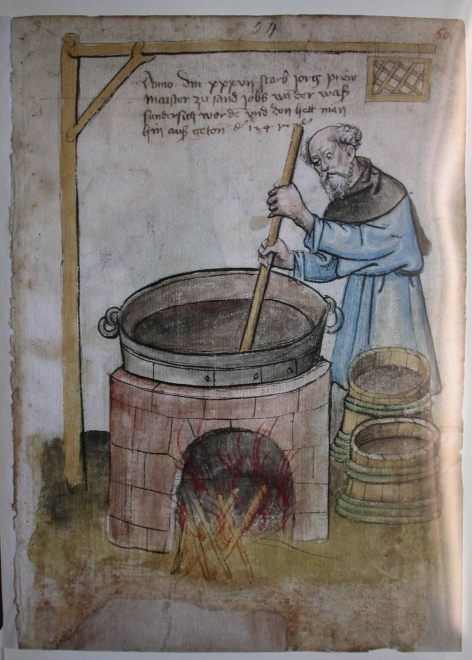
Abb. 8: Jorg Prewmaister, Mendel Band I (1437), Seite 60 

Come and Drink! A Blessing Equal to Fire

Panyasis is an epic poet from the 5th century BCE. We have a few long fragments of his Heraklea.

Panyasis fr. 19 [also cited at Athenaeus 37a 12–13; Stob. 3.18.21]

“Friend, come and drink! For this itself is also a virtue,
Whenever someone drinks the most wine at the feast
Using the best techniques, and also encourages his friends.

Yes, the man who is fast at the feast is equal to one in war,
Working through the grievous battles, where few people
Are actually brave and withstand the rushing war.

I think that his glory is equal when someone delights in
Being there at the feast and encourages the rest of the band too.
For a mortal does not seem to me to live or to have the life
Of a mortal who knows pain, if he sits there
Restraining his heart from wine—no, he’s an idiot.

For wine is a blessing for mortals equal to fire,
A fine armor against evil and companion for song.
It has its own share of the feast and of reward,
It has the power of dance, of bewitching love,
And is a shelter from worry and sadness.

So, you need to drink to the dedication at the feast
With a happy spirit—don’t sit with a full stomach,
Sated like a vulture who has forgotten happiness.”

“ξεῖν᾿, ἄγε δὴ καὶ πῖν᾿· ἀρετή νύ τίς ἐστι καὶαὕτη,
ὅς κ᾿ ἀνδρῶν πολὺ πλεῖστον ἐν εἰλαπίνηι μέθυ πίνηι
εὖ καὶ ἐπισταμένως,ἅμα τ᾿ ἄλλον φῶτα κελεύηι.
ἶσον δ᾿ ὅς τ᾿ ἐν δαιτὶ καὶ ἐν πολέμωι θοὸς ἀνήρ,
ὑσμίνας διέπων ταλαπενθέας, ἔνθά τε παῦροι
θαρσαλέοι τελέθουσι μένουσί τε θοῦρον ἄρηα.
τοῦ κεν ἐγὼ θείμην ἶσον κλέος, ὅς τ᾿ ἐνὶ δαιτί
τέρπηται παρεὼν ἅμα τ᾿ ἄλλον λαὸν ἀνώγηι.
οὐ γάρ μοι ζώειν γε δοκεῖ βροτὸς οὐδὲ βιῶναι
ἀνθρώποιο βίον ταλασίφρονος, ὅστις ἀπ᾿ οἴνου
θυμὸν ἐρητύσας μείνηι πότον, ἀλλ᾿ ἐνεόφρων.
οἶνος γὰρ πυρὶ ἶσον ἐπιχθονίοισιν ὄνειαρ,
ἐσθλὸν ἀλεξίκακον, πάσης συνοπηδὸν ἀοιδῆς.
ἐν μὲν γὰρ θαλίης ἐρατὸν μέρος ἀγλαΐης τε,
ἐν δὲ χοροιτυπίης, ἐν δ᾿ ἱμερτῆς φιλότητος,
ἐν δέ τε μενθήρης καὶ δυσφροσύνης ἀλεωρή.
τώ σε χρὴ παρὰ δαιτὶ δεδεγμένον εὔφρονι θυμῶι
πίνειν, μηδὲ βορῆς κεκορημένον ἠΰτε γῦπα
ἧσθαι πλημύροντα, λελασμένον εὐφροσυνάων.”

Add MS 27695 f. 14r K057778
British Library, from a treatise on the Seven Vices, Add MS 27695, f. 14r

Don’t Conceive While Drunk!

Plutarch, de liberis educandis, 2a:

“Those who go to bed with their wives for the sake of making children should do so while sober or at least only moderately intoxicated. For those whose fathers happened to be drunk at the moment of first sowing their seed tend to be wine-loving and prone to drunkenness. For this reason, when Diogenes saw a man raving and quite out of his mind, said, ‘Young man, your father must have begotten you when he was drunk!'”

τοὺς ἕνεκα παιδοποιίας πλησιάζοντας ταῖς γυναιξὶν ἤτοι τὸ παράπαν ἀοίνους ἢ μετρίως γοῦν οἰνωμένους ποιεῖσθαι προσήκει τὸν συνουσιασμόν. φίλοινοι γὰρ καὶ μεθυστικοὶ γίγνεσθαι φιλοῦσιν ὧν ἂν τὴν ἀρχὴν τῆς σπορᾶς οἱ πατέρες ἐν μέθῃ  ποιησάμενοι τύχωσιν. ᾗ καὶ Διογένης μειράκιον ἐκστατικὸν ἰδὼν καὶ παραφρονοῦν “νεανίσκε” ἔφησεν, “ὁ πατήρ σε μεθύων ἔσπειρε.”

A New Reason to Be Cautious When Drinking

Hippocrates, Epidemics 5.86

“A young man who had drunk too much unmixed wine was sleeping on his back in a tent. A bright snake entered his mouth. When he felt it, and he couldn’t imagine what to do, he clamped his teeth down and bit off the snake. Then he was overcome by a severe pain and put his hands up as if he was choking and thrashed around. He had seizures and died.”

  1. Νεηνίσκος δέ τις πολὺν ἄκρητον πεπωκὼς ὕπτιος ἐκάθευδεν ἔν τινι σκηνῇ· τούτῳ ὄφις ἐς τὸ στόμα παρεισεδύετο ἀργής. καὶ δὴ ὅτε ᾔσθετο, οὐ δυνάμενος φράσασθαι, ἔβρυξε τοὺς ὀδόντας, καὶ παρέτραγε τοῦ ὄφιος, καὶ ἀλγηδόνι μεγάλῃ εἴχετο, καὶ τὰς χεῖρας προσέφερεν ὡς ἀγχόμενος, καὶ ἐρρίπτει ἑωυτόν, καὶ σπασθεὶς ἔθανεν.
Medieval Bestiary : Snake Gallery
From the Medieval Bestiary and the British Library

Hey Kids, Drinking is For the Middle-Aged

Athenaeus, Deipnosophists 10, 440c

“This is the reason why the most divine Plato rightly legislated in his second book of Laws that boys should not taste wine at all until they are 18 years old. For it is not right to heat fire with fire! It is permissible to taste a limited amount of wine up to thirty, but a young man should completely refrain from being drunk or drinking a lot.

When a man is forty years old he can pray to the rest of gods in the common mess and then may appeal to Dionysus and the rites of the elders and the games they have. Wine is the drug which Dionysus granted to humans as a companion for harsher old age, so we might recover ourselves and forget our despair.”

Διόπερ ὁ θειότατος Πλάτων καλῶς νομοθετεῖ ἐν τῷ δευτέρῳ τοὺς παῖδας μέχρι ἐτῶν ὀκτωκαίδεκα τὸ παράπαν οἴνου μὴ γεύεσθαι· οὐ γὰρ χρὴ πῦρ ἐπὶ πῦρ cὀχετεύειν. οἴνου δὲ μετρίου γεύεσθαι. μέχρι τριάκοντα ἐτῶν, μέθης δὲ καὶ πολυοινίας τὸ παράπαν τὸν νέον ἀπέχεσθαι. τετταράκοντα δὲ ἐπιβαίνοντα ἐτῶν ἐν τοῖς συσσιτίοις εὐωχηθέντα καλεῖν τούς τε ἄλλους θεοὺς καὶ δὴ <καὶ> Διόνυσον παρακαλεῖν εἰς τὴν τῶν πρεσβυτῶν τελετὴν ἅμα καὶ παιδιάν, ἣν τοῖς ἀνθρώποις ἐπίκουρον τῆς τοῦ γήρως αὐστηρότητος ἐδωρήσατο τὸν οἶνον φάρμακον, ὥστε ἀνηβᾶν ἡμᾶς καὶ δυσθυμίας λήθην γίγνεσθαι.

Related image
Luttrell Psalter


And, if we believe the news, it just might help us live a little longer…

Hunting, Leaping, and Drunk on Love

Anacreon, fr. 357

“Lord with whom Lust the subduer
And the dark-eyed nymphs
And royal Aphrodite play
As you roam the high mountain peaks.

I beg you:
come to me kindly
Hear my prayer made pleasing to you:

Be a good advisor to Kleoboulos,
Dionysus, that he accept
My desire.

ὦναξ, ὧι δαμάλης ῎Ερως
καὶ Νύμφαι κυανώπιδες
πορφυρῆ τ’ ᾿Αφροδίτη
συμπαίζουσιν, ἐπιστρέφεαι
δ’ ὑψηλὰς ὀρέων κορυφάς·

γουνοῦμαί σε, σὺ δ’ εὐμενὴς
ἔλθ’ ἡμίν, κεχαρισμένης
δ’ εὐχωλῆς ἐπακούειν·
Κλεοβούλωι δ’ ἀγαθὸς γένεο
σύμβουλος, τὸν ἐμόν γ’ ἔρω-
τ’, ὦ Δεόνυσε, δέχεσθαι.

fr. 358

“Again! Golden-haired Desire
Strikes me with a purple ball
Calling me out to play
With a fine-sandaled youth

But she is from well-settled
Lesbos and she carps at my hair,
Because it is white. So she stares at
Some other [hair] instead.”*

σφαίρηι δηὖτέ με πορφυρῆι
βάλλων χρυσοκόμης ῎Ερως
νήνι ποικιλοσαμβάλωι
συμπαίζειν προκαλεῖται·

ἡ δ’, ἐστὶν γὰρ ἀπ’ εὐκτίτου
Λέσβου, τὴν μὲν ἐμὴν κόμην,
λευκὴ γάρ, καταμέμφεται,
πρὸς δ’ ἄλλην τινὰ χάσκει.

*The Greek ἄλλην τινὰ may mean “some other girl” as the Loeb translation has it. But the structure of the sentence makes me think the girl is staring at different hair (not the narrator’s white hair).

fr. 359

“I long for Kleoboulos.
I am crazy for Kleoboulos.
I am staring at Kleoboulos.”

Κλεοβούλου μὲν ἔγωγ’ ἐρέω,
Κλεοβούλωι δ’ ἐπιμαίνομαι,
Κλεόβουλον δὲ διοσκέω.


fr. 360

“Boy with a maiden’s looks—
I am hunting you, but you don’t hear me
Because you do not know
That you are the charioteer of my soul”

ὦ παῖ παρθένιον βλέπων
δίζημαί σε, σὺ δ’ οὐ κλύεις,
οὐκ εἰδὼς ὅτι τῆς ἐμῆς
ψυχῆς ἡνιοχεύεις.


fr. 377

“Ah, I climbed up again and leapt
From the Leucadian Cliff into the grey wave,
Drunk with longing.”

ἀρθεὶς δηὖτ’ ἀπὸ Λευκάδος
πέτρης ἐς πολιὸν κῦμα κολυμβῶ μεθύων ἔρωτι.


fr. 378

“I am springing up to Olympos on light wings
Because of Desire—for [no one] wants to enjoy youth with me”

ἀναπέτομαι δὴ πρὸς ῎Ολυμπον πτερύγεσσι κούφηις
διὰ τὸν ῎Ερωτ’· οὐ γὰρ ἐμοὶ <> θέλει συνηβᾶν.


fr. 389

“Since you’re a friendly girl to strangers, allow me to drink because I’m thirsty”

φίλη γάρ εἰς ξείνοισιν· ἔασον δέ με διψέοντα πιεῖν.


Image result for ancient greek anacreon
Anacreon, Verso.