No Hope of Escape for a Tyrant

Dio Chrysostom, Discourse 6: Diogenes, or, On a Tyrant

“All human terrors have as a solace that they might come to an end. A man in chains can imagine being freed someday; it is not impossible for an exile to get home; and the sick may hope for health right up to death. But it is not possible for a tyrant to escape his state; indeed, he cannot pray for it, unless he prays for something different.

People who have lost friends to death know that they will eventually stop grieving. But problems grow harder for tyrants in contrast. It is not easy for a tyrant to grow old, unlike that proverbial horse [who has less to do]. For those he has hurt and those who despise him grow in number, while he is incapable of helping himself because of his aged body.”

…ὅσα δεινὰ τοῖς ἀνθρώποις παραμυθίαν ἔχει, τὸ τυχὸν ἂν παύσασθαι αὐτῶν. καὶ γὰρ ὅστις ὑπὸ δεσμῶν ἔχεται, προσδοκᾷ ποτε λυθῆναι, καὶ τῷ τὴν πατρίδα φεύγοντι οὐκ ἀδύνατον κατελθεῖν, καὶ τῷ νοσοῦντι μέχρι τῆς τελευτῆς ἔστιν ἐλπίζειν τὴν ὑγίειαν· τῷ δὲ οὐκ ἔστιν ἀπαλλαγῆναι τοῦ πράγματος, ἀλλ᾿ οὐδ᾿ εὔξασθαι γοῦν, εἰ μή τι ἕτερον. ὅσοις δὲ ἀνιᾶσθαι συμβέβηκε τῶν φίλων τινὸς ἀποθανόντος, σαφῶς ἐπίστανται ὅτι παύσονταί ποτε λυπούμενοι τῷ χρόνῳ· τοῖς δὲ τοὐναντίον ἐπιτείνεταιμᾶλλον τὰ χαλεπά. οὐ ῥᾴδιον μὲν γὰρ ἄνδρα γηρᾶσαι τύραννον, χαλεπὸν δὲ τυράννου γῆρας, οὐχ οἷον ἵππου φασίν. οἵ τε γὰρ πεπονθότες κακῶς πλείους οἵ τε καταφρονοῦντες· αὐτὸς δὲ τῷ σώματι βοηθεῖν ἀδύνατος αὑτῷ.

Four Years of Presidential Memories: The Illegal, Murderous Rapist, Or Herodotus Subtweets a Tyrant

Herodotus 3.80 (Full text on the Scaife Viewer)

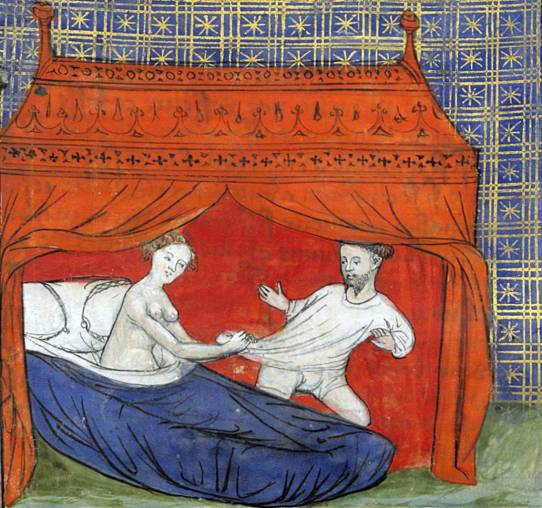
“Otanês was first urging the Persians to entrust governing to the people, saying these things: “it seems right to me that we no longer have a monarchy. For it is neither pleasing nor good. For you all know about the arrogance of Kambyses and you were a party to the insanity of the Magus. How could monarchy be a fitting thing when it permits an unaccountable person to do whatever he pleases? Even if you put the best of all men into this position he might go outside of customary thoughts. For hubris is nurtured by the fine things present around him, and envy is native to a person from the beginning.

The one who has these two qualities possesses every kind of malice. For one who is overfilled does many reckless things, some because of arrogance and some because of envy. Certainly, it would be right for a man who is a tyrant at least to have no envy at all, since he has all the good things. Yet he becomes the opposite of this towards his citizens: for he envies those who are best around him and live, and he takes pleasure in the worst of the citizens—he is the best at welcoming slanders.

He becomes the most disharmonious of all people—for if you admire him only moderately, then he is upset because you do not support him ardently. But if someone supports him excessively, he is angry at him for being a toady. The worst things are still to be said: he overturns traditional laws, he rapes women, and kills people without reason.”

᾿Οτάνης μὲν ἐκέλευε ἐς μέσον Πέρσῃσι καταθεῖναι τὰ πρήγματα, λέγων τάδε· «᾿Εμοὶ δοκέει ἕνα μὲν ἡμέων μούναρχον μηκέτι γενέσθαι· οὔτε γὰρ ἡδὺ οὔτε ἀγαθόν. Εἴδετε μὲν γὰρ τὴν Καμβύσεω ὕβριν ἐπ’ ὅσον ἐπεξῆλθε, μετεσχήκατε δὲ καὶ τῆς τοῦ μάγου ὕβριος. Κῶς δ’ ἂν εἴη χρῆμα κατηρτημένον μουναρχίη, τῇ ἔξεστι ἀνευθύνῳ ποιέειν τὰ βούλεται; Καὶ γὰρ ἂν τὸν ἄριστον ἀνδρῶν πάντων στάντα ἐς ταύτην τὴν ἀρχὴν ἐκτὸς τῶν ἐωθότων νοημάτων στήσειε. ᾿Εγγίνεται μὲν γάρ οἱ ὕβρις ὑπὸ τῶν παρεόντων ἀγαθῶν, φθόνος δὲ ἀρχῆθεν ἐμφύεται ἀνθρώπῳ. Δύο δ’ ἔχων ταῦτα ἔχει πᾶσαν κακότητα· τὰ μὲν γὰρ ὕβρι κεκορημένος ἔρδει πολλὰ καὶ ἀτάσθαλα, τὰ δὲ φθόνῳ. Καίτοι ἄνδρα γε τύραννον ἄφθονον ἔδει εἶναι, ἔχοντά γε πάντα τὰ ἀγαθά· τὸ δὲ ὑπεναντίον τούτου ἐς τοὺς πολιήτας πέφυκε· φθονέει γὰρ τοῖσι ἀρίστοισι περιεοῦσί τε καὶ ζώουσι, χαίρει δὲ τοῖσι κακίστοισι τῶν ἀστῶν, διαβολὰς δὲ ἄριστος ἐνδέκεσθαι.

᾿Αναρμοστότατον δὲ πάντων· ἤν τε γὰρ αὐτὸν μετρίως θωμάζῃς, ἄχθεται ὅτι οὐ κάρτα θεραπεύεται, ἤν τε θεραπεύῃ τις κάρτα, ἄχθεται ἅτε θωπί. Τὰ δὲ δὴ μέγιστα ἔρχομαι ἐρέων· νόμαιά τε κινέει πάτρια καὶ βιᾶται γυναῖκας κτείνει τε ἀκρίτους.

Image result for medieval manuscript manuscript
Image from here

Four Years of Presidential Memories: The Moral Tale of the Tyrant of Troezen

Aelian Varia Historia 14.22

“There’s a story of the tyrant of Troezen. Because he wanted to get rid of any plots and conspiracies against him, he ordered that no one could talk to anyone else in public or private. This was an impossible and harsh matter. But the people circumvented the tyrant’s command: they were nodding to each other and using hand gestures too. They also used angry, calm, or bright facial expressions. Each person was clear to all in his emotions, showing the suffering in his spirit on his face by grimacing at bad news or implacable conditions.

These actions caused the tyrant annoyance too—for he was believing that even silence accompanied by plentiful gestures was contriving something bad for him. So, he stopped this too.

One of those who was burdened and troubled by this absurdity was longing to end the monarchy. A group rose up with him and stood together sharing their tears. A report came to the tyrant that no one was using gestures any longer, because, instead, they were trafficking in tears. Because he was eager to stop this, he was proclaiming not only slavery of the tongue and gestures, but he was even trying to ban the freedom of the eyes we get from nature. So he went there without delay with his bodyguards to stop the tears. But as soon as the people saw him they took away his bodyguards’ weapons and killed the tyrant.”

Ὅτι Τροιζήνιός τις τύραννος βουλόμενος ἐξελεῖν τὰς συνωμοσίας καὶ τὰς κατ᾿ αὐτοῦ ἐπιβουλὰς ἔταξε τοῖς ἐπιχωρίοις μηδένα μηδενὶ διαλέγεσθαι μήτε κοινῇ μήτε ἰδίᾳ. καὶ ἦν τὸ πρᾶγμα ἀμήχανον καὶ χαλεπόν. ἐσοφίσαντο οὖν τὸ τοῦ τυράννου πρόσταγμα, καὶ ἀλλήλοις ἔνευον καὶ ἐχειρονόμουν πρὸς ἀλλήλους, καὶ ἐνεώρων δριμὺ καὶ αὖ πάλιν γαληναῖον καὶ βλέμμα φαιδρόν· καὶ ἐπὶ τοῖς σκυθρωποῖς καὶ ἀνηκέστοις ἕκαστος αὐτῶν συνωφρυωμένος ἦν δῆλος, τὸ τῆς ψυχῆς πάθος ἐκ τοῦ προσώπου τῷ πλησίον διαδεικνύς. ἐλύπει τὸν τύραννον καὶ ταῦτα, καὶ ἐπίστευε τέξεσθαί τι αὐτῷ πάντως κακὸν καὶ τὴν σιωπὴν διὰ τὸ τῶν σχημάτων ποικίλον. ἀλλ᾿ οὖν ἐκεῖνος καὶ τοῦτο κατέπαυσε. τῶν τις οὖν ἀχθομένων τῇ ἀμηχανίᾳ καὶ δυσφορούντων καὶ τὴν μοναρχίαν καταλῦσαι διψώντων. περιέστησαν οὖν αὐτὸν καὶ περιῆλθον τὸ πλῆθος καὶ ὀδυρμῷ κἀκεῖνοι συνείχοντο. ἧκεν ἀγγελία παρὰ τὸν τύραννον ὡς οὐδεὶς αὐτῶν χρῆται νεύματι οὐκέτι, δάκρυα δὲ αὐτοῖς ἐπιχωριάζει. ὁ δὲ ἐπειγόμενος καὶ τοῦτο παῦσαι, μὴ μόνον τῆς γλώττης καταγινώσκων δουλείαν μηδὲ μόνον τῶν νευμάτων ἀλλ᾿ ἤδη καὶ τοῖς ὀφθαλμοῖς τὴν ἐκ φύσεως ἀποκλείων ἐλευθερίαν, ᾗ ποδῶν εἶχεν ἀφίκετο σὺν τοῖς δορυφόροις, ἵνα ἀναστείλῃ τὰ δάκρυα. οἱ δὲ οὐκ ἔφθασαν ἰδόντες αὐτὸν καὶ τὰ ὅπλα τῶν δορυφόρων ἁρπάσαντες τὸν τύραννον ἀπέκτειναν.

YatesThompson47_f54rDetail
John Lydgate, Life of St Edmund and St Fremund, England (Bury St Edmunds?), 1461-c. 1475, Yates Thompson MS 47, f. 54r

And now for the audience participation part of the show:

An inspiration for a limerick:

https://twitter.com/Scaevola67/status/1131201432403816448

https://twitter.com/djackmanson/status/1131202062782324736

or

But the reigning monarch of this game is Andrea:

https://twitter.com/andrea_a_l/status/1131202129392279554

But this is good:

other proposed lines:

https://twitter.com/Anthonypadua00/status/1131202838443511808

Four Years of Presidential Memories: An Unfamiliar State of Affairs

Tacitus, Histories 4.24

“Clear hatred and open insurrection are repelled. Fraud and treason are hidden and for this reason unavoidable. Civilis stands in front and forms a battleline. Hordeonius orders whatever helps the enemy from his bedroom and little bed. The whole army of the bravest men are ruled by the will of a single old man. Let’s have the traitor killed and liberate our fortune and virtue from this evil sign.”

Aperta odia armaque palam depelli: fraudem et dolum obscura eoque inevitabilia. Civilem stare contra, struere aciem: Hordeonium e cubiculo et lectulo iubere quidquid hosti conducat. Tot armatas fortissimorum virorum manus unius senis valetudine regi: quin potius interfecto traditore fortunam virtutemque suam malo omine exolverent.

Wien- Parlament-Tacitus.jpg
Tacitus outside the Parliament building in Vienna

Four Years of Mendacious Memories: Greek and Latin for Perjury and Treason

ἐπιορκία, ἡ: perjury
ἐπίορκος, ὁ: Perjurer
ἐπιορκέω: to commit perjury
ψευδορκεῖν: to make a false oath

Plato, Republic 334b (referring to Od. 19.395)

“He bested all men in theft and perjury.”

αὐτὸν πάντας ἀνθρώπους κεκάσθαι κλεπτοσύνῃ θ’ ὅρκῳ τε.

Thales (according to Diogenes Laertius)

“Isn’t perjury worse than adultery?”

οὐ χεῖρον, ἔφη, μοιχείας ἐπιορκία

Plautus, Curculio 470

“Whoever wants to find a perjurer should go to the public assembly”

qui periurum conuenire uolt hominem ito in comitium

Cicero, De legibus  II.22

“For perjury the divine punishment is destruction, the human punishment is shame”

Periurii poena divina exitium, humana dedecus.

Lucan 4.218-226

“Must we beg Caesar to handle us no worse than
His other slaves? Have your generals’ lives been begged?
Our safety will never be the price and bribe for foul treason.
This is not a civil war they fight for us to live.
We are dragged this way under the claims of peace.
People would not search for iron in a deep mine,
They would not strengthen any city with walls,
No fierce steed would rush to war,
No sea would bear towered ships of the fleet,
If it were ever just to trade freedom for peace.”

Utque habeat famulos nullo discrimine Caesar,
Exorandus erit? ducibus quoque vita petita est?
Numquam nostra salus pretium mercesque nefandae
Proditionis erit; non hoc civilia bella,
Ut vivamus, agunt. Trahimur sub nomine pacis.
Non chalybem gentes penitus fugiente metallo
Eruerent, nulli vallarent oppida muri,
Non sonipes in bella ferox, non iret in aequor
Turrigeras classis pelago sparsura carinas
Si bene libertas umquam pro pace daretur

From the Twelve Tables

“The Law of the Twelve Tables commands that anyone who has conspired with an enemy against the state or handed a citizen to a public enemy, should suffer capital punishment.”

Marcianus, ap. Dig., XLVIII, 4, 3: Lex XII Tabularum iubet eum qui hostem concitaverit quive civem hosti tradiderit capite puniri.

Tacitus Histories 3. 57

“How much power the audacity of single individuals can have during civil discord! Claudius Flaventinus, a centurion dismissed by Galba in shame, made the fleet at Misenum revolt with forged letters from Vespasian promising a reward for treason. Claudius Apollinaris, a man neither exceptional for his loyalty nor dedicated in his betrayal, was in charge of the fleet; and Apinius Tiro, an ex-praetor who was by chance at Minturnae then, put himself forth as the leader of the defectors.”

Sed classem Misenensem (tantum civilibus discordiis etiam singulorum audacia valet) Claudius Faventinus centurio per ignominiam a Galba dimissus ad defectionem traxit, fictis Vespasiani epistulis pretium proditionis ostentans. Praeerat classi Claudius Apollinaris, neque fidei constans neque strenuus in perfidia; et Apinius Tiro praetura functus ac tum forte Minturnis agens ducem se defectoribus obtulit.

treason

Some Greek Words for Treason

ἀπιστία, “treachery”
προδοσία, “high treason”, “betrayal”
προδότης “traitor”
ἐπιβουλή, “plot”

From the Suda

“Dêmadês: He was king in Thebes after Antipater. A son of Dêmeas the sailor, he was also a sailor, a shipbuilder, and a ferry-operator. He gave up these occupations to enter politics and turned out to be a traitor—he grew very wealthy from this and obtained, as a bribe from Philip, property in Boiotia.”

Δημάδης, μετ’ ᾿Αντίπατρον βασιλεύσας Θήβας ἀνέστησε, Δημέου ναύτου, ναύτης καὶ αὐτός, ναυπηγὸς καὶ πορθμεύς. ἀποστὰς δὲ τούτων ἐπολιτεύσατο καὶ ἦν προδότης καὶ ἐκ τούτου εὔπορος παντὸς καὶ κτήματα ἐν Βοιωτίᾳ παρὰ Φιλίππου δωρεὰν ἔλαβεν.

Euripides’ Orestes 1057-1060

[Elektra] Did he not speak for you, eager that you not die,
Menelaos the coward, our father’s traitor?
[Orestes] He didn’t show his face, because he yearning
For the scepter—he was careful not to save his relatives

Ηλ. οὐδ’ εἶφ’ ὑπὲρ σοῦ μὴ θανεῖν σπουδὴν ἔχων
Μενέλαος ὁ κακός, ὁ προδότης τοὐμοῦ πατρός;
Ορ. οὐδ’ ὄμμ’ ἔδειξεν, ἀλλ’ ἐπὶ σκήπτροις ἔχων
τὴν ἐλπίδ’ ηὐλαβεῖτο μὴ σώιζειν φίλους.

Dinarchus, Against Philocles, 8-9

“Don’t you understand that while, in other cases, it is necessary to impose a penalty on those who have committed crimes after examining the matter precisely and uncovering the truth over time, but for instances of clear and agreed-upon treason, we must yield first to anger and what comes from it? Don’t you think that this man would betray any of the things most crucial to the state, once you made him in charge of it?”

ἆρ᾿ ἴσθ᾿ ὅτι ἐπὶ μὲν τῶν ἄλλων ἀδικημάτων σκεψαμένους ἀκριβῶς δεῖ μεθ᾿ ἡσυχίας καὶ τἀληθὲς ἐξετάσαντας, οὕτως ἐπιτιθέναι τοῖς ἠδικηκόσι τὴν τιμωρίαν, ἐπὶ δὲ ταῖς φανεραῖς καὶ παρὰ πάντων ὡμολογημέναις προδοσίαις πρώτην5 τετάχθαι τὴν ὀργὴν καὶ τὴν μετ᾿ αὐτῆς6 γιγνομένην τιμωρίαν; τί γὰρ τοῦτον οὐκ ἂν οἴεσθε ἀποδόσθαι τῶν ἐν τῇ πόλει σπουδαιοτάτων, ὅταν ὑμεῖς ὡς πιστὸν αὐτὸν καὶ δίκαιον φύλακα καταστήσητε;

Lycurgus, Against Leocrates, 126-7

“It is right that punishments for other crimes come after them, but punishment for treason should precede the dissolution of the state. If you miss that opportune moment when those men are about to do something treacherous against their state, it is not possible for you to obtain justice from the men who did wrong: for they become stronger than the punishment possible from those who have been wronged.”

τῶν μὲν γὰρ ἄλλων ἀδικημάτων ὑστέρας δεῖ τετάχθαι τὰς τιμωρίας, προδοσίας δὲ καὶ δήμου καταλύσεως προτέρας. εἰ γὰρ προήσεσθε τοῦτον τὸν καιρὸν, ἐν ᾧ μέλλουσιν ἐκεῖνοι κατὰ τῆς πατρίδος φαῦλόν τι πράττειν, οὐκ ἔστιν ὑμῖν μετὰ ταῦτα δίκην παρ’ αὐτῶν ἀδικούντων λαβεῖν· κρείττους γὰρ ἤδη γίγνονται τῆς παρὰ τῶν ἀδικουμένων τιμωρίας.

thracian-tattoos

A Tyranny is Our Fault Too

Anonymous of Iamblichus 12-14

“Tyranny happens—even though it is so great an evil in scope and kind—from nothing else but lawlessness. All people who think incorrectly believe that tyranny develops from some other cause and that people lose their freedom without being responsible for it because they were forced by the tyrant who came to power. But they do not reason correctly.

Whoever believes that a king or tyrant arises for any other reason than a disregard for the laws and greed is a fool. Whenever everyone focuses on base motives, then this is how it turns out. It is impossible for people to live without laws and justice. When these two things are neglected by the majority of the people—the law and justice—then their oversight and safety is transferred to a single person. For how could a monarchy fall to a single person unless the law which was common and advantageous to all were removed?”

γίνεται δὲ καὶ ἡ τυραννίς, κακὸν τοσοῦτόν τε καὶ τοιοῦτον, οὐκ ἐξ ἄλλου τινὸς ἢ ἀνομίας. οἴονται δέ τινες τῶν ἀνθρώπων, ὅσοι μὴ ὀρθῶς συμβάλλονται, τύραννον ἐξ ἄλλου τινὸς καθίστασθαι καὶ τοὺς ἀνθρώπους στερίσκεσθαι τῆς ἐλευθερίας οὐκ αὐτοὺς αἰτίους ὄντας, ἀλλὰ βιασθέντας ὑπὸ τοῦ κατασταθέντος τυράννου, οὐκ ὀρθῶς ταῦτα λογιζόμενοι· ὅστις γὰρ ἡγεῖται βασιλέα ἢ τύραννον ἐξ ἄλλου τινὸς γίγνεσθαι ἢ ἐξ ἀνομίας τε καὶ πλεονεξίας, μωρός ἐστιν. ἐπειδὰν γὰρ ἅπαντες ἐπὶ κακίαν τράπωνται, τότε τοῦτο γίγνεται· οὐ γὰρ οἷόν τε ἀνθρώπους ἄνευ νόμων καὶ δίκης ζῆν. ὅταν οὖν ταῦτα τὰ δύο ἐκ τοῦ πλήθους ἐκλίπῃ, ὅ τε νόμος καὶ ἡ δίκη, τότε ἤδη εἰς ἕνα ἀποχωρεῖν τὴν ἐπιτροπίαν τούτων καὶ φυλακήν. πῶς γὰρ ἂν ἄλλως εἰς ἕνα μοναρχία περισταίη, εἰ μὴ τοῦ νόμου ἐξωσθέντος τοῦ τῷ πλήθει συμφέροντος;

Getty MS Ludwig III 1 Dyson Perrins Apocalypse

Four Years of Presidential Memories: It’s Ok, Tyrants Don’t Get Real Pleasure from Sex

Xenophon, Hiero 1.29-30

“In his sexual relationships with boyfriends, much more even  than those activities for having children, a tyrant falls short of happiness. Certainly, we all understand that sexual pleasures are much increased under the influence of desire. But desire is certainly least willing to arise in a tyrant.

For lust does not take pleasure in aiming for things ready at hand, but instead for those things that are only hoped for. For this reason, a man who knows nothing of thirst gets no pleasure from drinking; and the man untested by desire is inexperienced of the sweetest sexual delights”

Ἐν δὲ τοῖς παιδικοῖς ἀφροδισίοις ἔτι αὖ πολὺ μᾶλλον ἢ ἐν τοῖς τεκνοποιοῖς μειονεκτεῖ τῶν εὐφροσυνῶν ὁ τύραννος. ὅτι μὲν γὰρ τὰ μετ᾿ ἔρωτος ἀφροδίσια πολὺ διαφερόντως εὐφραίνει, πάντες δήπου ἐπιστάμεθα. ὁ δὲ ἔρως πολὺ αὖ ἐθέλει ἥκιστα τῷ τυράννῳ ἐγγίγνεσθαι. οὐ γὰρ τῶν ἑτοίμων ἥδεται ὁ ἔρως ἐφιέμενος, ἀλλὰ τῶν ἐλπιζομένων. ὥσπερ οὖν οὐκ ἄν τις ἄπειρος ὢν δίψους τοῦ πιεῖν ἀπολαύοι, οὕτω καὶ ὁ ἄπειρος ὢν ἔρωτος ἄπειρός ἐστι τῶν ἡδίστων ἀφροδισίων.

Image from here

4 Years of Presidential Memories: Herodotus on Being Greek and Resisting Tyranny

7.102.1-7

“After he heard these things, Dêmarêtos was saying the following: “King, since you order me to tell the truth completely and to say things that someone might not be caught in a lie by you later, poverty has always been Greece’s companion, but virtue is acquired, nurtured by wisdom and strong custom. By cultivating this excellence, Greece has warded off both poverty and tyranny.”

῾Ως δὲ ταῦτα ἤκουσε Δημάρητος, ἔλεγε τάδε· «Βασιλεῦ, ἐπειδὴ ἀληθείῃ διαχρήσασθαι πάντως κελεύεις ταῦτα λέγοντα τὰ μὴ ψευδόμενός τις ὕστερον ὑπὸ σέο ἁλώσεται, τῇ ῾Ελλάδι πενίη μὲν αἰεί κοτε σύντροφός ἐστι, ἀρετὴ δὲ ἔπακτός ἐστι, ἀπό τε σοφίης κατεργασμένη καὶ νόμου ἰσχυροῦ· τῇ διαχρεωμένη ἡ ῾Ελλὰς τήν τε πενίην ἀπαμύνεται καὶ τὴν δεσποσύνην.


8.144.1-3

“To the Spartan representatives, the Athenians answered as follows: “It was a very human response that the Spartans feared we might make an agreement with the Barbarian. But because we believe it shameful that the Athenian spirit should shudder so, know that there is no amount of gold anywhere or land so exceeding in beauty and location which we would ever wish to take to align with the Persians and enslave Greece.

“There are many, serious reasons which would prevent us from doing these things, even if we were willing: first and greatest are the temples and dedications to the gods which were burned and destroyed. This compels us to seek extreme vengeance rather than making agreements with the man who contrived it. Second, is our common Hellenic blood, our shared language, the shrines of the gods and the sacrifices, customs and ways of living we keep in common—never would it be right for the Athenians to betray these things.

Know this too if you did not happen to know it before, as long as a single Athenian survives there will never be a treaty with Xerxes. Still, we give you thanks for your concern about us, that you have worried for out destroyed home enough that you are willing to supply and feed our people.”cropped-hoplites.jpg

πρὸς δὲ τοὺς ἀπὸ Σπάρτης ἀγγέλους τάδε. ‘τὸ μὲν δεῖσαι Λακεδαιμονίους μὴ ὁμολογήσωμεν τῷ βαρβάρῳ, κάρτα ἀνθρωπήιον ἦν: ἀτὰρ αἰσχρῶς γε οἴκατε ἐξεπιστάμενοι τὸ Ἀθηναίων φρόνημα ἀρρωδῆσαι, ὅτι οὔτε χρυσός ἐστι γῆς οὐδαμόθι τοσοῦτος οὔτε χώρη κάλλεϊ καὶ ἀρετῇ μέγα ὑπερφέρουσα, τὰ ἡμεῖς δεξάμενοι ἐθέλοιμεν ἂν μηδίσαντες καταδουλῶσαι τὴν Ἑλλάδα. ’

‘ [2] πολλά τε γὰρ καὶ μεγάλα ἐστι τὰ διακωλύοντα ταῦτα μὴ ποιέειν μηδ᾽ ἢν ἐθέλωμεν, πρῶτα μὲν καὶ μέγιστα τῶν θεῶν τὰ ἀγάλματα καὶ τὰ οἰκήματα ἐμπεπρησμένα τε καὶ συγκεχωσμένα, τοῖσι ἡμέας ἀναγκαίως ἔχει τιμωρέειν ἐς τὰ μέγιστα μᾶλλον ἤ περ ὁμολογέειν τῷ ταῦτα ἐργασαμένῳ, αὖτις δὲ τὸ Ἑλληνικὸν ἐὸν ὅμαιμόν τε καὶ ὁμόγλωσσον καὶ θεῶν ἱδρύματά τε κοινὰ καὶ θυσίαι ἤθεά τε ὁμότροπα, τῶν προδότας γενέσθαι Ἀθηναίους οὐκ ἂν εὖ ἔχοι. ’

‘ [3] ἐπίστασθέ τε οὕτω, εἰ μὴ πρότερον ἐτυγχάνετε ἐπιστάμενοι, ἔστ᾽ ἂν καὶ εἷς περιῇ Ἀθηναίων, μηδαμὰ ὁμολογήσοντας ἡμέας Ξέρξῃ. ὑμέων μέντοι ἀγάμεθα τὴν προνοίην τὴν πρὸς ἡμέας ἐοῦσαν, ὅτι προείδετε ἡμέων οἰκοφθορημένων οὕτω ὥστε ἐπιθρέψαι ἐθέλειν ἡμέων τοὺς οἰκέτας. ’

4 Years of Presidential Memories: People-eating, Tyrant-Loving, Money-Makers and More Useful Greek Compounds

δημεχθής, “hated by the people”
δήμευσις, “confiscation of property”
δημοβόρος, “people devouring”
δημοκόλαξ, “people-flatterer”
δημοπίθηκος, “charlatan”

“You are a people eating king who rules over nobodies”

δημοβόρος βασιλεὺς ἐπεὶ οὐτιδανοῖσιν ἀνάσσεις, Hom. Il. 1.231

τυραννεῖον, “a tyrant’s home”
τυραννοδαίμων, “a superhuman tyrant”
τυραννοδιδάσκαλος, “teacher of tyrants”
τυραννοποιός, “tyrant maker”
τυραννοφόνος, “tyrant slayer”
φιλοτύραννος, “tyrant-lover”

For the etymology of tyrant….

“Bring down a people-eating tyrant however you desire
No criticism for this comes from the gods”

δημοφάγον δὲ τύραννον ὅπως ἐθέλεις κατακλῖναι
οὐ νέμεσις πρὸς θεῶν γίνεται οὐδεμία, Theognis, fr. 1181-2

“Money makes the man. A poor man isn’t noble or honored…”

χρήματ’ ἄνηρ, πένιχρος δ’ οὐδ’ εἲς πέλετ’ ἔσλος οὐδὲ τίμιος, Alcaeus fr. 360

χρηματαγωγός, “money-carrier”
χρηματιστής, “money-maker”
χρηματοδαίτης , “money distributing”
φιλοχρματός, “money-lover”

“Money finds men friends
and honor too, and, at the last,
the seat of power nearest heaven.
No one, truly, is an enemy to money;
Anyone who is denies his hatred.
Wealth is skilled at creeping into places
High and low, places where a poor man,
Even if he enters, cannot get what he wants.
A body that is malformed, wealth makes attractive;
A senseless man, wealth makes wise.”

τὰ χρήματ’ ἀνθρώποισιν εὑρίσκει φίλους,
αὖθις δὲ τιμάς, εἶτα τῆς ὑπερτάτης
τυραννίδος θακοῦσιν ἀγχίστην ἕδραν.
ἔπειτα δ’ οὐδεὶς ἐχθρὸς οὔτε φύεται
πρὸς χρήμαθ’ οἵ τε φύντες ἀρνοῦνται στυγεῖν.
δεινὸς γὰρ ἕρπειν πλοῦτος ἔς τε τἄβατα
καὶ †πρὸς τὰ βατά†, χὠπόθεν πένης ἀνὴρ
οὐδ’ ἐντυχὼν δύναιτ’ ἂν ὧν ἐρᾷ τυχεῖν.
καὶ γὰρ δυσειδὲς σῶμα καὶ δυσώνυμον
γλώσσῃ σοφὸν τίθησιν εὔμορφόν τ’ ἰδεῖν, Soph. Frag. 88

File:Greek Silver Tetradrachm of Athens (Attica).jpg
From Wikimedia Commons

Screaming and Intemperance of Words

Seneca, De Clementia, 7

“A cruel reign is churning and dark with shadows; meanwhile, people shudder and grow pale at the surprising sound, even as the one who causes the confusion trembles too. Someone is forgiven more easily in private affairs for seeking vengeance for themselves. For they can be wounded and the sorrow comes from the injury and they fear being scorned. It seems that it is weakness for the wounded not to return the favor rather than mercy.

But the one for whom vengeance is easy earns certain praise for clemency once vengeance is dismissed. It is for people in a humble place to use force, to feud, to rush into a battle and to give a free rein to wrath. When blows fall among equals, they are light; but for a king, screaming and intemperance of words are ill-fit to his majesty.”

Crudele regnum turbidum tenebrisque obscurum est, inter trementes et ad repentinum sonitum expavescentes ne eo quidem, qui omnia perturbat, inconcusso. Facilius privatis ignoscitur pertinaciter se vindicantibus; possunt enim laedi, dolorque eorum ab iniuria venit; timent praeterea contemptum, et non rettulisse laedentibus gratiam infirmitas videtur, non clementia; at cui ultio in facili est, is omissa ea certam laudem mansuetudinis consequitur. Humili loco positis exercere manum, litigare, in rixam procurrere ac morem irae suae gerere liberius est; leves inter paria ictus sunt; regi vociferatio quoque verborumque intemperantia non ex maiestate est.

Image result for medieval manuscript tyrant
Liber Floridus