Fragmentary Friday: Heraclitus Explains Pasiphae, the Chimaera, and Circe

Among the paradoxographers there was a trend of referring to fantastic material and then rationalizing it in some way. Palaephatus is one of the best examples of this, but there was also Heraclitus the Paradoxographer, not to be confused with the pre-socratic Philosopher, the Homeric commentator, or even the Byzantine emperor of the same name.

From Heraclitus the Paradoxographer, 7 Concerning Pasiphae

“People claim that [Pasiphae] lusted after the Bull, not, as many believe, for an animal in a herd—for it would be ridiculous for a queen to desire such uncommon intercourse—instead she lusted for a certain local man whose name was Tauro [the bull]. She used as an accomplice for her desire Daidalos and she was impregnated. Then she gave birth to a son whom many used to call “Minos” but they would compare him to Tauro because of his similarity to him. So, he was nicknamed Mino-tauros from the combination.”

Περὶ Πασιφάης.

 Ταύτην φασὶν ἐρασθῆναι Ταύρου, οὐχ, ὡς πολλοὶ νομίζουσι, τοῦ κατὰ τὴν ἀγέλην ζῴου (γελοῖον γὰρ ἀκοινωνήτου συνουσίας ὠρέχθαι τὴν βασίλισσαν), ἑνὸς δέ τινος τῶν ἐντοπίων, ᾧ Ταῦρος ἦν ὄνομα. συνεργῷ δὲ χρησαμένη πρὸς τὴν ἐπιθυμίαν Δαιδάλῳ καὶ γεγονυῖα ἔγγυος, ἐγέννησε καθ’ ὁμοιότητα τοῦ Ταύρου<υἱόν>, ὃν οἱ πολλοὶ Μίνω μὲν ἐκάλουν, Ταύρῳ δὲ εἴκαζον· κατὰ δὲ σύνθεσιν Μινώταυρος ἐκλήθη.

From Heraclitus the Paradoxographer 15 On the Chimaera

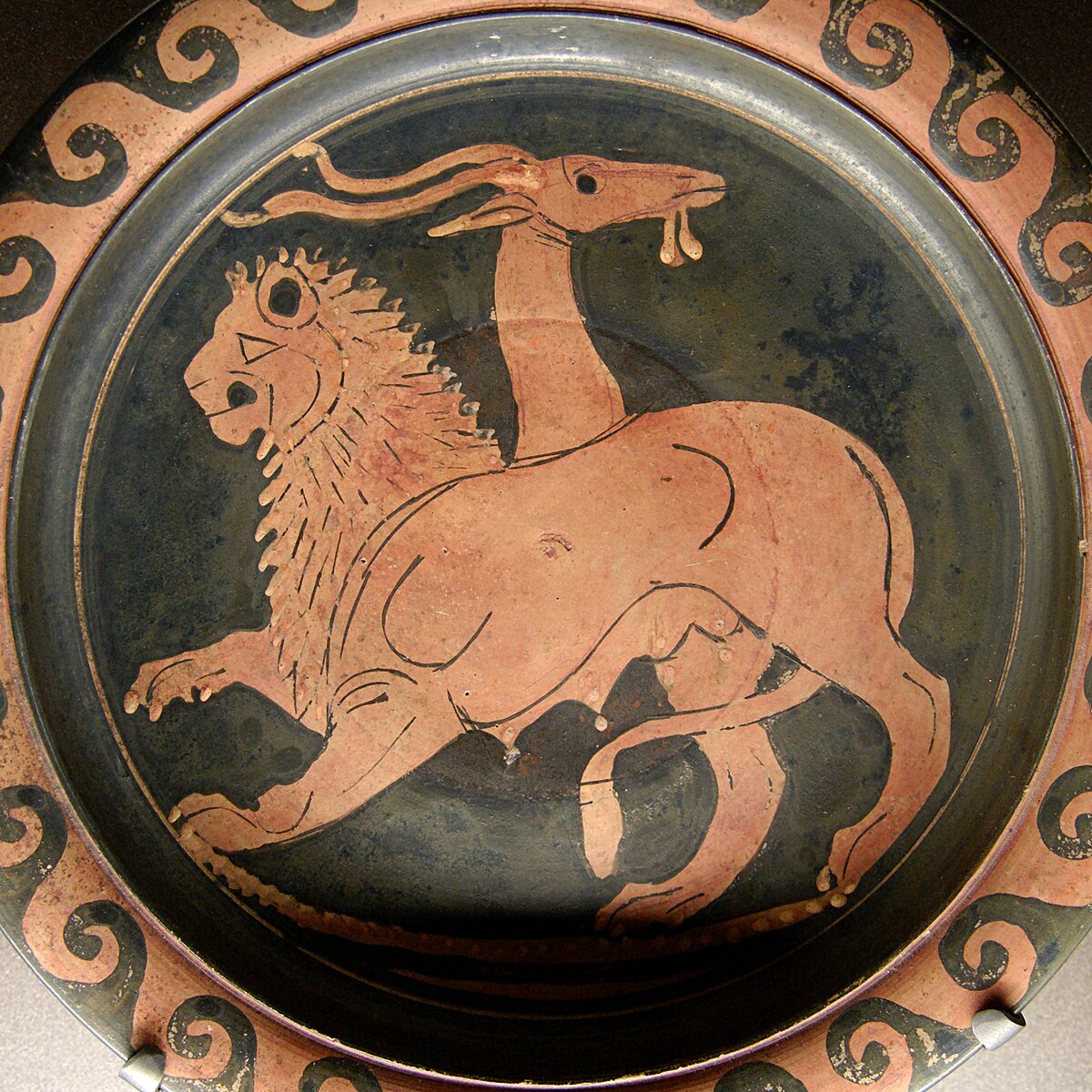
“Homer provides an image of the Khimaira when he says that in the front she was a lion, in the rear a serpent and in the middle a goat. This sort of thing could be the truth. A woman who ruled over those places had two brothers who helped her named Leo and Drako. Because she was an oath-breaker and guest-killer, she was killed by Bellerophon.”

Περὶ Χιμαίρας.

     Ταύτην ῞Ομηρος εἰκονογραφῶν φησι πρόσθε λέων, ὄπιθεν δὲ δράκων, μέσση δὲ χίμαιρα. γένοιτο δ’ ἂν τὸ ἀληθὲς τοιοῦτον. γυνὴ τῶν τόπων  κρατοῦσα δύο πρὸς ὑπηρεσίαν ἀδελφοὺς εἶχεν ὀνόματι Λέοντα καὶ Δράκοντα. παράσπονδος δὲ οὖσα καὶ ξενοκτόνος ἀνῃρέθη ὑπὸ Βελλεροφόντου.

From Heraclitus the Paradoxographer 16 Concerning Circe

“Myth has handed down the idea that Kirkê transformed people with a drink. But she was a prostitute and by charming guests at first with every kind of delight she would mold them towards good will, and once they were in a state of passion, she would keep them there by means of their desires as long as they were carried away with pleasures. Odysseus bested even her.”

Περὶ Κίρκης.

     Ταύτην ὁ μῦθος παρ<αδ>έδωκε ποτῷ μεταμορφοῦσαν ἀνθρώπους. ἦν δὲ ἑταίρα, καὶ κατακηλοῦσα τοὺς ξένους τὸ πρῶτον ἀρεσκείᾳ παντοδαπῇ ἐπεσπᾶτο πρὸς εὔνοιαν, γενομένους δὲ ἐν προσπαθείᾳ κατεῖχε ταῖς ἐπιθυμίαις ἀλογίστως φερομένους πρὸς τὰς ἡδονάς. ἥττησε δὲ καὶ ταύτην ᾿Οδυσσεύς.

Image result for ancient greek Chimera
Pssssst: I am not real.

Thirsty Thursday: Wondrous Waters and Wine

Some more amazing tales for a Summer of Wonder. 

Paradoxagraphus Florentinus: Mirabilia de Aquis

12 “Among the Kleitorians [Isigonos] says there is a spring and whenever anyone drinks its water, he cannot bear the smell of wine.”

Παρὰ Κλειτορίοις ὁ αὐτός φησιν εἶναι κρήνην, ἧς ὅταν τις τοῦ ὕδατος πίῃ, τοῦ οἴνου τὴν ὀσμὴν οὐ φέρει.

14 “Similarly, near Kosê there is a spring which, if you place a container filled with wine in it until it covers the mouth, then it becomes more bitter than vinegar right away according to the same author.”

῾Ομοίως ἐγγὺς Κόσης ἔστι κρήνη, εἰς ἣν ἐὰν θῇς κεράμιον οἴνου γέμον, ὥστε ὑπερχεῖν τὸ στόμα, παντὸς ὄξους εἶναι δριμύτερον παραχρῆμα, ὡς ἱστορεῖ ὁ αὐτός.

20 “Theopompos says that in Lugkêstai there is a spring which tastes like vinegar but when people drink it they get drunk as if from wine.”

Θεόπομπος ἐν Λυγκήσταις φησὶ πηγὴν εἶναι τῇ μὲν γεύσει ὀξίζουσαν, τοὺς δὲ πίνοντας μεθύσκεσθαι ὡς ἀπὸ οἴνου.


Paradoxographus Palatinus: Admiranda

5“There is a spring among the Kleitori which if someone drinks from he will reject and hate drinking wine”

Τῆς ἐν Κλείτορι κρήνης ἄν τις πίῃ τοῦ ὕδατος, ἀποστρέφεται καὶ μισεῖ τὴν τοῦ οἴνου πόσιν.

7 “In Naxos Aglaosthenês says that wine bubbles up on its own for the earth and when it goes into rivers it does not mix with water. The person who tastes it goes crazy”

Εν Νάξῳ φησὶν ᾿Αγλαοσθένης οἶνον ἐκ τῆς γῆς ἀναβλύζειν αὐτόματον καὶ διὰ ποταμοῦ φερόμενον μὴ συμμίσγεσθαι ὕδατι. τὸν δὲ γευσάμενον αὐτοῦ παραφρονεῖν.

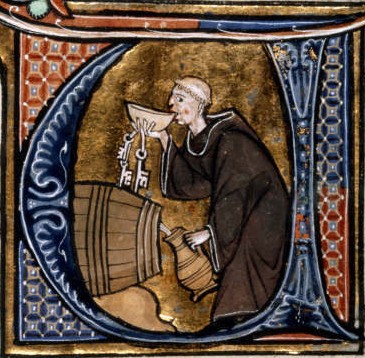
From Li Livres dou Santé by Aldobrandino of Siena (France, late 13th century).

More Wonder for A Wednesday: Whose Intestines Sing?

From the Paradoxagraphus Palatinus Admiranda 20

“Antigonos says [of sheep intestines] that those of rams are voiceless, but those from females can sing. This fact has not escaped the poet, for he says “He stretched the seven strings from female sheep.”

Επὶ τῶν <ἐντέρων τῶν> προβάτων φησὶν ᾿Αντίγονος τὰ μὲν τῶν κριῶν ἄφωνα εἶναι, τὰ δὲ τῶν θηλέων ἔμφωνα· οὐ λεληθέναι δὲ τοῦτο τὸν ποιητήν. φησὶ γάρ· ἑπτὰ δὲ θηλυτέρων οἴων ἐτανύσσατο χορδάς.

This last line is a variant for the Homeric Hymn to Hermes 51

“He stretched out seven symphonic sheep-gut strings”

ἑπτὰ δὲ συμφώνους ὀΐων ἐτανύσσατο χορδάς.

Zodiac Sign: Aries | Breviary | Belgium, Bruges | ca. 1500 | The Morgan Library & Museum
Breviary | Belgium, Bruges | ca. 1500 | The Morgan Library & Museum

Wednesday’s Wondrous Water

The Paradoxagraphus Florentinus: Mirabilia de aquis is a text of “amazing stories” about bodies of water. [Here’s a site that seems to have stalled out but whose aim was to translate the remaining paradoxes]. Little is known about its authorship or audience. There are 43 sections. Here are the first 11. Some of the language is odd and I made no effort to look up the place names. So, if you have any corrections or suggestions, please share them.

1 “There is a spring in Potnia near Thebes and when horses drink from it they go insane, as Isigonos claims in the second book of his On Unbelievable Things

Κρήνη ἐν Ποτνίαις περὶ Θήβας, ἐξ ἧς οἱ ἵπποι πίνοντες μαίνονται, ὡς ἱστορεῖ ᾿Ισίγονος ἐν δευτέρῳ ἀπίστων.

2 “In Clazomenae, as that aforementioned Isigonos records, there is a spring which changes the color of the hair of all the animals who drink of it.”

Κρήνη ἐν Κλαζομεναῖς, ἀφ’ ἧς τὰ θρέμματα πίνοντα τὴν ἐρέαν χρωματίνην ποιεῖ, ὡς ἱστορεῖ ὁ προειρημένος ᾿Ισίγονος.

3 “There is a spring in India which spits up anyone who swims into it onto the land as if from a machine, according to the historian Ktêsias.”

Κρήνη ἐν ᾿Ινδοῖς, ἣ τοὺς κολυμβῶντας ἐπὶ τὴν γῆν ἐκβάλλει ὡς ἀπ’ ὀργάνου, ὡς ἱστορεῖ Κτησίας.

4 “In Krete there is a channel for water and when people cross it even though it is raining they make it through without getting wet for the entire distance which the channel extends.”

᾿Εν Κρήτῃ ὀχετὸς ὕδατός ἐστιν, ὃν οἱ διαβαίνοντες ὕοντος τοῦ Διὸς ἄβροχοι διαβαίνουσιν, ἐφ’ ὅσον ἐν τῷ ὀχετῷ εἰσιν.

5 “Among the Persians they claim that a spring filled with olive oil appeared suddenly to Alexander.”

᾿Εν Πέρσαις φασὶν ᾿Αλεξάνδρῳ φανῆναι κρήνην ἐλαίου πληρουμένην αὐτομάτως.

6 “Near Kilikia there is a certain pooling of water in which birds and unthinking animals who are soaked in it and drowned come back to life again.”

Παρὰ Κιλικίᾳ φασὶν ὕδατος εἶναι σύστημά τι ἐν ᾧ τὰ πεπνιγμένα τῶν ὀρνέων καὶ τῶν ἀλόγων ζῴων ἐμβραχέντα ἀναζῆν.

7 “Along a road in Syracuse there is a stream which is neither large nor carries a lot of water; but when a great mob comes to the place and there is a great sound it provides endless water, as Aristotle says.”

᾿Εν τῇ ἐπὶ Συρακουσῶν ὁδῷ κρήνη ἐστὶν οὐ μεγάλη οὐδὲ ὕδωρ πολὺ ἔχουσα· ὄχλου δὲ ἐπελθόντος εἰς τὸν τόπον καὶ ψόφου γινομένου παρέχει ὕδωρ ἄφθονον, ὥς φησιν ᾿Αριστοτέλης.

8 “In Paliakoi there is a spring which hurls water up six cubits high, making an impression that it is about to wash over the bordering places. But on the whole it doesn’t splash over anything. The people who live there swear their greatest oaths on this spring, as Isigonos records in the second book of his On Unbelievable Things.”

Κρήνη ἐν Παλικοῖς, ἥτις εἰς ὕψος ἀναρρίπτει τὸ ὕδωρ πηχέων ἕξ, ἔμφασιν ποιοῦσα μέλλειν κατακλύζειν τοὺς ὑποκειμένους τόπους· καθόλου δὲ οὐχ ὑπερεκχεῖται οὐδέν. ἐπὶ ταύτης οἱ ἐπιχώριοι τοὺς ὑπὲρ τῶν μεγίστων ὅρκους ποιοῦνται, ὡς ἱστορεῖ ᾿Ισίγονος ἐν δευτέρῳ ἀπίστων.

9 “Around the Skotoussa in Thessaly there is a little thing of a spring which heals all the wounds of unthinking animals. If someone breaks wood a little and throws it in after splitting it, it will be repaired. Thus the water is like glue, as Isigonos claims.”

Περὶ Σκοτοῦσσαν τῆς Θεσσαλίας κρηνίδιόν ἐστι μικρόν, ὃ τὰ ἕλκη πάντα θεραπεύει καὶ τῶν ἀλόγων ζῴων· εἰς ὃ ἐάν τις ξύλον μὴ λίαν συντρίψας, ἀλλὰ σχίσας ἐμβάλῃ, ἀποκαθίσταται· οὕτως κολλῶδες ἔχει τὸ ὕδωρ, ὥς φησιν ᾿Ισίγονος.

10 “Among the Lousoi in Arkadia Aristotle says that there is a certain spring in which mice are indigenous and they make their life there by swimming in it.”

᾿Εν Λούσοις τῆς ᾿Αρκαδίας φησὶν ᾿Αριστοτέλης κρήνην τινὰ εἶναι, ἐν ᾗ μῦς χερσαίους γίνεσθαι, καὶ τούτους κολυμβᾶν ἐν ἐκείνῃ τὴν δίαιταν ποιουμένους.

11 “Isigonos claims that there is a spring in Athamia from which the water is cold but on its top is so hot that if someone were to pour it over kindling it would immediately catch on fire”

Φησὶν ᾿Ισίγονος ἐν ᾿Αθαμᾶσι κρήνην εἶναι, ἧς τὸ μὲν ὕδωρ ψυχρὸν ὑπάρχειν, τὸ δ’ ὑπὲρ αὐτὸ οὕτως θερμὸν ὑπάρχειν, ὥστε, ἄν τις ὑπερθῇ φρύγανα, παραχρῆμα ἐξάπτεσθαι.

Yates Thompson MS 10, f. 11r (detail), France (Paris), 1370-1390

Festivals for Women and Different Marriage Customs

Paradoxographus Vaticanus, 25-28, 45

25 “Among the Iberians there is a tribe [and] and in a certain festival they honor women with gifts, however so many demonstrate at that time that they can weave the most numerous and beautiful cloaks.”

Παρὰ τοῖς ῎Ιβηρσιν ἔθνος ἐστὶ ἐν ἑορτῇ τινι τὰς γυναῖκας τιμῶν δώροις, ὅσαι ἂν πλεῖστα καὶ κάλλιστα ἱμάτια ὑφήνασαι τότε ἐπιδείξωσιν.

26 “Among the Krobuzoi it is the custom to mourn when an infant is born and consider the one who dies lucky”

Παρὰ Κροβύζοις ἔθος ἐστὶ τὸ μὲν γεννώμενον βρέφος θρηνεῖν, τὸν δὲ θανόντα εὐδαιμονίζειν.

27 “Among the Nasamoi in Libya it is the custom that on the first day a woman is married that she has sex with everyone who is present and then take gifts from them. After that, she has sex only with the one who marries her.”

Παρὰ Νασαμῶσι τοῖς ἐν Λιβύῃ νόμος ἐστὶ τὴν γαμουμένην τῇ πρώτῃ ἡμέρᾳ συγγίνεσθαι πᾶσι τοῖς παροῦσι καὶ παρ’ αὐτῶν δῶρα λαμβάνειν καὶ μετὰ τοῦτο τῷ γήμαντι μόνῳ μίγνυσθαι.

28 “The women of the Sauromatoi do not get married unless they kill an enemy man.”

Αἱ τῶν Σαυροματῶν γυναῖκες οὐ πρότερον γαμοῦνται, ἂν μὴ ἄνδρα κτάνωσι πολέμιον.

45 “The Liburnians have shared wives and they raise their children in common for five years. When they make it to the eighth year, they compare the children for their similarity to the men and they distribute to each one who is similar. And that one keeps him as a son.”

Λιβύρνιοι κοινὰς τὰς γυναῖκας ἔχουσι καὶ τὰ τέκνα ἐν κοινῷ τρέφουσι μέχρι ἐτῶν πέντε· εἶτα τῷ ἔκτῳ συνενέγκαντες ἅπαντα τὰ παιδία τὰς ὁμοιότητας πρὸς τοὺς ἄνδρας εἰκάζουσι, καὶ ἑκάστῳ τὸν ὅμοιον ἀποδιδόασι, καὶ λοιπὸν ἐκεῖνος ὡς υἱὸν ἔχει.

51 “The Assyrians sell their daughters in the marketplace to whoever wants to settle down with them. First the most well-born and most beautiful and then the rest in order. Whenever they get to the least attractive, they announce how much someone is willing to take to live with them and they add this consolation price from the fee charged for the desirable girls to these [last ones].”

᾿Ασσύριοι τὰς παρθένους ἐν ἀγορᾷ πωλοῦσι τοῖς θέλουσι συνοικεῖν, πρῶτον μὲν τὰς εὐγενεστάτας καὶ καλλίστας, εἶτα τὰς λοιπὰς ἐφεξῆς· ὅταν δὲ ἔλθωσι ἐπὶ τὰς φαυλοτάτας, κηρύττουσι πόσον τις θέλει προσλαβὼν ταύταις συνοικεῖν, καὶ τὸ συναχθὲν ἐκ τῆς τῶν εὐπρεπῶν τιμῆς ταύταις προστίθενται [ταῖς παρθένοις].

Image result for ancient greek wedding

An Ancient Greek Horror Story to Make You Scream

CW: Violence against children; infanticide; violence against an intersex person. There are a range of intersex tales in ancient Greece, for ancient criticism of their superstitious and salacious nature, go here.

This might be the most disturbing thing I have read all summer. When I was reading the Greek for the final sentence below, I actually uttered “what the f*ck” aloud. Go here for the second part.

Phlegon of Tralles, On Marvels 2 (Part 1)

Hieron the Alexandrian or Ephesian tells of the following wonder which occurred in Aitolia.

There was a certain citizen, Polykritos, who was voted Aitolian arkhon by the people. His fellow citizens considered him worthy for three years because of the nobility of his forebears. During the time he was in that office, he married a Lokrian woman. After he shared a bed with her for three nights, he died on the fourth.

The woman remained in their home widowed. When she gave birth, she had a child who had two sets of genitals, both male and female, which was alarmingly different from nature. The parts up top were completely rough and masculine and those near the thighs were feminine and softer.

Awestruck by this, her relatives forced the child to the agora and held an assembly to take advice about this, calling together the omen readers and interpreters. Some were claiming that this meant there would be dissent between Aitolians and Lokrians, since the mother was Lokrian and the father was Aitolian. But others believed that it was necessary to take the child and mother to the frontier and have them burned.

While the people were deliberating, suddenly the dead Polykritos appeared in the assembly dressed in black near his child. Even though the citizens were thunderstruck by this apparition and many of them were rushing to flight, he asked the citizens to be brave and not to be rattled by the sight which appeared. Then a bit of the chaos and the uproar receded, and he said these things in a slight voice:

“My fellow citizens, although I am dead in my body, I live among you in goodwill and thanks. And now I am present imploring those people who have power of this land to your collective benefit. I advise you who are citizens not to be troubled or angry at the impossible miracle which has happened. And I ask all of you, vouching for the safety of each, is to give me the child who was born from me so that no violence may come from those who make some different kind of plans and that there may be no beginning of malicious and hard affairs because of a conflict on my part.

It would not be possible for me to overlook the burning of my child thanks to the shock of these interpreters who are advising you. I do have some pity, because you are at a loss when you see this kind of unexpected sight as to how you might respond to it correctly for current events. If you assent to me without fear, you will be relieved of the present anxieties and of the evils to come. But if you fall prey to another opinion, then I have fear for you that you will come into some incurable sufferings because you did not trust me.

Therefore, because of the goodwill I experienced while I was alive and the unexpectedness of the current situation, I am predicting the suffering to you. I think it is right that you do not delay any longer but that, once you deliberate correcly and obey the things I have said, you should hand over the child to me with a blessing. It is not fitting for me to waste any more time because of the men who rule this land.”

After he said these things, he kept quiet for a bit as he awaited what kind of decision there would be once they deliberated about it. Some were thinking it was right to give him the child and consider the sight sacred and the influence of a deity; but most of them denied this, claiming that it was necessary to deliberate in a calmer atmopshere when they were not at so great a loss, because the affair was a big deal.

When he saw that they were not moving in his favor but were actually impeding the decision there, he spoke these things in turn: “Fellow Citizens. If something more terrible happens to you because of a lack of decision, do not blame me, but this fate which directs you to something worse—it sets you in opposition to me and compels me to transgress against my child.”

When the mob ran together in strife over surrendering the monster, he reached for the child and and pushed off most of the people boldly before butchering and eating the child.

῾Ιστορεῖ δὲ καὶ ῾Ιέρων ὁ ᾿Αλεξανδρεὺς ἢ ᾿Εφέσιος καὶ ἐν Αἰτωλίᾳ φάσμα γενέσθαι. Πολύκριτος γάρ τις τῶν πολιτῶν ἐχειροτονήθη ὑπὸ τοῦ δήμου Αἰτωλάρχης, ἐπὶ τρία ἔτη τῶν πολιτῶν αὐτὸν ἀξιωσάντων διὰ τὴν ὑπάρχουσαν ἐκ προγόνων καλοκαγαθίαν. ὢν δὲ ἐν τῇ ἀρχῇ ταύτῃ ἄγεται γυναῖκα Λοκρίδα, καὶ συγκοιμηθεὶς τρισὶν νυξὶ τῇ τετάρτῃ τὸν βίον ἐξέλιπεν.

ἡ δὲ ἄνθρωπος ἔμενεν ἐν τῇ οἰκίᾳ χηρεύουσα, ἡνίκα δὲ ὁ τοκετὸς ἤπειγεν, τίκτει παιδίον αἰδοῖα ἔχον δύο, ἀνδρεῖόν τε καὶ γυναικεῖον, καὶ τὴν φύσιν θαυμαστῶς διηλλαγ-μένον· τὰ μὲν ἄνω τοῦ αἰδοίου ὅλως σκληρά τε καὶ ἀνδρώδη ἦν, τὰ δὲ περὶ τοὺς μηροὺς γυναικεῖα καὶ ἁπαλώτερα. ἐφ’ ᾧ καταπλαγέντες οἱ συγγενεῖς ἀπήνεγκαν εἰς τὴν ἀγορὰν τὸ παιδίον καὶ συναγαγόντες ἐκκλησίαν ἐβουλεύοντο περὶ αὐτοῦ, θύτας τε καὶ τερατοσκόπους συγκαλέσαντες. τῶν δὲ οἱ μὲν ἀπεφήναντο διάστασίν τινα τῶν Αἰτωλῶν καὶ Λοκρῶν ἔσεσθαι—κεχωρίσθαι γὰρ ἀπὸ μητρὸς οὔσης Λοκρί-δος καὶ πατρὸς Αἰτωλοῦ—οἱ δὲ δεῖν ᾤοντο τὸ παιδίον καὶ τὴν μητέρα ἀπενέγκοντας εἰς τὴν ὑπερορίαν κατακαῦσαι. ταῦτα δὲ αὐτῶν βουλευομένων ἐξαίφνης φαίνεται ὁ Πολύκριτος ὁ προτεθνηκὼς ἐν τῇ ἐκκλησίᾳ πλησίον τοῦ τέκνου ἔχων ἐσθῆτα μέλαιναν.

τῶν δὲ πολιτῶν καταπλαγέντων ἐπὶ τῇ φαντασίᾳ καὶ πολλῶν εἰς φυγὴν τραπομένων παρεκάλεσε τοὺς πολίτας θαρρεῖν καὶ μὴ ταράττεσθαι ἐπὶ τῷ γεγονότι φάσματι. ἐπεὶ δὲ ἔληξε τὸ πλέον τοῦ θορύβου καὶ τῆς ταραχῆς, ἐφθέγξατο λεπτῇ τῇ φωνῇ τάδε· «ἐγὼ, ἄνδρες πολῖται, τῷ μὲν σώματι τέθνηκα, τῇ δὲ εὐνοίᾳ καὶ τῇ χάριτι <τῇ> πρὸς ὑμᾶς ζῶ. καὶ νῦν πάρειμι <ὑμῖν> παραιτησάμενος τοὺς κυριεύοντας τῶν κατὰ γῆν ἐπὶ τῷ συμφέροντι τῷ ὑμετέρῳ. παρακαλῶ τοίνυν ὑμᾶς πολίτας ὄντας ἐμαυτοῦ μὴ ταράττεσθαι μηδὲ δυσχεραί-νειν ἐπὶ τῷ παραδόξῳ γεγονότι φάσματι. δέομαι δὲ ὑμῶν ἁπάντων, κατευχόμενος πρὸς τῆς ἐκάστου σωτηρίας, ἀποδοῦναί μοι τὸ παιδίον τὸ ἐξ ἐμοῦ γεγεννημένον, ὅπως μηδὲν βίαιον γένηται ἄλλο τι βουλευσαμένων ὑμῶν, μηδ’ ἀρχὴ πραγμάτων δυσχερῶν καὶ χαλεπῶν διὰ τὴν πρὸς ἐμὲ φιλονεικίαν ὑμῖν γένηται. οὐ γὰρ ἐνδέχεταί μοι περιιδεῖν κατακαυθὲν τὸ παιδίον ὑφ’ ὑμῶν διὰ τὴν τῶν ἐξαγγελλόντων ὑμῖν μάντεων ἀποπληξίαν. συγγνώμην μὲν οὖν ὑμῖν ἔχω, ὅτι τοιαύτην ὄψιν ἀπροσδόκητον ἑωρακότες ἀπορεῖτε πῶς ποτε τοῖς παροῦσι πράγμασιν ὀρθῶς χρήσεσθε. εἰ μὲν οὖν ἐμοὶ πεισθήσεσθε ἀδεῶς, τῶν παρόντων φόβων καὶ τῶν ἐπερχομένων κακῶν ἔσεσθε ἀπηλλαγμένοι. εἰ δὲ ἄλλως πως τῇ γνώμῃ προσπεσεῖσθε, φοβοῦμαι περὶ ὑμῶν μήποτε εἰς ἀνηκέστους συμφορὰς ἀπειθοῦντες ἡμῖν ἐμπέσητε. ἐγὼ μὲν οὖν διὰ τὴν ὑπάρχουσαν εὔνοιαν ὅτ’ ἔζων καὶ νῦν ἀπροσδοκήτως παρὼν προείρηκα τὸ συμφέρον ὑμῖν. ταῦτ’ οὖν ὑμᾶς ἀξιῶ μὴ πλείω με χρόνον παρέλκειν, ἀλλὰ βουλευσαμένους ὀρθῶς καὶ πεισθέντας τοῖς εἰρημένοις ὑπ’ ἐμοῦ δοῦναί μοι μετ’ εὐφημίας τὸ παιδίον. οὐ γὰρ ἐνδέχεταί μοι πλείονα μηκύνειν χρόνον διὰ τοὺς κατὰγῆν ὑπάρχοντας δεσπότας.»

ταῦτα δὲ εἰπὼν ἡσυχίαν ἔσχεν ἐπ’ ὀλίγον, καραδοκῶν ποίαν ποτὲ ἐξοίσουσιν αὐτῷ γνώμην περὶ τῶν ἀξιουμένων. τινὲς μὲν οὗν ᾤοντο δεῖν ἀποδοῦναι τὸ παιδίον καὶ ἀφοσιώσασθαι τό τε φάσμα καὶ τὸν ἐπιστάντα δαίμονα, οἱ δὲ πλεῖστοι ἀντέλεγον, μετὰ ἀνέσεως δεῖν βουλεύσασθαι φάσκοντες, ὡς ὄντος μεγάλου τοῦ πράγματος καὶ οὐ τῆς τυχούσης αὐτοῖς ἀπορίας. συνιδὼν δὲ αὐτοὺς οὐ προσέχοντας, ἀλλ’ ἐμποδίζοντας αὐτοῦ τὴν βούλησιν, ἐφθέγξατο αὖθις τάδε· «ἀλλ’ οὖν γε, ὦ ἄνδρες πολῖται, ἐὰν ὑμῖν συμβαίνῃ τι τῶν δυσχερεστέρων διὰ τὴν ἀβουλίαν, μὴ ἐμὲ αἰτιᾶσθε, ἀλλὰ τὴν τύχην τὴν οὕτως ἐπὶ τὸ χεῖρον ὑμᾶς ποδηγοῦσαν, ἥτις ἐναντιουμένη κἀμοὶ παρανομεῖν ἀναγκάζει με εἰς τὸ ἴδιον τέκνον.»

τοῦ δὲ ὄχλου συνδραμόντος καὶ ἔριν περὶ [τὴν ἄρσιν] τοῦ τέρατος ἔχοντος, ἐπιλαβόμενος τοῦ παιδίου καὶ τοὺς πλείστους αὐτῶν ἀνείρξας ἰταμώτερον διέσπασέ τε αὐτὸ καὶ ἤσθιε.
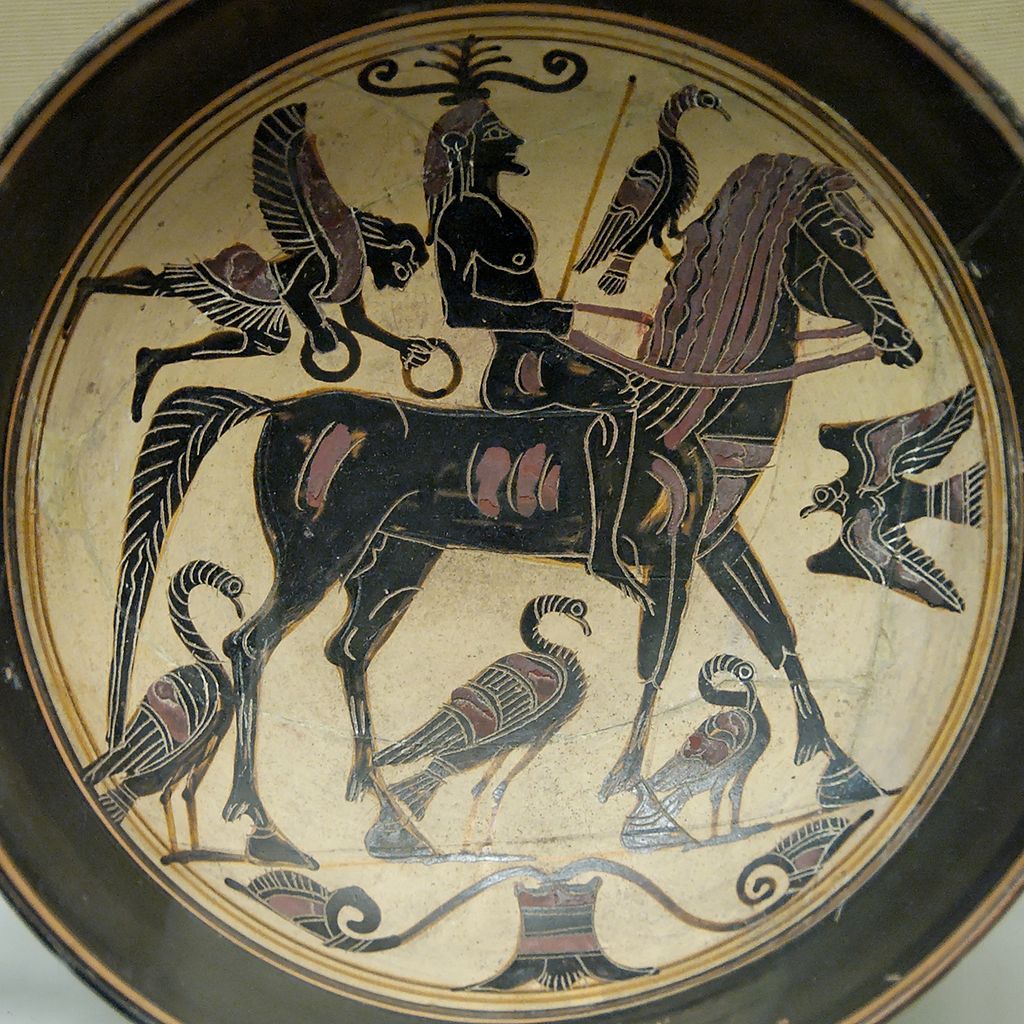
Rider BM B1.jpg

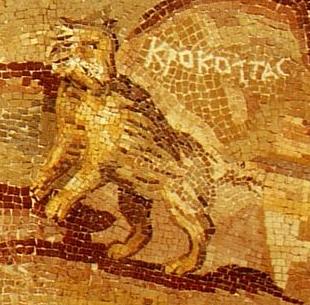
Krokotta: A Classics Beast Costume Inspiration

Paradoxographus Vaticanus 2

2 “Daliôn says in the first book of his Ethiopian Matters that there is an animal in Ethiopia called a krokotta. When that creature goes near backyards it hears people chattering, and especially the words/names of children. But when it goes out at night, it speaks words/names and the children who come out are devoured by it”

Δαλίων φησίν, ἐν τῇ πρώτῃ τῶν Αἰθιοπικῶν ἐν τῇ Αἰθιοπίᾳ θηρίον γίνεσθαι κροκότταν καλούμενον· τοῦτο ἐρχόμενον πρὸς τὰς ἐπαύλεις κατακούειν τῶν λαλουμένων, καὶ μάλιστα τὰ ὀνόματα τῶν παιδίων. νυκτὸς δὲ ἐρχόμενον λαλεῖ τὰ ὀνόματα καὶ ἐξερχόμενα τὰ παιδία καταβιβρώσκονται ὑπ’ αὐτοῦ.

Photios adds the following horror:

“[We should note the fact that] there is a creature in Ethiopia which is named krokottas which is like a combination of wolf and a dog, but it is more savage than both and is heavier in its face and at the end of its feet. It is also amazing for its boldness, and it is extremely capable compared to the rest in its teeth and its belly. For they also tear to pieces easily every type of bone and whatever they take up is consumed easily and their digestion is indescribable.

In addition, while some of them have been described as imitating human language, we don’t believe it. Nevertheless, some have added that they call out people by name at night—and that they try to use a human voice in doing this—and then they gobble up whoever comes out as they fall upon them.”

     ῞Οτι ὁ κατὰ τὴν Αἰθιοπίαν ὀνομαζόμενος κροκόττας ἐστὶ μὲν ὡς ἐκ λύκου καὶ κυνὸς σύνθετον, ἀμφοῖν δὲ ἀγριώτερον καὶ πολλῷ βαρύτερον ἀπό τε τοῦ προσώπου καὶ τῶν ἄκρων ποδῶν, ἀλκῇ δὲ θαυμαστόν, ὀδοῦσι δὲ καὶ κοιλίᾳ δυνατώτατον τῶν ἄλλων. Καὶ γὰρ κατάγνυσιν εὐπόρως πᾶν ὀστοῦ γένος, καὶ τὸ διαιρεθὲν εὐθέως δεδαπάνηται, καὶ περὶ τὰς πέψεις ἀδιήγητον. Τοῦτο δὲ καὶ μιμεῖσθαί τινες τὴν ἀνθρωπίνην διάλεκτον διηγούμενοι ἡμᾶς μὲν οὐ πείθουσιν· ἐκεῖνοι δὲ καὶ τοῦτο προστιθέασιν, ὡς καὶ ἐξ ὀνόματος κατὰ τὰς νύκτας καλοῦντες, τοὺς δὲ ὡς ἐπ’ ἀνθρώπου φωνῇ προσιόντας, οἱ δὲ ἀθρόον ἐπεισπίπτοντες κατεσθίουσιν.

The crocotta shows up elsewhere as well (Pliny, Aelian, etc).

A Talking Head (Prophetic Zombie Corpses)

Psst…this is the worst story you will read this year….

Phlegon of Tralles, On Marvels 3

“Antisthenes, the peripatetic philosopher, also records that the consul Acilius Glabrio with the ambassadors Porcius Cato and Lucius Valerius Flaccus was stationed in war against Antiochus at Thermopylae and, after fighting well, compelled those on Antiochus’ side to throw down their weapons and the man himself to flee to Elataia with five hundred hypastists. From there, they compelled him to turn again to Thessaly. Acilius then sent Cato to Rome so he might announce the victory while he led the army himself against the Aitolians in Herakleia, which he took with ease.

In the action against Antiochus at Thermopylae, the Romans witnessed some shocking signs. After Antiochus turned and fled, on the next day the Romans turned to the gathering of those who died on the battle and a selection of weapons, war-spoils, and prisoners.

There was some man from the Syrian cavalry, named Bouplagos, who was honored by Antiochus but fell in battle even as he fought nobly. While the Romans were gathering up all the arms at midday, Bouplagos rose from the corpses even though he had twelve wounds. As he appeared to the army, he spoke the following verses in a soft voice:

Stop gathering booty from an army which has marched to Hades’ land—
For Kronos’ Son Zeus already feels anger as he watches your deeds.
He is raging at the murder of the army and your acts,
And he will send a bold-hearted race into your country
Who will end your empire and make you pay for what you’ve done.

Because they were troubled by these verses, the generals swiftly gathered the army in assembly and discussed the meaning of the omen. They thought it best to cremate and bury Bouplagos who had died right after he uttered these words. Then they performed a cleansing of the camp, made sacrifices to Zeus Apotropaios and sent a group to Delphi to ask the god what they should do.”

῾Ιστορεῖ δὲ καὶ ᾿Αντισθένης, ὁ περιπατητικὸς φιλόσοφος, ᾿Ακείλιον Γλαβρίωνα τὸν ὕπατον μετὰ πρεσβευτῶν Πορκίου Κάτωνος καὶ Λουκίου Οὐαλερίου Φλάκκου παραταξάμενον ᾿Αντιόχῳ ἐν Θερμοπύλαις γενναίως τε ἀγωνισάμενον βιάσασθαι ῥίψαι μὲν τὰ ὅπλα τοὺς μετ’ ᾿Αντιόχου, αὐτὸν δὲ τὰ μὲν πρῶτα εἰς ᾿Ελάτειαν μετὰ πεντακοσίων ὑπασπιστῶν φυγεῖν, ἐκεῖθεν δὲ πάλιν εἰς ῎Εφεσον ἀναγκάσαι ὑπεξελθεῖν. ὁ δὲ ᾿Ακείλιος Κάτωνα μὲν εἰς ῾Ρώμην ἀπέστειλεν ἀπαγγελοῦντα τὴν νίκην, αὐτὸς δὲ ἐπ’ Αἰτωλοὺς καθ’ ῾Ηράκλειαν ἐστράτευσεν, ἣν ἐξ εὐμαροῦς ἔλαβεν.

ἐν δὲ τῇ παρατάξει τῇ γενομένῃ πρὸς ᾿Αντίοχον ἐν Θερμοπύλαις ἐπιφανέστατα σημεῖα ἐγένετο ῾Ρωμαίοις. ἀποσφαλέντος γὰρ ᾿Αντιόχου καὶ φυγόντος τῇ ἐπιούσῃ ἡμέρᾳ ἐγίνοντο οἱ ῾Ρωμαῖοι περὶ ἀναίρεσιν τῶν ἐκ τῆς σφετέρας δυνάμεως πεπτωκότων καὶ περὶ συλλογὴν λαφύρων τε καὶ σκύλων καὶ αἰχμαλώτων.

Βούπλαγος δέ τις, τῶν ἀπὸ Συρίας ἱππάρχης, τιμώμενος παρὰ τῷ βασιλεῖ ᾿Αντιόχῳ, ἔπεσε καὶ αὐτὸς γενναίως ἀγωνισάμενος. ἀναιρουμένων δὲ τῶν ῾Ρωμαίων πάντα τὰ σκῦλα καὶ μεσούσης τῆς ἡμέρας ἀνέστη ὁ Βούπλαγος ἐκ τῶν νεκρῶν, ἔχων τραύματα δέκα δύο, καὶ παραγενόμενος εἰς τὸ στρατόπεδον αὐτῶν ἀνεῖπε λεπτῇ τῇ φωνῇ τούσδε τοὺς στίχους·

παῦσαι σκυλεύων στρατὸν ῎Αιδος εἰς χθόνα βάντα·
ἤδη γὰρ Κρονίδης νεμεσᾷ Ζεὺς μέρμερα λεύσσων,
μηνίει δὲ φόνῳ στρατιᾶς καὶ σοῖσιν ἐπ’ ἔργοις,
καὶ πέμψει φῦλον θρασυκάρδιον εἰς χθόνα τὴν σήν,
οἵ σ’ ἀρχῆς παύσουσιν, ἀμείψῃ δ’ οἷά γ’ ἔρεξας.

ταραχθέντες δὲ οἱ στρατηγοὶ ἐπὶ τοῖς ῥηθεῖσιν διὰ ταχέων συνήγαγον τὸ πλῆθος εἰς ἐκκλησίαν καὶ ἐβουλεύοντο περὶ τοῦ γεγονότος φάσματος. ἔδοξεν οὖν τὸν μὲν Βούπλαγον παραχρῆμα μετὰ τὰ λεχθέντα ἔπη ἀποπνεύσαντα κατακαύ-σαντας θάψαι, καθαρμὸν δὲ ποιήσαντας τοῦ στρατοπέδου θῦσαι Διὶ ᾿Αποτροπαίῳ καὶ πέμψαι εἰς Δελφοὺς ἐρωτήσοντας τὸν θεόν τί χρὴ ποιεῖν.

The story continues and only gets stranger. Part 2.

Walking corpses, from a marginalia depiction of ‘The Three Living and the Three Dead’. The Taymouth Hours (C14th), British Library, Yates Thompson MS 13, fol. 180r.
 The Taymouth Hours (C14th), British Library, Yates Thompson MS 13, fol. 180r.

Festivals for Women and Different Marriage Customs

Paradoxographus Vaticanus, 25-28, 45

25 “Among the Iberians there is a tribe [and] and in a certain festival they honor women with gifts, however so many demonstrate at that time that they can weave the most numerous and beautiful cloaks.”

Παρὰ τοῖς ῎Ιβηρσιν ἔθνος ἐστὶ ἐν ἑορτῇ τινι τὰς γυναῖκας τιμῶν δώροις, ὅσαι ἂν πλεῖστα καὶ κάλλιστα ἱμάτια ὑφήνασαι τότε ἐπιδείξωσιν.

26 “Among the Krobuzoi it is the custom to mourn when an infant is born and consider the one who dies lucky”

Παρὰ Κροβύζοις ἔθος ἐστὶ τὸ μὲν γεννώμενον βρέφος θρηνεῖν, τὸν δὲ θανόντα εὐδαιμονίζειν.

27 “Among the Nasamoi in Libya it is the custom that on the first day a woman is married that she has sex with everyone who is present and then take gifts from them. After that, she has sex only with the one who marries her.”

Παρὰ Νασαμῶσι τοῖς ἐν Λιβύῃ νόμος ἐστὶ τὴν γαμουμένην τῇ πρώτῃ ἡμέρᾳ συγγίνεσθαι πᾶσι τοῖς παροῦσι καὶ παρ’ αὐτῶν δῶρα λαμβάνειν καὶ μετὰ τοῦτο τῷ γήμαντι μόνῳ μίγνυσθαι.

28 “The women of the Sauromatoi do not get married unless they kill an enemy man.”

Αἱ τῶν Σαυροματῶν γυναῖκες οὐ πρότερον γαμοῦνται, ἂν μὴ ἄνδρα κτάνωσι πολέμιον.

45 “The Liburnians have shared wives and they raise their children in common for five years. When they make it to the eighth year, they compare the children for their similarity to the men and they distribute to each one who is similar. And that one keeps him as a son.”

Λιβύρνιοι κοινὰς τὰς γυναῖκας ἔχουσι καὶ τὰ τέκνα ἐν κοινῷ τρέφουσι μέχρι ἐτῶν πέντε· εἶτα τῷ ἔκτῳ συνενέγκαντες ἅπαντα τὰ παιδία τὰς ὁμοιότητας πρὸς τοὺς ἄνδρας εἰκάζουσι, καὶ ἑκάστῳ τὸν ὅμοιον ἀποδιδόασι, καὶ λοιπὸν ἐκεῖνος ὡς υἱὸν ἔχει.

51 “The Assyrians sell their daughters in the marketplace to whoever wants to settle down with them. First the most well-born and most beautiful and then the rest in order. Whenever they get to the least attractive, they announce how much someone is willing to take to live with them and they add this consolation price from the fee charged for the desirable girls to these [last ones].”

᾿Ασσύριοι τὰς παρθένους ἐν ἀγορᾷ πωλοῦσι τοῖς θέλουσι συνοικεῖν, πρῶτον μὲν τὰς εὐγενεστάτας καὶ καλλίστας, εἶτα τὰς λοιπὰς ἐφεξῆς· ὅταν δὲ ἔλθωσι ἐπὶ τὰς φαυλοτάτας, κηρύττουσι πόσον τις θέλει προσλαβὼν ταύταις συνοικεῖν, καὶ τὸ συναχθὲν ἐκ τῆς τῶν εὐπρεπῶν τιμῆς ταύταις προστίθενται [ταῖς παρθένοις].

Image result for ancient greek wedding

An Ancient Greek Horror Story to Make You Scream

This might be the most disturbing thing I have read all summer. When I was reading the Greek for the final sentence below, I actually uttered “what the f*ck” aloud. Go here for the second part.

Phlegon of Tralles, On Marvels 2 (Part 1)

Hieron the Alexandrian or Ephesian tells of the following wonder which occurred in Aitolia.

There was a certain citizen, Polykritos, who was voted Aitolian arkhon by the people. His fellow citizens considered him worthy for three years because of the nobility of his forebears. During the time he was in that office, he married a Lokrian woman. After he shared a bed with her for three nights, he died on the fourth.

The woman remained in their home widowed. When she gave birth, she had a child who had two sets of genitals, both male and female, which was alarmingly different from nature. The parts up top were completely rough and masculine and those near the thighs were feminine and softer.

Awestruck by this, her relatives forced the child to the agora and held an assembly to take advice about this, calling together the omen readers and interpreters. Some were claiming that this meant there would be dissent between Aitolians and Lokrians, since the mother was Lokrian and the father was Aitolian. But others believed that it was necessary to take the child and mother to the frontier and have them burned.

While the people were deliberating, suddenly the dead Polykritos appeared in the assembly dressed in black near his child. Even though the citizens were thunderstruck by this apparition and many of them were rushing to flight, he asked the citizens to be brave and not to be rattled by the sight which appeared. Then a bit of the chaos and the uproar receded, and he said these things in a slight voice:

“My fellow citizens, although I am dead in my body, I live among you in goodwill and thanks. And now I am present imploring those people who have power of this land to your collective benefit. I advise you who are citizens not to be troubled or angry at the impossible miracle which has happened. And I ask all of you, vouching for the safety of each, is to give  me the child who was born from me so that no violence may come from those who make some different kind of plans and that there may be no beginning of malicious and hard affairs because of a conflict on my part.

It would not be possible for me to overlook the burning of my child thanks to the shock of these interpreters who are advising you. I do have some pity, because you are at a loss when you see this kind of unexpected sight as to how you might respond to it correctly for current events. If you assent to me without fear, you will be relieved of the present anxieties and of the evils to come. But if you fall prey to another opinion, then I have fear for you that you will come into some incurable sufferings because you did not trust me.

Therefore, because of the goodwill I experienced while I was alive and the unexpectedness of the current situation, I am predicting the suffering to you. I think it is right that you do not delay any longer but that, once you deliberate correcly and obey the things I have said, you should hand over the child to me with a blessing. It is not fitting for me to waste any more time because of the men who rule this land.”

After he said these things, he kept quiet for a bit as he awaited what kind of decision there would be once they deliberated about it. Some were thinking it was right to give him the child and consider the sight sacred and the influence of a deity; but most of them denied this, claiming that it was necessary to deliberate in a calmer atmopshere when they were not at so great a loss, because the affair was a big deal.

When he saw that they were not moving in his favor but were actually impeding the decision there, he spoke these things in turn: “Fellow Citizens. If something more terrible happens to you because of a lack of decision, do not blame me, but this fate which directs you to something worse—it sets you in opposition to me and compels me to transgress against my child.”

There was a great mist and a portent of strife as he reached for the child and and grabbed most of it up boldly before butchering and eating the child.

  ῾Ιστορεῖ δὲ καὶ ῾Ιέρων ὁ ᾿Αλεξανδρεὺς ἢ ᾿Εφέσιος καὶ ἐν Αἰτωλίᾳ φάσμα γενέσθαι.  Πολύκριτος γάρ τις τῶν πολιτῶν ἐχειροτονήθη ὑπὸ τοῦ δήμου Αἰτωλάρχης, ἐπὶ τρία ἔτη τῶν πολιτῶν αὐτὸν ἀξιωσάντων διὰ τὴν ὑπάρχουσαν ἐκ προγόνων καλοκαγαθίαν. ὢν δὲ ἐν τῇ ἀρχῇ ταύτῃ ἄγεται γυναῖκα Λοκρίδα, καὶ συγκοιμηθεὶς τρισὶν νυξὶ τῇ τετάρτῃ τὸν βίον ἐξέλιπεν.

 ἡ δὲ ἄνθρωπος ἔμενεν ἐν τῇ οἰκίᾳ χηρεύουσα, ἡνίκα δὲ ὁ τοκετὸς ἤπειγεν, τίκτει παιδίον αἰδοῖα ἔχον δύο, ἀνδρεῖόν τε καὶ γυναικεῖον, καὶ τὴν φύσιν θαυμαστῶς διηλλαγ-μένον· τὰ μὲν ἄνω τοῦ αἰδοίου ὅλως σκληρά τε καὶ ἀνδρώδη ἦν, τὰ δὲ περὶ τοὺς μηροὺς γυναικεῖα καὶ ἁπαλώτερα. ἐφ’ ᾧ καταπλαγέντες οἱ συγγενεῖς ἀπήνεγκαν εἰς τὴν ἀγορὰν τὸ παιδίον καὶ συναγαγόντες ἐκκλησίαν ἐβουλεύοντο περὶ αὐτοῦ, θύτας τε καὶ τερατοσκόπους συγκαλέσαντες. τῶν δὲ οἱ μὲν ἀπεφήναντο διάστασίν τινα τῶν Αἰτωλῶν καὶ Λοκρῶν ἔσεσθαι—κεχωρίσθαι γὰρ ἀπὸ μητρὸς οὔσης Λοκρί-δος καὶ πατρὸς Αἰτωλοῦ—οἱ δὲ δεῖν ᾤοντο τὸ παιδίον καὶ τὴν μητέρα ἀπενέγκοντας εἰς τὴν ὑπερορίαν κατακαῦσαι. ταῦτα δὲ αὐτῶν βουλευομένων ἐξαίφνης φαίνεται ὁ Πολύκριτος ὁ προτεθνηκὼς ἐν τῇ ἐκκλησίᾳ πλησίον τοῦ τέκνου ἔχων ἐσθῆτα μέλαιναν.

τῶν δὲ πολιτῶν καταπλαγέντων ἐπὶ τῇ  φαντασίᾳ καὶ πολλῶν εἰς φυγὴν τραπομένων παρεκάλεσε τοὺς πολίτας θαρρεῖν καὶ μὴ ταράττεσθαι ἐπὶ τῷ γεγονότι φάσματι. ἐπεὶ δὲ ἔληξε τὸ πλέον τοῦ θορύβου καὶ τῆς ταραχῆς, ἐφθέγξατο λεπτῇ τῇ φωνῇ τάδε· «ἐγὼ, ἄνδρες πολῖται, τῷ μὲν σώματι τέθνηκα, τῇ δὲ εὐνοίᾳ καὶ τῇ χάριτι <τῇ> πρὸς ὑμᾶς ζῶ. καὶ νῦν πάρειμι <ὑμῖν> παραιτησάμενος τοὺς κυριεύοντας τῶν κατὰ γῆν ἐπὶ τῷ συμφέροντι τῷ ὑμετέρῳ. παρακαλῶ τοίνυν ὑμᾶς πολίτας ὄντας ἐμαυτοῦ μὴ ταράττεσθαι μηδὲ δυσχεραί-νειν ἐπὶ τῷ παραδόξῳ γεγονότι φάσματι. δέομαι δὲ ὑμῶν ἁπάντων, κατευχόμενος πρὸς τῆς ἐκάστου σωτηρίας, ἀποδοῦναί μοι τὸ παιδίον τὸ ἐξ ἐμοῦ γεγεννημένον, ὅπως μηδὲν βίαιον γένηται ἄλλο τι βουλευσαμένων ὑμῶν, μηδ’ ἀρχὴ πραγμάτων δυσχερῶν καὶ χαλεπῶν διὰ τὴν πρὸς ἐμὲ φιλονεικίαν ὑμῖν γένηται. οὐ γὰρ ἐνδέχεταί μοι περιιδεῖν κατακαυθὲν τὸ παιδίον ὑφ’ ὑμῶν διὰ τὴν τῶν ἐξαγγελλόντων ὑμῖν μάντεων ἀποπληξίαν. συγγνώμην μὲν οὖν ὑμῖν ἔχω, ὅτι τοιαύτην ὄψιν ἀπροσδόκητον ἑωρακότες ἀπορεῖτε πῶς ποτε τοῖς παροῦσι πράγμασιν ὀρθῶς χρήσεσθε. εἰ μὲν οὖν ἐμοὶ πεισθήσεσθε ἀδεῶς, τῶν παρόντων φόβων καὶ τῶν ἐπερχομένων κακῶν ἔσεσθε ἀπηλλαγμένοι. εἰ δὲ ἄλλως πως τῇ γνώμῃ προσπεσεῖσθε, φοβοῦμαι περὶ ὑμῶν μήποτε εἰς ἀνηκέστους συμφορὰς ἀπειθοῦντες ἡμῖν ἐμπέσητε. ἐγὼ μὲν οὖν διὰ τὴν ὑπάρχουσαν εὔνοιαν ὅτ’ ἔζων καὶ νῦν ἀπροσδοκήτως παρὼν προείρηκα τὸ συμφέρον ὑμῖν. ταῦτ’ οὖν ὑμᾶς ἀξιῶ μὴ πλείω με χρόνον παρέλκειν, ἀλλὰ βουλευσαμένους ὀρθῶς καὶ πεισθέντας τοῖς εἰρημένοις ὑπ’ ἐμοῦ δοῦναί μοι μετ’ εὐφημίας τὸ παιδίον. οὐ γὰρ ἐνδέχεταί μοι πλείονα μηκύνειν χρόνον διὰ τοὺς κατὰγῆν ὑπάρχοντας δεσπότας.»

 ταῦτα δὲ εἰπὼν ἡσυχίαν  ἔσχεν ἐπ’ ὀλίγον, καραδοκῶν ποίαν ποτὲ ἐξοίσουσιν αὐτῷ γνώμην περὶ τῶν ἀξιουμένων. τινὲς μὲν οὗν ᾤοντο δεῖν ἀποδοῦναι τὸ παιδίον καὶ ἀφοσιώσασθαι τό τε φάσμα καὶ τὸν ἐπιστάντα δαίμονα, οἱ δὲ πλεῖστοι ἀντέλεγον, μετὰ ἀνέσεως δεῖν βουλεύσασθαι φάσκοντες, ὡς ὄντος μεγάλου τοῦ πράγματος καὶ οὐ τῆς τυχούσης αὐτοῖς ἀπορίας.  συνιδὼν δὲ αὐτοὺς οὐ προσέχοντας, ἀλλ’ ἐμποδίζοντας αὐτοῦ τὴν βούλησιν, ἐφθέγξατο αὖθις τάδε· «ἀλλ’ οὖν γε, ὦ ἄνδρες πολῖται, ἐὰν ὑμῖν συμβαίνῃ τι τῶν δυσχερεστέρων διὰ τὴν ἀβουλίαν, μὴ ἐμὲ αἰτιᾶσθε, ἀλλὰ τὴν τύχην τὴν οὕτως ἐπὶ τὸ χεῖρον ὑμᾶς ποδηγοῦσαν, ἥτις ἐναντιουμένη κἀμοὶ παρανομεῖν ἀναγκάζει με εἰς τὸ ἴδιον τέκνον.»

τοῦ δὲ ὄχλου συνδραμόντος καὶ ἔριν περὶ [τὴν ἄρσιν] τοῦ τέρατος ἔχοντος, ἐπιλαβόμενος τοῦ παιδίου καὶ τοὺς πλείστους αὐτῶν ἀνείρξας ἰταμώτερον διέσπασέ τε αὐτὸ καὶ ἤσθιε.
Hermaphrodite (Ulisse Aldrovandi, Monstrorum Historia)