Circe’s Island Is Really about Reincarnation: An Allegorical Reading of Odyssey 10

Here is another allegorical interpretation of the Odyssey attributed to Porphyry.

from Stobaeus, i. 44. 60 

Τοῦ αὐτοῦ (sc. Πορφυρίου)·

“The things that Homer says about Kirkê contain a wonderful theory about the soul. The interpretation runs as follows:

Some have the heads, voice, head and skin of swine, but the mind remains constant as it was before. This myth is similar to the riddle about the soul presented by Pythagoras and Plato, that it is indestructible in nature and unseen but that it is not safe from harm or unchangeable. In what is called its destruction or death, it undergoes a change and then a transference into different kinds of bodies pursuing an appearance and fit according to pleasure, by similarity and practice to how it lived life. In this, each person draws a great advantage from education and philosophy, since the soul has a memory of noble things, judges the shameful harshly, and is able to overcome the unnatural pleasures. This soul can pay attention to itself, and guard that it might not accidentally become a beast because it has grown attracted to an hideously shaped, unclean body regarding virtue, a body that excites and nourishes uncultured and unreasoning nature rather than increasing and nourishing thought.

Τὰ δὲ παρ᾿ Ὁμήρῳ περὶ τῆς Κίρκης λεγόμενα θαυμαστὴν ἔχει τὴν περὶ ψυχὴν θεωρίαν. λέγεται γὰρ οὕτως,

οἱ δὲ συῶν μὲν ἔχον κεφαλὰς φωνήν τε τρίχας τε καὶ δέμας· αὐτὰρ νοῦς ἦν ἔμπεδος ὡς τὸ πάρος περ. ἔστι τοίνυν ὁ μῦθος αἴνιγμα τῶν περὶ ψυχῆς ὑπό τε Πυθαγόρου λεγομένων καὶ Πλάτωνος, ὡς ἄφθαρτος οὖσα τὴν φύσιν καὶ ἀίδιος, οὔ τι μὴν ἀπαθὴς οὐδ᾿ ἀμετάβλητος, ἐν ταῖς λεγομέναις φθοραῖς καὶ τελευταῖς μεταβολὴν ἴσχει καὶ μετακόσμησιν εἰς ἕτερα σωμάτων εἴδη, καθ᾿ ἡδονὴν διώκουσα τὸ πρόσφορον καὶ οἰκεῖον ὁμοιότητι καὶ συνηθείᾳ βίου διαίτης· ἔνθα δὴ τὸ μέγα παιδείας ἑκάστῳ καὶ φιλοσοφίας ὄφελος, ἂν μνημονεύουσα τῶν καλῶν ἡ ψυχὴ καὶ δυσχεραίνουσα τὰς αἰσχρὰς καὶ παρανόμους ἡδονὰς δύνηται κρατεῖν καὶ προσέχειν αὑτῇ καὶ φυλάττειν μὴ λάθῃ θηρίον γενομένη καὶ στέρξασα σώματος οὐκ εὐφυοῦς οὐδὲ καθαροῦ πρὸς ἀρετὴν φύσιν ἄμουσον καὶ ἄλογον καὶ τὸ ἐπιθυμοῦν καὶ θυμούμενον μᾶλλον ἢ τὸ φρόνιμον αὐξάνοντος καὶ τρέφοντος.

“Once the soul is translated, that which is fated and nature, which Empedocles named the divine force that “wraps us in a foreign robe of flesh”, also re-fits the soul.  Homer has named this circular journey and return of rebirth Kirkê, the child of the sun because the sun binds every destruction to birth and every birth in turn to destruction, always weaving them together. The Island Aiaia is also that place allotted to receive one who dies—where the souls first arrive as they wander, and suffer alienation as they mourn and they do not know which way is west nor “where the sun which brings mortals light comes upon the earth”.

As they long for their habits of pleasure—their shared life in the flesh and their way of life with the flesh—they provide the draught with its character again: it is the drink where birth is mixed and stirs together what is truly immortal and mortal, the thoughts and sufferings, the ethereal and the earthbound. The souls are enchanted and weakened by the pleasures that will lead them back to birth again. At this time, souls require great luck and great wisdom in order to avoid pursuing their worst aspects or passions and dedicate themselves to a cursed and beastly life”.

Αὐτῆς γὰρ τῆς μετακοσμήσεως εἱμαρμένη καὶ φύσις ὑπὸ Ἐμπεδοκλέους δαίμων ἀνηγόρευται “σαρκῶν ἀλλογνῶτι περιστέλλουσα χιτῶνι”καὶ μεταμπίσχουσα τὰς ψυχάς, Ὅμηρος δὲ τὴν ἐν κύκλῳ περίοδον καὶ περιφορὰν παλιγγενεσίας Κίρκην προσηγόρευκεν, Ἡλίου παῖδα τοῦ πᾶσαν φθορὰν γενέσει καὶ γένεσιν αὖ πάλιν φθορᾷ συνάπτοντος ἀεὶ καὶ συνείροντος. Αἰαίη δὲ νῆσος ἡ δεχομένη τὸν ἀποθνήσκοντα μοῖρα καὶ χώρα τοῦ περιέχοντος, εἰς ἣν ἐμπεσοῦσαι πρῶτον αἱ ψυχαὶ πλανῶνται καὶ ξενοπαθοῦσι καὶ ὀλοφύρονται καὶ οὐκ ἴσασιν ὅπῃ ζόφος “οὐδ᾿ ὅπῃ ἠέλιος φαεσίμβροτος εἶσ᾿ ὑπὸ γαῖαν” ποθοῦσαι δὲ καθ᾿ ἡδονὰς τὴν συνήθη καὶ σύντροφον ἐν σαρκὶ καὶ μετὰ σαρκὸς δίαιταν ἐμπίπτουσιν αὖθις εἰς τὸν κυκεῶνα, τῆς γενέσεως μιγνύσης εἰς ταὐτὸ καὶ κυκώσης ὡς ἀληθῶς ἀίδια καὶ θνητὰ καὶ φρόνιμα καὶ παθητὰ καὶ ὀλύμπια καὶ γηγενῆ, θελγόμεναι καὶ μαλασσόμεναι ταῖς ἀγούσαις αὖθις ἐπὶ τὴν γένεσιν ἡδοναῖς, ἐν ᾧ δὴ μάλιστα πολλῆς μὲν εὐτυχίας αἱ ψυχαὶ δέονται πολλῆς δὲ σωφροσύνης, ὅπως μὴ τοῖς κακίστοις ἐπισπόμεναι καὶ συνενδοῦσαι μέρεσιν ἢ πάθεσιν αὑτῶν κακοδαίμονα καὶ θηριώδη βίον ἀμείψωσιν.

For it is right that it is called and considered a crossroad in the underworld around which the parts of the soul split: the rational, the emotional, and the desirous. Each of these produces a force or an inducement to the life appropriate to itself. This is no longer myth or poetry but truth and a story of nature. In this transformation and rebirth, when the aspect of desire overpowers and takes control, [Homer] is claiming that because of the dominance of pleasure and gluttony, they transform into the bodies of donkeys and pigs and receive unclean lives on the ground. The interpretation runs as follows.

Whenever a soul has an emotional component that has grown completely savage because of harsh rivalries or murderous savagery developing from some disagreement or vendetta, that soul finds a second birth which is full of bitterness and angry thoughts and falls into the shape of a wolf or a lion, embracing this body as if it were a tool of vengeance for his controlling passion. For this reason, one must keep clean when near death as if for a religious rite and restrain from every kind of base pleasure, put every harsh emotion to bed, and to withdraw from the body by suppressing envies, enmities, and rages down deep. This “Hermes of the golden-staff” happens to be that very reasoning which indicates clearly the good and either wholly restrains or saves it from the deadly draught should it drink—it preserves the soul in a human life and character for as long a time as is possible.”

ἡ γὰρ λεγομένη καὶ νομιζομένη τῶν ἐν Ἅιδου τρίοδος ἐνταῦθά που τέτακται περὶ τὰ τῆς ψυχῆς σχιζομένη μέρη, τὸ λογιστικὸν καὶ θυμοειδὲς καὶ ἐπιθυμητικόν, ὧν ἕκαστον ἀρχὴν ἐξ αὑτοῦ καὶ ῥοπὴν ἐπὶ τὸν οἰκεῖον βίον ἐνδίδωσι. καὶ οὐκέτι ταῦτα μῦθος οὐδὲ ποίησις ἀλλ᾿ ἀλήθεια καὶ φυσικὸς λόγος. ὧν μὲν γὰρ ἐν τῇ μεταβολῇ καὶ γενέσει τὸ ἐπιθυμητικὸν ἐξανθοῦν ἐπικρατεῖ καὶ δυναστεύει, τούτοις εἰς ὀνώδη καὶ ὑώδη σώματα καὶ βίους θολεροὺς καὶ ἀκαθάρτους ὑπὸ φιληδονίας καὶ γαστριμαργίας φησὶ γίνεσθαι τὴν μεταβολήν. ὅταν δὲ φιλονεικίαις σκληραῖς καὶ φονικαῖς ὠμότησιν ἔκ τινος διαφορᾶς ἢ δυσμενείας ἐξηγριωμένον ἔχουσα παντάπασιν ἡ ψυχὴ τὸ θυμοειδὲς εἰς δευτέραν γένεσιν ἀφίκηται, πλήρης οὖσα προσφάτου πικρίας καὶ βαρυφροσύνης ἔρριψεν ἑαυτὴν εἰς λύκου φύσιν ἢ λέοντος, ὥσπερ ὄργανον ἀμυντικὸν τὸ σῶμα τῷ κρατοῦντι προσιεμένη πάθει καὶ περιαρμόσασα. διὸ δεῖ μάλιστα περὶ τὸν θάνατον ὥσπερ ἐν τελετῇ καθαρεύοντα παντὸς ἀπέχειν πάθους φαύλου τὴν ψυχὴν καὶ πᾶσαν ἐπιθυμίαν χαλεπὴν κοιμήσαντα καὶ φθόνους καὶ δυσμενείας καὶ ὀργὰς ἀπωτάτω τιθέμενον τοῦ φρονοῦντος ἐκβαίνειν τοῦ σώματος. οὗτος ὁ χρυσόρραπις Ἑρμῆς ἀληθῶς ὁ λόγος ἐντυγχάνων καὶ δεικνύων ἐναργῶς τὸ καλὸν ἢ παντάπασιν εἴργει καὶ ἀπέχει τοῦ κυκεῶνος, ἢ πιοῦσαν2 ἐν ἀνθρωπίνῳ βίῳ καὶ ἤθει διαφυλάσσει πλεῖστον χρόνον, ὡς ἀνυστόν ἐστι.


Circe
*oil on canvas
*148 x 92 cm
*1891


Aeneas Didn’t Escape, The Greeks Let Him Go

Aelian, 3.22

“After they captured Troy, the Greeks pitied the fate of the captured people and they announced this altogether Greek thing: that each of the free men could select and take one of his possessions. Aeneas selected and was carrying his ancestral gods, after dismissing everything else. Impressed by the righteousness of this man, the Greeks conceded that he may take a second possession away.

Then, Aeneas placed his father—who was extremely old—on his shoulders and walked off. Because they were so amazed, they granted him all of his own possessions, attesting to the fact that men who are enemies by nature become mild when faced with righteous men who revere the gods and their parents.”

῞Οτε ἑάλω τὸ ῎Ιλιον, οἰκτείραντες οἱ ᾿Αχαιοὶ τὰς τῶν ἁλισκομένων τύχας καὶ πάνυ ῾Ελληνικῶς τοῦτο ἐκήρυξαν, ἕκαστον τῶν ἐλευθέρων ἓν ὅ τι καὶ βούλεται τῶν οἰκείων ἀποφέρειν ἀράμενον. ὁ οὖν Αἰνείας τοὺς πατρῴους θεοὺς βαστάσας ἔφερεν, ὑπεριδὼν τῶν ἄλλων. ἡσθέντες οὖν ἐπὶ τῇ τοῦ ἀνδρὸς εὐσεβείᾳ οἱ ῞Ελληνες καὶ δεύτερον αὐτῷ κτῆμα συνεχώρησαν λαβεῖν• ὃ δὲ τὸν πατέρα πάνυ σφόδρα γεγηρακότα ἀναθέμενος τοῖς ὤμοις ἔφερεν. ὑπερεκλαγέντες οὖν καὶ ἐπὶ τούτῳ οὐχ ἥκιστα, πάντων αὐτῷ τῶν οἰκείων κτημάτων ἀπέστησαν, ὁμολογοῦντες ὅτι πρὸς τοὺς εὐσεβεῖς τῶν ἀνθρώπων καὶ τοὺς θεοὺς καὶ τοὺς γειναμένους δι’ αἰδοῦς ἄγοντας καὶ οἱ φύσει πολέμιοι ἥμεροι γίνονται.

Aeneas’ Flight From Troy, Federico Barocci 1598

What It Takes to Understand Vergil

Macrobius, Saturnalia 5.14-15

“Has it been proved to you that Vergil cannot be understood by someone who is ignorant of the sound of Latin and is equally distant to one who has not drunk Greek learning deep with the fullest thirst?

If I did not fear making you antsy, I could fill huge volumes with the material he translated from the most obscure Greek teachings. But these assertions are enough to support the thesis I have proposed.”

probatumne vobis est Vergilium, ut ab eo intellegi non potest qui sonum Latinae vocis ignorat, ita nec ab eo posse qui Graecam non hauserit extrema satietate doctrinam?

nam si fastidium facere non timerem, ingentia poteram volumina de his quae a penitissima Graecorum doctrina transtulisset implere: sed ad fidem rei propositae relata sufficient.’


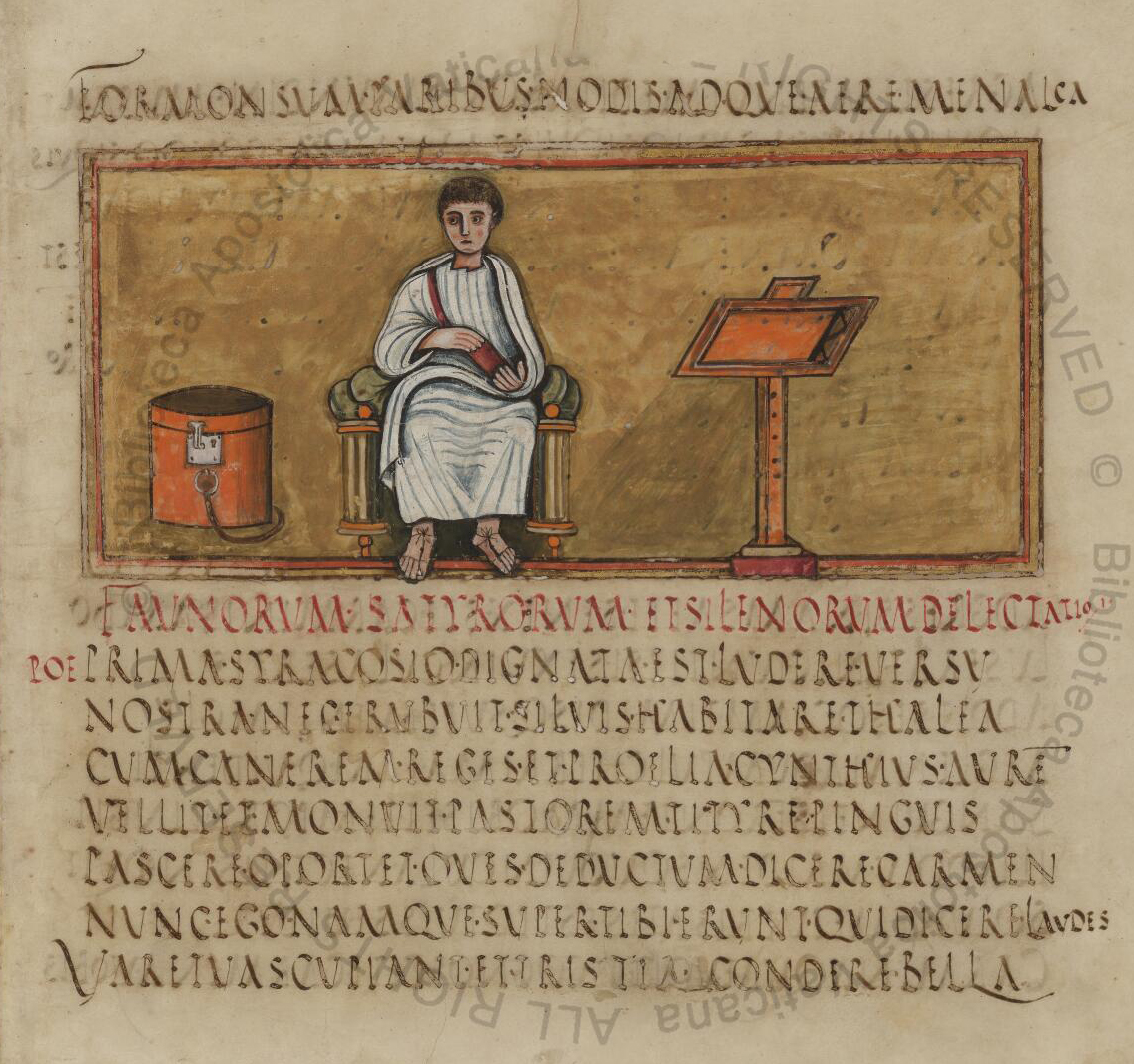
Image result for Medieval manuscript Vergil

Dio Chrysostom on Preferring Even Unpleasant Lies to the Truth

Dio Chrysostom, Oration 11 (“On the Fact that Troy Was Never Sacked”)

“I know with some certainly that it is hard to teach all people, but easy to deceive them. And if they learn anything, they scarcely learn it from the few who do really know, while they are easily deceived by many who know nothing, and not only by others, but by themselves too. For the truth is bitter and unpleasant to the ignorant; a lie, however, is sweet and appealing. In the same way, I suppose, light is unpleasant for those with diseased eyes to see, while the darkness is harmless and dear, even if they cannot see. Or, how else would lies often be stronger than the truth, unless they prevailed because of pleasure? Although it is hard to teach, as I was saying, it is harder in every way to re-teach when people have heard lies for a long time and, even worse, when they have not been alone in their delusion, but their fathers, grandfathers and nearly every forebear has been deceived with them.

For it is not easy to take a false belief from them, not even if someone should refute it completely. Similarly, I imagine that, when children have been raised with superstitious beliefs, it is hard for someone to speak the truth later regarding the very things they would not have accepted if someone had just told them in the beginning. This impulse is so strong that many prefer wicked things and agree that they belong to them properly, if they have previously believed so, instead of good things they hear later on.”

Image result for Trojan Horse ancient Greek

Οἶδα μὲν ἔγωγε σχεδὸν ὅτι διδάσκειν μὲν ἀνθρώπους ἅπαντας χαλεπόν ἐστιν, ἐξαπατᾶν δὲ ῥᾴδιον. καὶ μανθάνουσι μὲν μόγις, ἐάν τι καὶ μάθωσι, παρ’ ὀλίγων τῶν εἰδότων, ἐξαπατῶνται δὲ  τάχιστα ὑπὸ πολλῶν τῶν οὐκ εἰδότων, καὶ οὐ μόνον γε ὑπὸ τῶν ἄλλων, ἀλλὰ καὶ αὐτοὶ ὑφ’ αὑτῶν. τὸ μὲν γὰρ ἀληθὲς πικρόν ἐστι καὶ ἀηδὲς τοῖς ἀνοήτοις, τὸ δὲ ψεῦδος γλυκὺ καὶ προσηνές. ὥσπερ οἶμαι καὶ τοῖς νοσοῦσι τὰ ὄμματα τὸ μὲν φῶς ἀνιαρὸν ὁρᾶν, τὸ δὲ σκότος ἄλυπον καὶ φίλον, οὐκ ἐῶν βλέπειν. ἢ πῶς ἂν ἴσχυε τὰ ψεύδη πολλάκις πλέον τῶν ἀληθῶν, εἰ μὴ δι’ ἡδονὴν ἐνίκα;

χαλεποῦ δέ, ὡς ἔφην, ὄντος τοῦ διδάσκειν, τῷ παντὶ χαλεπώτερον τὸ  μεταδιδάσκειν, ἄλλως τε ὅταν πολύν τινες χρόνον ὦσι τὰ ψευδῆ ἀκηκοότες καὶ μὴ μόνον αὐτοὶ ἐξηπατημένοι, ἀλλὰ καὶ οἱ πατέρες αὐτῶν καὶ οἱ πάπποι καὶ σχεδὸν πάντες οἱ πρότερον. οὐ γάρ ἐστι ῥᾴδιον τούτων ἀφελέσθαι τὴν δόξαν, οὐδ’ ἂν πάνυ τις ἐξελέγχῃ. καθάπερ οἶμαι τῶν τὰ ὑποβολιμαῖα παιδάρια θρεψάντων χαλεπὸν ὕστερον ἀφελέσθαι τἀληθῆ λέγοντα ἅ γε ἐν ἀρχῇ, εἴ τις αὐτοῖς ἔφρασεν, οὐκ ἄν ποτε ἀνείλοντο. οὕτω δὲ τοῦτο ἰσχυρόν ἐστιν ὥστε πολλοὶ τὰ κακὰ μᾶλλον προσποιοῦνται καὶ ὁμολογοῦσι καθ’ αὑτῶν, ἂν ὦσι πεπεισμένοι πρότερον, ἢ τἀγαθὰ μετὰ χρόνον ἀκούοντες.


“I would not even be surprised, Trojan men, that you believed Homer was more trustworthy when he told the harshest lies about you than me when I told that truth—since you believe him to be a divine man and wise and you have taught your children epic right from the beginning, even though he has only curses for your city, and untrue ones at that. But you wouldn’t accept that I describe things as they are and have been, because I am many years younger than Homer. Certainly, most people say that time is also the best judge of affairs, and, whenever they hear something after a long time, they disbelieve it for this very reason.

If I were dare to speak against Homer among the Argives and to show in addition that his poetry was false concerning the greatest matters, chances are they would be rightfully angry with me and expel me from the city if I appeared to be erasing and cleansing their fame. But it is right that you have some gratitude towards me and listen eagerly. I have stood in defense of your ancestors. I say at the outset to you that these stories have by necessity already been recited by others and that many have learned them. Some of those men will not understand them; others will pretend to discount them, even though they do not, and still others will try to refute them, especially, I think, those ill-fated sophists. But I know clearly that they will not be pleasing to you. For most men have their minds corrupted by fame to the extent that they would prefer to be infamous for the greatest failures rather than be unknown and suffer no evil.”

οὐκ ἂν οὖν θαυμάσαιμι καὶ ὑμᾶς, ἄνδρες ᾿Ιλιεῖς, εἰ πιστότερον ἡγήσασθαι ῞Ομηρον τὰ χαλεπώτατα ψευσάμενον καθ’ ὑμῶν ἢ ἐμὲ τἀληθῆ λέγοντα, κἀκεῖνον μὲν ὑπολαβεῖν θεῖον ἄνδρα καὶ σοφόν, καὶ τοὺς παῖδας εὐθὺς ἐξ ἀρχῆς τὰ ἔπη διδάσκειν οὐθὲν ἄλλο ἢ κατάρας ἔχοντα κατὰ τῆς πόλεως, καὶ ταύτας οὐκ ἀληθεῖς, ἐμοῦ δὲ μὴ ἀνέχοισθε τὰ ὄντα καὶ γενόμενα λέγοντος, ὅτι πολλοῖς ἔτεσιν ὕστερον ῾Ομήρου γέγονα. καίτοι φασὶ μὲν οἱ πολλοὶ τὸν χρόνον τῶν πραγμάτων * καὶ κριτὴν ἄριστον εἶναι, ὅτι δ’ ἂν ἀκούωσι μετὰ πολὺν χρόνον, διὰ τοῦτο ἄπιστον νομίζουσιν. εἰ μὲν οὖν παρ’ ᾿Αργείοις ἐτόλμων ἀντιλέγειν ῾Ομήρῳ, καὶ τὴν ποίησιν αὐτοῦ δεικνύναι ψευδῆ περὶ τὰ μέγιστα, τυχὸν ἂν εἰκότως ἤχθοντό μοι καὶτῆς πόλεως ἐξέβαλλον εἰ τὴν παρ’ ἐκείνων δόξαν ἐφαινόμην ἀφανίζων καὶ καθαιρῶν· ὑμᾶς δὲ δίκαιόν ἐστί μοι χάριν εἰδέναι καὶ ἀκροᾶσθαι προθύμως· ὑπὲρ γὰρ τῶν ὑμετέρων προγόνων ἐσπούδακα. προλέγω δὲ ὑμῖν ὅτι τοὺς λόγους τούτους ἀνάγκη καὶ  παρ’ ἑτέροις ῥηθῆναι καὶ πολλοὺς πυθέσθαι· τούτων δὲ οἱ μέν τινες οὐ συνήσουσιν, οἱ δὲ προσποιήσονται καταφρονεῖν, οὐ καταφρονοῦντες αὐτῶν, οἱ δέ τινες ἐπιχειρήσουσιν ἐξελέγχειν, [μάλιστα δὲ οἶμαι τοὺς κακοδαίμονας σοφιστάς.] ἐγὼ δὲ ἐπίσταμαι σαφῶς ὅτι οὐδὲ ὑμῖν πρὸς ἡδονὴν ἔσονται. οἱ γὰρ πλεῖστοι τῶν ἀνθρώπων οὕτως ἄγαν εἰσὶν ὑπὸ δόξης διεφθαρμένοι τὰς ψυχὰς ὥστε μᾶλλον ἐπιθυμοῦσι περιβόητοι εἶναι ἐπὶ τοῖς μεγίστοις ἀτυχήμασιν ἢ μηδὲν κακὸν ἔχοντες ἀγνοεῖσθαι.


“For I think that the Argives themselves would not wish for the matters concerning Thyestes, Atreus and the descendants of Pelops to have been any different, but would be severely angry if someone were to undermine the myths of tragedy, claiming that Thyestes never committed adultery with Atreus wife, nor did the other kill his brother’s children, cut them up, and set them out as feast for Thyestes, and that Orestes never killed his mother with his own hand. If someone said all of these things, they would take it harshly as if they were slandered.

I imagine that things would go the same among the Thebans, if someone were to declare that their misfortunes were lies, that Oedipus never killed his father nor had sex with his mother, nor then blinded himself, and that his children didn’t die in front of the wall at each other’s hands, and the Sphinx never came and ate their children. No! instead, they take pleasure in hearing that the Sphinx came and ate their children, sent to them because of Hera’s anger, that Laios was killed by his own son, and Oedipus did these things and wandered blind after suffering, or how the children of previous king of theirs and founder of the city, Amphion, by Artemis and Apollo because they were the most beautiful men. They endure musicians and poets singing these things in their presence at the theater and they make contests for them, whoever can sing or play the most stinging tales about them. Yet they would expel a man who claimed these things did not happen. The majority has gone so far into madness that their obsession governs them completely. For they desire that there be the most stories about them—and it does not matter to them what kind of story it is. Generally, men are not willing to suffer terrible things because of cowardice, because they fear death and pain. But they really value being mentioned as if they suffered.”


αὐτοὺς γὰρ οἶμαι τοὺς ᾿Αργείους μὴ ἂν ἐθέλειν ἄλλως γεγονέναι τὰ περὶ τὸν Θυέστην καὶ τὸν ᾿Ατρέα καὶ τοὺς Πελοπίδας, ἀλλ’ ἄχθεσθαι σφόδρα, ἐάν τις ἐξελέγχῃ τοὺς μύθους τῶν τραγῳδῶν, λέγων ὅτι οὔτε Θυέστης ἐμοίχευσε τὴν τοῦ ᾿Ατρέως οὔτε ἐκεῖνος ἀπέκτεινε τοὺς τοῦ ἀδελφοῦ παῖδας οὐδὲ κατακόψας εἱστίασε τὸν Θυέστην οὔτε ᾿Ορέστης αὐτόχειρ ἐγένετο τῆς μητρός. ἅπαντα ταῦτα εἰ λέγοι τις, χαλεπῶς ἂν φέροιεν ὡς λοιδορούμενοι.

τὸ δὲ αὐτὸ τοῦτο κἂν Θηβαίους οἶμαι παθεῖν, εἴ τις τὰ παρ’ αὐτοῖς ἀτυχήματα ψευδῆ ἀποφαίνοι, καὶ οὔτε τὸν πατέρα Οἰδίπουν ἀποκτείναντα οὔτε τῇ μητρὶ συγγενόμενον οὔθ’ ἑαυτὸν τυφλώσαντα οὔτε τοὺς παῖδας αὐτοῦ πρὸ τοῦ τείχους ἀποθανόντας ὑπ’ ἀλλήλων, οὔθ’ ὡς ἡ Σφὶγξ ἀφικομένη κατεσθίοι τὰ τέκνα αὐτῶν, ἀλλὰ τοὐναντίον ἥδονται ἀκούοντες καὶ τὴν Σφίγγα ἐπιπεμφθεῖσαν αὐτοῖς διὰ χόλον ῞Ηρας καὶ τὸν Λάϊον ὑπὸ τοῦ υἱέος ἀναιρεθέντα καὶ τὸν Οἰδίπουν ταῦτα ποιήσαντα καὶ παθόντα τυφλὸν ἀλᾶσθαι, καὶ πρότερον ἄλλου βασιλέως αὐτῶν καὶ τῆς πόλεως οἰκιστοῦ, ᾿Αμφίονος, τοὺς παῖδας, ἀνθρώπων καλλίστους γενομένους, κατατοξευθῆναι ὑπὸ ᾿Απόλλωνος καὶ ᾿Αρτέμιδος· καὶ ταῦτα καὶ αὐλούντων καὶ ᾀδόντων ἀνέχονται παρ’ αὑτοῖς ἐν τῷ θεάτρῳ, καὶ τιθέασιν ἆθλα περὶ τούτων, ὃς ἂν οἰκτρότατα εἴπῃ περὶ αὐτῶν ἢ αὐλήσῃ· τὸν δὲ εἰπόντα ὡς οὐ γέγονεν οὐδὲν αὐτῶν ἐκβάλλουσιν. εἰς τοῦτο μανίας οἱ πολλοὶ ἐληλύθασι καὶ οὕτω πάνυ ὁ τῦφος αὐτῶν κεκράτηκεν. ἐπιθυμοῦσι γὰρ ὡς πλεῖστον ὑπὲρ αὐτῶν γίγνεσθαι λόγον· ὁποῖον δέ τινα, οὐθὲν μέλει αὐτοῖς. ὅλως δὲ πάσχειν μὲν οὐ θέλουσι τὰ δεινὰ  διὰ δειλίαν, φοβούμενοι τούς τε θανάτους καὶ τὰς ἀλγηδόνας· ὡς δὲ παθόντες μνημονεύεσθαι περὶ πολλοῦ ποιοῦνται.

Banning Even the Freedom of the Eyes: The Moral Tale of the Tyrant of Troezen

Aelian Varia Historia 14.22

“There’s a story of the tyrant of Troezen. Because he wanted to get rid of any plots and conspiracies against him, he ordered that no one could talk to anyone else in public or private. This was an impossible and harsh matter. But the people circumvented the tyrant’s command: they were nodding to each other and using hand gestures too. They also used angry, calm, or bright facial expressions. Each person was clear to all in his emotions, showing the suffering in his spirit on his face by grimacing at bad news or implacable conditions.

These actions caused the tyrant annoyance too—for he was believing that even silence accompanied by plentiful gestures was contriving something bad for him. So, he stopped this too.

One of those who was burdened and troubled by this absurdity was longing to end the monarchy. A group rose up with him and stood together sharing their tears. A report came to the tyrant that no one was using gestures any longer, because, instead, they were trafficking in tears. Because he was eager to stop this, he was proclaiming not only slavery of the tongue and gestures, but he was even trying to ban the freedom of the eyes we get from nature. So he went there without delay with his bodyguards to stop the tears. But as soon as the people saw him they took away his bodyguards’ weapons and killed the tyrant.”

Ὅτι Τροιζήνιός τις τύραννος βουλόμενος ἐξελεῖν τὰς συνωμοσίας καὶ τὰς κατ᾿ αὐτοῦ ἐπιβουλὰς ἔταξε τοῖς ἐπιχωρίοις μηδένα μηδενὶ διαλέγεσθαι μήτε κοινῇ μήτε ἰδίᾳ. καὶ ἦν τὸ πρᾶγμα ἀμήχανον καὶ χαλεπόν. ἐσοφίσαντο οὖν τὸ τοῦ τυράννου πρόσταγμα, καὶ ἀλλήλοις ἔνευον καὶ ἐχειρονόμουν πρὸς ἀλλήλους, καὶ ἐνεώρων δριμὺ καὶ αὖ πάλιν γαληναῖον καὶ βλέμμα φαιδρόν· καὶ ἐπὶ τοῖς σκυθρωποῖς καὶ ἀνηκέστοις ἕκαστος αὐτῶν συνωφρυωμένος ἦν δῆλος, τὸ τῆς ψυχῆς πάθος ἐκ τοῦ προσώπου τῷ πλησίον διαδεικνύς. ἐλύπει τὸν τύραννον καὶ ταῦτα, καὶ ἐπίστευε τέξεσθαί τι αὐτῷ πάντως κακὸν καὶ τὴν σιωπὴν διὰ τὸ τῶν σχημάτων ποικίλον. ἀλλ᾿ οὖν ἐκεῖνος καὶ τοῦτο κατέπαυσε. τῶν τις οὖν ἀχθομένων τῇ ἀμηχανίᾳ καὶ δυσφορούντων καὶ τὴν μοναρχίαν καταλῦσαι διψώντων. περιέστησαν οὖν αὐτὸν καὶ περιῆλθον τὸ πλῆθος καὶ ὀδυρμῷ κἀκεῖνοι συνείχοντο. ἧκεν ἀγγελία παρὰ τὸν τύραννον ὡς οὐδεὶς αὐτῶν χρῆται νεύματι οὐκέτι, δάκρυα δὲ αὐτοῖς ἐπιχωριάζει. ὁ δὲ ἐπειγόμενος καὶ τοῦτο παῦσαι, μὴ μόνον τῆς γλώττης καταγινώσκων δουλείαν μηδὲ μόνον τῶν νευμάτων ἀλλ᾿ ἤδη καὶ τοῖς ὀφθαλμοῖς τὴν ἐκ φύσεως ἀποκλείων ἐλευθερίαν, ᾗ ποδῶν εἶχεν ἀφίκετο σὺν τοῖς δορυφόροις, ἵνα ἀναστείλῃ τὰ δάκρυα. οἱ δὲ οὐκ ἔφθασαν ἰδόντες αὐτὸν καὶ τὰ ὅπλα τῶν δορυφόρων ἁρπάσαντες τὸν τύραννον ἀπέκτειναν.

John Lydgate, Life of St Edmund and St Fremund, England (Bury St Edmunds?), 1461-c. 1475, Yates Thompson MS 47, f. 54r

color photograph of oil painting showing a woman half skeleton but half clothed
Life and Death, Wellcome Trust https://wellcomecollection.org/search/images?query=life%20and%20death

A Plague of Caspian Rats

Aelian, On the Nature of Animals 17.17

“Amyntas in his work which he named Stages writes that in the Caspian land there are many herds of cattle and horses almost beyond counting. He adds this as well, that in some seasons an unconquerable plague of rats blights the land. He continues with evidence, saying that even though the rivers flow at that of year with a huge surge, the rats swim fearlessly and they even hold on to each other’s tales, biting down on one another, to form a bridge and they they cross the strait in this way.

After swimming into the farmland, he says, they grind down the roots of crops and swarm over trees and once they use their fruits for their meals they sever the branches too just because they are not able to eat them. For this reason, the Caspians—in order to ward off this invasion of rats and the ruin they bring—do not kill the predatory birds which come in turn, flying down from the clouds, and fulfill their nature by freeing the Caspians of this plague.

Caspian foxes are so numerous that they frequent both the sheepfolds in the country and they also appear in cities. By Zeus, a fox will show up in a house not to steal something or ruin it, but like some kind of pet. The Caspian foxes wag their tails just like pet dogs in our land.

The rats of the terrible plague afflicting the Caspians are almost the same in size when you look a them as the ikhneumenos of Egypt, but they are wild, and terrible, and they have teeth strong enough to cut and even eat metal. The rats in Teridon, Babylonia are like this too—and traders bring their skins to sell among the Persians. Indeed, these skins are soft and can be sewn together as a tunic to warm people. And they call them kandutanes, because it is dear to them.

Here is something amazing about these rats: if a pregnant female is caught and her fetus is removed, when the female fetus is dissected and examined, it also has a baby.”

᾽Αμύντας ἐν τοῖς ἐπιγραφομένοις οὕτως ὑπ᾽ αὐτοῦ Σταθμοῖς κατὰ τὴν γῆν τὴν Κασπίαν καὶ βοῶν ἀγέλας λέγει πολλὰς καὶ κρείττονας ἀριθμοῦ εἶναι καὶ ἵππων. ἐπιλέγει δὲ ἄρα καὶ ἐκεῖνο, ἐν ὡρῶν τισι περιτροπαῖς μυῶν ἐπιδημίας γίνεσθαι πλῆθος ἄμαχον· καὶ τὸ μαρτύριον ἐπάγει λέγων, τῶν ποταμῶν τῶν ἀεννάων σὺν πολλῶι τῶι ῥοίζωι φερομένων, τοὺς δὲ καὶ μάλα ἀτρέπτως ἐπινήχεσθαί τε αὐτοῖς καὶ τὰς οὐρὰς ἀλλήλων ἐνδακόντας ἕρμα τοῦτο ἴσχειν, καὶ τοῦ διαβάλλειν τὸν πόρον σύνδεσμόν σφισιν ἰσχυρότατον ἀποφαίνει τόνδε.

ἐς τὰς ἀρούρας δὲ ἀπονηξάμενοι, φησί, καὶ τὰ λήια ὑποκείρουσι καὶ διὰ τῶν δένδρων ἀνέρπουσι καὶ τὰ ὡραῖα δεῖπνον ἔχουσι καὶ τοὺς κλάδους δὲ διακόπτουσιν, οὐδὲ ἐκείνους κατατραγεῖν ἀδυνατοῦντες. οὐκοῦν ἀμυνόμενοι οἱ Κάσπιοι τὴν ἐκ τῶν μυῶν ἐπιδρομήν τε ἅμα καὶ λύμην φείδονται τῶν γαμψωνύχων, οἵπερ οὖν καὶ αὐτοὶ κατὰ νέφη πετόμενοι εἶτα αὐτοὺς ἀνασπῶσιν, καὶ ἰδίαι τινὶ φύσει τοῖς Κασπίοις ἀναστέλλουσι τὸν λιμόν. ἀλώπηκες δὲ αἱ Κάσπιαι, τὸ πλῆθος αὐτῶν τοσοῦτόν ἐστιν ὡς καὶ ἐπιφοιτᾶν οὐ μόνον τοῖς αὐλίοις τοῖς κατὰ τοὺς ἀγρούς, ἤδη γε μὴν καὶ ἐς τὰς πόλεις παριέναι. καὶ ἐν οἰκίαι ἀλώπηξ φανεῖται οὐ μὰ Δία ἐπὶ λύμηι οὐδὲ ἁρπαγῆι, ἀλλὰ οἷα τιθασός· καὶ ὑποσαίνουσί τε αἱ Κάσπιοι καὶ ὑπαικάλλουσι τῶν παρ᾽ ἡμῖν κυνιδίων <δίκην>.

οἱ δὲ μύες οἱ τοῖς Κασπίοις ἐπίδημον ὄντες κακόν, μέγεθος αὐτῶν ὅσον κατά γε τοὺς Αἰγυπτίων ἰχνεύμονας ὁρᾶσθαι, ἄγριοι δὲ καὶ δεινοὶ καὶ καρτεροὶ τοὺς ὀδόντας, καὶ διακόψαι τε καὶ διατραγεῖν οἷοί τε εἰσὶ καὶ σίδηρον. τοιοῦτοι δὲ ἄρα καὶ οἱ μύες οἱ ἐν τῆι Τερηδόνι τῆς Βαβυλωνίας (F 7) εἰσίν, ὧνπερ οὖν καὶ τὰς δορὰς οἱ τούτων κάπηλοι ἐς Πέρσας ἄγουσι φόρτον. εἰσὶ δὲ ἁπαλαί, καὶ συνερραμέναι χιτῶνές τε ἅμα γίνονται καὶ ἀλεαίνουσιν αὐτούς. καλοῦνται δὲ ἄρα οὗτοι κανδυτᾶνες, ὡς ἐκείνοις φίλον.

θαυμάσαι δὲ τῶν μυῶν τῶνδε ἄξιον ἄρα καὶ τοῦτο· ἐὰν ἁλῶι μῦς κύουσα, κἆιτα ἐξαιρεθῆι τὸ ἔμβρυον, αὐτῆς δὲ διατμηθείσης ἐκείνης εἶτα μέντοι καὶ αὐτὸ διανοιχθῆι, καὶ ἐκεῖνο ἔχει βρέφος.

Color photograph of a medieval manuscript showing rats rowing a boat

Ste-Genevieve, MS 143 (Taken from Pinterest)There are not  independent words for rat mouse in Ancient Greek.

μυόβρωτος: “mouse-eaten”

μυοδόχος: “containing mice”

μυοθήρας: “mouse-catcher”

μυοκτόνος: “mouse-killer”

μυομαχία: “a battle of mice”

μυοπάρων: “a small pirate boat”

μυόχοδον: “mouse dung”

A Tunic of Flesh and Kirke as an Allegory

Plutarch’s Moralia Fr. 200

“Our fated nature is identified by Empedocles as the force behind this remaking, “wrapping [us] in a tunic of strange flesh” and transferring souls to a new place. Homer has called this circular revolution and the return of rebirth by the name Kirke, a child of Helios, the one who unites every destruction with birth and destruction again, binding it endlessly.

The Island Aiaia is that place which revives the person who dies, a place where the souls first step when they are wandering and feel like strangers to themselves as they mourn and cannot figure out which direction is west nor where the “sun which brings life to people over the land / descends again into the earth.”

These souls long for their habits of pleasure and their life in the flesh and the way they lived with their flesh and they fall again into that mixture where birth swirls together and truly stirs into one the immortal and moral, the material of thought and experience, elements of heaven and earth. The souls are enchanted but also weakened by the pleasures that pull them to birth again. At that time, souls require a great amount of good luck and much wisdom to find some way to resist and depart from their worst characters and become bound to their most base parts or passions and take up a terrible and beastly life.”

Αὐτῆς γὰρ τῆς μετακοσμήσεως εἱμαρμένη καὶ φύσις ὑπὸ Ἐμπεδοκλέους δαίμων ἀνηγόρευται σαρκῶν ἀλλογνῶτι περιστέλλουσα χιτῶνι καὶ μεταμπίσχουσα τὰς ψυχάς, Ὅμηρος δὲ τὴν ἐν κύκλῳ περίοδον καὶ περιφορὰν παλιγγενεσίας Κίρκην προσηγόρευκεν, Ἡλίου παῖδα τοῦ πᾶσαν φθορὰν γενέσει καὶ γένεσιν αὖ πάλιν φθορᾷ συνάπτοντος ἀεὶ καὶ συνείροντος. Αἰαίη δὲ νῆσος ἡ δεχομένη τὸν ἀποθνήσκοντα μοῖρα καὶ χώρα τοῦ περιέχοντος, εἰς ἣν ἐμπεσοῦσαι πρῶτον αἱ ψυχαὶ πλανῶνται καὶ ξενοπαθοῦσι καὶ ὀλοφύρονται καὶ οὐκ ἴσασιν ὅπῃ ζόφος οὐδ᾿ ὅπῃ ἠέλιος φαεσίμβροτος εἶσ᾿ ὑπὸ γαῖαν,ποθοῦσαι δὲ καθ᾿ ἡδονὰς τὴν συνήθη καὶ σύντροφον ἐν σαρκὶ καὶ μετὰ σαρκὸς δίαιταν ἐμπίπτουσιν αὖθις εἰς τὸν κυκεῶνα, τῆς γενέσεως μιγνύσης εἰς ταὐτὸ καὶ κυκώσης ὡς ἀληθῶς ἀίδια καὶ θνητὰ καὶ φρόνιμα καὶ παθητὰ καὶ ὀλύμπια καὶ γηγενῆ, θελγόμεναι καὶ μαλασσόμεναι ταῖς ἀγούσαις αὖθις ἐπὶ τὴν γένεσιν ἡδοναῖς, ἐν ᾧ δὴ μάλιστα πολλῆς μὲν εὐτυχίας αἱ ψυχαὶ δέονται πολλῆς δὲ σωφροσύνης, ὅπως μὴ τοῖς κακίστοις ἐπισπόμεναι καὶ συνενδοῦσαι μέρεσιν ἢ πάθεσιν αὑτῶν κακοδαίμονα καὶ θηριώδη βίον ἀμείψωσιν.

Aristotle, Physiognomics 808b

“[in this case] the soul and the body would experience things together, but they would not have the same reactions as one another. But, now, it is entirely clear that one follows another. This is especially obvious from the following. For madness seems to be a matter of the mind; doctors, however, respond to it by cleansing the body with medicines and also by telling them to pursue certain habits in life which may relieve the mind of madness.

So, the form of the body is relieved by treatments to the body at the very same time that the soul is freed from madness. Since they are both relieved together, it is clear that their reactions are in synchrony. It is also clear from this that the forms special to the body are similar to the capabilities of the mind, with the result that all similarities in living things are clear signs of some kind of sameness.”

ἡ ψυχή τε καὶ τὸ σῶμα συμπαθῆ, οὐ μέντοι συνδιατελοῦντα ἀλλήλοις. νῦν δὲ καταφανὲς ὅτι ἑκάτερον ἑκατέρῳ ἕπεται. μάλιστα μέντοι ἐκ τοῦδε δῆλον γένοιτο. μανία γὰρ δοκεῖ εἶναι περὶ ψυχήν, καὶ οἱ ἰατροὶ φαρμάκοις καθαίροντες τὸ σῶμα καὶ διαίταις τισὶ πρὸς αὐτοῖς χρησάμενοι ἀπαλλάττουσι τὴν ψυχὴν τῆς μανίας. ταῖς δὴ τοῦ σώματος θεραπείαις καὶ ἅμα ἥ τε τοῦ σώματος μορφὴ λέλυται καὶ ἡ ψυχὴ μανίας ἀπήλλακται. ἐπειδὴ οὖν ἅμα ἀμφότερα λύονται, δῆλον ὅτι συνδιατελοῦσιν ἀλλήλοις. συμφανὲς δὲ καὶ ὅτι ταῖς δυνάμεσι τῆς ψυχῆς ὅμοιαι αἱ μορφαὶ τοῖς σώμασιν ἐπιγίνονται, ὥστ᾿ ἐστὶν ἅπαντα ὅμοια ἐν τοῖς ζῴοις τοῦ αὐτοῦ τινὸς δηλωτικά.

Epictetus, Fr. 26

“Epictetus used to say, ‘you’re a tiny soul lugging around a corpse’.”

Ψυχάριον εἶ βαστάζον νεκρόν, ὡς Ἐπίκτητος ἔλεγεν.

Wright Barker (British, 1863-1941) – “Circe” c.1889Color photograph of an oil painting. A woman, nude to the waste, gestures towards the viewer from the top of marble steps. Lions and wolves gather around her

Paris’ Weakness and the Glory of Education

Iamblichus, Life of Pythagoras 42

“For when the barbarians and the Greeks were struggling against each other around Troy because of one man’s lack of self-control they endured the most terrible calamities—some in war, some in the return home—and the god assigned a punishment for that single injustice for one thousand and ten years, providing an oracle for the sack of Troy and requesting the journey of maidens from Locris to the temple of Athena in Troy.

[Pythagoras] used to harangue the young men regarding education too, demanding that they consider how strange it would be to judge rational thought the most desirable of all things when one must judge concerning everything else using it, yet people spend no time nor toil in practicing it. And this is when care given to the body is similar to worthless friends in abandoning you quickly; education, however, is like the most good and noble companions who stay by your side right up to death—and, for some, it provides immortal glory after life is over.”

τῶν γὰρ βαρβάρων καὶ τῶν ῾Ελλήνων  περὶ τὴν Τροίαν ἀντιταξαμένων ἑκατέρους δι’ ἑνὸς ἀκρασίαν ταῖς δεινοτάταις περιπεσεῖν συμφοραῖς, τοὺς μὲν ἐν τῷ πολέμῳ, τοὺς δὲ κατὰ τὸν ἀνάπλουν, καὶ μόνης <ταύτης> τῆς ἀδικίας τὸν θεὸν δεκετῆ καὶ χιλιετῆ τάξαι τὴν τιμωρίαν, χρησμῳδήσαντα τήν τε τῆς Τροίας ἅλωσιν καὶ

τὴν τῶν παρθένων ἀποστολὴν παρὰ τῶν Λοκρῶν εἰς τὸ τῆς ᾿Αθηνᾶς τῆς ᾿Ιλιάδος ἱερόν. παρεκάλει δὲ τοὺς νεανίσκους καὶ πρὸς τὴν παιδείαν, ἐνθυμεῖσθαι κελεύων ὡς ἄτοπον ἂν εἴη πάντων μὲν σπουδαιότατον κρίνειν τὴν διάνοιαν καὶ ταύτῃ βουλεύεσθαι περὶ τῶν ἄλλων, εἰς δὲ τὴν ἄσκησιν τὴν ταύτης μηδένα χρόνον μηδὲ πόνον ἀνηλωκέναι, καὶ ταῦτα τῆς μὲν τῶν σωμάτων ἐπιμελείας τοῖς φαύλοις τῶν φίλων ὁμοιουμένης καὶ ταχέως ἀπολειπούσης, τῆς δὲ παιδείας καθάπερ οἱ καλοὶ κἀγαθοὶ τῶν ἀνδρῶν μέχρι θανάτου παραμενούσης, ἐνίοις δὲ καὶ μετὰ τὴν τελευτὴν ἀθάνατον δόξαν περιποιούσης.

The Love of Helen and Paris, Jacques-Louis David, 1788

Truth and Happiness, An Inverse Relationship?

From Athenaeus’ Deipnosophists (5.211 e-f)

“Posidonios of Apamea records the story of [Athenion] which I am going to lay out even though it is rather long, so that we may examine carefully all men who claim to be philosophers, and not merely trust in their shabby robes and unkempt beards. For, as Agathon says (fr. 12):

If I tell the truth, I won’t make you happy.
But if I am to make you happy, I will say nothing true.

Since the truth, they say, is dear to us, I will tell the whole story about this man.”

περὶ οὗ καθ’ ἕκαστα ἱστορεῖ Ποσειδώνιος ὁ ᾿Απαμεύς, ἅπερ εἰ καὶ μακρότερά ἐστιν ἐκθήσομαι, ἵν’ ἐπιμελῶς πάντας ἐξετάζωμεν τοὺς φάσκοντας εἶναι φιλοσόφους καὶ μὴ τοῖς τριβωνίοις καὶ τοῖς ἀκάρτοις πώγωσι πιστεύωμεν. κατὰ γὰρ τὸν ᾿Αγάθωνα
(fr. 12 N)

εἰ μὲν φράσω τἀληθές, οὐχί σ’ εὐφρανῶ·
εἰ δ’ εὐφρανῶ τί σ’, οὐχὶ τἀληθὲς φράσω.

ἀλλὰ φίλη <γάρ>, φασίν, ἡ ἀλήθεια, ἐκθήσομαι τὰ περὶ τὸν ἄνδρα ὡς ἐγένετο (FHG III 266).

screen shot from the television show "The Simpsons" with lisa simpson holding a line graph showing an inverse relationship between happiness and intelligence

Plutarch’s Advice on Being a Good Father

Plutarch, On the Education of Children 20

“Once I add a few more things, I will complete my proposals. Beyond all other things, it is necessary that fathers, by avoiding transgressions and doing everything that is required, offer themselves as a clear example to their children, so that when looking at their father’s life as if in a mirror they may turn away from shameful deeds and words. Whoever makes the same mistakes as those for which they punish their sons become their own accusers under their sons’ names without realizing it . Men who live life poorly in every way do not possess the right to criticize their slaves, much less their sons. In addition, they could become their sons’ advisors and teachers of crime. For whenever old men behave shamefully, it is by necessity that their young are the most shameless.”

Βραχέα δὲ προσθεὶς ἔτι περιγράψω τὰς ὑποθήκας. πρὸ πάντων γὰρ δεῖ τοὺς πατέρας τῷ μηδὲν ἁμαρτάνειν ἀλλὰ πάνθ’ ἃ δεῖ πράττειν ἐναργὲς αὑτοὺς παράδειγμα τοῖς τέκνοις παρέχειν, ἵνα πρὸς τὸν τούτων βίον ὥσπερ κάτοπτρον ἀποβλέποντες ἀποτρέπωνται τῶν αἰσχρῶν ἔργων καὶ λόγων. ὡς οἵτινες τοῖς ἁμαρτάνουσιν υἱοῖς ἐπιτιμῶντες τοῖς αὐτοῖς ἁμαρτήμασι περιπίπτουσιν, ἐπὶ τῷ ἐκείνων ὀνόματι λανθάνουσιν ἑαυτῶν κατήγοροι γιγνόμενοι• τὸ δ’ ὅλον φαύλως ζῶντες οὐδὲ τοῖς δούλοις παρρησίαν ἄγουσιν ἐπιτιμᾶν, μή τί γε τοῖς υἱοῖς. χωρὶς δὲ τούτων γένοιντ’ ἂν αὐτοῖς τῶν ἀδικημάτων σύμβουλοι καὶ διδάσκαλοι. ὅπου γὰρ γέροντές εἰσιν ἀναίσχυντοι, ἐνταῦθ’ ἀνάγκη καὶ νέους ἀναιδεστάτους εἶναι.


Father

This my fifth father’s day since my father’s passing. His example(s), though fading, remain.