Pindar, Olympian 8.59-60


“Teaching is easier for someone who knows; not learning first is stupid. ”


τὸ διδάξασθαι δέ τοι εἰδότι ῥᾴτερον• ἄγνωμον δὲ τὸ μὴ προμαθεῖν•


The ancient Greek Laptop

Isocrates, Letter to Demonicus 18.4-5


“It is as shameful not to learn when you hear something useful as it is not to accept something good offered by loved ones.”


ὁμοίως γὰρ αἰσχρὸν ἀκούσαντα χρήσιμον λόγον μὴ μαθεῖν καὶ διδόμενόν

τι ἀγαθὸν παρὰ τῶν φίλων μὴ λαβεῖν.

Isocrates, Letter to Demonicus 18.1


“If you are a lover of learning, then you will be much-learned.”


᾿Εὰν ᾖς φιλομαθὴς, ἔσει πολυμαθής.


(Full disclosure: I found this quotation in a funding application I was reading!)

Democritus, Fr. 65


“One must foster thinking-much not learning-much.”


πολυνοΐην, οὐ πολυμαθίην ἀσκέειν χρή.

Alcman fr. 125 (Schol ad Pind. Isthm 1.56)


“Trying is the first step of learning”


πῆρά τοι μαθήσιος ἀρχά


Campbell’s Loeb (p. 481) translates “Experience is the beginning of learning” which sound somewhat better (and better glosses the Line from Pindar). But peira also (and primarily?) conveys the sense of making an attempt or test of something. Any other suggestions?

Euenus (Simplicius on Aristotle’s Physics 4.221a31)


“Time is the wisest and most unteachable thing.”


σοφώτατόν τοι κἀμαθέστατον χρόνος


(Yes, we left the assertive τοι out of the translation.)

Simplicius, not so simple.
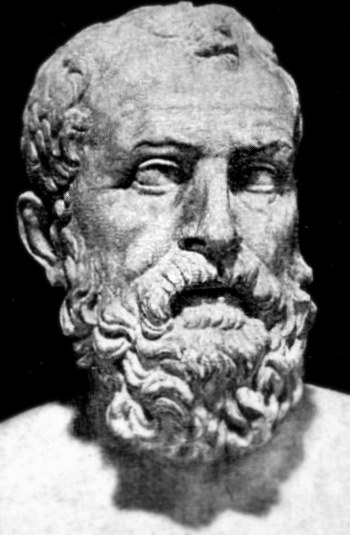
 

Euenus?

Pindar, Olympian 8.59-60


“Teaching is easier for someone who knows; not learning first is stupid. ”


τὸ διδάξασθαι δέ τοι εἰδότι ῥᾴτερον• ἄγνωμον δὲ τὸ μὴ προμαθεῖν•


The ancient Greek Laptop

Solon, Fragment 18.1

Solon, Poet and Maker of Law

“I grow old but always learn many things ”

γηράσκω δ’ αἰεὶ πολλὰ διδασκόμενος

Solon Nomographos.