Hegesias, The Death-Persuader

CW: Suicide, self-harm

In an earlier post I talked about “threshold” theory and some of the very different beliefs Ancient Greeks and Romans had about suicide. This excerpt from Cicero touches upon some of the philosophical ideas about taking one’s own life while also reflecting in part on the group effect. While Hegesias’ arguments are extreme, they have some affinity with Epicurean doctrines against fearing death. In this formulation, however, the argument that death is preferable because it frees us from evils reaches a bit of an absurd conclusion. Diogenes Laertius provides an over of the Cyrenaic School.

Cicero, Tusculan Disputations 1.83-84

“Therefore, death removes us from evils not from goods, if we are seeking the truth. This, in fact, is argued by Hegesias the Cyrenaic so fully that it is said he was prohibited from speaking on these matters in schools because many people killed themselves after they heard him speak.

There is also an epigram attributed to Callimachus on the topic of Cleombrotus the Ambracian who, he says, even though nothing bad happened to him, he threw himself from the wall into the see after reading a book of Plato. From that book of Hegesias I mentioned—Starving to Death—there is a person who while in the process of leaving life by starvation is called back by his friends to whom he responds by listing the unpleasantries of human life.

I could do the same, although I will not go as far as he who thinks that there is no point for anyone to live at all. I am overlooking all others—is it still meaningful for me to continue on? I live deprived of the comfort and decoration of a family or of a public life and, certainly, if I had died previously, death would have saved me from evils not from good.”

A malis igitur mors abducit, non a bonis, verum si quaerimus. Et quidem hoc a Cyrenaico Hegesia sic copiose disputatur, ut is a rege Ptolemaeo prohibitus esse dicatur illa in scholis dicere, quod multi iis auditis mortem sibi ipsi consciscerent. Callimachi quidem epigramma in Ambraciotam Cleombrotum est, quem ait, cum ei nihil accidisset adversi, e muro se in mare abiecisse lecto Platonis libro. Eius autem, quem dixi, Hegesiae liber est, ᾽Αποκαρτερῶν, in quo a vita quidam per inediam discedens revocatur ab amicis, quibus respondens vitae humanae enumerat incommoda. Possem idem facere, etsi minus quam ille, qui omnino vivere expedire nemini putat. Mitto alios: etiamne nobis expedit? qui et domesticis et forensibus solaciis ornamentisque privati certe, si ante occidissemus, mors nos a malis, non a bonis abstraxisset.

Suda, pi 1471

“Hegesias is called the ‘death-persuader’

Πεισιθάνατος ὁ ῾Ηγησίας ἐλέγετο.

If you or someone you know feel alone, uncertain, depressed or for any reason cannot find enough joy and hope to think life is worth it, please reach out to someone. The suicide prevention hotline has a website, a phone number (1-800-273-8255), and a chat line. And if we can help you find some tether to the continuity of human experience through the Classics or a word, please don’t hesitate to ask.

More Human to Laugh than to Mourn?

Seneca, de Tranquilitate Animi 15

“But it does no good to escape the causes of private sadness—for sometimes the hatred of humankind overwhelms us. When you consider how uncommon simplicity is, how innocence is unknown and trust is scarcely there unless it brings some advantage; or when you recognize so thick a crowd of successful crimes and the profits and losses of lust—both equally despicable—and an ambition that does not restrain itself within its own limits but even gains glory because of its wickedness—when you do this, the soul is driven into darkness and, just as if the meaning of the virtues were flipped and they can’t be hoped for nor is it advantageous to possess them, then the shadows hang over us.

At this moment, we must begin to believe that all the vices of the mob do not seem hateful but instead absurd; let us imitate Democritus rather than Heraclitus. The latter, indeed, whenever he braved the public, used to weep; but the former used to laugh. To the second, everything which we do seems miserable; to the first merely incompetent. We must, therefore, make everything lighter and carry it with an easy mind. It is more human to laugh at life than to mourn it.

Consider too that the one who laughs at humanity earns more from it than the one who laments it—for the first saves for himself some hope of good while the latter foolishly despairs that change is possible. When everything is considered, the person who does not restrain laughter seems to be of a greater spirit than the one who will not retain tears, and this is because laughter moves the slightest aspect of the mind and believes that nothing is great, nothing is severe, nor miserable either in the whole setup of life.

Let each person look directly at what the causes of happiness and sadness are personally and then let it be learned that what Bion said is true—all human business is similar to its beginning and human life is no more sacred or severe than its conception—that we return to nothing because from nothing we were born.”

Sed nihil prodest privatae tristitiae causas abiecisse; occupat enim nonnumquam odium generis humani. Cum cogitaveris, quam sit rara simplicitas et quam ignota innocentia et vix umquam, nisi cum expedit, fides, et occurrit tot scelerum felicium turbaet libidinis lucra damnaque pariter invisa et ambitio usque eo iam se suis non continens terminis, ut per turpitudinem splendeat: agitur animus in noctem et velut eversis virtutibus, quas nec sperare licet nec habere prodest, tenebrae oboriuntur. In hoc itaque flectendi sumus, ut omnia vulgi vitia non invisa nobis sed ridicula videantur et Democritum potius imitemur quam Heraclitum. Hic enim, quotiens in publicum processerat, flebat, ille ridebat; huic omnia quae agimus miseriae, illi ineptiae videbantur. Elevanda ergo omnia et facili animo ferenda; humanius est deridere vitam quam deplorare.

Adice quod de humano quoque genere melius meretur qui ridet illud quam qui luget; ille ei spei bonae aliquid relinquit, hic autem stulte deflet quae corrigi posse desperat. Et universa contemplanti maioris animi est qui risum non tenet quam qui lacrimas, quando lenissimum adfectum animi movet et nihil magnum, nihil severum, ne miserum quidem ex tanto paratu putat. Singula propter quae laeti ac tristes sumus sibi quisque proponat et sciet verum esse quod Bion dixit: omnia hominum negotia simillima initiis esse nec vitam illorum magis sanctam aut severam esse quam conceptum, in nihilum recidere denihilo natos.

Democritus by Agostino Carracci.

Cicero Needs Nothing So Much as a Friend

Cicero can seem an insufferable windbag in some of his speeches–but some of his letters humanize him.

Cicero to Atticus 1.18 20 Jan 60

“Know that I need nothing so much as a person to whom I can explain the things I worry about, someone who cares about me, who is wise, to whom I may speak and fabricate nothing, lie about nothing, and hold nothing back.

My brother is away, the most honest and beloved man. Metellus is not a man but instead is “shore and air” and “only solitude”. You, moreover, who most wisely lightens by concern and anxiety of spirit with conversation and counsel, you are my companion in public affairs and my confidant in private matters, and who are usually a companion of all my speeches and plans, where are you? I am so completely isolated that I only have as much relaxation as those moments spend with my wife, my little girl and my sweetest Marcus.

For my ambitious and convenient friendships have a certain shine in public affairs, but they bear no domestic fruit. My home is so full with a crowd in the morning but when I go to the forum with flocks of friends, I can’t find a single person in the great crowd to share a joke with or to whisper familiarly.

This is why I am looking for you, why I miss you, and I am also now calling you home. Many things really trouble me and make me anxious—but these are things which I think I can get off my chest once I have your ears for a talk during a single walk.”

Nihil mihi nunc scito tam deesse quam hominem eum quocum omnia quae me cura aliqua adficiunt una communicem, qui me amet, qui sapiat, quicum ego cum loquar nihil fingam, nihil dissimulem, nihil obtegam. abest enim frater ἀϕελέστατος et amantissimus. †Metellus† non homo sed ‘litus atque aër’ et ‘solitudo me<r>a.’ tu autem qui saepissime curam et angorem animi mei sermone et consilio levasti tuo, qui mihi et in publica re socius et in privatis omnibus conscius et omnium meorum sermonum et consiliorum particeps esse soles, ubinam es? ita sum ab omnibus destitutus ut tantum requietis habeam quantum cum uxore et filiola et mellito Cicerone consumitur. nam illae ambitiosae nostrae fucosaeque amicitiae sunt in quodam splendore forensi, fructum domesticum non habent. itaque cum bene completa domus est tempore matutino, cum ad forum stipati gregibus amicorum descendimus, reperire ex magna turba neminem possumus quocum aut iocari libere aut suspirare familiariter possimus. qua re te exspectamus, te desideramus, te iam etiam arcessimus. multa sunt enim quae me sollicitant anguntque, quae mihi videor auris nactus tuas unius ambulationis sermone exhaurire posse.

Image result for medieval manuscript cicero letter to a friend
Enter a caption

Books–Loyal, Forgiving Friends

Cicero, Letters to Friends 175 to Varro

“Know that since I got back to the city, I have renewed my relationships with my old friends—by which I mean my books. It is not as if I avoided their presence because I was judging them, but because they filled me with shame. For I believe that since I submitted myself to events with the most turbulent and faithless companions, I had insufficiently obeyed my books’ commands.

But they have pardoned me. They welcome me back into that ancient communion and they tell me that you were wiser than I was because you persisted in this practice. But this is how I have achieved an understanding with them and why I think I am right to hope that should I see you again it will be easy for me to manage whatever is happening and whatever threatens in the future.”

scito enim me, postea quam in urbem venerim, redisse cum veteribus amicis, id est cum libris nostris, in gratiam. etsi non idcirco eorum usum dimiseram quod iis suscenserem sed quod eorum me suppudebat; videbar enim mihi, cum me in res turbulentissimas infidelissimis sociis demi<si>ssem, praeceptis illorum non satis paruisse. ignoscunt mihi, revocant in consuetudinem pristinam teque, quod in ea permanseris, sapientiorem quam me dicunt fuisse. quam ob rem, quoniam placatis iis utor, videor sperare debere, si te viderim, et ea quae premant et ea quae impendeant me facile laturum.

Image result for ancient roman books
Why, Salvete Amici!

Nothing To Write about: Cicero Gives Up

Cicero to Atticus, 129 (VII.6) Formiae, ca. 18 December 50 (Full Latin text on the Scaife Viewer)

“There’s clearly nothing for me to write to you about. You know everything worth knowing and I have nothing to expect from you. Still, let me keep up our practice so that we don’t let anyone travel near you without a letter.

I am really afraid for our country. I have barely found anyone who doesn’t think we should give Caesar what he wants, rather than fighting with him.”

Plane deest quid ad te scribam. nota omnia tibi sunt, nec ipse habeo a te quod exspectem. tantum igitur nostrum illud sollemne servemus, ut ne quem istuc euntem sine litteris dimittamus.

De re publica valde timeo, nec adhuc fere inveni qui non concedendum putaret Caesari quod postularet potius quam depugnandum.

Pliny’s Slightly Less Stupid Treatments for Sickness


Pliny the Elder Natural History, 28.33

“The treatment is for their hands to be washed in water first and then for that water to be sprinkled on patients. However, those who are struck at some point by a scorpion are never attacked again by wasps and bees. Someone who knows that clothes worn at a funeral are never touched by moths or that snakes are only with great labor pulled out out of their holes except by the left hand will not be shocked by this.

Of the discoveries of Pythagoras, this will not prove false: an unequal number of vowels foretells lameness, blindness, or some similar disability on the right side; an even number predicts this on the left. People claim that a difficult birth labor will result in an immediate delivery if a stone or a missile which has killed three animals with a single strike (a human, a boar and a bear) is thrown over the home containing the pregnant woman. This is done with more success with a spear that has been pulled from a human body and has not touched the ground. This works the same if the spear is carried inside.”

remedio est ablui prius manus eorum aquaque illa eos quibus medearis inspergi. rursus a scorpione aliquando percussi numquam postea a crabronibus, vespis apibusve feriuntur. minus miretur hoc qui sciat vestem a tineis non attingi quae fuerit in funere, serpentes aegre praeterquam laeva manu extrahi. e Pythagorae inventis non temere fallere, inpositivorum nominum inparem vocalium numerum clauditates oculive orbitatem ac similes casus dextris adsignare partibus, parem laevis. ferunt difficiles partus statim solvi, cum quis tectum in quo sit gravida transmiserit lapide vel missili ex his qui tria animalia singulis ictibus interfecerint, hominem, aprum,  ursum. probabilius id facit hasta velitaris evulsa corpori hominis, si terram non attigerit. eosdem enim inlata effectus habet.

Image result for medieval manuscript pliny natural history
From Arundel_ms_98_f085v

Changing Your Mind is the Point of Research

Quintilian, Inst. Orat. 3.6.

“I admit that I now have a bit of a different opinion from what I believed before. Perhaps it would be safest for my reputation to change nothing which I not only believed but also approved for many years. But I cannot endure knowing that I misrepresent myself, especially in this work which I compose as some help for our good students. For even Hippocrates, famous still for his skill in medicine, seems to have conducted himself very honorably when he admitted his own errors so his followers would not make a mistake. Marcus Tullius did not hesitate to condemn some of his own books in subsequent publications, the Catulus and Lucullus, for example.

Prolonged effort in research would certainly be useless if we were not allowed to improve upon previous opinions. Nevertheless, nothing of what I taught then was useless. These things I offer now, in fact, return us to basic principles. Thus it will cause no one grief to have learned from me. I am trying only to collect and lay out the same ideas in a slightly more sensible fashion. I want it made known to all, moreover, that I am showing this to others no later than I have convinced myself.”

Ipse me paulum in alia quam prius habuerim opinione nunc esse confiteor. Et fortasse tutissimum erat famae modo studenti nihil ex eo mutare quod multis annis non sensissem modo verum etiam adprobassem. Sed non sustineo esse conscius mihi dissimulati, in eo praesertim opere quod ad bonorum iuvenum aliquam utilitatem componimus, in ulla parte iudicii mei. Nam et Hippocrates clarus arte medicinae videtur honestissime fecisse quod quosdam errores suos, ne posteri errarent, confessus est, et M. Tullius non dubitavit aliquos iam editos libros aliis postea scriptis ipse damnare, sicut Catulum atque Lucullum et… Etenim supervacuus foret in studiis longior labor si nihil liceret melius invenire praeteritis. Neque tamen quicquam ex iis quae tum praecepi supervacuum fuit; ad easdem enim particulas haec quoque quae nunc praecipiam revertentur. Ita neminem didicisse paeniteat: colligere tantum eadem ac disponere paulo significantius conor. Omnibus autem satis factum volo non me hoc serius demonstrare aliis quam mihi ipse persuaserim.

Mind Change real

Demosthenes Gaetz it: Remorse for 10,000 Drachmas

Aulus Gellius on Demosthenes and the Courtesan Lais (Attic Nights 1.VIII)

8 A detail excerpted from the writings of the philosopher Sotion about the prostitute Lais and the orator Demosthenes

Sotion was a rather well known man from the peripatetic school. He wrote a book filled with varied and extensive anecdotes and named it The Horn of Amaltheia, which in our tongue is pretty close to saying The Horn of Plenty.

In that book he included this anecdote about Demosthenes the orator and Lais the prostitute. “Lais”, he says, “the Corinthian, used to earn a lot of money through the elegance and beauty of her body. Often, some of the most well-known wealthy men from all of Greece came to see her, but not a one was admitted unless he gave what she asked: and she used to ask for no small amount.” He says that this is where the common saying was born among Greeks that “It is not possible for everyman to sail to Corinth”, since a man went to Corinth to Lais in vain if he could not give what she asked.

“And the famous Demosthenes went to her in secret and asked for her services. But she asked for 10,000 drachmas” [1]–an amount which would be exchanged for ten thousand of our denarii—“Struck dumb by the woman’s daring and by the great heap of money, Demosthenes turned away pale and said “I cannot buy regret for such a price”. But the Greek which he is said to have spoken is more charming: “I will not buy remorse for 10,000 drachmas.”

8 Historia in libris Sotionis philosophi reperta super Laide meretrice et Demosthene rhetore.
1 Sotion ex peripatetica disciplina haut sane ignobilis vir fuit. Is librum multae variaeque historiae refertum composuit eumque inscripsit Κέρας Ἀμαλθείας. 2 Ea vox hoc ferme valet, tamquam si dicas “cornum Copiae”. 3 In eo libro super Demosthene rhetore et Laide meretrice historia haec scripta est: “Lais” inquit “Corinthia ob elegantiam venustatemque formae grandem pecuniam demerebat, conventusque ad eam ditiorum hominum ex omni Graecia celebres erant, neque admittebatur, nisi qui dabat, quod poposcerat; poscebat autem illa nimium quantum.” 4 Hinc ait natum esse illud frequens apud Graecos adagium:

Οὐ παντὸς ἀνδρὸς ἐς Κόρινθον ἔσθ᾿ ὁ πλοῦς

quod frustra iret Corinthum ad Laidem, qui non quiret dare, quod posceretur. 5 “Ad hanc ille Demosthenes clanculum adit et, ut sibi copiam sui faceret, petit. At Lais myrias drachmas poposcit”, hoc facit nummi nostratis denarium decem milia. 6 “Tali petulantia mulieris atque pecuniae magnitudine ictus expavidusque Demosthenes avertitur et discedens “ego” inquit “paenitere tanti non emo”. Sed Graeca ipsa, quae fertur dixisse, lepidiora sunt: οὐκ ὠνοῦμαι μυρίων δραχμῶν μεταμέλειαν.

demosthenes-bust
Does this face merit a surcharge?

[1] If we use the popular idea that a drachma was worth one day of a skilled worker’s wages, then Lais’ services cost 10,000 working days. Perhaps less overwhelming, but still impressive is valuing a drachma at $25 USD: A night with Lais is only $250,000 dollars. But maybe that’s just because it was Demosthenes….

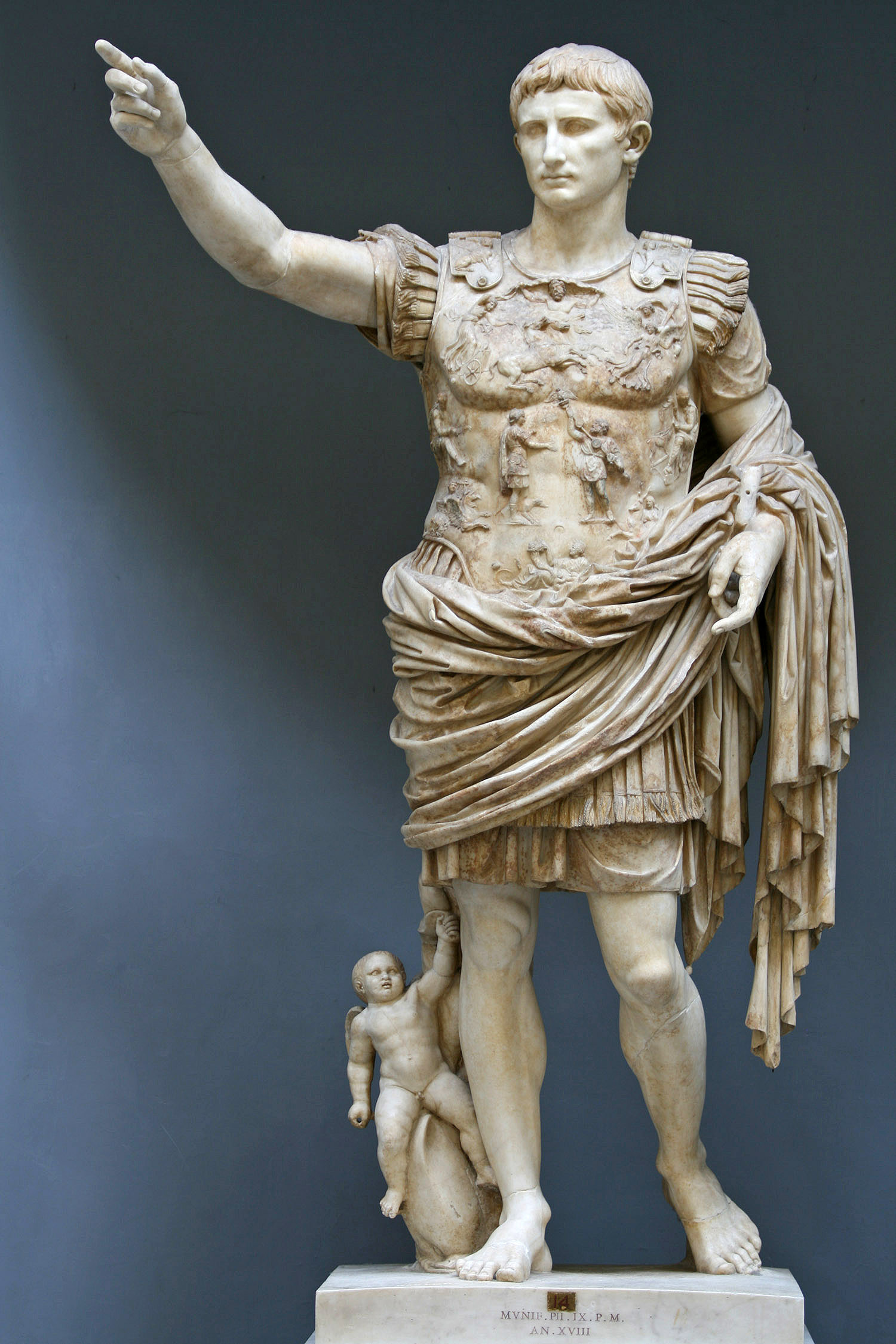
The Death of Augustus

Velleius Paterculus, 2.123

“This is the time attended by the most fear. Augustus had sent his own grandson Germanicus to Germany to handle the end of the conflict there. And he was about to send his son Tiberius to Illyricum to shore up the peace where he had subjugated with war. Following him and at the same time intending to visit the athletic competitions which had been established in his honor by the Neapolitans, Augustus traveled to Campania. Although he had already at that point felt the growth of weakness and sensed the beginning of his own deterioration, he followed his son with a resolute strength of spirit—he parted from him at Beneventum and left for Nola. There, as his strength dissipated by the day, and he recognized whom it was necessary to summon if he wished for everything to remain safe once he was gone, he quickly recalled his son.

Tiberius returned to the father of his fatherland more quickly than he was expected. Then, confessing that he has more content because he was surrounded by the embrace of his son, he entrusted to him their common efforts without any kind of an end, allowing that, if the fates demanded, he was ready. Even though he was renewed at first by the sight of his son and at the voice of someone dearest to him, soon, since the fates can conquer every kind of care, he released his elements and returned his divine soul to heaven in his seventy-sixth year, during the consulship of Pompeius and Apuleius” (14 CE).

Venitur ad tempus, in quo fuit plurimum metus. Quippe Caesar Augustus cum Germanicum nepotem suum reliqua belli patraturum misisset in Germaniam. Tiberium autem filium missurus esset in Illyricum ad firmanda pace quae bello subegerat, prosequens eum simulque interfuturus athletarum certaminis ludicro, quod eius honori sacratum a Neapolitanis est, processit in Campaniam. Quamquam iam motus imbecillitatis inclinataeque in deterius principia valetudinis senserat, tamen obnitente vi animi prosecutus filium digressusque ab eo Beneventi ipse Nolam petiit: et ingravescente in dies valetudine, cum sciret, quis volenti omnia post se salva remanere accersendus foret, festinanter revocavit filium; ille ad patrem patriae expectato revolavit maturius. 2 Tum securum se Augustus praedicans circumfususque amplexibus Tiberii sui, commendans illi sua atque ipsius opera nec quidquam iam de fine, si fata poscerent, recusans, subrefectus primo conspectu alloquioque carissimi sibi spiritus, mox, cum omnem curam fata vincerent, in sua resolutus initia Pompeio Apuleioque consulibus septuagesimo et sexto anno animam caelestem caelo reddidit.

Augustus - Wikipedia

Saving the State With A Single Body

Cicero, De Domo Sua 63-64

“Leaders, this violence, this crime, this rage was what I defended from the necks of all good people with my body—I met with my skin the full force of civil strife, the explosive savagery of criminals which was just now bursting out because it had found such daring leaders after it had grown for so long as hatred suppressed.

Against me alone the consular firebrands fell, thrown by the tribunes’ hands; all the criminal points of conspiracy which I had broken before struck me. But if I had done what many of the bravest men found pleasing and had decided to face this force in open arms, I would have been victorious with the death of so many criminals who were still citizens or I would have fallen with the Republic following the death of so many good people, something those criminals wished for most.”

Hanc ego vim, pontifices, hoc scelus, hunc furorem meo corpore opposito ab omnium bonorum cervicibus depuli omnemque impetum discordiarum, omnem diu collectam vim improborum, quae inveterata compresso odio atque tacito iam erumpebat nancta tam audaces duces, excepi meo corpore. In me uno consulares faces, iactae manibus tribuniciis, in me omnia, quae ego quondam rettuderam, coniurationis nefaria tela adhaeserunt. Quod si, ut multis fortissimis viris placuit, vi et armis contra vim decertare voluissem, aut vicissem cum magna internicione improborum, sed tamen civium, aut interfectis bonis omnibus, quod illis optatissimum erat, una cum re publica concidissem

Officer Eugene Goodman at the Capitol Building on January 6th, 2021. Image taken from The Hill https://thehill.com/homenews/senate/533657-capitol-police-officer-hailed-as-hero-for-drawing-rioters-away-from-senate