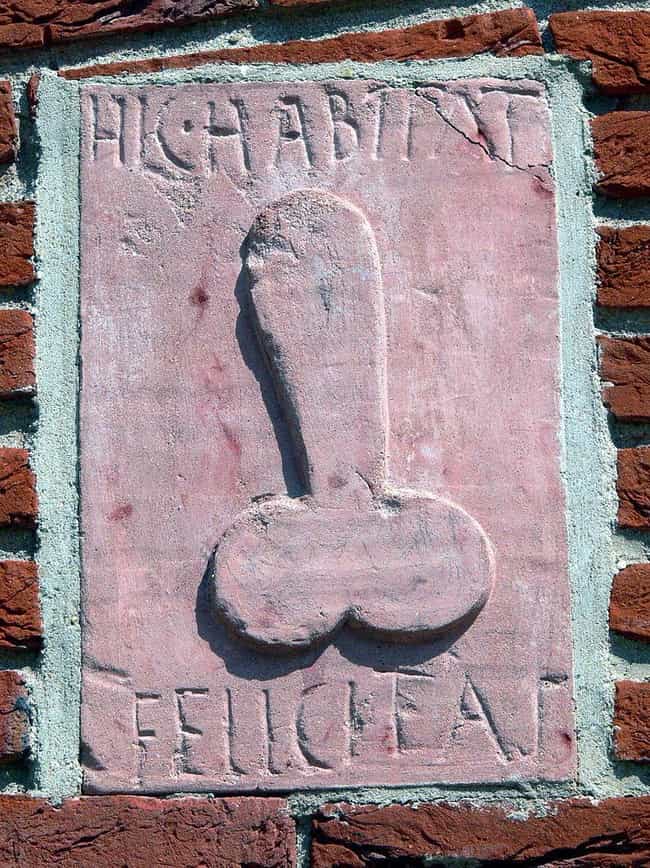
Tawdry Tuesday: Stood Up? Try a Sinister Replacement (Kind of NSFW)

Martial, Epigrams 11.72

“You always swear you will come to me, Lygdus, when I ask
And you promise a time and a place.

When I stretch out tense with prolonged excitement,
Often my left hand rushes in to replace you.

Liar! What should I beg for these deeds, these habits?
Lygdus—may you bear the umbrella of a one-eyed lady.”

Venturum iuras semper mihi, Lygde, roganti
constituisque horam constituisque locum.
cum frustra iacui longa prurigine tentus,
succurrit pro te saepe sinistra mihi.
5quid precer, o fallax, meritis et moribus istis?
umbellam luscae, Lygde, feras dominae.

And, to make this all a little more acceptable, here’s Martial on his choice of dicktion:

Epigrams, 3.69

“Because you write all your verses with nice words
There’s never a cock in your songs.
I admire this, I praise this. Nothing is holier than you alone.
But no page of mine lacks, well, lubrication.

Let nasty boys and easy girls read these poems then;
Let the old man who has a girlfriend to taunt him read them.
But, Cosconius, your holy and venerable words
Ought to be read by young boys and virgins.”

Omnia quod scribis castis epigrammata verbis
inque tuis nulla est mentula carminibus,
admiror, laudo; nihil est te sanctius uno:
at mea luxuria pagina nulla vacat.
haec igitur nequam iuvenes facilesque puellae,
haec senior, sed quem torquet amica, legat.
at tua, Cosconi, venerandaque sanctaque verba
a pueris debent virginibusque legi.

This poem reminds me of another where Martial defends himself by explaining that it is hard to write a poem without a penis. Harvesting from the garden of the Muses….

Bibliothèque nationale de France, Français 25526 (Roman de la Rose, France 14th century), fol. 160r.  What are these women picking?!
Bibliothèque nationale de France, Français 25526 (Roman de la Rose, France 14th century), fol. 160r.

Loving, Hating, and Self-Loathing, A Valentine

Ovid, Amores 2.4

“I will not be so bold as to defend my lying ways
or to lift false weapons for the sake of my sins.
I admit it—if there’s any advantage to confessing;
Insane now I confront the crimes I’ve confessed:
I hate, and though I want to, I can’t stop being what I hate.
Alas, how it hurts to carry something you long to drop!”

Non ego mendosos ausim defendere mores
falsaque pro vitiis arma movere meis.
confiteor—siquid prodest delicta fateri;
in mea nunc demens crimina fassus eo.
odi, nec possum, cupiens, non esse quod odi;
heu, quam quae studeas ponere ferre grave est!

I cannot read this poem without thinking of this one (Carm. 85):

“I hate and I love: you might ask why I do this–
I don’t know, but I see it happen and it’s killing me.

Odi et amo. quare id faciam, fortasse requiris.
nescio, sed fieri sentio et excrucior.

Anacreon, Fr. 428 (Hephaestion, Handbook on Meters)

“I love and again do not love
I am insane and yet sane too”

ἐρέω τε δηὖτε κοὐκ ἐρέω
καὶ μαίνομαι κοὐ μαίνομαι

Image result for medieval manuscript love
Royal_ms_14_e_iii_f156v

One Without a Greedy Heart: Horace’s Minor Madness

Horace, Epistles 2.118-125

“This mistake, this minor madness, still possesses
This many advantages—consider them. The poet is
Not one with a greedy heart. He loves his lines, and desires
This alone. He mocks lost money, the flight of slaves and fires
There’s no thought of fraud against his friend or his ward
He lives as well as thin gruel and dry bread can afford.
Although he’s slow and a bad soldier, he’s still of use,
If you believe this: that grand affairs are helped by small matters too.

Hic error tamen et levis haec insania quantas
virtutes habeat, sic collige. vatis avarus
non temere est animus; versus amat, hoc studet unum;
detrimenta, fugas servorum, incendia ridet;
non fraudem socio puerove incogitat ullam
pupillo; vivit siliquis et pane secundo;
militiae quamquam piger et malus, utilis urbi,
si das hoc, parvis quoque rebus magna iuvari.

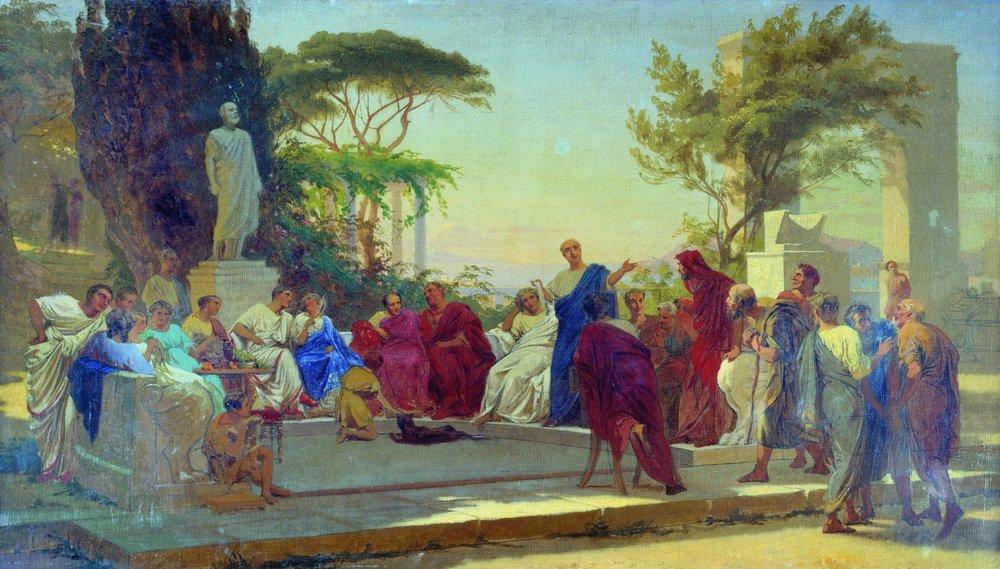
Horace reads before Maecenas, by Fyodor Bronnikov

The One Who Needs Forgiveness: Clytemnestra on Her Husband

Seneca, Agamemnon 260-267

“Aegisthus, why do you push me again into the deep
And re-kindle my rage which was just cooling down?
The victor has indulged himself a bit with a captive girl—
It befits neither a wife nor a mistress to acknowledge it.
The law for the throne is different from the one for a man’s bed.

Even with this, why does my mind not allow me
To bring the harsher laws to bear on my husband when I have been shamed?
It’s right for the one who needs forgiveness to grant it easily.”

Aegisthe, quid me rursus in praeceps agis
iramque flammis iam residentem incitas?
permisit aliquid victor in captam sibi:
nec coniugem hoc respicere nec dominam decet.
lex alia solio est, alia privato in toro.
quid, quod severas ferre me leges viro
non patitur animus turpis admissi memor?
det ille veniam facile cui venia est opus.

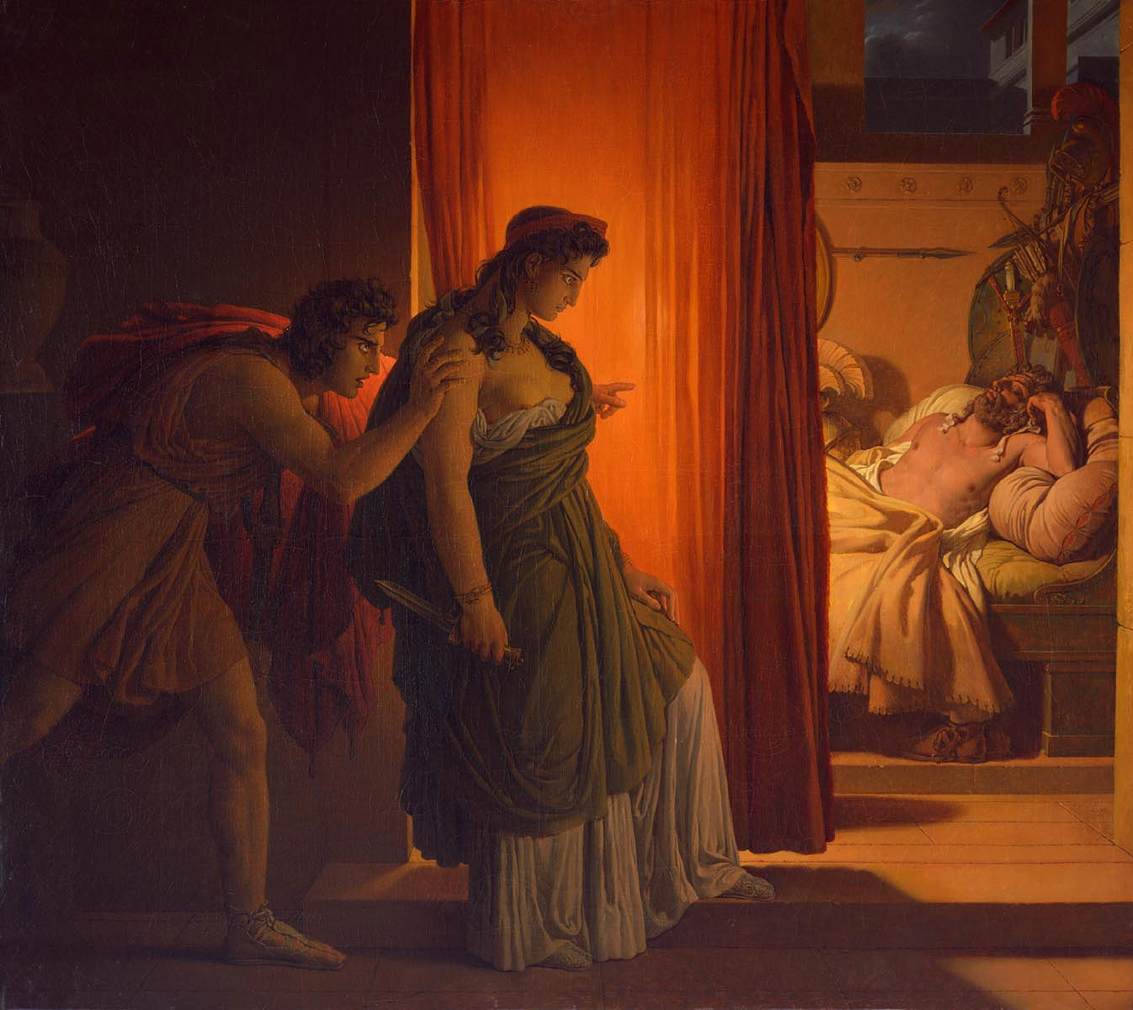
Image result for clytemnestra and agamemnon
Pierre-Narcisse Guérin – Clytemnestra and Agamemnon

The Fruitless Toil of Worry: Two Passages on Happiness

Horace, Odes 2.16 25-32

“The spirit which is happy for a single day
Has learned not to worry about what remains
And tempers bitter tastes with a gentle smile—
Nothing is blessed through and through.

A swift death stole famed Achilles away;
Drawn-out old age wore Tithonos down.
Perhaps some hour will hand to me
Whatever it has refused to you.”

laetus in praesens animus quod ultra est
oderit curare et amara lento
temperet risu; nihil est ab omni
parte beatum.

abstulit clarum cita mors Achillem,
longa Tithonum minuit senectus,
et mihi forsan, tibi quod negarit,
porriget hora.

Bacchylides, Processionals fr. 11-12

“There is one border, a single path to happiness for mortals—
When a person is able to keep a heart free of grief
Until the end of life. Whoever keeps a ten thousand
Affairs in their thoughts
Whoever tortures their heart
Night and day over what may come,
Has toil which brings no profit.”

εἷς ὅρος, μία βροτοῖσίν ἐστιν εὐτυχίας ὁδός,
θυμὸν εἴ τις ἔχων ἀπενθῆ δύναται
διατελεῖν βίον· ὃς δὲ μυρία
μὲν ἀμφιπολεῖ φρενί,
τὸ δὲ παρ᾿ ἆμάρ τε <καὶ> νύκτα μελλόντων
χάριν αἰὲν ἰάπτεται
κέαρ, ἄκαρπον ἔχει πόνον.

Image result for medieval manuscript happiness
BLMedieval Sloane MS 278, 1280-1300

Martial on His Summer Sleep Schedule

Epigrams 12.68

“Morning appointment–my reason for leaving the city–
If you knew better, you would visit more ambitious homes.
I am no lawyer, no man prepared for harsh suits,
I am a lazy and aging friend of the Muses.
Sleep and leisure make me happy—the very things
Which Rome denied me. But I’ll go back if I can’t sleep here.”

Matutine cliens, urbis mihi causa relictae,
atria, si sapias, ambitiosa colas.
non sum ego causidicus nec amaris litibus aptus,
sed piger et senior Pieridumque comes;
otia me somnusque iuvant, quae magna negavit
Roma mihi: redeo, si vigilatur et hic.

12.80

“Callistratus praises everyone so he may not praise the worthy.
What good can he be when he doesn’t think anyone’s bad?

Ne laudet dignos, laudat Callistratus omnes.
cui malus est nemo, quis bonus esse potest?

Image result for medieval manuscript summertime
St. Mark with a lion, BL Add MS 18852 

The Fruitless Toil of Worry: Two Passages on Happiness

Horace, Odes 2.16 25-32

“The spirit which is happy for a single day
Has learned not to worry about what remains
And tempers bitter tastes with a gentle smile—
Nothing is blessed through and through.

A swift death stole famed Achilles away;
Drawn-out old age wore Tithonos down.
Perhaps some hour will hand to me
Whatever it has refused to you.”

laetus in praesens animus quod ultra est
oderit curare et amara lento
temperet risu; nihil est ab omni
parte beatum.

abstulit clarum cita mors Achillem,
longa Tithonum minuit senectus,
et mihi forsan, tibi quod negarit,
porriget hora.

Bacchylides, Processionals fr. 11-12

“There is one border, a single path to happiness for mortals—
When a person is able to keep a heart free of grief
Until the end of life. Whoever keeps a ten thousand
Affairs in their thoughts
Whoever tortures their heart
Night and day over what may come,
Has toil which brings no profit.”

εἷς ὅρος, μία βροτοῖσίν ἐστιν εὐτυχίας ὁδός,
θυμὸν εἴ τις ἔχων ἀπενθῆ δύναται
διατελεῖν βίον· ὃς δὲ μυρία
μὲν ἀμφιπολεῖ φρενί,
τὸ δὲ παρ᾿ ἆμάρ τε <καὶ> νύκτα μελλόντων
χάριν αἰὲν ἰάπτεται
κέαρ, ἄκαρπον ἔχει πόνον.

Image result for medieval manuscript happiness
BLMedieval Sloane MS 278, 1280-1300

Some Roman Poets Sing the Spring

Horace, Ars Poetica 299-304

…”O, what a savage I am,
Who cleanse myself of bile for the coming of the season of spring!
No one else would make better poems. It is truly
Worth nothing. Therefore, I act in place of a whetstone,
Which can return to steel its edge, but is powerless to cut itself.”

…o ego laevus,
qui purgor bilem sub verni temporis horam!
non alius faceret meliora poemata: verum
nil tanti est. ergo fungar vice cotis, acutum
reddere quae ferrum valet, exsors ipsa secandi;

Vergil, Georgics 2.149-154

“Here, spring is endless and summer overtakes other months:
The flocks give birth twice a year; twice a year the trees have fruit.

hic ver adsiduum atque alienis mensibus aestas:
bis gravidae pecudes, bis pomis utilis arbos.

Ovid, Fasti 4.125-132

“And no time of the year was better fit for Venus than spring
In spring the lands shine, the fields are tender in spring,
The grains raises its heads through the broken earth
And the shoot drives its buds in swollen bark.

Gorgeous Venus is worthy of a gorgeous time,
As always, and goes hand in hand with Mars.
In spring she tells the curved ships to go
Over maternal seas because she no longer fears the winter.”

nec Veneri tempus quam ver erat aptius ullum:
vere nitent terrae, vere remissus ager,
nunc herbae rupta tellure cacumina tollunt,
nunc tumido gemmas cortice palmes agit.
et formosa Venus formoso tempore digna est,
utque solet, Marti continuata suo est:
vere monet curvas materna per aequora puppes
ire nec hibernas iam timuisse minas.

Propertius, 4.5.59-60

“While spring is in your blood, while your age is free of wrinkle,
Use it—just in case tomorrow takes the youth from your face.”

dum vernat sanguis, dum rugis integer annus,
60utere, ne quid cras libet ab ore dies

Image result for ancient roman seasons spring
Villa Dar Buc Ammera, Libya, Roman era mosaic of the four seasons

Tawdry Tuesday, Imperial Edition: F*ck or Fight? (NSFW)

Martial, Epigrams 11.20

“Creep, who looks upon Latin words with sad eyes,
Read by Augustus Caesar these six dirty lines:*

‘Because Antony fucks Glaphyra, Fulvia has assigned
This penality as mine: I need to fuck Fulvia too.
I should fuck Fulvia? What if Manius would beg
That I sodomize him? Would I? Probably not, if I were wise.
“But fuck, or let us fight” she says. But what—is my life
dearer than my dick?** Let the war-trumpets sound.’

Augustus, you endorse these charming little books for me
Since you know how to speak with such Roman honesty.”

Caesaris Augusti lascivos, livide, versus
sex lege, qui tristis verba Latina legis:
‘quod futuit Glaphyran Antonius, hanc mihi poenam
Fulvia constituit, se quoque uti futuam.
Fulviam ego ut futuam? quid si me Manius oret
pedicem? faciam? non puto, si sapiam.
“aut futue; aut pugnemus” ait. quid quod mihi vita
carior est ipsa mentula? signa canant!’
absolvis lepidos nimirum, Auguste, libellos,
qui scis Romana simplicitate loqui.

*There is doubt whether or not Augustus composed these lines. If he did, then, as the speculation goes, someone published them in a collection of Principis Epigrammata.

**I reversed the Latin sense of vita (in the ablative) and mentula (nominative) for what feels to me like a more natural expression in English.

While we are on (a) topic, here are some useful principal parts in Latin and Greek.

futuo, futuere, futui, futatus
βινέω, βινήσω, ἐβίνησα, βεβίνηκα, βεβίνημαι, ἐβινήθην

Image result for Ancient Roman dirty poems
ipsa mentula carior vita est?

Tawdry Tuesday: Stood Up? Try a Sinister Replacement (Kind of NSFW)

Martial, Epigrams 11.72

“You always swear you will come to me, Lygdus, when I ask
And you promise a time and a place.

When I stretch out tense with prolonged excitement,
Often my left hand rushes in to replace you.

Liar! What should I beg for these deeds, these habits?
Lygdus—may you bear the umbrella of a one-eyed lady.”

Venturum iuras semper mihi, Lygde, roganti
constituisque horam constituisque locum.
cum frustra iacui longa prurigine tentus,
succurrit pro te saepe sinistra mihi.
5quid precer, o fallax, meritis et moribus istis?
umbellam luscae, Lygde, feras dominae.

And, to make this all a little more acceptable, here’s Martial on his choice of dicktion:

Epigrams, 3.69

“Because you write all your verses with nice words
There’s never a cock in your songs.
I admire this, I praise this. Nothing is holier than you alone.
But no page of mine lacks, well, lubrication.

Let nasty boys and easy girls read these poems then;
Let the old man who has a girlfriend to taunt him read them.
But, Cosconius, your holy and venerable words
Ought to be read by young boys and virgins.”

Omnia quod scribis castis epigrammata verbis
inque tuis nulla est mentula carminibus,
admiror, laudo; nihil est te sanctius uno:
at mea luxuria pagina nulla vacat.
haec igitur nequam iuvenes facilesque puellae,
haec senior, sed quem torquet amica, legat.
at tua, Cosconi, venerandaque sanctaque verba
a pueris debent virginibusque legi.

This poem reminds me of another where Martial defends himself by explaining that it is hard to write a poem without a penis. Harvesting from the garden of the Muses….
Bibliothèque nationale de France, Français 25526 (Roman de la Rose, France 14th century), fol. 160r.  What are these women picking?!
Bibliothèque nationale de France, Français 25526 (Roman de la Rose, France 14th century), fol. 160r.