People are much more closely related to pigs than we knew before. A surprisingly convergent evolution of humans and pigs lies behind recent medical advances in organ transplantation. These show that pig organs are viable in humans and can extend life. The first successful application of this procedure, called xenotransplantation, occurred in 2021, but the first xenotransplant into a human with a chance of survival occurred in 2022 and it extended the patient’s life by two months.
It may be surprising that xenotransplantation using pig organs is a major breakthrough happening now in the 2020s, which should save the lives of thousands of people experiencing organ failure in the next decade. We have heard more news about organs grown from a patient’s own stem cells or about bioartificial organs—the 3-D printing of transplantation medicine.
Maybe there is something less appealing about xenotransplantation since there are fewer dazzling technological advances involved in it. Pig-to-human transplants turn off people who are committed, for a variety of reasons, to the radical separation of human beings from other animals or who regard xenotransplantation as taboo.
Xenotransplantation works because of the convergent evolution of humans and pigs, which is another area of recent scientific advancement. Some scholars are advocating for a new classification of pigs, bringing them closer to primates in taxonomy. The underlying similarity between the species means that gene therapy can be applied to pigs, altering the organs so that human bodies won’t reject them as long as the patient adheres to a regimen of potent anti-rejection immunosuppressive drugs.
In recent years there has been a sustained movement encouraging people to extend their sense of humanity and human rights to other great apes, at least, and further to primates in general. Convergent evolution with pigs raises the question whether this sense of rights and dignity could or should be extended to swine, also.

Figure 1: Pig-Man by the author’s nine-year-old daughter.
The convergent evolution seems clearer the longer you think about it. By nature, humans and pigs are similar in many superficial and fundamental ways. Among the superficial, there is notable variety in skin pigmentation and hair coverage. Among the more significant, the omnivorous diet, relatively high intelligence, aggression, and the maximal size of a well-fed adult all point to obvious similarities. I wonder if and for how long humans have perceived the close relationship between the species.
In ancient cultures extending from India to Britain, including Syria-Palestine, horses are considered closer in nature to human beings than any other animal. In traditional stories, horses sometimes speak and have heroic genealogies like humans do, and in rituals they sometimes take the place of humans or are honoured in human-style burials. Scholars have referred to this as a human-horse ontological overlap. Looking at the body of traditional stories, can we find evidence of a human-pig ontological overlap and how precisely are pigs configured in their relationship to humanity? Could myths involving humans and pigs demonstrate a human intuition of the convergent evolution of the species?
The most famous example of humans becoming pigs comes from the Homeric Odyssey, usually dated to the beginning of the seventh century BCE. Odysseus, lost with his henchmen in an unknown world, visits the island Aiaia, ruled over by the goddess Circe. She is a deadly goddess, who uses her powers, in the form of drugs, to harm people. The adventure on Circe’s island is one of a series where Odysseus and his men encounter threats to their safe return to Ithaca. The threat here is not immediate death, but rather the insult of being turned into pigs, who are food animals, and being trapped forever on Aiaia, awaiting some future feast where they would be cooked and served.
The transformation is because of Circe’s divine power not because of an underlying homology between humans and pigs. It highlights the appropriateness of pork as human food and the horror of being transformed into a dietary staple. Pork is characteristic of ancient Greek foodways and the heroic diet of the Odyssey is an idealization of Late Bronze Age Mycenaean food culture, such as is depicted on this boar-hunting fresco from Tiryns and in numerous Mycenaean texts that mention pigs.

Figure 2: Detail of terracotta calyx-krater, ca. 440 BCE, showing Odysseus moving to attack Circe while his companions undergo transformation into pigs and other animals, and reach out to him in despair. Metropolitan Museum of Art 41.83. Public Domain.
Significant for us is that the text of the Odyssey contemplates the pig-man, as the vase-painting above also does. These works imagine a hybrid pig-human being and a shared nature between humans and pigs. The vase painter, working at least two hundred years later than the date of the Odyssey, innovates in the tradition of this story by having Circe transform men into pigs and horses.
Reading the Odyssey, we are horrified and disturbed by the detail that, once transformed, Odysseus’s companions retain their human intelligence and so can perceive their grim fate, rather than dying, intellectually, in the transformation (Od. 10.237-243).
αὐτὰρ ἐπεὶ δῶκέν τε καὶ ἔκπιον, αὐτίκ᾽ ἔπειτα
ῥάβδῳ πεπληγυῖα κατὰ συφεοῖσιν ἐέργνυ.
οἱ δὲ συῶν μὲν ἔχον κεφαλὰς φωνήν τε τρίχας τε
καὶ δέμας, αὐτὰρ νοῦς ἦν ἔμπεδος, ὡς τὸ πάρος περ.
ὣς οἱ μὲν κλαίοντες ἐέρχατο, τοῖσι δὲ Κίρκη
πάρ ῥ᾽ ἄκυλον βάλανόν τε βάλεν καρπόν τε κρανείης
ἔδμεναι, οἷα σύες χαμαιευνάδες αἰὲν ἔδουσιν.
Now, when she gave and they drank the cocktail, straightaway
she struck them with her magic wand and penned them up in the pigsty.
Then they took on the faces, voice, hair, and skin of pigs!
Their minds remained sound, however, as they had been before.
Thus were these men confined as they squealed,
and Circe tossed them acorn nuts and cherry fruit to eat,
such things as pigs are always eating, after rooting the ground.
A period of several hours elapses during which Circe becomes favorable towards Odysseus and we learn that the human nature of the pig-men is recoverable. Hinting at the importance of pork as food, Odysseus will not eat what Circe serves him until she restores the men to their humanity. When they are transformed back into men they grieve the trauma of their lives as pigs but they are younger, taller, more handsome and healthier than they were before. This is a typical way that Homeric epic communicates divine favour for mortals but it is a revealing detail for our present concerns.

Figure 3: Wall painting fragments with a representation of a wild boar hunt. From the later Tiryns palace. National Archaeological Museum, Athens. Photo by I, Sailko. Creative Commons Attribution 2.5 Generic license.
Odysseus asks that the pigs have their humanity restored, but upon becoming men again their humanity is improved by the standards of the text, which values youth, height, and good looks as indices of well-being (Od. 10.388-396).
[…] Κίρκη δὲ διὲκ μεγάροιο βεβήκει
ῥάβδον ἔχουσ᾽ ἐν χειρί, θύρας δ᾽ ἀνέῳξε συφειοῦ,
ἐκ δ᾽ ἔλασεν σιάλοισιν ἐοικότας ἐννεώροισιν.
οἱ μὲν ἔπειτ᾽ ἔστησαν ἐναντίοι, ἡ δὲ δι᾽ αὐτῶν
ἐρχομένη προσάλειφεν ἑκάστῳ φάρμακον ἄλλο.
τῶν δ᾽ ἐκ μὲν μελέων τρίχες ἔρρεον, ἃς πρὶν ἔφυσε
φάρμακον οὐλόμενον, τό σφιν πόρε πότνια Κίρκη:
ἄνδρες δ᾽ ἂψ ἐγένοντο νεώτεροι ἢ πάρος ἦσαν,
καὶ πολὺ καλλίονες καὶ μείζονες εἰσοράασθαι.
[…] Circe stepped out of the palace
carrying her magic wand in her hand, and opened the doors
of the pigsty. She drove them out, in the appearance of fatted boars.
They then stood in front of her while she, approaching
one by one, anointed each with some other drug.
They shed the bristles from their limbs that the baneful
drug had caused earlier, which the goddess Circe gave them.
They turned back into men, younger than they had been before,
more handsome by far, and taller in appearance.
A human magically becomes a pig but full humanity, even improved human life, is possible after the ordeal. Through the intervention of magic drugs, human nature can become pig nature. Someone can be both pig (outside) and human (inside) and then their humanity can be enhanced after the porcine experience. The story reminds us of xenotransplantation since it promises improved health for some patients by bringing pig nature closer to human nature through gene therapy, and by compelling human nature to accommodate pig nature through anti-rejection drugs.
In the Odyssey the pig-man is an icon of the horror of losing one’s humanity and identity only to become food for men. Pork is very good food for humans that restores their strength but this connection between the species is idealized as one-sided, while failure and death are equated with becoming a pig. There is an unusual silver lining in this adventure, where the crew’s encounter with a deadly threat and with dehumanizing transformation leads ultimately to their improved condition through the magical and mundane interventions of Circe. In addition to the improved humanity of the crew, she hosts and feasts Odysseus and his men for a year before sending them on their way, at Odysseus’s request. Some good things come from this adventure but the audience’s overall impression is one of narrow escape from humiliating death, like in so many other stories in the Odyssey.
The Biblical story of the Gerasene demoniac, whose fullest and earliest account comes from the Gospel of Mark, ordinarily dated to the late first century CE, contains a contemplation of the relationship between the human mind and the porcine mind. The demons—minor deities in league with Satan—who call themselves ‘Legion’ in the story are causing great suffering to the man they possess. Jesus threatens to cast the demons out and they plead with him to be cast, rather, into a nearby herd of swine, and Jesus complies (Mark 5:11-13).
(11) Ἦν δὲ ἐκεῖ πρὸς τῷ ὄρει ἀγέλη χοίρων μεγάλη βοσκομένη· (12) καὶ παρεκάλεσαν αὐτὸν λέγοντες· πέμψον ἡμᾶς εἰς τοὺς χοίρους, ἵνα εἰς αὐτοὺς εἰσέλθωμεν. (13) καὶ ἐπέτρεψεν αὐτοῖς. καὶ ἐξελθόντα τὰ πνεύματα τὰ ἀκάθαρτα εἰσῆλθον εἰς τοὺς χοίρους, καὶ ὥρμησεν ἡ ἀγέλη κατὰ τοῦ κρημνοῦ εἰς τὴν θάλασσαν, ὡς δισχίλιοι, καὶ ἐπνίγοντο ἐν τῇ θαλάσσῃ.
(11) Now there happened to be a great herd of swine feeding on the hillside; (12) and the impure spirits called out to Jesus and said: “Send us into the swine so that we may enter them.” (13) So, he acceded to their request. And the impure spirits, leaving the man, entered into the swine, and the herd of about 2000 rushed down the steep hill into the sea, and they were drowned in the sea.
Jesus magically removes the demons from the man’s mind, freeing him from a horrific mental illness. He then places the demons in the minds of the pigs, who promptly commit suicide by running into the sea.
This well-known story suggests something new about the human-pig overlap. The minds of humans and pigs are similar enough to allow pigs to be possessed by demons the way humans are. One might think that there are Biblical stories about demons possessing all kinds of animals, but there aren’t. What do the demons want? It seems they want to torment the man to death, that is, until he commits suicide. Jesus saves the man from this fate. When Legion takes up residence in the herd of swine, the demons easily produce their desired result, which is death. Can the death of pigs satisfy the demons’ desire for death, presumably including the consignment of beings to their master, Satan? Apparently so. They want the pigs’ death as some kind of consolation prize. Does this mean pigs have souls that the demons can exploit for their purposes? Here we have come to an ontological overlap between the species. The story suggests that the metaphysical nature of humans and pigs is similar. We and they can similarly suffer possession by demons.
Ancient Celtic peoples have some positive associations between humans and pigs. Pigs were the most sought-after festive food in Celtic society, as many Iron Age middens of ritually butchered pig bones demonstrate (Aldhouse-Green 199). The Druids who oversaw these rituals were sometimes called ‘swine.’ The idea linking the priests and pigs is their shared dedication to oak trees. Acorns are a preferred food among pigs and the Druids considered oaks sacred and powerful. The diet of pigs rendered them sacred also, and it is this nature, the holy eater of acorns, that the priests invoke in their ‘swine’ titles. The connection between the species seems to be that, in religious devotion, some humans become more like pigs in a positive way. Pigs are religious, like humans, because they love oak trees.
Another pig-man worthy of attention is the spirit Zhu Bajie, ‘The Eight Precepts Pig,’ of Chinese and Taiwanese religion. He is a spirit honoured in this pantheon, but especially by people who practice trades thought to be morally dubious and on the margins of society, such as prostitution and gambling. He accepts offerings of liquor, flowers, food (but never pork), and displays of nudity in front of his statue.
While he is the patron god of vices and those who profit from them, he also appears in mainstream contexts where people risk over-consumption. An illustration of the mainstream recognition of Zhu Bajie is a nursery rhyme that warns children about over-eating.
豬 掙 大,
狗 掙 壞,
人 仔 掙 成 豬 八 戒!
Stuffed pigs get fat,
Stuffed dogs go bad,
Stuffed little kids become Mr. Horny Hog (Zhu Bajie)!
The tales of Zhu Bajie associate part of human nature with pigs. Human compulsion, addiction, lust, and fun-seeking are linked with the voraciousness of pigs, and personified by Zhu Bajie. Humans and pigs are not the same, but in our compulsive drive for pleasure, the human and the pig unite. Zhu Bajie’s pig-human hybridity is not the result of a temporary transformation, as in the ancient Greek story, but rather is the essence and appearance of Zhu Bajie. He’s a permanent pig-man.
This spirit features prominently as a dynamic, well-rounded, humanized character in the 16th-century Taiwanese novel Journey to the West by Wu Cheng’en, which has been adapted for film several times in the last twenty years. These have popularized Zhu Bajie beyond Taiwan and China, especially through toys associated with the films.
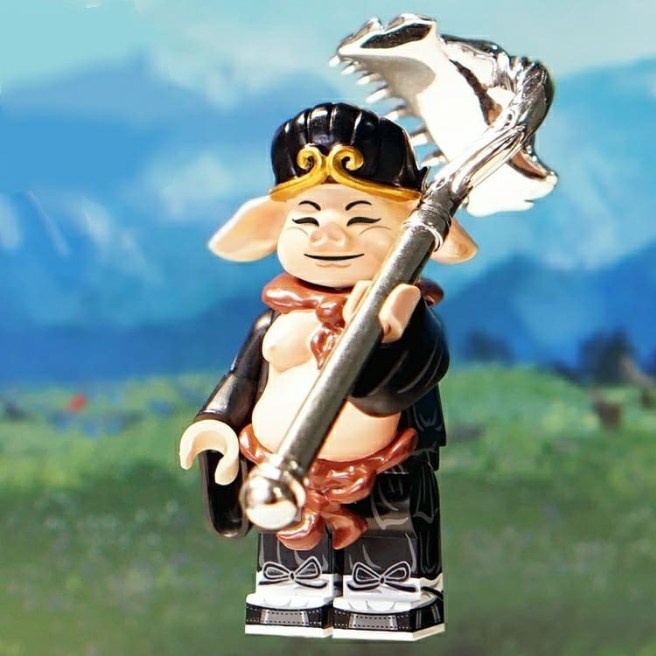
Figure 4: Custom made Zhu Bajie Lego toy by Loot A Brick, Singapore, reprinted with permission from Loot A Brick.
Some of the stories we’ve reviewed here are negative, frightening imaginings of the shared nature of humans and pigs, while others are affirmative, associating necessary aspects of human life, such as our drives for food or sex, with a piggish nature. The ones involving transformation or transference suggest an easy transit from human to pig and back again, while Zhu Bajie and the acorn-eating pigs of the Druids reveal a positive assessment of the shared habits of humans and pigs. All these stories lead us to a greater understanding of our real shared nature, our actual convergent evolution, which permits pigs to be viable organ donors to human patients.
Many cultures in the past seem to have recognized the kinship of people and pigs. The ancient Greek and Biblical stories are designed to create sympathy for the human victims and antipathy towards the magical figures who attack them—Circe and the demons. The Celtic and Chinese stories posit human sympathy and identity with the pig, as part of our nature. Maybe these ancient stories can prompt us to extend our modern sympathies to pigs, as those who can suffer like us, can desire like us, and who have suffered in the service of humanity for millennia. Now, the fact that we share so much of our nature with pigs is serving and saving us yet again, in an unexpected way.
Bibliography
Aldhouse-Green, M. Caesar’s Druids: Story of an Ancient Priesthood, New Haven, Yale University Press, 2010.
Australian Academy of Science. “The Similarities Between Humans and Pigs.” 12 April 2017. https://www.science.org.au/curious/people-medicine/similarities-between-humans-and-pigs
Platte, Ryan. Equine Poetics, Washington, D.C., Center for Hellenic Studies, 2017.
Recht, L. The Spirited Horse: Equid-Human Relations in the Bronze Age Near East. London: Bloomsbury.
Reardon, S. “First Pig-to-Human Heart Transplant: What Can Scientists Learn?” Nature 601, 14 January 2022. https://www.nature.com/articles/d41586-022-00111-9
Kevin Solez, PhD
Humanities Instructor, University Transfer, Portage College, Lac la Biche, Canada (kevin.solez@portagecollege.ca)
Ms. Sydney Yuen, M.A., provided the text and translation of the Zhu Bajie nursery rhyme.
Kevin Solez composed this essay in honour of the seventy-seventh birthday of his father, Dr. Kim Solez, M.D., Professor of Pathology at the University of Alberta and co-founder of the Banff Classification of Kidney Transplant Pathology.
Like this:
Like Loading...


.jpg)
