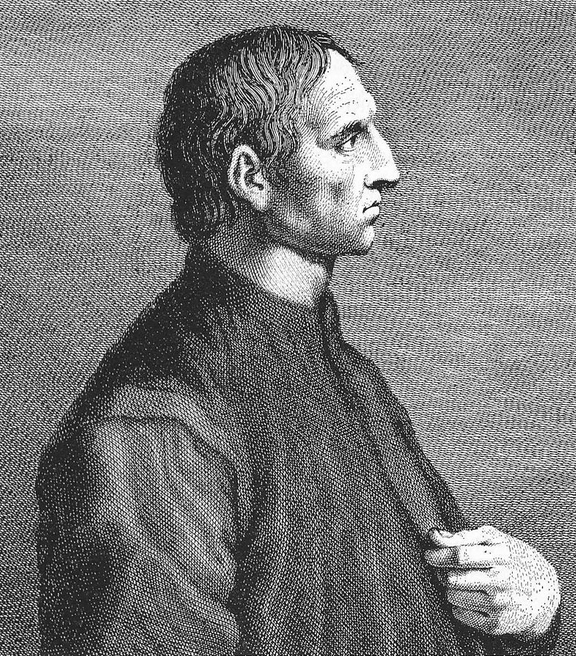
Paging Dr. Isidore

Isidore of Seville, Etymologies 6.14 (go here for the full text):

Previously, librarii were called bibliopolas, because the Greeks call a book a biblion. The same people are called both librarii and antiquarians, but librarii are those who copy out both old and new things, while antiquarians are those who write out only the old, from which fact they derive their name. The scribe has received this name from writing (scribendo), expressing their duty with the quality of the word.

The scribe’s tools are the reed and the quill, because it is from these tools that words are fashioned on the page. But the reed comes from a plant, while the quill comes from a bird; its tip is divided into two, with its unity preserved throughout its whole form. I think that this is on account of the mystery rite and signifies the Old and New Testaments on its two points, by which the sacramen of the word is expressed as it pours forth from the blood of the Passion.

The reed (calamus) is so called because it lays down its liquid. For this reason, among sailors the word calare means “to set down”. The quill (penna) however, gets its name from hanging (pendendo), that is to say, from flying. It is, as I have said, proper to birds.

The sheets (foliae) of books are so called either from their similarity to the leaves of trees, or because they are made from folles, that is, from the hides which are typically taken from slain animals. The parts of these are called pages (paginae) because they are joined together (compingantur) in turn.

Verses are so called by the common people because the ancients used to write in the same way that they ploughed the land. At first, they drew the stylus from left to right, and then they turned it around on the following line, and then the succeeding line was again written from left to right. Rustic people still call these things verses. A scheda is a page which is still being corrected and not yet put back into the books. This is a Greek word, just like tomus.
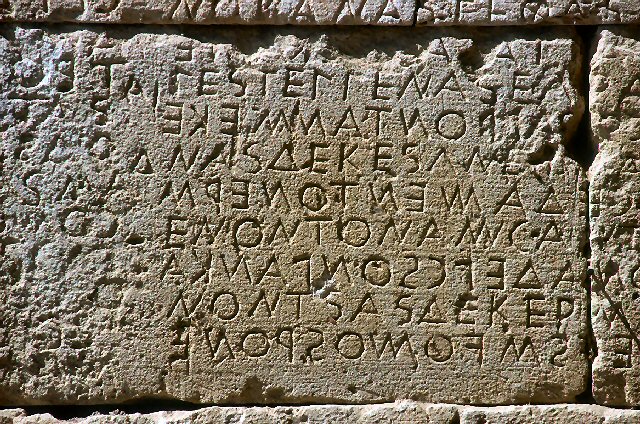
Boustrophedon - Wikimedia Commons
An example of the boustrophedon mode of writing which Isidore describes here.

DE LIBRARIIS ET EORVM INSTRVMENTIS. Librarios antea bibliopolas dictos. Librum enim Graeci BIBLON vocant. Librarii autem iidem et antiquarii vocantur: sed librarii sunt qui et nova scribunt et vetera; antiquarii, qui tantummodo vetera, unde et nomen sumpserunt. Ab scribendo autem scriba nomen accepit, officium exprimens vocabuli qualitate. Instrumenta scribae calamus et pinna. Ex his enim verba paginis infiguntur; sed calamus arboris est, pinna avis; cuius acumen in dyade dividitur, in toto corpore unitate servata, credo propter mysterium, ut in duobus apicibus Vetus et Novum Testamentum signaretur, quibus exprimitur verbi sacramentum sanguine Passionis effusum. Dictus autem calamus quod liquorem ponat. Vnde et apud nautas calare ponere dicitur. Pinna autem a pendendo vocata, id est volando. Est enim, ut diximus, avium. Foliae autem librorum appellatae sive ex similitudine foliorum arborum, seu quia ex follibus fiunt, id est ex pellibus, qui de occisis pecudibus detrahi solent; cuius partes paginae dicuntur, eo quod sibi invicem conpingantur. Versus autem vulgo vocati quia sic scribebant antiqui sicut aratur terra. A sinistra enim ad dexteram primum deducebant stilum, deinde convertebantur ab inferiore, et rursus ad dexteram versus; quos et hodieque rustici versus vocant. Scheda est quod adhuc emendatur, et necdum in libris redactum est; et est nomen Graecum, sicut et tomus.

Sergius, Victor Over Fortune

Pliny, Natural History 7.104-106

“Even though the great accomplishments of Sergio’s virtue are clear in these deeds, the impact of fortune is greater. I do not think that anyone can justly rank any person higher than Marcus Sergius—even with his great-grandson Catiline undermining his name.

Sergius lost his right hand in his second expedition; in two campaigns he received twenty-three wounds and even though he was disabled in both hands and both feet, his spirit was still whole and he still served on many campaigns despite his disabilities. He was captured twice by Hannibal—for he was no regular enemy at all—and escaped twice from his chains even though he was guarded in bonds or shackles every day for 20 months.

He fought only with his left hand four times and had two horses he was riding on killed under him. He made an iron right had for himself and with that tied on, he ended the siege at Cremona, rescued Placentia, and seized twelve hostile camps in Gaul. All these exploits are told in his speech during his quaestorship when his senatorial colleagues wanted to expel him from the sacrifices because he was disabled—this man who would have made a heap of wreaths had he faced a different enemy. How much a difference the times in which your virtue emerges matters! What civic rewards were offered by Trebbia, Ticinus or Trasimine? What crowns were earned after Cannae, where the greatest virtue was flight? Others were victors over men, only Sergius conquered fortune.”

Verum in his sunt quidem virtutis opera magna, sed maiora fortunae: M. Sergio, ut equidem arbitror, nemo quemquam hominum iure praetulerit, licet pronepos Catilina gratiam nomini deroget. secundo stipendio dextram manum perdidit, stipendiis duobus ter et vicies vulneratus est, ob id neutra manu, neutro pede satis utilis, animo tantum salvo, plurimis postea stipendiis debilis miles. bis ab Hannibale captus—neque enim cum quolibet hoste res fuit—,bis vinculorum eius profugus, in viginti mensibus nullo non die in catenis aut compedibus custoditus. sinistra manu sola quater pugnavit, duobus equis insidente eo suffossis. dextram sibi ferream fecit, eaque religata proeliatus Cremonam obsidione exemit, Placentiam tutatus est, duodena castra hostium in Gallia cepit, quae omnia ex oratione eius apparent habita cum in praetura sacris arceretur a collegis ut debilis, quos hic coronarum acervos constructurus hoste mutato! etenim plurimum refert in quae cuiusque virtus tempora inciderit. quas Trebia Ticinusve aut Trasimenus civicas dedere? quae Cannis corona merita, unde fugisse virtutis summum opus fuit? ceteri profecto victores hominum fuere, Sergius vicit etiam fortunam

Image result for roman iron hand

As the amazing Dr. Liv Yarrow recently let me know, there is a coin commemorating Sergius. Check out her post. She also wrote an awesome follow-up.

The Sickness of the Soul: Cicero on Irrational Hate

Cicero, Tusculan Disputations 5.25-6 (Full text on the Scaife viewer)

“Furthermore, for these things it is believed that their opposites are born from fear, just as in hatred of women as in the Misogunos of Atilius or that against the whole race of humankind which we have heard that Timon who is called the Misanthrope felt or even being inhospitable.

All these diseases of the soul develop from a special fear of those things which people fear and then hate. They define a disease of the soul, moreover, as a vehement belief about a thing which is not desired even though it is anticipated powerfully, a belief which is constant and deeply held.”

Quae autem sunt his contraria, ea nasci putantur a metu, ut odium mulierum, quale in Μισογύνῳ Atilii1 est, ut in hominum universum genus, quod accepimus de Timone, qui μισάνθρωπος appellatur, ut inhospitalitas est: quae omnes aegrotationes animi ex quodam metu nascuntur earum rerum, quas fugiunt et oderunt. Definiunt autem animi aegrotationem opinationem vehementem de re non expetenda, tamquam valde expetenda sit, inhaerentem et penitus insitam.

Royal 15 D V   f. 107v
2nd half of the 15th century, Royal MS 15 D V, f. 107v

Gratitude for a Recovery

Greek Anthology 6.300, Leonidas [Lathria = Aphrodite]

“Lathrian, please take this from the wanderer, the pauper,
The man of little flour, Leonidas, as thanks:
Moist cakes of barely and well-stored olive oil,
Along with this green fig straight from the tree.
Lady, take these five grapes from a cluster good for wine
And this final libation from the bottom of the cup.
And if you save me from hateful poverty as you saved me
From sickness, expect a young goat too.”

Λαθρίη, ἐκ πλανίου ταύτην χάριν ἔκ τε πενέστεω
κἠξ ὀλιγησιπύου δέξο Λεωνίδεω,
ψαιστά τε πιήεντα καὶ εὐθήσαυρον ἐλαίην,
καὶ τοῦτο χλωρὸν σῦκον ἀποκράδιον,
κεὐοίνου σταφυλῆς ἔχ᾿ ἀποσπάδα πεντάρραγον,
πότνια, καὶ σπονδὴν τήνδ᾿ ὑποπυθμίδιον.
ἢν δέ μέ γ᾿, ὡς ἐκ νούσου ἀνειρύσω, ὧδε καὶ ἐχθρῆς
ἐκ πενίης ῥύσῃ, δέξο χιμαιροθύτην.

File:Greek - Oinochoe in the Camirus, or "Wild Goat" Style - Walters 482108 - Detail.jpg
“Wild Goat Style”

Cometas Scholasticus, Greek Anthology 9.597

“I was struck immobile from my hips to the bottom of my feet
Completely denied my life’s work for so long,
Halfway between life and death, Hades’ neighbor,
Merely breathing, but a corpse in every other way.
But wise Philippos, whom you view in the picture,
Brought me back to life by healing the dread disease.
And Antoninus walks on the earth again as before!
I tread on it with my feet and I feel whole.”

Νωθρὸς ἐγὼ τελέθεσκον ἀπ᾿ ἰξύος ἐς πόδας ἄκρους
τῆς πρὶν ἐνεργείης δηρὸν ἀτεμβόμενος,
ζωῆς καὶ θανάτοιο μεταίχμιον, Ἄϊδι γείτων,
μοῦνον ἀναπνείων, τἄλλα δὲ πάντα νέκυς.
ἀλλὰ σοφός με Φίλιππος, ὃν ἐν γραφίδεσσι δοκεύεις,
ζώγρησεν, κρυερὴν νοῦσον ἀκεσσάμενος·
αὖθις δ᾿ Ἀντωνῖνος, ἅπερ πάρος, ἐν χθονὶ βαίνω:
καὶ ποσὶ πεζεύω, καὶ ὅλος αἰσθάνομαι.

No Kidding!

Bartolomeo Scala, Whether a Wise Man Should Take a Wife (11):

Yet I think that it is pleasant to raise at home an heir, a palliative and comforter to the sufferings of old age. But there can be no better or more pleasant heirs than friends, whom you select – not ones whom you are compelled to have whether you will or not. Moses and Samuel preferred others to their own children, and they did not consider as their own children the ones whom they observed to be displeasing to God.

Though one hopes for the solaces of old age, most frequently we are objects of hatred, and people rejoice that we are dead more than they take comfort in our lives. I don’t want to follow up all of the inconveniences of having children, lest I become prolix and seem to write books to you rather than mere letters, especially since there are many things left which my little discourse here is hastening on to.

Bartolomeo Scala - Wikidata

Suave tamen credo est domi nutrire heredem senectutisque malorum levamen ac solatium. Sed nulli meliores ac suaviores esse possunt heredes quam amici, quos eligas, non quos velis nolis habere cogaris. Moses quoque ac Samuel filiis suis alios praetulerunt, nec habuerunt pro liberis quos ingratos esse Deo animadverterunt. Solatia vero cum exoptantur senectutis, frequentissime odio sumus, mortuosque magis gauderent quam vivos consolarentur. Nolo persequi omnes filiorum incommoditates ne sim longior et librum potius componere quam epistolam scribere ad te videar, praesertim cum multa restent ad quae festinat oratio.

Spit it Out: Expectoration for Your Special Occasion

Remember last year when someone spitting at people was major news?

Demosthenes, De Corona 200 (Full text on the Scaife viewer)

“Who wouldn’t have spat in your face?”

τίς οὐχὶ κατέπτυσεν ἂν σοῦ;

Tertullian, Apologeticus 8-9 (Full text on the Scaife viewer)

“The Attic sex-worker, once the torturer was finally worn out, chewed threw her own tongue and spat it out at the face of the angry tyrant—that is, she spat out her voice too so that she would not be able to expose her conspirators if she was overcome…”

Attica meretrix carnifice iam fatigato postremo linguam suam comesam in faciem tyranni saevientis exspuit, ut exspueret et vocem, ne coniuratos confiteri posset, si etiam victa voluisset.

Plutarch, Moralia 1088b (Full text on the Scaife viewer)

“Metrodoros says ‘I have often spat on the pleasures of the flesh.’ ”

Μητρόδωρος μὲν λέγων ὅτι ‘πολλάκις προσεπτύσαμεν ταῖς τοῦ σώματος ἡδοναῖς,’

Nossis, Greek Anthology 5.170

“Nothing is sweeter than sex. All blessings are second to this.
I spat even honey from my mouth.”

Ἅδιον οὐδὲν ἔρωτος· ἃ δ᾽ ὄλβια, δεύτερα πάντα
ἐστίν· ἀπὸ στόματος δ᾽ ἔπτυσα καὶ τὸ μέλι.

LSJ 1902

Spit LSJ

Pseudo-Lucian, Lucius or the Ass

“But when she saw that I was wholly human, she spat at me, saying “Won’t you fuck off from me and my house and only sleep somewhere far away?”

ἡ δὲ ἐπειδὴ εἶδέ με πάντα ἀνθρώπινα ἔχοντα, προσπτύσασά μοι, Οὐ φθερῇ ἀπ᾿ ἐμοῦ, ἔφη, καὶ τῆς ἐμῆς οἰκίας καὶ μακράν ποι ἀπελθὼν κοιμήσῃ;

Plutarch, Phocion 36 (Full text on the Scaife viewer)

“One of them came right up to him and spat at him.”

εἷς δὲ καὶ προσέπτυσεν ἐξεναντίας προσελθών.

Beekes 2010

SPIT Beekes

Select Papyri, P Gurob. 2

“Woman, you were at that place with Kallipos…and you were insulting me, claiming that I had said to certain people that…When I was insulting you in turn, you spat on me….and took my collar…so I am suing you for assault for 200 drachmae.”

, παρα]γενομένη εἰς τὸν τόπον τοῦτον μετὰ Καλλίππου τοῦ . . . . . . . . . αν . . . . . ου ἐλοιδόρησας φαμένη με εἰρηκέναι πρός τινας δι[ότι – – -] γυναῖκα, ἐμοῦ δέ σε ἀντιλοιδοροῦντος οὕτως ἔπτυσας [- – -] καὶ λαβομέ[νη μ]ου τῆς ἀναβολῆς τοῦ ἱματίου – – – διὸ δικάζομαί σοι κατα-27[. . . . . . . . . . . . ὕ]βριν (δραχμῶν) σ. τίμημα τῆς δίκης (δραχμαὶ) [.

Diogenes Laertius, Aristippos 2.8

“When someone was criticizing him for spending too much on meals, he said “Wouldn’t you have purchased the same for three obols?” When the man said he would, Aristippos said, “Ok, I am not a hedonist; you are a money-grubber.”

At a different time, Simos, who was Dionysius’ steward, a Phrygian and a nasty fellow too, was showing him expensive houses with fine tile work. When Aristippos coughed and spat in his face and he resented it, the man replied, “I didn’t have any more appropriate a place.”

τὸν ὀνειδίσαντα αὐτῷ πολυτελῆ ὀψωνίαν ἔφη, “σὺ δ᾿ οὐκ ἂν τριωβόλου ταῦτ᾿ ἐπρίω;” ὁμολογήσαντος δέ, “οὐκέτι τοίνυν,” ἔφη, “φιλήδονος ἐγώ, ἀλλὰ σὺ φιλάργυρος.” Σίμου ποτὲ τοῦ Διονυσίου ταμίου πολυτελεῖς οἴκους αὐτῷ καὶ λιθοστρώτους δεικνύντος—ἦν δὲ Φρὺξ καὶ ὄλεθρος—ἀναχρεμψάμενος προσέπτυσε τῇ ὄψει· τοῦ δ᾿ ἀγανακτήσαντος, “οὐκ εἶχον,” εἶπε, “τόπον ἐπιτηδειότερον.

Diogenes Laertius, Anaxarchus 9.10

“He never forgot the slight. After the king’s death when Anaxarchus was sailing and was forced to land on Cyprus, Nicocreon had him arrested and placed him on a mortar, ordering that he be pounded to death with iron pestles.

But he, not giving a shit about the punishment, uttered that famous saying, “You pound the bag of Anaxarchus but you do not pound Anaxarchus.” When Nicocreon ordered his tongue to be cut off, the story is that he bit it off and spat it at him.”

ὁ δὲ μνησικακήσας μετὰ τὴν τελευτὴν τοῦ βασιλέως ὅτε πλέων ἀκουσίως προσηνέχθη τῇ Κύπρῳ ὁ Ἀνάξαρχος, συλλαβὼν αὐτὸν καὶ εἰς ὅλμον βαλὼν ἐκέλευσε τύπτεσθαι σιδηροῖς ὑπέροις. τὸν δ᾿ οὐ φροντίσαντα τῆς τιμωρίας εἰπεῖν ἐκεῖνο δὴ τὸ περιφερόμενον, “πτίσσε τὸν Ἀναξάρχου θύλακον, Ἀνάξαρχον δὲ οὐ πτίσσεις.” κελεύσαντος δὲ τοῦ Νικοκρέοντος καὶ τὴν γλῶτταν αὐτοῦ ἐκτμηθῆναι, λόγος ἀποτραγόντα προσπτύσαι αὐτῷ.

‘A’ is for…Fire, Blood, and Laughter

Four Proverbs from Zenobius

1.33 “Burning robe”: [a proverb] applied to those who attack, and destroy, and make slander. For the story is told that Deianeira sent Herakles the robe by which he died because he was being burned up.”

Αἰθὴς πέπλος: ἐπὶ τῶν ὑπεκκαιόντων καὶ φθειρόντων καὶ διαβολὰς ποιούντων· εἴρηται δὲ παρόσον ἡ Δηϊάνειρα πέπλον ἔπεμψεν ῾Ηρακλεῖ, ὑφ’ οὗ καυθεὶς ἐφθάρη.


1.31 “to weep blood. Hyperbole, to weep not tears but blood.”

Αἵματι κλαίειν: κατὰ ὑπερβολὴν, οὐ δάκρυσιν ἀλλ’ αἵμασι κλαίειν.


1.43 “Aianteian laugh: [a proverb] applied to those who laugh madly. For Ajax started to become deranged and went made over the fact that Odysseus was preferred in honors over him in the awarding of the arms of Achilles. He rushed at the Greeks with his sword in hands and once he was turned against the animals thanks to divine care, he attacked them thinking they were the Greeks. He grabbed the biggest rams, tied them up, and tortured them. He laughed over them because he was insane. Later, when he came to his right mind, he killed himself.”

Αἰάντειος γέλως: ἐπὶ τῶν παραφρόνως γελώντων. ῾Ο Αἴας γὰρ παραφροσύνην νοσήσας καὶ μανεὶς διὰ τὸ προτιμηθῆναι τὸν ᾿Οδυσσέα εἰς τὴν τῶν ᾿Αχιλλείων ὅπλων κατοχὴν, κατὰ τῶν ῾Ελλήνων ξιφήρης ὥρμησε καὶ κατὰ τῶν βοσκημάτων προνοίᾳ θεῶν τραπεὶς ὡς ᾿Αχαιοὺς ταῦτα φονεύει. Δύο δὲ μεγίστους κριοὺς κατασχὼν ὡς ᾿Αγαμέμνονα καὶ Μενέλαον δέσμευσας ἐμάστιξε καὶ κατεγέλα τούτων μαινόμενος. ῞Υστερον δὲ σωφρονήσας ἑαυτὸν κτείνει.

Achilles and Ajax

1.48 “Aigieans, neither third nor fourth. A proverb applied to simple things, worthy of nothing. For the Aigieans in Akhaia, after conquering the Aitolians, asked the Pythia who of the Greeks were better. She said: “You Aigieans are neither third nor fourth.”

Αἰγιέες οὔτε τρίτοι οὔτε τέταρτοι: ἐπὶ τῶν εὐτελῶν καὶ μηδενὸς ἀξίων. Οἱ γὰρ Αἰγιεῖς οἱ ἐν ᾿Αχαίᾳ νικήσαντες Αἰτωλοὺς τὴν Πυθίαν ἐξηρώτων, τίνες εἰσὶ κρείττονες τῶν ῾Ελλήνων· ἡ δὲ εἶπεν, ῾Υμεῖς δ’ Αἰγιέες οὔτε τρίτοι οὔτε τέταρτοι.

Doubled Ignorance: Plato on the Dunning-Kruger Effect and Lawmaking

Plato, Laws, 863 c (Full text on the Scaife viewer)

“Someone wouldn’t be wrong in saying that ignorance is a third cause of f*ck-ups.  But a law-maker would be better in splitting this cause into two, understanding the simple one as a cause of minor mistakes. The doubled ignorance—when someone who is screwing up is held not only by ignorance but by the belief of wisdom too as if they perfectly understand all the things they know nothing about—is the cause of serious and harmful mistakes when it has power and strength.

But when present in people who are weak, doubled ignorance produces the errors of children and old people. A law-maker will consider these mere mistakes and will make laws accordingly, which will be the most lenient and full of pardon of all.”

ΑΘ. Τρίτον μὴν ἄγνοιαν λέγων ἄν τις τῶν ἁμαρτημάτων αἰτίαν οὐκ ἂν ψεύδοιτο· διχῇ μὴν διελόμενος αὐτὸ ὁ νομοθέτης ἂν βελτίων εἴη, τὸ μὲν ἁπλοῦν αὐτοῦ κούφων ἁμαρτημάτων αἴτιον ἡγούμενος, τὸ δὲ διπλοῦν, ὅταν ἀμαθαίνῃ τις μὴ μόνον ἀγνοίᾳ συνεχόμενος ἀλλὰ καὶ δόξῃ σοφίας, ὡς εἰδὼς παντελῶς περὶ ἃ μηδαμῶς οἶδεν, μετὰ μὲν ἰσχύος καὶ ῥώμης ἑπομένης μεγάλων καὶ ἀμούσων ἁμαρτημάτων τιθεὶς αἴτια τὰ τοιαῦτα, ἀσθενείας δὲ ἑπομένης, παίδειά τε ἁμαρτήματα καὶ πρεσβυτέρων γιγνόμενα θήσει μὲν ἁμαρτήματα καὶ ὡς ἁμαρτάνουσιν νόμους τάξει, πρᾳοτάτους γε μὴν πάντων καὶ συγγνώμης πλείστης ἐχομένους.

Medieval Floor Tile with fool

Erudition, Skepticism, Credulity: A Sketch of Isaac Vossius

J.E. Sandys, A History of Classical Scholarship Vol. II:

“Isaac Vossius (1618 — 1689), who was born at Leyden, was appointed professor of History at Amsterdam at the age of fifteen. Nine years later he visited Italy, and we find him giving his friend N. Heinsius a graphic account of the difficulties he experienced in seeking admission to the libraries in Rome. In 1649 he left Amsterdam for the court of queen Christina. He taught the queen Greek, and sold her a large number of his father’s valuable mss. She is the ‘Xanthippe’ of his letters to Heinsius. He left Sweden in 1652 owing to a dispute with Salmasius, and, six years later, in an edition of Pomponius Mela, had the satisfaction of noticing some of the geographical mistakes made in his opponent’s work on Solinus. He repeatedly visited Paris, and was tempted to enter the service of France, which would have made it necessary for him to become a Catholic. But he preferred becoming an Anglican, not (like Casaubon) on grounds of real belief, but because he desired to retain the right to a certain degree of speculative freedom. His sponsor in England was John Pearson, the scholarly Master of Trinity, who had been attracted by his work on Ignatius. He received an honorary degree at Oxford (1670), and was presented by Charles II with a prebend at Windsor (1673), but he scandalised his colleagues by reading Ovid during the services in St George’s Chapel, and by saying of one of their number who was absent from Windsor but was loyally doing his duty at his country-living : — ‘ est sacrificulus in pago et rusticos decipit ‘. With his scepticism he combined a singular degree of credulity, and it was possibly the credulity exhibited in his work on the Sibylline Oracles (1679) that prompted Charles II to say of him: ‘He is a strange man for a divine; there is nothing that he will not believe, if only it is not in the Bible ‘. He is said to have been intimately acquainted with the manners and personages of all ages but his own. Evelyn, who met ‘ the learned Isaac Vossius’ at dinner ‘at my Lord Chamberlain’s’, discourses, ten years later, on the erudite note on tacking, which Vossius had introduced into his commentary on Catullus.”

Reading for Deep Erudition

Laurence Sterne, Tristram Shandy (1.20):

“I have imposed this penance upon the lady, neither out of wantonness nor cruelty; but from the best of motives; and therefore shall make her no apology for it when she returns back:—’Tis to rebuke a vicious taste, which has crept into thousands besides herself,—of reading straight forwards, more in quest of the adventures, than of the deep erudition and knowledge which a book of this cast, if read over as it should be, would infallibly impart with them—The mind should be accustomed to make wise reflections, and draw curious conclusions as it goes along; the habitude of which made Pliny the younger affirm, ‘That he never read a book so bad, but he drew some profit from it.’ The stories of Greece and Rome, run over without this turn and application,—do less service, I affirm it, than the history of Parismus and Parismenus, or of the Seven Champions of England, read with it.”

Image result for tristram shandy