A Rich Man’s Plague from Kisses

Pliny, Natural History, 26 3 (Full text on the Scaife Viewer)

“This plague didn’t exist among our ancestors. It first invaded Italy during the principate of Tiberius Claudius when some Roman knight from Perusia, secretary to a quaestor, brought the infection with him after he had been serving in Asia Minor. Women, enslaved people, and those of the low or humble classes tend not to get this disease, but it spreads quickly through nobles thanks to a brief kiss. Many of those who endured the medicine for the sickness handled the scar more foully than the disease. It was cured by burning treatments and the symptom would return unless the flesh was burned up almost to the bone in that spot.

Many physicians came from Egypt—that parent of these kinds of blights—in order to dedicate themselves to this work only, gaining a considerable profit, since it is true that Manilius Cornutus, a man of praetorian rank and legate in Aquitania, paid two hundred thousand for the treatment of his disease.

It does often happen, however, that new kinds of diseases are experienced en masse. What discovery would be more surprising? Some afflictions appear in a certain part of the world and attack certain body parts or people of specific ages or stations—as if a sickness were selective—one harming children, another adults, this one for the nobles, and that one for the poor.”

III. Non fuerat haec lues apud maiores patresque nostros, et primum Ti. Claudi Caesaris principatu medio inrepsit in Italiam quodam Perusino equite Romano quaestorio scriba, cum in Asia adparuisset, inde contagionem eius inportante. nec sensere id malum feminae aut servitia plebesque humilis aut media, sed proceres veloci transitu osculi maxime, foediore multorum qui perpeti medicinam toleraverant cicatrice quam morbo. causticis namque curabatur, ni usque in ossa corpus exustum esset, rebellante taedio. adveneruntque ex Aegypto genetrice talium vitiorum medici hanc solam operam adferentes magna sua praeda, siquidem certum est Manilium Cornutum e praetoriis legatum Aquitanicae provinciae HS CC elocasse in eo morbo curandum sese. acciditque contra saepius ut nova genera morborum gregatim sentirentur. quo mirabilius quid potest reperiri? aliqua gigni repente vitia terrarum in parte certa membrisque hominum certis vel aetatibus aut etiam fortunis, tamquam malo eligente, haec in pueris grassari, illa in adultis, haec proceres sentire, illa pauperes?

Roman Emperor Trajan making offerings to Egyptian Gods, on the Roman Mammisi at the Dendera Temple complex, Egypt

Zoilus: Trolling Before the Internet

Aelian, Varia Historia 11.10:

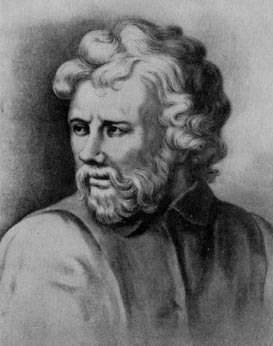
Zoilos of Amphipolis, who wrote against Homer, Plato, and others, was once a disciple of Polycrates. This Polycrates is the one who wrote a pamphlet against Socrates. Zoilos was called the Rhetorical Hound. This is what he looked like. His beard fell down from his face, but the hair on his head was cropped close to his skin, and he had a cloak that lay above his knees. He loved to deliver malicious speeches, and he enjoyed being hated by many. His evil spirit was pretty keen on censuring other people. Some other well-educated fellow once asked him why it was that he talked so much trash about everyone, and he responded, ‘As much as I mean to work them ill, I can’t actually harm them.’

Ζωίλος ὁ ᾿Αμφιπολίτης ὁ καὶ ἐς ῞Ομηρον γράψας καὶ ἐς Πλάτωνα καὶ ἐς ἄλλους, Πολυκράτους μὲν ἀκουστὴς ἐγένετο· οὗτος δὲ ὁ Πολυκράτης καὶ τὴν κατηγορίαν ἔγραψε τὴν κατὰ Σωκράτους. ἐκαλεῖτο δ’ ὁ Ζωίλος οὗτος Κύων ῥητορικός. ἦν δὲ τοιοῦτος. τὸ μὲν γένειον αὐτῷ καθεῖτο, κέκαρτο δὲ ἐν χρῷ τὴν κεφαλήν, καὶ θοιμάτιον ὑπὲρ τὸ γόνυ ἦν. ἤρα δὲ ἀγορεύειν κακῶς, καὶ ἀπεχθάνεσθαι πολλοῖς σχολὴν εἶχε, καὶ ψογερὸς ἦν ὁ κακοδαίμων. ἤρετο οὖν αὐτόν τις τῶν πεπαιδευμένων διὰ τί κακῶς λέγει πάντας· ὃ δὲ ‘ποιῆσαι γὰρ κακῶς βουλόμενος οὐ δύναμαι.’

Distracted from Justice by Profit

Plutarch, Life of Brutus 29

“Faith in his sense of principle provided was the foundation of his great good will and fame. For Pompey the Great was not expected—should he overcome Caesar—to put down his power in deference to the laws, but people thought he would keep his political control, smooth-talking the people with the name of consulship or dictator or some other more palatable office.

Now it was imagined that Cassius, an eager and emotional man often distracted from justice by profit, was pursuing war and adventure to create some dynasty for himself rather than freedom for his fellow citizens. For in an earlier time than that, people like Cinna, Marius, and Carbo, even though they made their own country their victory prize and source for spoils, they warred by their own confession for tyranny alone.”

καὶ μέγιστον ὑπῆρχεν αὐτῷ πρὸς εὔνοιαν καὶ δόξαν ἡ τῆς προαιρέσεως πίστις, οὔτε γὰρ ἐκεῖνος ὁ μέγας Πομπήϊος, εἰ Καίσαρα καθεῖλεν, ἠλπίζετο βεβαίως προήσεσθαι τοῖς νόμοις τὴν δύναμιν, ἀλλ᾿ ἀεὶ τὰ πράγματα καθέξειν, ὑπατείας ὀνόματι καὶ δικτατορίας ἤ τινος ἄλλης μαλακωτέρας ἀρχῆς παραμυθούμενος τὸν 5δῆμον· Κάσσιον δὲ τοῦτον, σφοδρὸν ἄνδρα καὶ θυμοειδῆ καὶ πολλαχοῦ πρὸς τὸ κερδαλέον ἐκφερόμενον τοῦ δικαίου, παντὸς μᾶλλον ᾤοντο πολεμεῖν καὶ πλανᾶσθαι καὶ κινδυνεύειν αὑτῷ τινα δυναστείαν κατασκευαζόμενον, οὐκ ἐλευθερίαν 6τοῖς πολίταις. τὰ μὲν γὰρ ἔτι τούτων πρεσβύτερα, Κίνναι καὶ Μάριοι καὶ Κάρβωνες, ἆθλον ἐν μέσῳ καὶ λείαν προθέμενοι τὴν πατρίδα, μονονουχὶ ῥητῶς ὑπὲρ τυραννίδος ἐπολέμησαν.


File:Crassus Kopenhagen.jpg

Searching For the Land of Truth Inside Oneself

Earlier posts examine Hippocratic and Galenic takes on different signs of ‘melancholy’, which is generally the ancient diagnosis that best corresponds to madness or depression. In this letter, Hippocrates seems to describe a manic dedication to one thing paired with other antisocial symptoms.

Hippocrates, Epistles 12

“We might encounter good fortune and then we will arrive, as we imagine, with better hopes as was made clear in the letter, if the case is that the man is not displaying madness but instead some overwhelming strength of spirit—this despite the fact that he is considering neither children nor wife nor relatives nor any other thing at all—and he has spent day and night by himself, staying alone for the most part in caves or deserted places or under the shadow of trees or in soft grasses or alongside the quiet flows of water.

It is many times the case for those suffering from melancholy to exhibit these kinds of behaviors. Such people are sometimes quiet and solitary and love isolation too. They keep themselves apart from people and consider their own tribe to be a foreign sight.

But it is not unreasonable for those who have been dedicated to education to shake off other thoughts because of a single category in wisdom. For, just as slaves and slavewomen who are yelling and fighting in their homes, when their mistress suddenly appears, step apart in quiet because they are afraid, in the same way too the rest of the thoughts in human minds are servants of evils; but when the sight of wisdom made itself seen, the rest of the sufferings have retreated like slaves.

It is not only the insane who desire caves and peace at all, but many people who have contempt for human affairs do too because of a desire not to be troubled. For whenever the mind, struck by external thoughts, longs to rest the body, then it returns to peace as soon as possible and, standing straight up, searches in a circle in himself for the land of truth in which there is no father, mother, wife, child, brother, relative, slaves, nor chance, nor at all any of those things which create a disturbance.”

῎Ελθοιμεν δ’ ἂν αἰσίῃ τύχῃ, καὶ ἀφιξόμεθα ὡς ὑπολαμβάνομεν χρηστοτέρῃσιν ἐλπίσιν [ἢ] ὡς ἐν τῇ γραφῇ παραδεδήλωται, οὐ μανίην ἀλλὰ ψυχῆς τινὰ ῥῶσιν ὑπερβάλλουσαν διασαφηνέοντος τοῦ ἀνδρὸς, μήτε παίδων μήτε γυναικὸς μήτε ξυγγενέων μήτε οὐσίης μήτε τινὸς ὅλως ἐν φροντίδι ἐόντος, ἡμέρην δὲ καὶ εὐφρόνην πρὸς ἑωυτῷ καθεστεῶτος καὶ ἰδιάζοντος, τὰ μὲν πολλὰ ἐν

ἄντροισι καὶ ἐρημίῃσιν ἢ ἐν ὑποσκιάσεσι δενδρέων, ἢ ἐν μαλθακῇσι ποίῃσιν, ἢ παρὰ συχνοῖσιν ὑδάτων ῥείθροισιν. Συμβαίνει μὲν οὖν τὰ πολλὰ τοῖσι μελαγχολῶσι τὰ τοιαῦτα· σιγηροί τε γὰρ ἐνίοτε εἰσὶ καὶ μονήρεες, καὶ φιλέρημοι τυγχάνουσιν· ἀπανθρωπέονταί τε ξύμφυλον ὄψιν ἀλλοτρίην νομίζοντες· οὐκ ἀπεοικὸς δὲ καὶ τοῖσι περὶ παιδείην ἐσπουδακόσι τὰς ἄλλας φροντίδας ὑπὸ μιῆς τῆς ἐν σοφίῃ διαθέσιος σεσοβῆσθαι.

῞Ωσπερ γὰρ δμῶές τε καὶ δμωΐδες ἐν τῇσιν οἰκίῃσι θορυβέοντες καὶ στασιάζοντες, ὁκόταν ἐξαπιναίως αὐτοῖσιν ἡ δέσποινα ἐπιστῇ, πτοηθέντες ἀφησυχάζουσι, παραπλησίως καὶ αἱ λοιπαὶ κατὰ ψυχὴν ἐπιθυμίαι ἀνθρώποισι κακῶν ὑπηρέτιδες· ἐπὴν δὲ σοφίης ὄψις ἑωυτέην ἐπιστήσῃ, ὡς δοῦλα τὰ λοιπὰ πάθεα ἐκκεχώρηκεν.

Ποθέουσι δ’ ἄντρα καὶ ἡσυχίην οὐ πάν- τως οἱ μανέντες, ἀλλὰ καὶ οἱ τῶν ἀνθρωπίνων πρηγμάτων ὑπερφρονήσαντες ἀταραξίης ἐπιθυμίῃ· ὁκόταν γὰρ ὁ νοῦς ὑπὸ τῶν ἔξω φροντίδων κοπτόμενος ἀναπαῦσαι θελήσῃ τὸ σῶμα, τότε ταχέως ἐς ἡσυχίην μετήλλαξεν, εἶτα ἀναστὰς ὄρθριος ἐν ἑωυτῷ περιεσκόπει κύκλῳ χωρίον ἀληθείης, ἐν ᾧ οὐ πατὴρ, οὐ μήτηρ, οὐ γυνὴ, οὐ τέκνα, οὐ κασίγνητος, οὐ ξυγγενέες, οὐ δμῶες, οὐ τύχη, οὐχ ὅλως οὐδὲν τῶν θόρυβον ἐμποιησάντων·

Image result for medieval manuscript insane person
Medieval Manuscript Images, Pierpont Morgan Library, Hours of Anne of France. MS M.677 fol. 211r

Maybe it’s the Medizing, Maybe it’s the Wine

Aelian, Historical Miscellany 9.41

They say that Simonides of Ceos and Pausanias the Spartan were once at a dinner party together, and when Pausanias urged Simonides to say something wise, that man of Ceos laughed and said, ‘Remember that you are just human.’ Pausanias thought little of this thought right then, and set it down as essentially worthless, perhaps because he was already blinded by his eagerness for Medizing, or perhaps it is just as likely that he was a bit carried away by the wine. But when it happened that he was in the Bronze House of Athena, struggling with hunger and about to die in the most wretched way possible, he remembered what old Simonides had said and cried out three times, ‘O stranger from Ceos, your advice was a great thing to have, but in my folly I thought that it was nothing.’

“I wish I hadn’t been so drunk that night…”

῎Εν τινί φασι συνδείπνῳ παρῆν Σιμωνίδης ὁ Κεῖος καὶ Παυσανίας ὁ Λακεδαιμόνιος. προσέταξεν οὖν ὁ Παυσανίας τῷ Σιμωνίδῃ σοφόν τι εἰπεῖν, ὃ δὲ γελάσας ὁ Κεῖος ‘μέμνησο’ εἶπεν ‘ἄνθρωπος ὤν.’ τοῦτο παραχρῆμα μὲν ἐξεφαύλισε Παυσανίας καὶ παρ’ οὐδὲν ἔθετο, ὑποτυφόμενος ἤδη ἐς τὸν τοῦ μηδίζειν ἔρωτα, καὶ μεγαλοφρονῶν ἐπὶ τῇ πρὸς βασιλέα ξενίᾳ, ἴσως δὲ καὶ ὑπὸ τοῦ οἴνου παραφερόμενος. ἐπεὶ δὲ ἦν πρὸς τῇ Χαλκιοίκῳ, καὶ διεπάλαιε τῷ λιμῷ καὶ ἔμελλεν ἀποθνήσκειν ἀνθρώπων ἀλγεινότατα, ἀλλὰ τηνικαῦτα ἐμνήσθη τοῦ Σιμωνίδου καὶ ἐξεβόησεν ἐς τρὶς ‘ὦ ξένε Κεῖε, μέγα τι ἄρα χρῆμα ἦν ὁ λόγος σου, ἐγὼ δὲ ὑπ’ ἀνοίας οὐδὲν αὐτὸν ᾤμην εἶναι.’

Breaks and Games in Education

Quintilian  1.3

“Everyone still needs some kind of break, not only because there is no material which can endure endless labor—and even those things which lack perception or life must be guarded in turns of rest in order to protect their strength—but also because studying requires a desire to learn which cannot be compelled.

Once renewed and made fresh, students who often bristle at what is compulsory bring a greater intensity and a sharper mind to learning. Games do not bother me in young students—for this is also a sign of an excited mind—and I do not hope that a sad and always downcast child will come to studies with a sharp mind when the natural energy customary to that age is missing.

But, still, there should be a reasonable balance to breaks so students might not hate their studies when breaks are denied nor get too accustomed to leisure. There are even some games which are helpful for sharpening the wits of students—such as when they compete by asking each other little questions of any kind. Characters also unveil themselves more simply during games. But, no age seems to be so infirm that it cannot learn immediately what is right and wrong and the age especially good for shaping a character is before children know how to dissimulate and still yield to their teachers most easily. For it is faster to break things that have hardened into evil than it is to correct them.”

Danda est tamen omnibus aliqua remissio, non solum quia nulla res est quae perferre possit continuum laborem, atque ea quoque quae sensu et anima carent ut servare vim suam possint velut quiete alterna retenduntur, sed quod studium discendi voluntate, quae cogi non potest, constat. Itaque et virium plus adferunt ad discendum renovati ac recentes et acriorem animum, qui fere necessitatibus repugnat. Nec me offenderit lusus in pueris (est et hoc signum alacritatis), neque illum tristem semperque demissum sperare possim erectae circa studia mentis fore, cum in hoc quoque maxime naturali aetatibus illis impetu iaceat. Modus tamen sit remissionibus, ne aut odium studiorum faciant negatae aut otii consuetudinem nimiae. Sunt etiam nonnulli acuendis puerorum ingeniis non inutiles lusus, cum positis invicem cuiusque generis quaestiunculis aemulantur. Mores quoque se inter ludendum simplicius detegunt: modo nulla videatur aetas tam infirma quae non protinus quid rectum pravumque sit discat, tum vel maxime formanda cum simulandi nescia est et praecipientibus facillime cedit; frangas enim citius quam corrigas quae in pravum induruerunt.

Image result for medieval manuscript student and teachers
From the British Library

How Fast A Rotten Foundation Falls

Epictetus, Discourses 2.15 (Go here for the full text)

“If you put down a rotten foundation, already falling apart, not even a little shack can be built upon it, and the greater and more forceful thing you build upon it, the faster it will fall to the ground.

So you are depriving this dear person of life without any reason, a citizen of the very same state, both the larger one and the local one. Then, as you commit an act of murder and destroy another human being who did no wrong, you claim that “you have to stick to what was decided!”  If it ever occurred to you to kill me, would you have to stick to your decisions then?

That kind of a person is scarcely persuaded to change his mind. But it is impossible to transform others today. So, now, I think I understand that proverb that used to confuse me, that “you can’t persuade or break a fool!”

May I never have a wise fool as a friend, there’s nothing harder to deal with. He says, “I have decided.” Well, people who are out of their minds decided too. But just as much as they believe that what isn’t true is solid, that’s how much hellebore they need to drink.”

ἂν δὲ σαπρὸν ὑποστήσῃ καὶ καταπῖπτον, οὐκ οἰκοδομημάτιον, ὅσῳ δ᾿ ἂν πλείονα καὶ ἰσχυρότερα ἐπιθῇς, τοσούτῳ θᾶττον κατενεχθήσεται. ἄνευ πάσης αἰτίας ἐξάγεις ἡμῖν ἄνθρωπον ἐκ τοῦ ζῆν φίλον καὶ συνήθη, τῆς αὐτῆς πόλεως πολίτην καὶ τῆς μεγάλης 11καὶ τῆς μικρᾶς· εἶτα φόνον ἐργαζόμενος καὶ ἀπολλύων ἄνθρωπον μηδὲν ἠδικηκότα λέγεις ὅτι τοῖς κριθεῖσιν ἐμμένειν δεῖ. εἰ δ᾿ ἐπῆλθέν σοί πώς ποτ᾿ ἐμὲ ἀποκτεῖναι, ἔδει σε ἐμμένειν τοῖς κριθεῖσιν;

Ἐκεῖνος μὲν οὖν μόγις μετεπείσθη. τῶν δὲ νῦν τινας οὐκ ἔστι μεταθεῖναι. ὥστε μοι δοκῶ ὃ πρότερον ἠγνόουν νῦν εἰδέναι, τί ἐστι τὸ ἐν τῇ συνηθείᾳ λεγόμενον· μωρὸν οὔτε πεῖσαι οὔτε ῥῆξαι ἔστιν. μή μοι γένοιτο φίλον ἔχειν σοφὸν μωρόν. δυσμεταχειριστότερον οὐδέν ἐστιν. “κέκρικα.” καὶ γὰρ οἱ μαινόμενοι· ἀλλ᾿ ὅσῳ βεβαιότερον κρίνουσι τὰ οὐκ ὄντα, τοσούτῳ πλείονος ἐλλεβόρου δέονται.

Epictetus

Shaking Us Down

Latin Trag. Adesp. = Ps-Cicero, Ad. Herenn. 2.26

“I cannot think…or figure out any reason why
I might impeach him. What would let you accuse someone
Who is honorable, if he is good? And if he is not honorable
What would let you impeach him if he thinks it is but a
Minor thing?”

Nequeo . . .
qua causa accusem hunc exputando evolvere.
Nam si veretur quid eum accuses qui est probus?
Sin inverecundum animi ingenium possidet,
quid autem accuses qui id parvi auditum
aestimet? . . .

Aristophanes fr 228 = Suda sigma 290

“Shaking-down”: Blackmail, this is a metaphor from people who shake trees: “I was shaking them down, I demanded money, I was threatening them and was extorting them again and again.”

σεῖσαι· τὸ συκοφαντῆσαι, ἀπὸ τῶν τὰ ἀκρόδρυα σειόντων· ἔσειον, ᾔτουν χρήματ᾿, ἠπείλουν, ἐσυκοφάντουν πάλιν

Mycenaean Goat and Tree Vase at the British Museum

Ignorance & Forgery

Quintilian, Institutio Oratoria 1.8:

“To investigate what everyone, including the most worthless people, ever wrote is an example either of excessive misery or empty ostentation, which both detains and destroys minds which would better be left free for other things. Someone who has shaken off all of the dusty fragments unworthy of reading could just as easily spend their labor upon the tales of old women. The commentaries of grammarians are full of these kinds of pitfalls, and even their authors barely know what is in them. It is said of Didymus, than whom no one ever wrote more, that when he was arguing against some tale as though it were wholly fictitious, his very own book was brought against him, since it contained that very tale. This happens especially in fantastic tales, all the way to the point of absurdity and shame, whence comes the excessive license granted to every knave of inventing things such that they safely lie about entire books and authors as they find it convenient, because those things which never existed cannot naturally be discovered. For, in more generally known matters, the forgers are discovered by curious inquisitors. And so, it seems to me that among the grammarian’s virtues will be numbered not to know some things.”

http://parliamoitaliano.altervista.org/wp-content/uploads/grammaticus.jpg

Persequi quidem quid quis umquam vel contemptissimorum hominum dixerit aut nimiae miseriae aut inanis iactantiae est, et detinet atque obruit ingenia melius aliis vacatura. Nam qui omnis etiam indignas lectione scidas excutit, anilibus quoque fabulis accommodare operam potest: atqui pleni sunt eius modi impedimentis grammaticorum commentarii, vix ipsis qui composuerunt satis noti. Nam Didymo, quo nemo plura scripsit, accidisse compertum est ut, cum historiae cuidam tamquam vanae repugnaret, ipsius proferretur liber qui eam continebat. Quod evenit praecipue in fabulosis usque ad deridicula quaedam, quaedam etiam pudenda, unde improbissimo cuique pleraque fingendi licentia est, adeo ut de libris totis et auctoribus, ut succurrit, mentiantur tuto, quia inveniri qui numquam fuere non possunt: nam in notioribus frequentissime deprenduntur a curiosis. Ex quo mihi inter virtutes grammatici habebitur aliqua nescire.

Police and the Unjust State

Demosthenes, Against Timocrates 164 (See the Scaife Viewer for the full text)

“These men have committed so much horror beyond their own criminal behavior that even while running a so-called democracy they turned each person’s house into a prison and put the police in our homes.”

οὗτοι τοίνυν τοσαύτην ὑπερβολὴν ἐποιήσαντο ἐκείνων τῆς αὑτῶν πονηρίας ὥστ᾿ ἐν δημοκρατίᾳ πολιτευόμενοι τὴν ἰδίαν οἰκίαν ἑκάστῳ δεσμωτήριον καθίστασαν, τοὺς ἕνδεκ᾿ ἄγοντες ἐπὶ τὰς οἰκίας.


W. E. B. Du Bois, The Souls of Black Folk 9

“For such dealing with criminals, white or black, the South had no machinery, no adequate jails or reformatories; its police system was arranged to deal with blacks alone, and tacitly assumed that every white man was ipso facto a member of that police. Thus grew up a double system of justice, which erred on the white side by undue leniency and the practical immunity of red-handed criminals, and erred on the black side by undue severity, injustice, and lack of discrimination.”


Juvenal, Satires

“Who will police the police?”

Quis custodiet ipsos custodes?