A Name Implying all Injustice and Crime

Polybius, Histories 2.59

“Even if he had committed no other crime against the Achaeans, I still judge Aristomakhos to be worthy of the greatest punishment because of his way of life and his treason against his country. Indeed, although he was trying to increase his fame and get his audience to respond more to his suffering, one author claims that “not only was he a tyrant, but he was descended from tyrants too.”

It would be hard for someone to make an accusation greater or harsher than this. For the title itself conveys the force of the greatest sacrilege and implies all the injustice and lawlessness afflicting the human race.”

ἐγὼ δ᾿ Ἀριστόμαχον, εἰ καὶ μηδὲν εἰς τοὺς Ἀχαιοὺς ἕτερον ἥμαρτε, κατά γε τὴν τοῦ βίου προαίρεσιν καὶ τὴν εἰς πατρίδα παρανομίαν τῆς μεγίστης ἄξιον κρίνω τιμωρίας. καίπερ ὁ συγγραφεύς, βουλόμενος αὔξειν αὐτοῦ τὴν δόξαν καὶ παραστήσασθαι τοὺς ἀκούοντας εἰς τὸ μᾶλλον αὐτῷ συναγανακτεῖν ἐφ᾿ οἷς ἔπαθεν, οὐ μόνον αὐτόν φησι γεγονέναι τύραννον, ἀλλὰ κἀκ τυράννων πεφυκέναι. ταύτης δὲ μείζω κατηγορίαν ἢ πικροτέραν οὐδ᾿ ἂν εἰπεῖν ῥᾳδίως δύναιτ᾿ οὐδείς.

Lucian, The Tyrant, Or The Downward Journey 23

“I want to charge a certain tyrant for the terrible crimes I know that he did in his life.”

Πάντως βούλομαι κατηγορῆσαι τυράννου τινὸς ἃ συνεπίσταμαι πονηρὰ δράσαντι αὐτῷ παρὰ τὸν βίον

Demosthenes, On the Treaty with Alexander 14

“They believe that no one will perceive the creation of a tyranny in the place of a democracy along with the dissolution of our constitution.”

οὐδένα δ᾿ οἴονται αἰσθήσεσθαι, τυραννίδων ἀντὶ δημοκρατιῶν καθισταμένων καὶ τῶν πολιτειῶν καταλυομένων.

“The Tyrant Overtaken by Justice is Excluded from the world” Lewis Marks, 1814

Four Years of Presidential Memories: Some Latin Passages for a Crisis of State

Cicero, Pro Sulla 12

“The charge of participation in that conspiracy was defended by the very man who was part of it, who investigated it, and was a partner in your plans and your fear.”

Ergo istius coniurationis crimen defensum ab eo est qui interfuit, qui cognovit, qui particeps et consili vestri fuit et timoris;

Pseudo-Sallust, Against Cicero 3

“[A man who] counts the pain of the state as his own glory; as if, indeed, your consulate were not the reason for that conspiracy and through which the republic was torn apart when it possessed you as its protector.”

qui civitatis incommodum in gloriam suam ponit. quasi vero non illius coniurationis causa fuerit consulatus tuus et idcirco res publica disiecta eo tempore quo6 te custodem habebat.

Tacitus, Annales 1.2 (Suggested by S. A. Guerriero )

“After the public was disarmed by the murders of Brutus and Cassius, when Pompey had been defeated in Sicily, Lepidus discarded, and Antony had been killed, even the Julian party had Caesar as the remaining leader. Once he gave up the name of triumvir and was declaring himself a consul, happy to safeguard the common people with tribunal powers, he won over the army with payments, the people with food grants, and everyone else with pleasing peace. Then, bit by bit, he began to arrogate to himself the duties of the senate, the executive offices, and the law because there was no one opposing him since the boldest men had died either in battle or by proscription. The remaining nobles discovered themselves increased by honors and wealth as soon as they accepted servitude: they preferred the present safety to ancient dangers. The provinces too were not opposed to this state of affairs because the rule of the Senate and People there had been undermined by the struggles of the powerful and avarice of the officers against which there was the weak defense of laws which were corrupted by force, by nepotism and, finally, bribery.”

Postquam Bruto et Cassio caesis nulla iam publica arma, Pompeius apud Siciliam oppressus, exutoque Lepido, interfecto Antonio, ne Iulianis quidem partibus nisi Caesar dux reliquus, posito triumviri nomine, consulem se ferens et ad tuendam plebem tribunicio iure contentum, ubi militem donis, populum annona, cunctos dulcedine otii pellexit, insurgere paulatim, munia senatus, magistratuum, legum in se trahere, nullo adversante, cum ferocissimi per acies aut proscriptione cecidissent, ceteri nobilium, quanto quis servitio promptior, opibus et honoribus extollerentur ac novis ex rebus aucti, tuta et praesentia quam vetera et periculosa mallent. Neque provinciae illum rerum statum abnuebant, suspecto senatus populique imperio ob certamina potentium et avaritiam magistratuum, invalido legum auxilio, quae vi, ambitu, postremo pecunia turbabantur.


Some lighter fare
Horace Satire 1.9. 75-79 (Suggested by L. Manning)

“By chance I met up with my opponent
And he shouted loudly “Where are you going, criminal?
And also “May I call you to testify?” Then I
Incline my little ear and he rushes the man to court.
There is shouting and running about. And that’s how Apollo saved me.”

casu venit obvius illi
adversarius et ‘quo tu, turpissime?’ magna
inclamat voce, et ‘licet antestari?’ ego vero
oppono auriculam. rapit in ius; clamor utrimque,
undique concursus. sic me servavit Apollo.

Ovid, Tristia 2. 207-210 (Suggested by K. Durkin)

“Though two crimes—a song and a mistake—have destroyed me
I must be silent of my responsibility in the second
Since I am not worth enough to renew your wounds, Caesar,
And it is already too much that you’ve been hurt once,”

perdiderint cum me duo crimina, carmen et error,
alterius facti culpa silenda mihi:
nam non sum tanti, renovem ut tua vulnera, Caesar,
quem nimio plus est indoluisse semel.

A Hope for Better Days to Come

Vergil, Aeneid 1.203

“Perhaps someday it will bring pleasure to recall these things.”

forsan et haec olim meminisse iuvabit.

Servius, Commentary on Vergil’s Aeneid 1.203

“And many report that “it will please” does not mean “it will bring pleasure” but it will be of some use”

et multi ‘iuvabit’ non delectabit, sed usus erit tradunt.

Seneca, EM 58.5-6

“If someone beset by troubles should say, “Perhaps someday it will bring pleasure to recall these things,” then let this person fight with their whole spirit. We are conquered if we yield; if we push back against our grief, we prevail.”

In ipsis positus difficultatibus dicat: Forsan et haec olim meminisse iuvabit. Toto contra ille pugnet animo; vincetur, si cesserit, vincet, si se contra dolorem suum intenderit.

Macrobius, Saturnalia 5.6-8

[comparing Vergil to Homer]

Hom. Od 12.208-12

“Friends, we are in no way unfamiliar with troubles:
This is indeed no greater a suffering than that time
When the Kyklops trapped us in his cave with violent force.
But we got out of there too thanks to my courage, planning,
And wit, and I think you will some how remember these things.”

Ulysses reminds his companions of only one reason for their pain while Aeneas reminds them of the results of two catastrophes in order to urge them to have hope for release from their current troubles. Ulysses is pretty indirect in saying “I think you will somehow remember these things” while Aeneas is clearer when he says “Perhaps someday it will bring pleasure to recall these things”.

But what your poet also adds here is a stronger kind of reassurance when he asks people not only to think of a time when they survived but to have hope as well for happiness in the future by promising that following their current labors they will find not only a safe home but a kingdom.”

ὦ φίλοι, οὐ γάρ πώ τι κακῶν ἀδαήμονές εἰμεν·
οὐ μὲν δὴ τόδε μεῖζον ἔπι κακόν, ἠ᾿ ὅτε Κύκλωψ
εἴλει ἐνὶ σπῆϊ γλαφυρῷ κρατερῆφι βίηφν·
ἀλλὰ καὶ ἔνθεν ἐμῇ ἀρετῇ βουλῇ τε νόῳ τε
ἐκφύγομεν, καί που τῶνδε μνήσεσθαι ὀΐω.

    1. Vlixes ad socios unam commemoravit aerumnam: hic ad sperandam praesentis mali absolutionem gemini casus hortatur eventu. deinde ille obscurius dixit,

. . . καί που τῶνδε μνήσεσθαι ὀΐω.

hic apertius,

. . . forsan et haec olim meminisse iuvabit.

    1. ‘Sed et hoc quod vester adiecit solacii fortioris est. suos enim non tantum exemplo evadendi, sed et spe futurae felicitatis animavit, per hos labores non solum sedes quietas sed et regna promittens.

Homer, Odyssey 15.398-401

“As we two drink and dine in this shelter
Let us take pleasure as we recall one another’s terrible pains.
For a man finds pleasure even in pains later on
After he has suffered so very many and survived many too.”

νῶϊ δ’ ἐνὶ κλισίῃ πίνοντέ τε δαινυμένω τε
κήδεσιν ἀλλήλων τερπώμεθα λευγαλέοισι
μνωομένω· μετὰ γάρ τε καὶ ἄλγεσι τέρπεται ἀνήρ,
ὅς τις δὴ μάλα πολλὰ πάθῃ καὶ πόλλ’ ἐπαληθῇ.

Theognis, 1047-1048

“For now, let us take pleasure in drinking, and telling fine tales
The gods can worry over whatever will happen in the future.”

νῦν μὲν πίνοντες τερπώμεθα, καλὰ λέγοντες·
ἅσσα δ᾿ ἔπειτ᾿ ἔσται, ταῦτα θεοῖσι μέλει.

Schol. BQ ad Od. 15.399 ex

“Let us take pleasure in one another’s pains”—for a person among afflictions delights in terrible narratives and in hearing another person tell his own troubles.”

κήδεσιν ἀλλήλων τερπώμεθα] καὶ ἐν ταῖς δειναῖς διηγήσεσι τέρπεται ἀνὴρ ὢν ἐν θλίψεσι καὶ ἀκούων ἑτέρου λέγοντος τὰ ἑαυτοῦ ἄλγεα.

Shepherd of Hermas, Parables 4

“One who changes their ways must torture their own soul and become resolutely humble in every act and afflict themself with many varied afflictions.”

ἀλλὰ δεῖ τὸν μετανοοῦντα βασανίσαι τὴν ἑαυτοῦ ψυχὴν καὶ ταπεινοφρονῆσαι ἐν ἁπάσῃ τῇ πράξει αὐτοῦ ἰσχυρῶς καὶ θλιβῆναι ἐν πολλαῖς θλίψεσι καὶ ποικίλαις

https://commons.wikimedia.org/wiki/File:Terracotta_Aeneas_MAN_Naples_110338.jpg

Wise Frogs Learn to Reed

Aelian, Varia Historia 1.3:

The species of frogs in Egypt is a clever thing, and indeed they far outstrip frogs everywhere else. If one of these Egyptian frogs ever stumbles upon a water-snake in the Nile, it bites off a piece of reed and carries it sideways, and it holds it with closed teeth, and tries pretty hard not to let it go. The water-snake is not able to eat it with the reed. For the snake’s mouth does not open wide enough to encompass as much space as the reed opens up. Thus, the frogs use their intelligence to outstrip the strength of the snakes.

Σοφόν τι ἄρα χρῆμα ἦν γένος βατράχων Αἰγυπτίων, καὶ οὖν καὶ τῶν ἄλλων ὑπερφέρουσι κατὰ πολύ. ἐὰν γὰρ ὕδρῳ περιπέσῃ Νείλου θρέμματι βάτραχος, καλάμου τρύφος ἐνδακὼν πλάγιον φέρει, καὶ ἀπρὶξ ἔχεται, καὶ οὐκ ἀνίησι κατὰ τὸ καρτερόν. ὃ δὲ ἀμηχανεῖ καταπιεῖν αὐτὸν αὐτῷ καλάμῳ· οὐ γάρ οἱ ἐγχωρεῖ περιβαλεῖν τοσοῦτον τὸ στόμα, ὅσον ὁ κάλαμος διείργει. καὶ ἐκ τούτου περιγίνονται τῆς ῥώμης τῶν ὕδρων οἱ βάτραχοι τῇ σοφίᾳ.

Imperial Succession: “We’ll See What Happens”

Historia Augusta, Hadrian 4:

The common opinion was that Trajan had it in mind to leave Neratius Priscus, not Hadrian, as his successor, and that many of his friends agreed with him in this, to the extent that he once told Priscus, “I commend the provinces to you, if anything fatal should ever happen to me.” And indeed, many assert that Trajan’s intention was to follow the example of Alexander of Macedon and die without a successor; and many also assert that on the verge of death, he wished to send a speech to the senate so that, in the event that something happened to him, the senate could provide an emperor for the Roman people; this speech was to be delivered with some names from which that same senate could select the best candidate.

Frequens sane opinio fuit Traiano id animi fuisse, ut Neratium Priscum, non Hadrianum successorem relinqueret, multis amicis in hoc consentientibus, usque eo ut Prisco aliquando dixerit: “commendo tibi provincias, si quid mihi fatale contigerit”. Et multi quidem dicunt Traianum in animo id habuisse, ut exemplo Alexandri Macedonis sine certo successo remoreretur, multi ad senatum eum orationem voluisse mittere petiturum, ut, si quid ei evenisset, principem Romanae rei publicae senatus daret, additis dum taxat nominibus ex quibus optimum idem senatus eligeret.

Apollo = The Devil; Medicine = Murder

Robert Burton, The Anatomy of Melancholy (2.4.1.1):

“The country people use kitchen physic, and common experience tells us, that they live freest from all manner of infirmities, that make least use of apothecaries’ physic. Many are overthrown by preposterous use of it, and thereby get their bane, that might otherwise have escaped: some think physicians kill as many as they save, and who can tell, Quot Themison aegros autumno occiderit uno? How many murders they make in a year, quibus impune licet hominem occidere, that may freely kill folks, and have a reward for it, and according to the Dutch proverb, a new physician must have a new churchyard; and who daily observes it not?

Many that did ill under physicians’ hands, have happily escaped, when they have been given over by them, left to God and nature, and themselves; ’twas Pliny’s dilemma of old, every disease is either curable or incurable, a man recovers of it or is killed by it; both ways physic is to be rejected. If it be deadly, it cannot be cured; if it may be helped, it requires no physician, nature will expel it of itself. Plato made it a great sign of an intemperate and corrupt commonwealth, where lawyers and physicians did abound; and the Romans distasted them so much that they were often banished out of their city, as Pliny and Celsus relate, for 600 years not admitted.

It is no art at all, as some hold, no not worthy the name of a liberal science (nor law neither), as Pet. And. Canonherius a patrician of Rome and a great doctor himself, one of their own tribe, proves by sixteen arguments, because it is mercenary as now used, base, and as fiddlers play for a reward. Juridicis, medicis, fisco, fas vivere rapto, ’tis a corrupt trade, no science, art, no profession; the beginning, practice, and progress of it, all is naught, full of imposture, uncertainty, and doth generally more harm than good.

The devil himself was the first inventor of it: Inventum est medicina meum, said Apollo, and what was Apollo, but the devil? The Greeks first made an art of it, and they were all deluded by Apollo’s sons, priests, oracles. If we may believe Varro, Pliny, Columella, most of their best medicines were derived from his oracles. Aesculapius his son had his temples erected to his deity, and did many famous cures; but, as Lactantius holds, he was a magician, a mere impostor, and as his successors, Phaon, Podalirius, Melampius, Menecrates, (another God), by charms, spells, and ministry of bad spirits, performed most of their cures.”

Four Years of Presidential Memories: “The Ascension of Fools” Some Ancient Comments on Stupidity

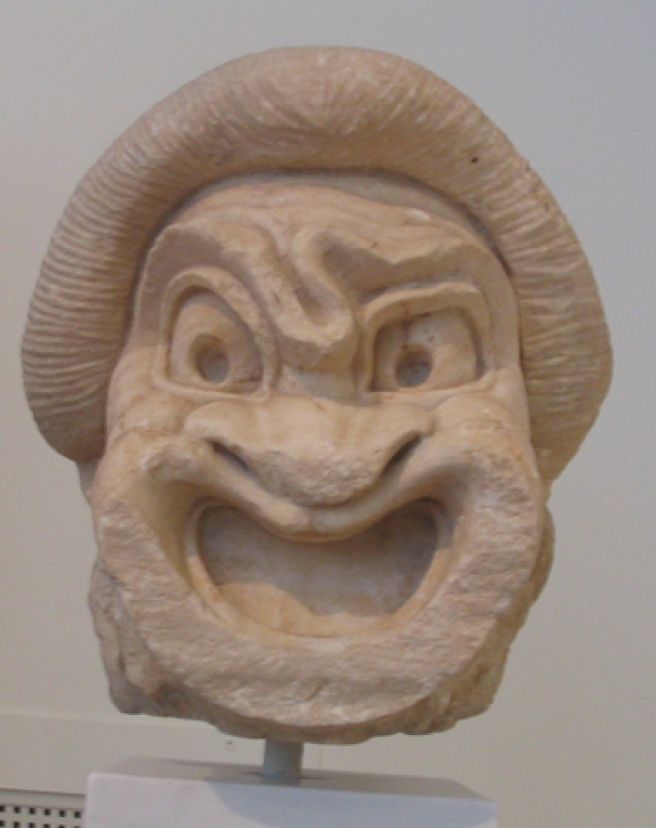
μωρολογία: properly, “stupid-talking” or “the talk of fools”. But why not: “the science of stupidity”?

Sophocles, fr. 924

“Stupidity is a terrible opponent to wrestle”
ὡς δυσπάλαιστόν <ἐστιν> ἀμαθία κακόν

Terence, Phormio, 659-660

“Whether I claim he does this because of stupidity or

malice—whether this is a knowing plot, or incompetence, I am unsure.”

utrum stultitia facere ego hunc an malitia
dicam, scientem an imprudentem, incertu’ sum.

Sophocles, fr. 925

“Stupidity really is evil’s sibling”

ἡ δὲ μωρία
μάλιστ᾿ ἀδελφὴ τῆς πονηρίας ἔφυ

Suetonius, Divus Claudius 38

“But he did not stay quiet even about his own stupidity: but claimed that he had faked it on purpose under Gaius because he would have not escaped and advanced to his eventual position otherwise—and that this was supported by certain oracles. But he persuaded no one. And after a brief time, a book was published with the title “The Ascension of Fools” which posited that no one can pretend stupidity.”

Ac ne stultitiam quidem suam reticuit simulatamque a se ex industria sub Gaio, quod aliter evasurus perventurusque ad susceptam stationem non fuerit, quibusdam oratiunculis testatus est; nec tamen49 persuasit, cum intra breve tempus liber editus sit, cui index erat μωρῶν ἐπανάστασις, argumentum autem stultitiam neminem fingere.

Plutarch, Rational Beasts 998a

“Note that a lack of intelligence or stupidity in some animals emerges in contrast with the abilities and sharpness of others as you might compare an ass or a sheep with a fox, a wolf or a bee. It would be the same if you would compare Polyphemos or that idiot Koroibos to your grandfather Autolykos. For I do not think that there is so great a difference between beasts as there is between individual people in thinking, using reason, and in memory.”

ἐννόησον δ᾿ ὅτι τὰς ἐνίων ἀβελτερίας καὶ βλακείας ἐλέγχουσιν ἑτέρων πανουργίαι καὶ δριμύτητες, ὅταν ἀλώπεκι καὶ λύκῳ καὶ μελίττῃ παραβάλῃς ὄνον καὶ πρόβατον· ὥσπερ εἰ σαυτῷ τὸν Πολύφημον ἢ τῷ πάππῳ σου τῷ Αὐτολύκῳ τὸν Κόροιβον ἐκεῖνον τὸν μωρόν οὐ γὰρ οἶμαι θηρίου πρὸς θηρίον ἀπόστασιν εἶναι τοσαύτην, ὅσον ἄνθρωπος ἀνθρώπου τῷ φρονεῖν καὶ λογίζεσθαι καὶ μνημονεύειν ἀφέστηκεν.

Andocides, On His Return 2

“These men must be the dumbest of all people or they are the most inimical to the state. If they believe that it is also better for their private affairs when the state does well, then they are complete fools in pursuing something opposite to their own advantage right now. If they do not believe that they share common interests with you, then they must be enemies of the state”

δεῖ γὰρ αὐτοὺς ἤτοι ἀμαθεστάτους εἶναι πάντων ἀνθρώπων, ἢ τῇ πόλει ταύτῃ δυσμενεστάτους. εἰ μέν γε νομίζουσι τῆς πόλεως εὖ πραττούσης καὶ τὰ ἴδια σφῶν αὐτῶν ἄμεινον ἂν φέρεσθαι, ἀμαθέστατοί εἰσι τὰ ἐναντία νῦν τῇ ἑαυτῶν ὠφελείᾳ σπεύδοντες· εἰ δὲ μὴ ταὐτὰ ἡγοῦνται σφίσι τε αὐτοῖς συμφέρειν καὶ τῷ ὑμετέρῳ κοινῷ, δυσμενεῖς ἂν τῇ πόλει εἶεν·

Seneca the Elder, Suasoriae, 21

“A special recognition for stupidity needs to be given to the rhetorician Corvus who said, “Since Xerxes is already sailing against us on his sea, shouldn’t we flee before the earth is taken from us””

Corvo rhetori testimonium stuporis reddendum est, qui dixit: “quidni, si iam Xerses ad nos suo mari navigat, fugiamus, ntequam nobis terra subripiatur?”

Image result for ancient greek stupidity

Aristotle, Politics 1287b

“There’s no natural tyranny”

τυραννικὸν δ᾿ οὐκ ἔστι κατὰ φύσιν

Dio Chrysostom, 6.52-53 On Tyranny

“Therefore, whenever there is war, tyrants long for peace, but when there is peace, they immediately plan for war. When people have everything they need in life, tyrants fear the arrogance of the masses, but whenever there is too little, they fear their rage. They believe that it is is neither safe to go out nor to stay at home, nor to appear in public, nor to remain isolated. They do not even think they can go where it is clearly safe to go. They think that every corner is full of plots and deceit. Each tyrant brings to mind the deaths of other tyrants and all the plots that ever developed around them, imaging that every one of them is coming toward him…”

τοιγαροῦν πολέμου μὲν ὄντος εἰρήνης ἐρῶσιν, εἰρήνης δὲ γενομένης εὐθὺς μηχανῶνται πόλεμον. καὶ τοῦτο μὲν τῶν ἐπιτηδείων ἀφθόνων ὄντων δεδοίκασι τοῦ πλήθους τὴν ὕβριν, τοῦτο δὲ εἴ τις ἔνδεια καταλαμβάνοι, τὴν ὀργήν. ἡγοῦνται δὲ μήτε ἀποδημεῖν ἀσφαλὲς μήτε μένειν μήτε προϊέναι μήτ᾿ ἔνδον διαιτᾶσθαι παρ᾿ αὑτοῖς, ἀλλὰ μηδὲ ἐπιβαίνειν οὗ ἂν ἐπιβαίνωσιν ἀσφαλῶς, ἅπαντα δὲ εἶναι μεστὰ ἐνέδρας καὶ δόλων. ἀναλογίζεται δὲ ἕκαστος αὐτῶν καὶ τοὺς θανάτους τῶν τυράννων καὶ τὰς ἐπιβουλάς, ὅσαι πώποτε γεγόνασι, καὶ ξύμπαντα ταῦτα ἐφ᾿ αὑτὸν ἰέναι νομίζει

Dio Chrysostom, On Custom 76.2

“I guess that I can compare the written law to the power of tyranny: for each law is enacted by means of fear and prohibition. Custom, then, I could compare to the ease of kingship when all people follow it because they want to and without compulsion. So, we know many laws which have been taken back by the very people who made them because they were bad, but no one could easily demonstrate a custom that has been eliminated.”

Διό μοι δοκεῖ τις ἂν προσεικάσαι τὸν μὲν ἔγγραφον νόμον τῇ δυνάμει τῆς τυραννίδος, φόβῳ γὰρ ἕκαστον καὶ μετὰ προστάγματος διαπράττεται· τὸ δὲ ἔθος μᾶλλον τῇ φιλανθρωπίᾳ τῆς βασιλείας, βουλόμενοι γὰρ αὐτῷ πάντες καὶ δίχα ἀνάγκης ἕπονται καὶ νόμους μὲν ἴσμεν πολλοὺς ἀνῃρημένους ὑπὸ τῶν θέντων αὐτούς, ὡς πονηρούς· ἔθος δὲ οὐκ ἂν οὐδεὶς ῥᾳδίως δείξειε λελυμένον. 

Tyrannosaurus Rex is a tyrant and a king and this confuses me

Four Years of Just the Best Memories: Warning! An Uneducated Leader Can Still Do What He Wants

 Another passage from Plutarch’s fragmentary “To an Educated Ruler…”

782b-c

“Among the weak, base and private citizens, ignorance when combined with a lack of power yields little wrongdoing, as in nightmares some trouble upsets the mind, making it incapable of responding to its desires. But when power has been combined with wickedness it adds energy to latent passions. And so that saying of Dionysus is true—for he used to say that he loved his power most when he could do what he wanted quickly. It is truly a great danger when one who wants what is wrong has the power to do what he wants to do.

As Homer puts it “When the plan was made, then the deed was done.” When wickedness has an open course because of its power, it compels every passion to emerge, producing rage, murder, lust, adultery, and greedy acquisition of public wealth.”

Ἐν μὲν γὰρ τοῖς ἀσθενέσι καὶ ταπεινοῖς καὶ ἰδιώταις τῷ ἀδυνάτῳ μιγνύμενον τὸ ἀνόητον εἰς τὸ ἀναμάρτητον τελευτᾷ, ὥσπερ ἐν ὀνείρασι φαύλοις τις ἀνία τὴν ψυχὴν διαταράττει συνεξαναστῆναι ταῖς ἐπιθυμίαις μὴ δυναμένην· ἡ δ᾿ ἐξουσία παραλαβοῦσα τὴν κακίαν νεῦρα τοῖς πάθεσι προστίθησι· καὶ τὸ τοῦ Διονυσίου ἀληθές ἐστιν· ἔφη γὰρ ἀπολαύειν μάλιστα τῆς ἀρχῆς, ὅταν ταχέως ἃ βούλεται ποιῇ. μέγας οὖν ὁ κίνδυνος βούλεσθαι ἃ μὴ δεῖ τὸν ἃ βούλεται ποιεῖν δυνάμενον·

αὐτίκ᾿ ἔπειτά γε μῦθος ἔην, τετέλεστο δὲ ἔργον (Il. 19.242). ὀξὺν ἡ κακία διὰ τῆς ἐξουσίας δρόμον ἔχουσα πᾶν πάθος ἐξωθεῖ, ποιοῦσα τὴν ὀργὴν φόνον τὸν ἔρωτα μοιχείαν τὴν πλεονεξίαν δήμευσιν.

Image result for Ancient Greek Statue leader

On the Beginning of Medicine

Isidore, Etymologies 4.13

Some people ask why the art of Medicine is not grouped among the other liberal arts. It is because they all contain singular causes, but medicine contains the causes of all. For doctors ought to know Grammar, so that they can understand or explain what they read. Similarly, they must know Rhetoric, so that they have the power to define what they are doing with true arguments. Indeed, they must know Dialectic for applying their reason to investigating and caring for the causes of diseases. Similarly, they must know Arithmetic on account of the number of hours in the accessions and periods of the day. Not otherwise is the knowledge of Geometry necessary because of the qualities of regions and the sites of various places, in which the doctor must teach what each person ought to observe. Further, Music will not be unfamiliar to doctors, for there are many things which we may read about its effects in sick people. We read of David that he snatched Saul from an unclean spirit with the art of musical modulation. The doctor Asclepiades, too, restored a certain man suffering from frenzy to his earlier state of health through symphonic music. Finally, the doctor will also have some knowledge of Astronomy, through which may be contemplated the relation of the stars and the changes of the seasons. For just as a certain doctor says, our bodies are changed with their qualities. It is for this reason that medicine is called a second Philosophy – for each of these disciplines claims the whole person for itself. For just as the soul is cared for by Philosophy, so is the body cared for by Medicine.

XIII. DE INITIO MEDICINAE. Quaeritur a quibusdam quare inter ceteras liberales disciplinas Medicinae ars non contineatur. Propterea, quia illae singulares continent causas, ista vero omnium. Nam et Grammaticam medicus scire debet, ut intellegere vel exponere possit quae legit. Similiter et Rhetoricam, ut veracibus argumentis valeat definire quae tractat. Necnon et Dialecticam propter infirmitatum causas ratione adhibita perscrutandas atque curandas. Sic et Arithmeticam propter numerum horarum in accessionibus et periodis dierum. Non aliter et Geometriam propter qualitates regionum et locorum situs, in quibus doceat quid quisque observare oporteat. Porro Musica incognita illi non erit, nam multa sunt quae in aegris hominibus per hanc disciplinam facta leguntur; sicut de David legitur, qui ab spiritu inmundo Saulem arte modulationis eripuit. Asclepiades quoque medicus phreneticum quendam per symphoniam pristinae sanitati restituit. Postremo et Astronomiam notam habebit, per quam contempletur rationem astrorum et mutationem temporum. Nam sicut ait quidam medicorum, cum ipsorum qualitatibus et nostra corpora commutantur. Hinc est quod Medicina secunda Philosophia dicitur. Vtraque enim disciplina totum hominem sibi vindicat. Nam sicut per illam anima, ita per hanc corpus curatur.