Obsessed with Literature: Humanizing and Enlightening the Mind

Cicero, Pro Archia 13

“I confess indeed that I am obsessed with studying literature. Let this fact shame others who do not know how to make use of their books so that they can’t provide anything from their reading to common profit or to make their benefit clear in sight.

Why, moreover, should I be ashamed when I have lived so many years in such a way that my hobby never prevented me from being useful to anyone at any time and its pleasure or sleepiness never distracted me or slowed me down? In what way, then, can anyone criticize me or censure me if if I am discovered to have spent that very same amount of time in pursuing these studies as others do without blame in pursuing profit, or in celebrating festivals or games, in seeking the pleasure and rest of the body and mind, or dragging out hours in dining, gambling or ballgames?”

Ego vero fateor me his studiis esse deditum: ceteros pudeat, si qui se ita litteris abdiderunt, ut nihil possint ex his neque ad communem adferre fructum neque in aspectum lucemque proferre: me autem quid pudeat, qui tot annos ita vivo, iudices, ut a nullius umquam me tempore aut commodo aut otium meum abstraxerit aut voluptas avocarit aut denique somnus retardarit? Qua re quis tandem me reprehendat aut quis mihi iure suscenseat, si, quantum ceteris ad suas res obeundas, quantum ad festos dies ludorum celebrandos, quantum ad alias voluptates et ad ipsam requiem animi et corporis conceditur temporum, quantum alii tribuunt tempestivis conviviis, quantum denique alveolo, quantum pilae, tantum mihi egomet ad haec studia recolenda sumpsero?

Cicero, Pro Archia 16

“But if this clear profit [of studying literature] is not clear and if entertainment alone should be sought from these pursuits, I still believe that you would judge them the most humanizing and enlightening exercise of the mind.

For other activities do not partake in all times, all ages, and all places—reading literature sharpens us in youth and comforts us in old age. It brings adornment to our successes and solace to our failures. It delights when we are at home and creates no obstacle for us out in the world. It is our companion through long nights, long journeys, and months in rural retreats.”

Quod si non hic tantus fructus ostenderetur et si ex his studiis delectatio sola peteretur, tamen, ut opinor, hanc animi adversionem humanissimam ac liberalissimam iudicaretis. Nam ceterae neque temporum sunt neque aetatum omnium neque locorum: haec studia adolescentiam acuunt,1 senectutem oblectant, secundas res ornant, adversis perfugium ac solacium praebent, delectant domi, non impediunt foris, pernoctant nobiscum, peregrinantur, rusticantur.

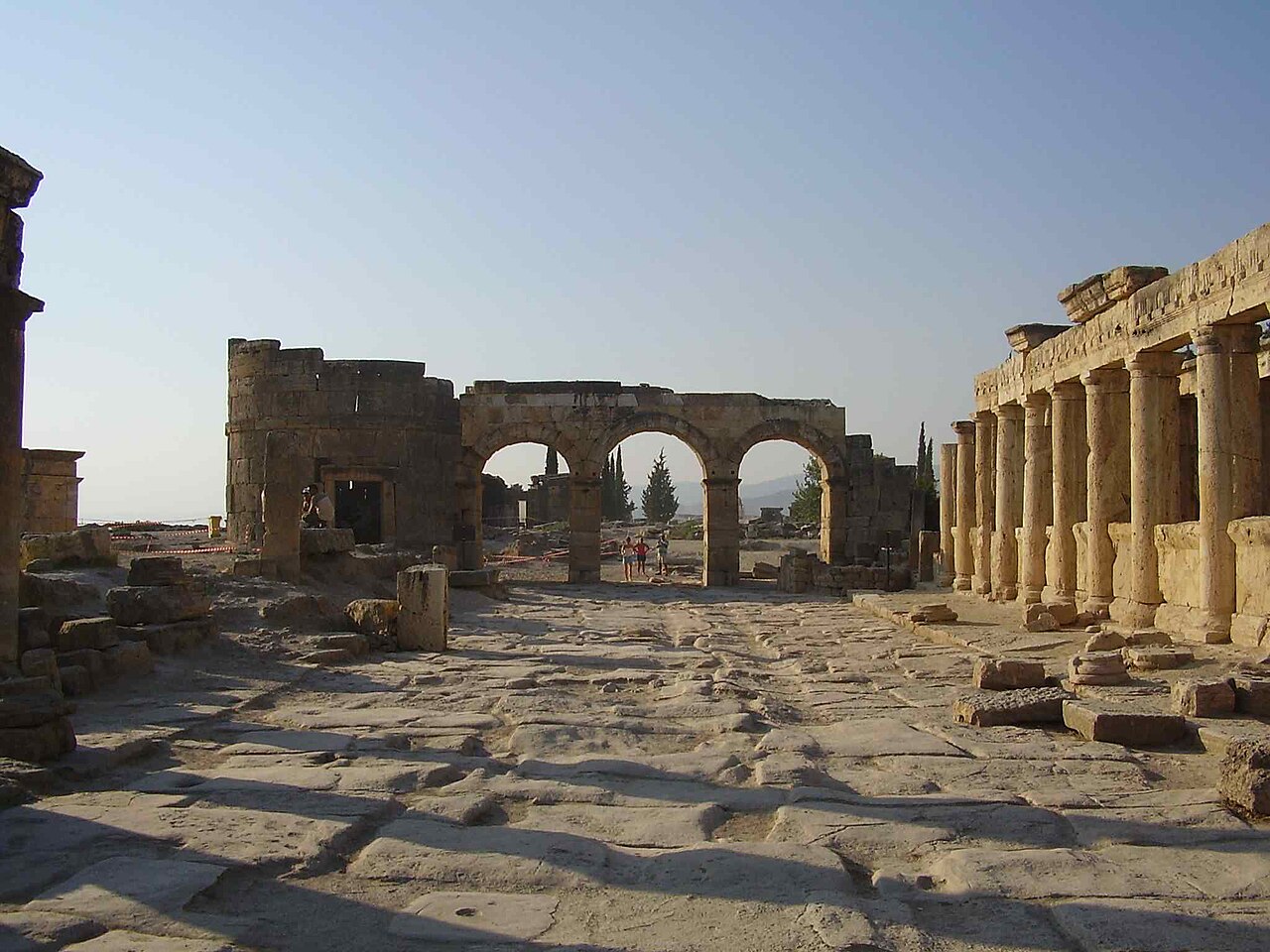
Image result for medieval manuscripts animals reading
BDLSS, MS 264, 14th c.

Drunk on Foolishness: An Epitaph

IMT Kyz Kapu Dağ 1731 [=Greek Anthology, 3.14; From Mysia, 4th Century CE?]

“Wrecked and drunk with foolishness, why did you
Violently attack the bed of Zeus’ bride?
He doused you in blood as a consequence and then
Set you rightfully on the ground as as food to the beasts and birds.”

μάργε καὶ ἀφροσύνῃ μεμεθυσμένε, τίπτε βιαίως
εἰς εὐνὰς ἐτράπης τᾶς Διὸς εὐνέτιδος;
ὅς σε δὴ αἵματι φῦρσε κατάξια, θηρσὶ δὲ βορρὰν
καὶ πτανοῖς ἐπὶ γᾷ εἴασε νῦν ὁσίως.

Hierapolis colonnade.jpg
Ruins from Hierapolis

Judging on Aspiration not Failure

Aelius Aristedes, Reply to Plato 259-260

“Some of them certainly corrupted people while others blasphemed the gods; there were those who gave speeches which would have been better unsaid and others who produced more audacity than good sense. But it may not be the best to say that if some people use the excuse of philosophy and become scoundrels who are no better than most people or, by Zeus, even more clever at doing evil, then we should dishonor philosophy, provided that philosophy is not doing these sorts of things. Instead, we must use these things as evidence against them, that they have failed at philosophy.

In the same way, it does not make oratory worse if some people use blandishment or abuse, but we must recognize in this that they are bad at rhetoric just as the other people fail at philosophy, they all use the excuse of the noblest action to furnish themselves with the opportunity to do evil.

It would be odd if we were to judge actions of cobblers and carpenters not from their mistakes but instead from examples where they did as well as humanly possible, but we evaluate oratory not just from its greatest accomplishments, but instead according to those who do the opposite of what oratory intends.”

ὧν οἱ μὲν διέφθειραν δήπου τινάς, οἱ δ’ ἐβλασφήμησαν περὶ θεούς, οἱ δὲ λόγους ἄλλους τινὰς εἶπον, οὓς οὐκ ἄμεινον ἦν ὅλως, οἱ δὲ αὐθαδείας πλέον ἢ φρονήσεως εἰσηνέγκαντο. ἀλλὰ μὴ οὕτω βέλτιον ᾖ λέγειν, ὅτι οὐκ, εἴ τινες φιλοσοφίας προβλήματι χρώμενοι φαῦλοι καὶ μηδὲν βελτίους τῶν πολλῶν γεγόνασιν, ἢ νὴ Δία καὶ δεινότεροι κακουργεῖν, οὐ διὰ ταῦτα ἀτιμαστέον φιλοσοφίαν, ἕως ἂν φιλοσοφία μὴ τὸ τὰ τοιαῦτα ποιεῖν ᾖ, ἀλλ’ αὐτοῖς τούτοις τεκμηρίοις χρηστέον κατ’ ἐκείνων, ὅτι διημαρτήκασι φιλοσοφίας. οὐδὲ εἴ τινες, οἶμαι, κολακεύουσιν ἢ συκοφαντοῦσιν, χείρω τοῦτο ποιεῖ ῥητορικήν, ἀλλ’ ἡμαρτηκότας αὐτοὺς ῥητορικῆς ταύτῃ γε ταῦτα δεῖ δοκεῖν, ὥσπερ ἐκείνους φιλοσοφίας, ἐπὶ τῷ τοῦ καλλίστου προσχήματι τὴν τοῦ κακουργεῖν ἄδειαν ἑαυτοῖς ἐκπορίζοντας. ἄτοπον δ’ ἂν εἴη, εἰ τὰ μὲν τῶν σκυτοτόμων καὶ τῶν τεκτόνων ἔργα μὴ ἐξ ὧν ἂν διαμάρτωσι κρινοῦμεν, ἀλλ’ ἐξ ὧν ἂν ὡς δυνατὸν μάλιστα τύχωσιν, ῥητορικὴν δ’ οὐ μόνον οὐκ ἐκ τῶν κάλλιστα αὐτὴν ἀποτελεσάντων κρινοῦμεν, ἀλλὰ καὶ ἐκ τῶν αὐτὰ τἀναντία πραττόντων οἷς ἡ ῥητορικὴ βούλεται.


Image result for medieval manuscript cobbler
Ott Norlinger (1476) from the Hausbuch of the Mendelschen Zwolfbruderstiftung (Neurenberg, Germany). Folio 96 recto

Some Greek Passages on Work for May 1st

Heraclitus, On the Universe 90

“We all work together to a single end: some of us knowingly and intentionally, others unconsciously. This is why, I think, Heraclitus says that even people a sleep are workers and collaborators in what happens in the universe”

Πάντες εἰς ἓν ἀποτέλεσμα συνεργοῦμεν, οἱ μὲν εἰδότως καὶ παρακολουθητικῶς, οἱ δὲ ἀνεπιστάτως· ὥσπερ καὶ τοὺς καθεύδοντας, οἶμαι, ὁ Ἡράκλειτος ἐργάτας εἶναι λέγει καὶ συνεργοὺς τῶν ἐν τῷ κόσμῳ γινομένων.

Xenophon, Oeconomicus 4.15-16

“Critoboulos, Some say that whenever the great king gives gifts, he calls in first those who proved their excellence at war because there is no advantage to plowing many fields unless they defend them. After them, he rewards those who prepare and work the land best, because brave men cannot survive unless someone works the land.”

Φασὶ δέ τινες, ἔφη ὁ Σωκράτης, ὦ Κριτόβουλε, καὶ ὅταν δῶρα διδῷ ὁ βασιλεύς, πρῶτον μὲν εἰσκαλεῖν τοὺς πολέμῳ ἀγαθοὺς γεγονότας, ὅτι οὐδὲν ὄφελος πολλὰ ἀροῦν, εἰ μὴ εἶεν οἱ ἀρήξοντες· δεύτερον δὲ τοὺς κατασκευάζοντας τὰς χώρας ἄριστα καὶ ἐνεργοὺς ποιοῦντας λέγοντα, ὅτι οὐδ᾿ ἂν οἱ ἄλκιμοι δύναιντο ζῆν, εἰ μὴ εἶεν οἱ ἐργαζόμενοι. λέγεται δὲ καὶ Κῦρός ποτε, ὅσπερ εὐδοκιμώτατος δὴ βασιλεὺς γεγένηται, εἰπεῖν τοῖς ἐπὶ τὰ δῶρα κεκλημένοις, ὅτι αὐτὸς ἂν δικαίως τὰ ἀμφοτέρων δῶρα λαμβάνοι· κατασκευάζειν τε γὰρ ἄριστος εἶναι ἔφη χώραν καὶ ἀρήγειν τοῖς κατεσκευασμένοις.

Plutarch, fr. 43

“Let no one find fault with this line because wealth is made to be much praised ahead of virtue. Know that wealth here is the product workers get from their labors—it is a just portion gathered from their personal toil.”

Μηδεὶς λοιδορείτω τὸν στίχον εἰς τὸν πολυάρατον πλοῦτον ὁρῶν τὸν πόρρω τῆς ἀρετῆς ἐσκηνημένον, ἀλλὰ πλοῦτον οἰέσθω νῦν λέγεσθαι τὴν ἀπὸ τῶν ἔργων πορισθεῖσαν ἀφθονίαν τοῖς ἐργαζομένοις δικαίαν οὖσαν καὶ ἀπὸ τῶν οἰκείων πόνων ἠθροισμένην.

Plutarch, Perikles 1.4 5-6

“Often and quite contrarily, we look down on a laborer while delighting in his work”

πολλάκις δὲ καὶ τοὐναντίον χαίροντες τῷ ἔργῳ τοῦ δημιουργοῦ καταφρονοῦμεν

Hesiod, Works and Days, 289-90

“The gods made sweat the price for virtue.”

τῆς δ’ ἀρετῆς ἱδρῶτα θεοὶ προπάροιθεν ἔθηκαν
ἀθάνατοι·


Pindar, Isthmian 1. 47

“People find different payment sweet for different work.”

μισθὸς γὰρ ἄλλοις ἄλλος ἐπ’ ἔργμασιν ἀνθρώποις
γλυκύς


Hesiod, Works and Days, 303

“Gods and men alike dislike a lazy man.”

τῷ δὲ θεοὶ νεμεσῶσι καὶ ἀνέρες ὅς κεν ἀεργὸς.

Edvard Munch, “Street Workers in Snow”

When an aristocrat co-opts the language of the proletariat…

Odyssey 15.321-324

“No mortal could rival me in work:
No one could best me at building a fire or dry wood,
At serving at the table, cooking meat or serving wine–
All those tasks lesser men complete for their betters.”

δρηστοσύνῃ οὐκ ἄν μοι ἐρίσσειε βροτὸς ἄλλος,
πῦρ τ’ εὖ νηῆσαι διά τε ξύλα δανὰ κεάσσαι,
δαιτρεῦσαί τε καὶ ὀπτῆσαι καὶ οἰνοχοῆσαι,
οἷά τε τοῖς ἀγαθοῖσι παραδρώωσι χέρηες.”

Odyssey, 18.366-383

“Eurymachus: I wish the two of us could have a labor-contest
In the height of spring when the days are drawing longer,
In the thickening grass. I would grip the curved scythe
And you could hold the same thing, so we could test each other
At work, fasting right up to dusk where the grass was thick.
And then the next day we could drive the oxen, the strongest ones,
Bright and large, both stuffed full with their food,
A pair of the same age, equally burdened, their strength unwavering.
I’d wish for a four-acre parcel to put under the plow.
Then you’d see me, how I would cut a furrow straight from end to end.
Or if, instead, Kronos’ son would send me a war today,
And I would have a shield and two spears
Matched with a bronze helmet well-fit to my temples.
Then you’d see me mixing it up in the front lines
And you wouldn’t bawl about, belittling my hungry stomach.”

“Εὐρύμαχ’, εἰ γὰρ νῶϊν ἔρις ἔργοιο γένοιτο
ὥρῃ ἐν εἰαρινῇ, ὅτε τ’ ἤματα μακρὰ πέλονται,
ἐν ποίῃ, δρέπανον μὲν ἐγὼν εὐκαμπὲς ἔχοιμι,
καὶ δὲ σὺ τοῖον ἔχοις, ἵνα πειρησαίμεθα ἔργου
νήστιες ἄχρι μάλα κνέφαος, ποίη δὲ παρείη·
εἰ δ’ αὖ καὶ βόες εἶεν ἐλαυνέμεν, οἵ περ ἄριστοι,
αἴθωνες μεγάλοι, ἄμφω κεκορηότε ποίης,
ἥλικες ἰσοφόροι, τῶν τε σθένος οὐκ ἀλαπαδνόν,
τετράγυον δ’ εἴη, εἴκοι δ’ ὑπὸ βῶλος ἀρότρῳ·
τῶ κέ μ’ ἴδοις, εἰ ὦλκα διηνεκέα προταμοίμην.
εἰ δ’ αὖ καὶ πόλεμόν ποθεν ὁρμήσειε Κρονίων
σήμερον, αὐτὰρ ἐμοὶ σάκος εἴη καὶ δύο δοῦρε
καὶ κυνέη πάγχαλκος ἐπὶ κροτάφοισ’ ἀραρυῖα,
τῶ κέ μ’ ἴδοις πρώτοισιν ἐνὶ προμάχοισι μιγέντα,
οὐδ’ ἄν μοι τὴν γαστέρ’ ὀνειδίζων ἀγορεύοις.

Gratitude for a Recovery

Greek Anthology 6.300, Leonidas [Lathria = Aphrodite]

“Lathrian, please take this from the wanderer, the pauper,
The man of little flour, Leonidas, as thanks:
Moist cakes of barely and well-stored olive oil,
Along with this green fig straight from the tree.
Lady, take these five grapes from a cluster good for wine
And this final libation from the bottom of the cup.
And if you save me from hateful poverty as you saved me
From sickness, expect a young goat too.”

Λαθρίη, ἐκ πλανίου ταύτην χάριν ἔκ τε πενέστεω
κἠξ ὀλιγησιπύου δέξο Λεωνίδεω,
ψαιστά τε πιήεντα καὶ εὐθήσαυρον ἐλαίην,
καὶ τοῦτο χλωρὸν σῦκον ἀποκράδιον,
κεὐοίνου σταφυλῆς ἔχ᾿ ἀποσπάδα πεντάρραγον,
πότνια, καὶ σπονδὴν τήνδ᾿ ὑποπυθμίδιον.
ἢν δέ μέ γ᾿, ὡς ἐκ νούσου ἀνειρύσω, ὧδε καὶ ἐχθρῆς
ἐκ πενίης ῥύσῃ, δέξο χιμαιροθύτην.

File:Greek - Oinochoe in the Camirus, or "Wild Goat" Style - Walters 482108 - Detail.jpg
“Wild Goat Style”

Cometas Scholasticus, Greek Anthology 9.597

“I was struck immobile from my hips to the bottom of my feet
Completely denied my life’s work for so long,
Halfway between life and death, Hades’ neighbor,
Merely breathing, but a corpse in every other way.
But wise Philippos, whom you view in the picture,
Brought me back to life by healing the dread disease.
And Antoninus walks on the earth again as before!
I tread on it with my feet and I feel whole.”

Νωθρὸς ἐγὼ τελέθεσκον ἀπ᾿ ἰξύος ἐς πόδας ἄκρους
τῆς πρὶν ἐνεργείης δηρὸν ἀτεμβόμενος,
ζωῆς καὶ θανάτοιο μεταίχμιον, Ἄϊδι γείτων,
μοῦνον ἀναπνείων, τἄλλα δὲ πάντα νέκυς.
ἀλλὰ σοφός με Φίλιππος, ὃν ἐν γραφίδεσσι δοκεύεις,
ζώγρησεν, κρυερὴν νοῦσον ἀκεσσάμενος·
αὖθις δ᾿ Ἀντωνῖνος, ἅπερ πάρος, ἐν χθονὶ βαίνω:
καὶ ποσὶ πεζεύω, καὶ ὅλος αἰσθάνομαι.

Chance, Sickness, and Safe Passage Through the Storm

Plutarch, On Tranquility of Mind 475 d-f -476a

“Chance is also capable of afflicting us with sickness, stripping us of possessions, or bad-mouthing us to people or ruler. But it cannot make a good, brave, or great-souled person a wicked coward with a cheap mind. And chance cannot steal away the mindset which when always with is is of greater use in life than a captain upon the sea.

It is impossible for a captain to calm a rough wave and the wind and equally so to find a harbor when he needs it where he wants it. And he cannot face whatever happens fearlessly and steadfast. But, as long as he he does not forget himself and uses his skill, “he flees the clouded sea / once he has furled the sail to the lower mast”.

Whenever the sea looms over him, he sits in his shaking and trembles. But the mindset of the wise person provides the most calm to his bodily responses, eliminating the conditions of disease with self-control, a wise diet, and measured toils. Even if the cause of suffering comes from the outside there is a passage through the storm if “he endures it well with a light and drawn sailed” as Asclepiades says. But if something unexpected and serious overtakes him and overpowers, well, the harbor is close and he can still swim free of his body as from a ship that will float no more.”

καὶ γὰρ ἡ τύχη δύναται νόσῳ περιβαλεῖν, ἀφελέσθαι χρήματα, διαβαλεῖν πρὸς δῆμον ἢ τύραννον· κακὸν δὲ καὶ δειλὸν καὶ ταπεινόφρονα καὶ ἀγεννῆ καὶ φθονερὸν οὐ δύναται ποιῆσαι τὸν ἀγαθὸν καὶ ἀνδρώδη καὶ μεγαλόψυχον οὐδὲ παρελέσθαι τὴν διάθεσιν, ἧς ἀεὶ παρούσης πλέον ἢ κυβερνήτου πρὸς θάλατταν ὄφελός ἐστι πρὸς τὸν βίον. κυβερνήτῃ γὰρ οὔτε κῦμα πραῧναι τραχὺ καὶ πνεῦμα δυνατόν ἐστιν, οὔθ᾿ ὅποι βούλεται δεομένῳ λιμένος τυχεῖν οὔτε θαρραλέως καὶ ἀτρόμως ὑπομεῖναι τὸ συμβαῖνον· ἀλλ᾿ ἕως οὐκ ἀπέγνωκε τῇ τέχνῃ χρώμενος

φεύγει μέγα λαῖφος ὑποστολίσας εἰς ἐνέρτερον ἱστὸν / ἐρεβώδεος ἐκ θαλάσσης,

ἐπειδὰν δὲ τὸ πέλαγος ὑπέρσχῃ, τρέμων κάθηται καὶ παλλόμενος. ἡ δὲ τοῦ φρονίμου διάθεσις τοῖς τε σωματικοῖς παρέχει γαλήνην ἐπὶ πλεῖστον, ἐκλύουσα τὰς τῶν νόσων κατασκευὰς ἐγκρατείᾳ καὶ διαίτῃ σώφρονι καὶ μετρίοις πόνοις· κἄν τις ἔξωθεν ἀρχὴ πάθους ὥσπερ διαδρομὴ γένηται σπιλάδος, “εὐσταλεῖ καὶ κούφῃ κεραίᾳ παρήνεγκεν,” ὥς φησιν Ἀσκληπιάδης· παραλόγου δέ τινος καὶ μεγάλου καταλαβόντος καὶ κρατήσαντος, ἐγγὺς ὁ λιμὴν καὶ πάρεστιν ἀπονήξασθαι τοῦ σώματος ὥσπερ ἐφολκίου μὴ στέγοντος.

File:Boat Cdm Paris 322 n2.jpg
Boats Cup, c. 520 BCE

Taking the Cure in Isolation

Apuleius, Metamorphoses 4.1

“Around noon, when the sun’s flame was already hot, we turned off in some village to the home of some old men known well to the thieves. This was easy to understand for even a donkey thanks to the prolonged conversation and shared kisses. They also gave some gifts to them which I had carried on my back and seemed to relate that they were obtained through theft with secret whispers. Once we were unburdened of every bag, they left us to amble and eat in a field next to the home.

But I was not really drawn to a pastoral communion with either the ass or my old horse and I was also not quite used to eating grass. I could see a garden on the other side of the stable, so I broke into it, already wracked by hunger. I filled my stomach immediately with those vegetables, even though they were raw, and I was saying a little prayer to all the gods as I looked around the place, hoping I might find the light of rose bushes in the nearby gardens.

This isolation was providing me confidence I did not have before, if once I was away from the road and hidden by bushes, I could eat the medicine and rise from the curved-hoof of four-footed pack animal to stand straight like a man, while no one was looking.”

Diem ferme circa medium, cum iam flagrantia solis caleretur, in pago quodam apud notos ac familiares latronibus senes devertimus. Sic enim primus aditus et sermo prolixus et oscula mutua quamvis asino sentire praestabant. Nam et rebus eos quibusdam dorso meo depromptis munerabantur, et secretis gannitibus quod essent latrocinio partae videbantur indicare. Iamque nos omni sarcina levatos in pratum proximum passim libero pastui tradidere. Nec me cum asino vel equo meo compascuus coetus attinere potuit, adhuc insolitum alioquin prandere faenum; sed plane pone stabulum prospectum hortulum iam fame perditus fidenter invado, et quamvis crudis holeribus affatim tamen ventrem sagino, deosque comprecatus omnes cuncta prospectabam loca, sicubi forte conterminis in hortulis candens reperirem rosarium. Nam et ipsa solitudo iam mihi bonam fiduciam tribuebat, si devius et frutectis absconditus, sumpto remedio, de iumenti quadripedis incurvo gradu rursum erectus in hominem inspectante nullo resurgerem.

Nicolai Abildgaard – Fotis sees her Lover Lucius Transformed into an Ass. Motif from Apeleius’ The Golden Ass

To be Cancelled or Not?

Aristotle, On Interpretation 19a

“What is exists whenever it does; what does not exist does not exist when it does not. Still, there’s no necessity to everything in existing or not existing. For it is not the same thing to say that everything that exists does exist and that everything exists by necessity when it occurs. Clearly, it is the same with things that do not exist.

The same argument obtains here as with contrary statements. Everything necessarily exists or does not exist and will be or will not be. But it it not possible for us to say which thing will necessarily happen. For example, I say that there will be a sea-battle tomorrow or maybe there won’t be. There’s certainly nothing to make it necessary that a sea-battle will happen tomorrow or not. But it is certainly necessary that it either happens or it doesn’t.”

Τὸ μὲν οὖν εἶναι τὸ ὂν ὅταν ᾖ, καὶ τὸ μὴ ὂν μὴ εἶναι ὅταν μὴ ᾖ, ἀνάγκη· οὐ μὴν οὔτε τὸ ὂν ἅπαν ἀνάγκη εἶναι οὔτε τὸ μὴ ὂν μὴ εἶναι. οὐ γὰρ ταὐτόν ἐστι τὸ ὂν ἅπαν εἶναι ἐξ ἀνάγκης ὅτε ἔστι, καὶ τὸ ἁπλῶς εἶναι ἐξ ἀνάγκης. ὁμοίως δὲ καὶ ἐπὶ τοῦ μὴ ὄντος. καὶ ἐπὶ τῆς ἀντιφάσεως ὁ αὐτὸς λόγος. εἶναι μὲν ἢ μὴ εἶναι ἅπαν ἀνάγκη, καὶ ἔσεσθαί γε ἢ μή· οὐ μέντοι διελόντα γε εἰπεῖν θάτερον ἀναγκαῖον. λέγω δὲ οἷον ἀνάγκη μὲν ἔσεσθαι ναυμαχίαν αὔριον ἢ μὴ ἔσεσθαι, οὐ μέντοι ἔσεσθαί γε αὔριον ναυμαχίαν ἀναγκαῖον οὐδὲ μὴ γενέσθαι· γενέσθαι μέντοι ἢ μὴ γενέσθαι ἀναγκαῖον.

File:Gent, Justus van - Aristotle - c. 1476.jpg
Justus van Gent, Aristotle 1476

Fronto on How to Wear a Mask

Marcus Cornelius Fronto to Antoninus Augustus Ambr. 390 17

“Aesopus the tragedian reportedly never put a mask on his face until he had looked at it for awhile from the other side so that he might change his gestures and alter his voice in line with the appearance of the mask.”

Tragicus Aesopus fertur non prius ullam suo induisse capiti personam, antequam diu ex adverso contemplaret, ut pro personae voltu gestum sibi capessere ac vocem <adsimulare posset>

Enter a caption

Pliny’s Slightly Less Stupid Treatments for Sickness

Pliny the Elder Natural History, 28.33

“The treatment is for their hands to be washed in water first and then for that water to be sprinkled on patients. However, those who are struck at some point by a scorpion are never attacked again by wasps and bees. Someone who knows that clothes worn at a funeral are never touched by moths or that snakes are only with great labor pulled out out of their holes except by the left hand will not be shocked by this.

Of the discoveries of Pythagoras, this will not prove false: an unequal number of vowels foretells lameness, blindness, or some similar disability on the right side; an even number predicts this on the left. People claim that a difficult birth labor will result in an immediate delivery if a stone or a missile which has killed three animals with a single strike (a human, a boar and a bear) is thrown over the home containing the pregnant woman. This is done with more success with a spear that has been pulled from a human body and has not touched the ground. This works the same if the spear is carried inside.”

remedio est ablui prius manus eorum aquaque illa eos quibus medearis inspergi. rursus a scorpione aliquando percussi numquam postea a crabronibus, vespis apibusve feriuntur. minus miretur hoc qui sciat vestem a tineis non attingi quae fuerit in funere, serpentes aegre praeterquam laeva manu extrahi. e Pythagorae inventis non temere fallere, inpositivorum nominum inparem vocalium numerum clauditates oculive orbitatem ac similes casus dextris adsignare partibus, parem laevis. ferunt difficiles partus statim solvi, cum quis tectum in quo sit gravida transmiserit lapide vel missili ex his qui tria animalia singulis ictibus interfecerint, hominem, aprum,  ursum. probabilius id facit hasta velitaris evulsa corpori hominis, si terram non attigerit. eosdem enim inlata effectus habet.

Image result for medieval manuscript pliny natural history
From Arundel_ms_98_f085v